
Table of Contents
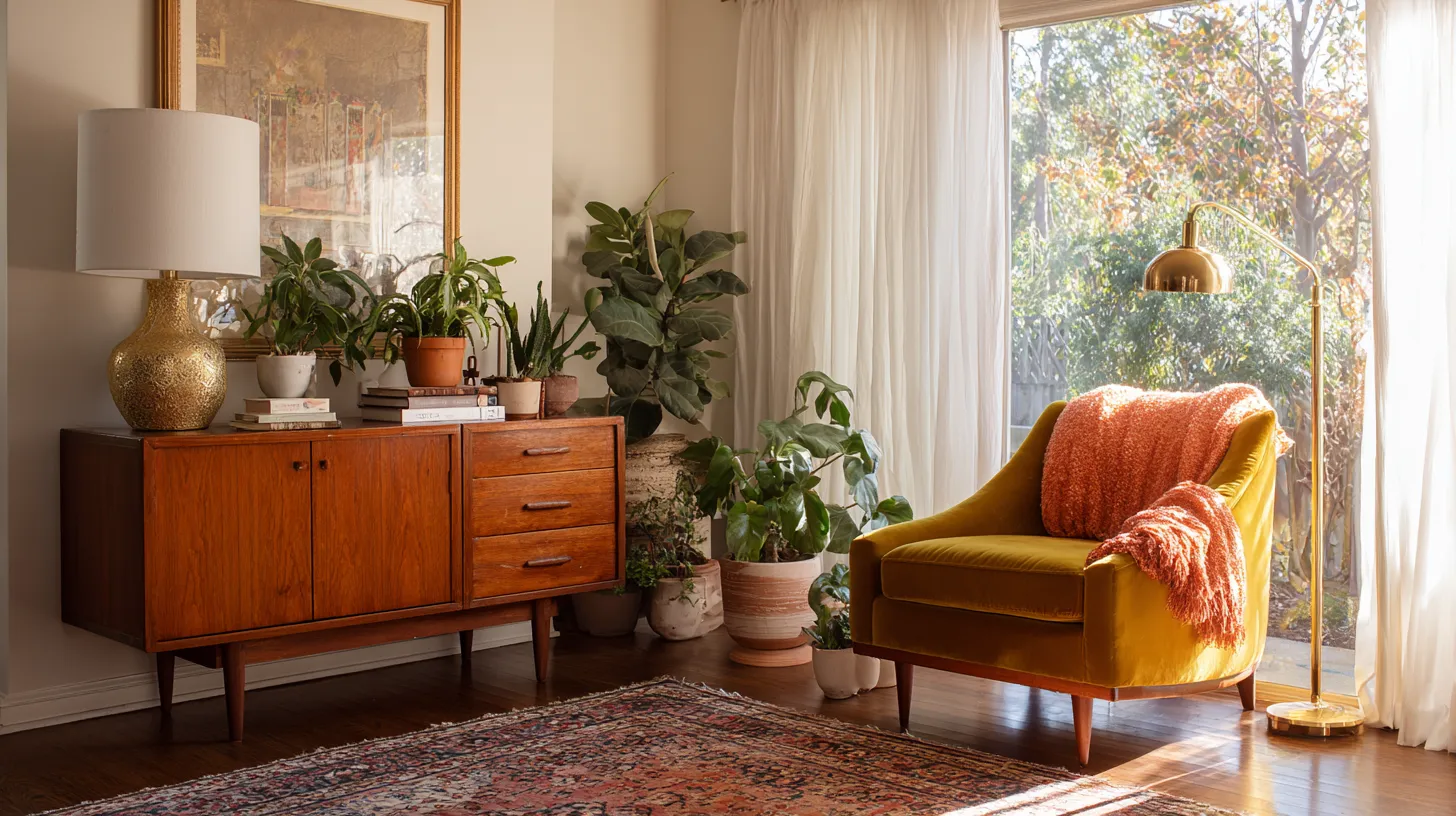
There’s something about walking into a room filled with pieces that have lived before. The way afternoon light catches the worn brass of a mid-century lamp. How a velvet armchair from the 1970s still holds its jewel-toned richness after decades.
Vintage Revival isn’t just a trend—it’s a return to authenticity in a world of mass production. It’s choosing the chair with a story over the one from a catalog. It’s the quiet rebellion of surrounding yourself with objects that were made to last, made by hands that cared.
This movement weaves through fashion, furniture, and the very fabric of how we live. And it asks us to pause, to appreciate, to bring something beautiful back to life.
Let’s explore how Vintage Revival transforms not just spaces, but how we think about style, sustainability, and the art of living well.
What Does Vintage Revival Mean?
Vintage Revival is the intentional embrace of items, styles, and design elements from past eras—typically pieces that are 20 to 100 years old. It’s not about creating a museum in your home, but rather curating a space that honors craftsmanship and character.
True vintage refers to authentic items from specific time periods: Art Deco glamour from the 1920s-30s, mid-century modern clean lines from the 1950s-60s, or the earthy bohemian spirit of the 1970s. Each piece carries the fingerprints of its era—the materials used, the construction methods, the aesthetic sensibilities of that time.
Vintage-inspired, on the other hand, is newly made furniture or décor that mimics these historical styles. While beautiful, these reproductions lack the patina and authenticity of genuine vintage pieces. The distinction matters to collectors and sustainability-minded decorators who value the environmental impact of choosing existing items over new production.

The Eras That Define Vintage Revival
Understanding which periods resonate with you helps focus your vintage journey:
| Era | Years | Key Characteristics | Popular Elements |
|---|---|---|---|
| Art Deco | 1920s-1930s | Geometric patterns, luxe materials, bold symmetry | Mirrors, brass fixtures, velvet upholstery |
| Mid-Century Modern | 1950s-1960s | Clean lines, organic forms, functionality | Teak furniture, atomic patterns, sculptural lighting |
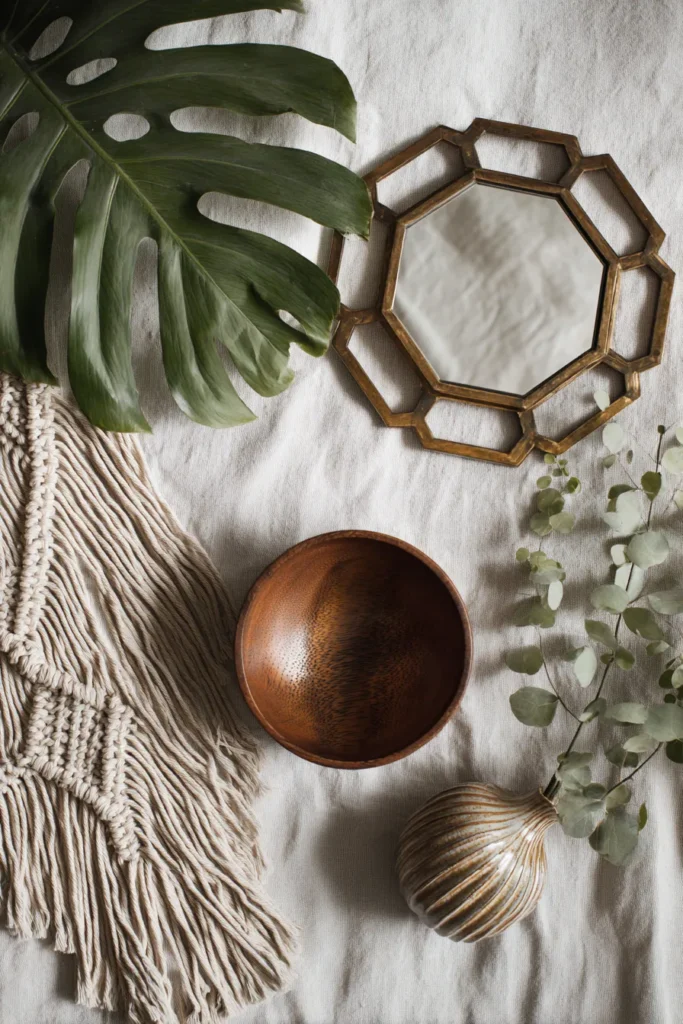
| Bohemian/Hippie | 1970s | Natural textures, earthy tones, eclecticism | Macramé, rattan, terracotta, warm wood |
| Postmodern | 1980s | Bold colors, playful shapes, mixed materials | Memphis design, pastels, geometric forms |
| Grunge Minimalism | 1990s | Raw aesthetics, simplified forms, industrial edge | Metal frames, muted tones, functional simplicity |
Why Vintage Revival Resonates Now
We’re living in an age of conscious consumption. Fast furniture breaks down in years; fast fashion ends up in landfills. Vintage Revival offers a counterpoint—a way to decorate and dress that feels both beautiful and responsible.
Sustainability sits at the heart of this movement. Every vintage armchair rescued from a thrift store is one less new piece manufactured, shipped, and packaged. Every 1960s sideboard refinished is tonnes of wood that didn’t need to be harvested. The environmental impact is tangible and meaningful.
But there’s more than ethics at play. Vintage pieces offer something impossible to replicate: uniqueness. When you bring home a hand-carved wooden mirror from the 1940s, you know no one else on your street has the same one. Your space becomes truly yours.
The quality of vintage craftsmanship speaks for itself. Furniture was built with solid wood, real brass hardware, dovetail joints meant to last generations. Compare this to particleboard and plastic, and the choice becomes clear.
The Emotional Connection
Vintage Revival taps into nostalgia without being sentimental. It’s the feeling of your grandmother’s kitchen, translated into a modern context. The comfort of familiar forms—a rounded chair back, a wooden table worn smooth by years of family dinners—grounds us in an increasingly digital world.
These pieces remind us that beautiful things don’t have to be new. That age adds value rather than diminishing it.
How to Shop Vintage Authentically
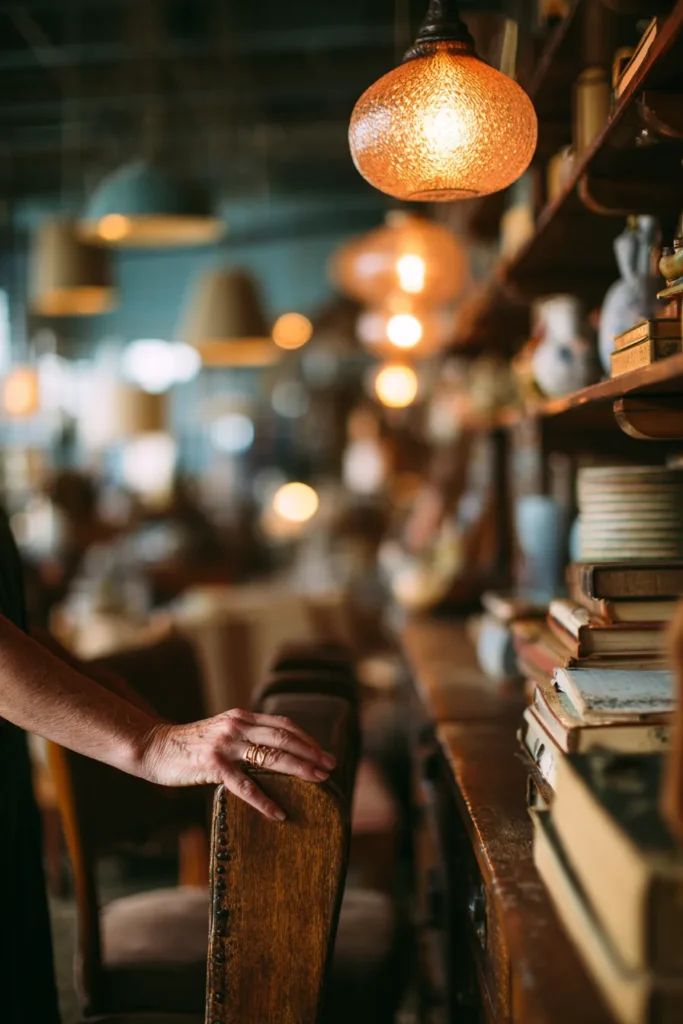
Finding genuine vintage requires patience and a trained eye. But the hunt itself becomes part of the joy.
Know what to look for. Examine construction methods—hand-cut dovetails, solid wood throughout, metal screws rather than particle board and staples. Check labels and maker’s marks. Research signature styles of different eras so you can recognize authentic pieces.
Look for signs of quality aging: patina on brass, slight fading that suggests natural wear, the kind of scratches that tell stories rather than indicate damage. A perfectly preserved piece might be reproduction; real vintage bears the gentle marks of time.
Where to Find Vintage Treasures
Local thrift stores and estate sales remain goldmines for those willing to dig. Visit regularly, as inventory changes constantly. Estate sales especially offer complete room settings, giving you a sense of how pieces worked together in their original context.
Vintage markets and antique fairs gather dealers in one place, though prices tend to be higher than thrift stores. The advantage? Curated selection and sellers who can verify authenticity and provenance.
Online vintage marketplaces have exploded in recent years. Platforms dedicated to vintage resale connect you with sellers worldwide. Request detailed photos, measurements, and ask about condition honestly. Factor in shipping costs for larger furniture pieces.
Architectural salvage yards offer vintage building materials—doors, windows, hardware, lighting fixtures—perfect for renovation projects or as statement pieces.

Spotting Quality Vintage
- Materials matter: Solid wood, real leather, natural fabrics like linen and wool, genuine brass or copper
- Weight and heft: Quality furniture feels substantial; cheap reproductions feel hollow
- Joinery: Look for dovetails, mortise and tenon joints, hand-finished edges
- Hardware: Original screws, hinges, and pulls show authentic aging patterns
- Signatures: Maker’s marks, labels, stamps indicating manufacturer and era
Caring for Your Vintage Finds
Vintage pieces deserve thoughtful maintenance to preserve their beauty for decades more.
Furniture Care Essentials
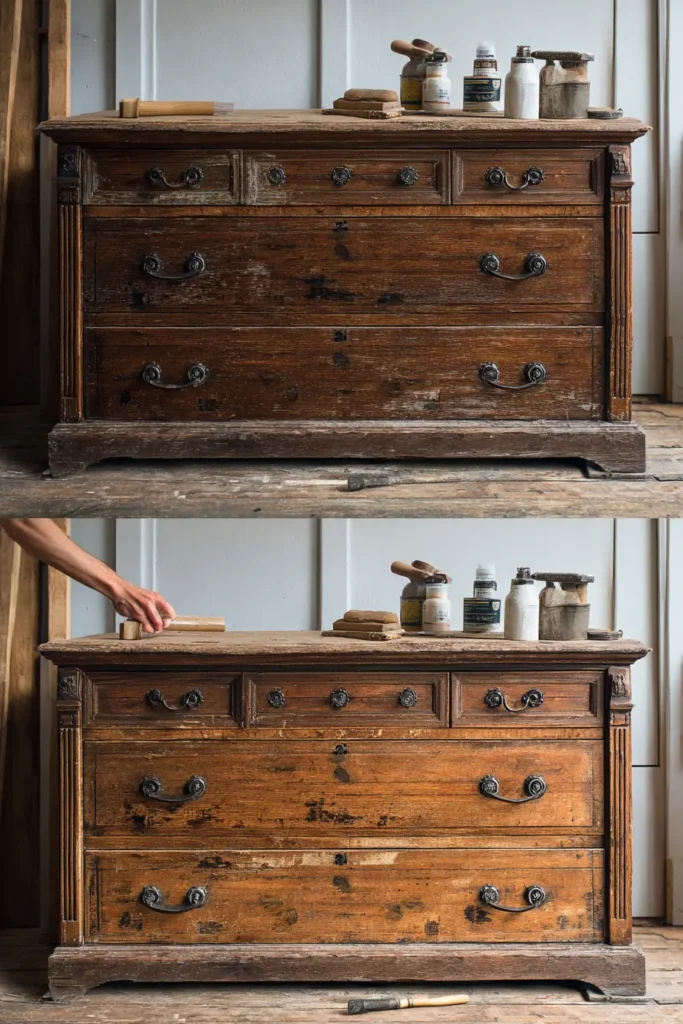
Wood furniture needs regular dusting with a soft cloth and occasional conditioning. Use beeswax polish or specialized wood conditioners appropriate for the finish. Avoid harsh chemicals that strip patina. Keep pieces away from direct sunlight and heat sources that cause warping or fading.
Upholstered vintage pieces might need professional reupholstering, but don’t rush to recover original fabric. Sometimes cleaning and small repairs preserve authenticity better than replacement. Vacuum gently using upholstery attachments. Consider having pieces professionally cleaned rather than attempting DIY solutions on delicate vintage fabrics.
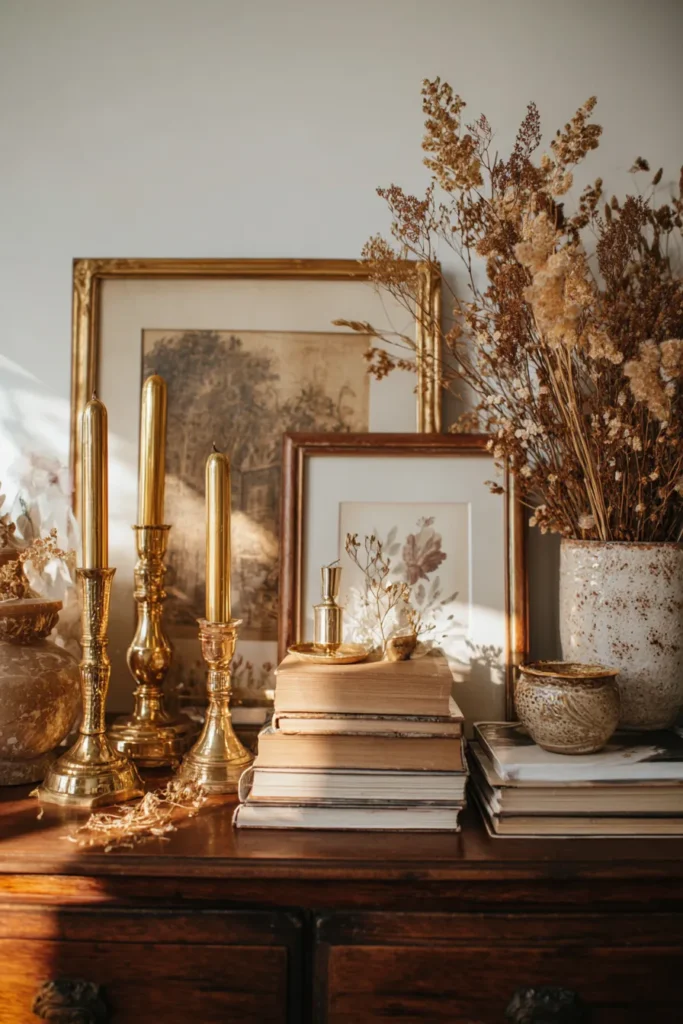
Metal and brass develop patina that many collectors prize. If you prefer shine, use gentle brass cleaners with soft cloths. Never use abrasive materials that scratch surfaces.
Textile and Clothing Care
Vintage clothing and linens require special handling. Hand wash delicate items in cool water with gentle, pH-neutral soaps specifically designed for vintage textiles. Avoid harsh detergents and never use bleach.
Store vintage textiles in breathable cotton bags or acid-free tissue paper. Avoid plastic, which traps moisture and causes yellowing. Keep items away from direct sunlight to prevent fading.
For valuable pieces, consider professional conservation cleaning rather than attempting it yourself. Some stains and damage are better left than worsened by amateur treatment.
Styling Vintage in Modern Spaces
The magic happens when you blend eras and styles. Vintage Revival doesn’t mean turning your home into a time capsule—it’s about creating layered, personal spaces that feel collected over time.
The Mix-and-Match Philosophy
Contrast is your friend. A sleek mid-century modern sofa gains warmth when paired with a chunky 1970s woven wall hanging. Contemporary lighting makes vintage furniture feel fresh rather than dated. This tension between old and new creates visual interest and prevents spaces from feeling costume-like.
Start with anchor pieces—a statement vintage sideboard, a distinctive armchair, a commanding dining table. Build around these with a mix of vintage accents and modern necessities. Your flat-screen TV and vintage credenza can coexist beautifully.
Room-by-Room Vintage Integration
Living Rooms
Ground your living room with a vintage coffee table or media console. Layer in mid-century chairs or a restored vintage sofa. Add texture through vintage textiles—a Persian rug, throw pillows made from antique fabric, curtains with retro patterns.
Lighting matters enormously. A sculptural floor lamp from the 1960s or an Art Deco chandelier becomes both light source and art. Layer different vintage lighting heights for ambiance.
Bedrooms
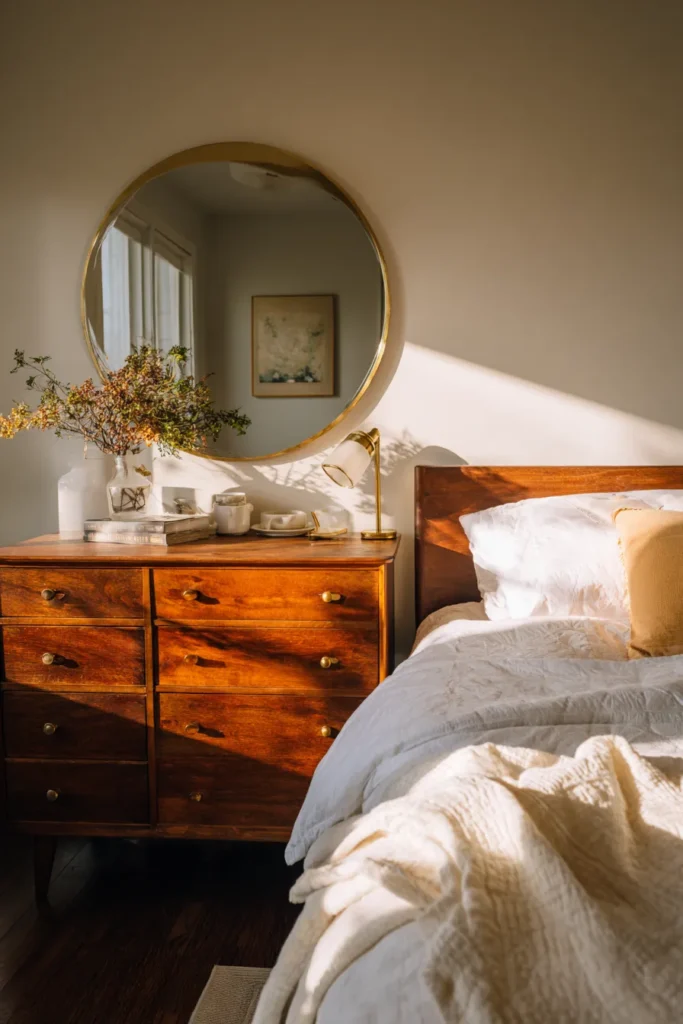
Vintage dressers and nightstands bring character that modern bedroom furniture often lacks. The craftsmanship shows in every drawer pull and carved detail. Layer bedding with vintage quilts or coverlets for texture and warmth.
Consider a vintage vanity as a dressing table—these pieces combine function and beauty in ways contemporary furniture rarely achieves. Add a vintage mirror to capture light and create depth.
Dining Spaces
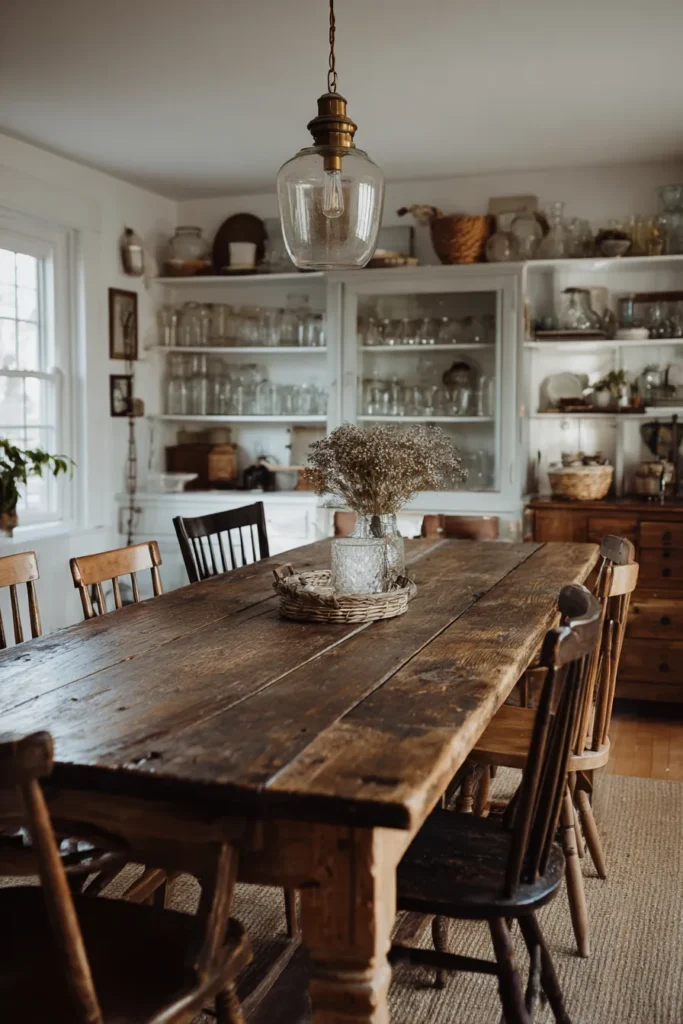
A vintage dining table grounds the room with substance and story. Whether it’s a farmhouse table worn smooth by generations or a mid-century modern design with tapered legs, it becomes the heart of gathering.
Mix vintage dining chairs with modern ones, or collect mismatched vintage chairs for an eclectic, collected look. This approach feels personal and prevents the “dining set” formality.
Add vintage serving pieces, glassware, and ceramics displayed on open shelving or in glass-front cabinets. These functional items double as décor.
Kitchens
Vintage kitchen elements add soul to what’s often the most utilitarian space. Consider vintage appliances if you’re willing to maintain them, or seek out vintage-inspired modern appliances that offer old aesthetics with new efficiency.
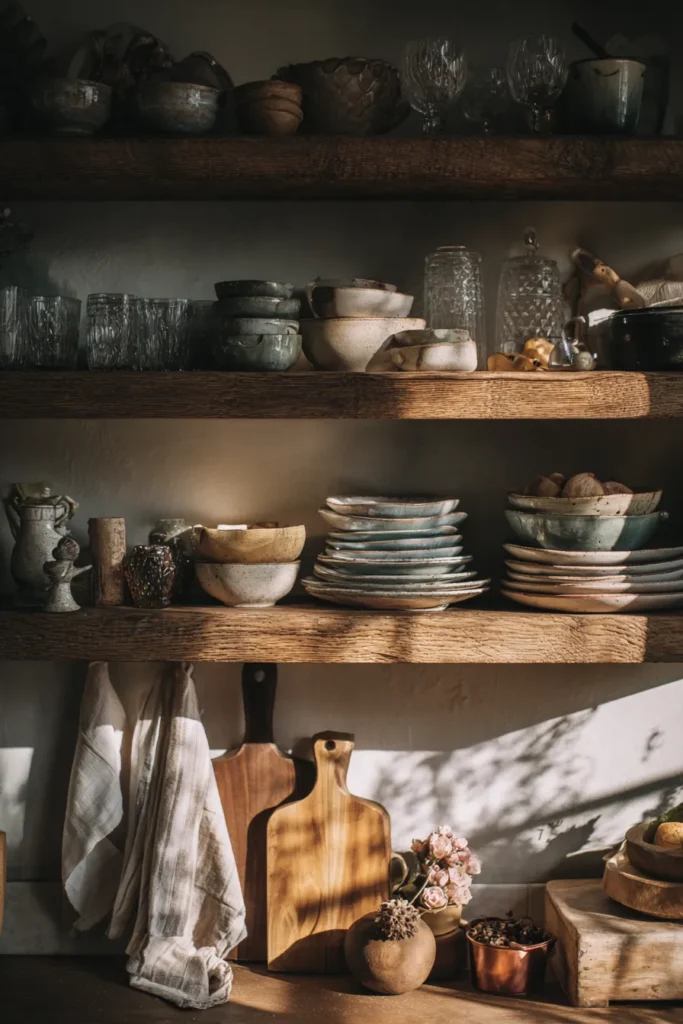
Display vintage cookware, ceramic bowls, glassware as functional art. Open shelving showcases these collections beautifully. Vintage textiles—tea towels, tablecloths, aprons—add softness and pattern.
DIY Restoration and Upcycling Projects
Part of Vintage Revival’s appeal is the opportunity to restore and reimagine pieces yourself.
Beginner-Friendly Projects
Refinishing wood furniture is more accessible than it seems. Strip old finish with appropriate removers, sand smooth, and apply new stain or paint. This process breathes new life into damaged pieces while preserving their bones.
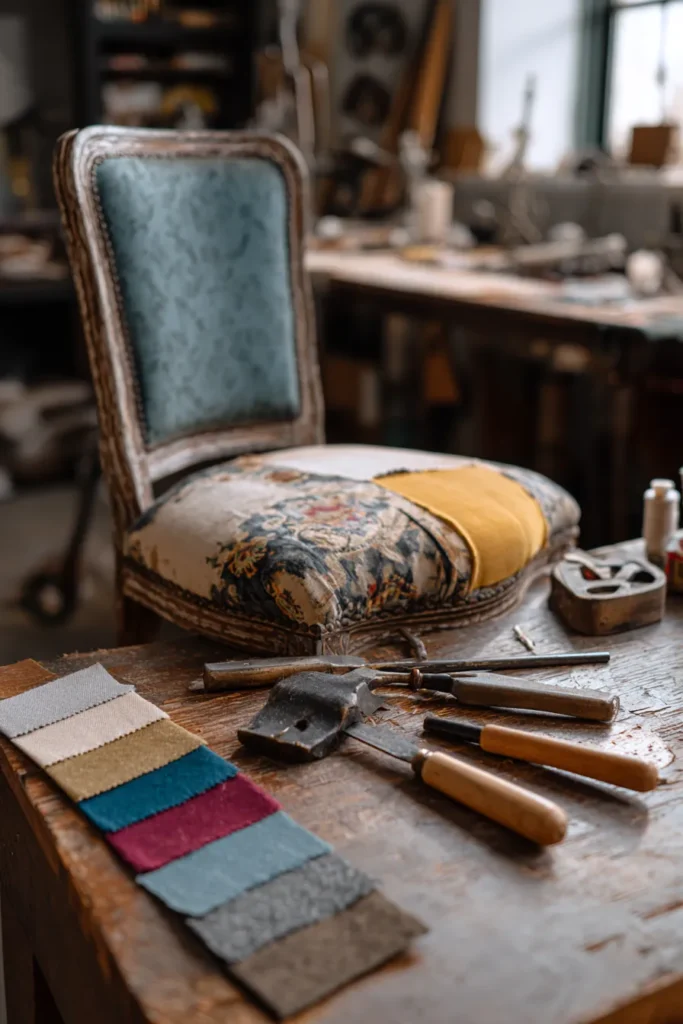
Reupholstering chairs can be learned through online tutorials and practice. Start with simple dining chairs before tackling complex wing-backs. Choose fabrics that complement your space while honoring the piece’s era.
Hardware updates make dramatic differences. Replace worn drawer pulls with vintage brass or ceramic knobs found at antique stores or salvage yards. This small change elevates the entire piece.
Advanced Restoration
For valuable or complex pieces, consider professional restoration. Skilled craftspeople can repair structural damage, restore original finishes, and replace damaged elements with period-appropriate materials.
Document your restoration process. Before-and-after photos celebrate your work and help you remember original condition if you later sell or pass down pieces.
The Economics of Vintage Revival
Vintage shopping offers financial advantages alongside environmental ones.
Value retention matters. Quality vintage furniture often appreciates or holds value, unlike mass-produced modern furniture that depreciates immediately. You’re not just decorating—you’re investing in pieces that could be worth more in years to come.
Initial costs vary wildly. Thrift store finds might cost twenty dollars; a designer mid-century piece could run thousands. But compare quality vintage to new furniture of similar construction, and vintage often wins on price.
Resale potential gives vintage purchases flexibility. Outgrew a piece? Changing styles? Quality vintage sells easily in robust secondhand markets. You recoup much of your investment.
The Cultural Stories Behind Vintage Styles
Every era’s design reflects its historical moment—the optimism of post-war mid-century modernism, the opulence of Art Deco prosperity, the earth-conscious simplicity of 1970s bohemianism.
Understanding these contexts enriches your appreciation. That streamlined chair from 1955 embodies the space age excitement of its time. The geometric patterns of Art Deco captured the machine age’s energy and glamour.
Vintage pieces connect us to these cultural moments. They’re tangible links to how people lived, what they valued, what they considered beautiful.
Building Your Vintage Collection
Start thoughtfully rather than impulsively. Define your style preferences by noticing which eras and aesthetics draw your eye repeatedly.
Create a vision board of vintage spaces you love. Notice patterns—do you gravitate toward warm woods and earthy tones? Clean lines and sculptural forms? Ornate details and rich fabrics? Understanding your preferences prevents random collecting.
Measure everything. The most common vintage shopping mistake is falling in love with a piece that doesn’t fit your space. Carry a tape measure and know your room dimensions before shopping.
Buy the best quality you can afford. One stunning vintage credenza beats five mediocre pieces. Quality vintage furniture only becomes more valuable and beautiful with time.
Essential Vintage Revival Checklist
- Research era-specific characteristics before shopping to spot authentic pieces
- Inspect thoroughly for damage, wear, and signs of quality construction
- Consider scale and proportion within your existing space
- Verify authenticity through maker’s marks, construction methods, materials
- Plan for care and maintenance before bringing pieces home
- Mix eras and styles rather than creating single-era showrooms
- Start with anchor pieces and build collections gradually
- Document provenance when possible for valuable or special items
- Connect with vintage communities online and locally for knowledge and resources
- Shop regularly at various sources as the best finds require patience
Vintage Revival and Community
The vintage world thrives on community connection. Local vintage markets become regular rituals where you recognize fellow collectors and dealers. Online forums and social media groups share finds, restoration tips, and identification help.
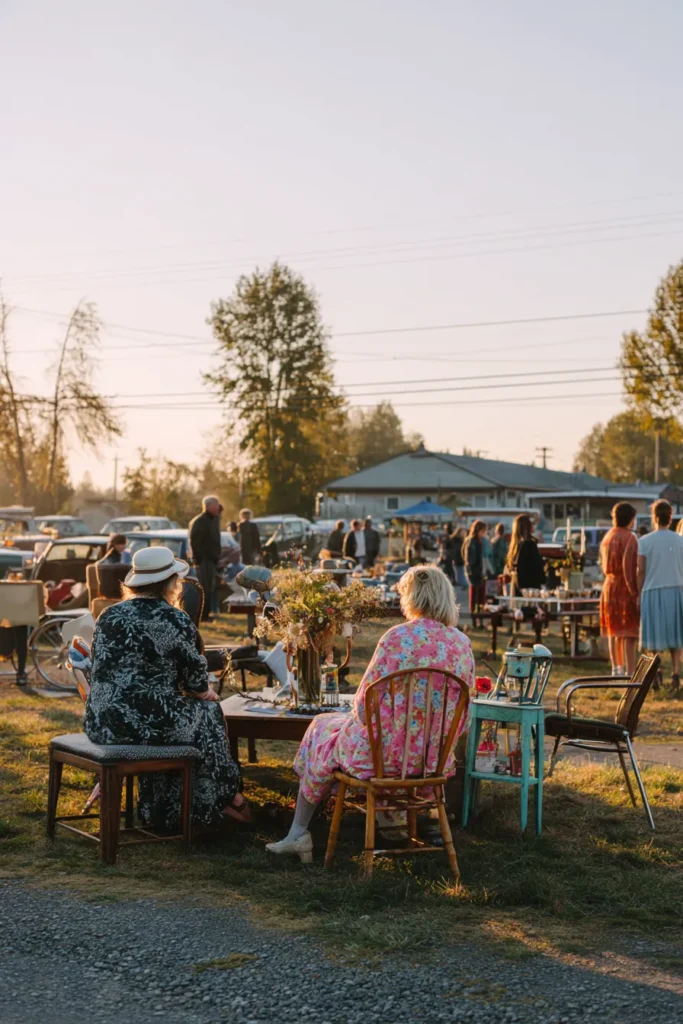
Attend vintage events in your area—flea markets, estate sales, pop-up vintage fairs. These gatherings offer both shopping opportunities and chances to meet people who share your passion.
Many cities host vintage clothing swaps and furniture exchanges. These events embody sustainable living while building community around shared values.
Share your own vintage journey through social media or blogs. User-generated content inspires others and documents the transformation of pieces you rescue and restore.
Conclusion
Vintage Revival asks us to reconsider what makes a space feel like home. It’s not about having everything match or following the latest trends. It’s about surrounding yourself with pieces that carry meaning, craftsmanship, and stories.
When you choose vintage, you’re voting with your wallet for sustainability, quality, and individuality. You’re preserving pieces that might otherwise be lost. You’re creating spaces that feel genuinely yours—layered, collected, alive with history.
The worn patina on a brass lamp pull, the solid weight of a wooden drawer sliding on its rails, the way light moves across vintage glass—these small sensory pleasures accumulate into something larger. A home that feels rooted. A space with soul.
Vintage Revival isn’t about living in the past. It’s about bringing the best of what came before into our present moment—and carrying it forward into the future.
Frequently Asked Questions
What qualifies as vintage versus simply old or used?
Vintage typically refers to items between 20 and 100 years old that represent the style and quality of their era. True vintage pieces show characteristic design elements, materials, and construction methods from specific time periods. Items younger than 20 years are usually considered contemporary or secondhand, while pieces over 100 years old enter antique territory.
How can I tell if vintage furniture is worth restoring?
Examine the underlying structure and materials—solid wood construction, quality joinery like dovetails, and repairable damage make pieces worth restoring. If the bones are sound but surface finish is damaged, restoration often makes sense. However, pieces with structural damage, particleboard construction, or extensive repairs needed may cost more to restore than their final value.
Can vintage style work in small
Absolutely. Scale matters more than style—choose appropriately sized vintage pieces for your space. One or two statement vintage items can anchor a small room without overwhelming it. Mid-century modern furniture especially suits contemporary spaces with its clean lines and compact proportions. The mix of vintage and modern often works better than committing entirely to one aesthetic.
Where should beginners start with Vintage Revival decorating?
Begin with smaller accent pieces—a vintage mirror, a side table, decorative objects—to test your style preferences without major investment. Thrift stores and estate sales offer affordable entry points. Focus on one room and build gradually. Research the eras that appeal to you so you can shop with intention rather than impulse.
Is vintage furniture safe and clean to bring into my home?
Quality vintage furniture is generally safe when properly cleaned and inspected. Check for structural integrity, pest damage, and mold before purchasing. Clean thoroughly with appropriate products for the materials. Reupholstering vintage pieces gives you control over fabrics and interior materials. Avoid pieces with strong odors that won’t dissipate or extensive water damage that suggests mold issues.