
Table of Contents
There’s something magnetic about stepping into a home where light travels freely from room to room. Where the scent of morning coffee drifts from kitchen to living space, and conversations flow as easily as the sightlines. Open-concept layouts have shaped how we live for decades now, but the story is evolving.
The truth is, we’re asking more from our homes than ever before. We want spacious living that still feels intimate. We crave connection without sacrificing quiet corners for focus or rest. And as our needs shift, so do the designs that hold our daily lives.
This isn’t about choosing sides between open or closed floor plans. It’s about understanding how modern home design is embracing nuance—creating spaces that breathe with flexibility while honoring our need for both togetherness and solitude. Let’s explore where open-concept living stands today, and where it’s headed tomorrow.
The Evolution of Open Floor Plans: Where We’ve Been and Where We’re Going
Open-concept layouts emerged as a rebellion against compartmentalized Victorian homes. They promised freedom, light, and a more casual way of living. For years, knocking down walls became synonymous with modern renovation ideas, and open floor plans dominated new construction.
But living through a global shift toward remote work changed something fundamental. Suddenly, homes needed to accommodate Zoom calls, homeschooling, and solitary work—all happening simultaneously. The very openness we celebrated became a source of acoustic chaos and visual distraction.
Today’s interior design trends reflect this recalibration. We’re not abandoning open layouts; we’re refining them. The newest approaches blend the airiness of open spaces with thoughtful zoning, flexible boundaries, and acoustic consideration. Think of it as open-concept 2.0—smarter, more adaptable, more human.
Current Open-Concept Layout Trends Redefining Modern Homes
The Rise of Flexible Zoning
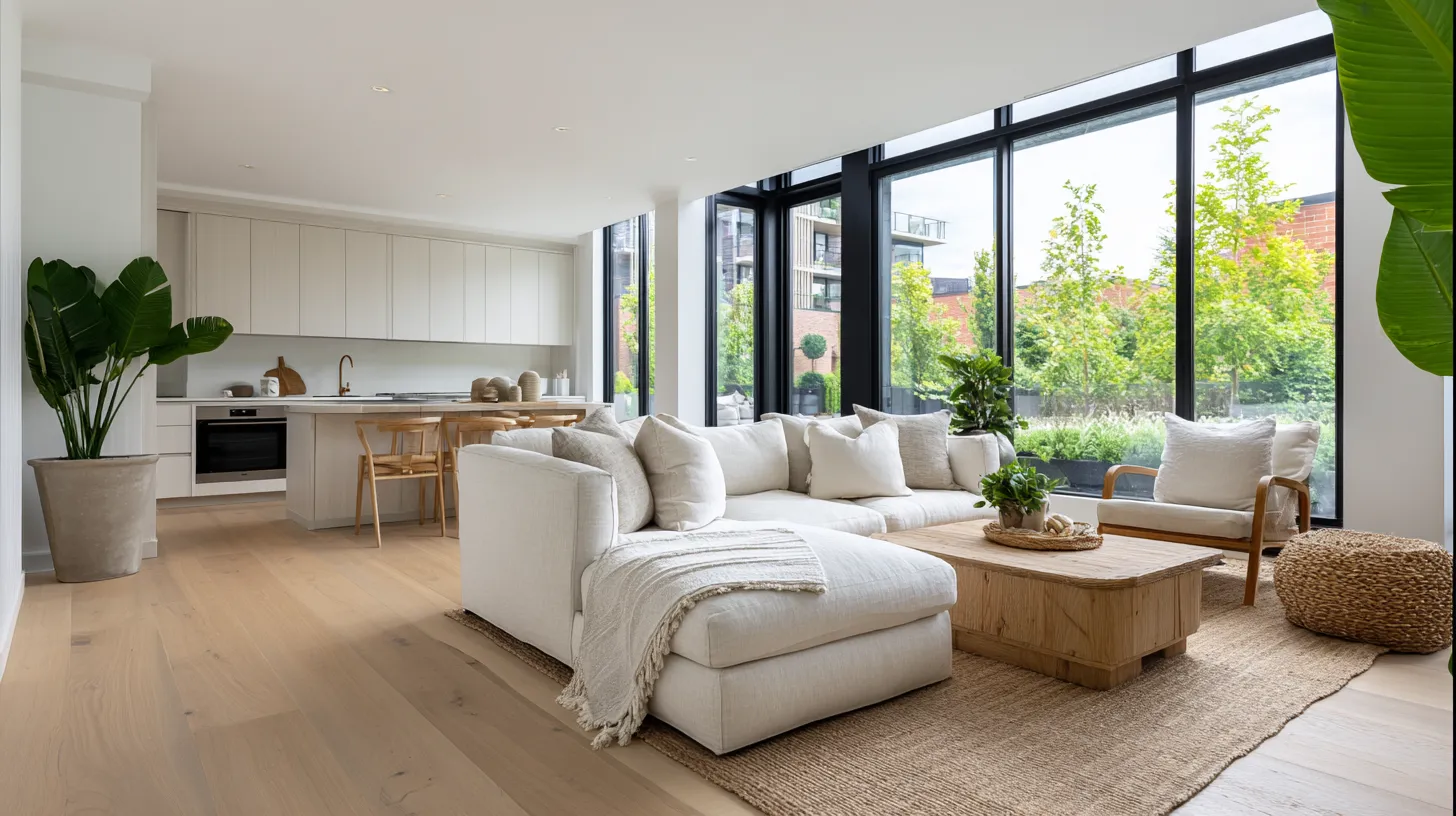
Contemporary interiors now favor defined zones within open spaces rather than completely boundary-free rooms. Picture a living area where a low bookshelf creates subtle separation between the kitchen and seating area without blocking light. Or consider how a change in flooring material—warm oak transitioning to cool stone—can signal a shift in function while maintaining visual flow.
These divisions work because they’re felt rather than forced. A hanging pendant cluster over a dining table naturally anchors that zone. A plush area rug beneath a sofa creates psychological boundaries that our minds recognize even when walls don’t exist.
The beauty of this approach lies in its adaptability. Spaces remain open enough to accommodate gatherings, yet structured enough to support focused activities. It’s the best of both worlds, woven together with intentional design choices.
Multifunctional Spaces That Transform Throughout the Day
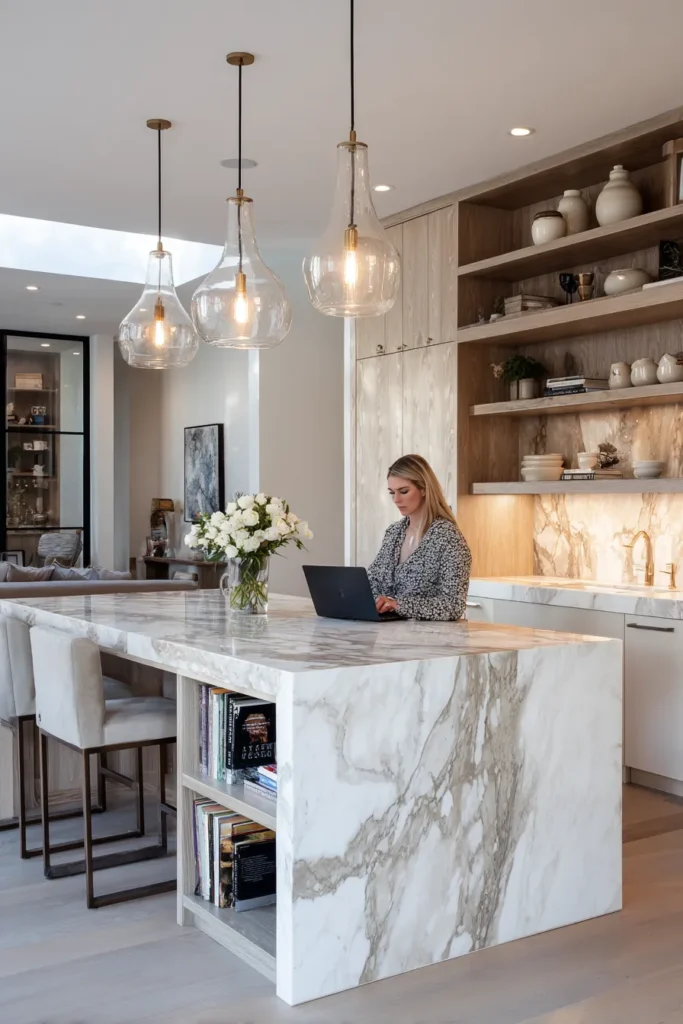
Modern floor plans increasingly embrace furniture and features that shift purpose as needs change. A kitchen island isn’t just for meal prep—it’s a homework station by day, cocktail bar by evening, and breakfast nook each morning. The kitchen and living room flow becomes less about visual continuity and more about functional flexibility.
Built-in banquettes with hidden storage serve triple duty as seating, organization, and spatial definition. Console tables behind sofas create natural boundaries while offering workspace or display area. These pieces don’t just fill space; they actively shape how rooms function across different hours and activities.
This trend reflects our more complex relationship with home. We’re asking single spaces to hold multiple chapters of our daily story, and the smartest designs make those transitions feel effortless.
Strategic Privacy Solutions Without Full Walls
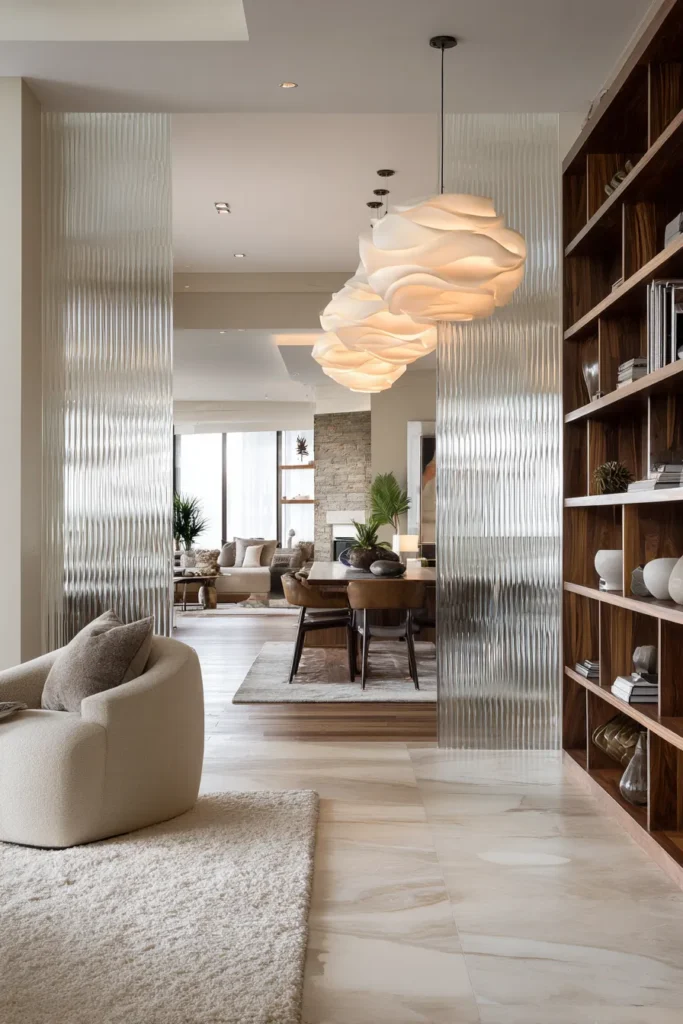
Here’s where innovation really shines: creating privacy in open spaces without sacrificing the airiness that makes them special. Translucent materials like fluted glass, woven cane, or laser-cut metal panels allow light passage while obscuring direct sightlines. A half-wall with open shelving provides separation while maintaining visual connection.
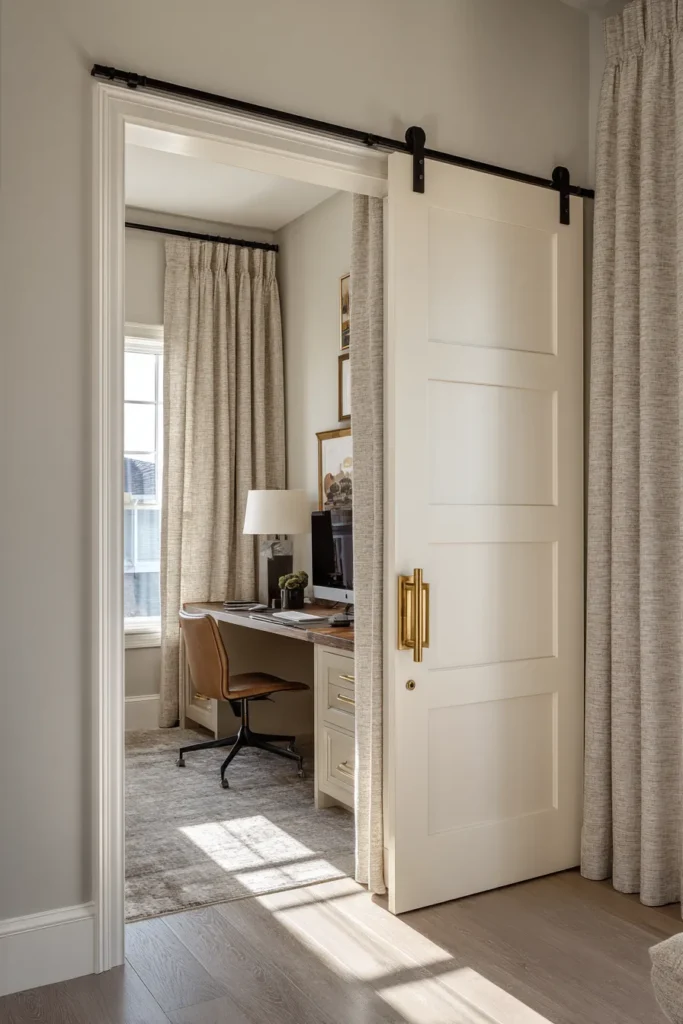
Pocket doors and sliding barn doors represent another elegant solution. They can disappear completely when openness serves you, then glide into place when privacy or noise control becomes priority. The textures matter here—a linen-wrapped sliding panel feels entirely different from aged brass and glass, each creating its own mood.
Even textiles play a role. Floor-to-ceiling curtains on ceiling tracks can soften acoustics while offering instant flexibility to divide or unify spaces. They introduce warmth and movement that hard architectural elements alone cannot achieve.
Maximizing Natural Light While Managing Solar Gain
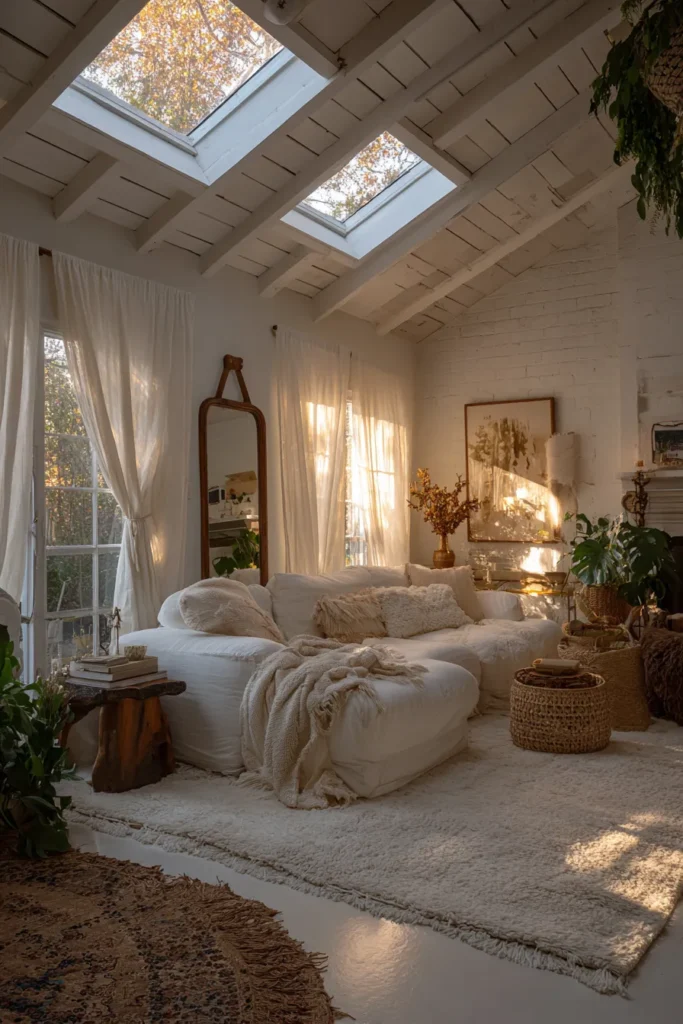
One of open floor plans’ greatest benefits remains their ability to channel natural light throughout multiple zones. But contemporary designs are getting smarter about managing that light. Skylights with operable shades, clerestory windows that bring illumination without sacrificing privacy, and strategically placed mirrors that amplify and redirect sunlight.
South-facing windows now commonly feature motorized blinds or electrochromic glass that adjusts tint automatically. This technology preserves views and light while preventing the greenhouse effect that older open layouts sometimes suffered. The goal is luminosity without discomfort—spaces that glow rather than glare.
Layer your lighting ideas to support natural rhythms. Morning light should feel crisp and energizing in kitchen zones, while evening illumination can soften toward warm amber tones in living areas. Open layouts offer unique opportunities to create lighting journeys that subtly guide mood throughout shared spaces.
Addressing the Overlooked Challenges of Open Living
Acoustic Considerations and Soundproofing Solutions
Let’s talk about what many design articles gloss over: noise. Hard surfaces that look stunning—polished concrete, large glass expanses, minimal textiles—can turn open layouts into echo chambers. Every dish clatter, every conversation, every footstep amplifies and travels.
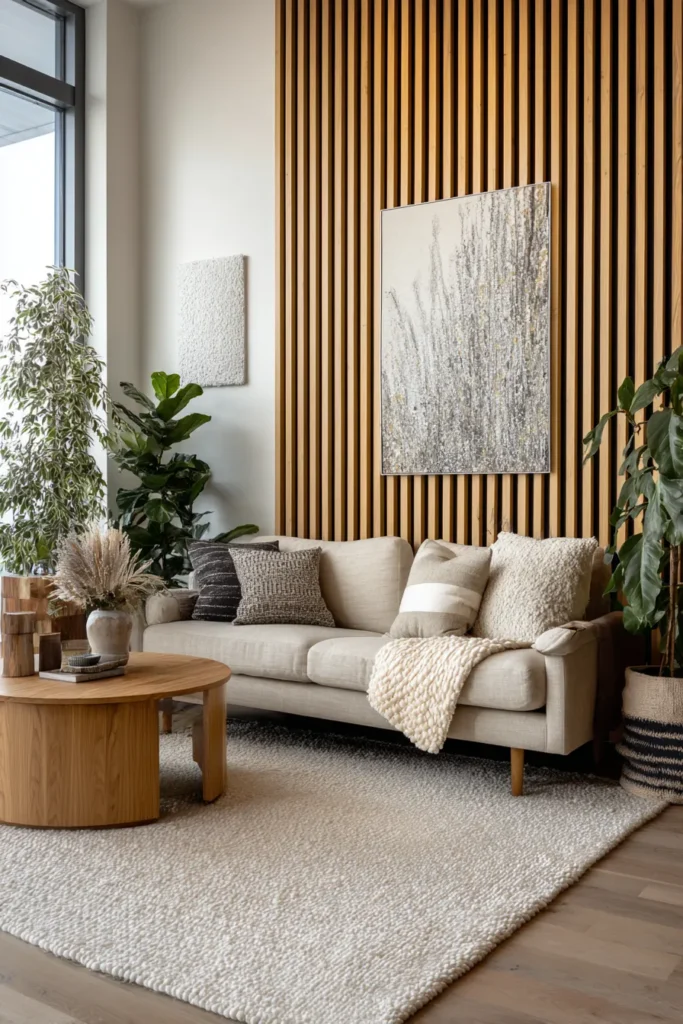
Acoustic panels don’t have to look clinical. Modern options come wrapped in beautiful fabrics, integrated into wooden slat walls, or disguised as art pieces. Thick wool rugs, upholstered furniture, and textile wall hangings absorb sound while adding textural warmth. Even plants help—their leaves diffuse sound waves while purifying air and adding life.
Consider ceiling treatments too. Exposed beams, coffered ceilings, or even fabric ceiling installations can dramatically reduce reverberation. Strategic placement of these elements protects conversation zones from kitchen noise or maintains focus in work corners despite nearby activity.
Energy Efficiency in Large, Open Volumes
Heating and cooling a vast open space efficiently requires different thinking than traditional compartmented homes. The volume of air you’re conditioning increases dramatically, and temperature stratification becomes a real issue—heat rises, cold sinks, and comfort suffers.
Zoned HVAC systems let you heat or cool specific areas without treating the entire space equally. Ceiling fans become essential for destratifying air, keeping temperature consistent from floor to ceiling. High-performance windows with low-E coatings maintain comfort near glass expanses that earlier generations couldn’t achieve.
Consider the thermal mass of materials too. Concrete floors absorb and slowly release heat, moderating temperature swings. Natural stone features act as thermal batteries. These passive strategies reduce reliance on mechanical systems while adding aesthetic weight and permanence to minimalist design schemes.
The Psychology of Open Living: Mental Well-Being Considerations
Open-concept spaces affect us in ways beyond the purely functional. The constant visual and auditory awareness of others can create fatigue, even in loving households. Humans need both connection and retreat—the ability to choose engagement rather than having it be the only option.
Research suggests that some degree of enclosure supports concentration, creativity, and emotional regulation. Children particularly benefit from having spaces they can claim as their own, separate from adult activity. This doesn’t mean abandoning open layouts, but rather acknowledging that even within them, we need to build in opportunities for solitude.
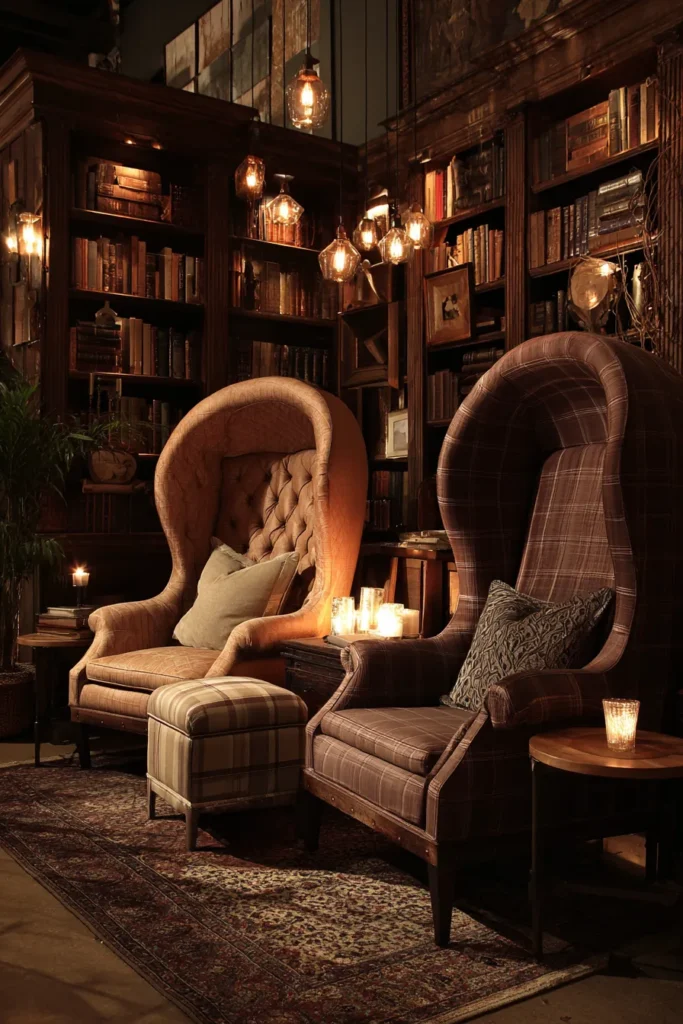
Create intentional retreat spaces—a reading nook tucked beside a window, a corner workspace with a high-backed chair that creates psychological enclosure, a window seat that feels separate despite being visually connected. These micro-environments within your open plan honor our human need for both-and rather than forcing either-or choices.
Emerging Materials and Technologies Shaping Tomorrow’s Open Spaces
Smart Glass and Adaptive Surfaces
Electrochromic glass technology is revolutionizing how we think about boundaries in home renovation ideas. Panels can transition from transparent to opaque at the touch of a button, offering instant privacy without architectural changes. Imagine a home office zone that opens visually to the main living area when you want connection, then clouds to opaque white when focus matters.
Acoustic smart glass takes this further—not only controlling visibility but actually dampening sound transmission. These technologies were prohibitively expensive five years ago but are becoming increasingly accessible for residential applications. They represent the future of flexible, responsive interior design.
Biophilic Design Integration
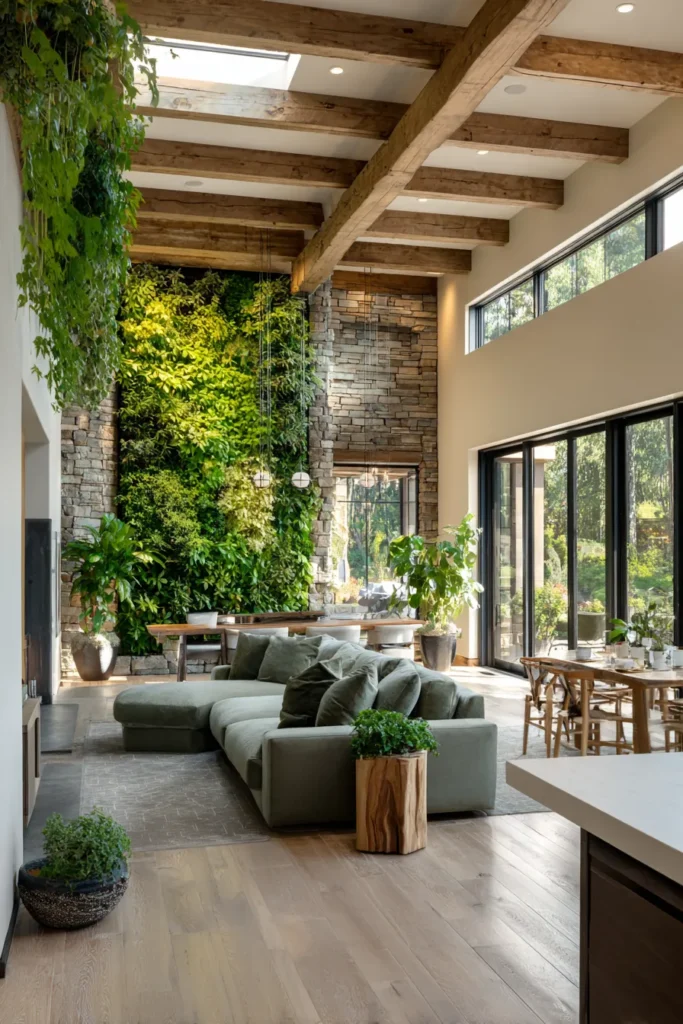
The newest open layouts are bringing nature inside more deliberately than ever. Living walls, indoor water features, and abundant plantings aren’t just decorative—they’re functional elements that improve air quality, manage humidity, and reduce stress. In spacious living areas, these biophilic features can also serve as natural room dividers.
Natural materials dominate material palettes: reclaimed wood beams, stone feature walls, clay plaster, linen upholstery. These elements ground large open volumes, preventing them from feeling sterile or commercial. They age beautifully, developing patina that adds character rather than looking worn.
The connection between contemporary interiors and the outdoors grows increasingly seamless. Floor-to-ceiling pocket doors that fully retract, consistent flooring materials flowing from inside to patio, outdoor kitchens that mirror indoor ones—these features expand perceived space while rooting homes firmly in their landscape context.
Practical Checklist: Creating Your Balanced Open-Concept Layout
Before committing to your open floor plan design, consider these essential elements:
- Define functional zones clearly using furniture placement, lighting, and material changes rather than full walls
- Address acoustics early with textile layers, acoustic panels, and sound-absorbing materials integrated into your design
- Plan for privacy with sliding doors, flexible partitions, or strategic furniture arrangements that create retreat options
- Layer your lighting to support different activities and times of day across your open space
- Consider HVAC zoning to maintain comfort and efficiency in large open volumes
- Incorporate natural elements that bring texture, life, and acoustic benefits
- Create visual pathways that guide movement naturally through space without bottlenecks
- Balance open shelving with closed storage to prevent visual chaos in highly visible areas
- Choose durable, maintainable materials for high-traffic areas that remain visible from multiple angles
- Build in flexibility with furniture on casters, modular pieces, or easily reconfigurable elements
Open-Concept Layout Trends by Function
| Zone | Current Trend | Key Considerations |
|---|---|---|
| Kitchen/Living | Integrated islands with seating | Concealed storage, durable surfaces, strategic lighting |
| Dining/Living | Defined by lighting fixtures | Acoustic treatment, flexible seating arrangements |
| Work/Living | Semi-enclosed nooks | Natural light access, electrical infrastructure, privacy screening |
| Outdoor/Indoor | Seamless transitions | Weather-appropriate materials, retractable walls, climate control |
Cultural and Global Perspectives on Open Living
Open-concept thinking manifests differently across cultures. Scandinavian design emphasizes light maximization due to long winters, resulting in highly open, white-washed spaces punctuated by cozy textiles. Japanese open plans incorporate shoji screens and flexible tatami rooms that blur the line between open and closed through movable partitions.
Mediterranean approaches favor indoor-outdoor flow with minimal separation between living spaces and courtyards or terraces. The climate allows for this porosity in ways that colder regions cannot replicate directly, though the principle—designing spaces that engage their environment—translates universally.
Understanding these global approaches enriches our thinking about home design trends. There’s no single correct way to embrace open living. The best solution honors your climate, culture, lifestyle, and personal needs rather than following trends blindly.
The Future: Hybrid Layouts and Adaptive Architecture
Where is all this heading? Toward what designers call “hybrid layouts”—spaces that can transform as needs change. Imagine walls that slide into pockets to create temporary bedrooms for visiting family, then disappear to restore openness. Or spaces with flexible infrastructure that supports home offices today but could become studios, nurseries, or meditation rooms tomorrow.
The pandemic accelerated thinking about adaptable homes, but the principle extends beyond remote work. We’re living longer, our families evolve, our hobbies shift. The smartest interior design ideas anticipate change rather than fighting it. Open-concept layouts, when designed thoughtfully, offer this flexibility better than rigid compartmentalization ever could.
Technology will play an increasing role—from smart glass to automated furniture to AI-powered climate control that learns your patterns. But the core principle remains human: creating space optimization that serves life’s messy, beautiful complexity rather than forcing life to conform to rigid architectural dictates.
Bringing It All Together: Your Open-Concept Journey
The question isn’t whether open-concept layouts work—it’s how to make them work for you. Your home should feel like a deep breath, not a performance stage. It should offer connection when you crave it and refuge when you need it. The best open floor plans achieve this delicate balance.
Start by observing how you actually live. Where do bottlenecks occur? When do you wish for more privacy or more connection? What sounds bother you? Where does light fall beautifully, and where do shadows linger too long? These observations matter more than any trend piece.
Remember that creating a home is never truly finished. Spaces evolve with us, and that’s not failure—it’s life. Your open-concept layout can grow and adapt, accommodating new chapters while maintaining the airy grace that drew you to this approach in the first place.
The most beautiful homes aren’t about perfection. They’re about honesty, comfort, and spaces that hold your life with gentle strength. Whether you’re renovating an existing space or designing from scratch, let that truth guide you home.
Frequently Asked Questions
Are open-concept spaces going out of style?
Open-concept layouts aren’t disappearing, but they’re evolving toward more nuanced designs that balance openness with privacy. Modern approaches incorporate flexible boundaries, acoustic considerations, and defined zones within open spaces rather than completely wall-free rooms. The trend is moving toward u0022hybrid layoutsu0022 that offer the best of both open and closed floor plans.
What are the main benefits and drawbacks of open floor plans?
Open floor plans maximize natural light distribution, create better flow for entertaining, and make smaller homes feel more spacious. However, they can present challenges with noise control, lack of privacy, heating and cooling efficiency, and visual clutter. The key is addressing these drawbacks proactively through thoughtful design, acoustic treatments, and flexible partitioning solutions.
How can I create privacy in an open-concept home without building walls?
Use furniture strategically as room dividers, install sliding doors or panels that can disappear when not needed, incorporate translucent materials like fluted glass or woven screens, and employ ceiling-mounted curtains on tracks. Built-in shelving units, half-walls with open tops, and changes in ceiling height or flooring materials also create psychological boundaries while maintaining visual flow.
What are the best ways to reduce noise in open floor plans?
Layer textiles throughout the space—thick rugs, upholstered furniture, fabric wall hangings, and curtains. Install acoustic panels disguised as art or integrated into design features. Add soft surfaces like plants, which naturally absorb sound. Consider architectural solutions like coffered ceilings, wooden slat walls, or acoustic ceiling treatments that reduce echo while maintaining aesthetics.
How do I make an open-concept layout feel cozy rather than cavernous?
Break large spaces into smaller zones using furniture groupings, area rugs, and varied lighting. Incorporate warm, natural materials like wood, linen, and wool. Lower lighting sources to eye level rather than relying solely on overhead fixtures. Add layers of texture through textiles, plants, and varied surface finishes. Create intentional gathering spots that feel intimate even within the larger space.