
Table of Contents
There’s something quietly transformative about the right TV stand. It anchors a room without demanding attention, holds your entertainment world while inviting you to unwind, and somehow manages to feel both practical and deeply personal.
Modern TV stands and media units have evolved far beyond their utilitarian origins. Today, they’re thoughtful pieces that reflect how we actually live—blending storage with style, technology with texture, and function with the kind of beauty that makes a house feel like home.
Whether you’re drawn to the clean lines of mid-century design, the warmth of natural wood, or the sleek sophistication of floating consoles, there’s a media unit waiting to complete your space. Let’s explore how to find yours.
Understanding the Difference: TV Stands vs. Media Units
The terms often blur together, but knowing the distinction helps you choose what your space truly needs.
A TV stand is typically simpler—a streamlined platform designed primarily to support your television. Think open shelving, minimalist frames, and compact footprints perfect for smaller rooms or bedrooms. These pieces breathe lightness into a space, offering just enough storage for essentials without overwhelming the room.
Media units, on the other hand, are the generous souls of entertainment furniture. They offer expansive storage for gaming consoles, media collections, decorative objects, and that growing tangle of cords we all pretend isn’t there. These are the pieces that anchor a living room, providing structure and visual weight while hiding clutter behind beautifully crafted doors.
The choice between them isn’t about right or wrong—it’s about how you live. Do you crave openness and simplicity, or do you need a place for everything to disappear?
The Beauty of Modern Design: Style Meets Substance
Mid-Century Modern: Timeless Warmth
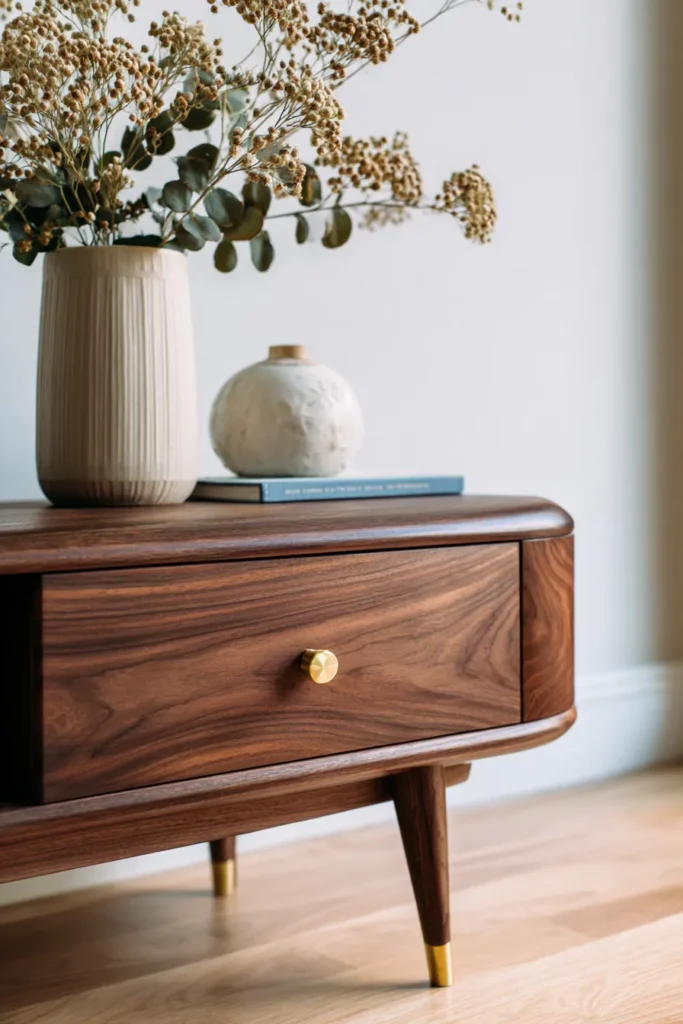
There’s a reason mid-century modern TV stands remain beloved decades after their debut. The tapered legs, rich walnut finishes, and brass hardware speak a language of sophistication that never goes out of style.
These pieces bring warmth to contemporary spaces without feeling dated. Picture a low-profile console in oiled walnut, its grain catching afternoon light, paired with a textured rug and linen curtains. The effect is effortlessly elegant—the kind of room that invites lingering.
Scandinavian Simplicity
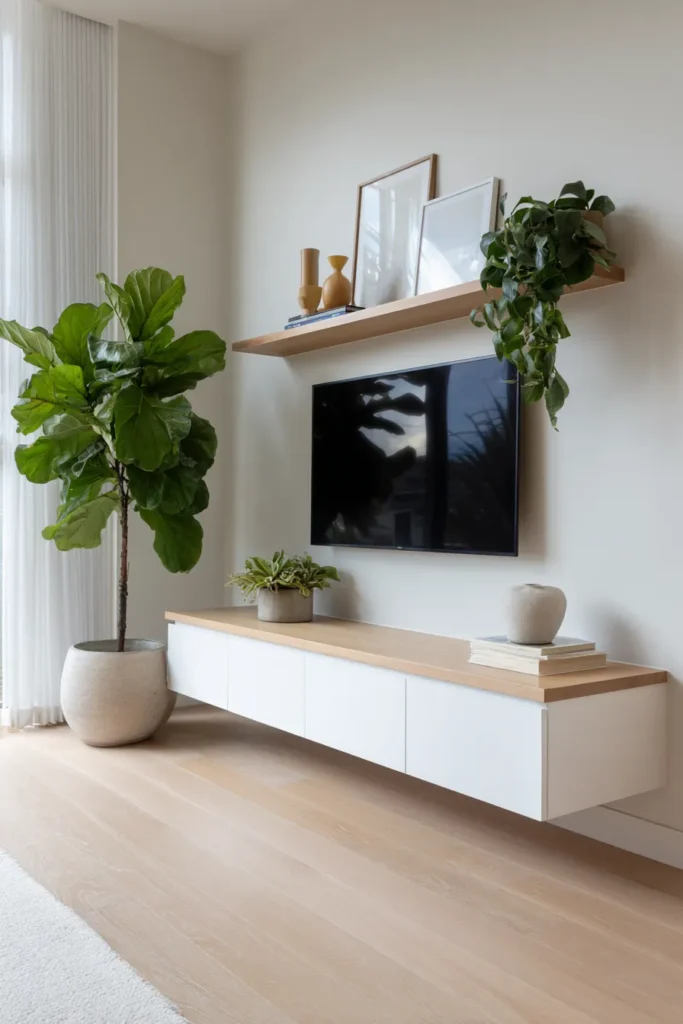
If your heart beats for light wood tones and uncluttered spaces, Scandinavian-inspired media units offer serene functionality. Oak and ash in pale finishes create an airy feeling, while thoughtful details like soft-close drawers and integrated cord management maintain the clean aesthetic.
These designs celebrate negative space as much as form. They’re perfect for open-plan living where visual calm matters as much as storage capacity.
Industrial Edge
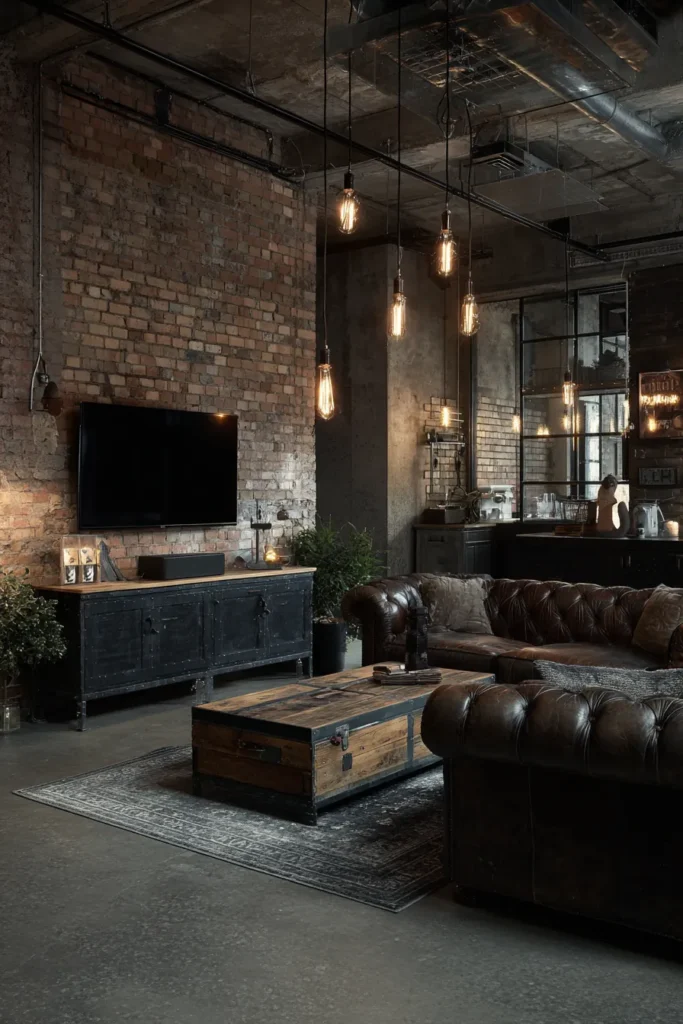
For those who love contrast and texture, industrial TV stands merge raw materials with refined function. Think blackened steel frames supporting reclaimed wood shelves, exposed hardware, and the kind of substantial presence that grounds a loft or modern farmhouse.
These pieces tell stories through their materials—the grain of salvaged timber, the patina of aged metal. They’re conversation starters that happen to hold your television.
Floating and Wall-Mounted Units
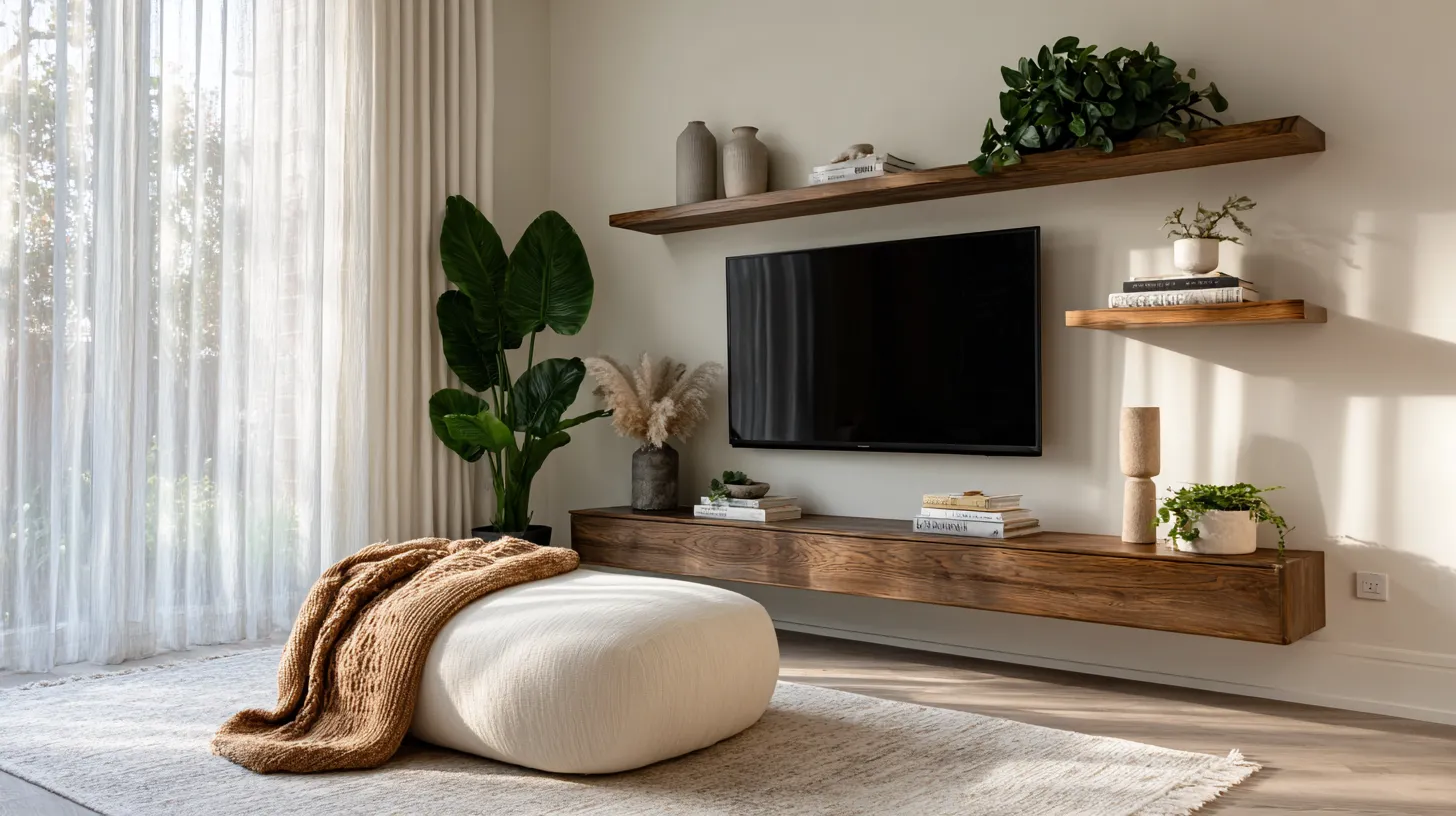
Perhaps the most transformative option is the floating media unit. Mounted directly to the wall, these consoles seem to hover, creating an illusion of space that’s especially valuable in smaller rooms.
The clean lines beneath—uninterrupted floor, visible baseboards—make rooms feel larger and easier to clean. Cable management becomes an art form here, with cords routed through walls for that magazine-worthy finish.
Modular Systems: Design That Evolves With You
Modern life is anything but static, and modular media walls understand this beautifully.
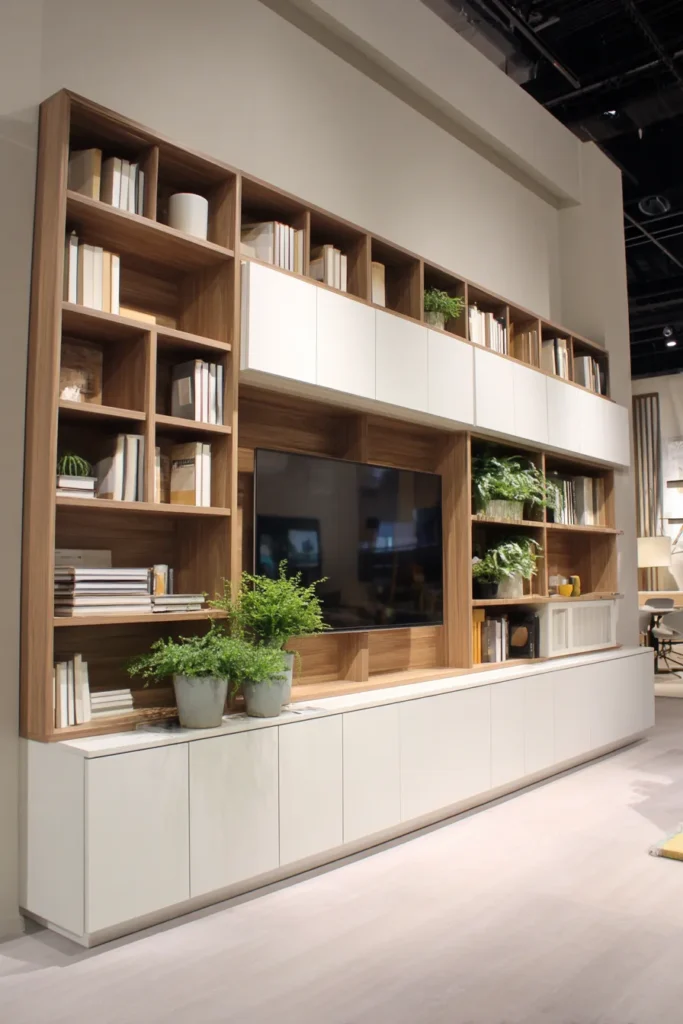
These customizable systems let you start with what you need today and expand tomorrow. Add a cabinet for vinyl records, integrate open shelving for plants and books, incorporate a workspace as your home office needs shift. The beauty lies in flexibility without sacrificing cohesion.
Brands are increasingly offering modular components that click together or stack seamlessly, allowing you to create entertainment centers that adapt to new homes, changing technology, or evolving tastes. It’s furniture that respects your journey rather than locking you into a single vision.
Multi-Functional Media Furniture: Beyond the Screen
The lines between living, working, and entertaining continue to blur, and furniture is rising to meet the moment.
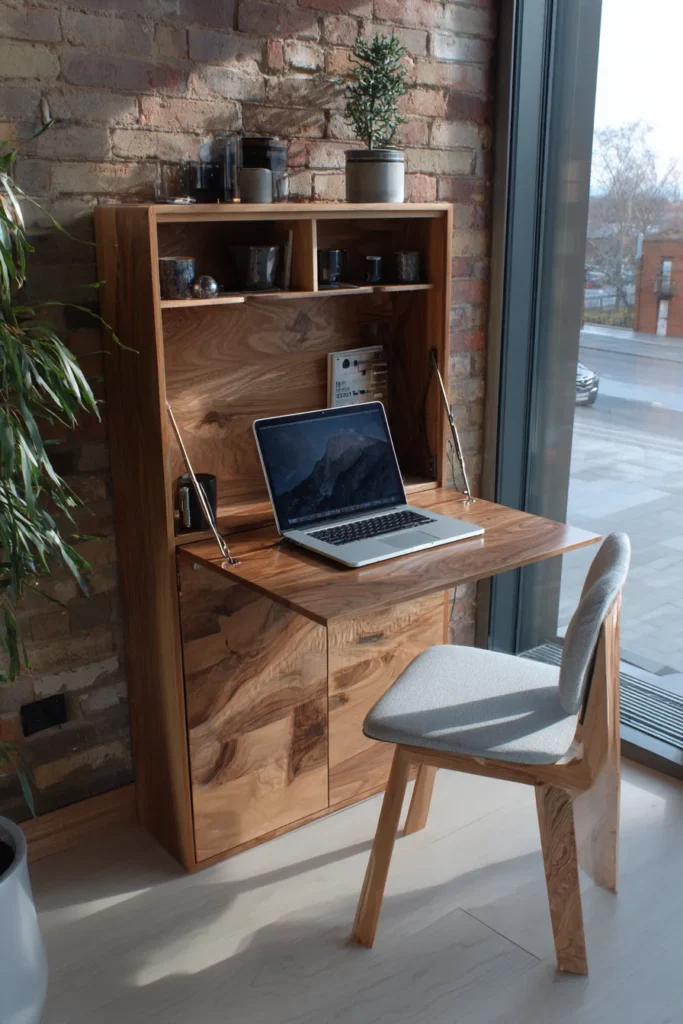
TV Stands with Integrated Workspaces: Imagine a media console that transforms into a desk, with a flip-down surface for your laptop and hidden compartments for office supplies. When work ends, everything tucks away and your living room returns.
Room Divider Units: In open-plan spaces, double-sided media units create gentle separation without building walls. One side faces the living area with TV and entertainment components, while the other offers shelving for a dining or home office zone.
Storage-First Designs: Some modern units prioritize deep drawers and closed cabinets, serving as auxiliary storage for everything from board games to extra linens. The TV almost feels like a secondary feature—a welcome evolution for those who resist screen-centered living.
Materials That Matter: Choosing Your Foundation
Solid Wood
There’s an honesty to solid wood that grounds a space. Oak, walnut, teak—each brings distinct character and warmth. These pieces age beautifully, developing richer patinas over time. They’re investments in both durability and timeless style.
Wood also introduces organic texture that softens the technology it supports. Even the sleekest smart TV feels more approachable when resting on warm walnut grain.

Engineered Wood and Veneers
Don’t dismiss quality engineered wood. Modern veneers offer gorgeous finishes at accessible price points, with impressive durability. Look for pieces with solid wood frames and quality veneer surfaces for the best of both worlds.
Metal and Glass
For contemporary or minimalist aesthetics, metal frames with tempered glass shelves create striking visual lightness. These materials reflect light beautifully and pair well with modern architectural elements.
Glass shelves showcase decorative objects while maintaining openness. Metal—whether matte black, brushed gold, or polished chrome—adds structural elegance without visual weight.
Sustainable Options
Increasingly, manufacturers offer media units crafted from reclaimed wood, bamboo, or FSC-certified materials. These choices reflect care for both style and planet—a beautiful alignment of values and aesthetics.
Smart Features for Modern Living
Cable Management Solutions
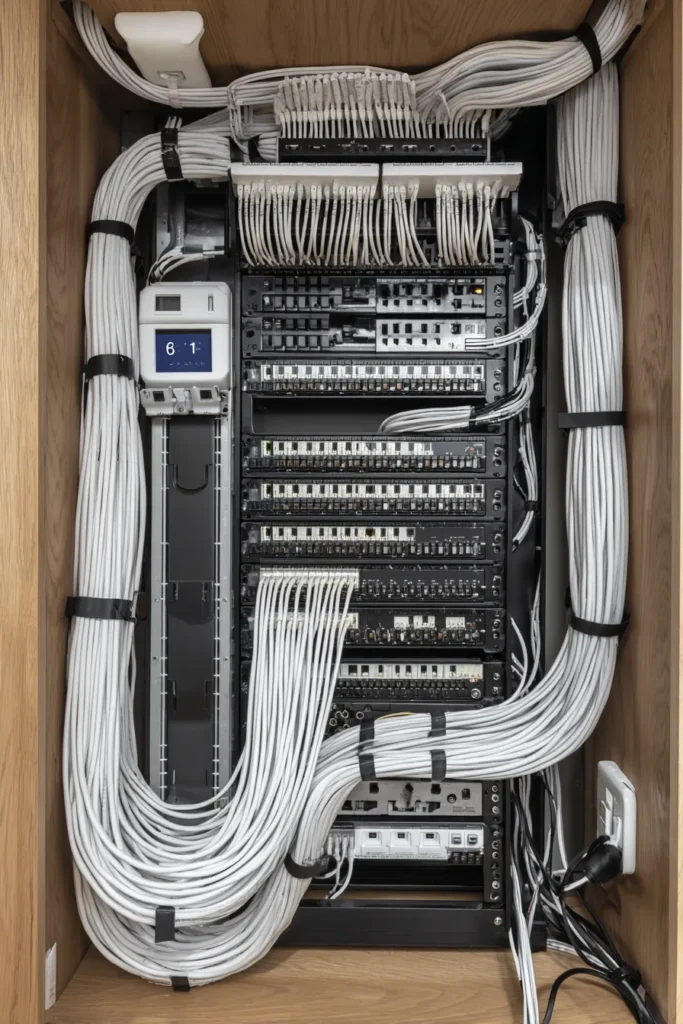
The unsung hero of any great media unit is thoughtful cable organization. Look for built-in cord channels, back panel cutouts, and cable management clips that keep technology tidy.
Some premium units feature integrated power strips hidden within cabinets, so every device stays charged without visible cords. It’s the kind of detail you don’t notice until you realize how peaceful your space feels.
Technology Integration
Modern media units increasingly accommodate smart home integration—built-in charging stations, ventilated compartments for heat-generating equipment, and pre-wired speaker placement points.
Some designs even include LED lighting strips that provide ambient glow for evening viewing or highlight decorative objects during the day.
Adjustable Shelving
As technology evolves, so do our storage needs. Adjustable shelves ensure your unit can accommodate taller speakers, gaming systems, or that vintage turntable you’ve been eyeing.
Sizing Your Space: Practical Guidelines
The Right Width
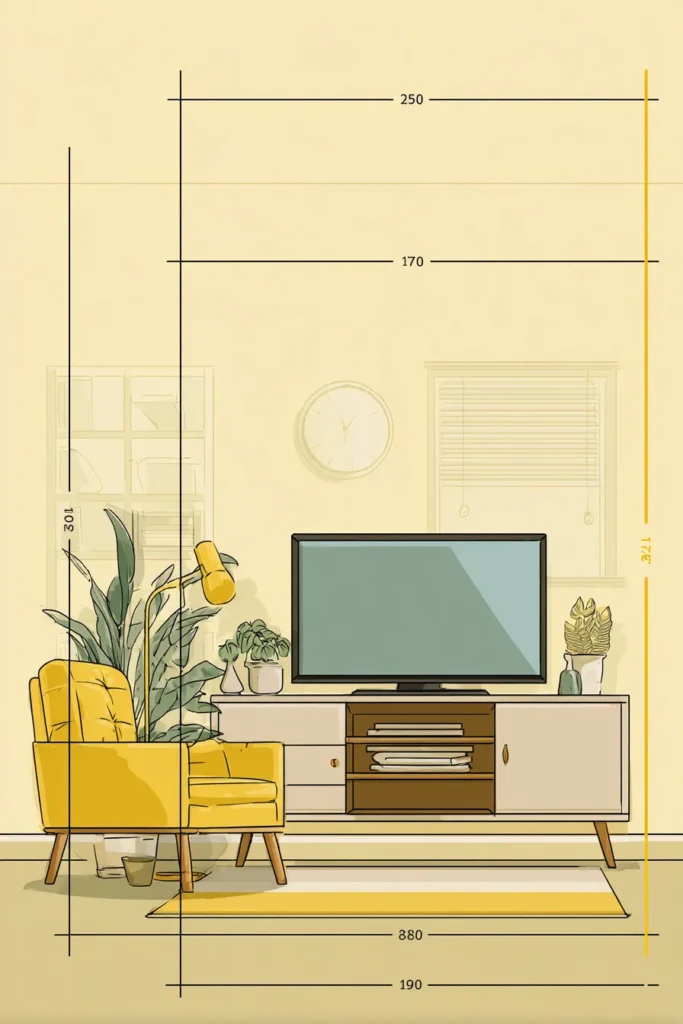
A foundational rule: your TV stand should be at least as wide as your television, ideally 3-6 inches wider on each side. This creates visual balance and provides room for speakers or decorative elements.
In smaller spaces, matching the width exactly works, but larger rooms benefit from wider consoles that anchor the wall and provide generous storage.
Height Considerations
For comfortable viewing, the center of your screen should sit at eye level when you’re seated. Most TV stands range from 16-24 inches high, working well for standard sofas and seating arrangements.
Lower profiles suit floor seating or modern sectionals, while taller cabinets can double as storage credenzas in multifunctional spaces.
Depth and Proportion
Standard TV stands range from 15-20 inches deep—enough for most flat screens with a few inches behind for cord management. Deeper units (24+ inches) offer more storage but require more floor space.
Consider your room’s traffic flow. Protruding furniture in walkways creates frustration, while properly scaled pieces enhance movement through space.
Style Matching: Harmonizing Your Interior
Contemporary Spaces
Clean lines, neutral palettes, and minimal ornamentation define contemporary design. Choose TV stands with handleless drawers, floating designs, or geometric forms in high-gloss finishes or matte blacks.
Traditional Interiors
Modern media units absolutely belong in traditional spaces. Look for pieces with classic proportions, turned legs, or panel detailing in rich wood tones. The key is balanced proportions rather than ornate decoration.
Eclectic Homes
This is where creativity shines. Pair an industrial metal console with velvet seating, or place a sleek white floating unit in a room filled with vintage finds. The contrast creates energy and personal style.
Rustic and Farmhouse
Reclaimed wood media units with visible grain, natural finishes, and simple hardware feel right at home in rustic spaces. Look for substantial builds that echo barn doors or farmhouse tables.
Room-Specific Considerations
Living Rooms
This is where media units typically shine as focal points. Consider scale carefully—large rooms can handle substantial entertainment centers, while smaller spaces benefit from sleeker profiles or floating designs.
Think about seating distance and viewing angles. Your media unit’s placement should create comfortable sight lines from primary seating areas.
Bedrooms
Bedroom TV stands tend toward simpler designs with quieter profiles. Lower units work well at the foot of the bed, while taller dressers with integrated TV space offer dual functionality.
Consider pieces with closed storage to maintain a restful atmosphere—visible electronics can feel jarring in spaces meant for sleep.
Home Offices
The rise of remote work has elevated TV stands to new roles. A media console can support dual monitors, offer file storage, and transition to entertainment mode after hours. Look for pieces with cable management and depth for computer equipment.
Maintenance and Care: Keeping Beauty Intact
Daily Maintenance
Dust regularly with microfiber cloths to prevent buildup. For wood finishes, weekly dusting maintains sheen and prevents scratching from accumulated particles.
Glass shelves benefit from streak-free cleaner and soft cloths. Wipe metal hardware with damp cloths to maintain finish.
Deep Cleaning
Quarterly, pull your unit slightly forward to clean behind and beneath it. Address cable tangles, dust equipment, and wipe down all surfaces.
For wood pieces, occasional treatment with appropriate furniture polish or oil maintains moisture and prevents drying or cracking.
Protection Tips
Use coasters under plants and decorative objects to prevent water rings. Felt pads beneath equipment protect surfaces from scratches. Keep units away from direct sunlight and heating vents to prevent fading and warping.
Key Considerations: Your Buying Checklist
Before investing in a modern TV stand or media unit, consider:
- TV size and weight capacity – Ensure your stand supports your television’s dimensions and weight safely
- Storage needs – Count your devices, media, and decorative items to determine required shelf and cabinet space
- Room dimensions – Measure carefully, accounting for doors, windows, and traffic patterns
- Cable management features – Look for back panel cutouts, cord channels, or integrated management systems
- Material quality – Examine construction, finish quality, and hardware durability
- Assembly requirements – Consider whether you’ll assemble it yourself or need professional installation
- Style cohesion – Ensure the piece complements existing furniture and decor
- Future flexibility – Think about adjustable shelves and modular options that adapt to changing needs
- Budget vs. quality balance – Invest in pieces that will last rather than disposable furniture
- Sustainability preferences – Research materials and manufacturing practices if eco-friendliness matters to you
Popular Design Comparison Table
| Design Style | Best For | Key Features | Price Range |
|---|---|---|---|
| Mid-Century Modern | Classic, warm interiors | Tapered legs, walnut/teak wood, brass hardware | $$-$$$ |
| Scandinavian | Minimalist, bright spaces | Light wood, clean lines, simple forms | $$-$$$ |
| Industrial | Lofts, modern farmhouses | Metal frames, reclaimed wood, exposed hardware | $$-$$$$ |
| Floating/Wall-Mounted | Small spaces, contemporary homes | Space-saving, sleek, integrated cable management | $$$-$$$$ |
| Modular Systems | Evolving needs, growing collections | Customizable, expandable, flexible configuration | $$$-$$$$$ |
| Multi-Functional | Small apartments, home offices | Dual-purpose, transformable, space-efficient | $$-$$$ |
Price ranges: $ = Under $200, $$ = $200-500, $$$ = $500-1000, $$$$ = $1000-2000, $$$$$ = $2000+
Creating Atmosphere: Styling Your Media Unit
The furniture is only the beginning. How you style your TV stand transforms it from functional piece to design moment.
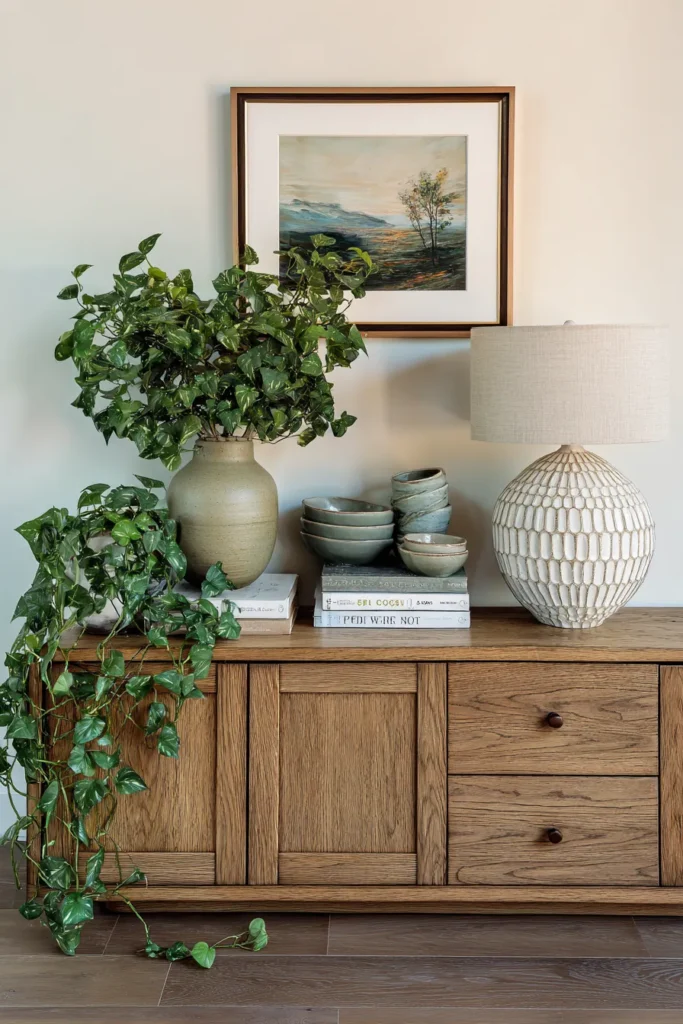
Layer Heights: Vary the height of objects on open shelves—tall vases beside stacked books beside low bowls. This creates visual interest and prevents flatness.
Natural Elements: Introduce plants, whether trailing pothos from upper shelves or sculptural fiddle leaf figs beside the unit. Living greenery softens technology’s hard edges.
Texture Mixing: Combine smooth ceramics with woven baskets, glass with wood, metal with textile. Each texture catches light differently and adds sensory richness.
Personal Touches: Display objects that tell your story—travel souvenirs, favorite books, collected pottery. Your media unit becomes a reflection of your life, not just a TV holder.
Lighting Layers: Consider adding small table lamps or LED strips to illuminate your console. Warm light in the evening creates ambiance beyond the screen’s glow.
The Emotional Center of Home
At its heart, the space around your television is about connection. It’s where families gather for movie nights, where friends assemble for game days, where you curl up alone with a favorite series after long days.
Your media unit holds these moments—not just literally supporting the screen, but creating an environment that invites gathering, rest, and shared experience. When chosen thoughtfully, it becomes invisible in the best way: present enough to organize your life, beautiful enough to enhance your space, functional enough to disappear into daily rhythms.
The perfect modern TV stand or media unit doesn’t shout. It whispers. It says welcome home in the grain of wood, in the smooth close of a drawer, in the way everything has its place and every place feels intentional.
Choose the one that makes your space feel more like you. The one you’ll pass every day with quiet satisfaction. The one that holds not just electronics, but the center of your home’s heart.
Frequently Asked Questions
What is the difference between a TV stand and a media unit?
A TV stand is typically a simpler, more compact piece designed primarily to support your television with minimal additional storage—often featuring open shelving. Media units are more substantial, offering extensive storage through cabinets, drawers, and shelving for complete entertainment systems, gaming equipment, and media collections. Think of TV stands as supporting players and media units as full entertainment centers that organize and conceal all your technology needs.
Should I choose a freestanding TV stand or a wall-mounted media unit?
Freestanding stands offer flexibility—you can rearrange, move, or replace them easily without wall repair. They’re ideal for renters and those who like changing layouts. Wall-mounted units create a floating effect that makes rooms feel larger and simplifies floor cleaning, perfect for minimalist aesthetics and small spaces. However, they require professional installation and permanent wall mounting. Consider your lifestyle: if you move frequently or like design flexibility, choose freestanding; if you’re settled and prioritize space and clean lines, wall-mounting delivers stunning results.
How do I select the right size TV stand for my television and room?
Your TV stand should be at least as wide as your television, ideally 3-6 inches wider on each side for visual balance. Measure your TV’s width (not diagonal screen size), then ensure the stand accommodates it with room to spare. For height, position your screen so the center sits at eye level when seated—typically 16-24 inches high for standard sofas. Consider room proportions too: large rooms can handle substantial media units, while smaller spaces benefit from sleeker profiles or floating designs that preserve visual openness.
What are the best materials for modern TV stands?
Solid wood (walnut, oak, teak) offers timeless beauty, durability, and warmth that ages gracefully, ideal for traditional through mid-century styles. Quality engineered wood with veneers provides excellent aesthetics at lower price points with good durability. Metal and glass combinations create contemporary lightness perfect for minimalist spaces, reflecting light and maintaining visual openness. For eco-conscious buyers, reclaimed wood and bamboo offer sustainability without sacrificing style. Choose materials that complement your existing furniture and match your maintenance preferences—wood requires occasional care, while metal and glass need regular dust management.
How can I manage cables and integrate technology with my media unit?
Look for TV stands with built-in cable management features like cord channels, back panel cutouts, and clips that organize wires invisibly. Many modern units include integrated power strips hidden within cabinets, ventilated compartments for equipment that generates heat, and pre-wired speaker placement options. For floating units, route cables through walls for the cleanest appearance. Consider units with adjustable shelving that accommodates changing technology sizes. Some premium pieces now include built-in charging stations and LED lighting. The goal is technology that serves you without visual chaos—invest in good cable management and your space will feel infinitely calmer.