
Table of Contents
The living room is where life unfolds. It’s where morning coffee turns into afternoon conversations, where books find their readers, and where the glow of evening light transforms ordinary moments into memories. Yet choosing a style for this sacred space can feel overwhelming when faced with endless possibilities.
Perhaps you’ve scrolled through countless images, each beautiful but somehow not quite right. Maybe you’ve started three different design directions, only to feel lost somewhere between farmhouse charm and modern minimalism. You’re not alone in this search.
The truth is, your living room style isn’t just about aesthetics. It’s about creating a space that breathes with your rhythm, reflects your story, and welcomes both solitude and gathering. Whether you’re drawn to the clean lines of contemporary design or the layered warmth of bohemian spaces, understanding the full spectrum of living room styles helps you make choices that feel authentically yours.
This comprehensive guide explores over twenty distinct living room styles, from time-honored classics to emerging trends. You’ll discover the defining elements of each aesthetic, learn how to blend styles authentically, and find practical guidance for bringing your vision to life, regardless of budget. Consider this your compass for navigating the beautiful world of interior design, one thoughtful choice at a time.
Traditional and Classic Living Room Styles: Timeless Elegance
Traditional styles carry the weight of history in the most graceful way possible. These are the designs that have weathered decades, even centuries, because they understand something fundamental about comfort and beauty. They speak to our desire for spaces that feel collected, intentional, and rich with character.
What makes traditional styles endure is their emphasis on craftsmanship and detail. Crown molding catches the light just so. Upholstered furniture invites you to sink in and stay awhile. Every element has a purpose, a story, a place in the larger composition.
Rustic Farmhouse: Where Simplicity Meets Soul
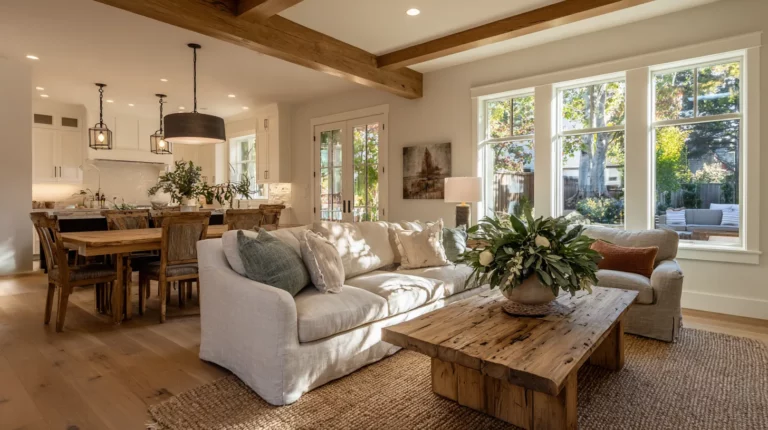
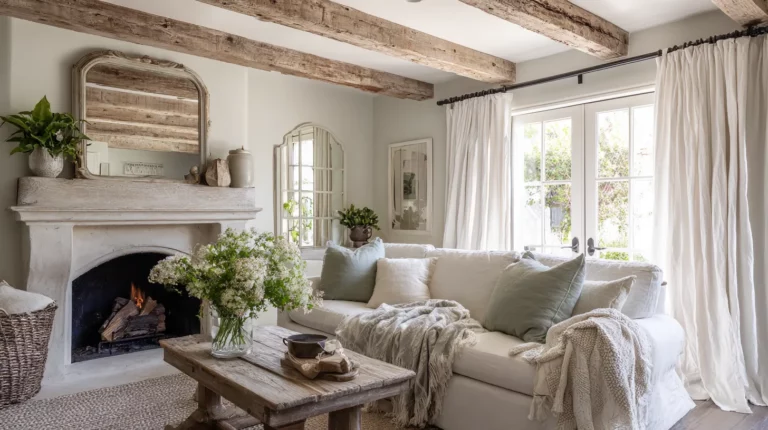
There’s something deeply comforting about rustic farmhouse living room design, with its celebration of natural materials and honest simplicity. Reclaimed wood beams cross overhead like old friends. Shiplap walls provide texture without fuss. The palette stays earthy and warm, anchored in creams, soft grays, and weathered browns.
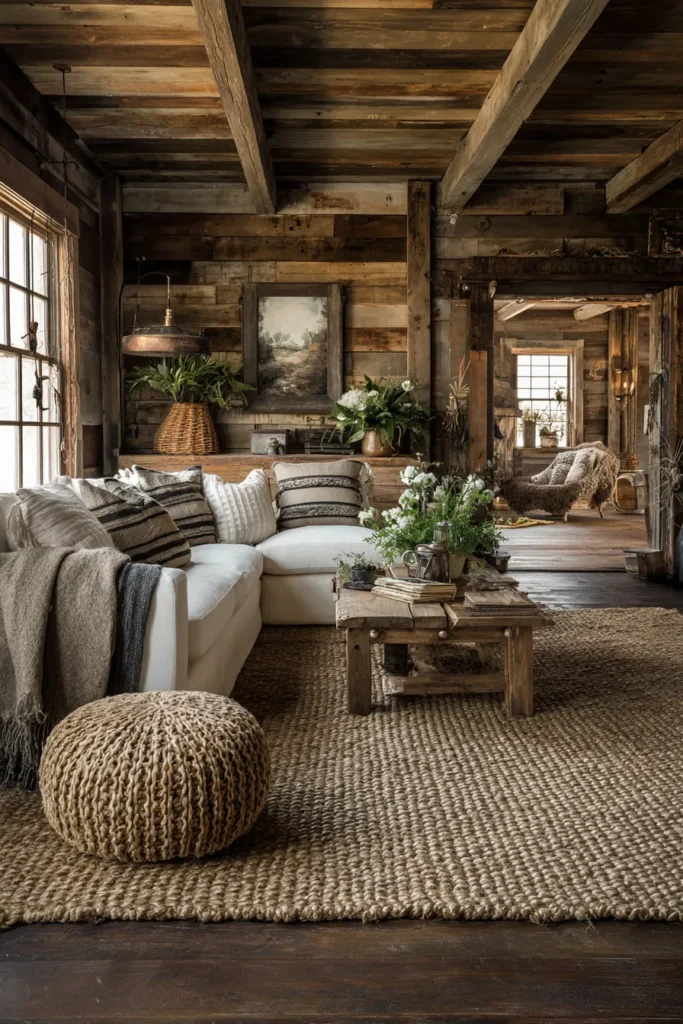
Farmhouse style thrives on the beautiful imperfection of things. A vintage ladder becomes a blanket display. Mason jars hold wildflowers picked from the garden. The furniture is sturdy and unpretentious, built to last generations rather than seasons. This aesthetic proves that luxury isn’t always about polish, it’s often about authenticity.
The magic happens in the layering. Linen curtains filter afternoon sun. A jute rug grounds the seating area. Galvanized metal accents add industrial edge to otherwise soft surroundings. When executed well, farmhouse style creates spaces that feel both collected over time and completely of the moment.
Cottage Living: Cozy Intimacy
If farmhouse is the country cousin, cottage style is the intimate gathering by the fire. A cozy cottage living room wraps around you like a favorite sweater, with overstuffed furniture, floral patterns, and an abundance of soft textiles creating an atmosphere of pure comfort.
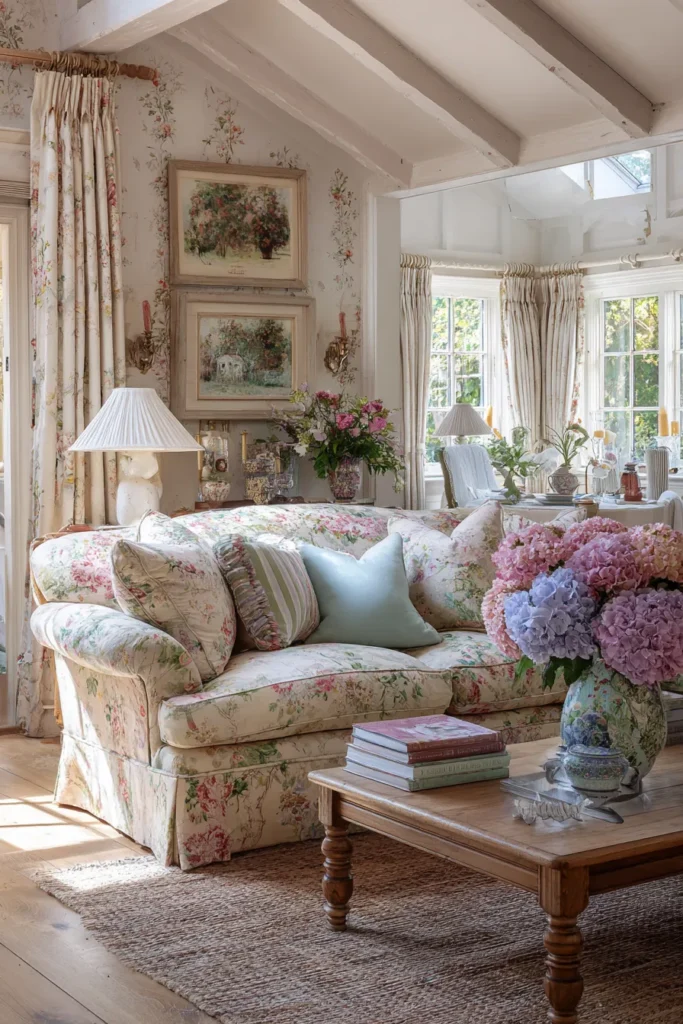
The cottage aesthetic celebrates smallness as a virtue. Window seats become reading nooks. Built-in shelving displays treasured collections. Every surface offers a place to set down a teacup, rest a book, or arrange fresh flowers from the garden. The colors lean romantic, think soft roses, buttery yellows, and gentle blues that recall English gardens in early summer.
What distinguishes cottage style from other traditional approaches is its embrace of pattern and ornament. Chintz fabrics, toile wallpaper, and botanical prints layer together in ways that might seem busy but somehow achieve perfect harmony. It’s controlled chaos, beautiful abundance, comfort without constraint.
Art Deco: Glamorous Geometry
Step into the roaring twenties with Art Deco living room revival, where geometric patterns meet luxurious materials in a celebration of modern glamour. This style emerged during an era of optimism and innovation, and it still carries that sense of confident elegance.
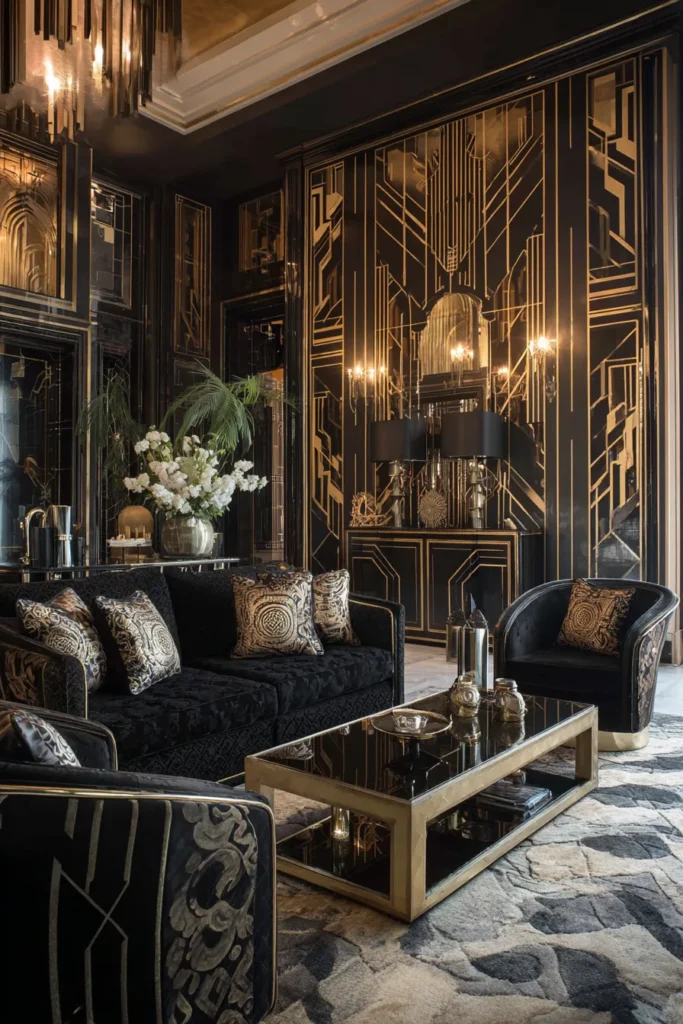
Art Deco is all about drama. Lacquered furniture reflects light like still water. Velvet upholstery in jewel tones, emerald, sapphire, ruby, creates focal points that command attention. Mirrors multiply both light and space, often framed in sunburst or geometric patterns that have become synonymous with the era.
The palette is bold but sophisticated. Black and gold create striking contrast. Chrome and glass add reflective shimmer. Marble surfaces bring natural luxury to tabletops and accent pieces. This isn’t a style for the faint of heart, it demands commitment and rewards courage with spaces that feel like stepping into a golden age film.
Vintage Inspired: Stories in Every Corner
A vintage inspired living room is less about recreating a specific era and more about curating pieces that carry history and character. It’s the thrill of the hunt, the joy of the find, the satisfaction of giving beautiful old things new life in your modern home.
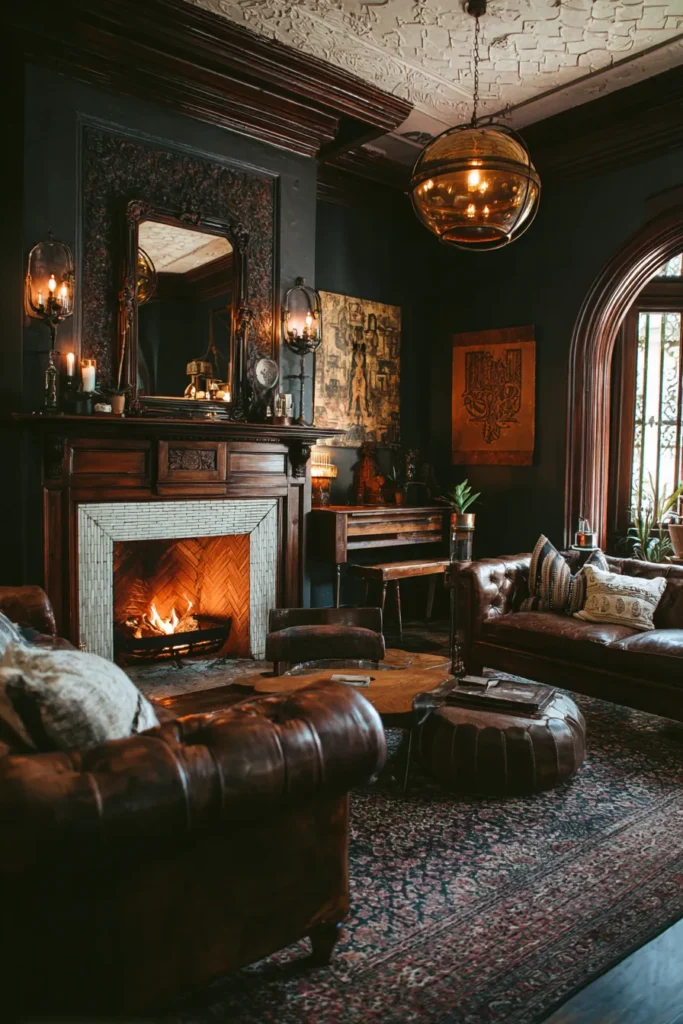
The beauty of vintage style lies in its flexibility. A mid-century credenza might sit beneath a Victorian mirror. An industrial factory cart becomes a coffee table. Grandmother’s needlepoint chairs receive fresh upholstery in contemporary fabrics. The resulting mix tells a story that’s uniquely yours.
Creating an authentic vintage look requires patience and a discerning eye. Not every old piece deserves a place in your home. The key is choosing items with genuine quality, interesting patina, or emotional resonance. Let each piece earn its spot through beauty, function, or story rather than age alone.
Victorian and Granny Chic: Ornate Revival
Victorian style has experienced a remarkable renaissance, particularly among younger designers who appreciate its unabashed ornament and rich layering. This is maximalism before the term existed, with pattern upon pattern, texture upon texture, creating spaces that feel opulent and intensely personal.
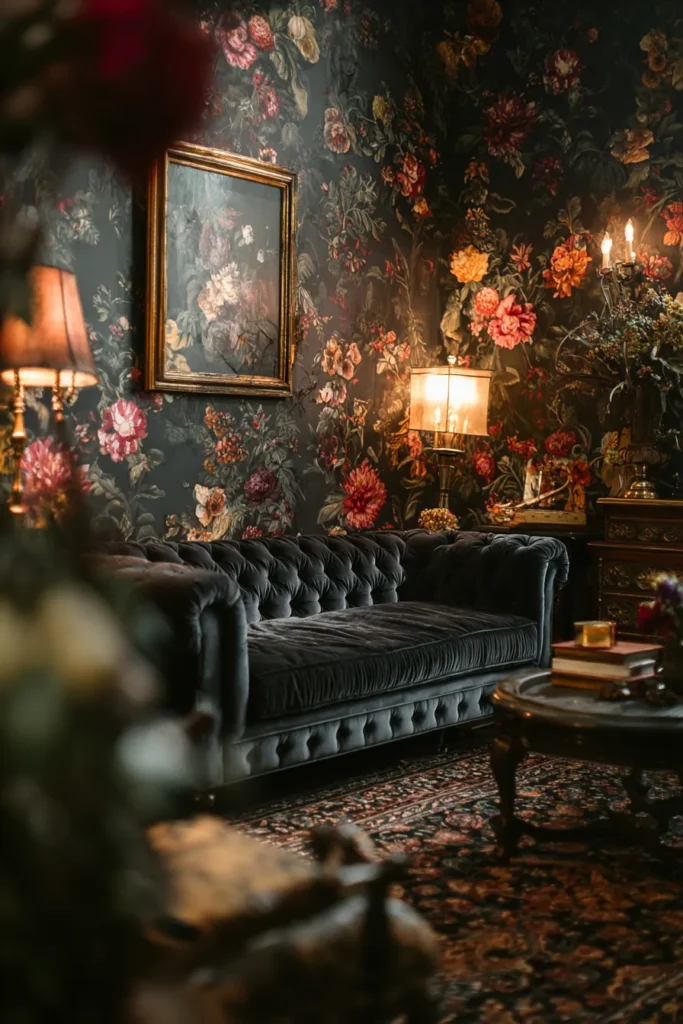
The modern interpretation, often called “granny chic,” takes Victorian’s love of detail but lightens the overall effect. Floral wallpapers cover feature walls instead of entire rooms. Tufted velvet appears on a single statement chair rather than every surface. Antique finds mix with contemporary pieces to prevent the space from feeling like a museum.
Color in Victorian spaces tends toward the dramatic. Deep burgundies, forest greens, and navy blues create moody backdrops for gold accents and crystal lighting. Carved wood furniture, heavy draperies, and ornate picture frames complete the look. It’s not for everyone, but for those who love it, nothing else will do.
French Country: Provence at Home
French Country style brings the relaxed elegance of rural France into contemporary homes. Imagine sun-washed colors, distressed finishes, and an effortless mix of rustic and refined elements that suggests generations of gentle living.
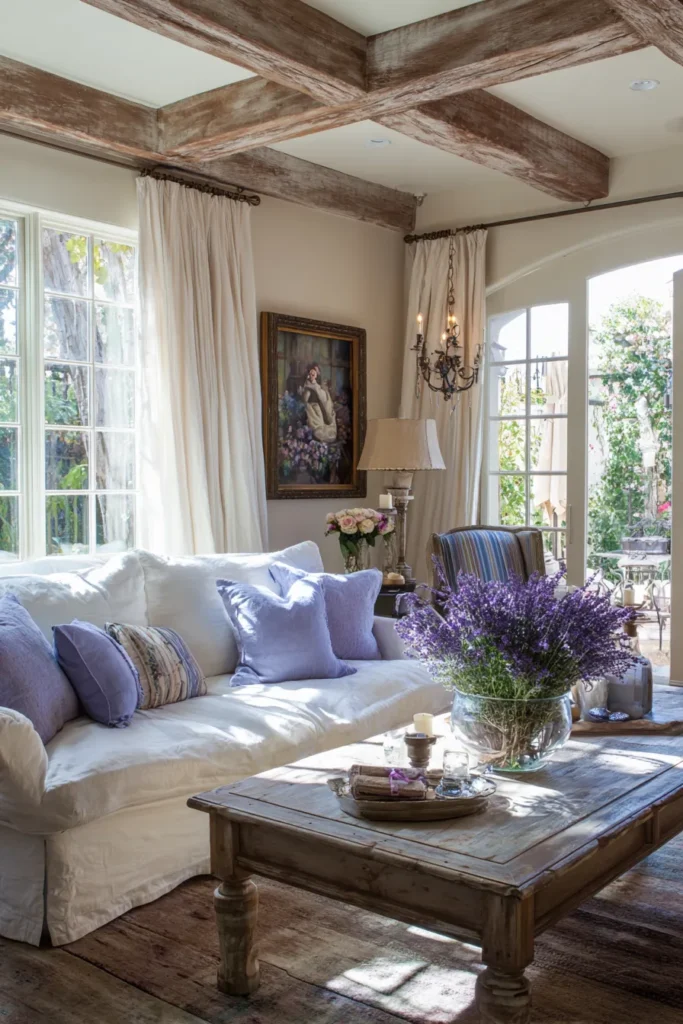
The palette draws from the Provence landscape. Lavender and sage greens recall herb gardens. Soft yellows and warm creams echo wheat fields and stone buildings. These gentle colors create a backdrop for furniture with graceful curves and subtle ornament, never fussy, always elegant.
Textiles play a crucial role in French Country interiors. Linen slipcovers on upholstered pieces offer both beauty and practicality. Toile fabrics add pattern with pastoral scenes. Natural fiber rugs and woven baskets bring organic texture. The overall effect is comfortable sophistication, elegant enough for guests but relaxed enough for everyday life.
Modern and Contemporary Living Room Styles: Clean Lines and Bold Statements
Modern and contemporary styles represent our current moment’s design language, though they draw on nearly a century of evolution. These aesthetics prioritize function, celebrate negative space, and prove that less can indeed be more when every element is chosen with intention.
What unites these approaches is their commitment to clarity. Rooms breathe with open space. Furniture serves clear purposes. Ornamentation, when present, makes a deliberate statement rather than filling space. The result is living rooms that feel calm, purposeful, and refreshingly uncluttered.
Mid-Century Modern: Timeless Modernity
Few styles have maintained relevance like mid-century modern. When you explore the art of living well through mid-century modern living room design, you discover why these 1950s principles still resonate today. Clean lines, organic curves, and functional beauty create spaces that feel simultaneously retro and completely current.
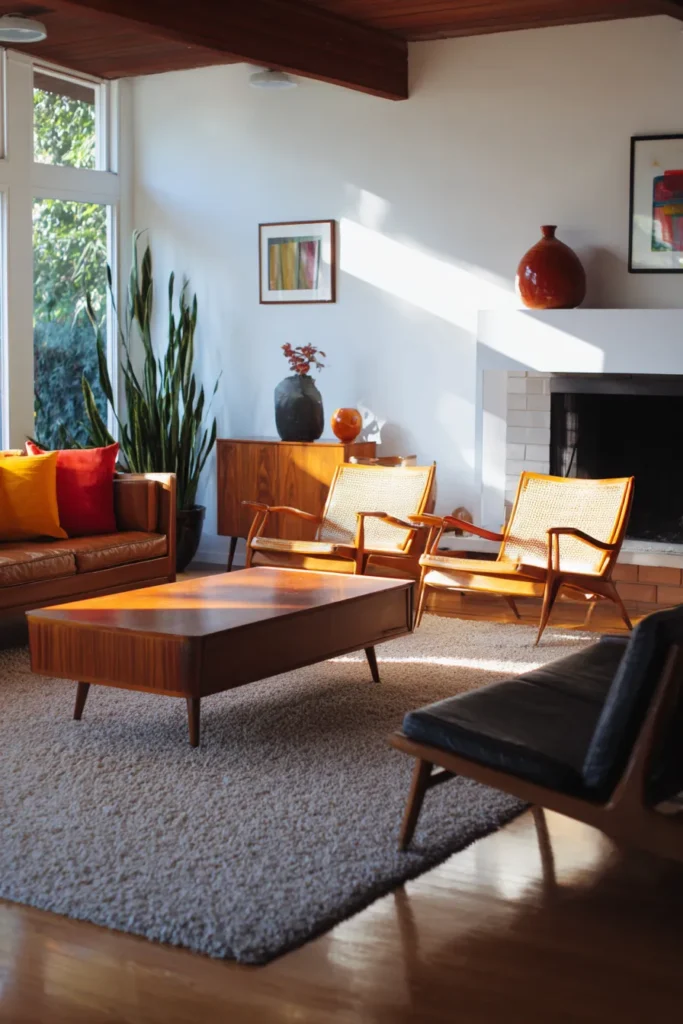
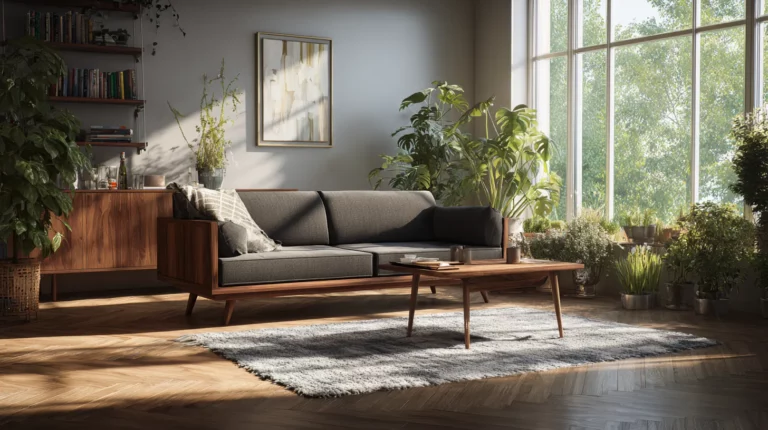
The furniture defines this style. Tapered legs on sofas and chairs create visual lightness. Low-profile silhouettes emphasize horizontal lines. Wood, especially teak and walnut, appears in its natural beauty with minimal ornament. Each piece could stand alone as sculpture yet functions perfectly in everyday life.
Color in mid-century spaces often surprises. While wood tones and neutrals form the foundation, pops of burnt orange, mustard yellow, or avocado green add period-appropriate personality. Geometric patterns appear in textiles and artwork, reinforcing the style’s love of clean, repeated forms. The overall effect balances warmth and sophistication in a way few other styles achieve.
Modern Minimalist: The Power of Less
A modern minimalist living room guides you toward calm, beautiful spaces through radical simplicity. This isn’t about deprivation but about intention, keeping only what serves your life and letting everything else fall away.
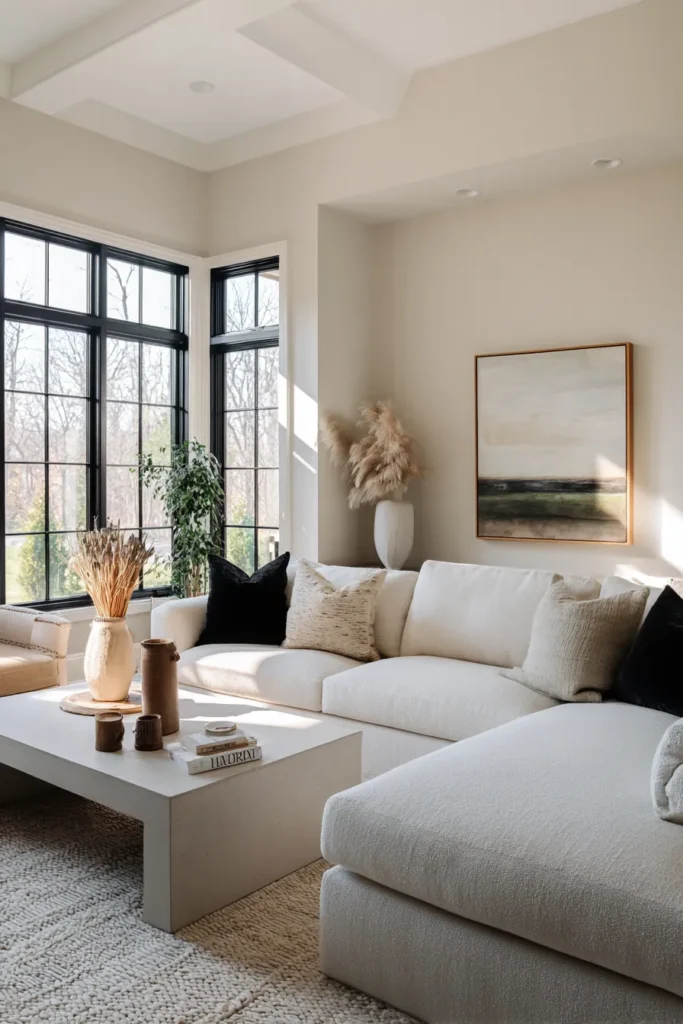
The minimalist palette stays neutral and serene. Whites, grays, and blacks create a monochromatic foundation. Natural materials, wood, stone, linen, add warmth without visual noise. Every object in the room has a clear purpose, whether functional, beautiful, or both.
Creating a successful minimalist space requires more than removing things. It demands attention to proportion, quality, and light. A single perfect sofa matters more than three adequate ones. Empty wall space becomes as important as what hangs on it. The negative space isn’t leftover, it’s the point.
Japandi: Where Two Philosophies Meet
When Japanese minimalism meets Scandinavian warmth, you get the Japandi living room, where minimalism meets warmth in perfect balance. This hybrid style has captured imaginations worldwide because it solves a common problem: how to create spaces that are both serene and inviting.
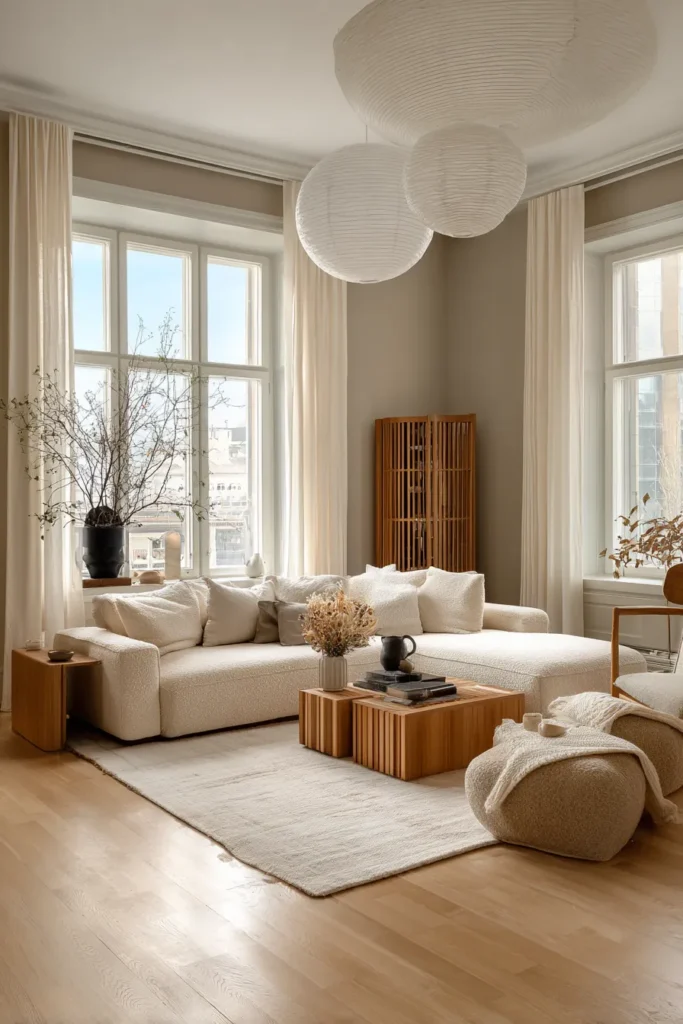
Japandi borrows Japanese wabi-sabi, the appreciation of imperfection and impermanence, and combines it with Scandinavian hygge, the pursuit of cozy contentment. The result feels quietly luxurious. Natural materials like oak, bamboo, and linen appear in their honest beauty. Handcrafted pieces reveal the maker’s touch. Nothing is precious or untouchable, yet everything is chosen with care.
The color palette stays restrained but warm. Soft beiges, gentle grays, and muted greens create calm without coldness. Black accents add definition. Plants bring life without clutter. Furniture keeps low profiles and clean lines but with organic curves that soften the overall effect. It’s minimalism you can actually live in.
Scandinavian: Light and Functional Beauty
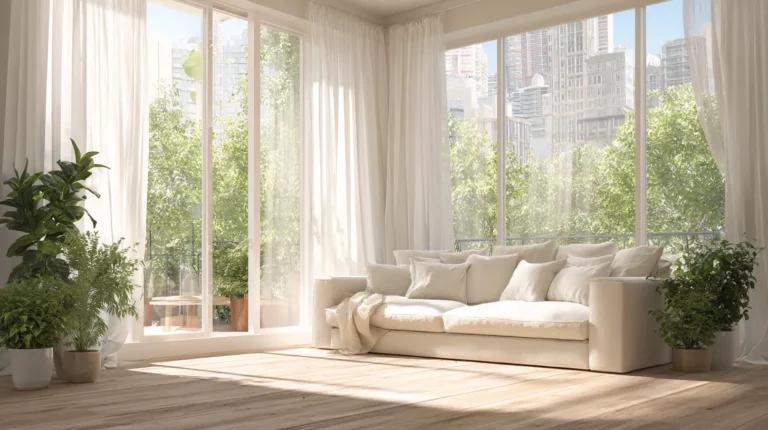
Understanding Scandinavian living room design means understanding how to maximize light and warmth in spaces where winter darkness lingers. This necessity has created an aesthetic that prizes brightness, simplicity, and functional beauty above all else.
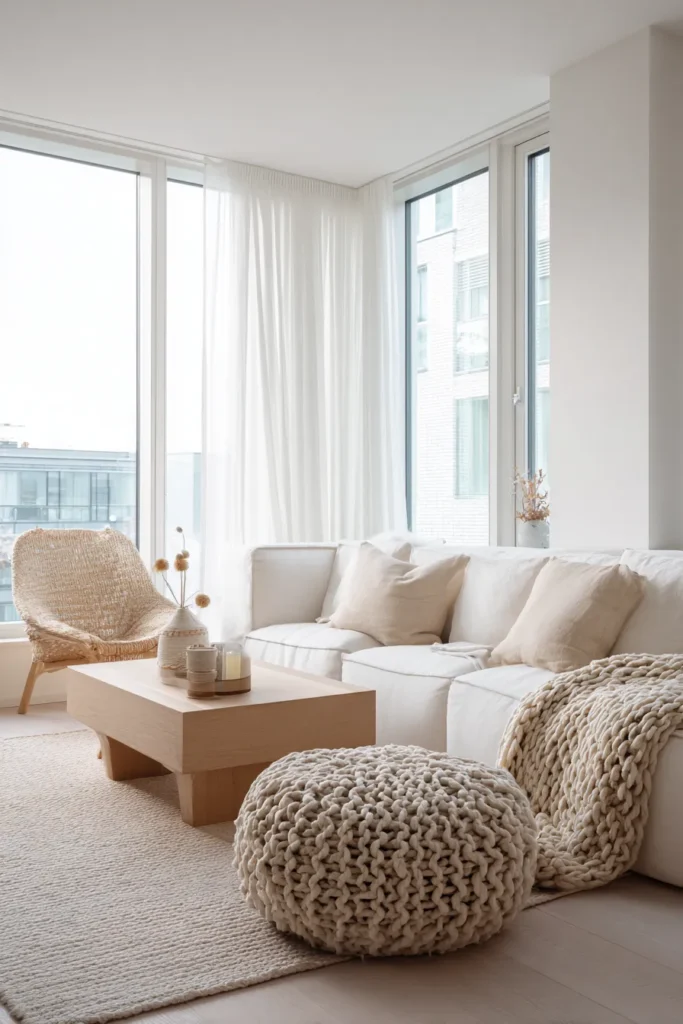
White walls reflect precious daylight throughout the room. Large windows remain undressed or lightly curtained to maximize natural light. Mirrors strategically placed multiply illumination. The overall effect is spaces that glow even on the grayest days.
Warmth comes through texture and wood tones. Sheepskin throws drape over chairs. Chunky knit blankets invite snuggling. Light wood furniture and floors, usually birch or pine, add organic warmth without heaviness. The Scandinavian approach proves that minimal doesn’t mean cold when you layer the right textures and choose materials that speak to comfort.
Industrial Loft: Raw and Refined
The industrial loft living room celebrates the bones of a building, exposed brick, visible ductwork, concrete floors, as design features rather than flaws to conceal. This style emerged from converted warehouses and factories but has evolved into a sophisticated aesthetic that works in any space.
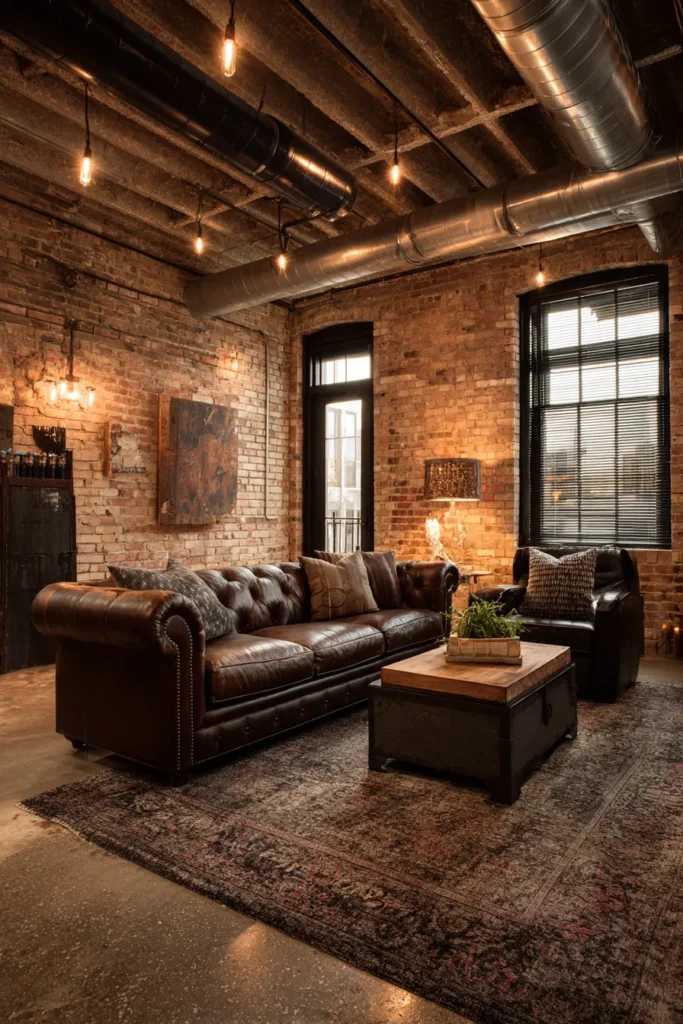
Materials tell the industrial story. Metal appears in lighting fixtures, shelving, and furniture frames. Leather upholstery ages beautifully, developing patina over time. Reclaimed wood adds warmth and history. The palette stays neutral, blacks, grays, browns, with metal finishes providing visual interest through varied textures rather than color.
The key to successful industrial style is balance. Too much exposed brick and metal feels cold. The solution lies in layering soft textiles, comfortable seating, and warm lighting. A leather sofa softens brick walls. Area rugs warm concrete floors. Edison bulbs cast a golden glow. The contrast between hard and soft, raw and refined, creates the style’s distinctive appeal.
Contemporary with Bold Colors: Modern Confidence
While many modern styles embrace neutrality, a contemporary living room with bold colors proves that current design can be vibrant and daring. This approach takes contemporary’s clean lines and minimal ornamentation but injects personality through fearless color choices.
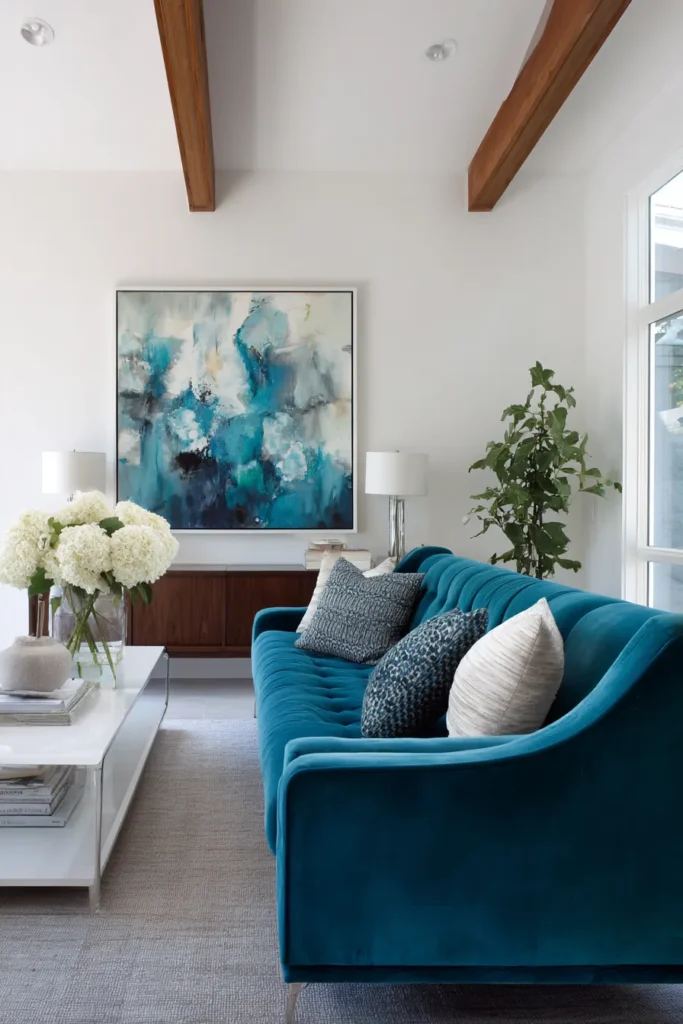
The strategy often involves a neutral foundation with dramatic color moments. White walls and simple furniture create a gallery-like backdrop. Then comes a cobalt blue sofa. Or a gallery wall of vibrant abstract art. Perhaps a jewel-tone accent wall behind the seating area. The bold elements stand out precisely because the surrounding space gives them room to breathe.
Success with bold contemporary color requires confidence and restraint. Choose one or two statement colors and repeat them throughout the space in varying intensities. A coral sofa might echo in throw pillows, artwork, and a single decorative object. This repetition creates cohesion while preventing the space from feeling chaotic or overwhelming.
Monochrome: Sophisticated Simplicity
A monochrome living room design explores the subtle power of a single color family. Far from being boring, monochromatic spaces reveal how much variation exists within what we think of as one color, all the tints, tones, and shades that create depth and interest without introducing additional hues.
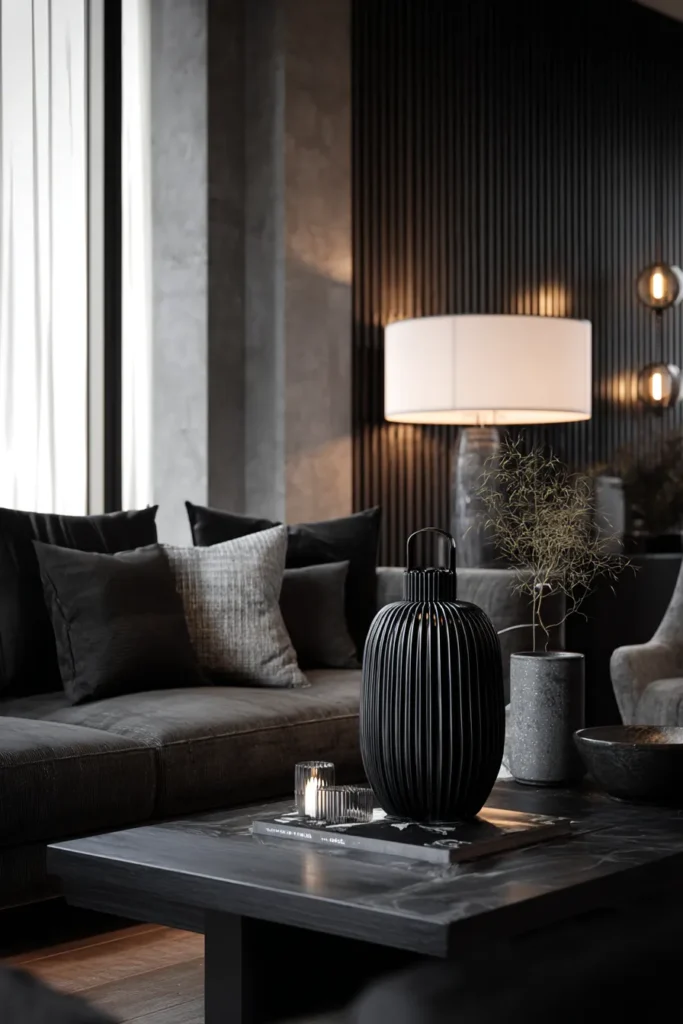
The most common monochrome palette is black, white, and gray, but other options offer equally striking results. All-white rooms feel airy and expansive. Shades of blue create calm, aquatic atmospheres. Various grays offer sophisticated neutrality. The choice depends on the mood you want to create and the natural light available.
Texture becomes crucial in monochrome spaces since color variation is limited. Mix smooth and rough, shiny and matte, soft and hard. A velvet sofa contrasts with a sisal rug. Glossy lacquer surfaces reflect against matte walls. Glass and metal add shine. These textural variations prevent the space from feeling flat while maintaining the cohesive color story.
Global and Cultural Living Room Styles: Worldly Inspiration
Travel changes us, not just through the places we see but through the aesthetics we encounter. Global and cultural styles bring the spirit of distant lands into our homes, allowing us to live daily with the beauty and wisdom of different design traditions.
These styles work best when approached with respect and understanding rather than as mere decoration. They represent centuries of cultural evolution, practical responses to climate and materials, and deep aesthetic philosophies. Incorporating them thoughtfully creates spaces that tell broader stories and connect us to the wider world.
Bohemian Chic: Collected Wanderlust
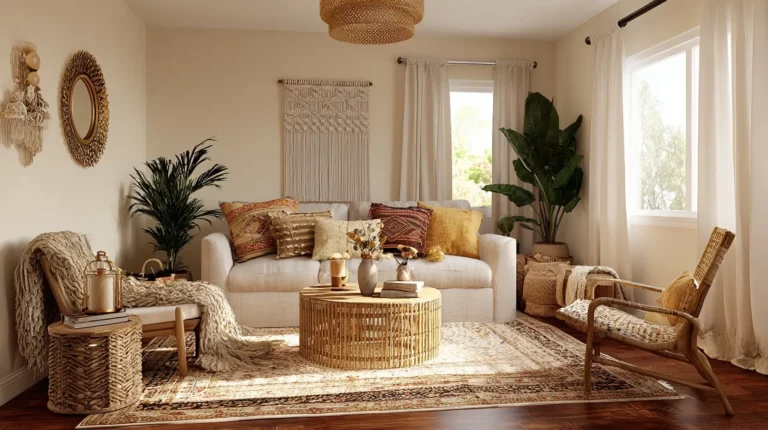
A bohemian chic living room feels like the home of a well-traveled soul who collects beauty from every journey. This is maximalism with purpose, where layered patterns, global textiles, and eclectic finds create spaces that buzz with creative energy and personal history.
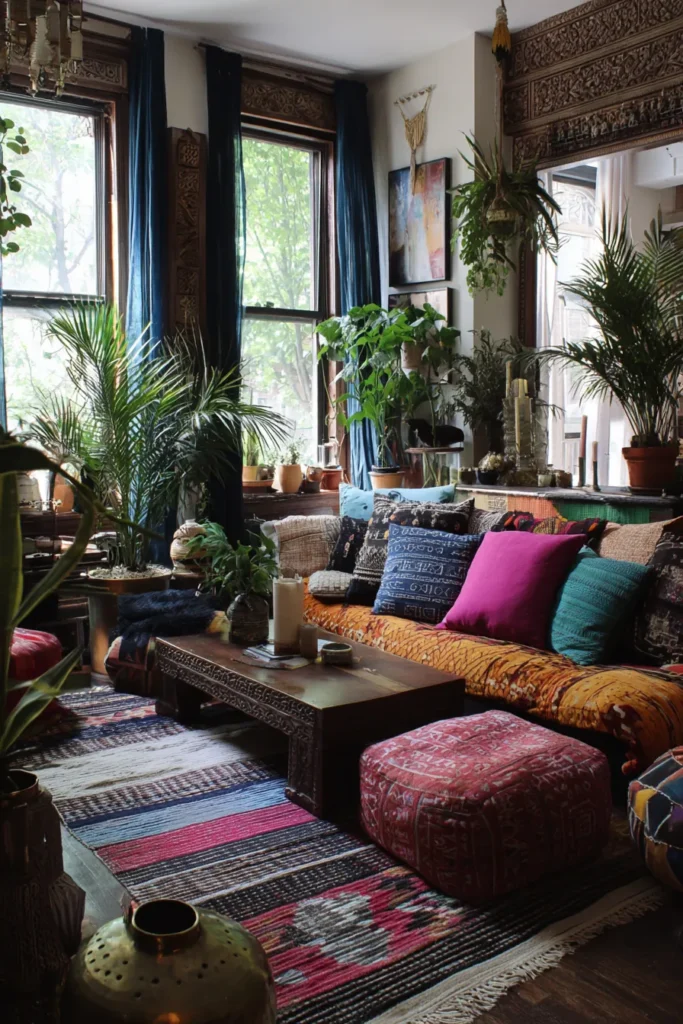
Color is fearless in bohemian spaces. Jewel tones layer over earthy bases. Patterns clash intentionally, ikat pillows against Persian rugs, Moroccan poufs beside Indian block prints. The key is finding common threads, a repeated color, similar scale patterns, shared cultural origins, that tie the abundance together.
Furniture in bohemian rooms often spans decades and continents. A vintage velvet sofa might anchor the space. Rattan chairs add natural texture. A carved wood coffee table from a flea market becomes a conversation piece. Floor cushions invite casual seating. The overall effect should feel collected over time rather than purchased in a single shopping trip. Plants, lots of them, bring life and organic shapes to balance all the pattern and color.
Coastal: Bringing the Shore Home
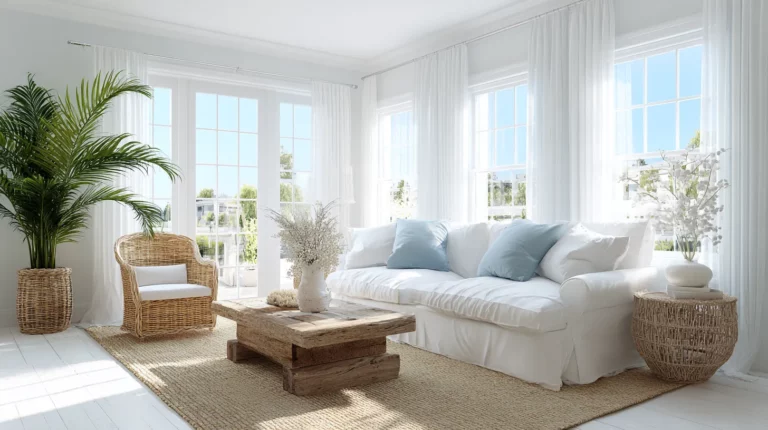
Understanding coastal living room decor means capturing the essence of seaside living, that sense of ease, the connection to nature, the palette of sand and sea, without resorting to obvious nautical clichés.
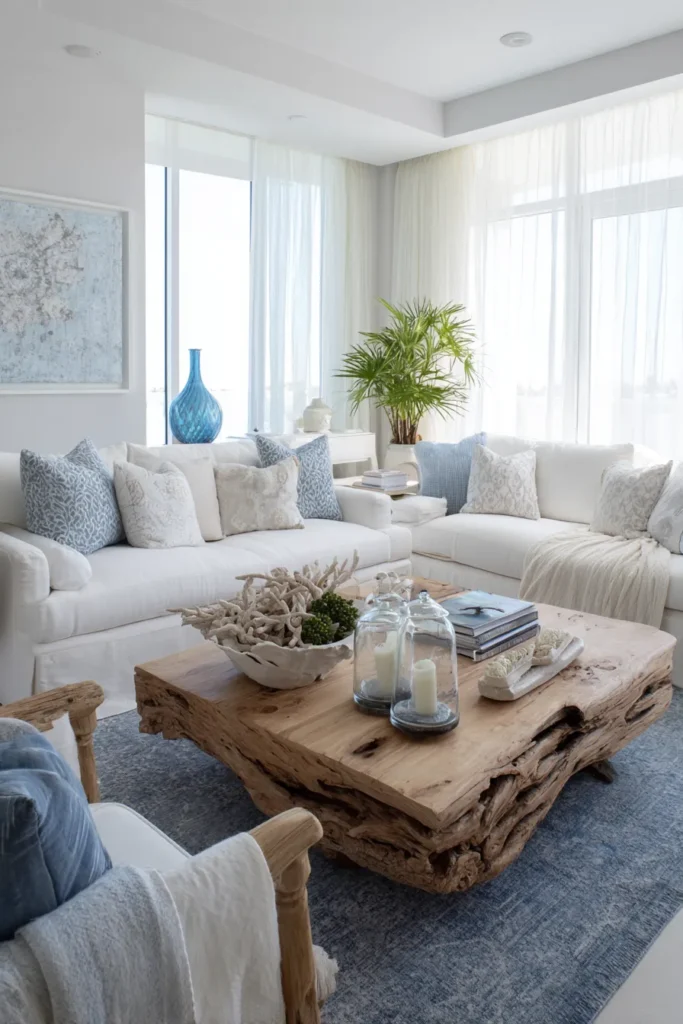
The modern coastal palette stays soft and natural. Think weathered driftwood grays, sandy beiges, and soft whites as your foundation. Blues appear but in muted, natural tones, the color of sea glass rather than bright navy. Greens echo coastal vegetation, sage and eucalyptus rather than tropical brights.
Materials matter enormously in coastal spaces. Natural fibers like jute, seagrass, and linen reference the organic textures of beach environments. Light, bleached woods recall sun-washed driftwood. Woven elements in baskets, pendant lights, or chair seats add artisanal texture. The goal is creating spaces that feel breezy and casual, where sand on the floor wouldn’t be a disaster but part of the lifestyle.
Spanish Colonial: Rustic Elegance
Spanish Colonial style transports you to sun-drenched haciendas with its distinctive blend of European elegance and New World rusticity. This aesthetic celebrates substantial materials, thick adobe walls, heavy wooden beams, carved furniture, creating spaces that feel both grand and deeply rooted in place.
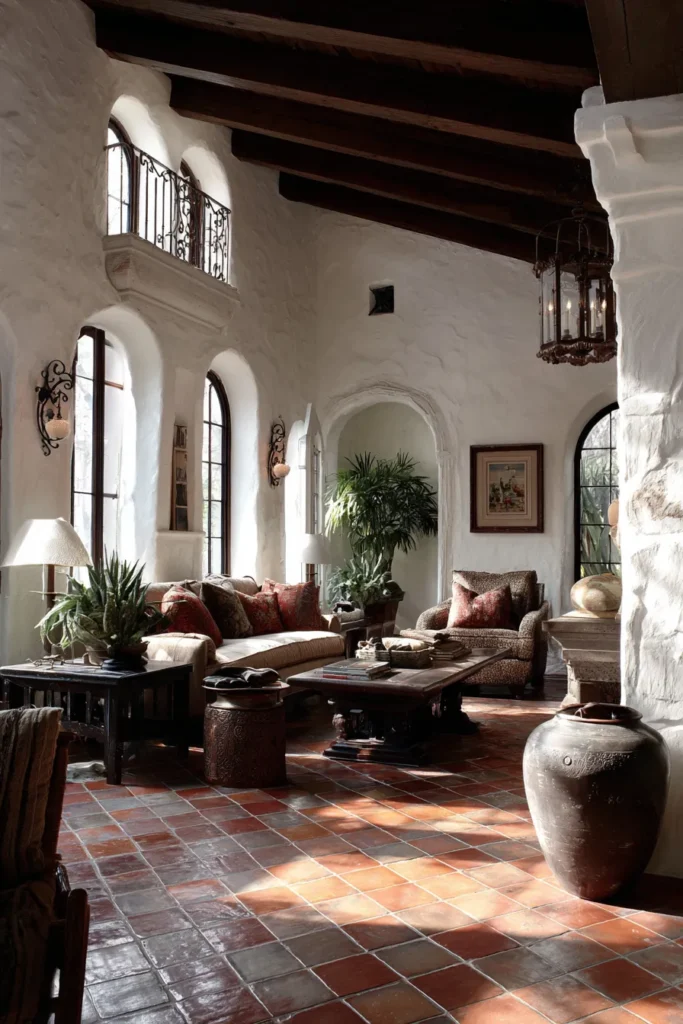
The architecture often drives Spanish Colonial interiors. Arched doorways and windows create romantic silhouettes. Terracotta tile floors in warm, earthy tones ground the space. White or cream stucco walls provide a neutral backdrop for dark wood furniture and wrought iron accents. The contrast between light walls and dark furniture creates the style’s characteristic drama.
Color in Spanish Colonial spaces draws from the landscape. Terracotta and clay reds warm the palette. Deep blues recall hand-painted tiles. Touches of gold add richness without overwhelming. Textiles feature geometric patterns or rich embroidery, often in wool or leather. The overall effect is substantial and timeless, spaces built to endure and welcome generations.
Mediterranean: Sun-Soaked Serenity
Mediterranean style encompasses the diverse design traditions of countries surrounding that famous sea, from Greece to Morocco to southern France. What unites these approaches is a celebration of indoor-outdoor living, natural materials, and the warm, relaxed pace of life in sunny climates.
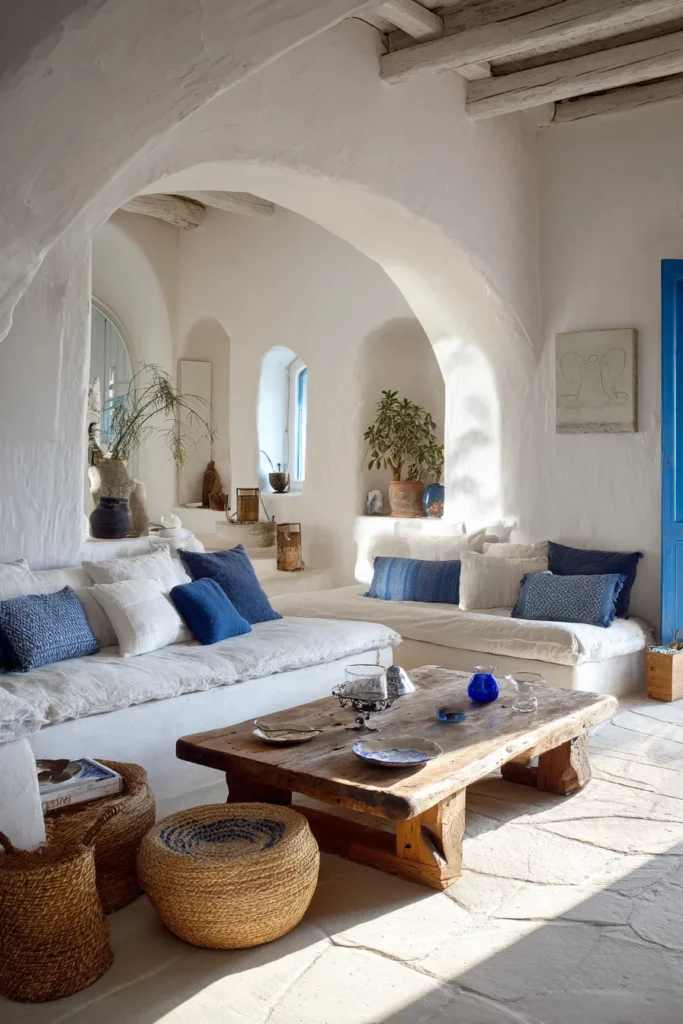
The color palette takes cues from the landscape and architecture of the region. Whitewashed walls reflect intense sunlight. Brilliant blues recall both sea and sky. Warm terracotta and sandy neutrals ground the brighter hues. The overall effect is fresh and inviting, spaces that seem to invite Mediterranean breezes even in landlocked locations.
Furniture in Mediterranean spaces tends toward rustic simplicity with graceful lines. Wrought iron appears in lighting and furniture frames. Wood shows natural grain and occasional distressing. Upholstery keeps it simple in solid colors or subtle patterns. The focus is on creating comfortable, unpretentious spaces perfect for long meals, afternoon siestas, and casual gatherings that stretch into evening.
Niche and Emerging Living Room Styles: Contemporary Innovation
Design never stands still. New styles emerge as our lives change, technologies evolve, and creative minds push boundaries. These niche and emerging aesthetics represent the cutting edge of interior design, where tradition meets innovation and unexpected combinations create fresh possibilities.
What makes these styles particularly exciting is their responsiveness to contemporary life. They address our current needs, whether that’s integrating technology seamlessly, embracing sustainable practices, or creating spaces that serve multiple functions in smaller footprints.
Eclectic: Curated Individuality
An eclectic living room design is where rules become guidelines and personal style reigns supreme. This isn’t random mixing but thoughtful curation, bringing together diverse elements in ways that feel cohesive and intentional despite, or perhaps because of, their differences.
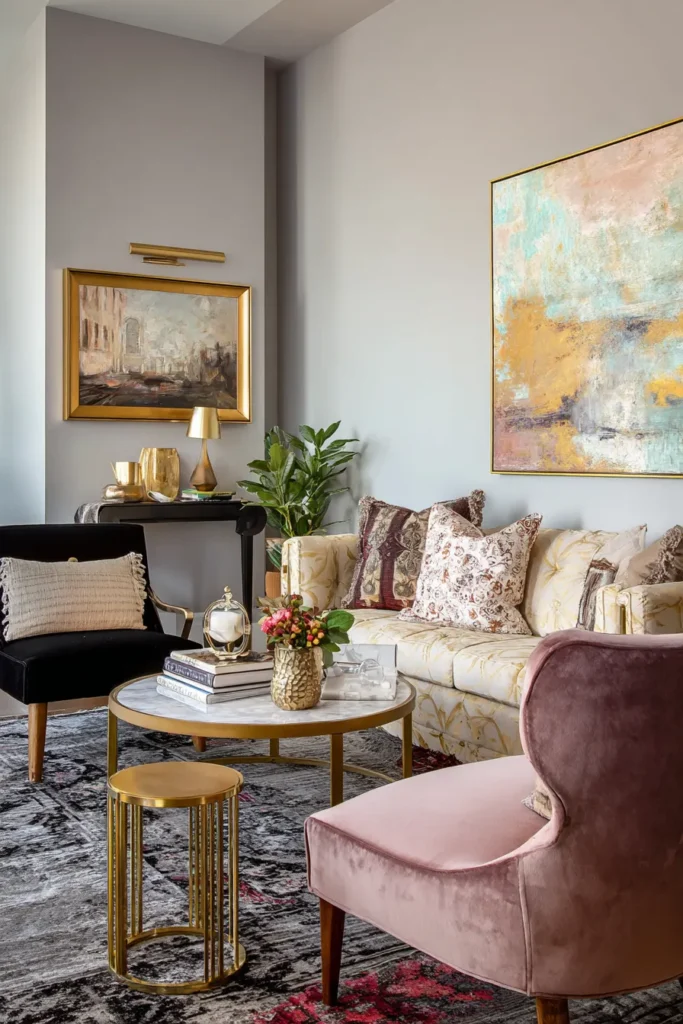
The challenge with eclectic style is avoiding chaos. Success requires a unifying thread, perhaps a consistent color palette across varied styles, or repeating materials in different forms, or a commitment to specific eras that span decades but share certain sensibilities. Without some organizing principle, eclectic becomes merely cluttered.
The joy of eclectic spaces is their personal nature. A modern sectional might face a vintage Persian rug. Industrial lighting hangs above Victorian side tables. Contemporary art shares wall space with family photos in antique frames. Each piece has a story, a reason for being there, and together they tell the story of the person who lives among them. Understanding minimalism vs. maximalism and finding your design soul can help you determine how layered your eclectic approach should be.
Dark and Moody: Dramatic Depth
While light, bright spaces dominate design media, dark and moody living room design offers a compelling alternative. These spaces embrace shadows, rich colors, and dramatic contrasts to create rooms that feel cocooning, sophisticated, and intensely atmospheric.
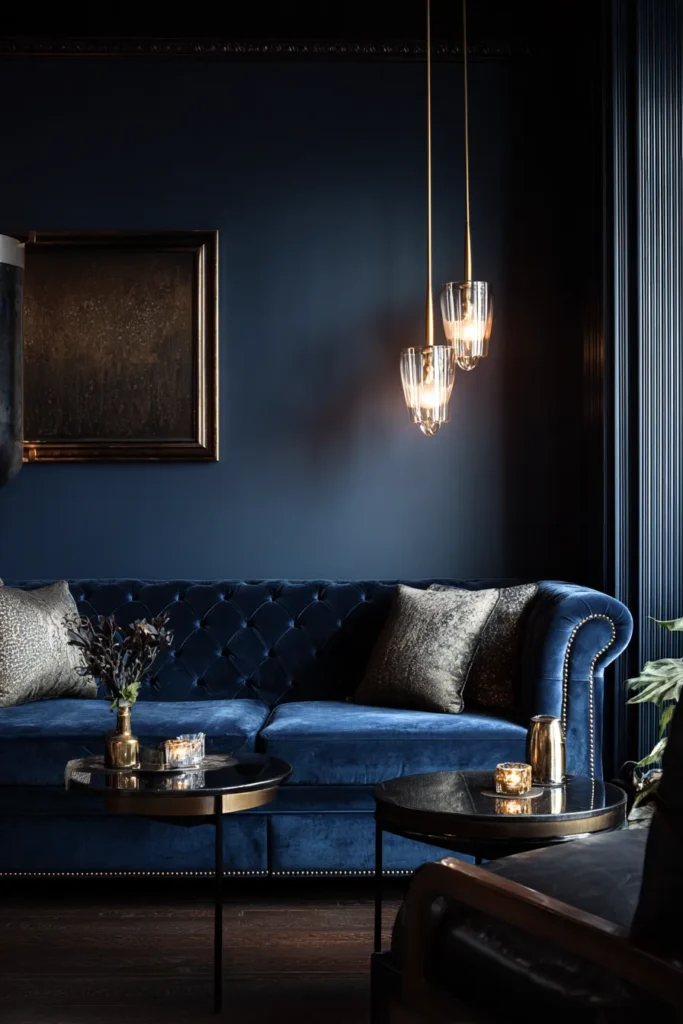
The palette centers on deep, saturated hues. Charcoal grays, navy blues, forest greens, or even black walls create enveloping backgrounds. These dark surfaces make the room feel smaller in the best way, intimate rather than cramped. They also provide dramatic backdrops for lighter furnishings or artwork to pop against.
Lighting becomes absolutely critical in dark spaces. Layer multiple sources at different heights. Table lamps create pools of warm light. Wall sconces highlight artwork or architectural features. Candles add flickering ambiance. The goal is creating depth and dimension through light and shadow rather than fighting the darkness. Metallic accents in brass, copper, or gold catch and reflect available light, adding warmth and preventing the space from feeling heavy. These rooms come alive in evening hours, perfect for those who use their living spaces primarily after work.
Smart Tech-Enabled: Seamless Innovation
A smart tech-enabled living room integrates cutting-edge technology so seamlessly that the space feels magical rather than mechanical. This style prioritizes function and convenience while maintaining aesthetic integrity, proving that high-tech doesn’t have to mean high-visibility.
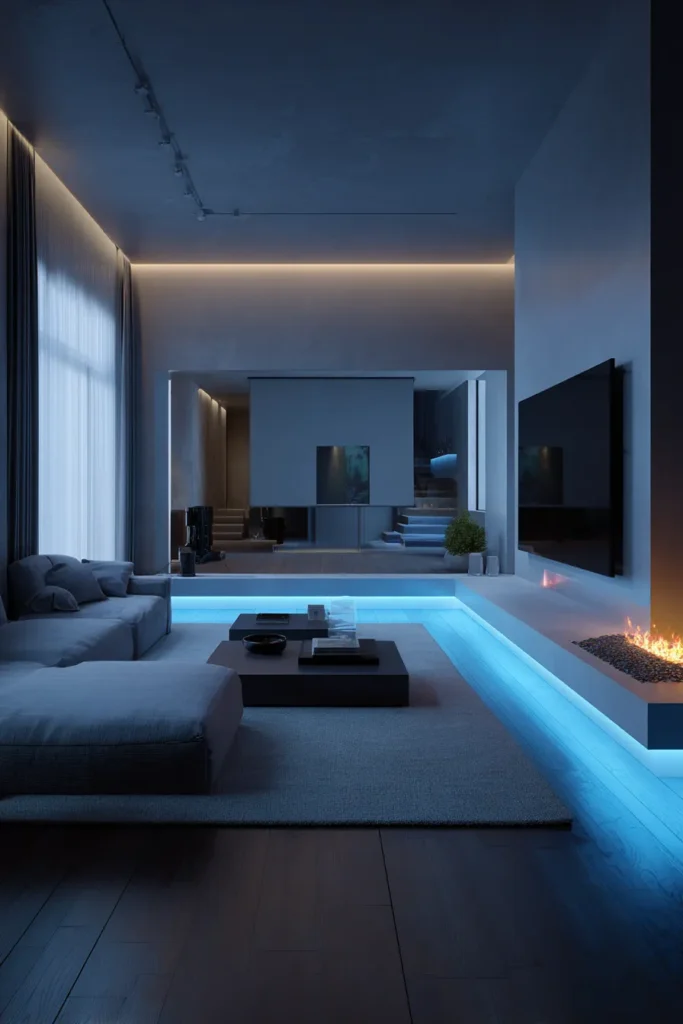
The key is invisible integration. Speakers hide within walls or disguise as décor objects. Screens retract into furniture or conceal behind artwork. Charging stations tuck into side tables. Voice controls eliminate visible switches and remotes. The technology serves the space rather than dominating it.
Smart lighting transforms these rooms throughout the day. Morning scenes gradually brighten to ease waking. Work modes provide focused task lighting. Evening settings dim to warm, ambient glow. Entertainment modes can sync with on-screen content or create theater-like darkness. Climate control adjusts automatically based on occupancy and time. Security integrates without visible cameras. The living room anticipates needs and responds accordingly.
Luxury Modern: Elevated Minimalism
A luxury modern living room takes minimalist principles and executes them with premium materials and exceptional craftsmanship. This isn’t about quantity but quality, fewer pieces but extraordinary ones that justify their place through beauty, function, and impeccable execution.
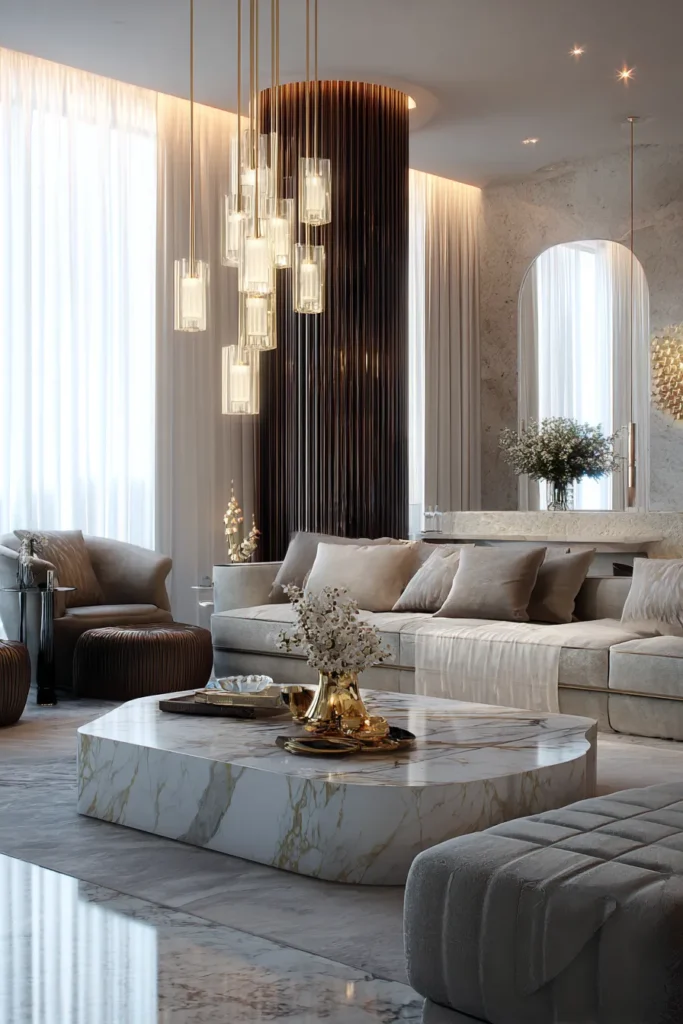
Materials define luxury modern spaces. Italian marble graces tabletops. Full-grain leather, buttery and supple, upholsters seating. Solid wood furniture reveals expert joinery. Cashmere throws drape effortlessly. Every surface invites touch and rewards it with pleasurable texture. The palette typically stays neutral, grays, creams, taupes, allowing materials and forms to shine.
Scale and proportion receive careful attention in luxury spaces. Furniture pieces make bold statements through size or sculptural presence. A single stunning chandelier might anchor the entire room. Art becomes investment-worthy. Custom millwork creates seamless storage and display. Nothing is off-the-shelf, everything is considered, selected, often custom-designed for the specific space.
70s Retro Revival: Groovy Returns
The 1970s are having a moment, and for good reason. This era’s embrace of organic forms, earthy colors, and tactile materials offers a refreshing alternative to both stark minimalism and overstuffed traditionalism. The key is cherry-picking the best elements while leaving the dated aspects firmly in the past.
Color in 70s revival spaces draws from nature. Burnt orange, mustard yellow, avocado green, and rust create warm, earthy palettes. Browns in various tones provide grounding. These aren’t the brights of the 60s or the pastels of the 80s but saturated, complex hues that feel sophisticated rather than kitschy.
Furniture from this era features organic, flowing forms. Low-slung sofas with rounded arms invite lounging. Egg chairs and womb chairs create cozy retreats. Macramé wall hangings add textural interest. Shag rugs, used sparingly, bring period-appropriate texture underfoot. Natural materials like rattan, wicker, and wood predominate. The overall effect is groovy in the original sense, comfortably in the flow.
Beach Boho: Casual Coastal Maximalism
Beach Boho merges the relaxed ease of coastal style with bohemian’s love of pattern, texture, and global influences. The result feels like a beach house decorated by a world traveler, effortlessly chic with a collected, lived-in quality.
The color palette starts with coastal neutrals, soft whites, sandy beiges, driftwood grays, then adds bohemian punches of color. Turquoise and coral bring ocean inspiration. Warm terracotta and ochre ground the brights. The key is keeping colors slightly muted, sun-faded rather than bright and saturated, maintaining that beachy, relaxed feeling.
Natural materials and global textiles define the style. Jute rugs layer under vintage kilims. Rattan furniture mixes with carved wood pieces. Macramé and woven wall hangings add texture. Plants thrive in woven baskets. The furniture stays casual, slipcovered sofas, floor cushions, low coffee tables that encourage relaxed postures and informal gatherings. This is maximalism with a beach vacation vibe, abundant but never stuffy.
How to Mix Living Room Styles Successfully: The Art of Thoughtful Combination
Few of us fit neatly into a single design category. You might love mid-century furniture but crave the warmth of farmhouse textiles. Perhaps industrial’s edge appeals but you need bohemian’s color. Mixing styles successfully is both an art and a science, requiring vision to see potential combinations and discipline to execute them cohesively.
The good news is that today’s design landscape celebrates eclecticism. Gone are the days when rooms needed to match a catalog spread. The challenge is creating combinations that feel intentional rather than accidental, curated rather than confused.
Establish a Dominant Style
Successful style mixing usually works best with a 70-30 or 60-40 ratio. Choose one aesthetic as your foundation, this will dictate about 60-70% of your choices, then introduce a complementary style for visual interest and personality. This approach provides structure while allowing creativity.
For example, a primarily Scandinavian room might incorporate bohemian textiles and plants for warmth and personality. The clean lines and neutral palette of Scandinavian design provide the framework, while bohemian elements add the soul. Or an industrial loft space might soften with mid-century furniture, the industrial architecture remains but the furnishings warm the aesthetic.
Find Common Ground
Successful combinations share connecting elements. Look for similarities in color palette, materials, era, or mood. A rustic farmhouse room can incorporate industrial elements because both celebrate raw, honest materials. Modern minimalism pairs well with Japanese-influenced design because both value
FAQs — Living Room Styles Guide
What is the most popular living room style right now?
Mid-century modern and Japandi are currently the most popular due to their clean lines, warm minimalist approach, and functional beauty.
How do I choose the right living room style for my home?
Start by identifying how you use the space, then consider your preferred color palette, lifestyle, and budget. Save images you love to identify patterns in materials, layouts, and décor.
Can I mix different living room styles?
Yes. A 70/30 approach works best: choose one primary style and complement it with a secondary style through furniture, accents, or colors.
What is the difference between modern and contemporary style?
Modern design refers to mid-20th-century aesthetics with warm woods and organic lines, while contemporary design evolves with current trends, often more minimal and experimental.
What defines traditional living room style?
Traditional style includes symmetrical layouts, ornate details, classic furniture, rich colors, and natural materials like wood and stone.