
Table of Contents
There’s something quietly powerful about a room that speaks in one voice. A monochrome living room doesn’t shout—it whispers. It draws you in through shadow and light, through the way linen catches afternoon sun differently than velvet does.
This is design stripped to its essence, where every texture matters, every tone tells a story. It’s not about emptiness or starkness—it’s about creating depth without distraction. A space where your eye can rest, yet always discover something new.
Whether you’re drawn to the drama of charcoal and ink, the softness of cream and taupe, or the crispness of pure white, monochrome design offers a canvas that never goes out of style. It’s the room that evolves with you, that holds your life without competing for attention.
Let’s explore how to create a monochrome living room that feels alive, layered, and unmistakably yours.
Why Monochrome Design Creates Emotional Sanctuary
Beyond its visual elegance, a monochrome palette profoundly affects how we feel in a space. Research in environmental psychology shows that rooms with limited color variation reduce mental clutter and promote calm. Your nervous system doesn’t need to process competing color stimuli—it can simply settle.
Softer monochrome schemes in warm neutrals lower cortisol levels and encourage relaxation. Cooler tones like grey and blue-grey enhance focus and contemplation. Black and white combinations create dramatic tension that many find energizing and sophisticated.
This isn’t just aesthetic preference—it’s about crafting a room that supports your emotional wellbeing. A space that doesn’t overstimulate after long days, that feels like visual rest.
Starting With Your Base Tone
Choosing Your Monochrome Direction
Begin by selecting your anchor color, then commit fully. Beige, grey, white, navy, sage, terracotta—each creates an entirely different mood. Hold paint samples in your space at different times of day. Notice how morning light transforms cream into gold, how evening dims grey into something moodier.
Natural light is your collaborator here. North-facing rooms benefit from warmer monochrome palettes that counteract cool light. South-facing spaces can handle cooler tones without feeling sterile.
Consider your home’s architecture too. Period homes often sing in warmer neutrals that honor their history. Modern spaces can embrace stark contrast or explore single-hue sophistication.
The Forgotten Foundation: Eco-Conscious Materials
Most monochrome guides skip this crucial layer—the sustainability of your choices. Opt for low-VOC paints in your chosen shade to maintain healthy indoor air quality. Natural plasters and lime washes offer beautiful tonal variations while being environmentally gentle.
Look for furniture made from FSC-certified wood, organic cotton textiles, and natural wool rugs. These materials age beautifully within monochrome schemes, developing patina that adds character rather than looking worn. Recycled glass, reclaimed wood, and stone also bring authentic texture with minimal environmental impact.
Sustainable choices aren’t sacrifices—they’re investments in pieces that deepen your room’s story while respecting the planet.

Mastering Texture: The Secret to Visual Richness
Layering Tactile Experiences
Without color contrast, texture becomes your primary tool for creating interest. This is where monochrome design either soars or falls flat. Mix at least five distinct textures in any monochrome space.
Consider pairing smooth leather with nubby linen, polished metal with raw wood, glossy ceramics with matte stone. Each surface catches and reflects light differently, creating movement throughout the day. A velvet sofa in charcoal grey looks entirely different than a linen one in the same shade.
Textiles offer the easiest entry point. Layer a chunky knit throw over smooth cotton upholstery. Place a jute rug beneath a silk-soft sheepskin. Hang linen curtains that billow and catch light, contrasting with crisp cotton pillows.

Architectural Texture and Pattern
Introduce pattern through texture rather than color—think cable-knit weaves, herringbone wood floors, ribbed concrete, or grasscloth wallpaper. These create visual rhythm without breaking your monochrome commitment.
Wallpaper in tonal patterns adds sophisticated depth. Look for designs with subtle damask, geometric shapes, or organic motifs in varying shades of your base color. This works especially well on a single accent wall or in alcoves.
Don’t overlook architectural molding, exposed beams, or shiplap—painted in your monochrome palette, they become textural statements rather than decorative add-ons.
Tonal Variation: Creating Depth Through Shades
The key to avoiding flatness lies in using multiple values of your chosen color. Think of it as a gradient from your lightest to darkest tones, all within the same color family.
Use your darkest tones sparingly as anchors—a charcoal fireplace surround, deep grey built-ins, or black window frames. Your mid-tones form the bulk of the room—walls, larger furniture pieces, rugs. Reserve your lightest values for ceilings, trim, and accent pieces that catch light.
This tonal layering creates natural depth perception. Darker tones recede, lighter ones advance, giving dimension to your space without any color contrast. Aim for at least five distinct tonal values throughout the room.
Strategic Lighting: Sculpting Shadow and Glow
Layered Lighting for Atmospheric Depth
Lighting transforms monochrome spaces from morning to midnight. Install dimmers on every light source—this single feature gives you infinite control over mood.
Combine three lighting types: ambient (overhead or recessed), task (reading lamps, pendant lights), and accent (picture lights, uplighting). Each layer creates different shadows and highlights throughout your monochrome palette.
Warm white bulbs (2700K-3000K) soften neutral and warm monochrome schemes. Cooler bulbs (3500K-4000K) enhance grey and blue-toned palettes. Avoid mixing color temperatures within the same room.
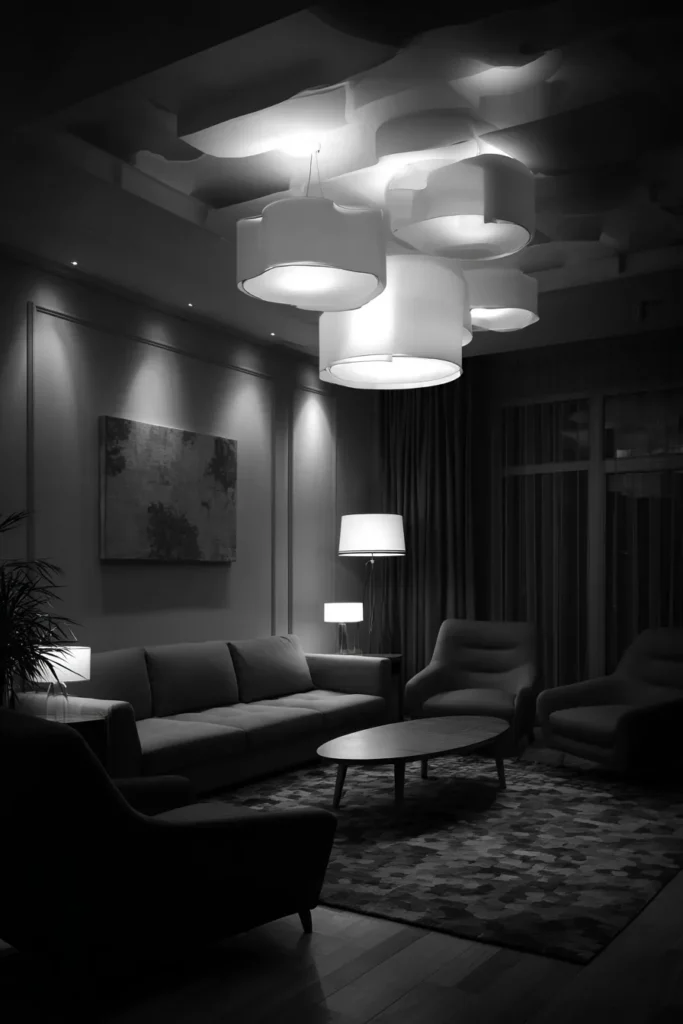
Smart Technology for Adaptive Ambiance
Integrate smart lighting systems that adjust throughout the day. Program brighter, cooler-toned light for productive morning hours, shifting to warmer, dimmer settings as evening approaches. This mimics natural circadian rhythms while maintaining your monochrome integrity.
Smart bulbs allow you to intensify or soften your room’s tone without changing anything physical. Brighten whites for crisp morning energy, deepen greys for cozy evening relaxation. This technological layer adds functional flexibility most monochrome articles overlook.
Furniture Selection: Shape Becomes Statement
Curves and Lines in Balance
When color recedes, form takes center stage. Mix furniture silhouettes intentionally—pair a curved sofa with angular side tables, round coffee tables with straight-lined shelving.
This interplay of organic and geometric shapes creates visual interest that color would normally provide. A rounded bouclé chair in cream becomes sculpture. A linear console in black becomes architecture.
Scale matters enormously in monochrome rooms. Vary heights and proportions—low-slung seating balanced by tall bookcases, chunky coffee tables contrasted with delicate accent chairs. This variation prevents the eye from skating across similarity.
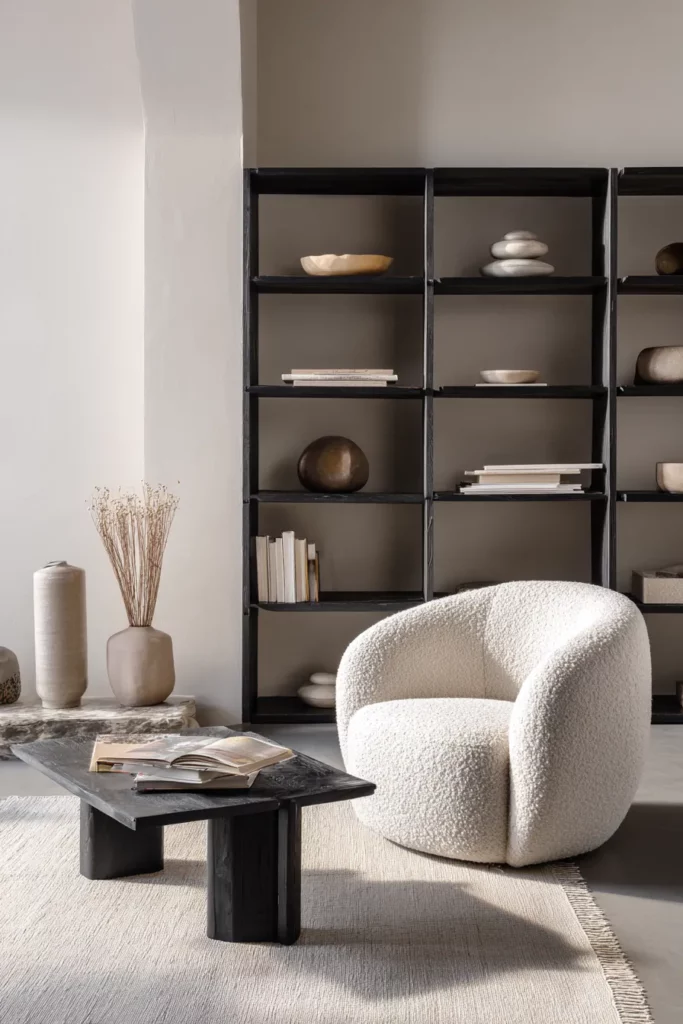
Finish Variation for Subtle Contrast
Experiment with different finishes within your monochrome palette. Pair matte-painted wood with glossy lacquer, brushed metal with polished chrome, honed marble with glazed ceramic. These finish contrasts catch light uniquely, adding layers of visual interest.
Even within wood tones, contrast oak’s open grain against walnut’s tight pattern, or mix weathered reclaimed wood with smooth new pieces—all in similar stain colors. These subtle differentiations reward closer looking.
The Art of Restraint: Curated Accessories
Statement Pieces That Anchor
Select a few significant pieces rather than many small ones. A large sculptural vase, an oversized mirror, a dramatic floor lamp—these become focal points without clutter.
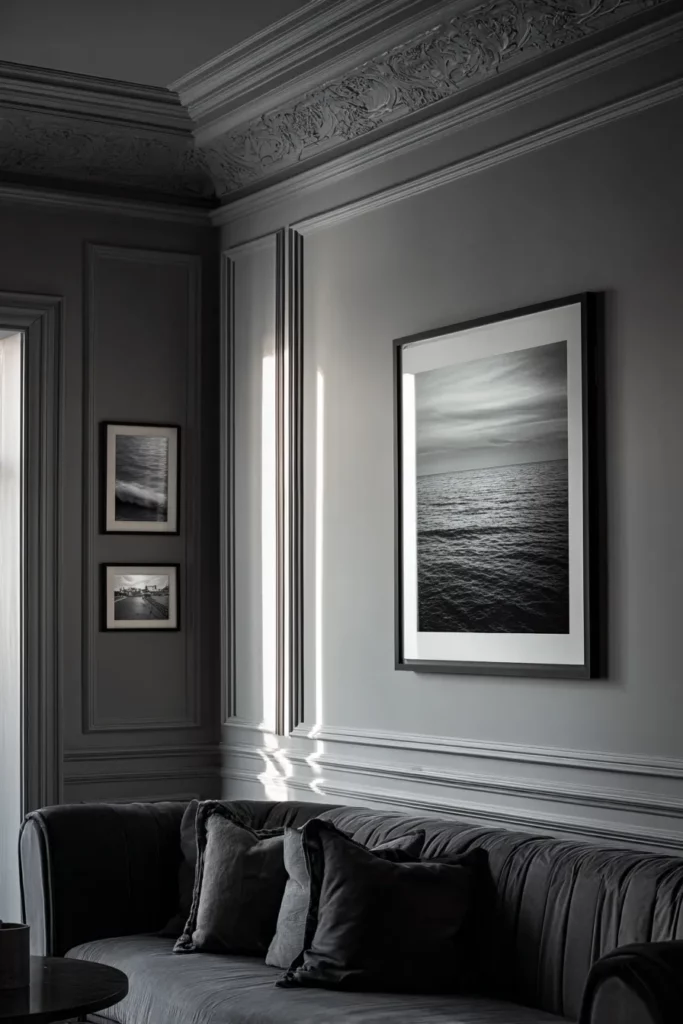
Artwork in monochrome or near-monochrome palettes strengthens your scheme. Black and white photography, charcoal drawings, or paintings in subtle tonal variations add personality without disruption. Group smaller pieces into gallery walls for impact.
Natural elements like dried branches, white pampas grass, or smooth stone sculptures bring organic texture and shape. These connect your interior to the natural world while maintaining tonal discipline.
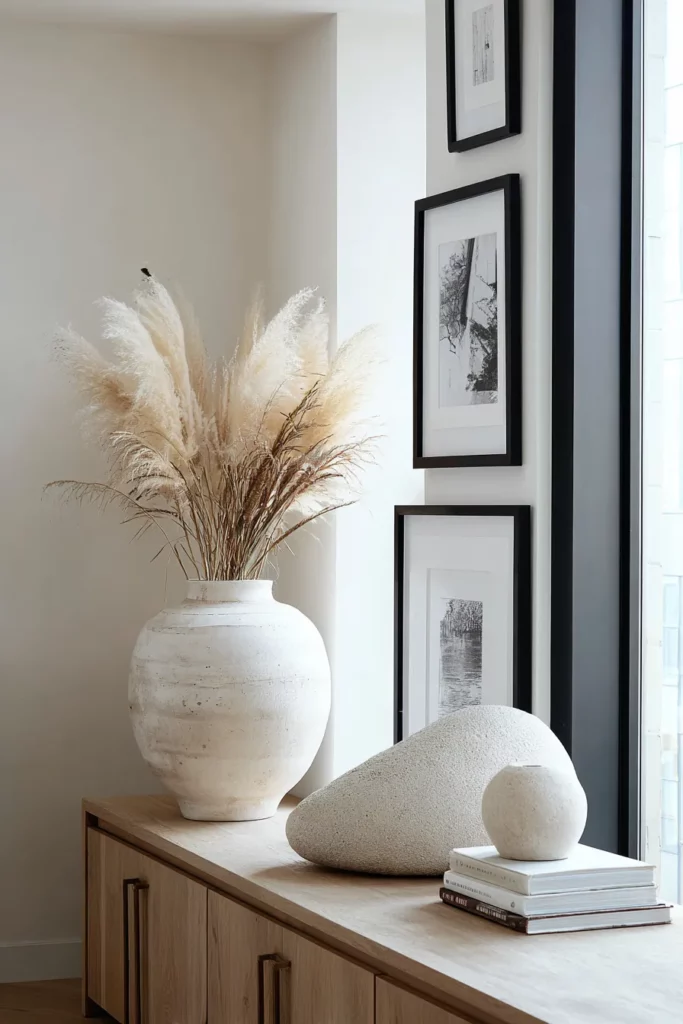
Maintenance and Longevity: Keeping Monochrome Fresh
Practical Care for Lasting Beauty
Light monochrome schemes require diligent maintenance. White and cream upholstery benefits from professional-grade fabric protectors applied immediately. Keep microfiber cloths handy for quick spot cleaning.
Dark monochrome spaces show dust dramatically. Invest in quality microfiber dusters and commit to weekly dusting routines. Matte black surfaces need special attention—use appropriate cleaners to prevent streaking or residue buildup.
For high-traffic areas in light palettes, consider performance fabrics that resist staining while maintaining luxurious texture. Crypton, Sunbrella, and similar technologies now offer beautiful options that look indistinguishable from natural fibers.
Seasonal Refresh Without Color
Rotate textiles seasonally to keep your monochrome room feeling current. Summer might feature light linens, gauzy curtains, and bare floors. Winter brings velvet, wool throws, chunky knits, and layered rugs—all in your chosen palette.
This seasonal evolution maintains freshness without abandoning your monochrome commitment. It’s about weight and texture, not color. Your room breathes with the seasons while remaining visually cohesive.
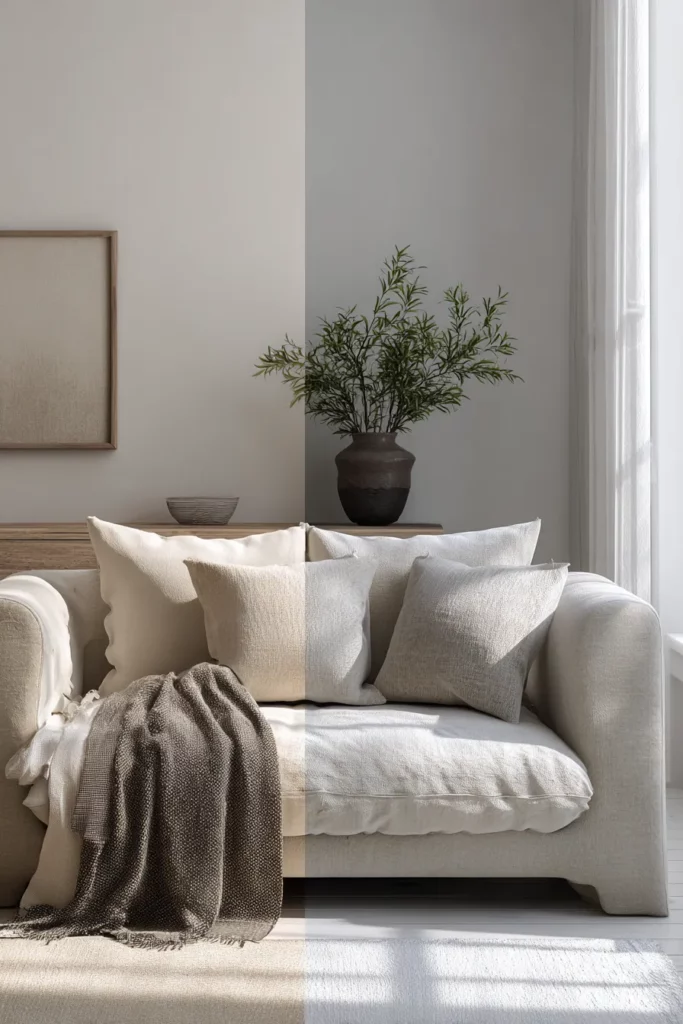
Small Space Monochrome: Maximizing Perceived Size
Lighter monochrome palettes expand small living rooms visually. Paint walls, trim, and ceiling in similar light tones to blur boundaries. This creates an envelope of light that makes walls recede.
Use mirrors strategically to multiply light and create depth illusion. A large mirror opposite a window effectively doubles your natural light while maintaining monochrome simplicity.
Keep furniture low-profile and legs visible—raised pieces create visual flow underneath, suggesting more space. Glass and acrylic furniture disappears visually while remaining functional.
Bold Monochrome: Embracing Drama in Black
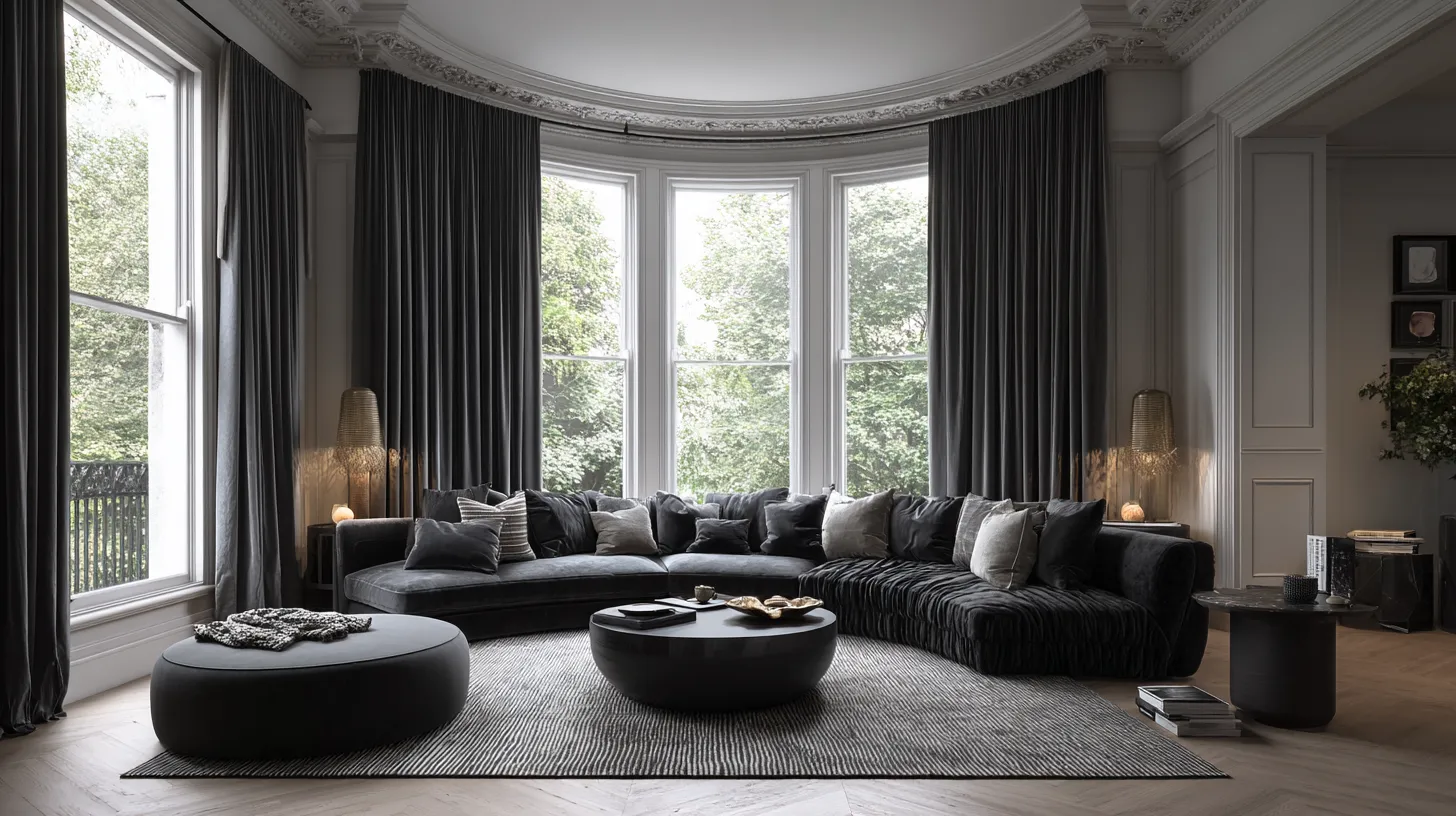
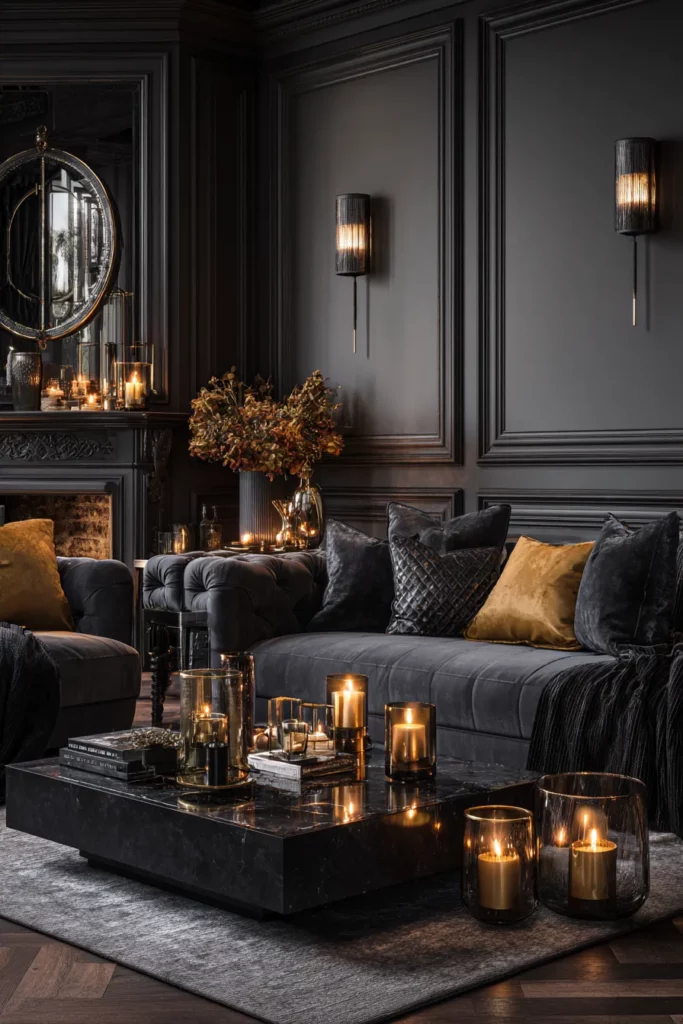
Don’t fear darker monochrome schemes. Deep charcoal and black create sophisticated drama when layered thoughtfully. Start with one black accent wall, then add medium greys before introducing lighter tones.
Metallic accents—brass, copper, chrome—pop dramatically against dark monochrome. These provide necessary reflection and warmth without introducing actual color.
Ensure abundant lighting in dark schemes. Multiple light sources prevent cave-like feelings, instead creating mystery and depth.
Monochrome Living Room Checklist
- Select your base color and commit to its full tonal range
- Gather 5+ distinct textures through textiles, materials, and finishes
- Install dimmable lighting at three levels (ambient, task, accent)
- Choose furniture with varied shapes and silhouettes
- Incorporate sustainable materials for longevity and environmental care
- Plan for seasonal textile rotations to maintain freshness
- Add 2-3 statement pieces rather than many small accessories
- Establish maintenance routines appropriate to your palette’s lightness or darkness
- Include living elements like plants in complementary pots or natural sculptural pieces
- Layer tonal values from darkest anchors to lightest highlights
Your Monochrome Journey
A monochrome living room isn’t a trend you’ll tire of—it’s a foundation that grows with you. It’s the backdrop for your life’s changing chapters, adaptable and timeless.
This is design that trusts restraint, that believes less can indeed be more when executed with intention. It’s the room that feels peaceful after chaos, sophisticated without trying, complete without excess.
Your monochrome space is waiting to be layered, lived in, loved. Start with one tone you can’t stop thinking about, and let everything else follow naturally.
Frequently Asked Questions
How do I keep a monochrome living room from feeling cold or clinical?
Warmth comes from texture and lighting, not color. Layer soft textiles like wool, linen, and velvet. Use warm-toned lighting (2700K-3000K) and incorporate natural materials like wood and stone. The key is tactile variety—your room should invite touch, not just looking.
Can I mix different shades of grey, or should I stick to one exact grey?
Absolutely mix shades—this creates essential depth. Use at least 3-5 different grey values from light to dark. This tonal layering prevents flatness and adds dimensional interest. Just ensure they’re all cool-toned or warm-toned greys, not mixing undertones.
How often should I refresh a monochrome living room to keep it interesting?
Rotate textiles seasonally—lighter fabrics for summer, heavier for winter. Swap throw pillows, blankets, and even curtains every 3-6 months. This maintains visual freshness without expensive furniture changes or breaking your color commitment.
What’s the best way to clean white or cream monochrome furniture?
Apply fabric protector immediately on light upholstery. Keep enzyme-based stain removers on hand for quick treatment. For regular maintenance, vacuum weekly and spot-clean immediately. Consider performance fabrics that resist staining while looking luxurious.
Should I add a pop of color to break up monochrome, or stay completely committed?
Both approaches work. True monochrome purists avoid color entirely, relying on texture and tone. If you add color, limit it to 5% of the room—one vibrant pillow or single plant. Test this decision carefully, as color can either energize or dilute your scheme’s power.