
Table of Contents
There’s a quiet conversation happening in every room of your home. It’s spoken through the grain of a wooden table catching afternoon light, or the cool gleam of metal chair legs anchoring a modern dining space. These materials don’t just hold our belongings—they hold our stories, our moments, our carefully crafted sense of home.
Choosing between wood and metal furniture isn’t merely about function. It’s about the warmth you want to feel when you walk through your door, the texture beneath your fingertips, the way light moves across surfaces throughout the day. Each material carries its own language of comfort and style.
At ERYLIN, we believe your furniture should speak to both your practical needs and your soul’s longing for beauty. Whether you’re drawn to the organic embrace of timber or the sculptural clarity of steel, understanding these materials deeply helps you craft spaces that truly feel like yours.
Let’s walk through this together—gently, thoughtfully—exploring what wood and metal each bring to your home.
The Essence of Wood: Warmth That Breathes
The Living Beauty of Timber
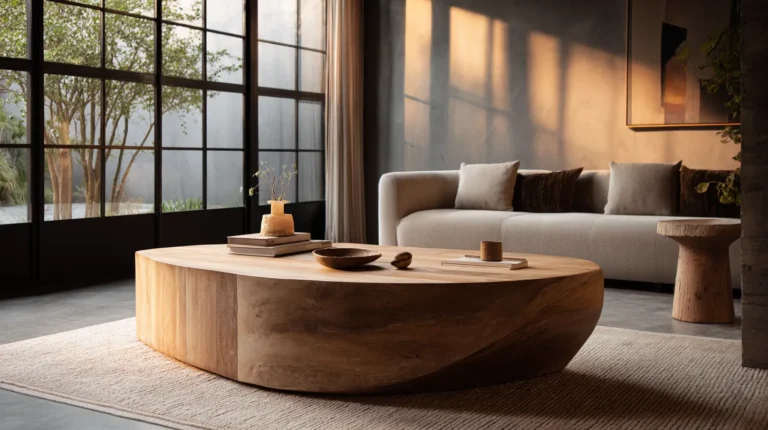
Wood furniture carries something irreplaceable: the memory of forests. Each piece tells a story written in growth rings and natural variations. A solid oak dining table doesn’t just serve meals; it becomes the gathering place where laughter echoes and candles flicker against honey-toned grain.
The wood furniture aesthetic is inherently warm and inviting. Walnut’s deep chocolate tones create intimate dining spaces, while lighter ash or maple brightens rooms with Scandinavian simplicity. Wood adapts to your vision—rustic farmhouse, mid-century modern, or elegant traditional—with a chameleon-like grace that metal rarely matches.
Texture and Sensory Comfort
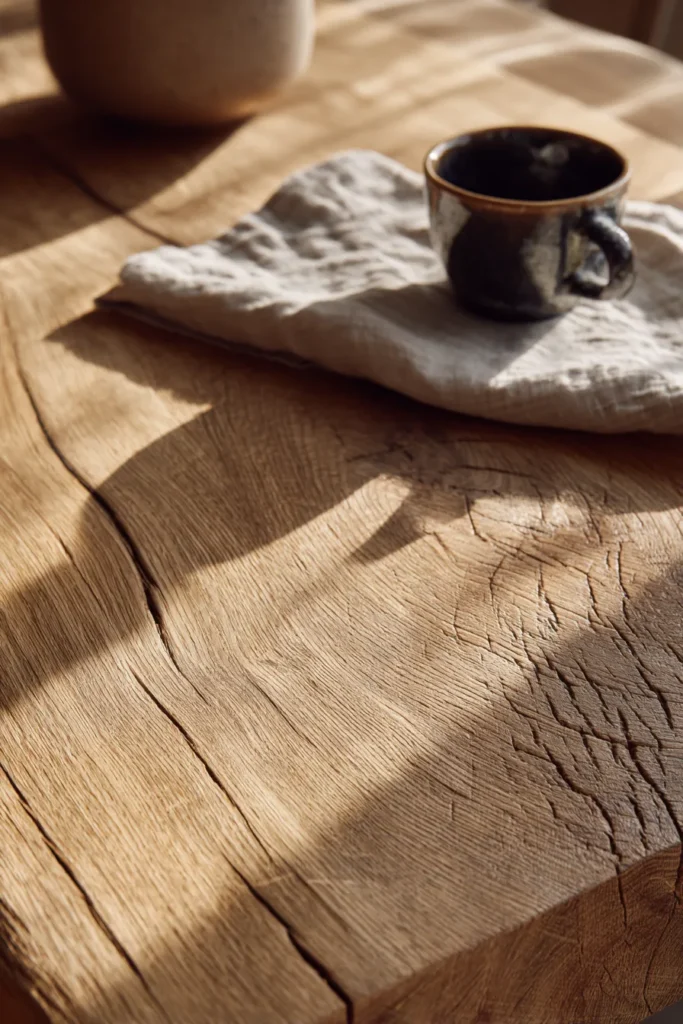
Run your hand across a wooden surface. It responds to touch with organic warmth, never startling with winter coldness. Wood absorbs sound rather than amplifying it, creating quieter, more peaceful rooms. This acoustic softness matters more than we realize—chairs scraping gently rather than screeching, a table that doesn’t ring when touched.
Natural wood also regulates indoor humidity subtly, breathing with your home’s seasonal rhythms. It’s furniture that lives alongside you, aging gracefully with a patina that only deepens its character.
The Strength and Durability Question
Furniture strength in wood depends entirely on species and craftsmanship. Hardwoods like oak, maple, and teak offer remarkable durability—antique wooden furniture surviving centuries proves this. These pieces withstand daily use beautifully when properly maintained.
However, wood requires gentle care. It can scratch, dent, or warp with excessive moisture. Sunlight may fade certain finishes over time. Yet many find these marks endearing—proof of life lived fully—rather than flaws.
Maintenance: A Ritual of Care
Caring for wood furniture becomes a meditative practice. Regular dusting, occasional oiling or waxing, protecting from direct heat and moisture—these simple acts preserve beauty for generations. Most maintenance takes minutes but rewards you with furniture that improves with age.
Consider climate when choosing wood. High humidity areas may challenge certain species, while heated homes can dry wood excessively. Knowing your environment helps you select appropriately treated pieces or hardier species like teak for demanding conditions.
The Character of Metal: Modern Strength Refined
Industrial Poetry
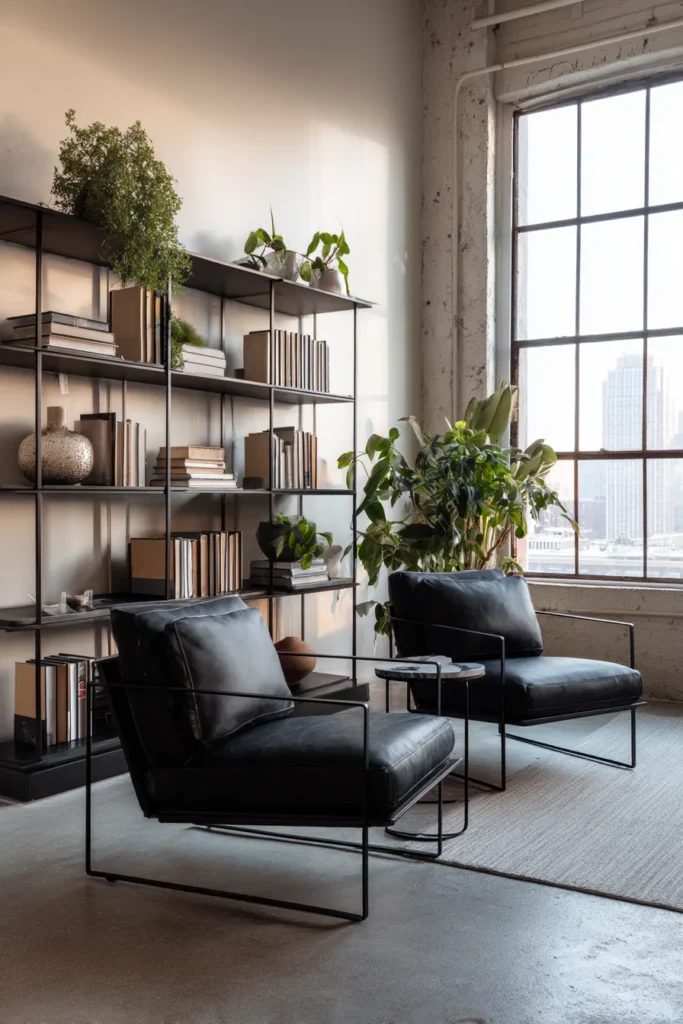
Metal furniture speaks a different language—one of clean lines, unexpected lightness, and contemporary edge. Modern metal furniture transforms spaces with its sculptural presence. A powder-coated steel bookshelf becomes functional art; wrought iron bed frames add romance without bulk.
Steel, aluminum, and iron each offer distinct personalities. Brushed stainless steel suits minimalist aesthetics with its cool neutrality. Matte black iron grounds bohemian spaces with industrial weight. Brass or copper accents warm metal’s typically cool presence with vintage glamour.
The Durability Advantage
When discussing metal furniture durability, numbers speak clearly. Steel furniture supports significantly more weight than comparable wooden pieces—crucial for heavy-use items like beds, shelving, or commercial seating. Metal doesn’t warp, crack, or split. It resists moisture, pests, and temperature fluctuations that challenge wood.
This resilience makes metal ideal for outdoor furniture, high-traffic areas, or homes with children and pets. A metal dining table withstands spills, impacts, and daily chaos with minimal concern. Its strength-to-weight ratio often surprises—metal pieces can be remarkably light yet incredibly sturdy.
Low-Maintenance Living
Busy lives benefit from metal’s easy care. Most metal furniture requires only periodic cleaning with appropriate solutions—no oiling, refinishing, or seasonal adjustments. Powder-coated finishes protect against rust and scratches, maintaining their appearance for decades with minimal effort.
This makes metal particularly appealing for rentals, vacation homes, or anyone preferring fuss-free furniture. Invest once, enjoy indefinitely, with almost no maintenance ritual required.
The Aesthetic Considerations
Metal does present aesthetic challenges. Its coolness—both visual and tactile—can feel stark without softening elements. Metal amplifies sound; chairs scraping across tile create more noise than wooden equivalents. In winter, metal surfaces can feel uncomfortably cold to touch.
However, these qualities suit certain design visions perfectly. Minimalist, industrial, or ultra-modern spaces thrive on metal’s crisp precision. The key lies in balancing metal’s inherent coolness with warm textiles, natural light, and organic elements.
Steel vs Wood Furniture: A Direct Comparison
| Aspect | Wood Furniture | Metal Furniture |
|---|---|---|
| Visual Warmth | High—natural, inviting, textured | Low to moderate—sleek, contemporary, cool |
| Tactile Comfort | Warm to touch, organic feel | Cold initially, especially in winter |
| Weight Capacity | Moderate to high (depends on species) | Very high—excellent strength-to-weight ratio |
| Durability | High with proper care; can last generations | Excellent—resists moisture, pests, warping |
| Maintenance | Regular dusting, periodic oiling/waxing | Minimal—occasional cleaning only |
| Climate Sensitivity | Moderate—affected by humidity and temperature | Low—highly stable across conditions |
| Repairability | Highly repairable—can sand, refinish, restore | Limited—dents and scratches difficult to fix |
| Sound Quality | Absorbs sound, quieter | Amplifies sound, can be noisy |
| Sustainability | Variable—depends on sourcing and species | Highly recyclable, but energy-intensive production |
| Style Versatility | Extremely versatile across design styles | Best suited for modern, industrial aesthetics |
| Cost Range | Wide—from affordable pine to luxury hardwoods | Generally mid-range to high for quality pieces |
| Aging Character | Develops beautiful patina over time | Maintains original appearance longer |
Mixing Metal and Wood Furniture: The Best of Both Worlds
Why Hybrid Design Works
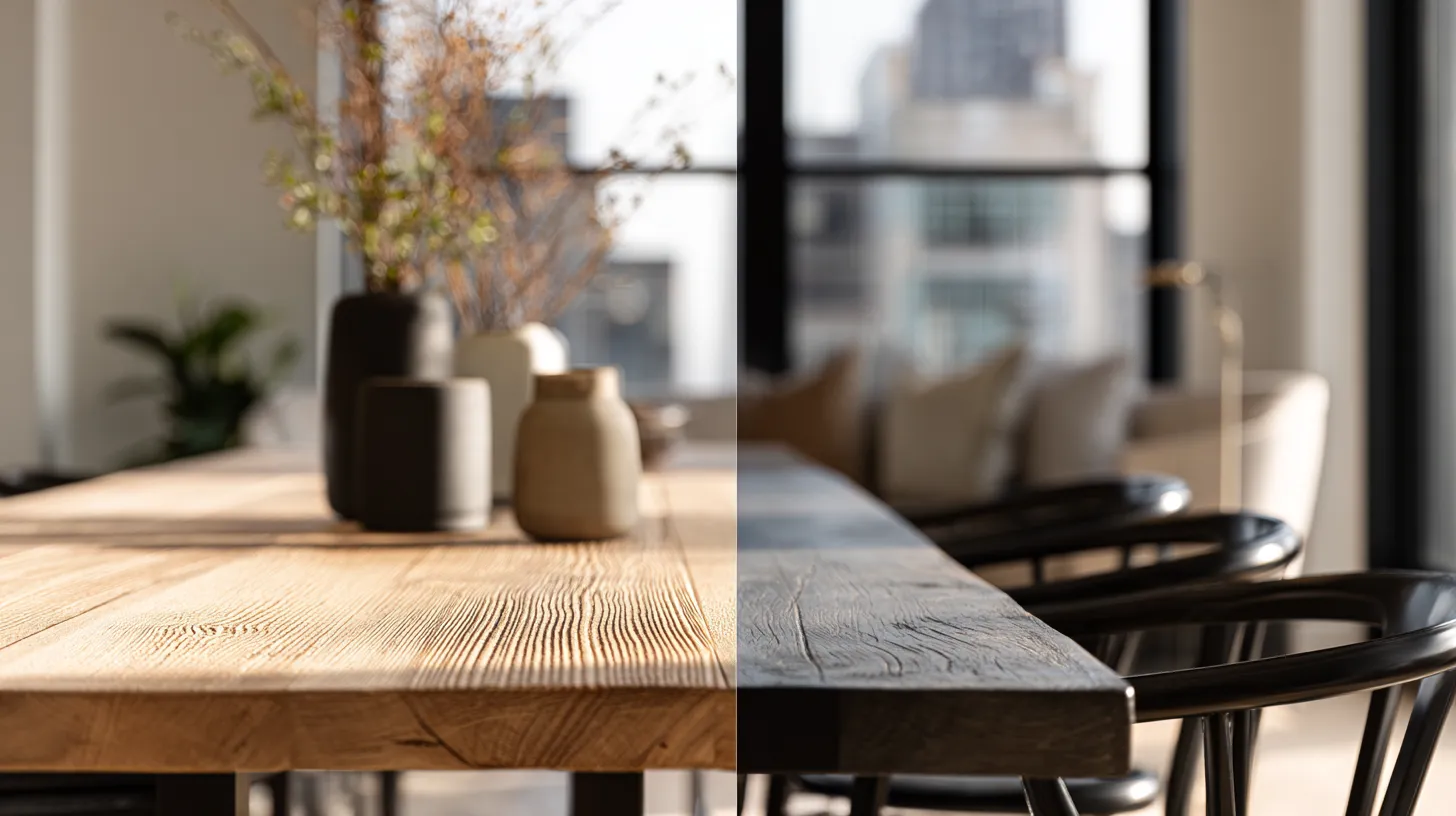
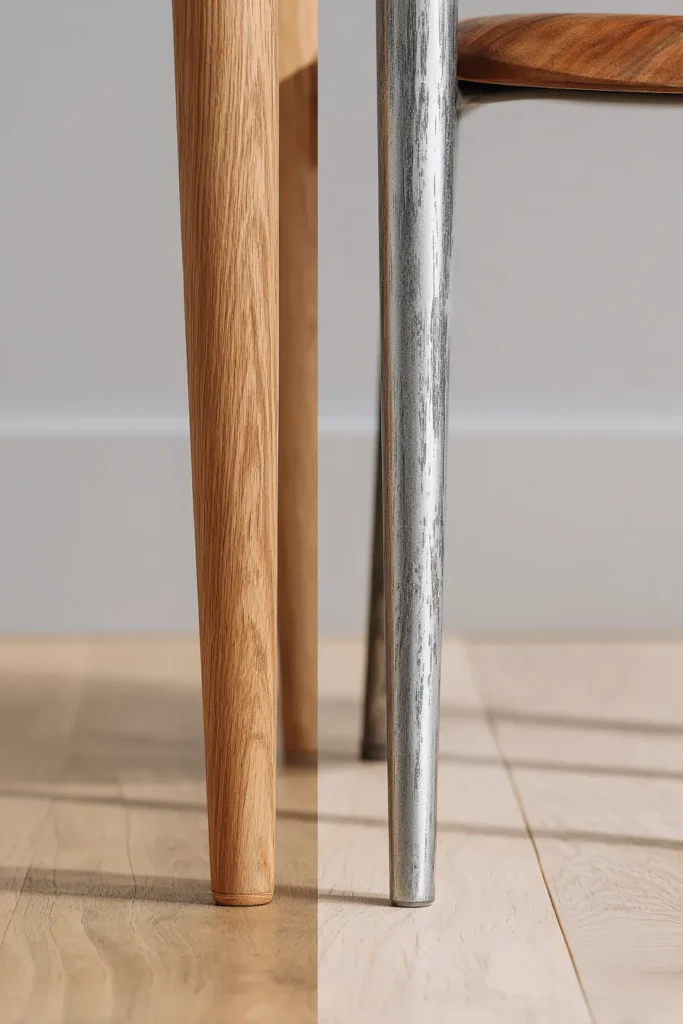
The most compelling interiors rarely commit to a single material. Mixing metal and wood furniture creates visual interest through contrast—warm against cool, organic against industrial, soft against structured. This combination feels current, layered, and intentionally designed.
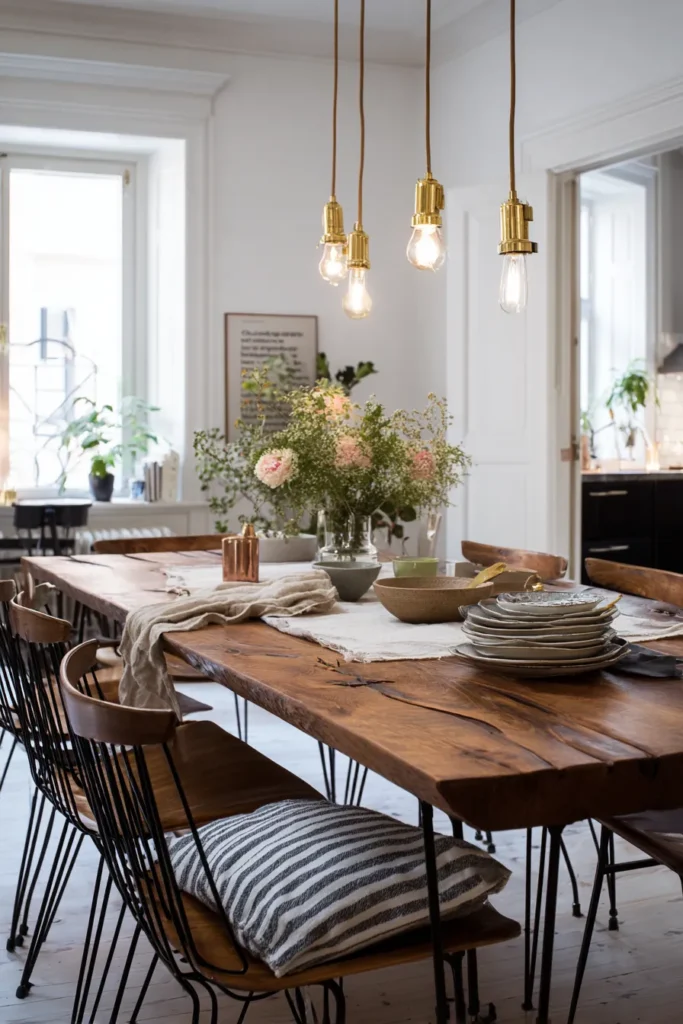
A wooden dining table with metal legs combines timber’s inviting surface with steel’s sturdy support. Metal-framed bookcases with wooden shelves offer industrial edge softened by natural warmth. These hybrid pieces often provide superior functionality while satisfying diverse aesthetic preferences.
Creating Balanced Spaces
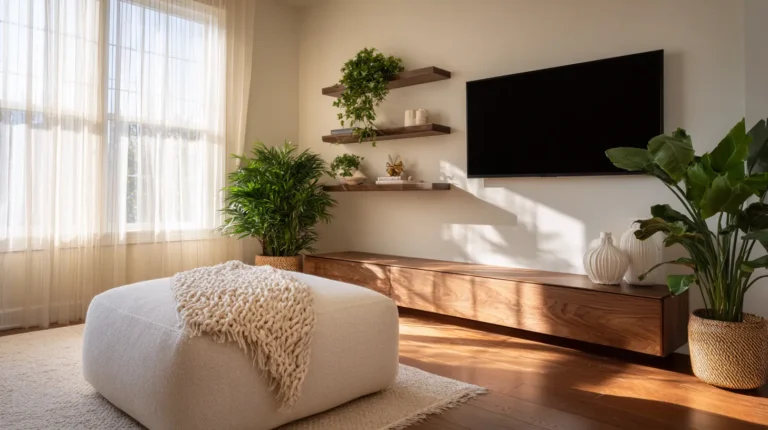
Successfully blending materials requires thoughtful proportion. Let one material dominate while the other accents. A primarily wooden living room might feature metal floor lamps, picture frames, or side table legs as modern touches. Conversely, a metal-heavy industrial loft softens with wooden coffee tables, floating shelves, or headboards.
Consider finish coordination. Matte black metal pairs beautifully with medium to dark woods like walnut or oak. Brushed brass or copper complements lighter woods like ash or maple with vintage charm. Maintaining consistent metal finishes throughout a space creates cohesion even when mixing materials freely.
Specific Room Applications
Dining rooms particularly benefit from mixed materials. Wooden tables provide warmth for family meals while metal chairs offer easy cleaning and durability for everyday use. Or reverse this—metal or wooden dining sets each have merits, but combining them often yields the most practical and beautiful result.
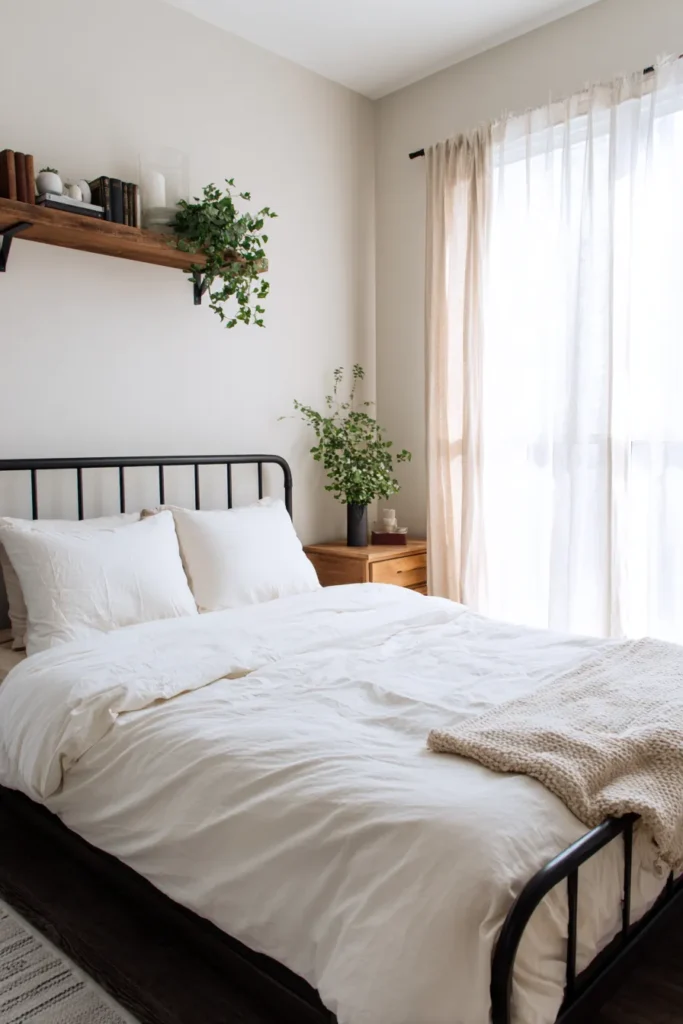
Bedrooms find balance with wooden bed frames paired with metal nightstands, or metal beds softened with wooden dressers. Living rooms layer wooden coffee tables, metal floor lamps, and mixed-material shelving for visual complexity. Each piece plays its role in the material conversation.
Choosing Based on Your Lifestyle and Space
For Busy Families and Pet Owners
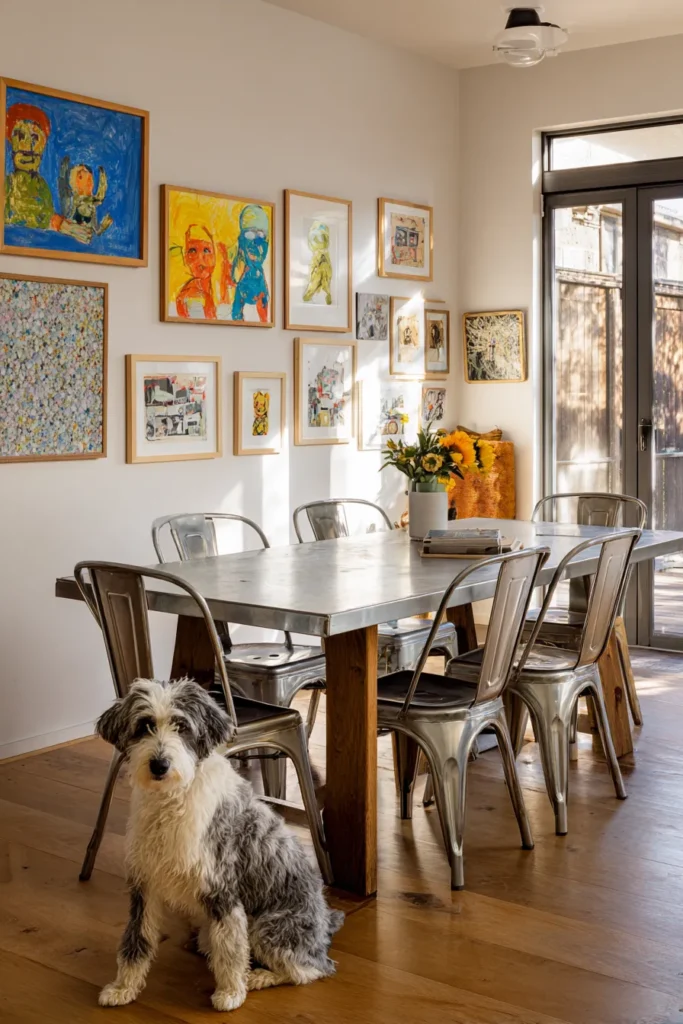
High-traffic homes benefit from metal’s durability and easy maintenance. Metal dining tables, chairs, and shelving withstand children’s activities and pet wear with minimal stress. However, soften these practical choices with wooden accent pieces—console tables, decorative shelving, or bedroom furniture—to maintain warmth.
For Design Enthusiasts and Collectors
Wood offers unmatched versatility for evolving aesthetics. Its ability to adapt to different styles through refinishing or simply through new surrounding elements makes it ideal for those who love changing their décor. Wood becomes the neutral canvas against which you paint your design story.
For Minimalists and Modern Lovers
Metal furniture’s clean lines and low-maintenance nature align perfectly with minimalist lifestyles. Choose powder-coated steel in neutral tones for timeless appeal, or experiment with colored finishes for personality. Add select wooden elements—a sculptural bowl, floating shelf, or single statement piece—to prevent coldness.
For Small Spaces
Metal’s visual lightness helps small spaces feel larger. Transparent or minimal metal frames don’t visually overwhelm like bulky wooden furniture can. Glass-topped tables with metal bases, open metal shelving, and slim metal-framed chairs create functional spaces without heaviness.
However, don’t eliminate wood entirely from small spaces. Wooden elements ground rooms and prevent the clinical feeling all-metal furniture can create. A single wooden coffee table or wooden dining chairs might provide the warmth needed.
Environmental Impact and Sustainability
Wood Furniture’s Ecological Footprint
Timeless wooden furniture‘s sustainability depends entirely on sourcing. Responsibly harvested wood from certified forests (FSC or PEFC certified) can be genuinely sustainable—forests regrow, sequestering carbon as they mature. Reclaimed or vintage wooden furniture carries minimal environmental impact while offering unique character.
However, illegal logging, rainforest destruction, and unsustainable practices plague the industry. Additionally, many wood finishes contain VOCs (volatile organic compounds) that affect indoor air quality. Choose low-VOC or natural oil finishes to minimize health impacts.
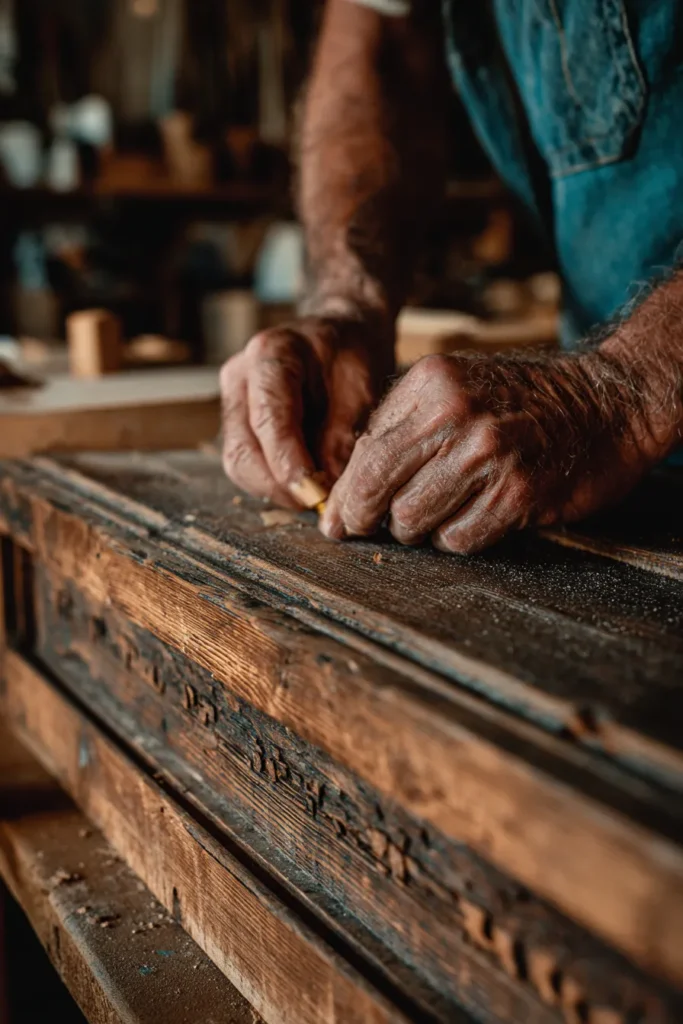
Local craftsmanship reduces transportation emissions while supporting artisan communities. Custom wooden furniture built nearby often carries lower environmental costs than mass-produced imports, despite potentially higher prices.
Metal Furniture’s Sustainability Profile
Metal production requires significant energy, creating substantial carbon emissions. However, metal’s recyclability is exceptional—steel and aluminum can be recycled infinitely without quality loss. Many metal furniture manufacturers now use high percentages of recycled content.
Metal’s longevity also contributes to sustainability. Furniture lasting decades—or centuries—reduces replacement cycles and overall consumption. This durability, combined with recyclability, makes quality metal furniture a defensible environmental choice despite production impacts.
Consider powder-coated finishes over chrome or other chemical-intensive treatments. These modern finishes offer durability with reduced environmental and health impacts.
Cost Considerations and Long-Term Value
Initial Investment Comparison
Furniture material comparison on cost reveals wide ranges within each category. Softwood furniture (pine, cedar) costs less than quality metal pieces, while hardwood and specialty metal furniture command premium prices.
Generally, mid-range metal furniture costs less than comparable hardwood pieces. However, the cheapest options in either category rarely offer good value—poorly constructed furniture fails quickly regardless of material.
Long-Term Value Analysis
Factor maintenance, repair, and replacement costs into your decision. Wood furniture requires ongoing care products and occasional professional restoration, adding to lifetime costs. However, quality wooden pieces retain and often increase in value, particularly vintage or antique items.
Metal furniture’s minimal maintenance reduces ongoing costs, but repair can be impossible or expensive when needed. Dents in metal often can’t be fixed invisibly, sometimes necessitating complete replacement. However, metal’s durability means replacement needs arise less frequently.
Calculate cost per year of use. A $1,200 solid wood dining table used for 30+ years costs $40 annually. A $600 metal table lasting 20 years costs $30 annually but might lack the warmth and resale value of the wooden equivalent.
Repair and Restoration Potential
Wood’s repairability offers significant long-term value. Scratches sand out, wobbly joints reglue, worn finishes refinish. Many wooden furniture repairs are DIY-friendly, saving professional service costs. This repairability extends furniture lifespan indefinitely with proper care.
Metal repairs typically require professional welding or metalwork—specialized, expensive services. Minor scratches in powder coating can sometimes be touched up, but larger damage often proves permanent. This limitation means metal furniture must survive its lifespan on original integrity alone.
Health and Safety Considerations
VOCs and Indoor Air Quality
Many traditional wood finishes release VOCs that affect indoor air quality, potentially causing headaches, respiratory irritation, or long-term health concerns. Polyurethane, lacquer, and stain often contain these compounds. Choose water-based finishes, natural oils, or wax for healthier options.
Allow new wooden furniture to off-gas in well-ventilated areas before moving into bedrooms or nurseries. Better yet, purchase pre-owned wooden furniture—vintage pieces have already released their VOCs decades ago.
Metal Allergies and Sensitivities
Some individuals develop contact dermatitis from nickel or other metals. Powder-coated or painted metal furniture reduces this risk by creating a barrier between skin and metal. However, wear points where coating erodes may eventually expose reactive metals.
Chrome and stainless steel generally cause fewer allergic reactions than nickel-containing alloys. If metal sensitivity concerns you, research specific metal compositions before purchasing or choose fully coated options.
Safety for Children and Pets
Wood’s splinter potential concerns parents, though quality furniture properly sanded and finished presents minimal risk. Wooden furniture’s weight makes tipping less likely than lighter metal pieces—an important consideration with climbing toddlers.
Metal edges can feel sharper than wooden equivalents, potentially causing more serious injury during falls or collisions. However, metal’s durability means no splintering, loose parts, or chemical finish degradation that might harm curious children or chewing pets.
Emerging Trends: Smart Furniture and Innovation
Modern furniture design increasingly incorporates technology. Wooden furniture with integrated wireless charging, hidden outlets, or touch-activated lighting combines timeless materials with contemporary convenience. These features work particularly well in wood, which conceals technology more naturally than transparent design trends allow in metal furniture.
Metal furniture innovation focuses on mechanisms—adjustable height desks, transforming tables, or modular shelving systems. Metal’s structural precision enables complex moving parts and weight-bearing mechanics difficult to achieve in wood.
Luxury-lite metal furniture—affordable pieces with high-end aesthetics—represents a growing trend. Powder-coating technology now delivers rich, complex colors at accessible prices, democratizing designer looks previously available only at premium price points.
Hybrid smart furniture combining both materials will likely dominate future markets. Imagine wooden desks with metal motorized height adjustment, or metal shelving with wooden smart-home hubs integrated seamlessly. The future isn’t wood versus metal—it’s wood and metal working together intelligently.
Quick Decision Guide: Finding Your Perfect Match
- Choose wood if you prioritize: Warmth, traditional aesthetics, repairability, sound absorption, tactile comfort, and design versatility
- Choose metal if you prioritize: Durability, low maintenance, weight capacity, modern aesthetics, moisture resistance, and space efficiency
- Mix both materials when: Creating layered, contemporary spaces that balance warmth with structure
- Consider climate: High humidity challenges wood; extreme temperature fluctuations matter less to metal
- Think long-term: Wood gains character and value over time; metal maintains original appearance longer
- Budget wisely: Quality matters more than material—invest in well-constructed pieces regardless of wood or metal
- Personal lifestyle wins: Busy households benefit from metal’s ease; design enthusiasts enjoy wood’s versatility
- Sustainability matters: Research sourcing for wood; prioritize recycled content for metal
Your Home, Your Story
Choosing furniture isn’t about right or wrong. It’s about recognizing what speaks to you when you close your eyes and imagine your perfect room. Do you see grain patterns dancing in morning light, or sleek metal frames creating gallery-like precision?
Perhaps you see both—and that’s perfectly beautiful. The most memorable homes layer materials thoughtfully, creating spaces that feel intentional yet effortless, designed yet deeply personal.
At ERYLIN, we believe your furniture should support not just your body, but your life’s rhythm, your aesthetic dreams, your practical needs. Whether you choose the forest’s embrace or the forge’s precision, choose pieces that make your heart quiet when you return home.
That’s when you know you’ve chosen right.
Frequently Asked Questions
Which is stronger for heavy use—wood or metal furniture?
Metal furniture generally supports more weight and withstands impacts better than wood. Steel dining tables and bed frames can handle significantly heavier loads without stress. However, quality hardwoods like oak or maple offer excellent strength for normal residential use and can be repaired if damaged, while metal cannot. For commercial or extremely high-traffic situations, metal wins; for typical home use, quality wood performs beautifully.
How do maintenance requirements differ between wood and metal furniture?
Wood furniture requires regular dusting and periodic conditioning with oils or waxes to prevent drying and cracking. It’s sensitive to moisture, heat, and direct sunlight. Metal furniture needs only occasional cleaning with appropriate solutions and is largely maintenance-free. Powder-coated metal resists rust and scratches with minimal care. If you prefer low-maintenance living, metal has clear advantages; if you enjoy the ritual of caring for beautiful things, wood’s needs become pleasures.
Can I successfully mix wood and metal furniture in the same room?
Absolutely—mixing materials creates the most interesting, layered interiors. Pair a wooden dining table with metal chairs, or use metal shelving with wooden accent pieces. Keep metal finishes consistent throughout the space (all matte black or all brass, for example) and let one material dominate while the other accents. The contrast between warm wood and cool metal adds visual depth that single-material rooms lack.
Which material offers better value over time—wood or metal?
Quality wooden furniture often increases in value, especially vintage or antique pieces, and can be refinished repeatedly to look new. Metal furniture depreciates like most manufactured goods but requires almost no maintenance costs. Calculate cost per year of expected use: a $1,200 wooden table lasting 40 years costs $30 annually; an $800 metal table lasting 25 years costs $32 annually. Both can offer excellent value when you buy quality, but wood has restoration and resale advantages.
What are the environmental impacts of choosing wood vs. metal furniture?
Sustainably sourced wood from certified forests offers renewable, carbon-sequestering benefits, especially when locally crafted. However, illegal logging and toxic finishes create serious concerns. Metal production requires significant energy but is infinitely recyclable, and durable metal furniture reduces replacement cycles. Choose FSC-certified wood with low-VOC finishes, or metal furniture with high recycled content. Both materials can be environmentally responsible choices when sourced thoughtfully—research manufacturers’ practices before purchasing.