
Table of Contents
There’s something quietly transformative about a well-placed wall sconce. It draws the eye upward, creates pools of warmth where you need them most, and turns a plain wall into a canvas of light and shadow. A living room without layered lighting can feel flat, no matter how beautiful your furniture or thoughtful your layout.
Wall sconces offer more than illumination—they offer presence. They anchor a seating area, frame architectural details, and introduce a sculptural element that enhances your room’s personality. Whether you’re drawn to the clean lines of modern brass or the ornate beauty of traditional crystal, sconces add depth and dimension that overhead lighting simply cannot achieve.
In this guide, we’ll explore how to choose, place, and style wall sconces that bring genuine character to your living space. From understanding different sconce types to mastering installation and maintenance, you’ll discover practical insights that honor both beauty and function.
Let’s begin with light, texture, and the art of creating a room that feels truly lived in.
Understanding Wall Sconces: More Than Just Wall Lights
Wall sconces are decorative light fixtures mounted directly to the wall, designed to provide ambient, task, or accent lighting while adding visual interest to your space. Unlike standard wall lights—which often serve purely functional purposes—sconces are thoughtfully crafted to be both illuminating and ornamental.
The key difference lies in intention and design. While basic wall lights might blend into the background, sconces make a statement. They feature distinctive shades, finishes, and forms that contribute to your room’s aesthetic narrative.
Types of Wall Sconces for Living Rooms
Hardwired sconces require professional electrical installation and offer a seamless, permanent lighting solution. These integrate beautifully into your room’s architecture and typically provide the most polished look.
Plug-in sconces are the DIY lover’s dream. They mount to the wall but plug into a standard outlet, making them ideal for renters or anyone who wants flexibility without hiring an electrician. Modern cord covers can disguise the cable for a cleaner appearance.
Swing-arm sconces offer adjustable lighting, perfect for reading nooks or flanking a sofa. The movable arm lets you direct light precisely where you need it, combining practicality with style.
Candle-style sconces evoke traditional elegance with their upward-facing or flame-shaped bulbs. They’re particularly stunning in pairs, creating symmetry and classic sophistication.
LED sconces embrace energy efficiency and longevity, often featuring sleek, contemporary designs. Many integrate with smart home systems, allowing you to adjust brightness and color temperature from your phone.
How Wall Sconces Add Ambiance and Character
Lighting shapes mood more than any other design element. Wall sconces create layered illumination that makes your living room feel dimensional and inviting rather than flat and harsh.
When positioned thoughtfully, sconces cast light both upward and downward, creating gentle gradients along your walls. This interplay of light and shadow adds texture and warmth, making the space feel intimate even during evening hours.
Sconces also serve as decorative sculptures when turned off. A beautiful brass sconce with geometric details or a vintage-inspired fixture with an Edison bulb becomes artwork in its own right—adding character before you even flip the switch.
The Psychology of Light Temperature
Color temperature dramatically affects how your living room feels. Warm white light (2700K-3000K) creates cozy, relaxing environments perfect for unwinding after long days. This golden glow makes fabrics look richer and wood tones warmer.
Neutral white light (3500K-4000K) offers balanced illumination that works well in transitional spaces, maintaining clarity without feeling clinical. It’s ideal if your living room doubles as a workspace or reading area.
Consider sconces with dimmable features to adjust ambiance throughout the day. Morning brightness for energy, softened evening glow for relaxation—this flexibility transforms your living room’s emotional landscape.
Choosing the Right Style for Your Living Room Aesthetic
Your sconce selection should harmonize with your existing décor while adding a fresh design accent. Here’s how different styles speak to various aesthetics:
Modern and Contemporary Sconces
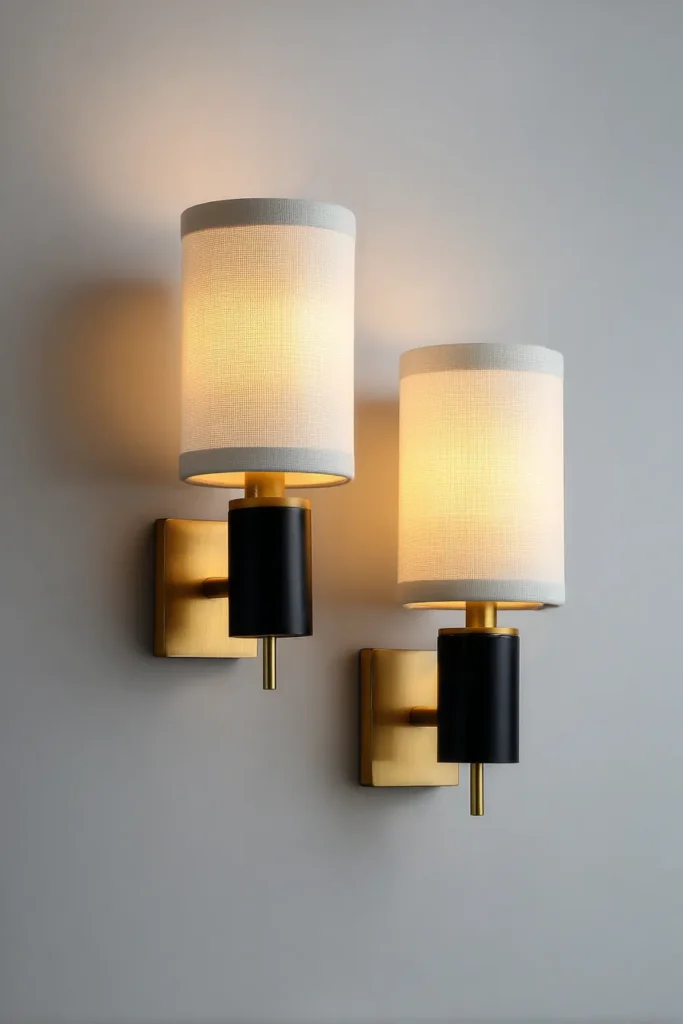
Clean lines, minimal ornamentation, and innovative materials define modern sconces. Look for geometric designs in brushed nickel, matte black, or polished chrome. Mid-century modern styles with brass accents and globe shades bring retro sophistication.
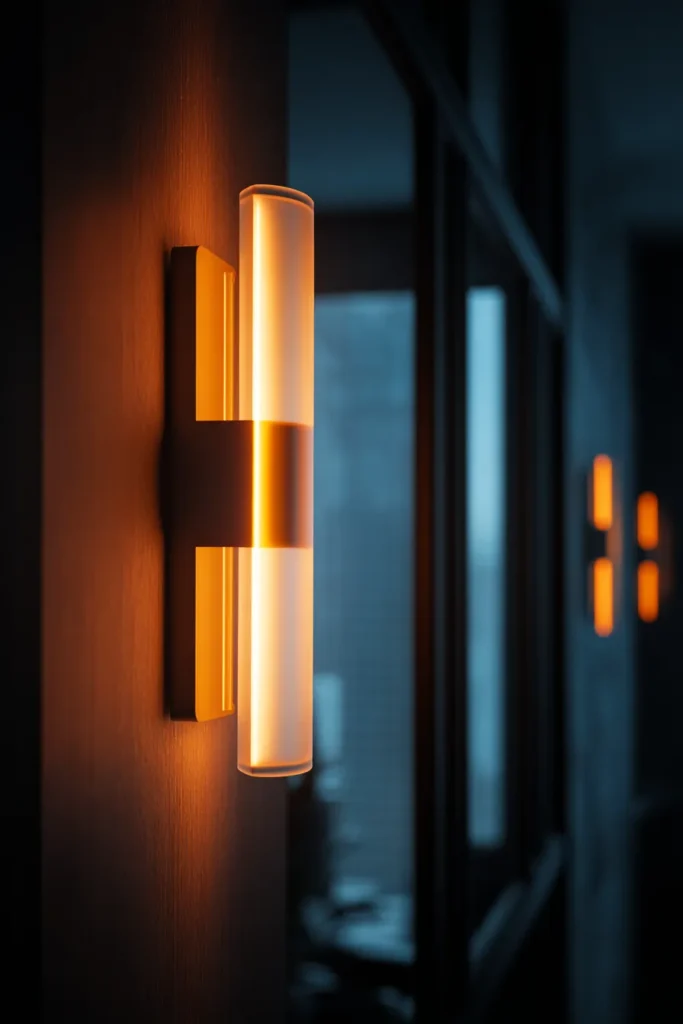
Contemporary LED sconces often feature integrated lighting that appears to float within the fixture itself, creating ethereal effects along your walls. These work beautifully in minimalist spaces with neutral color palettes.
Traditional and Transitional Sconces
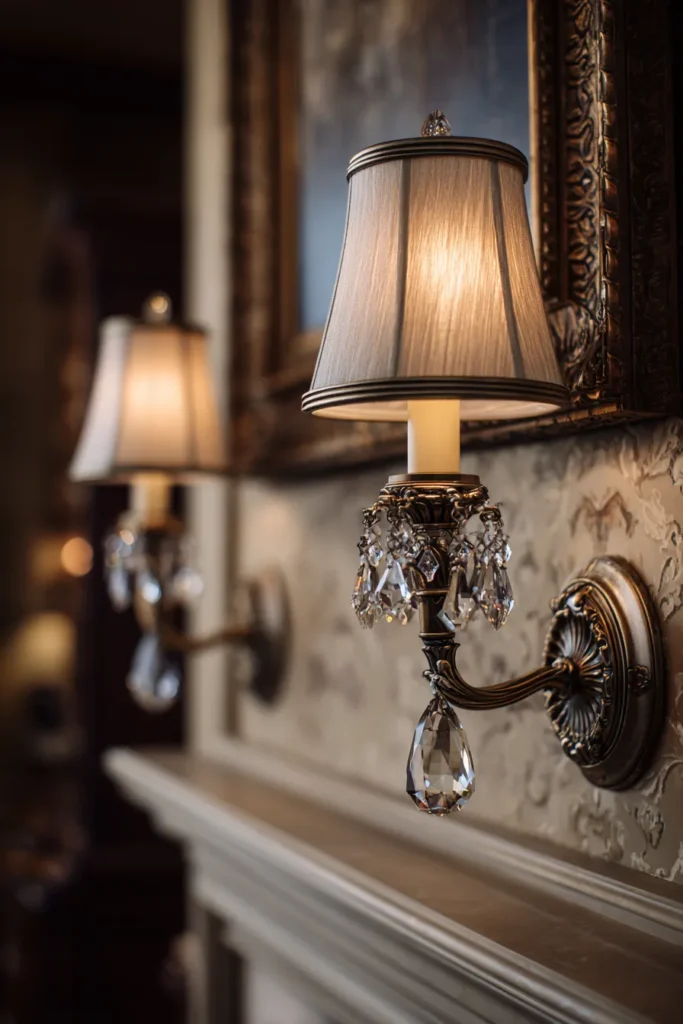
For classic elegance, choose sconces with ornate detailing—think scrolled metalwork, crystal accents, or double-shade designs in aged bronze or antique brass. Tiffany-style shades add color and artistry through stained glass patterns.
Transitional sconces bridge traditional and modern sensibilities. They might feature classic silhouettes rendered in updated finishes, or simplified traditional forms that feel fresh rather than fussy.
Rustic and Farmhouse Sconces
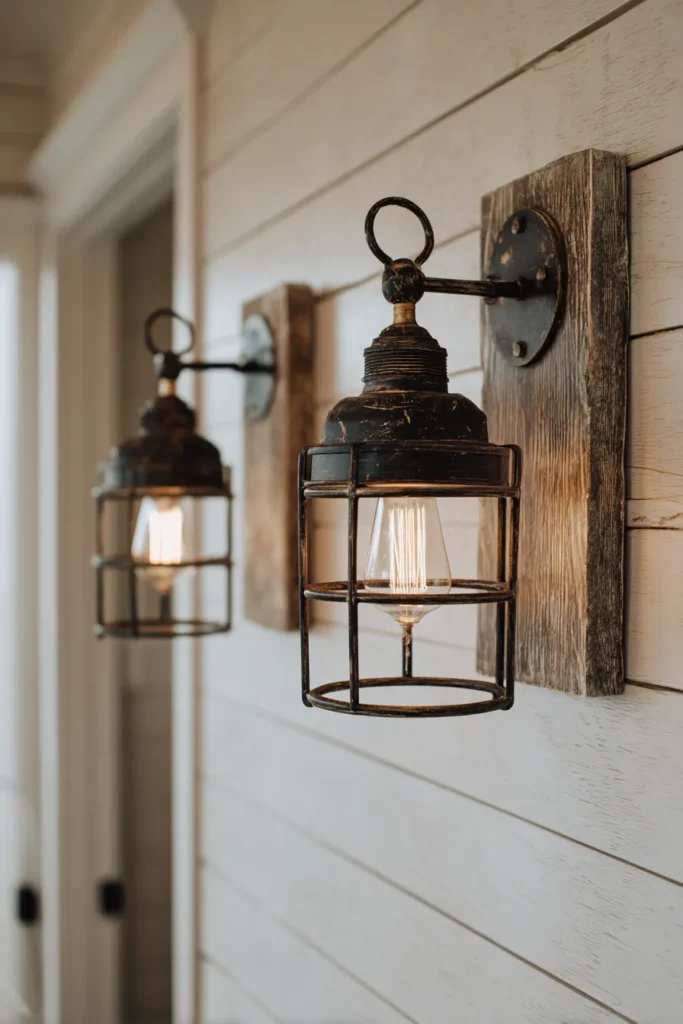
Weathered wood, distressed metal finishes, and industrial elements characterize rustic sconces. Mason jar sconces, wrought iron fixtures, and vintage cage designs add authentic character to farmhouse-style living rooms.
Pair these with natural textures—woven throws, reclaimed wood furniture, linen upholstery—to create cohesive warmth throughout your space.
Scandinavian and Minimalist Sconces
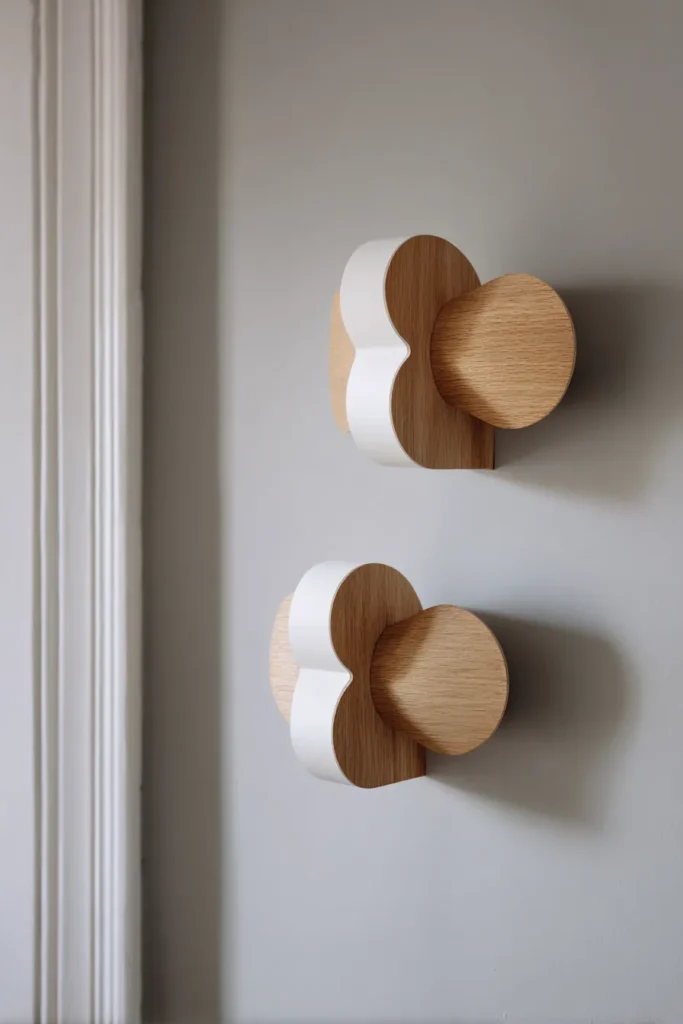
Scandinavian design embraces simplicity and natural materials. Look for sconces in light woods, white or gray finishes, and organic shapes that echo nature. These fixtures prioritize function and understated beauty.
The goal is to enhance your room without overwhelming it. Scandinavian sconces often feature adjustable elements or sculptural forms that serve as quiet focal points.
Strategic Placement: Where to Position Wall Sconces
Placement transforms sconces from decorative objects into functional design elements that genuinely improve your living experience.
Flanking Focal Points
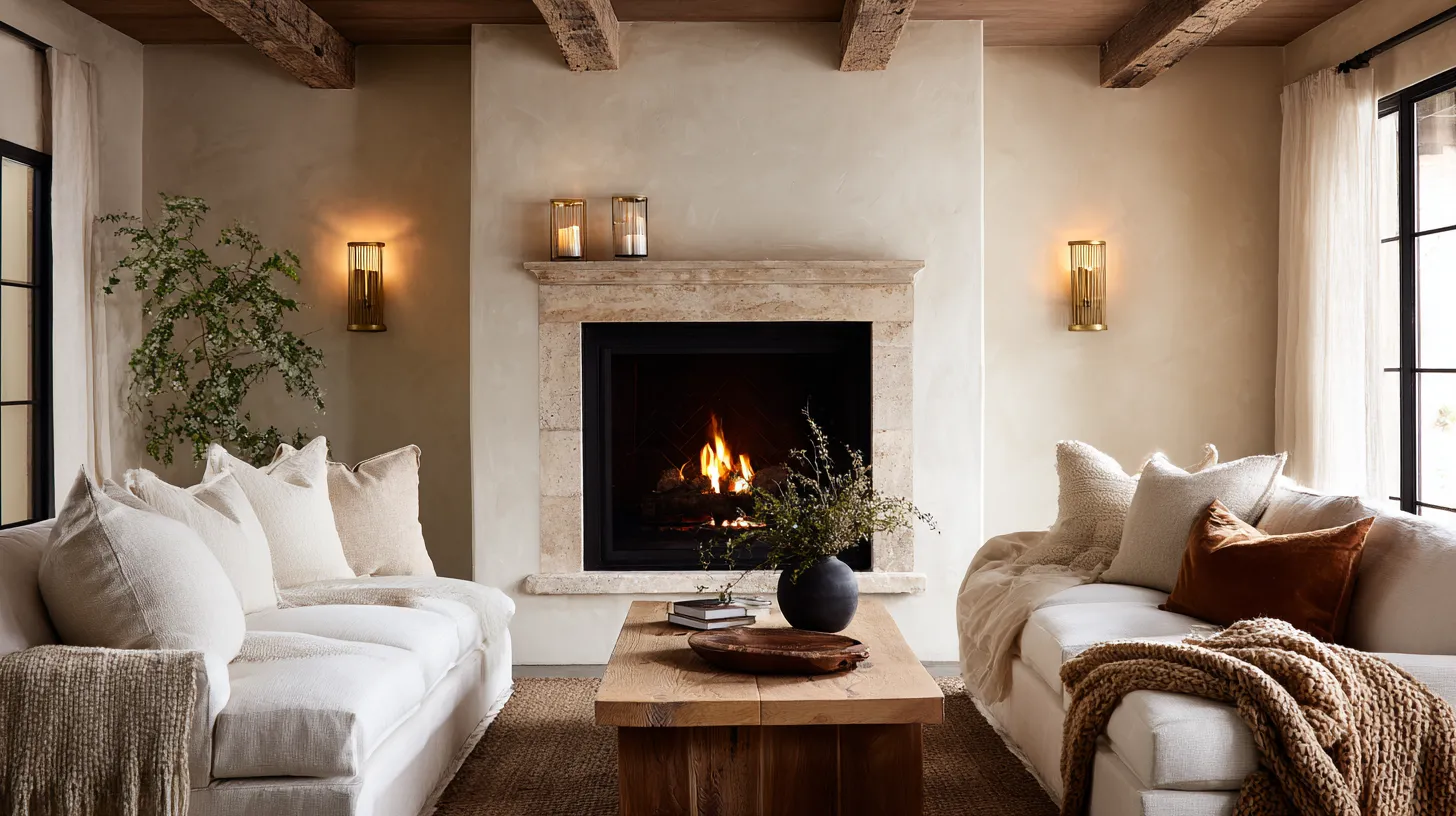
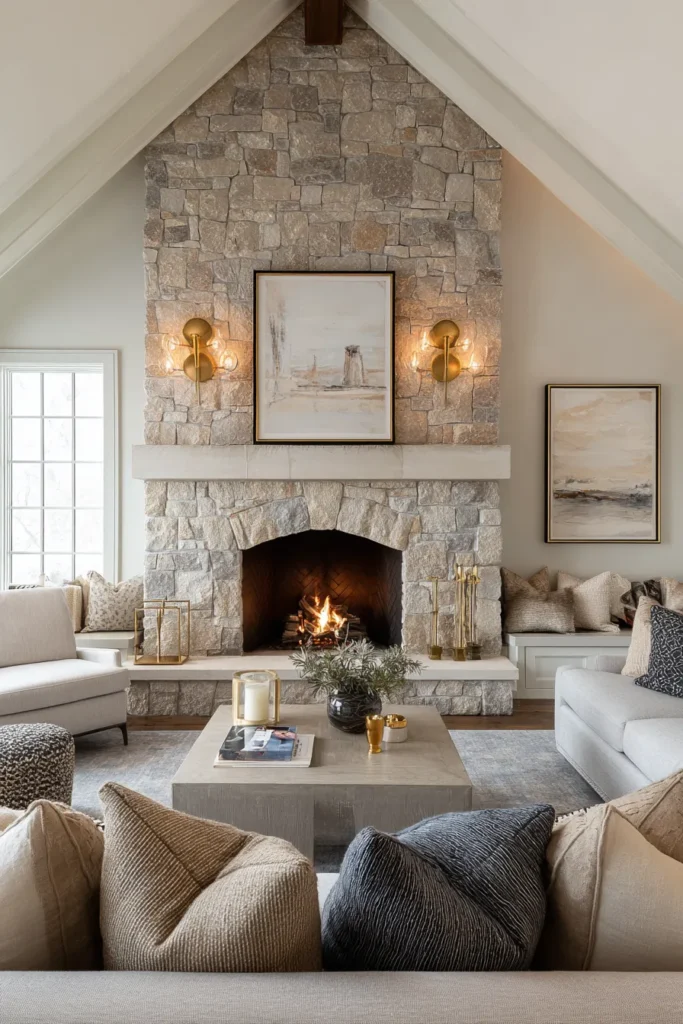
Position matching sconces on either side of a fireplace, large artwork, or entertainment center to create symmetry and draw attention to your room’s anchor. Mount them at eye level (typically 60-66 inches from the floor) for balanced proportions.
This placement also provides practical lighting for evening gatherings when overhead lights feel too harsh. The flickering glow alongside a fireplace enhances its natural warmth.
Creating Reading Zones
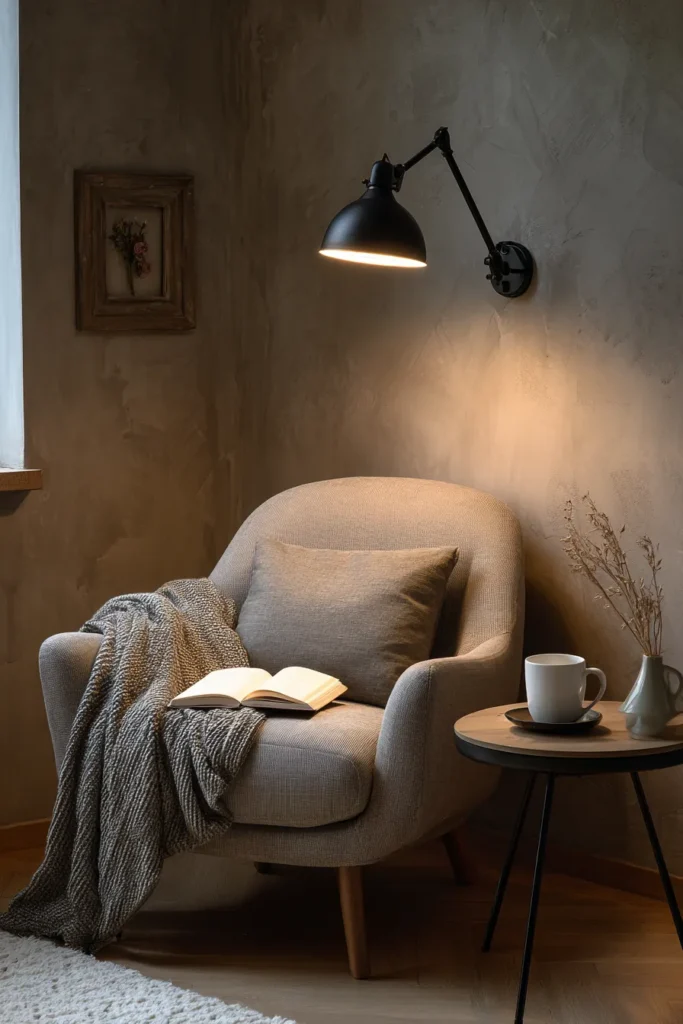
Install swing-arm sconces beside a favorite armchair or at sofa ends to establish dedicated reading areas. Position the sconce 48-60 inches from the floor when mounting beside seating, ensuring the light source sits just above shoulder height.
This targeted lighting reduces eye strain and creates intimate pockets within larger open-plan spaces. Add a small side table, soft throw, and you’ve crafted a genuine retreat.
Framing Windows and Doorways
Sconces positioned on either side of windows or doorways create elegant architectural framing that emphasizes these features. This works especially well in rooms with beautiful molding or interesting window shapes.
Evening light from these sconces casts a welcoming glow that makes your living room feel inviting from both inside and out.
Illuminating Hallway Connections
If your living room opens to a hallway or dining area, position sconces near these transitions to guide movement and create visual flow between spaces. This layered approach to lighting makes your entire home feel more cohesive.
Gallery Wall Enhancement
Install sconces above or beside gallery walls to highlight your artwork while adding supplementary lighting. Picture lights or adjustable sconces work particularly well for this purpose, letting you showcase collections without glare.
Selecting Size and Brightness: Practical Guidelines
Proportion matters tremendously in lighting design. A sconce that’s too small disappears; one too large overwhelms.
Sizing Your Sconces
For standard 8-10 foot ceilings, choose sconces between 12-18 inches tall. In rooms with higher ceilings, you can scale up to 20-24 inches without overpowering the space.
The sconce’s width should relate to the furniture or architectural feature it accompanies. As a general rule, sconces flanking a 60-inch sofa should each be roughly 8-12 inches wide, creating visual balance without crowding.
Determining Brightness Needs
Wall sconces typically aren’t meant to illuminate entire rooms—that’s the job of ceiling fixtures and floor lamps. Instead, sconces provide ambient and accent lighting that layers with other sources.
For ambient lighting, aim for 40-60 watt equivalent LED bulbs in living areas. For reading or task lighting, 60-75 watt equivalents offer sufficient brightness without harshness.
Consider the total lumens needed for your space. Living rooms generally benefit from 10-20 lumens per square foot when combining all light sources. Sconces might contribute 200-400 lumens each, supplementing rather than replacing overhead illumination.
Can Wall Sconces Light an Entire Room?
While sconces alone rarely provide complete illumination for larger living rooms, strategic placement of multiple sconces can certainly work in smaller spaces or rooms with abundant natural light. The result tends to be softer and more atmospheric than traditional overhead lighting.
For most living rooms, sconces work best as part of a layered lighting plan that includes ceiling fixtures, table lamps, or floor lamps. This variety creates depth and allows you to adjust ambiance for different activities and times of day.
Installation Options: DIY-Friendly vs. Professional
Your installation approach depends on your comfort with electrical work, your home’s wiring, and whether you rent or own.
Plug-In Sconces: The Renter’s Solution
Plug-in sconces have evolved significantly in recent years. Modern designs rival their hardwired counterparts in style and sophistication. They mount using standard wall anchors and simply plug into nearby outlets.
To minimize visible cords, run them behind furniture, use color-matched cord covers, or position sconces near existing outlets. Many plug-in sconces now include in-line switches or remote controls for convenient operation.
This option is perfect for renters, commitment-phobes, or anyone who enjoys flexibility in their design. You can reposition or take your sconces with you when you move.
Hardwired Sconces: Permanent Elegance
Hardwired installation creates the cleanest look with no visible cords. However, it requires either existing electrical boxes in your walls or hiring a licensed electrician to install them.
When to hire an electrician: If your desired sconce location lacks wiring, if you’re uncomfortable working with electrical systems, or if your local building codes require professional installation. The investment typically ranges from $100-300 per sconce depending on complexity.
The benefit is a permanent, code-compliant installation that adds value to your home and eliminates the visual interruption of cords and plugs.
Smart Installation Considerations
Before mounting any sconce, use a stud finder to locate wall framing and ensure secure attachment. For drywall without studs, use appropriate anchors rated for your fixture’s weight.
Always turn off power at the circuit breaker before any electrical work. Test wires with a voltage tester to confirm power is off—safety matters more than speed.
Energy Efficiency and Smart Lighting Integration
Modern sconces embrace sustainability without sacrificing style. LED technology has revolutionized decorative lighting, offering beautiful illumination with minimal energy consumption.
LED Sconce Benefits
LED bulbs last 15-25 times longer than incandescent bulbs while using 75-80% less energy. This means fewer bulb changes and significantly lower electricity costs over time.
Many LED sconces offer adjustable color temperatures, letting you shift from warm morning light to cooler afternoon brightness with simple controls. This versatility enhances your living room’s functionality throughout the day.
LED fixtures also generate minimal heat, making them safer near fabrics, artwork, and in children’s spaces.
Smart Home Integration
Smart-enabled sconces connect to home automation systems like Alexa, Google Home, or Apple HomeKit. You can control brightness, set schedules, and create lighting scenes without leaving your sofa.
Imagine your sconces automatically dimming for movie nights, brightening during morning routines, or syncing with sunset for natural evening transitions. This level of customization was once luxurious; it’s now accessible and surprisingly affordable.
Look for sconces compatible with your existing smart home ecosystem. Most work via Wi-Fi or smart switches that replace standard wall switches.
Maintenance and Care: Keeping Sconces Beautiful
Proper maintenance extends your sconces’ lifespan and keeps them looking fresh. Different materials require different approaches.
Metal Finishes
Brass and bronze develop natural patina over time, which many people love for its vintage character. To maintain original shine, clean with a soft cloth and metal-specific polish every few months.
For nickel, chrome, and stainless steel, use mild soap and water with a microfiber cloth. Avoid abrasive cleaners that scratch protective finishes.
Matte black and painted finishes need only gentle dusting and occasional wipe-downs with barely damp cloths. Harsh chemicals can damage the coating.
Glass and Crystal Elements
Dust accumulates quickly on glass shades and crystal accents, dulling their sparkle. Remove shades when possible and wash with warm soapy water, then dry thoroughly with lint-free cloths.
For crystal details, use a solution of equal parts water and white vinegar to restore brilliance without residue. A soft toothbrush reaches intricate crevices.
Fabric Shades
Vacuum fabric shades regularly using your upholstery attachment on low suction. For spot cleaning, test any cleaner on an inconspicuous area first—some fabrics are delicate.
Consider replacing fabric shades every few years if they’re exposed to heavy dust or sunlight. Fresh shades dramatically refresh a fixture’s appearance.
Bulb Replacement
Always let bulbs cool completely before handling. Use the correct wattage and base type specified by your fixture—exceeding recommendations creates fire hazards.
Clean bulbs and fixtures simultaneously for maximum brightness. Dust and grime reduce light output by up to 30%, making your room dimmer than necessary.
Multifunctional Sconces: Beyond Basic Lighting
Innovative designs now incorporate additional functionality that enhances living room utility.
Sconces with Shelving
Some contemporary sconces feature built-in shelving or ledges perfect for displaying small plants, books, or decorative objects. These dual-purpose fixtures maximize wall space in smaller living rooms.
The shelf provides visual weight that grounds the sconce while the lighting highlights whatever you display—a thoughtful detail that adds personality.
USB Charging Ports
Modern living demands device charging, and some sconces now include integrated USB ports. Position these beside sofas or reading chairs for convenient phone and tablet charging without cluttering side tables with cords.
This practical feature especially appeals in homes where outlets are scarce or positioned inconveniently.
Adjustable Reading Lights
Sconces with articulating arms or pivoting heads offer targeted lighting that adapts to your needs. Direct light toward your book in the evening, then swivel it upward for ambient glow during gatherings.
This flexibility makes a single fixture work harder, reducing the number of separate light sources you need.
Creating Your Perfect Lighting Layer
Wall sconces shine brightest—figuratively and literally—when incorporated into a comprehensive lighting plan that addresses all your living room’s needs.
The Three-Layer Approach
Ambient lighting provides overall illumination through ceiling fixtures, recessed lights, or multiple sconces. This base layer ensures you can move safely and comfortably through the space.
Task lighting focuses on specific activities—reading, crafting, working on laptops. Table lamps, floor lamps, and adjustable sconces fulfill this role.
Accent lighting creates drama and highlights architectural features, artwork, or collections. Wall sconces excel at accent lighting, adding depth and visual interest.
When all three layers work together, your living room feels professionally designed and adaptable to any occasion.
Mixing Fixture Styles
Don’t feel obligated to match every light fixture perfectly. In fact, intentional variety often creates more interesting spaces than overly coordinated rooms.
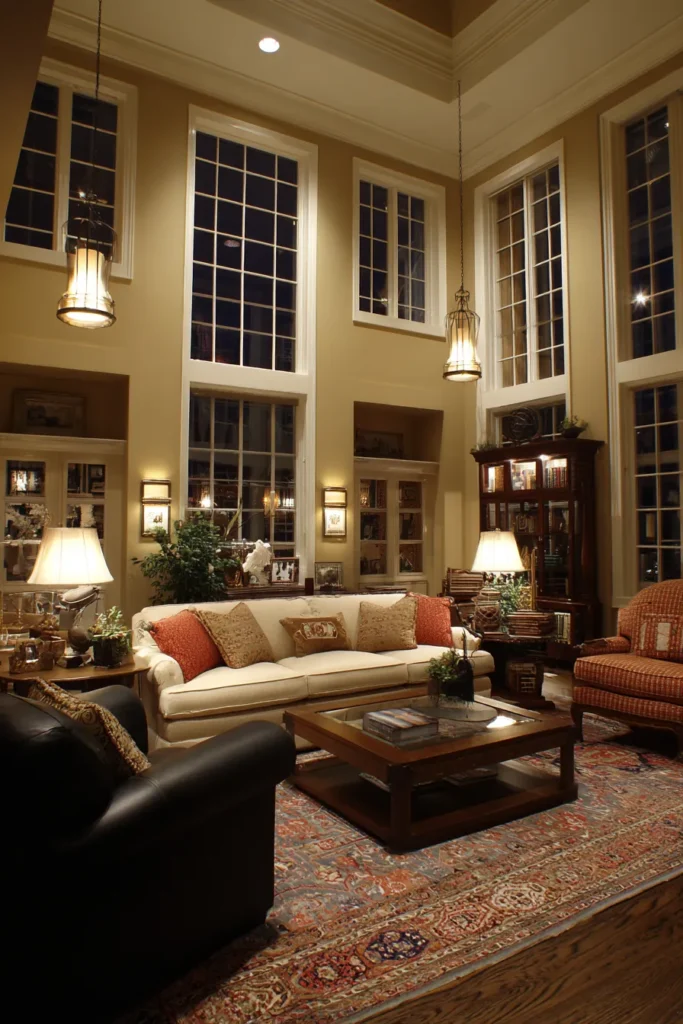
You might pair modern sconces with a vintage chandelier, or mix metal finishes for an collected-over-time aesthetic. The key is maintaining consistent undertones—warm metals together, cool metals together—and ensuring a unifying element like scale or shape creates subtle cohesion.
Quick Reference Checklist
Before purchasing wall sconces for your living room, consider these essential factors:
- Style compatibility: Does the sconce harmonize with your existing furniture and architectural style?
- Size and scale: Is the fixture proportional to your wall space and nearby furniture?
- Installation type: Do you need plug-in convenience or are you prepared for hardwired installation?
- Light direction: Does the sconce cast light upward, downward, or both? Does this suit your needs?
- Bulb type: Is it LED-compatible? Can you use dimmable bulbs?
- Material durability: Will the finish withstand your living room’s conditions (humidity, sunlight, traffic)?
- Placement height: Have you measured appropriate mounting height for the sconce’s intended purpose?
- Quantity needed: How many sconces will create balanced lighting without overcrowding?
- Switch location: Is there convenient access to controls, or should you consider smart bulbs?
- Budget: Have you accounted for installation costs if hiring an electrician?
| Feature | Plug-In Sconces | Hardwired Sconces |
|---|---|---|
| Installation Complexity | Low – DIY friendly | High – Often requires electrician |
| Renter-Friendly | Yes | No |
| Visual Appearance | Visible cord possible | Completely seamless |
| Flexibility | Easy to relocate | Permanent placement |
| Cost | Lower upfront | Higher upfront, adds home value |
| Switch Options | In-line or remote | Wall switch integration |
Bringing It All Together
A living room transformed by thoughtfully chosen wall sconces feels fundamentally different from one relying solely on overhead lighting. There’s a softness, a sense of intentionality that makes the space genuinely inviting.
The right sconces don’t just illuminate—they elevate. They turn ordinary walls into opportunities for beauty. They create intimate corners within open spaces. They honor both your practical lighting needs and your desire for a home that feels carefully curated.
As you consider which sconces belong in your living room, trust your instincts about what draws you. A fixture that makes you pause and smile when you see it will bring that same joy to your daily life. That’s the kind of character worth adding to any room.
Light your space with intention. Layer with care. Let your walls tell stories through shadow and glow.
Frequently Asked Questions
What is the difference between wall lights and wall sconces?
Wall sconces are a specific type of decorative wall light designed to make aesthetic statements while providing illumination. While all sconces are wall lights, not all wall lights are sconces—basic wall-mounted fixtures often prioritize pure function over form, whereas sconces intentionally combine both beauty and utility as design elements.
Where should you hang wall sconces in a living room?
The ideal placement depends on purpose. For flanking focal points like fireplaces or artwork, mount sconces at 60-66 inches from the floor. Beside seating for reading, position them 48-60 inches high so light falls over your shoulder. Generally, space pairs of sconces 6-8 feet apart for balanced illumination without overcrowding.
Can wall sconces provide enough light for an entire living room?
Wall sconces alone rarely illuminate entire living rooms adequately, especially larger spaces. They excel at creating ambient and accent lighting but work best as part of layered lighting plans that include ceiling fixtures, floor lamps, or table lamps. In smaller rooms or spaces with abundant natural light, multiple well-placed sconces can suffice for softer, atmospheric illumination.
Are plug-in wall sconces a good alternative to hardwired options?
Yes, especially for renters or those seeking installation flexibility. Modern plug-in sconces match hardwired versions in style and quality. While cords may be visible, strategic placement near outlets, furniture, or use of color-matched cord covers minimizes this issue. Plug-in options offer the freedom to relocate fixtures easily without electrical work.
How do I choose energy-efficient wall sconces?
Look for fixtures compatible with LED bulbs or featuring integrated LED technology. LED sconces use 75-80% less energy than traditional incandescent options while lasting 15-25 times longer. Many also offer adjustable color temperatures and dimming capabilities. For maximum efficiency, consider smart-enabled sconces that allow scheduling and automated controls to reduce unnecessary usage.