
Table of Contents
There’s a moment when you step into a room and everything falls away. Your eyes lift, your breath catches, and suddenly you understand what it means for light to become art. That’s the gift of a truly extraordinary chandelier — not just illumination, but transformation.
Statement chandeliers have evolved far beyond their grand estate origins. Today, they’re sculptural centerpieces that define the character of a space, whether you’re drawn to the raw elegance of industrial metal, the timeless shimmer of crystal, or the organic beauty of hand-blown glass. They command attention while somehow making a room feel complete.
This isn’t about following trends or filling empty ceiling space. It’s about choosing a piece that resonates with how you want to live — a chandelier that catches morning light differently than evening glow, that makes dinner feel like an occasion, or that turns your entryway into a welcome.
Let’s explore how to find the statement chandelier that doesn’t just light your home, but truly brings it to life.
Understanding Statement Chandeliers: More Than Just Lighting
A statement chandelier is exactly what its name promises — a bold declaration of style that becomes the visual anchor of your space. Unlike standard lighting fixtures that blend quietly into the background, these pieces demand to be seen and admired.
The distinction between chandeliers and pendant lights often confuses buyers. Chandeliers typically feature multiple arms or tiers with several light sources, creating ambient illumination that fills an entire room. Pendant lights, by contrast, offer single or clustered bulbs that provide focused task lighting and generally hang lower over specific areas like kitchen islands or reading nooks.
Statement chandeliers function as both lighting and architecture. They establish mood, draw the eye upward to appreciate ceiling height, and create a sophisticated focal point that influences every other design choice in the room.
Styles That Command Attention
Modern Minimalist Chandeliers
Clean lines and geometric precision define modern statement chandeliers. Think sculptural metal frameworks in matte black or brushed brass, LED-integrated designs that seem to float weightlessly, and innovative shapes that play with negative space as much as form.
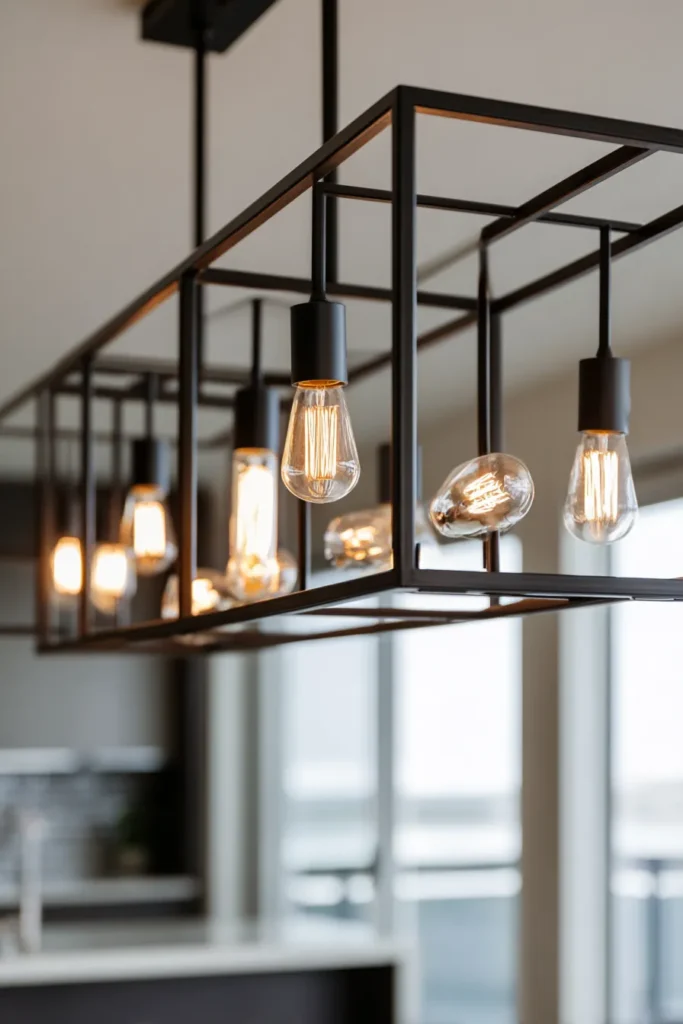
These pieces work beautifully in contemporary homes where simplicity reigns. A linear chandelier with exposed Edison bulbs brings industrial elegance to a dining room, while a circular brass frame chandelier adds warmth without visual weight to minimalist living spaces.
Crystal and Glass Artistry
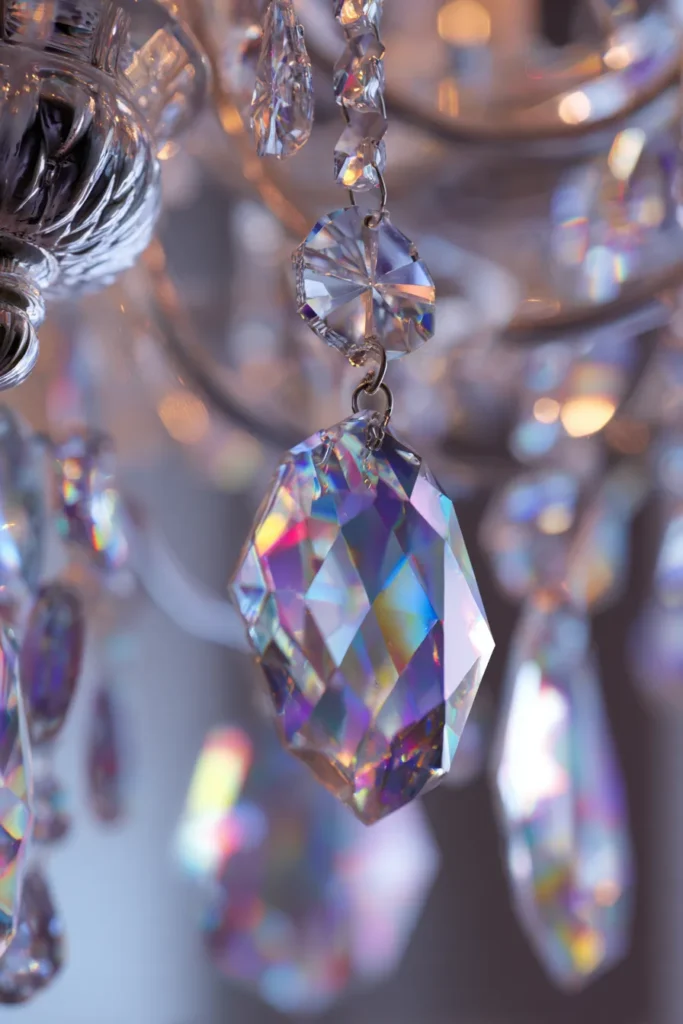
There’s undeniable magic in how crystal catches and fractures light. Modern crystal chandeliers have shed their overly ornate reputation, now appearing in sleek configurations that feel both luxurious and fresh.
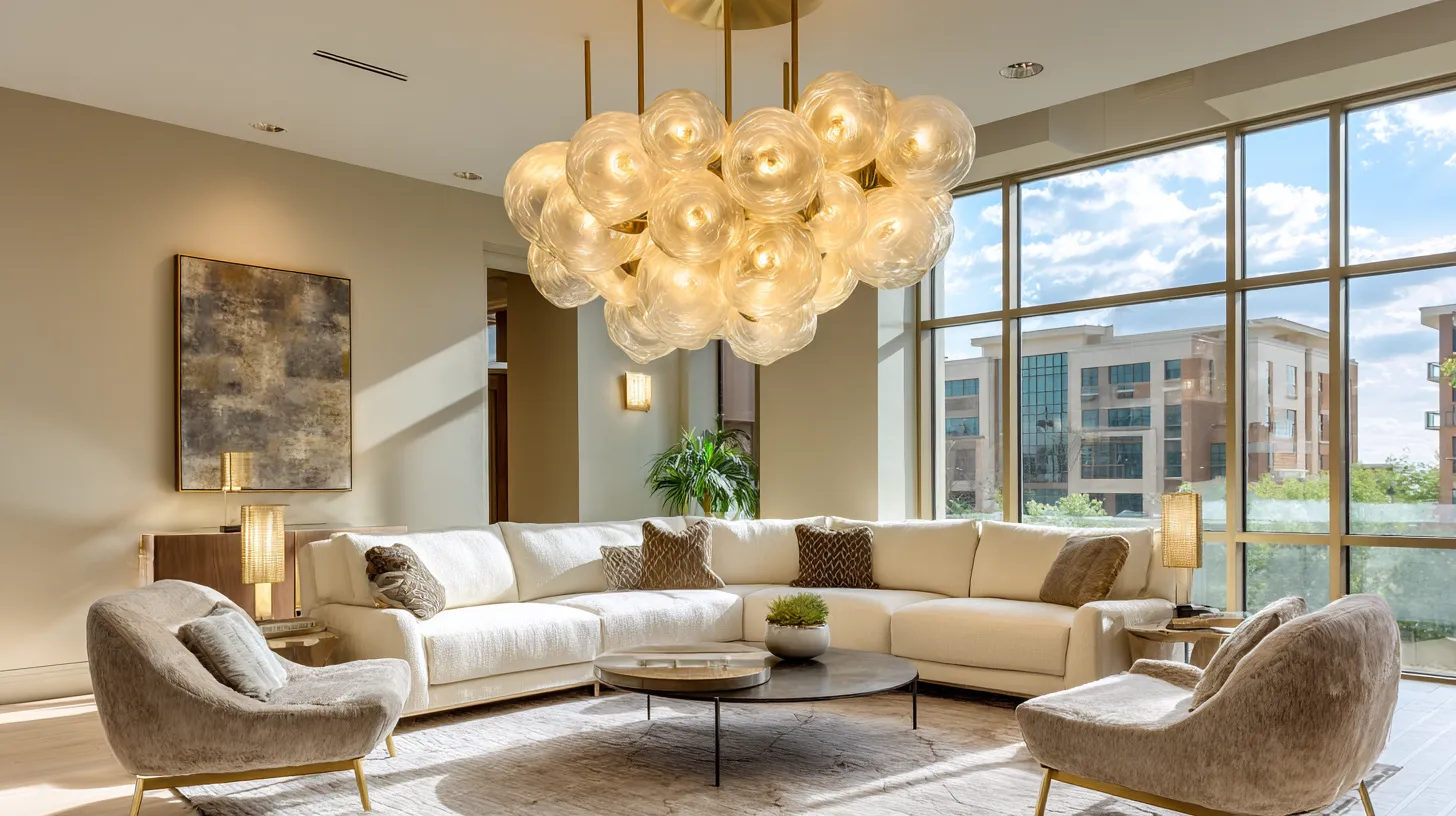
Hand-blown glass chandeliers offer even more artistic possibility. Imagine clusters of amber glass globes that glow like captured sunlight, or clear sculptural forms that resemble frozen water droplets. These pieces become genuine works of art that happen to illuminate your space.
The interplay of transparency and reflection makes glass and crystal chandeliers particularly effective in rooms with natural light, where they create dancing patterns throughout the day.
Glamorous Metallic Statements
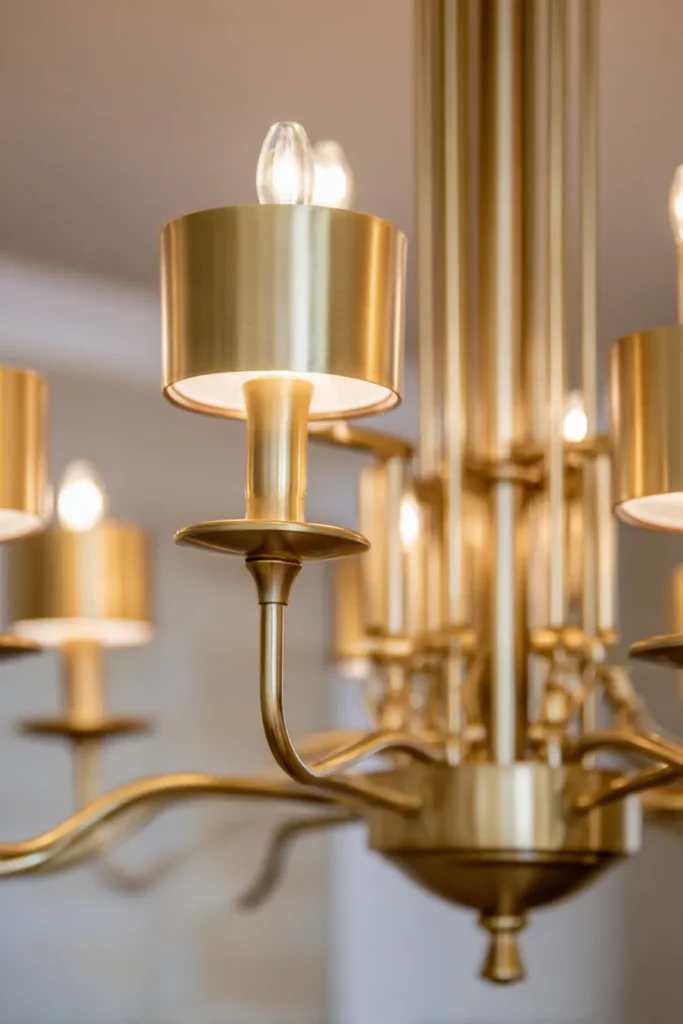
Gold, brass, copper, and mixed metal finishes bring instant sophistication and warmth. A chandelier with cascading metallic chains creates movement and drama, while geometric brass frameworks feel both vintage-inspired and utterly current.
The beauty of metallic chandeliers lies in their versatility. They complement both cool and warm color palettes, work alongside natural materials like wood and stone, and add that essential touch of elegance that makes a space feel finished.
Organic and Natural Materials
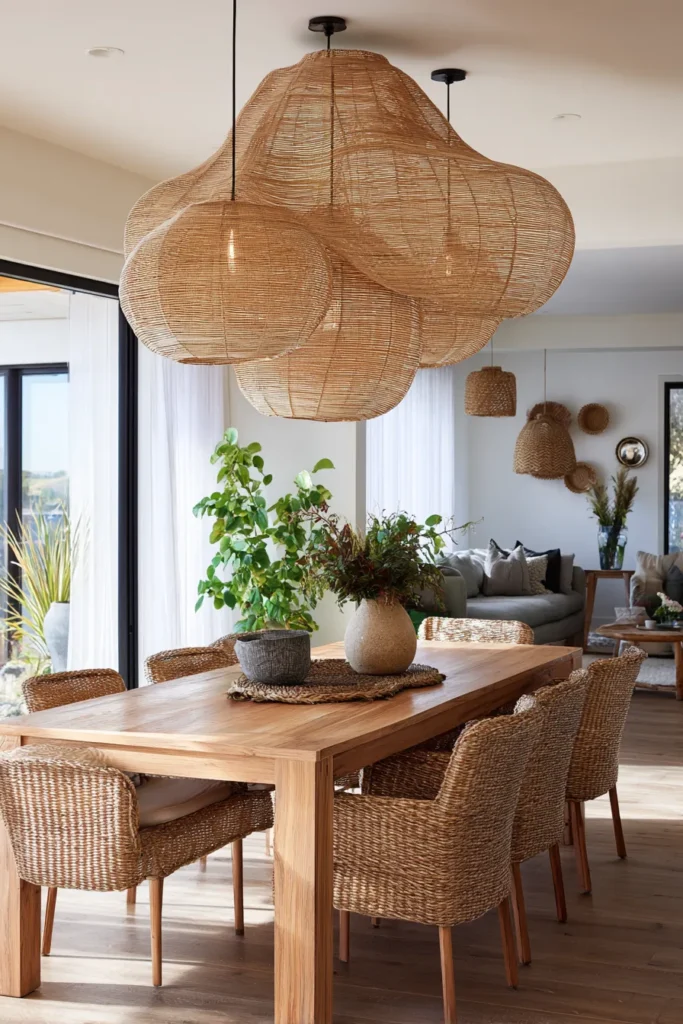
For those drawn to nature-inspired design, chandeliers crafted from rattan, wood, rope, or even driftwood bring texture and earthiness to modern interiors. These pieces soften contemporary spaces and add unexpected warmth to traditional ones.
A large-scale rattan chandelier over a dining table creates an intimate, almost cocoon-like atmosphere. Wooden bead chandeliers in whitewash or natural finishes feel bohemian yet refined, perfect for bedrooms or coastal-inspired living rooms.
Choosing the Right Statement Chandelier for Your Space
Room-by-Room Considerations
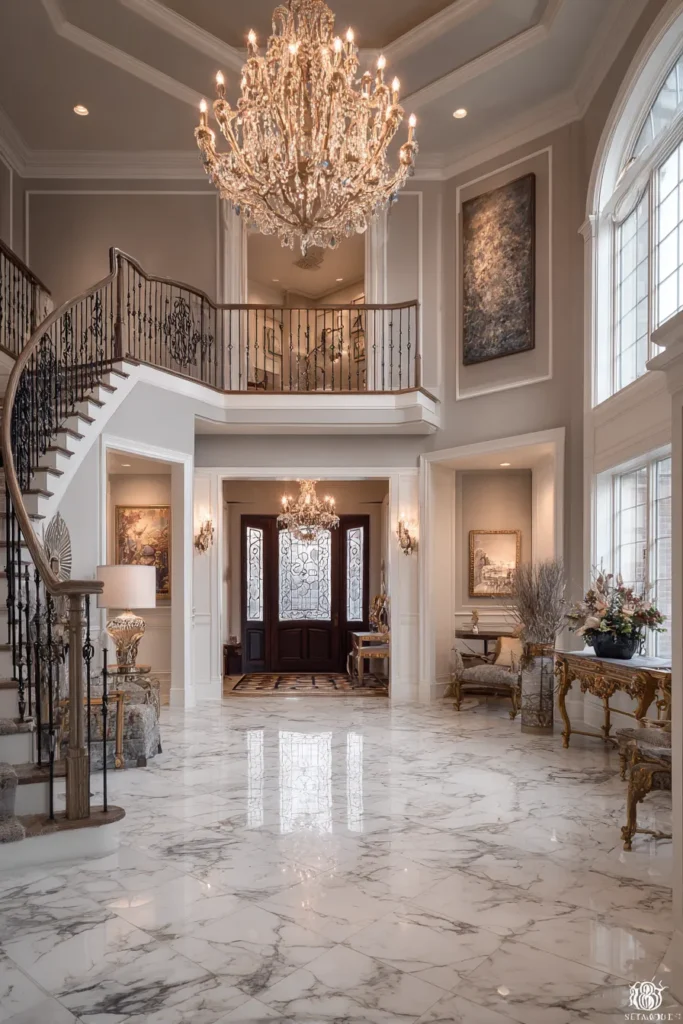
Entryways and Foyers deserve dramatic first impressions. A grand chandelier in the entryway sets the tone for your entire home. Here, you can embrace maximum impact — think oversized fixtures, eye-catching materials, and designs that fill vertical space beautifully.
Dining Rooms are the traditional home for statement chandeliers, and for good reason. The fixture should hang approximately 30-36 inches above the table surface, creating intimate lighting that makes meals feel special without obstructing conversation across the table.
Living Rooms benefit from chandeliers that complement rather than compete with other focal points. Consider your furniture arrangement, ceiling height, and natural light sources. A chandelier positioned off-center over a seating area can create cozy ambiance without dominating the entire room.
Bedrooms become romantic retreats with the right chandelier. Position it centered over the bed or in a seating area, choosing softer lighting and materials that won’t feel harsh during nighttime hours.
Size Matters: Getting Proportions Right
The most common mistake is choosing a chandelier that’s too small for the space. Here’s a reliable formula: add your room’s length and width in feet, then convert that number to inches — that’s approximately how wide your chandelier should be.
For example, a 12-foot by 14-foot dining room (12 + 14 = 26) would suit a chandelier around 26 inches in diameter. For long dining tables, consider the chandelier width as roughly half to two-thirds the table width.
Ceiling height plays an equally crucial role. For standard 8-foot ceilings, choose fixtures between 20-24 inches tall. Add 3 inches of chandelier height for each additional foot of ceiling height. In rooms with soaring ceilings, embrace the opportunity for truly dramatic scale.
| Room Dimensions | Recommended Chandelier Diameter | Ceiling Height | Recommended Chandelier Height |
|---|---|---|---|
| 10′ x 10′ | 20″ | 8 feet | 20-24″ |
| 12′ x 14′ | 26″ | 9 feet | 23-27″ |
| 14′ x 16′ | 30″ | 10 feet | 26-30″ |
| 16′ x 18′ | 34″ | 12+ feet | 32″+ (go dramatic) |
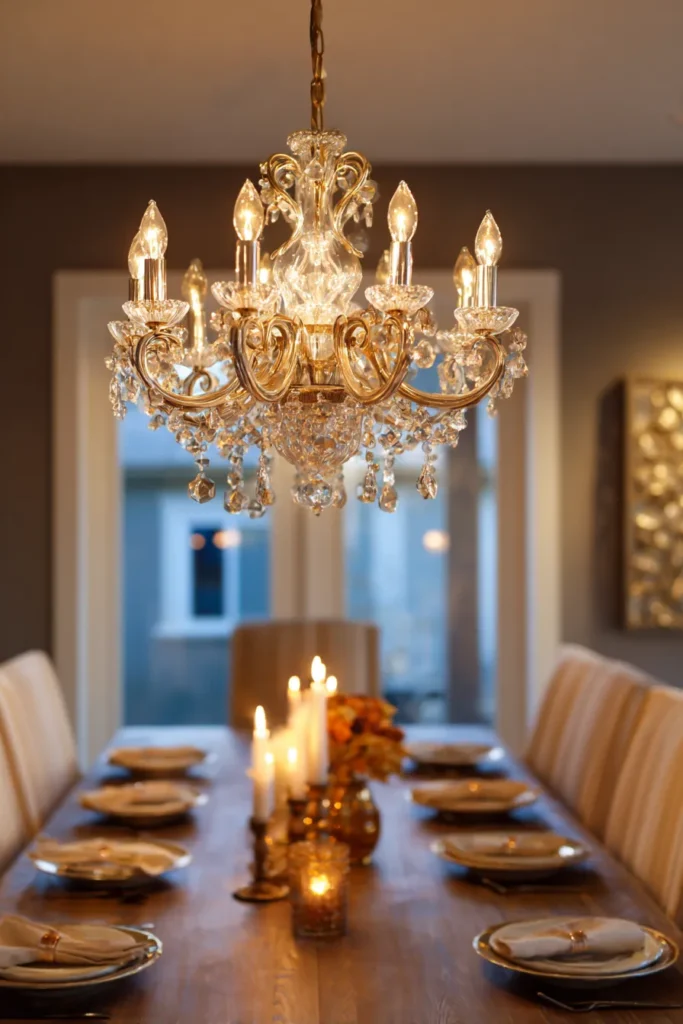
Matching Your Décor Theme
Your chandelier should feel like a natural extension of your design aesthetic, not an afterthought. Modern rustic spaces shine with mixed-material chandeliers combining wood and metal. Industrial interiors call for raw metals, exposed bulbs, and utilitarian shapes.
Transitional homes benefit from chandeliers that bridge classic and contemporary — think simplified crystal designs or modern interpretations of traditional candelabra styles. Bohemian spaces embrace texture through rattan, macramé, or beaded designs.
Don’t feel confined to matching metals perfectly throughout your space. A gold chandelier can beautifully complement brushed nickel hardware if the overall warmth and style align.
Smart Lighting Integration
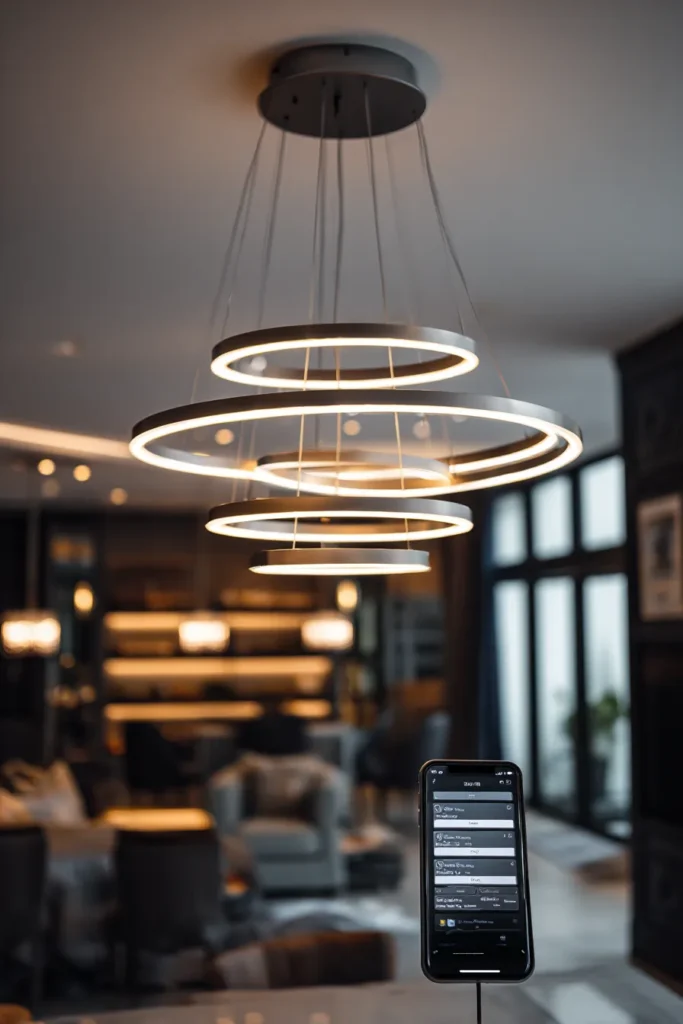
Today’s statement chandeliers increasingly incorporate smart technology without compromising aesthetics. Dimmable LED bulbs allow you to adjust ambiance from bright task lighting to soft evening glow with a simple voice command or smartphone tap.
Smart chandeliers can be programmed to different scenes — energizing brightness for morning coffee, warm tones for dinner parties, or gentle dimming as bedtime approaches. Integration with home automation systems means your statement lighting works seamlessly with your lifestyle.
Look for chandeliers compatible with standard smart bulbs if the fixture itself isn’t smart-enabled. This gives you flexibility to upgrade technology without replacing the entire chandelier as innovations emerge.
Sustainability and Energy Efficiency
Beautiful lighting doesn’t require sacrificing environmental responsibility. LED technology has revolutionized chandelier design, offering energy savings of up to 80% compared to traditional incandescent bulbs while providing better light quality and longevity.
Many designers now create statement chandeliers from reclaimed materials — salvaged wood, recycled metal, or repurposed vintage components. These pieces bring character and sustainability together beautifully.
When selecting your chandelier, consider longevity. A well-crafted fixture in a timeless style that you genuinely love will serve you far longer than trendy pieces that feel dated quickly. This mindful approach to purchasing represents the most sustainable choice of all.
Installation and Practical Considerations
Professional Installation Is Essential
Statement chandeliers are significant investments that require proper installation for both safety and aesthetics. Hire a licensed electrician to ensure your ceiling junction box is rated for your chandelier’s weight and that wiring meets local codes.
Many statement chandeliers weigh 50 pounds or more, requiring reinforced mounting. Your electrician may need to install a ceiling brace or fan-rated box. This isn’t the place to cut corners — improper installation risks damage, injury, or electrical issues.
Maintenance and Care
Different materials require different care approaches. Crystal and glass chandeliers need periodic cleaning to maintain sparkle. Use a gentle glass cleaner or mix warm water with a small amount of dish soap. Clean individual crystals carefully or use a chandelier spray cleaner for quicker maintenance.
Metal finishes benefit from dry dusting with microfiber cloths. Avoid abrasive cleaners that can damage special finishes like oil-rubbed bronze or antique brass. Polish brass or copper periodically if you prefer bright, shiny metal rather than developing patina.
Natural materials like rattan or wood should be dusted gently and kept away from excessive moisture. Avoid harsh chemical cleaners that can damage organic fibers or finishes.
Always turn off power at the breaker before cleaning and allow bulbs to cool completely. Clean chandeliers at least twice yearly, more often in kitchens or high-traffic areas where dust accumulates quickly.
Creating Transformative Impact
Layered Lighting Strategies
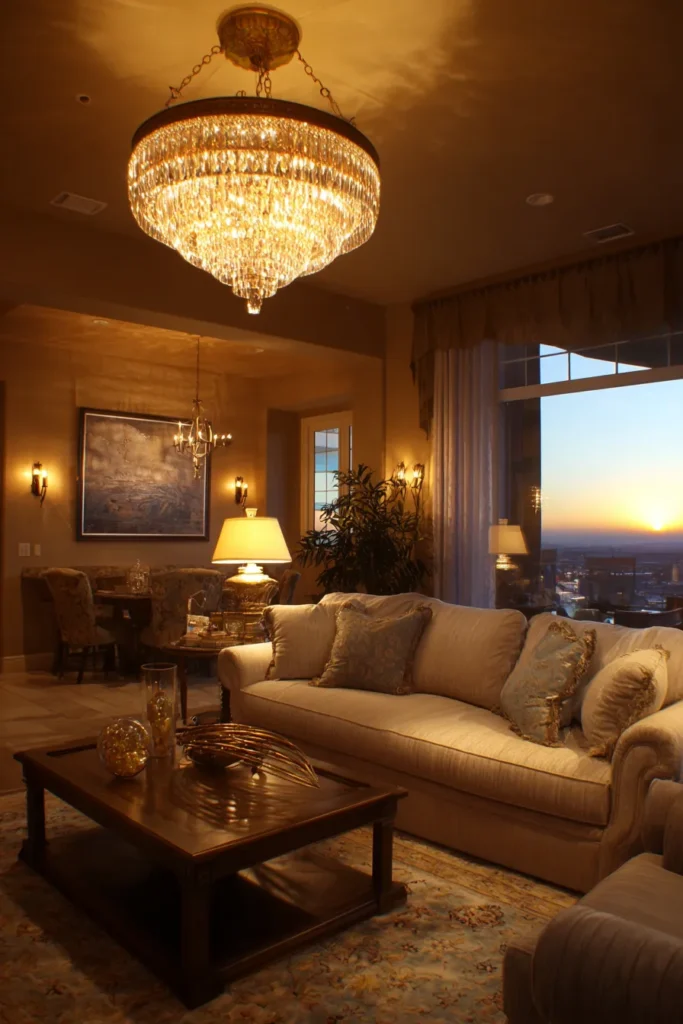
While your statement chandelier provides stunning ambient lighting, it shouldn’t work alone. Layer in table lamps, floor lamps, sconces, or recessed lighting to create depth and functionality throughout your space.
This approach allows you to adjust lighting based on activity and mood. Bright overhead chandelier lighting works for cleaning or entertaining, while softer peripheral lighting creates intimate evening ambiance.
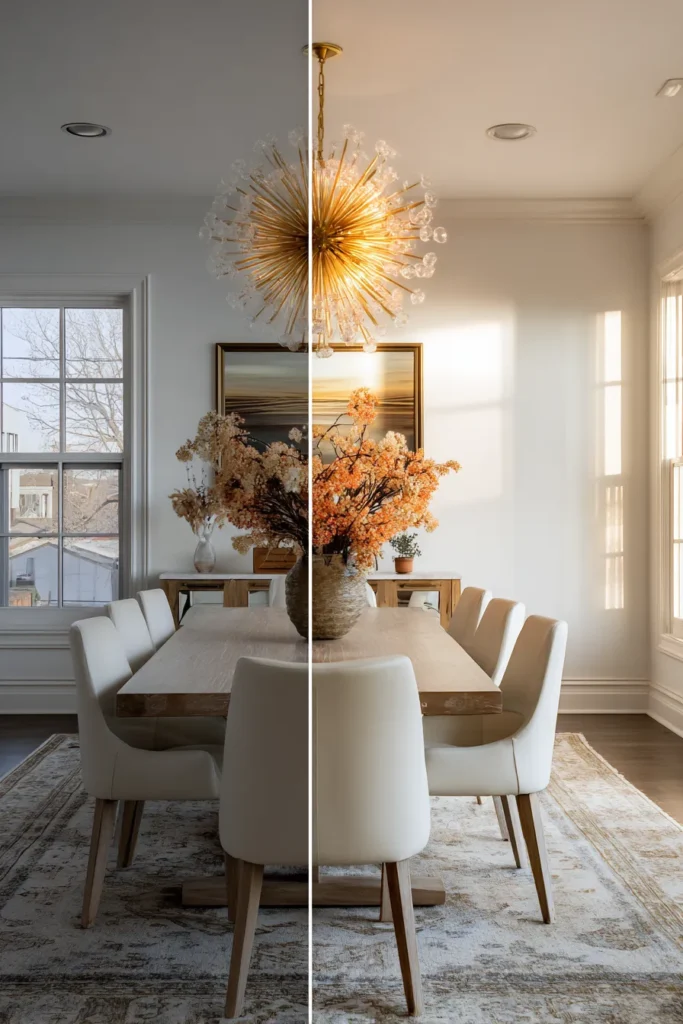
Before and After: The Power of Statement Lighting
Consider Emma’s 1920s dining room transformation. Her space felt dark and cramped despite beautiful original woodwork. By replacing a dated flush-mount fixture with an oversized brass and glass chandelier, she created an entirely new experience. The dramatic scale drew attention upward, making the ceiling feel higher. Warm metallic tones enhanced the wood’s richness, and the ambient glow transformed dinner from routine to remarkable.
Or Michael’s modern entryway, previously feeling cold and unwelcoming. A sculptural black metal chandelier with geometric lines became an immediate conversation piece. Its dramatic presence gave purpose to the tall ceiling and created a sophisticated first impression that carried throughout the home.
These transformations demonstrate that the right statement chandelier doesn’t just change lighting — it reimagines how a space feels and functions.
Key Takeaways for Choosing Your Statement Chandelier
- Size appropriately using the room dimension formula (length + width in feet = diameter in inches)
- Consider ceiling height and choose fixture height that creates proper proportion and impact
- Match your aesthetic but don’t be afraid to let your chandelier make a bold statement
- Think about function alongside beauty — different rooms require different lighting levels
- Invest in quality materials and construction for longevity and daily enjoyment
- Embrace LED technology for energy efficiency without sacrificing light quality
- Plan for professional installation to ensure safety and optimal positioning
- Layer your lighting so your chandelier works within a complete lighting scheme
- Maintain regularly to keep your investment looking spectacular
- Choose what you love rather than fleeting trends for lasting satisfaction
Finding Your Perfect Match
The right statement chandelier speaks to something deeper than design trends. It reflects how you want to feel in your space — whether that’s cozy and grounded with natural materials, glamorous and energized with crystal and metallics, or sleekly modern with clean lines and innovative forms.
Trust your instincts while considering practical requirements. If a chandelier makes your heart lift every time you imagine it in your space, that emotional response matters. Great design balances head and heart, function and beauty, practicality and poetry.
Your chandelier will be there for countless ordinary moments that become memories — family dinners, quiet mornings with coffee, celebrations with friends, peaceful evenings. Choose one that makes all those moments feel a little more special, a little more beautiful, a little more like home.
Frequently Asked Questions
What’s the difference between a pendant light and a chandelier?
Chandeliers feature multiple light sources arranged on arms or tiers, providing broad ambient lighting that illuminates entire rooms. Pendant lights typically have single bulbs or simple clustered designs that hang lower to provide focused task lighting over specific areas like kitchen islands, counters, or reading nooks. Chandeliers make bolder decorative statements with more intricate designs.
Can a statement chandelier work in a small room?
Absolutely! The key is choosing appropriate scale and style. In smaller rooms, opt for designs with visual lightness — think airy glass, open geometric frames, or slender arms rather than heavy, dense fixtures. A well-proportioned statement chandelier actually makes small rooms feel larger by drawing the eye upward and adding dimension.
How do I clean my chandelier without taking it down?
Turn off power at the breaker and allow bulbs to cool completely. For crystal chandeliers, use a spray-on chandelier cleaner that doesn’t require rinsing, or hand-clean each piece with a microfiber cloth dampened with glass cleaner. For metal fixtures, dust with a dry microfiber cloth or use a gentle all-purpose cleaner on a cloth. Protect floors below with drop cloths and consider using a sturdy step ladder for safety.
Should my chandelier match other light fixtures in my home?
Coordinating finishes creates visual flow, but exact matching isn’t necessary. Focus on complementary styles and tones rather than identical fixtures. Mixing metals can look sophisticated — try pairing a brass chandelier with brushed nickel sconces if overall warmth levels align. Your statement chandelier should stand out as a focal point while harmonizing with the overall design palette.
Are LED bulbs suitable for statement chandeliers?
Modern LED bulbs are ideal for chandeliers, offering energy efficiency, longevity, and excellent light quality. Choose dimmable LEDs for flexibility in creating different moods. LED technology also produces significantly less heat than incandescent bulbs, making them safer for delicate chandelier materials and more comfortable in enclosed spaces. Look for warm color temperatures (2700K-3000K) to create inviting, flattering light.