
Table of Contents
There’s something deeply calming about a small living room that breathes. Not cluttered, not cold—just thoughtfully curated with natural textures, gentle light, and a quiet sense of purpose.
If you’ve been drawn to the Japandi aesthetic, you already know: it’s not about perfection. It’s about the poetry of imperfection—wabi-sabi meets hygge—where Scandinavian coziness and Japanese minimalism find common ground. And the best part? You can bring this serene style into your own small space, one DIY project at a time.
In this guide, we’ll walk you through practical, budget-friendly ways to craft a Japandi living room that feels both expansive and intimate. From upcycled furniture to lighting hacks, we’ll cover everything you need to transform your corner of the world into a sanctuary.
Let’s begin with the materials already around you.
Understanding Japandi Style for Small Living Rooms
Japandi isn’t just a trend—it’s a philosophy. It marries the warmth of Scandinavian design with the intentionality of Japanese aesthetics, creating spaces that feel lived-in yet uncluttered.
At its core, Japandi embraces neutral palettes (think beiges, taupes, soft grays), natural materials like wood and bamboo, and low-profile furniture that grounds the room. The magic lies in negative space—the breathing room between objects that allows light and energy to flow.
For small living rooms, this approach is a gift. By choosing multifunctional pieces and removing visual noise, your space naturally feels larger, calmer, and more inviting.
Planning Your Small Japandi Living Room DIY
Before you lift a hammer or paintbrush, pause. Walk through your space and notice what’s already there.
What textures do you feel drawn to? Where does the natural light fall in the morning? What items genuinely serve you, and what’s just taking up space?
Start by decluttering with intention. Keep only what’s functional or brings you quiet joy. In Japandi design, every object should earn its place—whether it’s a handwoven basket or a single ceramic vase.
Create a vision board with materials you love: linen swatches, bamboo samples, images of low-slung sofas. This tactile planning phase grounds your project in sensory reality, not just Pinterest dreams.
Budget Breakdown: DIY Japandi on PHP 5,000–15,000
Let’s talk numbers. Transforming a small living room doesn’t require a fortune—just creativity and strategic sourcing.
For PHP 5,000–8,000, focus on foundational changes: a neutral paint refresh, DIY floating shelves from reclaimed wood, indoor plants from local markets, and secondhand linen cushions. Add LED strip lighting for ambiance.
With PHP 10,000–15,000, incorporate larger DIY projects like a pallet coffee table, bamboo blinds, tatami-inspired floor cushions, and rattan accents sourced from local weavers in Manila or nearby provinces.
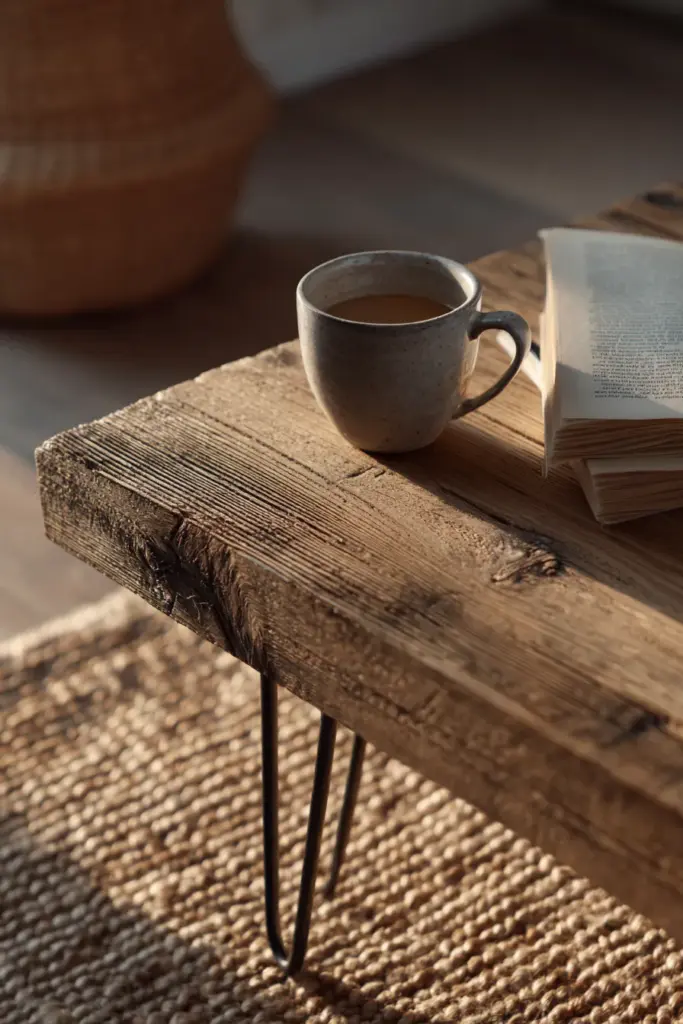
The key is upcycling. Visit neighborhood salvage yards, online marketplaces, or community swaps. That discarded wooden pallet could become your statement coffee table—sanded, oiled, and elevated on hairpin legs.
DIY Project 1: Low-Profile Pallet Coffee Table
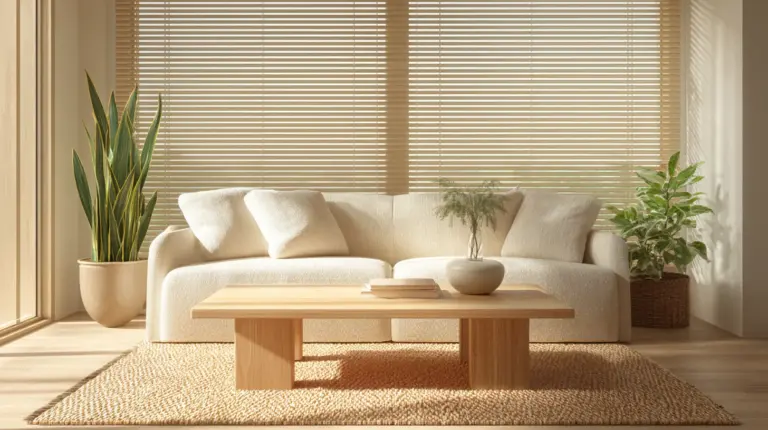
Nothing anchors a Japandi living room like a low coffee table. Its horizontal line creates visual calm and keeps sightlines open.
Materials needed: One wooden pallet (often free from construction sites or markets), sandpaper (120 and 220 grit), wood stain or natural oil (tung or linseed), four low hairpin legs or wooden blocks, screws, and a drill.
Step-by-step process:
- Sand the pallet thoroughly, removing splinters and rough edges
- Apply wood stain or oil in thin coats, letting each layer dry
- Attach legs to the underside corners, ensuring stability
- Seal with a final coat of natural wax for protection
The result? A table that costs under PHP 2,000 but looks like a designer piece. Place it atop a neutral jute rug for added texture.
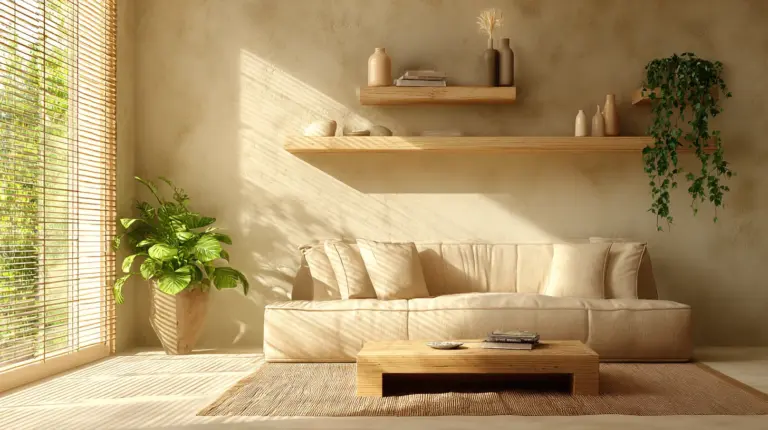
DIY Project 2: Floating Shelves from Reclaimed Wood
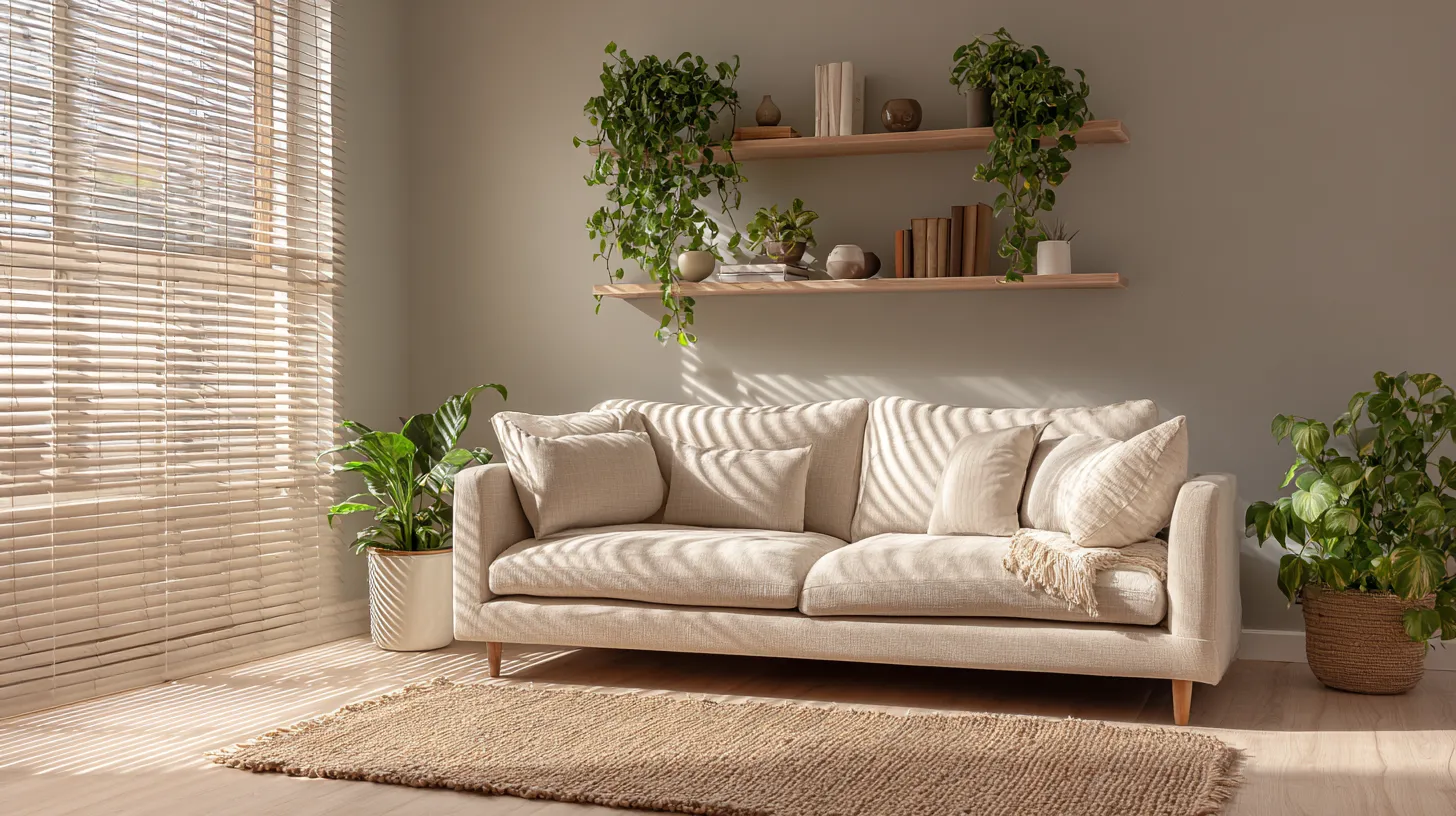
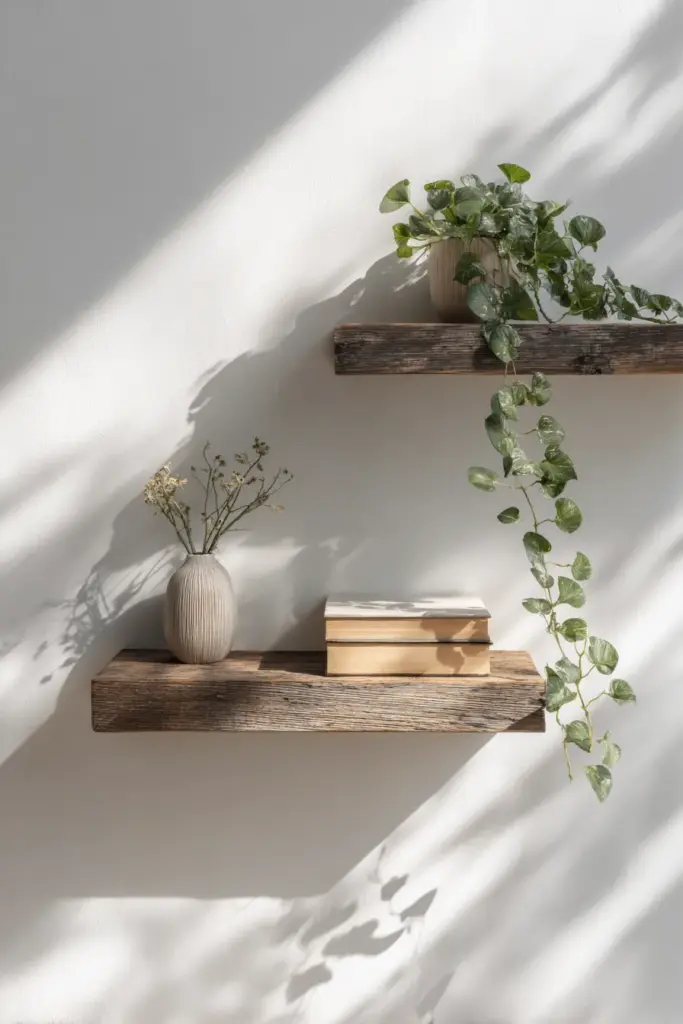
Vertical space is your secret weapon in small rooms. Floating shelves draw the eye upward while providing functional storage without bulk.
Source reclaimed wood from old furniture or construction remnants. Cut planks to your desired length (80–120cm works beautifully), sand until smooth, and treat with natural oil.
Install using concealed brackets for that floating effect. Style with a minimalist edit: a small ceramic pot, one hardcover book, a trailing pothos plant. Resist the urge to fill every inch—negative space is part of the design.
These shelves cost roughly PHP 1,500–3,000 depending on wood quality, yet they transform blank walls into curated galleries.
DIY Project 3: Woven Wall Hanging or Macramé Accent
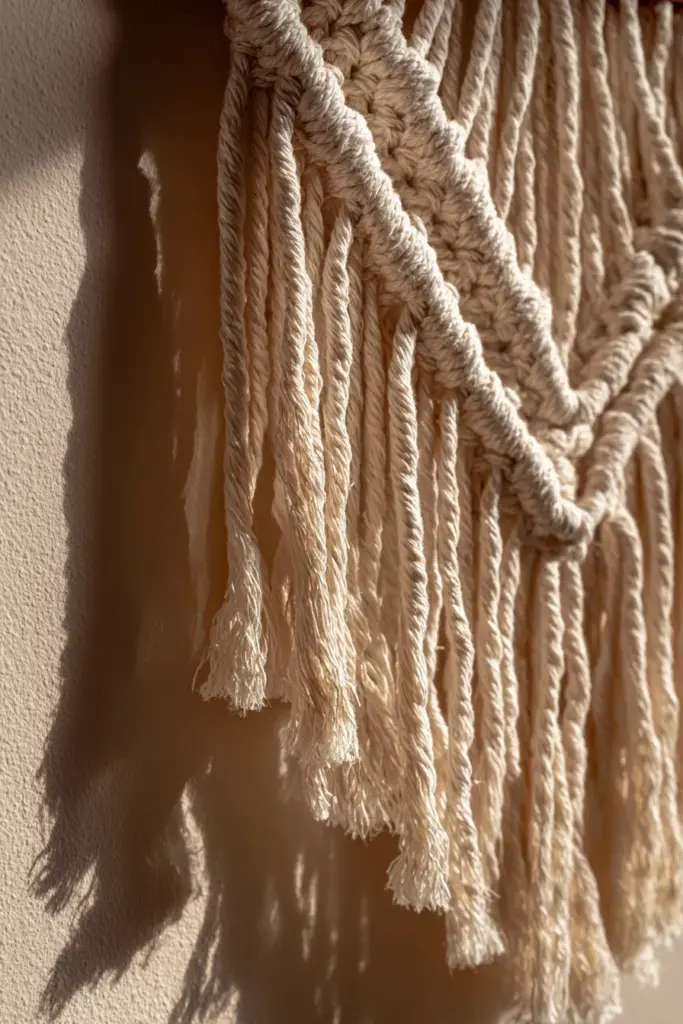
Texture is essential in Japandi spaces. A handmade wall hanging adds warmth without color overload.
Materials: Cotton rope or jute twine, a wooden dowel (bamboo works wonderfully), scissors, and patience.
Learn basic macramé knots—square knots and half-hitches are enough for simple patterns. Create a piece 60–80cm wide, letting the fibers hang naturally with slight asymmetry. This imperfection is wabi-sabi in action.
Hang above your sofa or near a window where natural light catches the textile’s shadow. The cost? Under PHP 800, yet the impact is profound.
Choosing the Right Color Palette
Japandi color schemes whisper rather than shout. Your palette should feel like soft morning light filtering through linen curtains.
Start with a neutral base: warm beiges, gentle taupes, soft grays. Add depth with natural wood tones—oak, ash, or light walnut. Introduce black accents sparingly through metal frames, ceramic edges, or woven details.
Avoid bold colors entirely. If you crave variation, explore the spectrum within neutrals: cream to sand to mushroom gray. Layer these tones through textiles, walls, and furniture for a cohesive, calming effect.
Paint your walls in warm white or greige (gray-beige hybrid) to maximize light reflection in your small space.
Furniture Selection: Low, Functional, Beautiful
In small Japandi living rooms, furniture must work harder—and sit lower.
Low-profile sofas with clean lines and neutral upholstery (linen or cotton blends) create the foundation. Look for secondhand pieces you can reupholster, or consider floor cushions and poufs for flexible seating.
Choose multifunctional pieces: ottomans with hidden storage, nesting side tables, benches that double as coffee tables. Every item should serve at least two purposes.
Avoid heavy, oversized furniture. Instead, opt for pieces with visible legs (not skirted sofas) to maintain visual flow beneath, making the room feel airier.
| Furniture Type | Budget Option | DIY Opportunity | Manila Source |
|---|---|---|---|
| Coffee table | Upcycled pallet | Sand & oil treatment | Construction sites, FB Marketplace |
| Shelving | Reclaimed wood planks | Floating shelf installation | Salvage yards, Bambang |
| Seating | Floor cushions | Sew covers from neutral linen | Divisoria fabric markets |
| Side table | Bamboo stool | Natural finish & seal | Local rattan weavers |
Lighting: Creating the Japandi Glow
Light shapes mood more than anything else. Japandi lighting is soft, layered, and intentional—never harsh overhead glare.
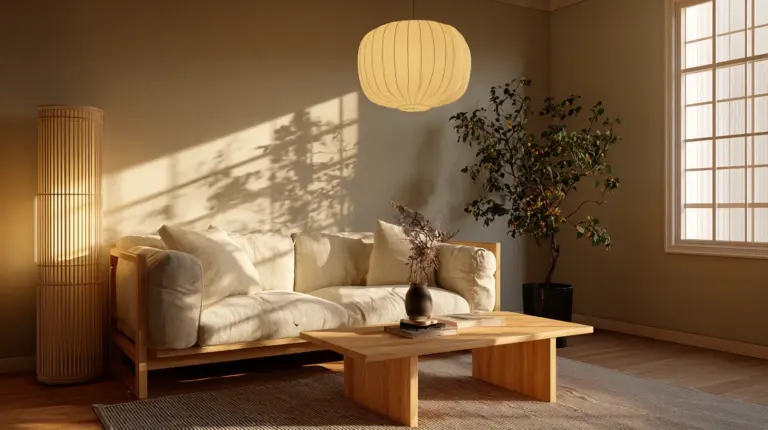
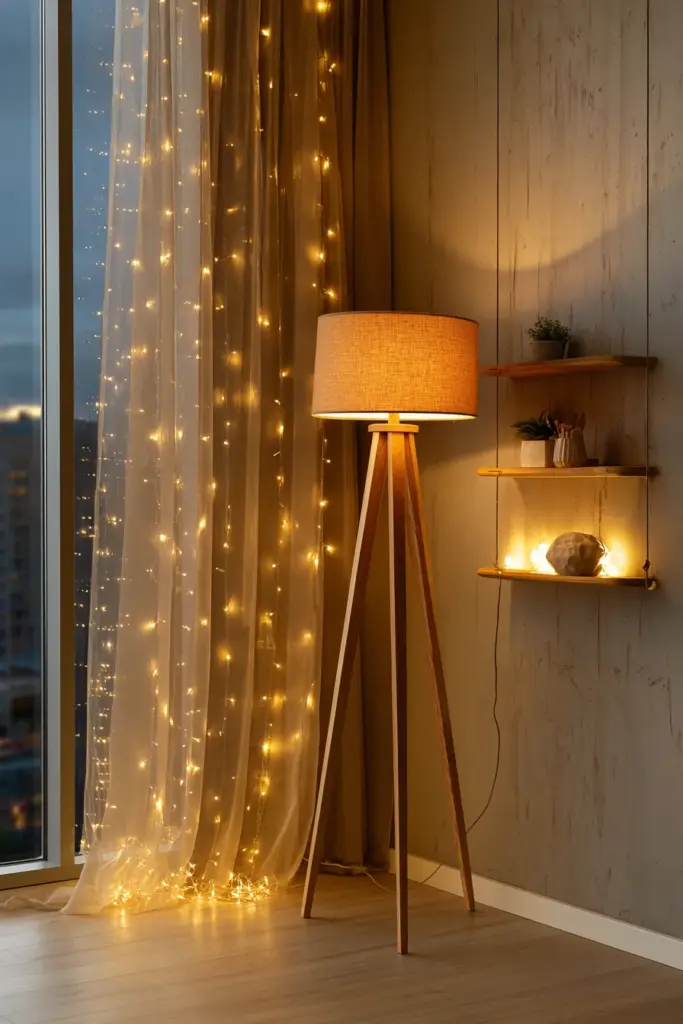
DIY cove lighting: Install LED strip lights along ceiling edges or behind floating shelves. Choose warm white (2700K–3000K) for that golden-hour glow. This costs PHP 500–1,200 but transforms your space dramatically.
Create paper lanterns using recycled materials and rice paper for diffused light. Hang at varying heights for visual interest.
Use floor lamps with linen shades positioned in corners to bounce light off walls. Avoid bright bulbs—aim for 40–60 watts equivalent LED for gentle illumination.
Natural light deserves attention too. Replace heavy curtains with bamboo blinds or sheer linen panels that filter rather than block sunlight.
Incorporating Natural Materials and Textures
Japandi thrives on tactile richness. Your small living room should invite touch—rough linen, smooth wood, woven rattan.
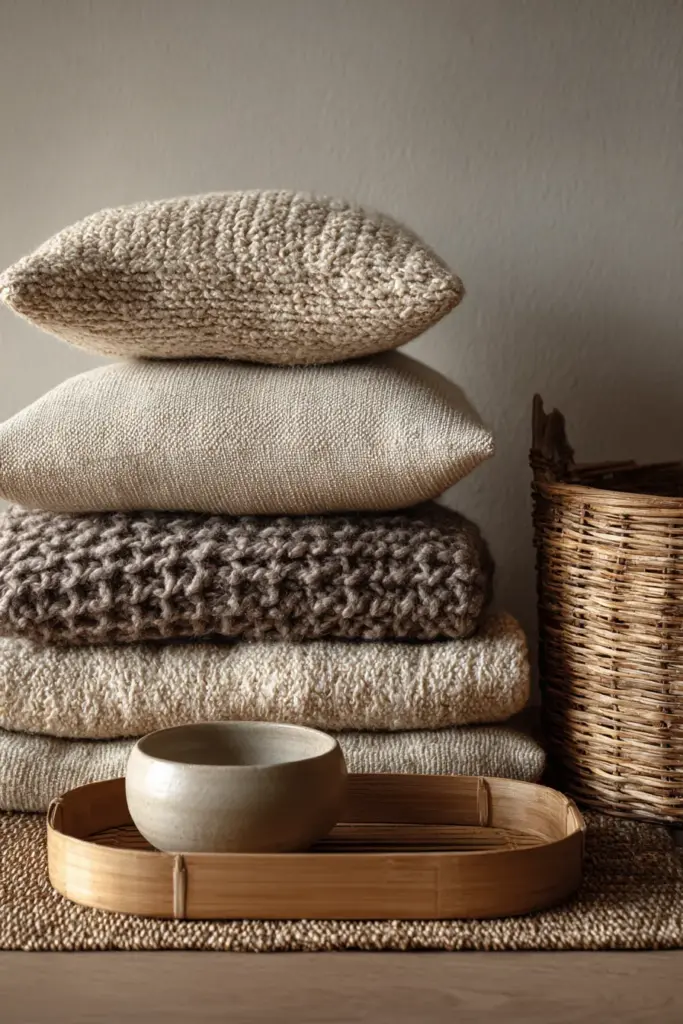
Layer textiles thoughtfully: a jute rug underfoot, linen throw pillows, a chunky knit blanket draped over your sofa. These create warmth without visual weight.
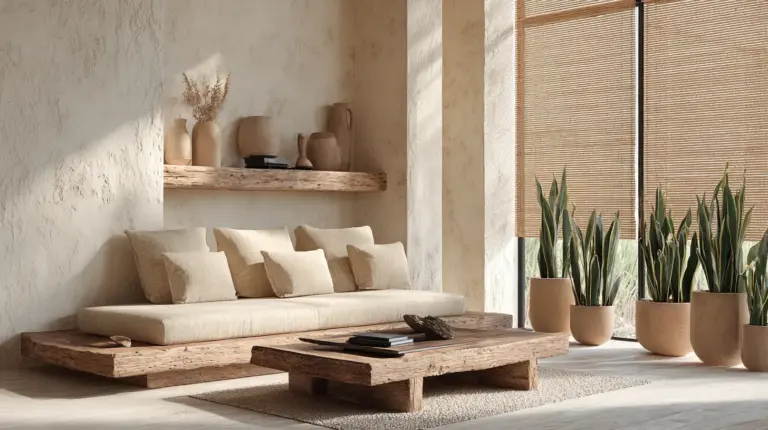
Introduce bamboo through blinds, trays, or plant stands. Its vertical grain adds subtle pattern while maintaining the neutral palette.
Choose ceramics in matte finishes—stoneware vases, handmade bowls—for organic imperfection. Display them minimally, one or two per surface.
Wood should appear throughout: coffee table, picture frames, decorative bowls. Mix light and medium tones, always with visible grain for authenticity.
Plants: Bringing Life into Small Spaces
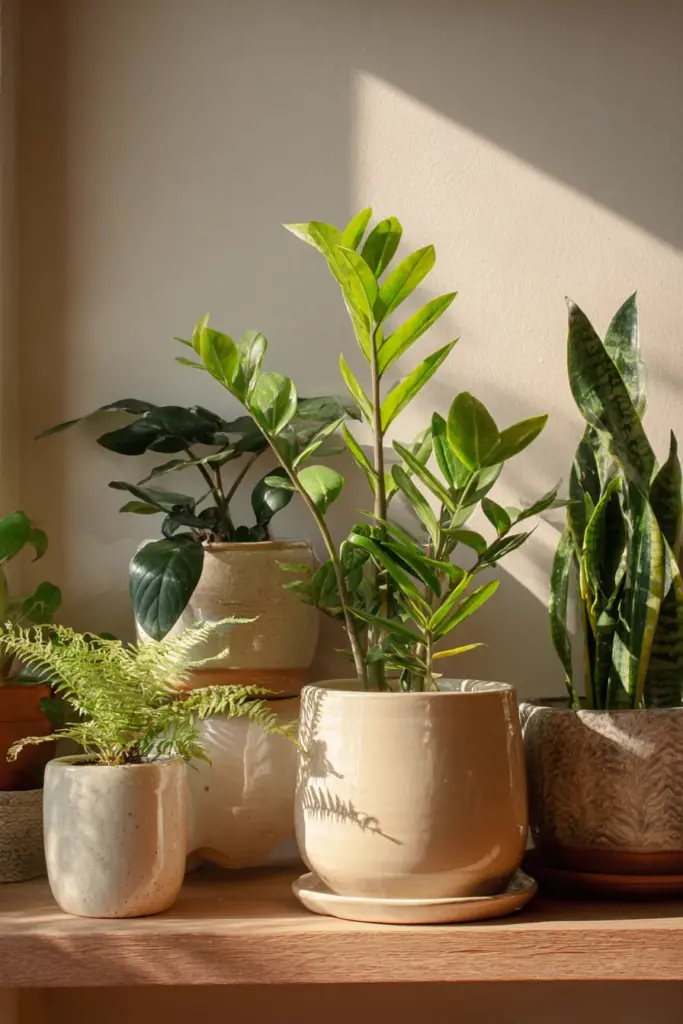
Greenery is non-negotiable in Japandi design. Plants add life force without clutter, especially varieties that thrive in Manila’s humid climate.
Low-light champions for small spaces:
- ZZ plants: Nearly indestructible, architectural form
- Snake plants: Vertical interest, air-purifying
- Pothos: Trailing beauty, easy to propagate
- Ferns: Soft texture, loves humidity
DIY propagation saves money. Snip pothos or philodendron cuttings, root them in water, then plant in neutral ceramic pots. Start a windowsill propagation station for endless greenery.
Create a vertical garden using floating shelves or macramé plant hangers. This draws the eye upward, making ceilings feel higher.
Stick to 3–5 well-placed plants rather than crowding surfaces. Remember: negative space matters.
Storage Solutions That Disappear
Small spaces demand invisible storage. Japandi aesthetic hides chaos behind calm facades.
DIY woven baskets organize throws, magazines, or remotes. Source local rattan baskets from Philippine weavers—they’re affordable and support traditional crafts.
Install floating cabinets with push-to-open mechanisms (no handles) for seamless walls. Paint them the same color as your walls to blend entirely.
Use furniture with hidden compartments: ottomans that open, benches with lift-up seats, coffee tables with lower shelves.
The goal isn’t more storage—it’s owning less while organizing better. Before building storage, ask: do I actually need this item?
Making Small Spaces Feel Larger
Japandi design naturally expands small rooms through strategic visual tricks.
Mirror placement matters. Position a large mirror opposite a window to double natural light and create depth. Choose frames in natural wood or matte black.
Vertical elements draw the eye upward: wood slat accent walls, tall narrow shelves, floor-to-ceiling curtains hung high. This elongates walls psychologically.
Keep furniture low and leggy. Sofas, tables, and chairs with visible legs create flow underneath, unlike bulky pieces that sit flush to the floor.
Maintain clear pathways. Arrange furniture to create defined walking routes—never block the natural flow of movement through the room.
Sustainable Sourcing in Manila
Embrace local craftsmanship while staying budget-conscious and eco-friendly.
Manila markets for Japandi materials:
- Bambang: Reclaimed wood, salvaged furniture parts
- Divisoria: Affordable neutral fabrics, cushion fillings
- Local rattan weavers (Bulacan, Laguna): Handwoven baskets, trays
- FB Marketplace/Carousell: Secondhand furniture for upcycling
Zero-waste IKEA hacks: Transform basic IKEA pieces with wood stain, new legs, or linen slipcovers. A LACK table becomes Japandi-worthy with bamboo veneer and hairpin legs.
Support Philippine artisans through platforms showcasing handmade ceramics, woven goods, and wood products. Your purchases sustain traditional crafts while ensuring authentic materials.
Step-by-Step: Complete Small Living Room Transformation
Let’s put it all together in a weekend project plan.
Day 1 Morning: Declutter ruthlessly. Remove 50% of current items. Paint walls in warm white or greige.
Day 1 Afternoon: Sand and stain your pallet coffee table. While drying, install floating shelves and LED cove lighting.
Day 2 Morning: Arrange low-profile furniture (sourced or upcycled). Add neutral rug as anchor point.
Day 2 Afternoon: Style shelves minimally. Hang woven wall piece. Position plants strategically. Install bamboo blinds.
Final touches: Add linen textiles, adjust lighting, step back. Remove anything that feels excessive.
Total time: 12–16 hours over one weekend. Total cost: PHP 8,000–12,000 for a complete transformation.
Essential Checklist for Your Japandi DIY
Before starting, ensure you have these foundations covered:
- Color palette finalized: Neutrals with wood tones and black accents
- Decluttering complete: Only essentials and joy-sparkers remain
- Natural materials sourced: Wood, bamboo, linen, rattan, ceramics
- DIY projects planned: Coffee table, shelves, wall hanging, lighting
- Furniture selected: Low-profile, multifunctional, with visible legs
- Plants chosen: 3–5 low-light varieties in neutral pots
- Lighting layered: Cove LEDs, floor lamps, natural light maximized
- Storage hidden: Baskets, floating cabinets, furniture compartments
- Budget allocated: Materials, tools, unexpected costs covered
- Local sources identified: Manila markets, artisans, upcycling spots
Common Mistakes to Avoid
Even with the best intentions, certain pitfalls can derail your Japandi vision.
Over-decorating is the biggest trap. Japandi thrives on restraint—resist filling every surface. If it feels empty, you’re probably doing it right.
Ignoring scale in small spaces. Oversized furniture overwhelms. Choose pieces proportional to your room’s dimensions.
Skipping the tactile layer. A visually minimalist room feels cold without textiles, wood grain, and woven elements. Touch matters as much as sight.
Forcing symmetry conflicts with wabi-sabi. Embrace slight asymmetry—a single vase on one shelf, empty space on another.
Using harsh white paint. Opt for warm whites with beige or gray undertones. True white feels sterile, not serene.
Maintaining Your Japandi Space
Japandi isn’t achieved once—it’s maintained through daily mindfulness.
Adopt the one-in-one-out rule: when something new enters, something else leaves. This prevents clutter creep.
Clean with intention. Wipe wood surfaces with natural oil monthly. Dust plants weekly. Wash textiles seasonally.
Rotate seasonal elements subtly: a heavier knit throw in cooler months, lighter linen in summer. Change is gentle, never dramatic.
Reassess quarterly. Does everything still serve you? Are surfaces breathing? Adjust as needed, always returning to the core principle: less, but better.
There’s a quiet revolution happening in small spaces everywhere. People are choosing calm over chaos, intention over excess, natural beauty over artificial perfection.
Your Japandi living room is more than a design project—it’s a daily practice in mindfulness. Every material you touch, every item you keep or release, every surface you leave bare is a choice toward a more peaceful way of living.
Start small. Sand that first piece of wood. Hang that simple shelf. Watch how light moves differently across your newly neutral walls. Feel how your shoulders drop when you enter a room that finally breathes.
This is your space. Make it sacred. Make it simple. Make it yours.
Frequently Asked Questions
What is Japandi style in a living room?
Japandi blends Scandinavian hygge (coziness, warmth) with Japanese wabi-sabi (imperfection, minimalism). It features neutral color palettes dominated by beiges and soft grays, natural materials like wood and bamboo, low-profile furniture, and abundant negative space. The style prioritizes function and beauty equally, creating rooms that feel both serene and livable.
How can I make my small Japandi living room feel bigger?
Use cove LED lighting along ceiling edges to lift the space visually. Position mirrors opposite windows to double natural light. Choose low-profile furniture with visible legs to maintain sight lines underneath. Install vertical elements like wood slats or tall shelves to draw eyes upward. Keep a neutral palette throughout to avoid visual fragmentation. Most importantly, embrace negative space—don’t fill every corner.
What furniture works best for small Japandi living rooms?
Focus on low-profile sofas with clean lines in neutral upholstery, multifunctional ottomans with hidden storage, floating shelves instead of bulky bookcases, and nesting side tables. Floor cushions and tatami mats add flexible seating. Choose pieces with visible legs rather than skirted furniture to create flow. Everything should serve at least two purposes—beauty and function inseparable.
How do I create Japandi decor on a budget in Manila?
Source reclaimed wood from Bambang or salvage yards for DIY shelves and tables (PHP 1,500–3,000). Buy neutral fabrics from Divisoria markets for cushion covers and throws (PHP 500–1,200). Propagate plants from cuttings instead of buying new ones (free). Find secondhand furniture to upcycle on FB Marketplace. Use local rattan weavers in Bulacan for authentic baskets (PHP 300–800). Install affordable LED strips for ambient lighting (PHP 500–1,000). Total transformation possible under PHP 10,000.
What colors define a small Japandi living room?
The palette centers on warm neutrals: beiges ranging from cream to sand, taupes, soft grays with warm undertones, and natural wood tones in light to medium finishes. Add depth with black accents in metal frames or ceramic details. Avoid pure white (too stark) and all bold colors. Paint walls in greige (gray-beige) or warm white. The goal is a cohesive, calming monochrome spectrum that reflects light while feeling inviting, not cold.