
Table of Contents
A living room should feel like an invitation.
It is where morning sunlight settles across soft cushions, where conversations linger after dinner, and where quiet evenings unfold beneath warm lighting. At the center of many beautiful modern homes sits one piece that shapes the entire experience: the sectional sofa.
Modern living room sectionals have evolved far beyond oversized family seating. Today’s designs are elegant, flexible, and thoughtfully crafted for contemporary lifestyles. Whether you live in a compact Manila condo, a spacious family home, or a Japandi-inspired retreat, the right sectional creates comfort while defining the room’s flow.
At ERYLIN, we believe furniture should feel as beautiful as it looks. A sectional isn’t simply a place to sit—it becomes the landscape of daily life, supporting moments of rest, connection, and calm.
This guide explores everything you need to know about choosing the best modern sectional sofa, from sizing and layouts to tropical-climate care and Japandi styling.
Why Modern Living Room Sectionals Are More Popular Than Ever
Modern sectionals combine practicality with effortless style.
Unlike traditional sofas, they offer flexible seating arrangements, maximize corner spaces, and create a natural gathering area. Their larger footprint often eliminates the need for multiple chairs, helping a room feel organized and cohesive.
Today’s best sectional sofas also feature:
- Modular configurations
- Performance fabrics
- Reversible chaise options
- Storage compartments
- Sleeper functionality
- Pet-friendly and kid-friendly materials
The result is furniture that adapts beautifully to modern living.
What Size Sectional Is Best for a Small Living Room?
Small spaces require thoughtful proportions.
For living rooms between 12–18 square meters, a petite sectional measuring approximately 220–240 cm wide typically offers the best balance between comfort and openness.
Look for:
- Slim arms instead of bulky rolled arms
- Raised legs that reveal floor space
- Lighter upholstery colors
- Reversible chaise designs
- Modular pieces that can be rearranged
Natural light also plays a role. Cream, oatmeal, sand, and soft gray fabrics reflect daylight and help compact rooms feel larger.
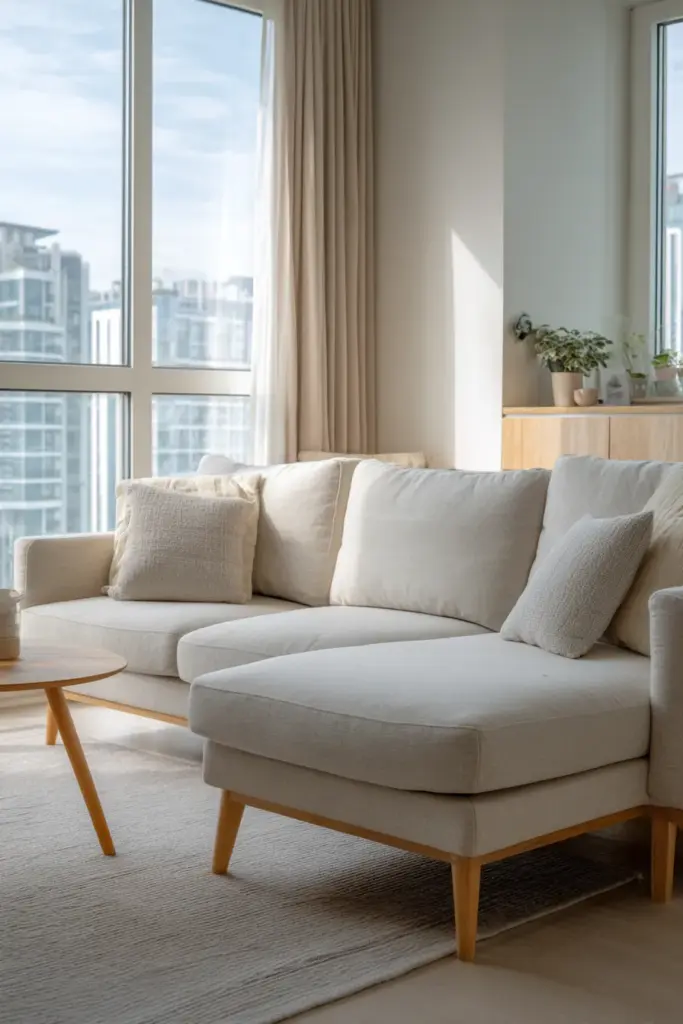
Small Apartment Sectional Checklist
- Width under 240 cm
- Chaise depth under 170 cm
- Elevated legs
- Light-colored fabric
- Modular flexibility
Many of the best apartment sectionals prioritize visual lightness while maintaining generous seating.
Are Sectionals Good for Small Apartments?
Absolutely.
A thoughtfully chosen apartment sectional can actually save space compared to a sofa-and-chair combination. Instead of scattering seating throughout the room, a sectional creates one intentional zone.
In modern condos throughout Manila, modular sectionals have become especially popular because they can be reconfigured as needs change.
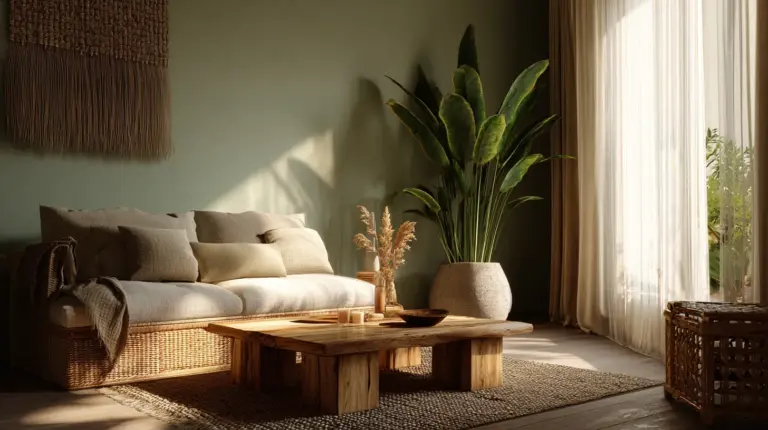
Imagine a compact living room with:
- A warm oak coffee table
- Linen-textured sectional
- Soft woven rug
- Indoor plants near a bright window
The space feels complete without feeling crowded.
L-Shaped or U-Shaped Sectional: Which Is Better for Modern Living Rooms?
Choosing between an L-shape sectional and a U-shape sectional depends largely on room size and lifestyle.
| Feature | L-Shaped Sectional | U-Shaped Sectional |
|---|---|---|
| Best For | Small to medium rooms | Large living rooms |
| Seating Capacity | 3–5 people | 6–9 people |
| Visual Weight | Light and airy | Bold and substantial |
| Condo-Friendly | Excellent | Limited |
| Layout Flexibility | High | Moderate |
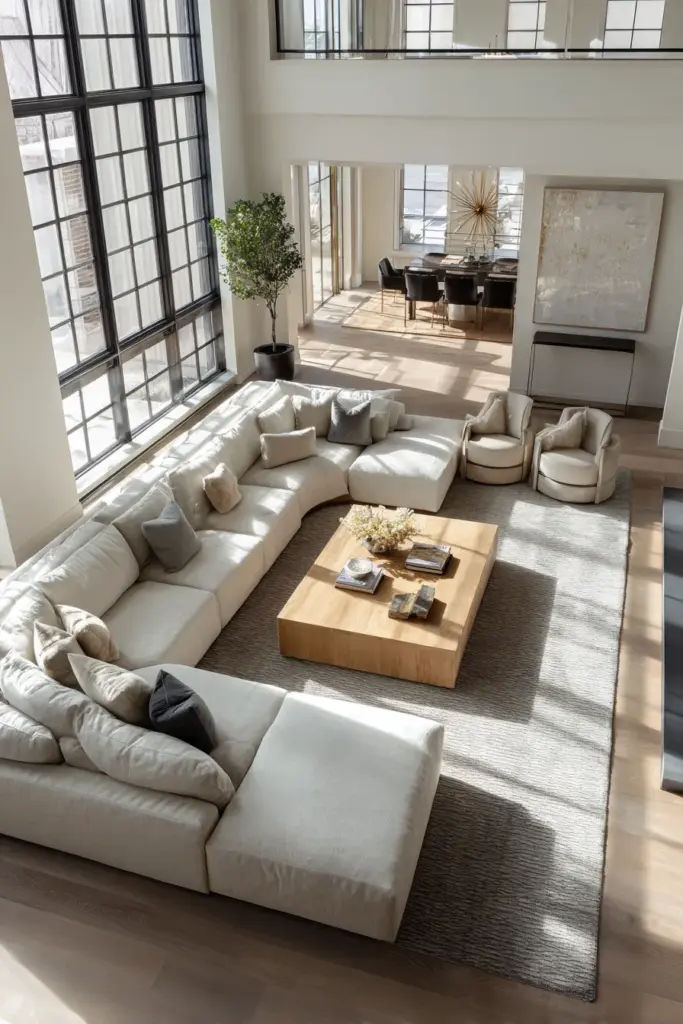
L-Shaped Sectionals
The most versatile option.
They fit naturally into corners and work beautifully in minimalist, modern, and Japandi interiors.
U-Shaped Sectionals
Ideal for large families and frequent entertaining.
The shape encourages conversation and creates a cozy, enclosed feeling that works especially well in open-plan homes.
Modular Sectional vs. Traditional Sectional: What’s the Difference?
Modular sectionals consist of individual pieces that connect together.
Traditional sectionals have a fixed shape that cannot easily be altered.
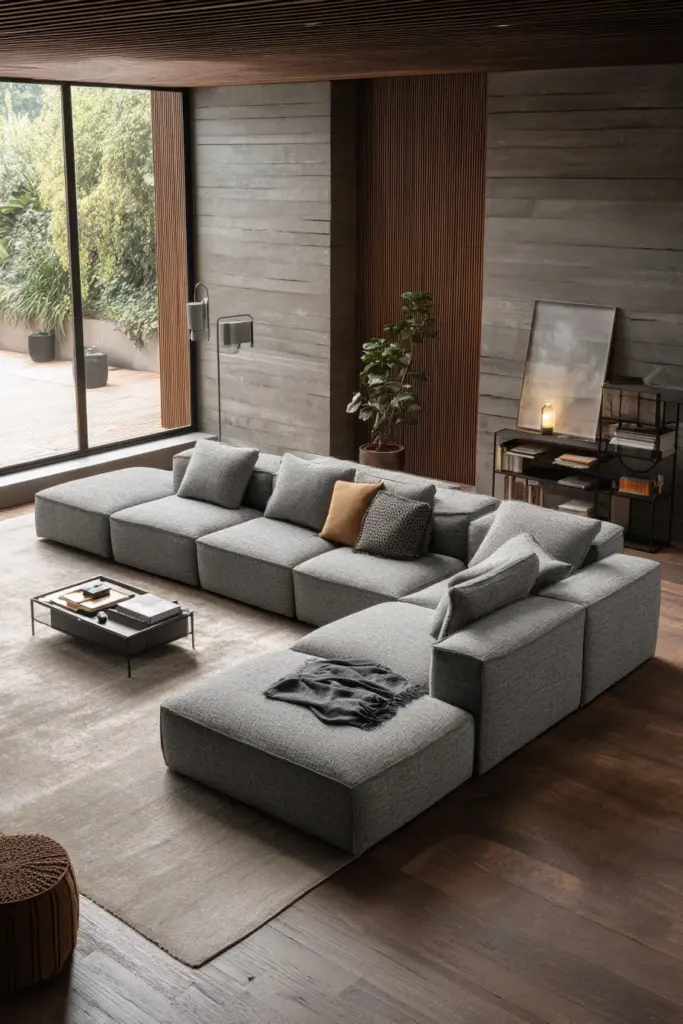
Why Modular Sectionals Are Growing in Popularity
A modular sectional can evolve with your home.
You can:
- Move the chaise from left to right
- Separate pieces when moving
- Add seating modules later
- Reconfigure layouts for entertaining
For condo owners and renters, this flexibility is invaluable.
Three Layout Ideas for Small Spaces
Layout 1: Compact Everyday Living
- Two-seat sofa
- Chaise extension
- Small round coffee table
Perfect for 12m² rooms.
Layout 2: Entertaining Mode
- Chaise separated
- Additional seating angle created
- More open circulation
Ideal for guests.
Layout 3: Lounge Mode
- Modules pushed together
- Deep pit-style seating
- Relaxed movie-night atmosphere
Comfort becomes the priority.
How Do I Measure My Living Room for a Sectional?
Many buyers measure the room but forget to measure delivery access.
Before purchasing:
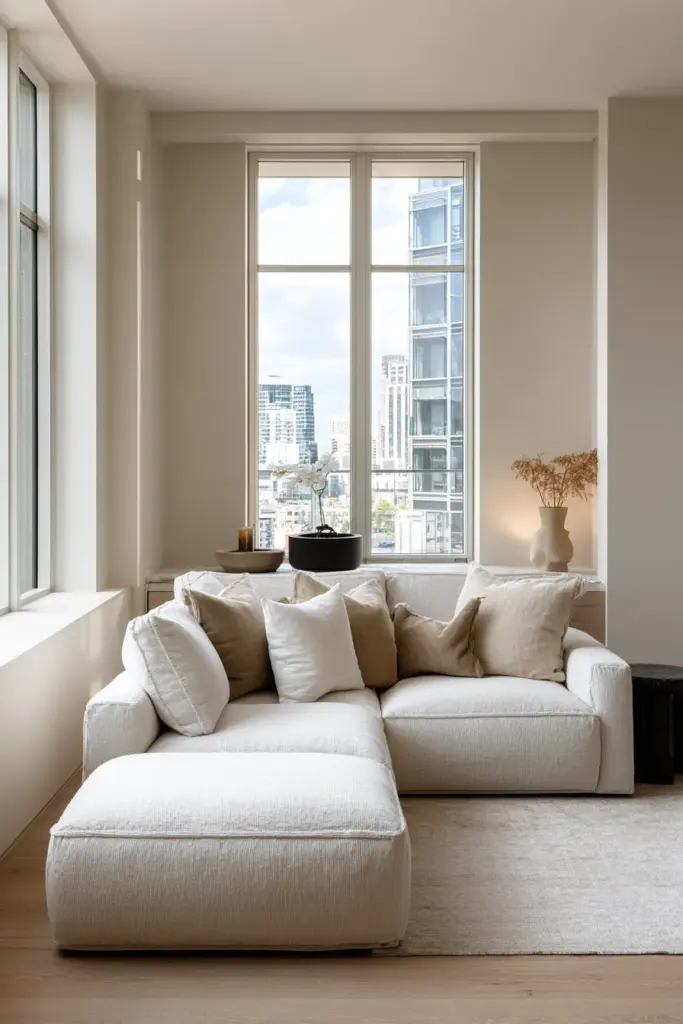
Measure the Room
Record:
- Room width
- Room length
- Ceiling height
- Window locations
Measure Access Points
Check:
- Front doors
- Hallways
- Stairwells
- Elevators
- Condo corridors
Leave Breathing Space
Aim for at least:
- 75–90 cm walking clearance
- 45 cm between sofa and coffee table
A sectional should feel integrated, never squeezed into place.
Condo and Elevator Delivery Guide for Manila Buyers
This step is often overlooked.
Many beautiful sectionals fit the living room but never make it through the building.
Before ordering:
- Measure elevator height, width, and depth.
- Confirm hallway dimensions.
- Request packaged dimensions from the retailer.
- Ask whether modular delivery is available.
- Verify white-glove assembly services.
Modular sectionals are often the safest choice for high-rise living.
What Fabric Is Best for Sectional Sofas With Pets and Kids?
Durability matters.
The best-tested sectionals often use performance fabrics designed to resist spills, stains, and daily wear.
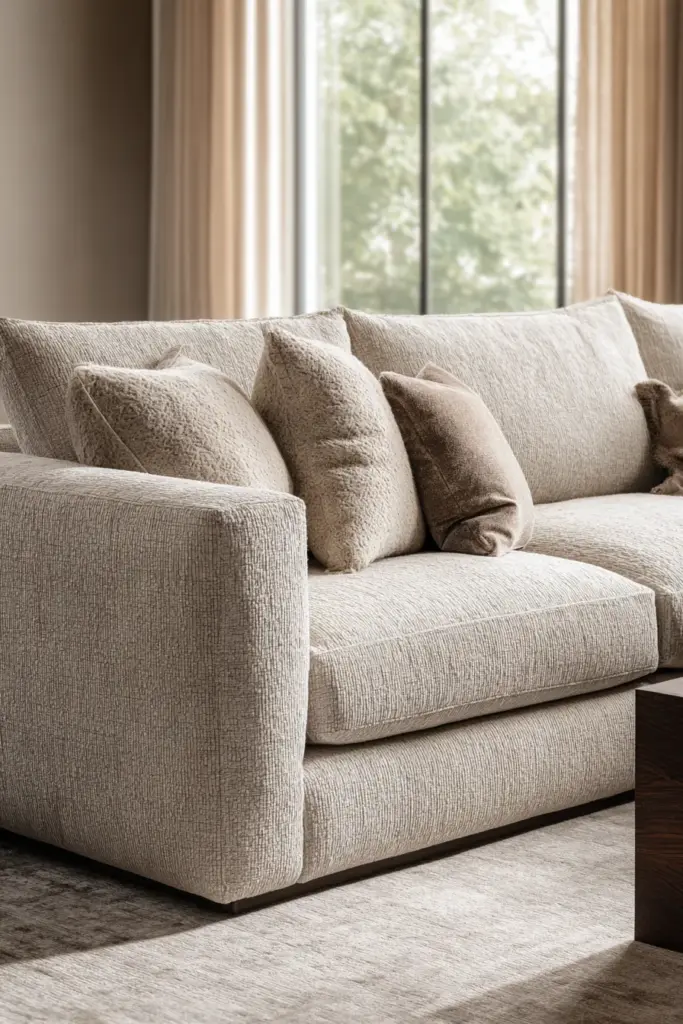
Top Fabric Choices
| Fabric | Benefits |
|---|---|
| Performance Fabric | Stain-resistant and durable |
| Solution-Dyed Fabric | Fade-resistant |
| Microfiber | Easy cleaning |
| Leather | Long-lasting and wipeable |
| High-Performance Velvet | Luxurious yet durable |
Best Choices for Pet Owners
Look for:
- Tight weaves
- Scratch-resistant surfaces
- Removable covers
- Darker neutral tones
Performance fabric remains one of the most practical options for active households.
Tropical Climate Considerations: Choosing a Sectional for Philippine Homes
Humidity changes everything.
In tropical climates, furniture must withstand heat, moisture, and fluctuating temperatures.
Recommended Upholstery
- Performance fabric
- Solution-dyed textiles
- Moisture-resistant polyester blends
Avoid
- Low-quality cotton blends
- Dense fabrics that trap moisture
- Poorly ventilated furniture placements
Preventing Mold and Mildew
- Leave space behind the sofa
- Run fans or dehumidifiers regularly
- Vacuum weekly
- Rotate cushions monthly
Good airflow significantly extends furniture life.
How Much Does a Modern Sectional Sofa Cost?
Prices vary widely depending on size, materials, and construction quality.
Budget Guide for Philippine Buyers
| Budget Tier | Approximate Price |
|---|---|
| Budget | ₱20,000–₱50,000 |
| Mid-Range | ₱50,000–₱120,000 |
| Premium | ₱120,000–₱250,000+ |
Additional costs may include:
- Delivery fees
- Condo handling charges
- Assembly services
- Extended warranties
Always factor these into your total budget.
Modern Sectionals for Japandi Living Rooms
Few styles pair more naturally with sectionals than Japandi.
The combination of Scandinavian warmth and Japanese simplicity creates spaces that feel calm and deeply restorative.
Best Japandi Colors
- Warm beige
- Soft taupe
- Stone gray
- Mushroom
- Cream
- Light oatmeal
Materials That Work Beautifully
- Oak wood
- Walnut accents
- Linen textures
- Bouclé fabrics
- Handwoven rugs
The sectional should feel grounded rather than oversized.
Think clean lines, low profiles, and understated elegance.
For more inspiration, explore our guides on Japandi interiors, small-space styling, and lighting ideas.
Should the Sectional Face the TV or the Window?
The answer depends on the room’s strongest focal point.
Face the TV When:
- Entertainment is the primary function
- Family movie nights are common
- Open-plan layouts need visual organization
Face the Window When:
- You have beautiful natural views
- Natural light is a design feature
- The room emphasizes relaxation
In many homes, the ideal solution balances both.
Position the sectional slightly angled toward the television while maintaining connection to natural light.
What Rug Size Goes Under a Sectional?
A rug should anchor the entire seating arrangement.
Recommended Rug Sizes
| Sectional Size | Rug Size |
|---|---|
| Small | 6′ x 9′ |
| Medium | 8′ x 10′ |
| Large | 9′ x 12′ |
At minimum, the front legs of the sectional should rest on the rug.
This creates a cohesive, intentional appearance.
Soft woven textures, natural wool, and low-pile rugs work especially well with modern sectionals.
Is a Sectional With Storage Worth It?
For many homeowners, yes.
Storage sectionals provide hidden space for:
- Throws
- Seasonal décor
- Children’s toys
- Extra pillows
- Board games
In smaller condos, every square meter matters.
Storage seating helps maintain a calm, uncluttered atmosphere.
Feng Shui Tips for Sectional Placement
Thoughtful placement can improve both comfort and visual harmony.
Consider These Guidelines
- Position the sectional against a solid wall when possible.
- Avoid blocking primary pathways.
- Maintain balance with side tables or lighting.
- Keep the room open and easy to navigate.
A well-positioned sectional creates a sense of stability and welcome.
Long-Term Maintenance and Ownership Costs
A sectional is an investment.
Regular care preserves both comfort and appearance.
Monthly
- Vacuum upholstery
- Rotate cushions
- Check seams
Every 6 Months
- Deep clean fabric
- Inspect legs and connectors
- Tighten hardware
Every 5–8 Years
- Replace cushion inserts if needed
- Refresh slipcovers
- Professional upholstery cleaning
Consistent maintenance often costs far less than early replacement.
Key Takeaways
- Choose an L-shaped sectional for most small and medium-sized living rooms.
- Modular sectionals provide the greatest flexibility.
- Performance fabrics are ideal for pets, children, and humid climates.
- Always measure doorways, elevators, and hallways before purchasing.
- Japandi interiors pair beautifully with low-profile modern sectionals.
- Leave adequate airflow around furniture in tropical homes.
- Use appropriately sized rugs to anchor the seating area.
- Storage sectionals offer valuable functionality for condos and apartments.
- Consider long-term maintenance costs before buying.
- Prioritize comfort, scale, and lifestyle over trends.
Conclusion
The right sectional does more than fill a room.
It softens the edges of everyday life. It becomes the place where morning coffee tastes better, where children gather after school, where conversations stretch late into the evening beneath warm light.
A thoughtfully chosen modern living room sectional brings together beauty, comfort, and purpose. Whether you prefer a modular design for a small Manila condo or a spacious statement piece for family gatherings, the best choice is one that supports the way you truly live.
At ERYLIN, we believe the most beautiful homes aren’t the most perfect—they’re the ones that feel deeply welcoming. And often, that feeling begins with a comfortable seat waiting quietly in the heart of the room.
FAQs
What size sectional is best for a small living room?
For most small living rooms between 12–18m², choose a sectional under 240 cm wide with slim arms and a compact chaise.
Are sectionals good for small apartments?
Yes. A sectional often provides more efficient seating than separate sofas and chairs while creating a cleaner room layout.
What fabric is best for sectional sofas with pets and kids?
Performance fabric is typically the best choice because it is stain-resistant, durable, and easy to maintain.
Can a sectional work in a Japandi living room?
Absolutely. Choose low-profile designs in warm neutrals, natural textures, and clean silhouettes to complement Japandi interiors.
How long does sectional sofa delivery take in the Philippines?
Local deliveries generally take 3–14 days, while imported sectionals may require 6–12 weeks depending on shipping and customs processing.