
Table of Contents
There’s something quietly transformative about the right rug. It grounds a room, softens footsteps, and wraps your space in warmth that goes beyond the visual. But not all rugs are created equal—and the material you choose will determine whether your investment becomes a cherished heirloom or a short-lived disappointment.
Choosing the best rug material isn’t just about what looks beautiful in the moment. It’s about understanding how texture meets daily life, how fibers respond to footfall and sunlight, and how your choices today will age gracefully into tomorrow.
This guide will walk you through the most durable and stylish rug materials available—from the timeless elegance of natural fibers to the practical innovation of modern synthetics. Whether you’re furnishing a high-traffic hallway or seeking luxury underfoot in a bedroom sanctuary, you’ll discover which materials honor both your aesthetic vision and your real-world needs.
Let’s explore the tactile world of rug fibers, where beauty and resilience meet.
Understanding Rug Materials: The Foundation of Lasting Style
Before diving into specific fibers, it’s essential to understand that rug durability depends on more than material alone. The construction—pile height, weave density, and knot count—dramatically impacts how well a rug withstands daily life.
A low-pile wool rug in a tight weave will outlast a loosely woven high-pile synthetic by years. The twist of the fiber, the backing quality, and even the dye method all contribute to longevity. Consider these structural elements alongside material choice for truly informed decisions.
Think of rug construction like the bones of a house—material is the skin, but structure determines whether it stands strong through seasons of use.
Natural Rug Fibers: Timeless Beauty with Organic Appeal
Wool Rugs: The Gold Standard for Durability
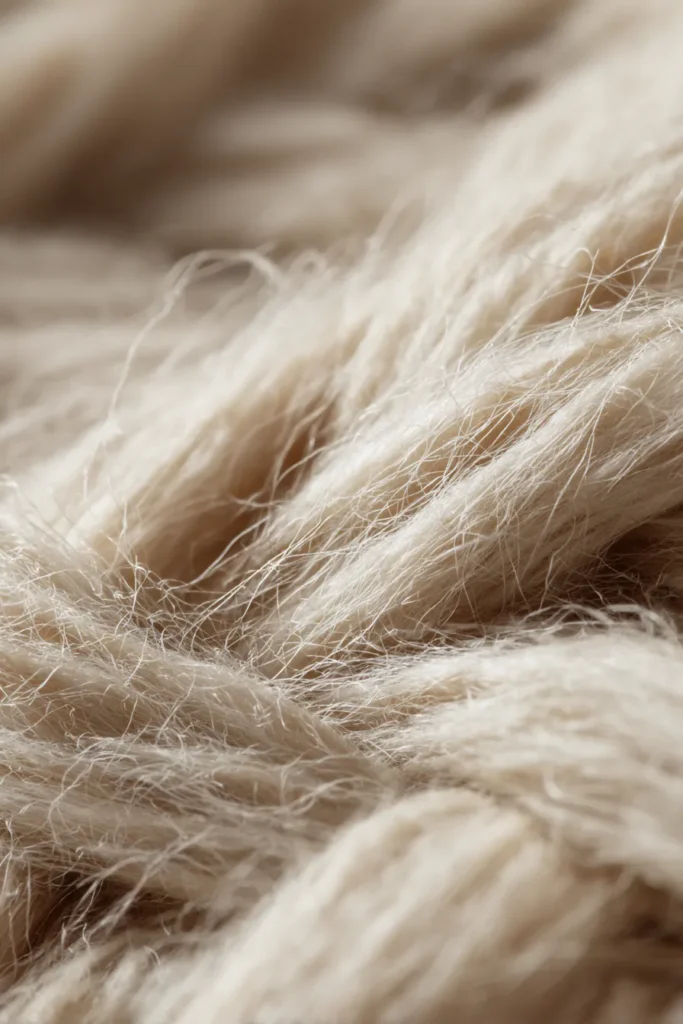
Wool remains the undisputed champion of durable rug materials, and for compelling reasons. This natural fiber possesses an inherent resilience that synthetic materials struggle to replicate—each strand contains microscopic scales that spring back after compression, maintaining the rug’s loft and appearance for decades.
Wool rugs durability extends far beyond mere physical toughness. The fiber naturally repels moisture and resists staining due to its lanolin content, making spills easier to blot away before they set. Wool also has remarkable soil-hiding properties; its crimped structure conceals dirt between cleanings, keeping your rug looking fresher longer.
The sensory experience of wool underfoot is incomparable—dense yet yielding, substantial without feeling heavy. In high-traffic areas like living rooms and hallways, wool rugs develop a beautiful patina rather than looking worn. They’re naturally flame-resistant and hypoallergenic, making them ideal for homes with children or allergy concerns.
Maintenance considerations: Vacuum regularly without the beater bar, rotate twice yearly, and address spills immediately by blotting (never rubbing). Professional cleaning every 12-18 months will preserve wool’s natural oils and extend its lifespan well beyond twenty years.
Cotton Rugs: Soft, Affordable, and Effortlessly Clean
Cotton offers the cotton rug softness that makes it perfect for bedrooms, bathrooms, and casual living spaces. This breathable natural fiber feels gentle against bare feet and comes in countless patterns and colors due to its excellent dye absorption.
Cotton rug easy care makes it especially appealing for households with pets or young children. Most cotton rugs are machine-washable or can be spot-cleaned with mild soap and water. They’re naturally hypoallergenic and soften beautifully with each wash, developing a lived-in comfort that synthetic fibers can’t match.
However, cotton lacks the resilience of wool. It compresses more easily under furniture and shows wear patterns in high-traffic zones. Cotton works best in low to moderate traffic areas or as layering pieces over more durable base rugs.
Best uses: Kitchen runners, bathroom mats, bedroom accents, and anywhere you value easy laundering over extreme durability.
Silk Rugs: Luminous Luxury for Low-Traffic Sanctuaries
There’s an undeniable magic to silk rug luxury—the way light plays across its surface, creating subtle shifts in color and depth. Silk rugs are investment pieces that elevate formal living rooms, dining rooms, or bedrooms into spaces of refined elegance.
Yet silk rug delicacy requires honest acknowledgment. This fiber crushes under weight, stains easily, and demands professional care. Silk rugs belong in spaces where beauty takes precedence over practicality—display areas, formal settings, or accent zones that see minimal foot traffic.
Silk blends (often wool-silk combinations) offer a middle ground, providing silk’s lustrous appearance with improved durability. These hybrid rugs catch light beautifully while better withstanding the realities of everyday life.
Maintenance requirements: Vacuum on the lowest setting, never place in direct sunlight, rotate monthly, and seek professional cleaning only from specialists experienced with silk.
Jute and Sisal: Natural Texture with Rustic Character
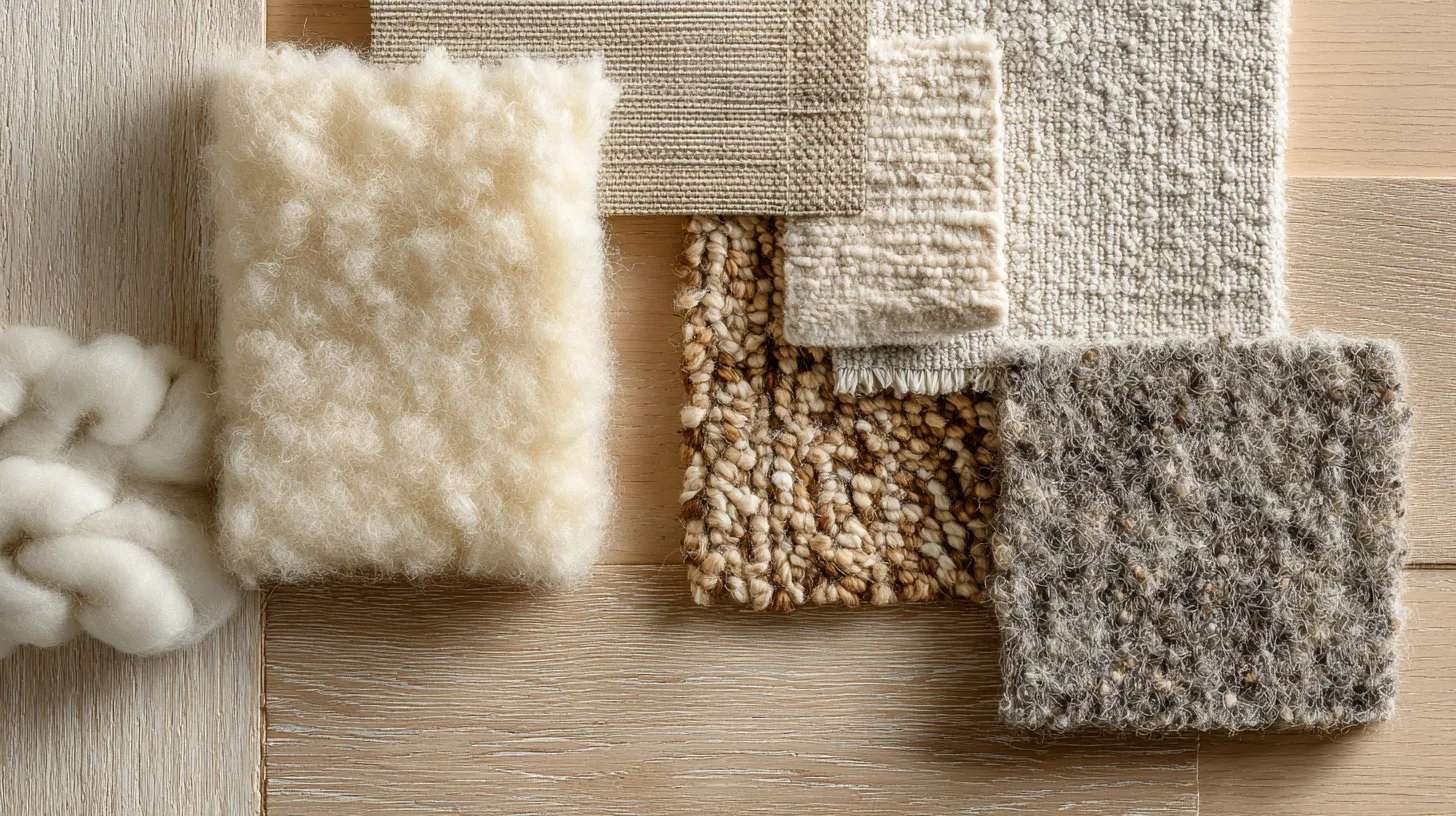
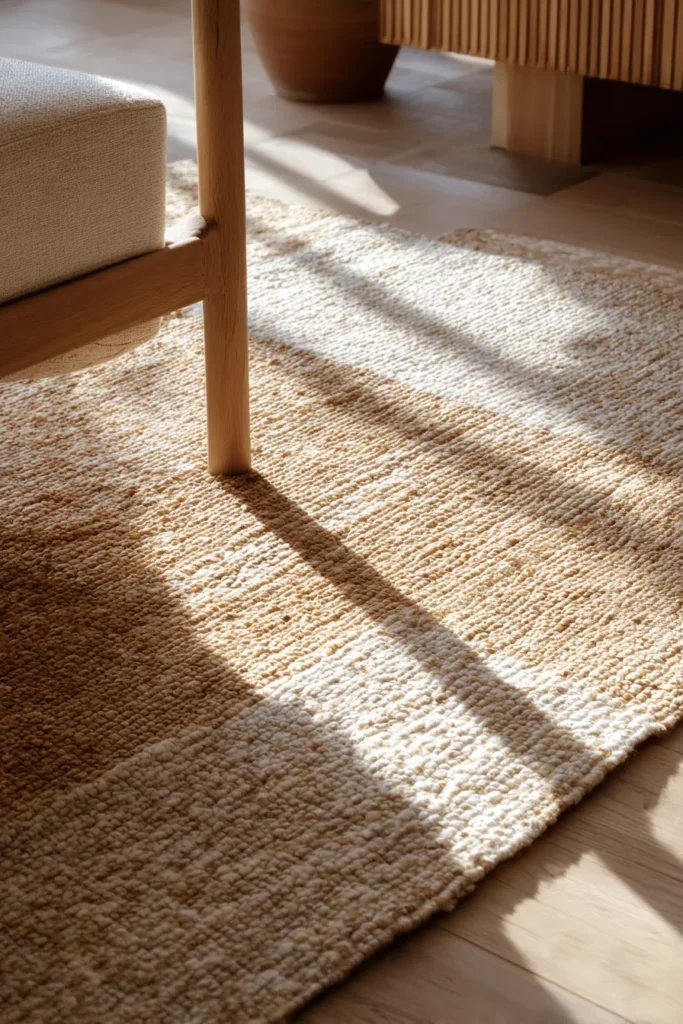
The jute sisal rug texture brings organic, earthy character to modern spaces. These plant-based fibers create visual warmth through their naturally varied tones—honey golds, sandy beiges, and soft taupes that ground contemporary interiors with tactile interest.
Jute feels softer underfoot than sisal, making it more comfortable for barefoot living. Sisal offers superior durability and resists moisture better, making it suitable for covered outdoor spaces or high-humidity environments. Both materials excel at hiding dirt and create beautiful backdrops for layering with softer, more decorative rugs.
However, natural plant fibers have limitations. They’re susceptible to moisture damage, can shed initially, and feel coarse compared to wool or cotton. They’re not ideal for homes with pets prone to accidents, as moisture can cause staining and odor absorption.
Styling tip: Layer jute or sisal as a neutral base with a smaller, plush wool or cotton rug on top for both visual depth and improved comfort.
Synthetic Rug Fibers: Innovation Meets Practical Performance
Nylon Rugs: Champion of High-Traffic Resilience
When durability is non-negotiable, nylon stands unmatched among synthetic fibers. Nylon rug stain resistance and bounce-back resilience make it the top choice for hallways, entryways, and homes with active families or pets.
Nylon fibers are engineered to withstand crushing and maintain their appearance through years of heavy use. Many nylon rugs feature stain-resistant treatments that repel spills, making cleanup as simple as blotting with a damp cloth. The fiber also resists fading from sunlight better than many natural materials.
Modern nylon rugs have evolved far beyond the plasticky feel of earlier generations. Today’s designs mimic wool’s texture convincingly while offering superior stain resistance at a fraction of the cost. They’re available in countless colors and patterns, from traditional Persian-inspired designs to contemporary geometric statements.
Care instructions: Vacuum regularly, spot-clean with mild detergent, and professionally clean every 18-24 months to remove embedded soil and restore appearance.
Polyester and Polypropylene: Budget-Friendly Versatility
Polypropylene rug cleaning couldn’t be easier—this synthetic fiber is virtually stain-proof and can often be cleaned with a garden hose. Polyester offers luxurious softness that rivals natural fibers at accessible price points, making both materials popular for budget-conscious decorating.
Polypropylene (also called olefin) excels in indoor-outdoor applications. It resists moisture, mildew, and fading, making it ideal for sunrooms, covered patios, or anywhere humidity is a concern. The fiber’s solution-dyed construction means color permeates each strand rather than coating the surface, preventing fading even in direct sunlight.
Polyester provides silk-like sheen and incredible softness, particularly in shag or plush constructions. It’s hypoallergenic and moth-proof, offering practical advantages for households with sensitivities.
The trade-off? Both materials lack the resilience of nylon or wool. They crush more easily under furniture and show traffic patterns sooner. They’re best for moderate-traffic areas where cleanability and affordability outweigh concerns about long-term wear patterns.
Comparing Rug Materials: Finding Your Perfect Match
| Material | Durability | Stain Resistance | Softness | Maintenance | Best For | Price Range |
|---|---|---|---|---|---|---|
| Wool | Excellent | Very Good | Good | Moderate | High-traffic areas, living rooms | $$$ |
| Cotton | Fair | Good | Excellent | Easy | Bedrooms, bathrooms | $ |
| Silk | Low | Poor | Excellent | Difficult | Display areas, formal rooms | $$$$ |
| Jute/Sisal | Good | Poor | Fair | Easy | Layering, natural aesthetics | $$ |
| Nylon | Excellent | Excellent | Good | Easy | Entryways, hallways, family rooms | $$ |
| Polyester | Good | Very Good | Excellent | Very Easy | Bedrooms, low-traffic areas | $ |
| Polypropylene | Very Good | Excellent | Fair | Very Easy | Indoor-outdoor, kids’ rooms | $ |
Matching Materials to Your Lifestyle
For Families with Children and Pets
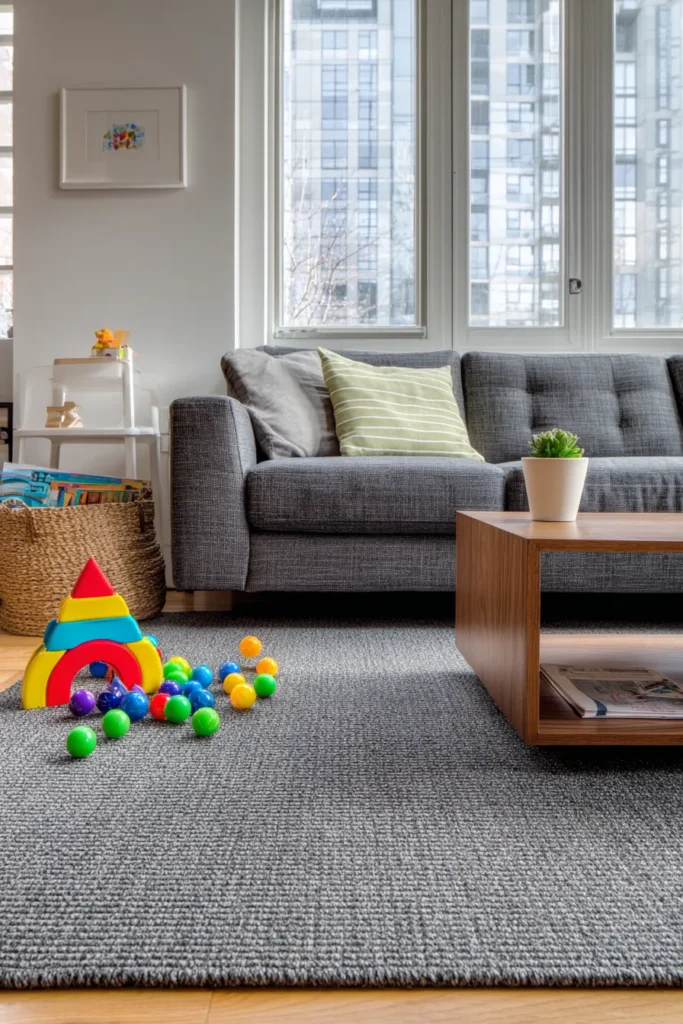
Prioritize stain-resistant rug materials like nylon or polypropylene. These synthetic fibers withstand the inevitable spills, muddy paws, and high-energy play that define family life. Look for low-pile constructions that won’t trap crumbs or pet hair.
Wool offers a natural alternative with impressive durability and soil-hiding properties. While more expensive upfront, quality wool rugs often outlast multiple synthetic replacements, making them economical over time.
Pro tip: Choose darker colors or patterned designs that camouflage stains between cleanings. Avoid silk, light-colored cotton, or high-pile constructions that trap debris.
For Allergy-Sensitive Homes
Natural fibers like wool and cotton naturally resist dust mites and mold, making them eco-friendly rug fibers that support healthier indoor air quality. Wool’s structure doesn’t harbor allergens the way synthetic fibers can, and cotton’s washability allows regular allergen removal.
Avoid shag or high-pile rugs regardless of material—they trap dust, pollen, and pet dander. Opt for flat-weaves or low-pile constructions that vacuum thoroughly and don’t create allergen reservoirs.
For Design-Forward Spaces
When style leads the conversation, consider material as part of your room’s sensory palette. Silk adds luminous depth to formal spaces. Jute or sisal introduces organic texture that complements modern rustic or coastal aesthetics. Wool in rich jewel tones anchors traditional or eclectic interiors with substantial presence.
Layering rugs of different materials creates visual interest while allowing you to place durable, practical fibers in high-traffic zones with decorative accents on top.
For Sustainable Living
Eco-friendly rug fibers increasingly include recycled materials that don’t sacrifice style or durability. Recycled PET (polyester made from plastic bottles) offers softness and stain resistance while diverting waste from landfills. Natural fibers like jute, sisal, wool, and cotton biodegrade at end-of-life and come from renewable resources.
Look for certifications like Global Organic Textile Standard (GOTS) for cotton, Responsible Wool Standard (RWS) for wool, or Cradle to Cradle certification for synthetic materials committed to circular economy principles.
Room-by-Room Material Recommendations
Living Room: Where Durability Meets Display
The living room demands balance between beauty and resilience. Durable rug materials for high-traffic areas like wool or nylon work best here, especially in family-centric homes. These materials withstand furniture weight, foot traffic, and the occasional wine spill while maintaining their appearance through years of daily use.
For formal living rooms with lighter traffic, wool-silk blends offer sophistication without silk’s extreme delicacy. Size matters too—ensure your rug anchors furniture properly, with at least front legs of sofas and chairs resting on the rug to create visual cohesion.
Bedroom: Prioritizing Comfort and Warmth
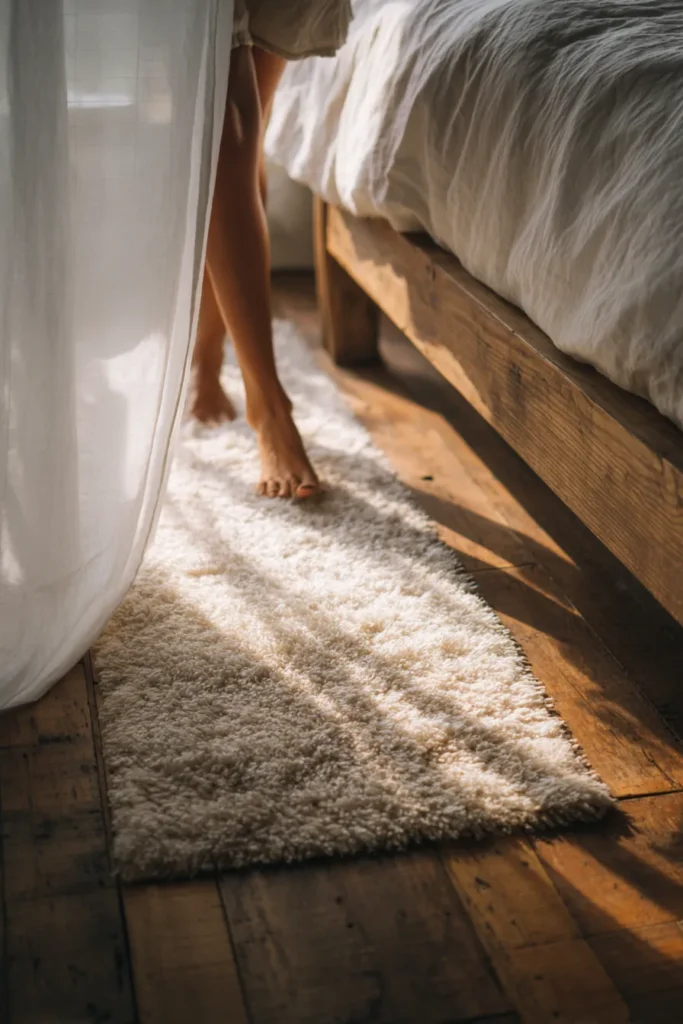
Softness matters most in bedrooms where bare feet meet floor first thing each morning. Cotton, polyester, and wool all offer comforting textures that make getting out of bed a little easier. Since bedrooms typically see light traffic, you can prioritize feel over extreme durability.
Layering a plush sheepskin or faux fur over a larger jute or wool base creates luxurious dimension while adding practical warmth during colder months.
Kitchen and Bathroom: Washability Above All
Cotton rug easy care makes it the clear winner for moisture-prone areas. Machine-washable cotton runners handle kitchen spills and bathroom humidity with minimal fuss. Polypropylene offers another practical option—its moisture resistance prevents mildew growth and allows for easy cleaning with household sprays.
Avoid wool in these spaces; while it resists staining, repeated moisture exposure can damage natural fibers over time.
Entryway and Hallway: Maximum Durability Required
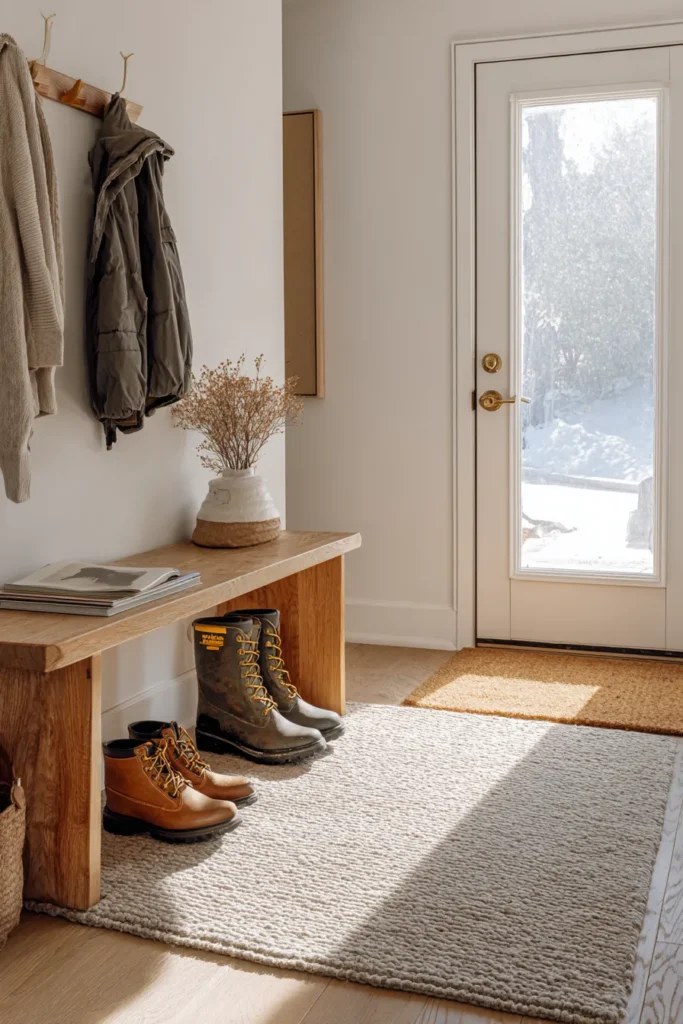
Entryways and hallways demand rug materials for high-traffic areas that withstand constant use without showing premature wear. Nylon’s resilience makes it ideal here, as does tightly woven wool. Look for low-pile constructions that don’t trap outdoor debris.
Consider rubber-backed or rug pad options to prevent slipping—safety matters in transitional spaces where people move quickly.
Innovative Rug Technologies: The Future of Fiber
The rug industry continues evolving with materials that push traditional boundaries. Stain-repellent coatings now enhance natural fibers, giving wool the easy-clean properties of synthetics without sacrificing organic appeal. These treatments use water-based technology that doesn’t alter fiber texture or compromise breathability.
Antimicrobial treatments built into synthetic fibers resist bacteria, mold, and mildew growth—particularly valuable for households with allergy concerns or moisture-prone environments. These innovations extend rug life while supporting healthier indoor environments.
Reversible rugs maximize value by offering two distinct looks in one piece. Many feature different patterns or colors on each side, allowing you to refresh your space without purchasing new rugs. This design innovation pairs well with durable materials like polypropylene that maintain appearance on both sides.
Anti-slip backing integrated during manufacturing eliminates the need for separate rug pads in many cases. This innovation improves safety while reducing environmental impact and ongoing costs.
The True Cost of Rug Materials: Investment vs. Replacement
Understanding rug material longevity helps evaluate true value beyond initial price tags. A $200 polyester rug lasting three years costs $67 annually, while a $800 wool rug lasting twenty years costs just $40 annually—not to mention the environmental cost of disposal and replacement.
Natural rug fibers generally command higher upfront costs but deliver superior longevity. Wool, when properly maintained, can last generations. Synthetics offer immediate affordability but typically require replacement every 3-10 years depending on quality and traffic levels.
Consider these factors when evaluating cost:
- Expected lifespan based on material and construction quality
- Maintenance requirements and professional cleaning costs
- Alignment with your lifestyle (do you prefer refreshing décor frequently or investing in timeless pieces?)
- Environmental impact of disposal and replacement cycles
Essential Rug Maintenance by Material Type
Wool maintenance schedule:
- Vacuum weekly without beater bar
- Rotate every 6 months
- Professional cleaning every 12-18 months
- Address spills immediately by blotting with cool water
- Use wool-safe cleaners only
Cotton care routine:
- Vacuum or shake out weekly
- Machine wash when possible (check manufacturer guidelines)
- Hang dry or use low heat to prevent shrinkage
- Iron if needed on cotton setting
Synthetic fiber upkeep:
- Vacuum regularly with beater bar for deep cleaning
- Spot clean with mild dish soap and water
- Professional cleaning every 18-24 months for nylon
- Rinse polypropylene with hose for outdoor rugs
- Avoid excessive heat which can damage synthetic fibers
Natural plant fiber care:
- Vacuum regularly to prevent dirt settling deep into weave
- Blot spills immediately—never saturate with water
- Rotate every 3-4 months
- Professional dry cleaning only
- Keep away from moisture-prone areas
Key Takeaways: Choosing Your Ideal Rug Material
- Wool offers unmatched durability, natural stain resistance, and timeless appeal—ideal for high-traffic living rooms and hallways
- Cotton provides softness and easy care at accessible prices—perfect for bedrooms and easily washable applications
- Silk delivers luxury and luminosity but demands careful placement in low-traffic, formal spaces
- Jute and sisal bring organic texture and earth-toned beauty—excellent as layering bases or in low-moisture areas
- Nylon champions synthetic durability with excellent bounce-back and stain resistance—top choice for family-friendly spaces
- Polyester and polypropylene offer budget-friendly softness and stain resistance—practical for moderate-traffic areas and indoor-outdoor use
- Rug construction (pile height, weave density) impacts durability as much as material choice
- Match material to room function, traffic level, and your lifestyle needs rather than aesthetics alone
- Consider long-term value over initial cost—quality materials save money through extended lifespan
- Eco-conscious options exist in both natural and recycled synthetic materials
Conclusion: Where Beauty Meets the Ground You Walk On
Choosing the right rug material is an act of care—for your home, your daily comfort, and the longevity of your investment. It’s about understanding that the fibers beneath your feet carry the weight of everyday life while contributing to the beauty that makes a house feel like home.
Whether you’re drawn to wool’s enduring resilience, cotton’s approachable softness, or modern synthetics’ practical innovation, there’s a material that honors both your aesthetic vision and real-world needs. The best choice isn’t about perfection—it’s about alignment between how you live and how you want your space to feel.
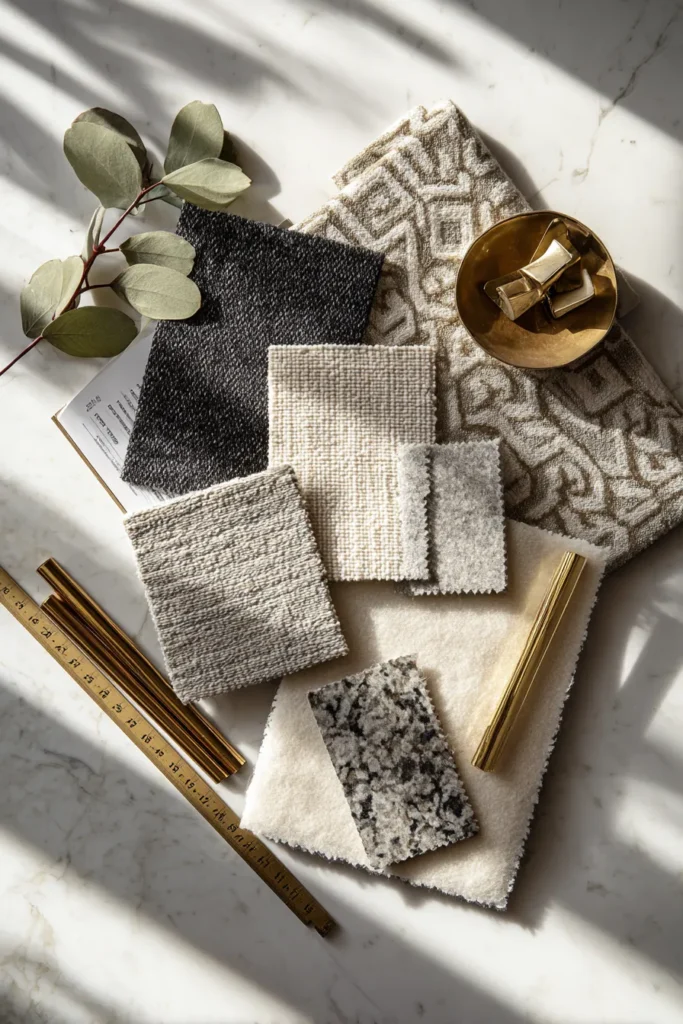
Take your time. Touch samples. Imagine the texture underfoot and how each material will age in your specific space. The right rug becomes part of your home’s story, grounding moments both ordinary and extraordinary with quiet, lasting beauty.
Frequently Asked Questions
What is the most durable rug material for high-traffic areas?
Wool and nylon tie for top durability in high-traffic spaces. Wool offers natural resilience with each fiber springing back after compression, plus inherent stain resistance and soil-hiding properties that keep it looking fresh for decades. Nylon provides superior bounce-back and modern stain-resistant treatments at a lower price point. For maximum longevity, choose tightly woven, low-pile constructions in either material with dense fiber counts.
Which rug material is easiest to clean and maintain?
Polypropylene (olefin) wins for easiest maintenance—it’s virtually stain-proof and can often be cleaned with just water and mild soap, or even a garden hose for outdoor rugs. Cotton comes in second for washable applications, especially in bathrooms and kitchens where you can machine-wash smaller pieces. For larger rugs requiring only spot cleaning, nylon’s stain-resistant treatments make maintenance straightforward with simple blotting of spills.
Are natural or synthetic rug materials better for allergies?
Natural materials, particularly wool, generally perform better for allergy concerns. Wool’s structure naturally resists dust mites, mold, and mildew without chemical treatments. It also doesn’t harbor static electricity that attracts airborne particles like some synthetics do. Cotton is also hypoallergenic and machine-washable for regular allergen removal. However, pile height matters more than material—choose flat-weave or low-pile constructions in any material to minimize allergen trapping.
How long do different rug materials typically last?
With proper care, wool rugs last 20-50 years or more, often becoming family heirlooms. Nylon rugs typically last 10-20 years in high-traffic areas. Cotton rugs last 3-10 years depending on use and washing frequency. Silk can last decades when properly protected from traffic and sunlight. Polyester and polypropylene generally last 5-10 years. Natural plant fibers like jute and sisal last 5-15 years in appropriate environments. Quality construction and maintenance dramatically impact these timelines.
Can I use the same rug material throughout my entire home?
While possible, it’s not ideal—different rooms have different requirements. High-traffic areas need durable materials like wool or nylon, while bedrooms benefit from softer cotton or plush polyester. Moisture-prone spaces like kitchens and bathrooms require washable or moisture-resistant materials. Entryways need stain-resistant, easy-to-clean options while formal dining rooms can accommodate more delicate choices. Varying materials by room function ensures each space has appropriate durability while allowing you to prioritize comfort, easy maintenance, or visual impact where it matters most.