
Table of Contents
There’s something quietly transformative about the right rug. It doesn’t shout for attention, yet it grounds every corner of your home in warmth and intention. Whether you’re drawn to the timeworn beauty of a vintage Persian or the clean geometry of a contemporary piece, your choice speaks to more than aesthetics—it reveals how you live, what you value, and the story you want your space to tell.
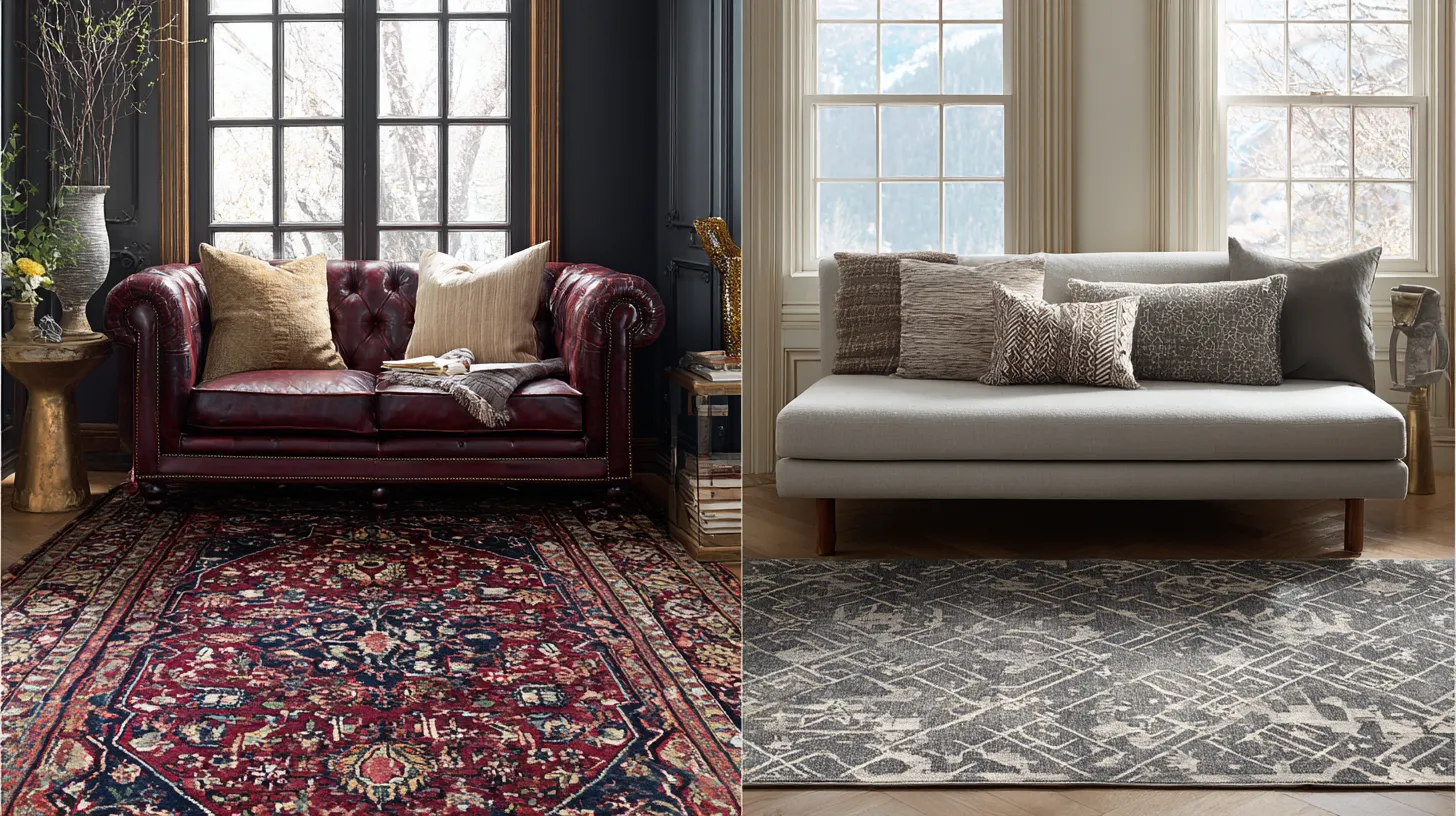
The debate between vintage and modern rugs isn’t simply about old versus new. It’s about texture meeting function, heritage embracing innovation, and your lifestyle finding its visual voice. Both styles carry distinct personalities, care requirements, and long-term value propositions that deserve thoughtful consideration.
In this guide, we’ll walk through the sensory details, practical realities, and emotional resonance of both vintage and modern rugs. You’ll discover which aligns with your daily rhythms, your environmental values, and the atmosphere you’re cultivating at home. Let’s find the foundation that feels like you.
Understanding the Soul of Vintage Rugs
What Makes a Rug Truly Vintage
Vintage rugs are typically 20 to 100 years old, bearing the marks of hand-knotted craftsmanship and natural dyes that have softened with time. These pieces—often Persian rugs, Turkish kilims, or tribal patterns—carry stories woven into every thread. The slight irregularities, the abrash (natural color variation), and the gentle wear aren’t flaws but signatures of authentic age.
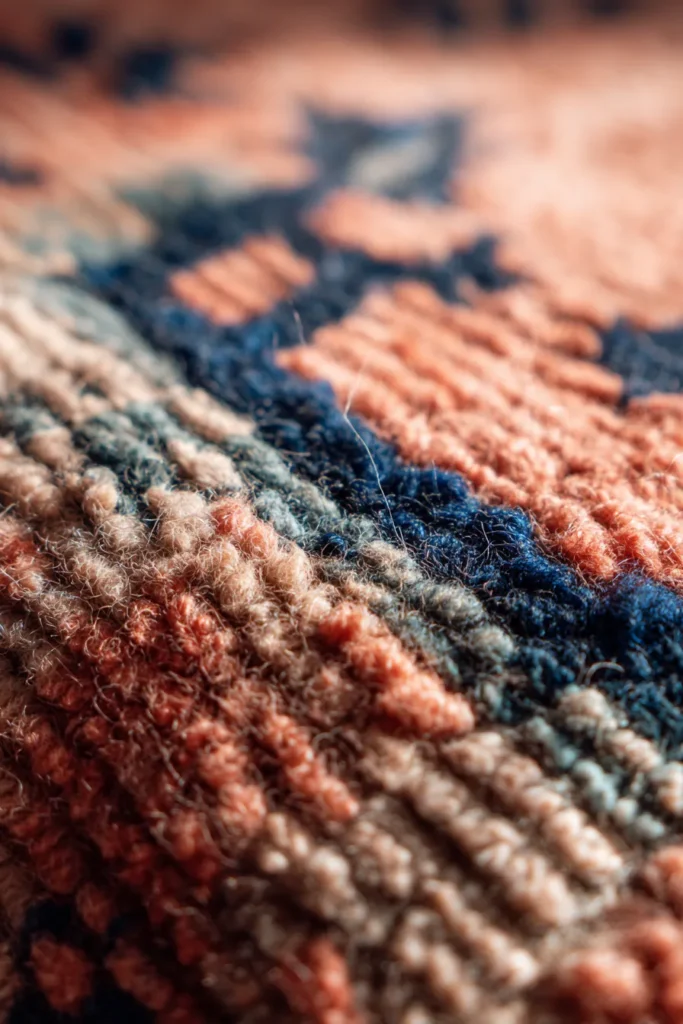
When you run your fingers across a vintage rug, you feel the density of hand-tied knots, sometimes 100 or more per square inch. The wool has a lived-in suppleness, often blending lustrous silk highlights with earthy vegetable dyes. These aren’t mass-produced; they’re heirlooms that have graced other homes, absorbed other footsteps, and now offer you their next chapter.
The Emotional and Cultural Richness
There’s an undeniable romance to owning a piece with provenance. A mid-century Moroccan boucherouite tells the story of resourceful artisans repurposing textiles into vibrant tapestries. An antique Oushak whispers of Ottoman elegance, its faded rose and soft blue hues weathered to perfection by decades of gentle use.
This cultural storytelling adds layers of meaning to your space. You’re not just decorating—you’re curating. These rugs connect your modern life to traditional woven techniques that have existed for centuries, bridging generations through shared appreciation for slow craft and intentional beauty.
Sustainability and Ethical Considerations
Choosing vintage is inherently an act of upcycling. You’re giving new life to existing materials rather than demanding fresh resources. No new water consumption, no chemical dye production, no factory emissions—just restoration and care extending a rug’s already long lifespan.
Many vintage pieces used low-impact vegetable dyes and sustainable materials like hand-spun wool or naturally sourced silk. When you purchase vintage, you’re voting for a circular economy. However, it’s worth researching ethical sourcing to ensure your vintage find was acquired responsibly, not stripped from culturally significant contexts.
Exploring the Appeal of Modern Rugs
Contemporary Design and Clean Lines
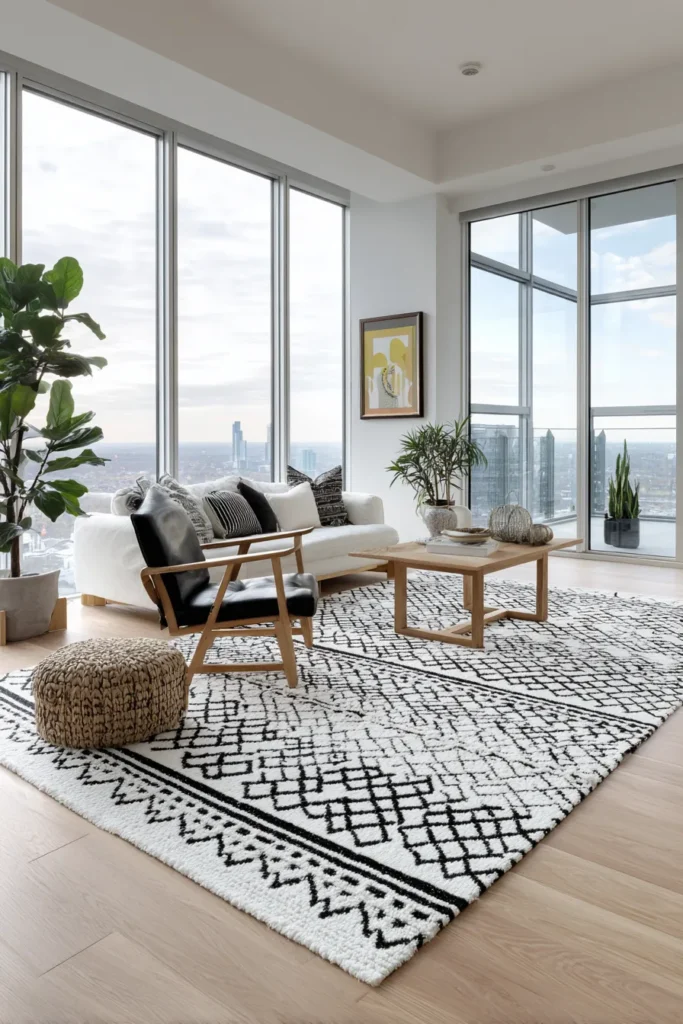
Modern rugs speak in a different language—one of minimalism, bold abstraction, and often, clever innovation. Think graphic black-and-white patterns, watercolor-inspired gradients, or sculptural textures in neutral palettes. These pieces are designed for today’s interiors: open-plan living, Scandinavian simplicity, industrial lofts with exposed brick.
The aesthetic is intentionally fresh and uncluttered. Modern rugs tend to feature geometric precision, solid color blocking, or subtle tonal shifts that allow furniture and architecture to take center stage. They’re less about heritage and more about now—reflecting current trends, lifestyle needs, and design innovation.
Material Innovation and Performance
This is where modern rugs shine in unexpected ways. Contemporary manufacturers are developing pet-friendly rugs with stain-resistant treatments, allergy-sensitive materials that don’t trap dust mites, and even modular designs you can reconfigure as your space evolves. Some modern pieces are made from recycled plastic bottles, bamboo silk, or sustainable viscose.
For high-traffic households with children, pets, or frequent entertaining, modern rugs often offer superior practicality. Machine-washable options, flat-weave durability, and custom sizes accommodate real-life mess and movement. Technology has enabled rugs that work with underfloor heating systems and provide acoustic dampening in hard-surfaced rooms.
The Environmental Complexity
Not all modern rugs are created equal when it comes to sustainability. Mass-produced synthetic rugs contribute to microplastic pollution and often rely on petroleum-based materials. Their production can involve significant water use and chemical treatments that aren’t eco-friendly.
However, conscientious modern brands are changing this narrative. Eco-friendly modern rugs made from natural, renewable fibers and low-VOC dyes are increasingly available. Some companies even offer transparency about their supply chains, fair labor practices, and carbon-neutral shipping. The key is asking questions and prioritizing ethical manufacturers over fast-fashion floor décor.
Comparing Vintage and Modern: A Practical Table
| Aspect | Vintage Rugs | Modern Rugs |
|---|---|---|
| Sustainability | Upcycled, low environmental impact, natural dyes | Variable; synthetics harmful, but eco-conscious options exist |
| Durability | Extremely durable if well-maintained; quality improves with age | Depends on materials; synthetic may pill, natural fibers wear gracefully |
| Care & Maintenance | Requires gentle cleaning, professional restoration for damage | Often machine-washable or easy-clean; some stain-resistant |
| Cost | Wide range; investment pieces may appreciate, rare finds expensive | Generally affordable; designer modern pieces costly but depreciate |
| Style Flexibility | Rich, layered aesthetic; works in eclectic, traditional, or boho spaces | Clean, adaptable; suits minimalist, contemporary, and transitional homes |
| Allergy Concerns | May harbor dust if not cleaned regularly; natural fibers breathe well | Synthetic options trap allergens; natural modern rugs healthier |
| Resale Value | Can increase over time, especially rare or antique pieces | Typically depreciates; fast trends reduce long-term value |
Lifestyle Compatibility: Which Rug Fits Your Daily Rhythms?
For Families with Children and Pets
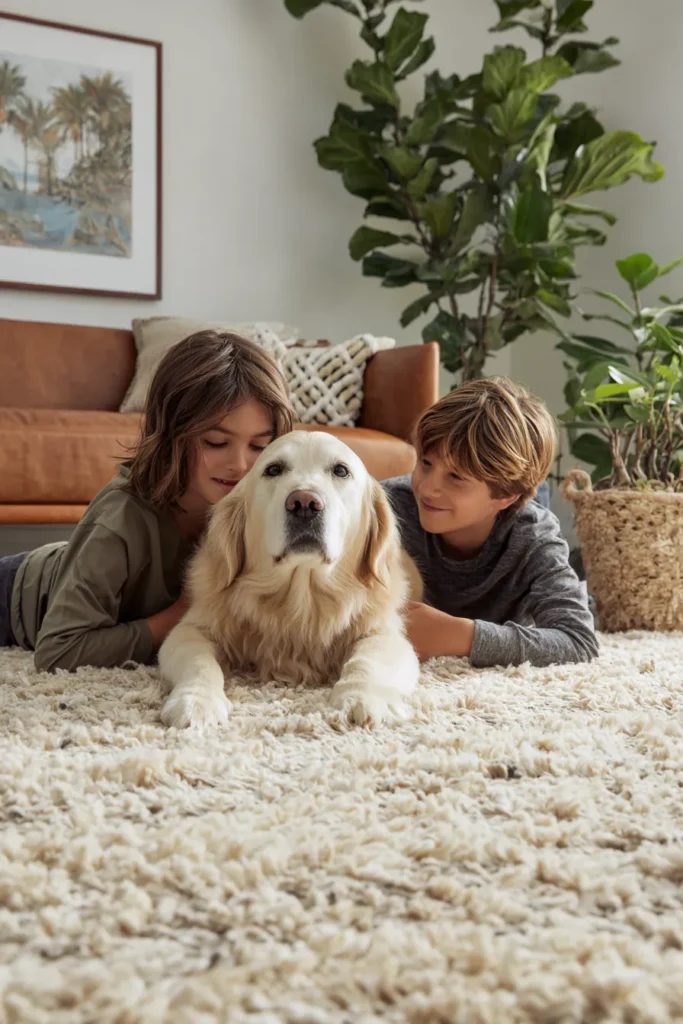
Modern rugs often win here for sheer practicality. Spills, muddy paws, and crayon incidents are part of life. Stain-resistant treatments and machine-washable construction mean less stress and more living. Look for durable materials like polypropylene or tightly woven natural fibers.
That said, certain vintage rugs—particularly tribal kilims or Turkish flatweaves—handle wear beautifully. Their busy patterns camouflage stains, and their sturdy construction withstands foot traffic. If you choose vintage with young kids, opt for darker, multi-colored patterns and commit to regular professional cleaning.
For Allergy-Sensitive Households
Natural fiber rugs, whether vintage or modern, breathe better and don’t trap allergens like synthetic materials do. Vintage wool rugs can be healthy choices if maintained with regular vacuuming and periodic deep cleaning. Avoid shag or high-pile vintage pieces that collect dust mites.
Modern rugs made from bamboo silk, jute, or certified organic cotton offer hypoallergenic benefits with easier maintenance. Flat-weave modern styles are particularly allergy-friendly since they don’t harbor particles in deep pile fibers.
For Minimalists and Trend-Conscious Decorators
If you refresh your style every few years, modern rugs provide flexibility without guilt. They’re typically more affordable, allowing you to experiment with color, scale, and pattern as your taste evolves. You’re not making a generational investment—you’re making a right now choice.
Vintage rugs suit those who commit to a layered, collected aesthetic. These pieces don’t follow trends—they transcend them. A beautiful vintage Oushak looks as relevant today as it did in 1920, offering timeless elegance that anchors your décor through various style phases.
The Investment Question: Value Over Time
When Vintage Becomes an Asset
Authentic antique rugs (100+ years old) and rare vintage pieces often appreciate in value. A well-preserved Persian rug from the mid-20th century might sell for more today than its original price, especially if it’s a sought-after weave or regional style. Collectors value provenance, condition, and rarity.
However, restoration costs can be significant. Professional cleaning, repair of fraying edges, or re-weaving damaged sections may run hundreds to thousands of dollars depending on the rug’s size and complexity. Factor these expenses into your investment equation.
Modern Rugs and Depreciation
Most modern rugs depreciate immediately, much like new cars. A trendy geometric rug purchased today will likely have minimal resale value in five years. Fast fashion applies to floor décor too—what’s stylish now may feel dated quickly.
The exception? Designer modern rugs from established names or limited-edition pieces from artisan makers. These can hold value better, though they rarely appreciate. View modern rugs as functional purchases rather than financial investments.
Navigating the Online Shopping Experience
The Challenge of Texture and Color Accuracy
Buying rugs online is convenient but tricky. Screens distort colors, and you can’t physically touch the pile or gauge the true thickness. This affects both vintage and modern purchases, though each presents unique challenges.
For vintage rugs, color accuracy is crucial since natural dyes photograph differently under various lighting. Request multiple photos in natural daylight and with a color card for reference. Ask sellers about any repairs, odors, or structural issues not visible in images.
Modern rugs sold online often come with generous return policies, which helps. Order samples when possible, and read reviews mentioning color accuracy and texture surprises. Beware of heavily filtered product photos that oversaturate or lighten rugs artificially.
Questions to Ask Before Clicking “Buy”
For vintage rugs:
- What is the exact age and origin?
- Has it been professionally cleaned or restored?
- Are there any repairs, stains, or odors?
- What are the exact dimensions and pile height?
For modern rugs:
- What is the fiber content and pile construction?
- Is it compatible with underfloor heating or rug pads?
- What is the return policy, and who covers return shipping?
- Are colors accurately represented, or should I order samples?
Maintenance Realities: Care Over Time
Vintage Rug Care
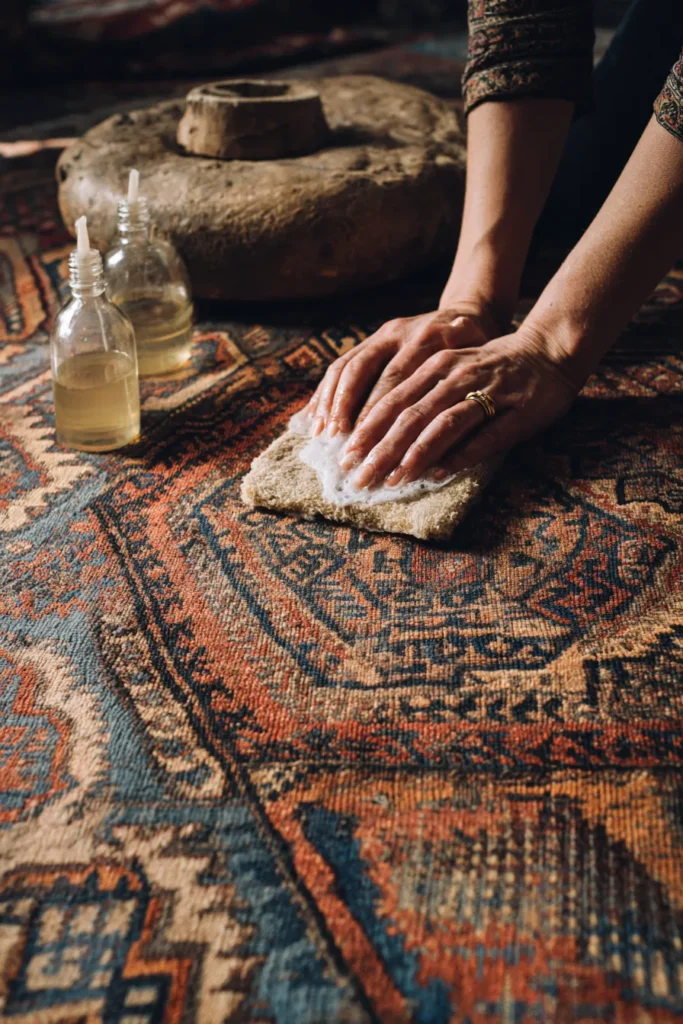
Vintage pieces demand respect and gentle handling. Vacuum without the beater bar to prevent pulling loose fibers. Rotate every six months to ensure even wear, especially in sun-exposed areas where natural dyes may fade.
Professional cleaning every 12-18 months keeps vintage rugs healthy. Avoid DIY steam cleaners or harsh chemicals, which can damage delicate fibers or fade vegetable dyes. Address spills immediately with blotting—never rubbing—and consult specialists for pet accidents or wine stains.
Moth protection is essential for wool vintage rugs. Store with cedar or lavender sachets, and inspect regularly for signs of insect damage. Proper underlay prevents slipping and reduces wear from friction against hard floors.
Modern Rug Maintenance
Many modern rugs promise easy care, and they often deliver. Machine-washable options simplify life dramatically, though always follow manufacturer guidelines on water temperature and detergent type. Some materials shrink or pill with improper washing.
Synthetic modern rugs resist stains naturally but can flatten with heavy use. Vacuuming regularly maintains appearance, and spot-cleaning works well for most spills. High-quality natural fiber modern rugs (like wool or jute) require care similar to vintage pieces—gentle cleaning and professional attention when needed.
Acoustic and Comfort Considerations Often Overlooked
How Rugs Shape Sound
Thick, hand-knotted vintage rugs excel at sound absorption. In open-plan homes, apartments with downstairs neighbors, or rooms with hard surfaces, a substantial vintage piece dramatically reduces echo and footfall noise. The dense pile and wool’s natural properties create acoustic warmth.
Modern rugs vary widely here. Thin flatweaves offer minimal sound dampening, while plush modern shag or high-pile designs rival vintage in acoustic performance. If noise control matters—think home offices, music rooms, or playrooms—prioritize pile density and material thickness over style alone.
Underfoot Comfort and Underlay Choices
Vintage rugs often feel more luxurious underfoot due to hand-spun wool’s natural loft and the cushioning effect of dense knotting. Paired with a quality underlay, they create a cloud-like softness that synthetic modern rugs struggle to match.
Modern rugs benefit significantly from thoughtful underlay selection. Memory foam or felt padding adds comfort and prolongs rug life by reducing friction. Ensure underlays are breathable if you have underfloor heating, and choose non-slip options for safety, especially with smooth modern materials.
Making the Choice: Your Rug, Your Story
Blending Both Worlds Through Layering
You don’t have to choose just one. Layering rugs—placing a smaller vintage piece over a larger modern neutral base—creates depth and visual interest. This approach offers the best of both: the character of vintage with the practicality and extended coverage of modern.
Try a faded Persian runner over a natural jute modern rug in an entryway, or layer a vibrant vintage kilim over a soft grey modern shag in a living room. Layering also lets you introduce vintage affordably, since smaller pieces cost less and carry lighter maintenance demands.
When Your Heart Knows
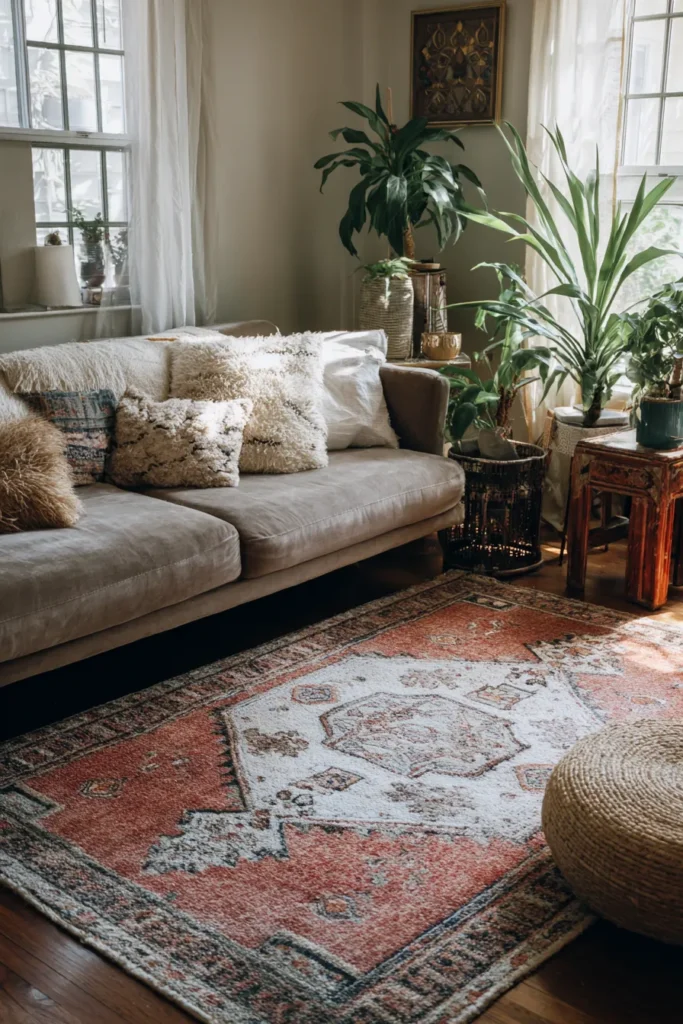
Ultimately, the right rug is the one that makes you pause when you walk into a room. It’s the texture you want to sink your toes into after a long day, the pattern that grounds your furniture just so, the color that reflects morning light in a way that feels like home.
Trust your intuition alongside practical considerations. If a vintage Moroccan rug makes your heart skip despite having three dogs and two toddlers, find ways to make it work—strategic placement, regular professional cleaning, clear house rules. If a sleek modern geometric piece thrills you even though you love antiques, embrace the contrast.
Key Takeaways: Choosing Between Vintage and Modern
- Vintage rugs offer: upcycled sustainability, potential investment value, rich cultural stories, and timeless aesthetic appeal
- Modern rugs provide: innovation, easy care options, budget flexibility, and contemporary design clarity
- For eco-conscious buyers: vintage is inherently sustainable; modern requires careful brand research for ethical options
- For high-traffic homes: modern stain-resistant and washable rugs offer practical advantages
- For collectors and investors: rare vintage pieces may appreciate; most modern rugs depreciate
- Online shopping tips: request multiple photos, ask detailed questions, check return policies, order samples when possible
- Maintenance matters: vintage requires gentle, professional care; modern varies widely by material
- Acoustic benefits: thick vintage and high-pile modern rugs both excel at sound absorption
- Layering strategy: combine vintage character with modern practicality for flexible, personal style
A Soft Landing
Your home deserves a foundation as thoughtful as the life unfolding within it. Whether you’re drawn to the patina of a vintage treasure or the crisp innovation of a modern design, know that there’s no wrong choice—only the choice that aligns with how you live, what you cherish, and the comfort you’re cultivating.
Walk slowly through your decision. Touch samples if you can. Imagine the rug after five years, ten years, as your life shifts and grows around it. The perfect rug isn’t about perfection—it’s about presence, about beauty that serves your everyday moments with quiet grace.
Welcome home.
Frequently Asked Questions
When should I buy a vintage rug versus a vintage replica?
Authentic vintage rugs offer superior craftsmanship, natural materials, and potential investment value but require specialized care and higher upfront costs. Vintage replicas (vintage-style modern rugs) provide the aesthetic at lower prices with easier maintenance, ideal if you love the look but need practicality. Choose authentic if you value heritage and sustainability; choose replicas if budget and lifestyle demand it.
Are vintage rugs actually better than modern rugs in terms of durability?
Well-maintained vintage rugs often outlast modern pieces because they were hand-knotted with dense, natural fibers designed for longevity. However, quality varies widely in both categories. A cheap vintage rug may be more fragile than a high-quality modern wool rug. Durability depends more on materials, construction method, and care than simply age.
How do I decide between vintage and modern rugs for a pet-friendly home?
Modern rugs with stain-resistant treatments and machine-washable construction typically handle pet accidents better. However, busy-patterned vintage kilims and flatweaves camouflage stains well and withstand wear. Avoid light-colored vintage pieces and delicate pile rugs if pets are part of daily life. Prioritize darker, tightly woven options in either category.
Do vintage rugs hold their value, or is that a myth?
Authentic antique and rare vintage rugs can appreciate over time, especially sought-after regional styles in excellent condition. However, most vintage rugs maintain rather than increase value, and restoration costs can be substantial. Modern rugs almost always depreciate. View vintage as a potential investment only if you’re purchasing exceptional pieces with documented provenance.
What’s the real difference in maintenance between vintage and modern rugs?
Vintage rugs generally require professional cleaning, careful handling, and regular inspections for moth damage or fiber deterioration. Modern rugs range from machine-washable convenience to care requirements similar to vintage depending on materials. Synthetic modern rugs need less specialized attention, while natural-fiber modern pieces demand similar respect to vintage. Always follow manufacturer or specialist guidance for both.