
Table of Contents
There’s a quiet magic in the way a rug transforms a room. Not just in its color or pattern, but in where it rests—how it grounds your furniture, guides your footsteps, and defines the invisible boundaries of comfort. A well-placed rug whispers rather than shouts, anchoring your space with intention.
Yet rug placement is more than instinct. It’s a dance between measurement and feeling, between practical rules and the unique rhythm of your home. Too small, and your furniture floats awkwardly. Too far from the sofa, and the room feels fragmented, unfinished.
At ERYLIN, we believe every rug deserves its perfect position—a spot where it can breathe, support your daily rituals, and enhance the architecture of your space. Whether you’re layering textures in a living room or adding warmth beside your bed, these placement principles will guide you toward rooms that feel intentionally composed and effortlessly beautiful.
Let’s walk through the essential rules, room by room, with the kind of clarity that turns guesswork into confidence.
Understanding the Foundation: Why Rug Placement Matters
Before we measure and arrange, let’s acknowledge what rug placement actually accomplishes. A rug defines zones in open-concept layouts, creating visual “rooms” within larger spaces. It anchors furniture groupings, preventing that floating-island effect where sofas and chairs feel disconnected from one another.
Proper placement also affects how you experience a room physically. When your feet land on soft fibers as you rise from bed, or when a rug extends far enough to accommodate your desk chair’s full range of motion, comfort becomes functional design. Traffic flow improves when rugs guide pathways without creating tripping hazards or awkward navigation.
The right rug size and position can even alter your perception of room dimensions. A well-proportioned rug makes small rooms feel more spacious and brings cohesion to expansive areas that might otherwise feel cavernous and cold.
Living Room Rug Placement: Creating Conversation Zones
The All-Legs-On Approach
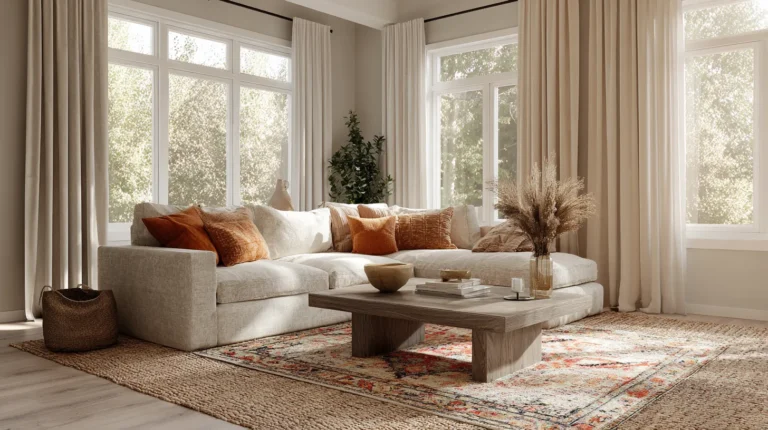
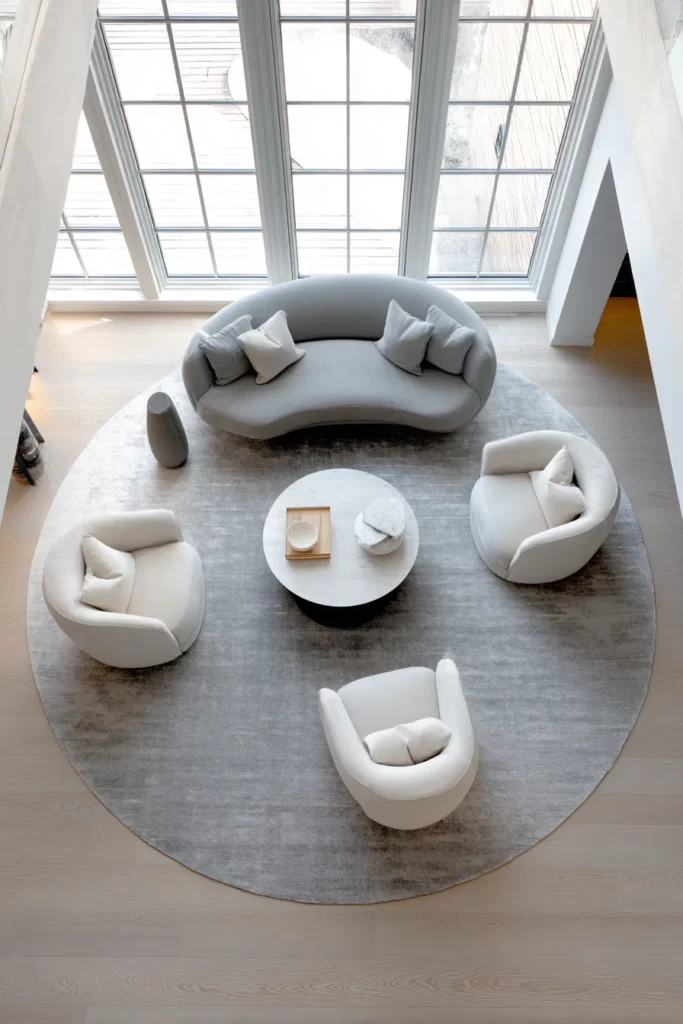
In spacious living rooms, choose a rug large enough to accommodate all furniture legs—sofa, chairs, coffee table, side tables. This creates a unified seating area that feels intentional and complete. Leave 15 to 45 centimeters of exposed flooring around the rug’s perimeter to frame the space and prevent a wall-to-wall carpet effect.
This approach works beautifully in formal living rooms or when you want to emphasize the rug as a design centerpiece. The cohesive look draws the eye inward, making the seating arrangement feel like a destination within your home.
The Front-Legs-Only Method
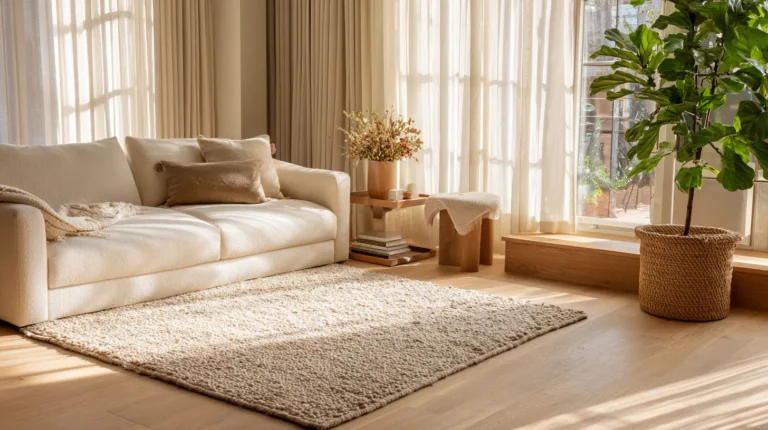
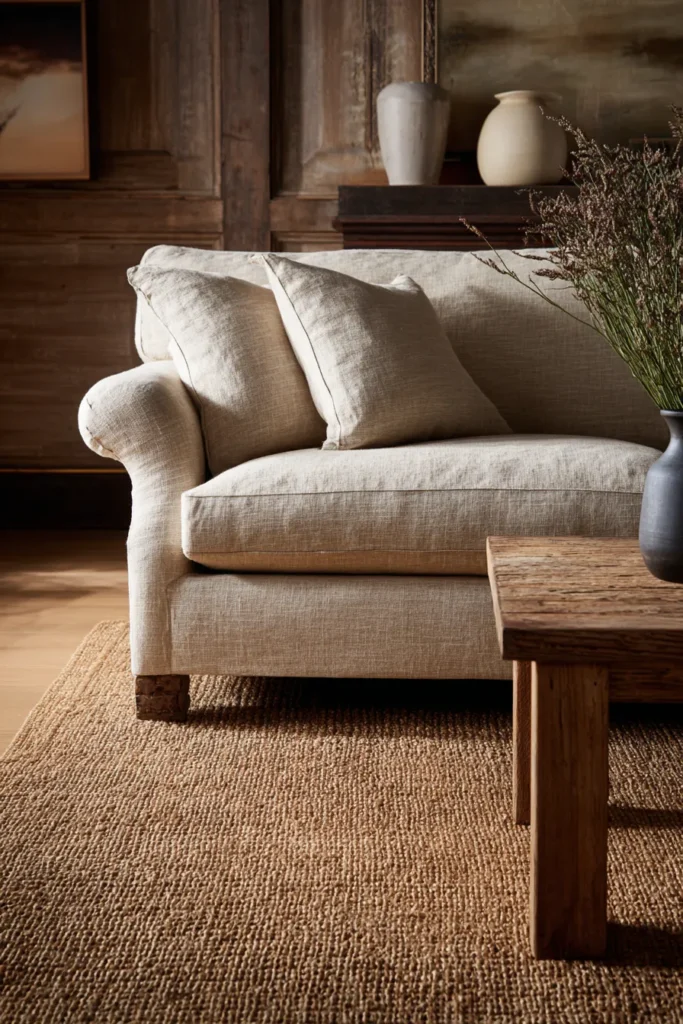
For smaller living rooms or when working with budget constraints, position your rug so that only the front legs of your seating furniture rest on it. Your sofa’s front legs should sit firmly on the rug, with back legs on bare floor. The same applies to armchairs and accent chairs flanking your arrangement.
Ensure your coffee table sits entirely on the rug, acting as the anchor point. This placement style still creates visual connection between furniture pieces while requiring a smaller rug size—typically a 200 x 300 cm rug works well for standard seating groups.
Alignment and Traffic Considerations
Center your rug under your primary seating arrangement rather than in the geometric center of the room. If your sofa faces a fireplace or entertainment center, align the rug with this focal point. Leave adequate walking space—at least 60 centimeters—around the rug’s edges for comfortable traffic flow.
In high-traffic living rooms, choose durable rug materials like wool, jute, or flatweave cotton that withstand frequent footsteps without showing wear. Avoid delicate silk or high-pile shag rugs in these active zones, saving them for lower-traffic bedrooms or studies.
Bedroom Rug Placement: Morning Comfort Underfoot
The Classic Bed-Centered Approach
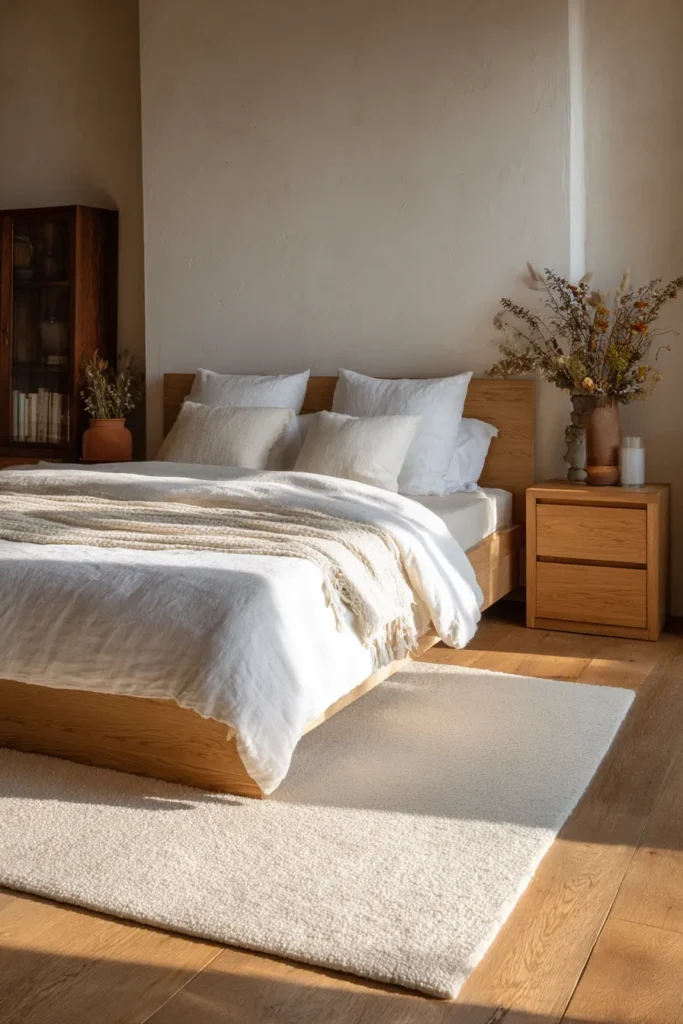
For a symmetrical, hotel-inspired look, choose a rug large enough to extend 45 to 60 centimeters beyond both sides of your bed and at least 60 centimeters beyond the foot. This ensures your feet land on soft fibers when you rise, creating that luxurious first-step-of-the-day sensation.
Position the rug so it begins beneath the lower third of your bed—approximately where your nightstands start. The headboard and upper portion of the bed rest on bare floor, while the rug extends generously past the bed’s foot and sides.
Runners and Side Rugs
If a large rug feels overwhelming or if your bedroom includes other furniture arrangements, consider placing matching runners on either side of the bed. Each runner should extend from nightstand to the foot of the bed, creating defined landing zones without covering the entire floor.
Alternatively, position a single accent rug at the foot of your bed, perpendicular to the bed’s length. This works especially well with benches or storage ottomans at the foot, adding a layered textile moment that feels considered and cozy.
Rug Under Furniture Considerations
Keep nightstands and other bedroom furniture off the rug for visual breathing room. The contrast between rug and floor helps define different functional zones—sleeping area versus dressing area versus seating nook—within the same room.
Choose bedroom rugs in natural fibers like wool or cotton for temperature regulation and tactile comfort. Soft, plush textures work beautifully here since bedroom traffic is typically lighter than in living spaces.
Dining Room Rug Placement: Accommodating Movement
The Essential Size Formula
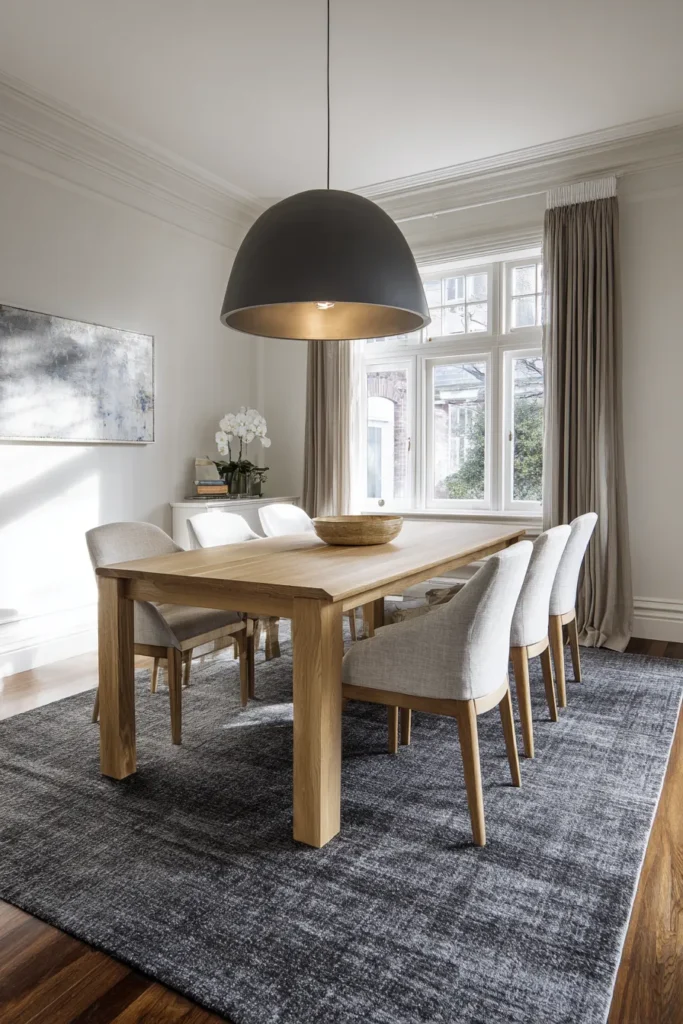
Your dining rug must extend at least 60 to 90 centimeters beyond all sides of your dining table when chairs are pulled out. This prevents chair legs from catching on the rug’s edge during meals—a common frustration that disrupts the dining experience and damages both rug and chairs over time.
Measure your table dimensions, then add 120 to 180 centimeters to both length and width to determine your ideal rug size. For a standard 150 x 240 cm table, you’ll need approximately a 270 x 360 cm rug to accommodate six to eight chairs comfortably.
Shape Harmony
Match your rug shape to your table shape when possible. Rectangular tables pair beautifully with rectangular rugs, while round tables look most balanced on round or square rugs. This creates visual harmony and ensures equal clearance on all sides.
In open-concept spaces, use your dining rug to define the eating zone distinctly from adjacent living areas. The rug becomes an invisible room divider, signaling a shift in function without requiring walls or partitions.
Material Selection for Dining Areas
Opt for low-pile, stain-resistant materials in dining rooms. Flatweave wool, indoor-outdoor rugs, or treated natural fibers handle spills and crumbs more gracefully than high-pile or delicate options. Consider darker colors or patterns that camouflage minor stains between professional cleanings.
Home Office Rug Placement: Supporting Productivity
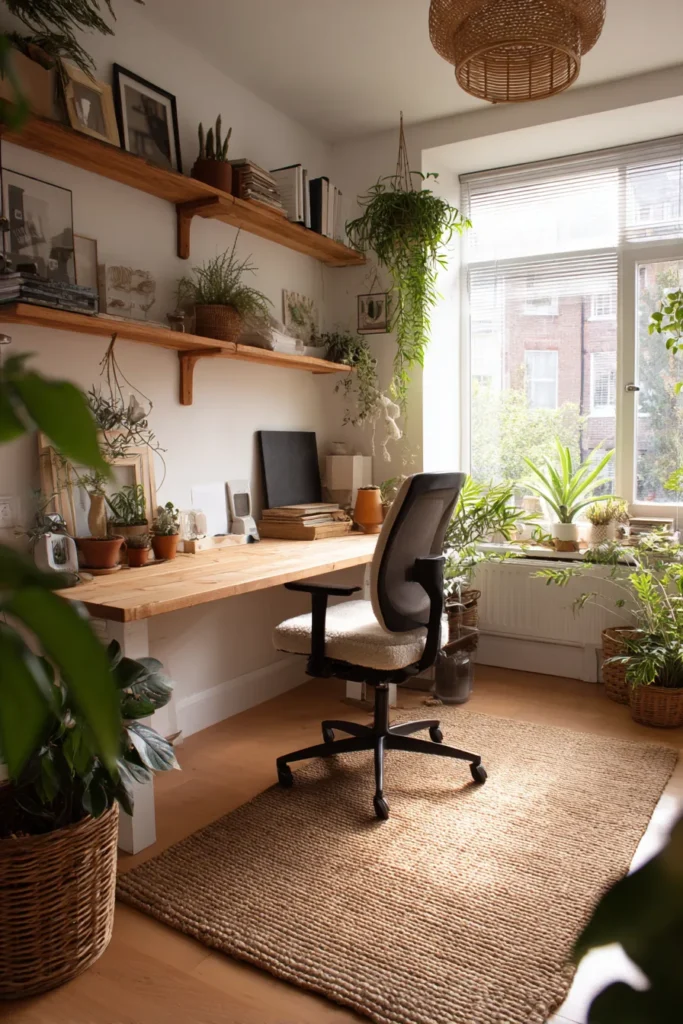
Position your desk rug to extend 60 to 90 centimeters beyond your desk’s edges on all sides, allowing your office chair to roll smoothly without transitioning between rug and hard floor. This prevents the jarring sensation of wheels catching on rug edges mid-task and protects your flooring from chair caster damage.
For L-shaped or corner desks, choose a rug large enough to accommodate the entire desk footprint plus chair movement zone. A 240 x 300 cm rug typically works well for standard home office configurations.
Layer a chair mat over low-pile rugs if you use a wheeled office chair frequently. This protects the rug fibers while maintaining smooth mobility—a practical compromise between comfort and function.
Entryway and Hallway Strategies
Use runners in narrow hallways to define pathways while leaving 10 to 15 centimeters of exposed floor on either side. This creates visual guides that draw the eye forward and make tight spaces feel more intentional rather than cramped.
In entryways, position rugs perpendicular to the door, extending into the space rather than parallel to the threshold. This welcomes guests inward and provides a designated spot for removing shoes or setting down bags.
Choose durable, easy-to-clean materials for high-traffic entryways—jute, sisal, or low-pile synthetic fibers withstand mud, moisture, and frequent footsteps while maintaining their appearance.
Unconventional Spaces: Layering and Zoning
Rug Layering for Depth
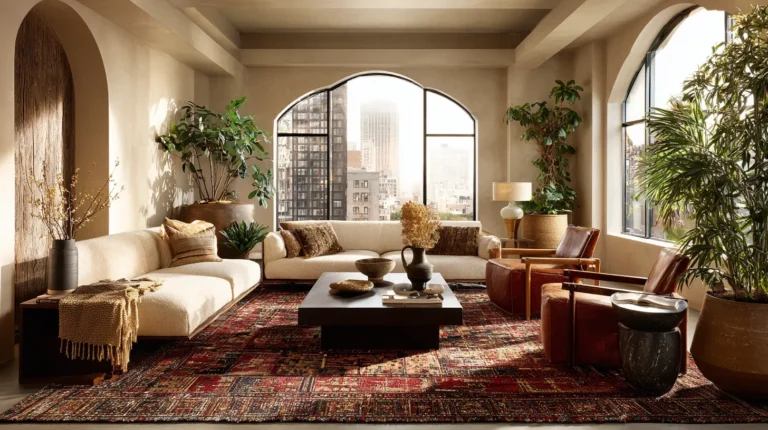
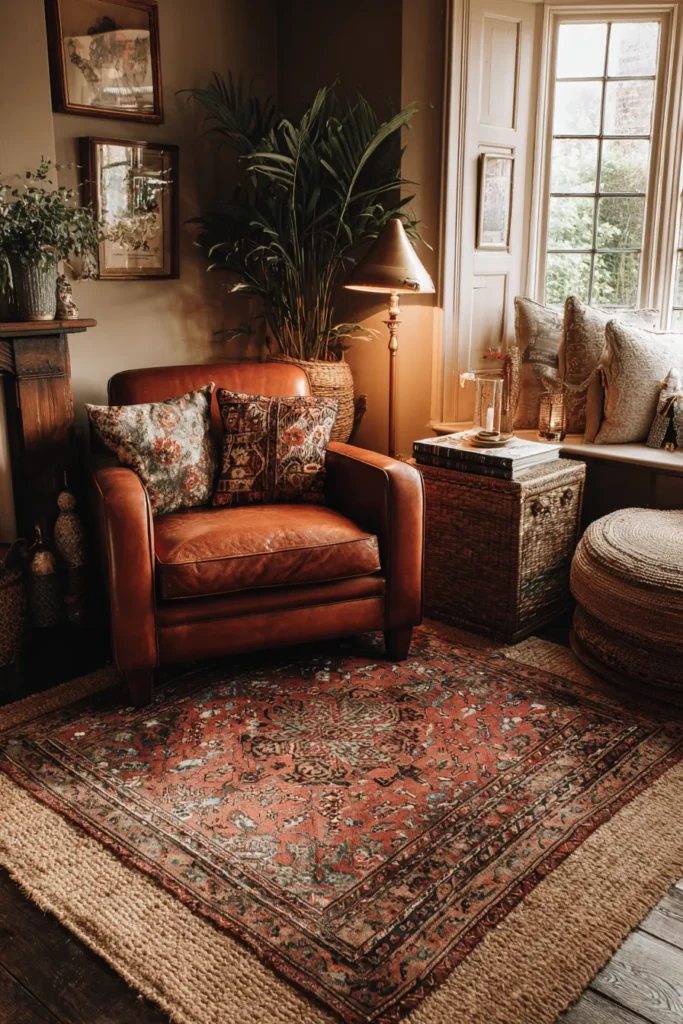
Layer smaller accent rugs over larger natural fiber rugs to add texture, color, and visual interest. Place a vintage Persian rug over a neutral jute foundation in your living room, or layer a cowhide over sisal in a reading nook. Ensure the bottom rug extends at least 30 centimeters beyond the top rug on all sides for balanced proportions.
This technique works especially well in eclectic or bohemian interiors, adding collected, traveled-the-world character. It also allows you to incorporate trend-driven accent rugs without committing to large, expensive statement pieces.
Open-Concept Zoning
In open floor plans, use multiple rugs to define distinct functional areas—living, dining, workspace—without visual clutter. Maintain consistent style elements across rugs (similar color palettes, complementary patterns, or matching materials) to ensure cohesion rather than fragmentation.
Leave at least 90 to 120 centimeters of bare floor between adjacent rugs to clearly delineate zones. This negative space acts as a visual pause, helping the eye understand where one area ends and another begins.
The Essential Measurement Checklist
Before purchasing any rug, measure carefully and consider these critical factors:
- Distance from walls: Maintain 15 to 45 centimeters of exposed flooring around rug perimeters for balanced framing
- Furniture leg placement: Decide whether all legs, front legs only, or no furniture legs will rest on the rug
- Traffic flow: Ensure adequate walking space (minimum 60 centimeters) around rug edges in high-traffic areas
- Chair clearance: Add 60 to 90 centimeters beyond dining tables for pulled-out chair accommodation
- Bed extension: Allow 45 to 60 centimeters beyond bed sides and foot for morning comfort
- Door clearance: Verify rugs don’t interfere with door swings, maintaining at least 2 to 3 centimeters clearance
- Rug pad sizing: Choose pads 2 to 3 centimeters smaller than your rug on all sides to remain invisible
Choosing Materials for Function and Beauty
Natural Fiber Considerations
Wool rugs offer durability, natural stain resistance, and temperature regulation—ideal for living rooms and bedrooms. Jute and sisal bring organic texture to casual spaces but require more maintenance in high-spill areas.
Cotton rugs are washable and budget-friendly, perfect for children’s rooms, kitchens, or rental properties where flexibility matters. However, they show wear more quickly than wool in high-traffic zones.
Sustainable and Eco-Friendly Options
Seek rugs made from recycled materials, organic fibers, or sustainably harvested natural materials. Brands offering GoodWeave certification ensure ethical production without child labor. Vintage and antique rugs provide both sustainability and character—each piece carries history while reducing demand for new production.
Hemp and bamboo silk alternatives offer eco-conscious luxury without animal fibers. These plant-based materials provide similar softness and sheen to traditional silk while supporting more regenerative agricultural practices.
Pile Height and Traffic Durability
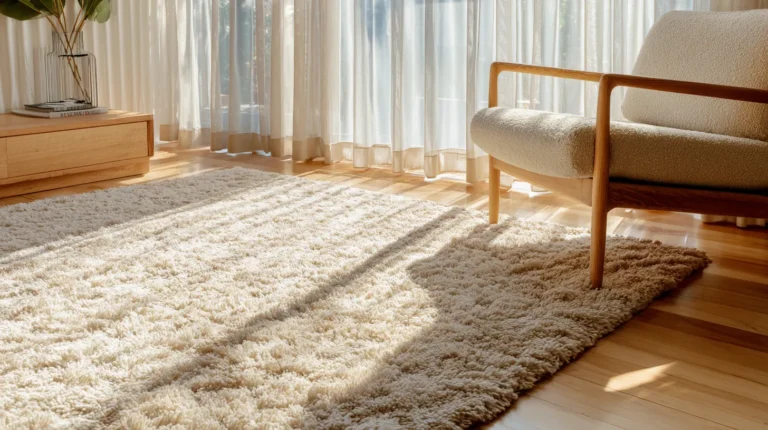
Low-pile and flatweave rugs withstand heavy traffic better than plush, high-pile options. Reserve shag and deep-pile rugs for bedrooms, reading nooks, or other low-traffic sanctuaries where comfort trumps durability concerns.
Hand-knotted rugs typically outlast machine-made alternatives by decades, making them worthwhile investments for heavily used spaces. The initial cost premium pays dividends in longevity and timeless appeal.
Rug Shapes and Spatial Perception
How Shape Influences Space
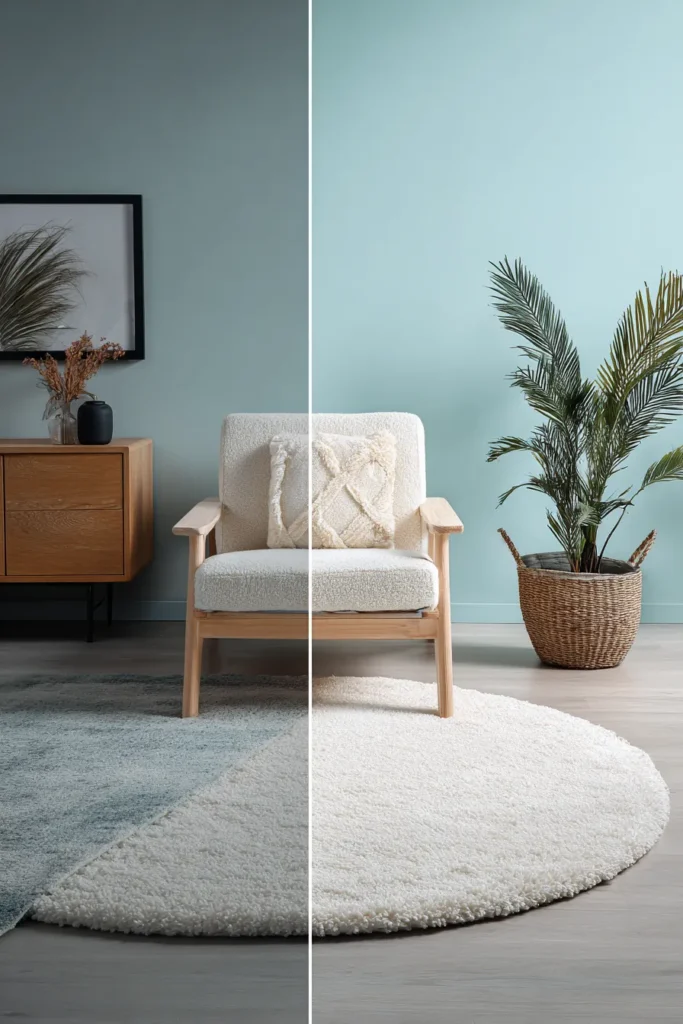
Rectangular rugs emphasize length and work beautifully in most rooms, creating traditional, balanced arrangements. Round rugs soften angular furniture and work especially well in breakfast nooks, under circular dining tables, or in cozy reading corners.
Square rugs suit square rooms or can create interesting tension in rectangular spaces, while runners elongate hallways and define narrow pathways. Avoid circular rugs in small rooms—they can actually make spaces feel smaller by creating curved boundaries that contrast with linear walls.
Mixing Shapes in Open Layouts
In open-concept homes, vary rug shapes to distinguish different zones. Use a large rectangular rug for your living area, a round rug under a breakfast table, and a runner in the hallway connecting them. This shape variation reinforces functional boundaries while maintaining visual interest.
Seasonal Considerations and Lighting Effects
Natural and artificial lighting affects how rug colors and sizes appear. Dark rugs can make rooms feel smaller in dim lighting but add sophisticated drama in bright, well-lit spaces. Light-colored rugs reflect natural light, making rooms feel more spacious and airy.
Consider swapping lighter, natural fiber rugs in summer for deeper, plush textures in winter. This seasonal rotation refreshes your space while accommodating changing comfort needs—cool underfoot in warm months, cozy and insulating when temperatures drop.
Position rugs to complement natural light sources. Avoid placing dark rugs in the direct path of afternoon sun, where fading may occur more rapidly. UV-protective window treatments can extend rug life in sun-drenched rooms.
Safety and Practical Considerations
Securing Your Investment
Always use rug pads beneath area rugs to prevent slipping—a critical safety measure, especially in homes with elderly residents, children, or pets. Quality pads also protect flooring, extend rug life by reducing wear, and add cushioning for enhanced comfort.
Choose rug pad materials appropriate for your flooring type. Natural rubber pads work well on hardwood but can discolor certain tiles. Felt pads provide cushioning without grip. Combination rubber-and-felt pads offer both cushioning and slip resistance for most flooring types.
Maintenance Accessibility
Position rugs to allow easy access for regular vacuuming and rotation. Avoid placing heavy furniture entirely on rugs if you plan to rotate them seasonally—this prevents uneven wear patterns and sun fading in exposed areas.
In pet-friendly homes, choose rugs with tight weaves that resist snagging from claws. Flatweave and low-pile options clean more easily than high-pile alternatives when accidents occur.
Common Placement Mistakes to Avoid
Undersizing: The most frequent error is choosing rugs too small for furniture arrangements. When in doubt, size up—rugs that are too large can be layered or repositioned, while undersized rugs simply don’t work.
Centering on room rather than furniture: Rug placement should anchor furniture groupings, not necessarily sit in the geometric center of the room. Follow the focal point and seating arrangement, even if this means an off-center placement.
Ignoring rug pad importance: Skipping rug pads leads to slipping, bunching, and premature wear. This small investment dramatically improves both safety and rug longevity.
Matching rugs too precisely: In homes with multiple rugs, exact matching can feel sterile. Instead, coordinate through complementary colors, similar patterns, or shared materials while allowing each rug its own personality.
Blocking architectural features: Avoid covering beautiful flooring, vents, or architectural details with rugs. Work with your home’s existing features rather than against them.
Bringing It All Together
Rug placement is both science and poetry—a balance of precise measurements and intuitive design sense. The rules we’ve explored provide structure, but your home’s unique architecture, your furniture’s specific dimensions, and your personal aesthetic will always guide the final decision.
Start by measuring carefully, considering traffic patterns, and choosing materials suited to each room’s function. Then trust your eye. Stand in your space, observe how light moves across the floor, notice where your feet naturally want to land. Sometimes the perfect placement reveals itself not through formula but through feeling.
A well-placed rug does more than organize a room—it creates moments of beauty in your everyday life. It’s the soft landing after a long day, the visual anchor that makes scattered furniture feel composed, the warm texture that transforms a house into a home. Take your time, measure twice, and place with intention. Your rooms will thank you with years of balanced, beautiful functionality.
Frequently Asked Questions
How far should a rug extend beyond a sofa?
Ideally, your rug should extend 15 to 25 centimeters beyond each side of your sofa to create visual balance. If all furniture legs rest on the rug, it should extend far enough to accommodate side tables and chairs as well, with an additional border of exposed flooring around the entire arrangement.
Should bedroom rugs go under the bed or just beside it?
For a luxurious look, large bedroom rugs should extend under the lower two-thirds of the bed and beyond its sides and foot by 45 to 60 centimeters. Alternatively, use matching runners on either side of the bed or a single accent rug at the foot—but avoid tiny rugs that look like afterthoughts.
What’s the best rug size for a dining table that seats six?
Add 120 to 180 centimeters to your table’s length and width to accommodate pulled-out chairs. For a typical 150 x 180 cm table, choose a rug approximately 270 x 300 cm. Test chair clearance before finalizing—you need at least 60 centimeters of rug beyond the table edge when chairs are in use.
Can I use multiple rugs in an open-concept space?
Absolutely—multiple rugs help define functional zones in open layouts. Maintain consistent style elements (color palette, pattern style, or material) across rugs for cohesion, and leave 90 to 120 centimeters of bare floor between adjacent rugs to clearly delineate different areas.
Do I really need a rug pad, and should it match my rug size?
Yes, rug pads are essential for safety, floor protection, and extending rug life. Choose a pad approximately 2 to 3 centimeters smaller than your rug on all sides so it remains hidden beneath the rug edges. This prevents pad visibility while providing full coverage and grip.