
Table of Contents
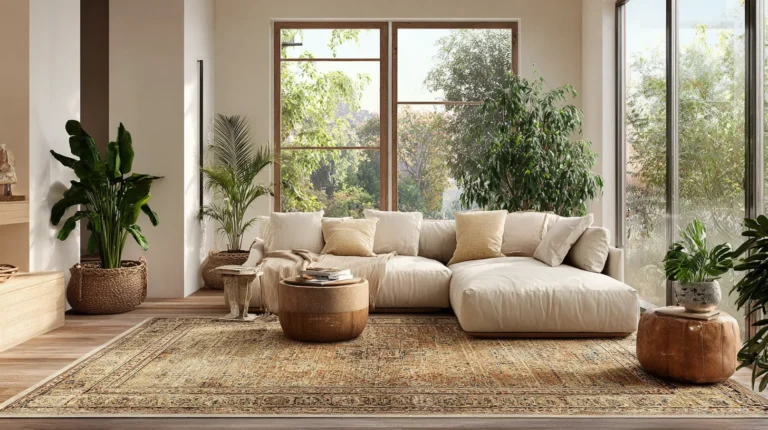
There’s something quietly powerful about choosing a rug that tells a story. Not just any story—but one woven with intention, crafted by hands that know the rhythm of ancient techniques, made from fibers that grew under open skies.
Sustainable and handcrafted rugs aren’t simply floor coverings. They’re daily reminders that beauty and responsibility can coexist, that what we bring into our homes can honor both the earth and the artisans who shape it.
In a world overflowing with mass-produced sameness, these rugs stand apart. They breathe with texture, age with grace, and ground your space in something real.
Let’s explore how to choose rugs that feel as good underfoot as they do in your heart.
Why Handcrafted Rugs Are Inherently Sustainable
The question isn’t really whether handmade rugs are sustainable—it’s how we ever convinced ourselves that factory-made alternatives could compete.
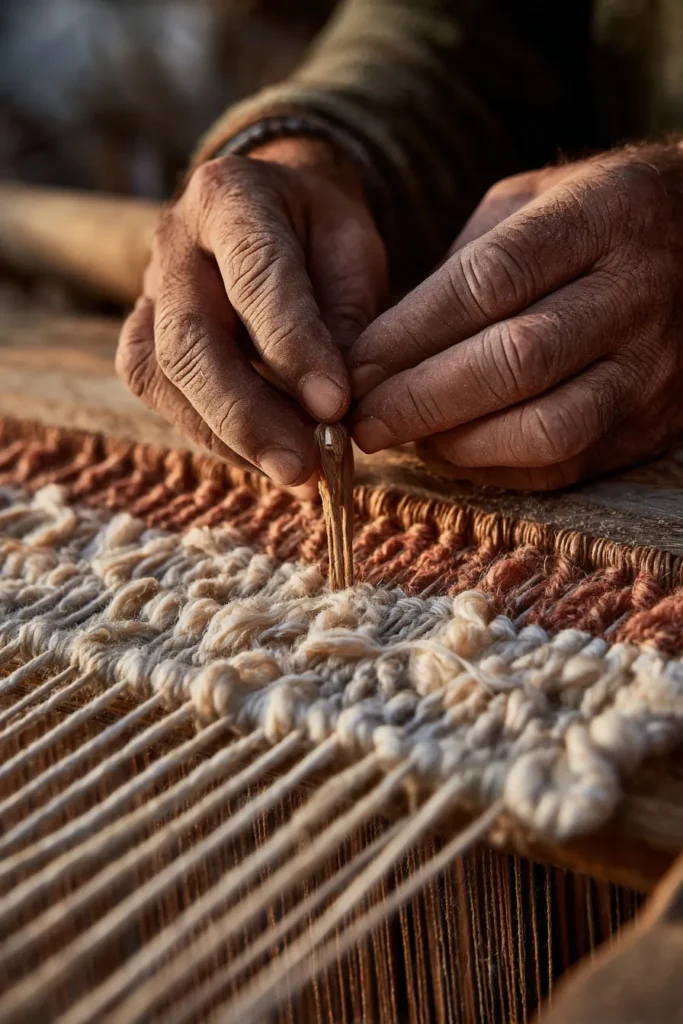
Handcrafted rugs require no electricity-hungry machinery, no assembly lines churning out identical patterns at breakneck speed. Instead, they’re born from the patient work of skilled artisans, often in communities where this craft has been passed down through generations. Each knot tied, each thread woven, carries the quiet hum of human connection rather than industrial roar.
This slower pace isn’t inefficiency—it’s intention. Traditional rug-making techniques naturally minimize waste, use locally-sourced materials, and avoid the chemical treatments that plague mass production. The carbon footprint of a hand-knotted wool rug is a whisper compared to the shout of synthetic manufacturing.
But sustainability here runs deeper than environmental metrics. These rugs support fair trade practices, preserve cultural heritage, and provide meaningful livelihoods to artisan communities. When you choose handcrafted, you’re voting with your wallet for a more human-scale economy.
Natural Fibers That Ground Your Space
Wool: The Timeless Workhorse
Wool rugs feel like coming home. There’s a reason this fiber has anchored interiors for millennia—it simply works.
Sheep’s wool is naturally renewable, biodegradable, and requires minimal processing. It regulates humidity, resists staining through natural lanolin, and stands up to decades of foot traffic without complaint. A quality wool rug in your living room isn’t just sustainable—it’s an heirloom in the making.
The texture ranges from plush and cloud-soft to dense and structured, depending on the weave and wool grade. Underfoot, wool has a gentle spring that synthetic fibers can never quite replicate. It also naturally resists flames and doesn’t harbor dust mites, making it ideal for allergy-conscious homes.
Look for wool sourced from ethical farms where animal welfare is prioritized. New Zealand and Tibetan wool often come with strong sustainability credentials and exceptional quality.
Jute and Sisal: Raw, Rustic Beauty
These plant-based fibers bring the outdoors in with their organic texture and earthy warmth.
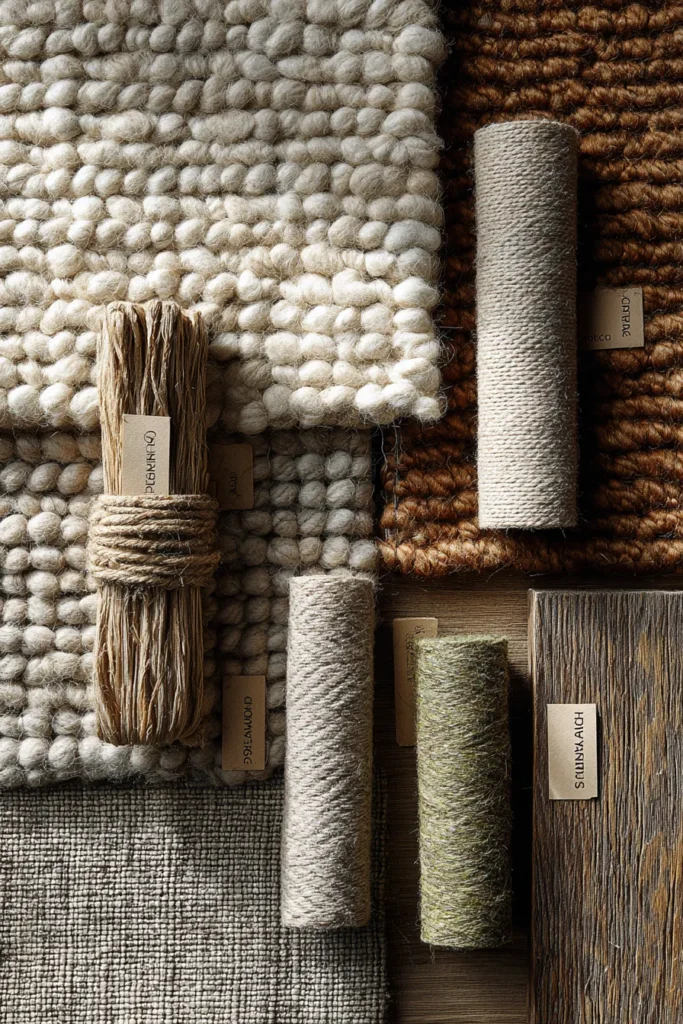
Jute grows rapidly without pesticides, requires minimal water, and naturally enriches soil for future crops. Sisal, harvested from agave leaves, is equally hardy and sustainable. Both create rugs with that sought-after coastal-casual aesthetic—think sun-bleached driftwood and linen curtains billowing in summer breeze.
The surface is tactile and slightly coarse, perfect for layering under dining tables or defining entryway zones. These rugs work beautifully in spaces that embrace natural imperfection and organic materials.
Fair warning: jute and sisal aren’t ideal for high-moisture areas. Save them for dry spaces where their raw beauty can shine without risk of mildew.
Cotton: Soft, Washable, Versatile
Cotton rugs offer something the heavier natural fibers don’t—ease.
Organic cotton grown without synthetic pesticides or fertilizers creates rugs that are gentle on skin, planet, and washing machine alike. Perfect for nurseries, kitchens, and bathrooms where spills happen and regular cleaning is essential.
Cotton flatweaves, especially dhurries, bring pattern and color without overwhelming visual weight. They layer beautifully, fold easily for storage, and can transition between rooms as your needs evolve.
Choose GOTS-certified organic cotton when possible. This ensures the entire production chain meets rigorous environmental and social standards.
Hemp: The Underrated Champion
Hemp deserves far more attention in the sustainable rug conversation.
This powerhouse plant grows densely enough to naturally suppress weeds, needs no pesticides, and actually improves soil health. It requires half the water of cotton and produces exceptionally strong, long-lasting fibers. Hemp rugs develop a beautiful patina over time, softening with use while maintaining their structural integrity.
The look is clean and modern with subtle texture—ideal for minimalist spaces that value function as much as form. Hemp blends particularly well with wool or cotton for added softness without sacrificing durability.
Recycled Materials: Innovation Meets Responsibility
Not all sustainable rugs start as plants or animal fibers. Some begin as plastic bottles destined for landfills.
Recycled PET (polyester) rugs transform post-consumer waste into surprisingly soft, colorfast, and durable floor coverings. They’re often washable, fade-resistant, and perfect for outdoor spaces or high-traffic indoor areas where natural fibers might struggle.
The environmental math here is compelling: diverting plastic from oceans and landfills while creating something beautiful and functional. These rugs prove that “recycled” doesn’t mean compromising on style or performance.
Look for brands transparent about their recycling processes and additional sustainability commitments beyond material sourcing.
Understanding True Sustainability Beyond Materials
A rug isn’t truly sustainable just because it’s made from jute or wool. The full story matters.
Natural Dyes vs. Chemical Treatments
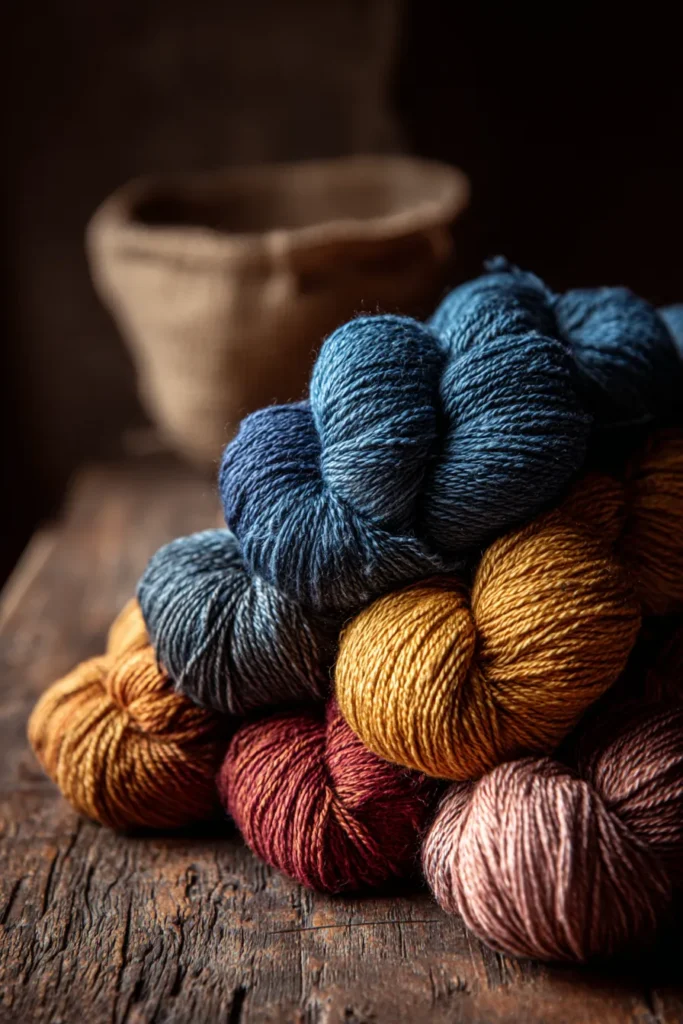
Traditional natural dyes derived from plants, minerals, and insects create rich, complex colors that age beautifully. Indigo, madder root, pomegranate, and turmeric have colored textiles for centuries without poisoning water systems or workers.
Chemical dyes, even on natural fibers, can leach heavy metals and toxins. They’re often a hidden environmental cost in otherwise “eco-friendly” rugs. Ask about dyeing processes—transparency here is a green flag.
Natural dyes tend toward earthier, more muted palettes. They rarely achieve the neon brights of synthetic colors, but they offer something better: depth that reveals itself slowly, colors that harmonize rather than shout.
Certifications That Actually Mean Something
The sustainable marketplace is crowded with vague claims. Cut through the noise with legitimate certifications.
GOTS (Global Organic Textile Standard) covers the entire production chain for organic fibers. OEKO-TEX Standard 100 tests for harmful substances. Fair Trade Certified ensures ethical labor practices and fair wages. Goodweave specifically addresses child labor elimination in rug production.
These aren’t just badges—they’re accountability. Brands willing to undergo third-party verification are brands worth trusting.
Don’t be swayed by unregulated terms like “eco-friendly” or “green” without specific evidence. Real sustainability shows its receipts.
The Circular Economy in Rug Production
Forward-thinking rug makers are embracing circular principles—designing for longevity, repair, and eventual biodegradability or recycling.
Some brands offer take-back programs, repairing damaged rugs or recycling fibers into new products. Others create modular designs where worn sections can be replaced without discarding the entire piece.
This thinking transforms rugs from disposable décor into lasting investments. It’s the antithesis of fast fashion applied to home furnishings.
Choosing the Right Sustainable Rug for Your Life
Matching Materials to Room Function
Not every fiber belongs in every space. Strategic choices prevent premature wear and disappointment.
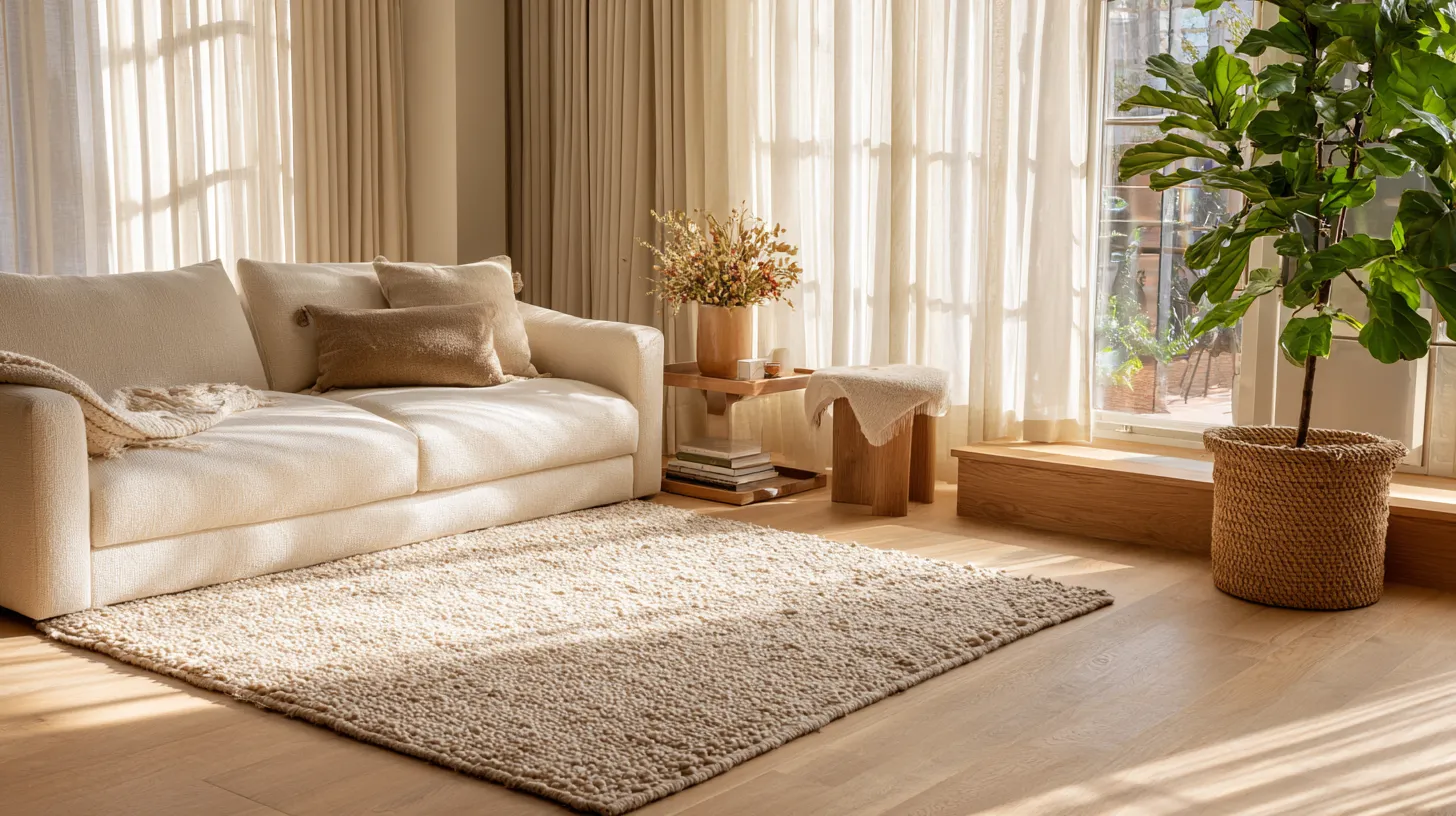
For living rooms and bedrooms: Wool reigns supreme. Its resilience, softness, and natural stain resistance make it ideal for spaces where comfort matters. Consider hand-knotted or hand-tufted wool rugs that will age gracefully under coffee tables and beside beds.
For dining rooms: Flatweave cotton or wool works beautifully. The thinner profile allows chairs to slide easily, and many are machine-washable or spot-cleanable when inevitable spills occur.
For entryways and high-traffic zones: Jute, sisal, or hemp provide durability and texture that hides dirt. Their natural toughness stands up to muddy shoes and constant footfall. Layer a softer rug on top if you want warmth without sacrificing practicality.
For outdoor spaces or moisture-prone areas: Recycled PET performs best. It resists mold, dries quickly, and maintains color despite sun exposure and weather.
For nurseries and kids’ rooms: Organic cotton wins. Machine-washable, soft for crawling babies, and free from chemical treatments that could affect sensitive skin or developing lungs.
Considering Lifestyle Realities
Sustainability means nothing if your rug ends up replaced within a year because it couldn’t handle your life.
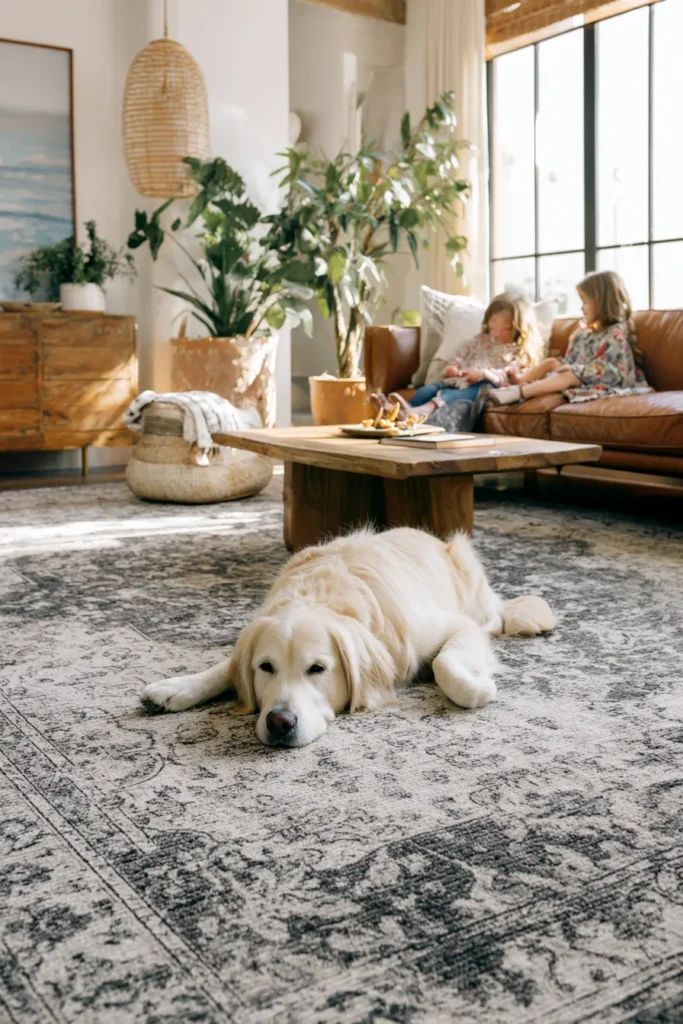
Pet owners need rugs that resist staining and don’t catch claws. Tightly woven wool or low-pile natural fiber rugs work better than delicate silk blends or loose jute. Some recycled material rugs are surprisingly pet-proof.
Busy families benefit from darker patterns that camouflage wear and washable options for inevitable accidents. Light-colored jute might look stunning in a magazine, but it’s a liability with toddlers and spaghetti.
Allergy sufferers should prioritize natural materials that don’t trap dust and can be thoroughly cleaned. Wool’s natural properties make it particularly suitable, while very textured sisal or jute might harbor allergens.
Honest assessment of your household’s needs isn’t compromise—it’s how sustainable choices actually stick.
Size and Proportion Guidelines
The most sustainable rug is one you’ll keep and love. Proper sizing ensures your piece anchors the room correctly.
Living room: Rug should extend at least 6-12 inches beyond furniture on all sides, or fit under front legs of seating pieces. Too small feels disjointed; too large overwhelms.
Dining room: Allow 24-30 inches beyond table edges so chairs remain on rug when pulled out. Measure your table at its fully extended size if it’s expandable.
Bedroom: Runners along bed sides or a large rug that extends 18-24 inches beyond bed frame create cohesive grounding.
Use painter’s tape to outline rug sizes before committing. Live with the mock-up for a few days. You’ll know what feels right.
Caring for Handcrafted Rugs: Making Investment Last
Sustainable choices require sustainable care. Proper maintenance multiplies your rug’s lifespan exponentially.
Daily and Weekly Maintenance
Vacuum regularly, but gently. Use suction-only settings without beater bars on natural fiber rugs. The aggressive beating meant for wall-to-wall carpeting can damage handcrafted pieces.
Rotate rugs every 3-6 months to ensure even wear and sun exposure. High-traffic patterns become permanent if left unchecked.
Shake out smaller rugs monthly. There’s something satisfying and ancient about taking a cotton dhurrie outside and giving it a good snap in the fresh air.
Addressing Spills and Stains
Speed matters. Blot immediately—never rub, which drives stains deeper into fibers.
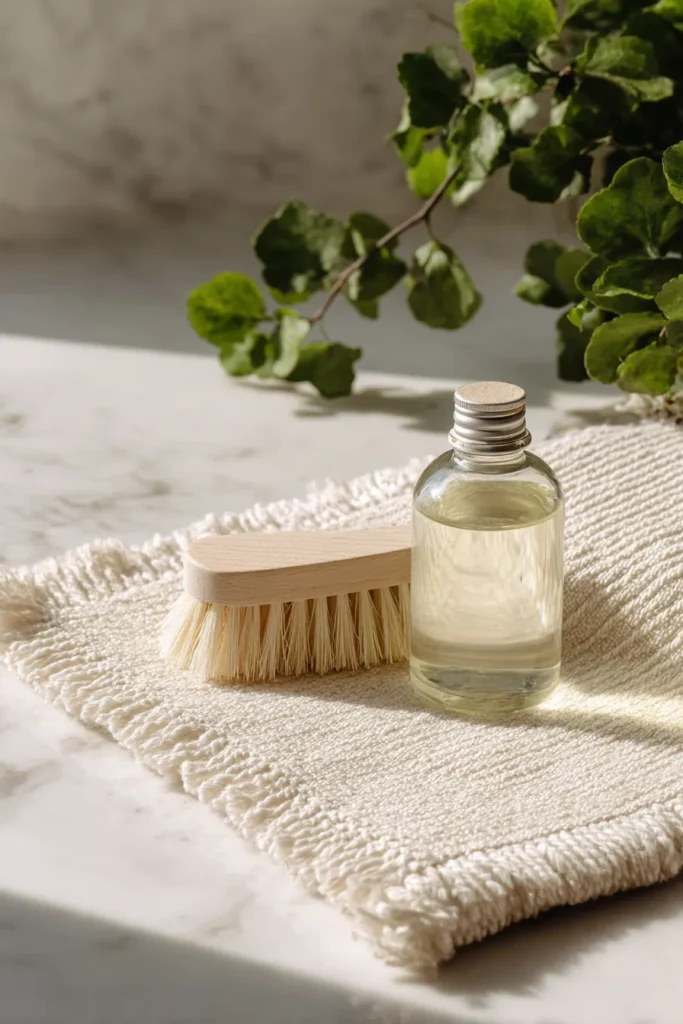
For wool: Use cold water and wool-safe cleaners. Avoid hot water, which can felt the fibers and create permanent texture changes. White wine vinegar diluted in water works for many organic stains.
For jute and sisal: Minimize moisture. Spot-clean with barely damp cloths and dry immediately. These fibers hold water like sponges and can develop mildew.
For cotton: Most organic cotton rugs are machine-washable, making them the easiest to maintain. Follow care labels for temperature and detergent type.
Test any cleaning solution in an inconspicuous corner first. Natural dyes can be surprisingly colorfast but don’t assume.
Professional Cleaning and Repair
Even with diligent home care, handcrafted rugs benefit from professional attention every 1-3 years depending on use.
Choose specialists experienced with natural fibers and handmade construction. Generic carpet cleaners may use harsh chemicals or techniques inappropriate for wool or vegetable fibers.
Minor fraying or edge damage can often be repaired by skilled restorers. Don’t discard a rug with small issues—the embodied energy and craftsmanship deserve preservation.
Consider establishing a relationship with a local rug dealer who offers cleaning and repair services. They’re invested in long-term care, not quick replacement sales.
The Longevity Question: Sustainable Rugs vs. Synthetics
Let’s talk numbers because sustainability is ultimately about lifecycle impact.
A quality hand-knotted wool rug can last 75-100 years or more with proper care. Antique rugs regularly sell for premium prices not despite their age but because of it—they’ve proven their durability.
Synthetic rugs typically show significant wear within 5-10 years. Colors fade, fibers mat and crush, backing deteriorates. Most end up in landfills where they’ll sit for centuries, breaking down into microplastics.
The math is straightforward: Ten synthetic rugs over a century versus one wool rug. The environmental cost of production, transportation, and disposal multiplies with each replacement.
Natural fiber rugs biodegrade at end of life. Wool returns to earth as nutrients. Cotton and plant fibers compost. Even the cotton backing on many handmade rugs breaks down naturally.
This isn’t just about personal value—it’s about refusing to participate in the disposable culture that’s literally choking our planet.
Integrating Sustainable Rugs Into Holistic Design
Your rug choice ripples through your entire space. Consider how sustainable textiles connect to broader design philosophy.
Biophilic Design Principles
Biophilia—our innate connection to nature—shapes how we feel in spaces. Natural fiber rugs aren’t just sustainable; they’re psychologically nourishing.
The organic texture of jute underfoot, the irregular beauty of handspun wool, the subtle color variations in plant-dyed fibers—these imperfections connect us to the natural world. They create spaces that feel alive rather than sterile.
Pair natural rugs with houseplants, natural wood furniture, and ample natural light. The synergy creates environments that support wellbeing as much as aesthetics.
Non-Toxic Living
Sustainable rugs fit seamlessly into broader efforts to reduce indoor air pollution and chemical exposure.
Conventional rugs often off-gas VOCs (volatile organic compounds) from synthetic backing, adhesives, stain treatments, and fibers themselves. These chemicals contribute to “new rug smell” that’s actually indoor air contamination.
Natural fiber rugs, especially those with natural dyes and jute or cotton backing, emit virtually no VOCs. They improve rather than degrade indoor air quality.
This matters particularly in bedrooms where we spend eight hours breathing deeply, and in nurseries where developing bodies are most vulnerable to chemical exposure.
Layering and Styling Natural Rugs
Handcrafted sustainable rugs have textural richness that invites layering.
Try a large jute rug as base with a smaller vintage wool piece on top. The contrast between coarse and soft, neutral and patterned, creates visual depth. It’s also practical—the jute protects floors in high-traffic zones while wool provides comfort where you actually sit.
In minimalist spaces, let a single stunning hand-knotted rug be the statement. Pair with simple furniture that doesn’t compete for attention.
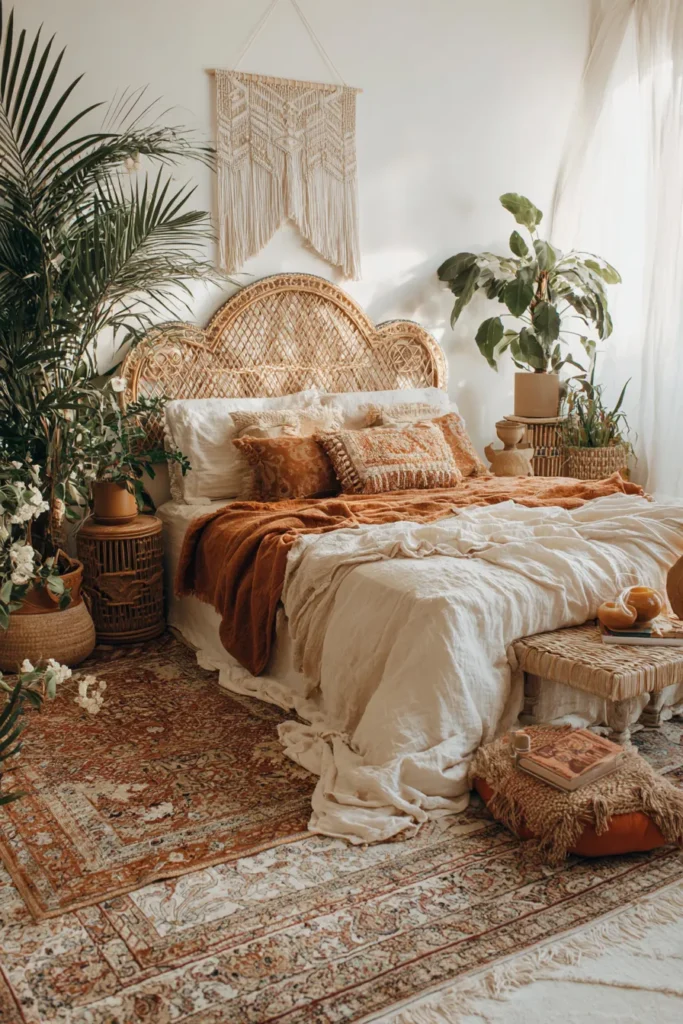
In maximalist interiors, mix rug textures and patterns fearlessly. Natural materials harmonize even when patterns clash—something about their organic origins makes them play well together.
Where to Find Authentic Sustainable Rugs
Not all “eco-friendly” retailers deliver on their promises. Shop strategically.
Direct-from-Artisan Platforms
Fair trade marketplaces and direct-to-consumer brands that name their artisans and show production processes offer transparency you can trust.
Look for detailed origin stories: which community, which techniques, which specific materials. Vagueness often masks greenwashing.
Some platforms allow you to commission custom pieces, working directly with makers to create exactly what your space needs. This eliminates waste from overproduction and creates deeper connection to your purchase.
Vintage and Antique Dealers
The most sustainable rug is one that already exists. Vintage Persian, Turkish, Moroccan, and other handmade rugs are inherently circular economy purchases.
These pieces have already proven their durability. You’re giving them continued life rather than demanding new production. Plus, the patina and character of vintage textiles can’t be replicated.
Estate sales, specialized dealers, and curated online vintage shops offer treasures. Expect to pay for quality, but remember you’re buying decades of remaining life.
Questions to Ask Before Buying
Cut through marketing with direct questions:
- What specific fibers are used, and where are they sourced?
- Who made this rug, and what are their working conditions?
- What dyes or treatments were used in production?
- Do you have third-party certifications (GOTS, Fair Trade, Goodweave)?
- What is your repair or take-back policy?
- Can you provide transparency on your supply chain?
Legitimate sustainable brands welcome these questions. Evasive or vague answers should raise red flags.
Key Takeaways: Your Sustainable Rug Checklist
- Prioritize natural fibers: Wool, organic cotton, jute, hemp, and sisal offer durability and biodegradability
- Seek handcrafted construction: Traditional techniques minimize environmental impact and support artisan communities
- Verify certifications: GOTS, Fair Trade, OEKO-TEX, and Goodweave provide accountability beyond marketing claims
- Choose natural dyes when possible to avoid water pollution and chemical exposure
- Match materials to room function: Consider traffic patterns, moisture, and lifestyle needs
- Plan for longevity: Proper sizing, strategic placement, and regular maintenance extend rug life dramatically
- Invest in quality over quantity: One well-made rug lasting decades beats multiple cheap replacements
- Consider vintage: Existing beautiful pieces are the ultimate sustainable choice
- Ask questions: Transparency indicates genuine commitment to sustainability
- Care properly: Gentle cleaning and professional maintenance protect your investment
A Softer Landing
There’s a moment when you first walk barefoot across a new rug—that initial greeting between sole and fiber.
With handcrafted sustainable rugs, that moment carries weight beyond physical sensation. You’re standing on the work of human hands, on materials that grew from earth and will return to it, on choices that ripple outward in ways small and significant.
Your home should be sanctuary—a place that nourishes rather than depletes, that honors beauty without extracting hidden costs. These rugs offer exactly that: grounding in every sense of the word.
The floor beneath your feet can be more than decoration. It can be testament to what matters.
Frequently Asked Questions
How long do sustainable handcrafted rugs typically last compared to machine-made synthetic options?
High-quality handcrafted wool rugs can last 75-100 years with proper care, often becoming family heirlooms. Natural fiber rugs like jute or cotton typically last 10-25 years depending on traffic and maintenance. Synthetic machine-made rugs usually show significant wear within 5-10 years. The durability of handmade pieces comes from superior construction and material quality—each knot is individually tied rather than glued or heat-bonded. This means sustainable rugs offer dramatically better long-term value despite higher initial costs.
What maintenance do natural fiber rugs require to keep them looking beautiful?
Maintenance varies by fiber but follows common principles: vacuum regularly with suction only (no beater bars), rotate every 3-6 months to ensure even wear, address spills immediately by blotting with appropriate cleaners, and consider professional cleaning every 1-3 years. Wool handles moisture better than plant fibers like jute or sisal, which must be kept dry to prevent mildew. Cotton rugs are often machine-washable for easiest care. Most importantly, use rug pads to prevent slipping and reduce wear—this single addition can double a rug’s lifespan.
Are sustainable rugs safe for homes with allergies or chemical sensitivities?
Natural fiber rugs, particularly untreated wool and organic cotton, are excellent choices for allergy-sensitive homes. Wool naturally resists dust mites and doesn’t trap allergens like synthetic fibers. It also doesn’t off-gas VOCs (volatile organic compounds) common in synthetic rugs with chemical treatments and adhesives. Look for rugs with natural dyes and minimal chemical processing. OEKO-TEX Standard 100 certification confirms testing for harmful substances. Avoid rugs with moth-proofing treatments or stain-resistant chemical coatings, which can trigger sensitivities even on otherwise natural materials.
What’s the difference between u0022eco-friendlyu0022 and truly sustainable rugs?
u0022Eco-friendlyu0022 is an unregulated marketing term that can mean almost anything—or nothing. Truly sustainable rugs demonstrate comprehensive responsibility: renewable or recycled materials sourced ethically, production methods with minimal environmental impact (low water use, no toxic chemicals, reduced energy consumption), fair labor practices with living wages, durability designed for decades of use, and biodegradability or recyclability at end of life. Look for third-party certifications like GOTS, Fair Trade, or Goodweave rather than vague eco-claims. Transparency about the entire supply chain—from fiber source to artisan working conditions—separates genuine sustainability from greenwashing.
Can sustainable rugs work in high-traffic areas or homes with pets and children?
Absolutely, when properly matched to your needs. Wool is naturally stain-resistant and durable enough for busy households—choose darker patterns to camouflage wear. Jute and sisal handle heavy traffic beautifully in dry areas. For pet accidents or spills, washable organic cotton rugs offer practical sustainability. Recycled PET rugs resist moisture and staining exceptionally well. The key is realistic assessment: light-colored loose-weave jute isn’t ideal for muddy dog paws, but a tightly woven wool rug in a medium tone will outlast and outperform any synthetic alternative while remaining sustainable. Proper rug pads also protect both rug and floor in active spaces.