
Table of Contents
There’s something undeniably cozy about a room where textures whisper to one another. Where a plush wool rug meets the earthy weave of jute, and patterns dance without competing. Layering rugs isn’t just a design trick—it’s an invitation to create depth, warmth, and visual poetry beneath your feet.
If you’ve ever walked into a beautifully styled space and felt instantly grounded, layered rugs were likely part of that magic. They anchor furniture, define zones, and add dimension that a single rug simply cannot achieve alone. The beauty lies in the conversation between materials—the soft against the structured, the bold against the understated.
This guide will walk you through the art of mixing textures and patterns in rug layering. You’ll learn how to balance scale and proportion, choose complementary color palettes, and create harmonious combinations that feel both intentional and effortlessly elegant. Whether you’re working with a modern minimalist aesthetic or embracing eclectic bohemian charm, these principles will help you layer rugs like a pro.
Let’s explore how texture play and thoughtful pattern mixing can transform your floors into foundations of beauty.
Why Layer Rugs? The Beauty of Depth and Definition
Layering rugs serves both aesthetic and practical purposes in interior styling. Visually, it creates dimension that pulls the eye downward, adding richness to any room’s foundation. Functionally, it allows you to define distinct zones within open spaces—a reading nook within a living room, a dining area in a studio apartment, or a cozy corner that feels intentionally carved out.
The practice also offers flexibility in your design evolution. Rather than committing to one large, expensive rug, you can mix affordable base layers with statement pieces that reflect your current mood or season. This approach is particularly valuable in rental spaces where you want impact without permanence.
Beyond aesthetics, layered rugs add acoustic softness and warmth underfoot. They create tactile variety that makes spaces feel more lived-in and thoughtfully composed. The interplay between different pile heights, weaves, and materials invites touch and adds sensory richness to everyday moments.
Understanding Texture Contrast: The Foundation of Successful Layering
Texture is where rug layering truly comes alive. The contrast between smooth and nubby, sleek and shaggy, creates visual interest that pattern alone cannot achieve. Think of texture as the foundational language—it speaks even before color and pattern enter the conversation.
Pairing Complementary Textures
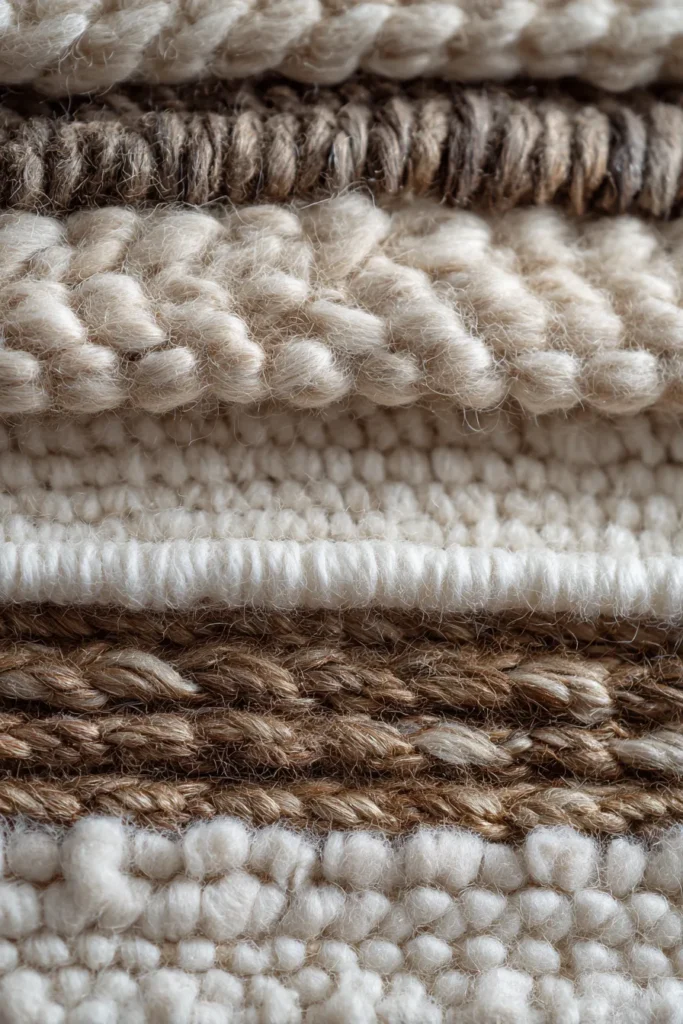
Start with a neutral base rug in a flatweave or low-pile texture—jute, sisal, or a tightly woven wool. These grounded materials provide structure and allow your top layer to shine without visual competition. The natural fibers bring an organic quality that works beautifully with nearly any decorating style.
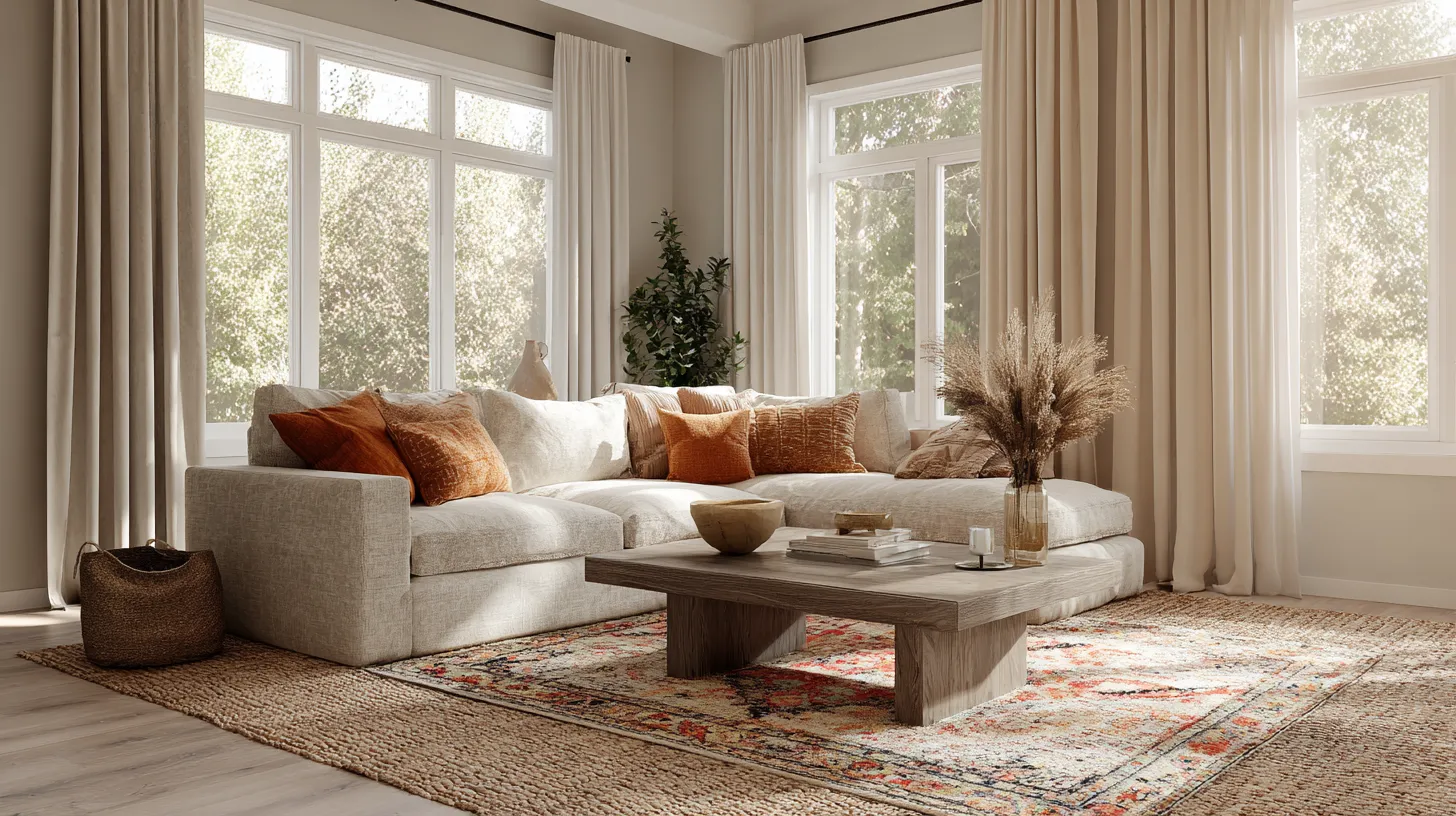
Layer a plush, high-pile rug over this base for immediate textural drama. A Moroccan shag over natural jute creates bohemian warmth. A velvet or tufted rug over sisal brings sophisticated contrast. The key is pairing opposites: rough with refined, matte with lustrous, firm with yielding.
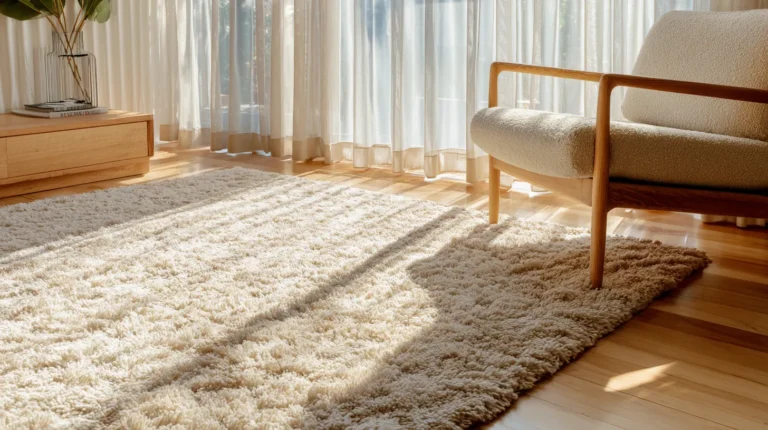
For a more subtle approach, try layering similar textures in different weights. A medium-pile wool under a slightly shaggier wool creates gentle dimension without stark contrast. This technique works particularly well in serene, minimalist spaces where you want depth without drama.
Texture and Furniture Coordination
Your rug layers should dialogue with surrounding furniture textures. If you have a leather sofa or sleek modern pieces, balance their smoothness with textured rugs that add softness and visual weight. Conversely, if your furniture is already heavily textured—think velvet chairs or woven rattan—choose rugs with cleaner lines to prevent sensory overload.
Consider the entire room’s tactile story. In spaces with lots of wood and hard surfaces, layered rugs become essential for adding warmth and acoustic comfort. In rooms already rich with fabric—curtains, throws, upholstered pieces—your rug layers can be more restrained, letting other textures take center stage.
Mastering Pattern Mixing: Creating Harmony from Diversity
Pattern mixing in layered rugs follows the same principles as mixing prints in fashion—it’s about finding common threads while celebrating difference. When done well, multiple patterns create energy and personality. When rushed, they create chaos.
The Scale and Proportion Rule
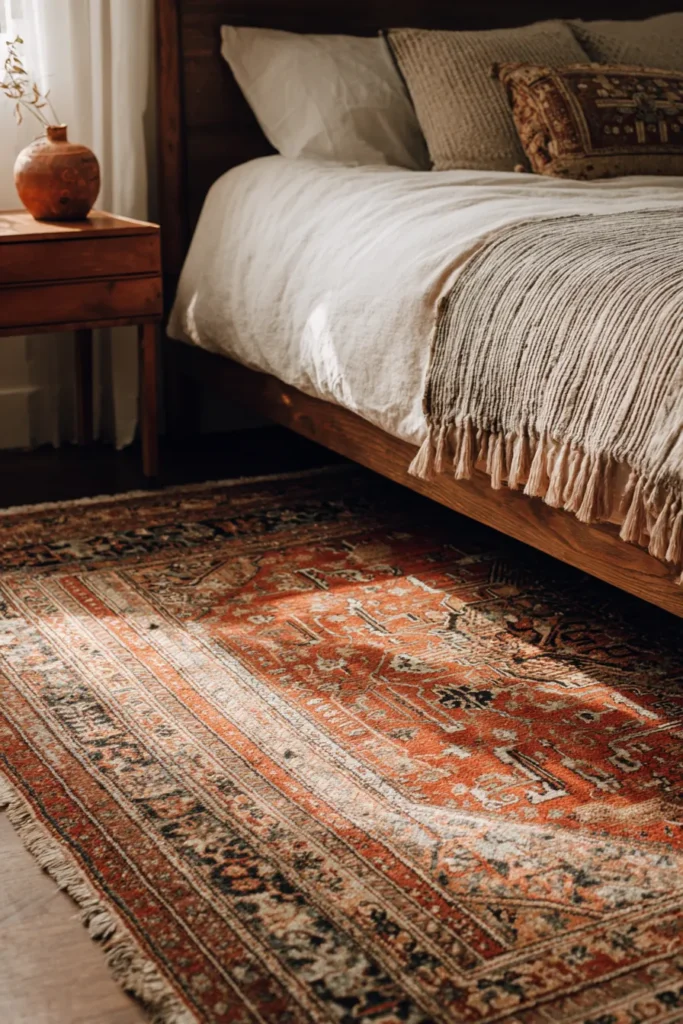
The golden rule of pattern mixing is varying your scales. If your base rug features a large-scale geometric print or bold tribal pattern, your top layer should showcase smaller, more delicate motifs. This prevents patterns from competing and creates visual hierarchy that guides the eye naturally.
A large Persian or Turkish rug with intricate traditional designs pairs beautifully with a smaller, simpler striped or solid-bordered runner on top. The complexity of the bottom layer becomes a rich backdrop, while the simpler top layer provides focus and breathing room.
For bolder souls, try layering two patterned rugs of different scales from the same style family. A large Moroccan diamond pattern under a smaller checkerboard or zigzag creates eclectic cohesion. The shared geometric language unites them even as their scales create dimension.
Color Palette as the Unifying Thread
Even when mixing diverse patterns, maintaining a cohesive color palette is essential. Choose rugs that share at least one or two colors, allowing that common thread to tie disparate designs together. This doesn’t mean everything must match—simply that there’s a color conversation happening.
One effective approach: select all your rug layers from the same color family. Varying shades of blue, from navy to sky, create depth while maintaining harmony. Or repeat one accent color across both rugs—perhaps coral appears in both a neutral jute rug’s border and throughout a patterned top layer’s motifs.
For maximum versatility, start with a neutral base (cream, gray, natural fiber tones) and introduce pattern and color through your top layer. This gives you freedom to swap out the statement rug seasonally while maintaining a consistent foundation.
Pattern Personalities: Finding Your Combination Style
Different pattern combinations create distinct moods:
- Classic Elegance: Traditional Persian under a simpler bordered rug in complementary tones
- Bohemian Eclectic: Tribal patterns mixed with Moroccan geometrics in warm, earthy colors
- Modern Minimal: Subtle stripe or grid under a small solid or tone-on-tone textured rug
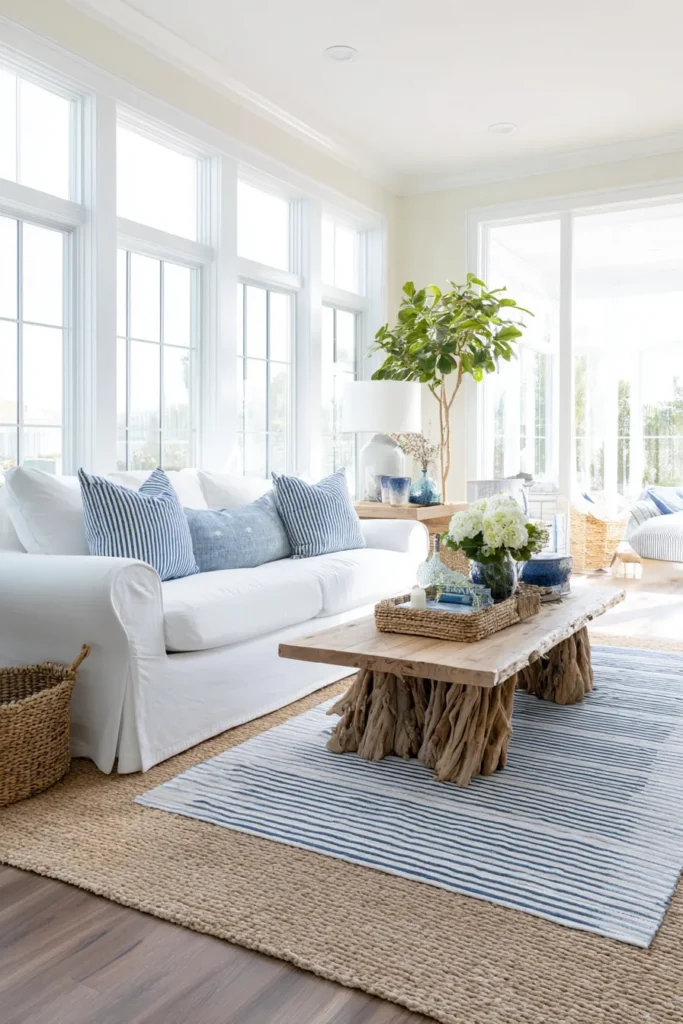
- Coastal Casual: Natural jute paired with a blue-and-white patterned runner
- Global Fusion: Kilim under a contemporary abstract design that echoes its color story
Trust your instincts while respecting the principles. If two rugs feel right together—if they make you smile when placed side by side—they likely share enough common ground to work beautifully in your space.
Sizing and Placement: The Technical Side of Beauty
Layering rugs isn’t just about what you choose—it’s about how you arrange them. Proper sizing and placement make the difference between intentional artistry and haphazard styling.
Base and Top Layer Sizing
Your base rug should be significantly larger than your top layer—generally at least 12-18 inches extending beyond on all sides. This creates a visual frame and ensures both rugs are clearly visible and purposeful. A base rug that’s too small defeats the layering effect, making your arrangement look accidental.
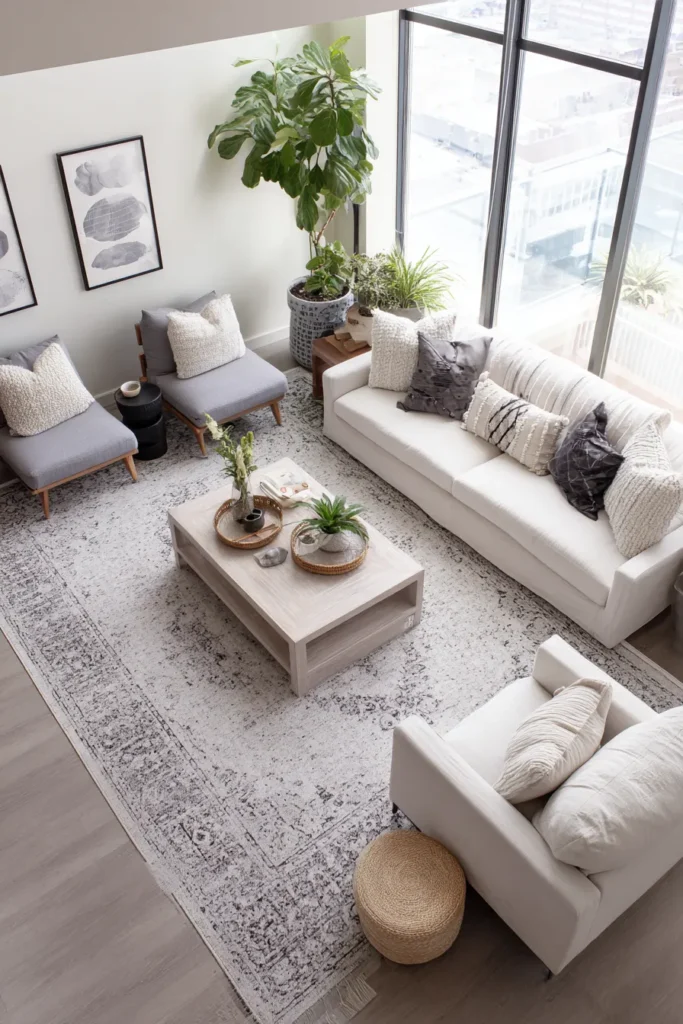
For living rooms, the base rug should be large enough that all furniture either sits fully on it or has front legs on it. The top layer then centers under the coffee table or defines a specific seating zone. This grounds your furniture grouping while adding dimensional interest.
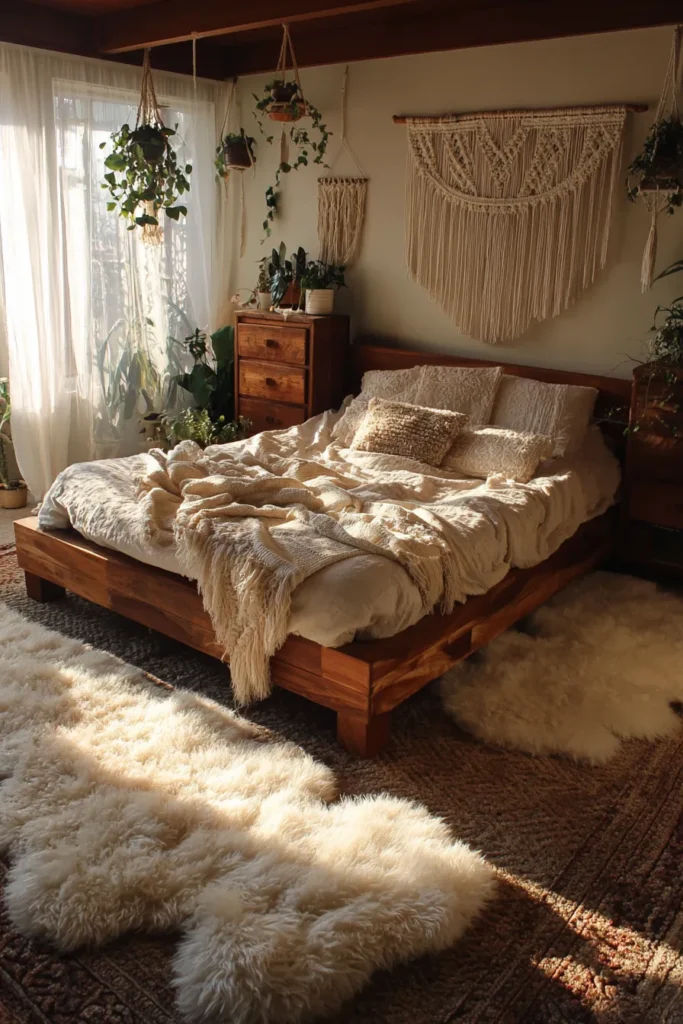
In bedrooms, try a large neutral base rug under the bed with a smaller, plush rug layered at the foot or beside the bed. This creates luxury underfoot where you need it most while adding visual intrigue. The base rug should extend at least 24 inches beyond the bed on sides and foot.
Shape Play for Visual Interest
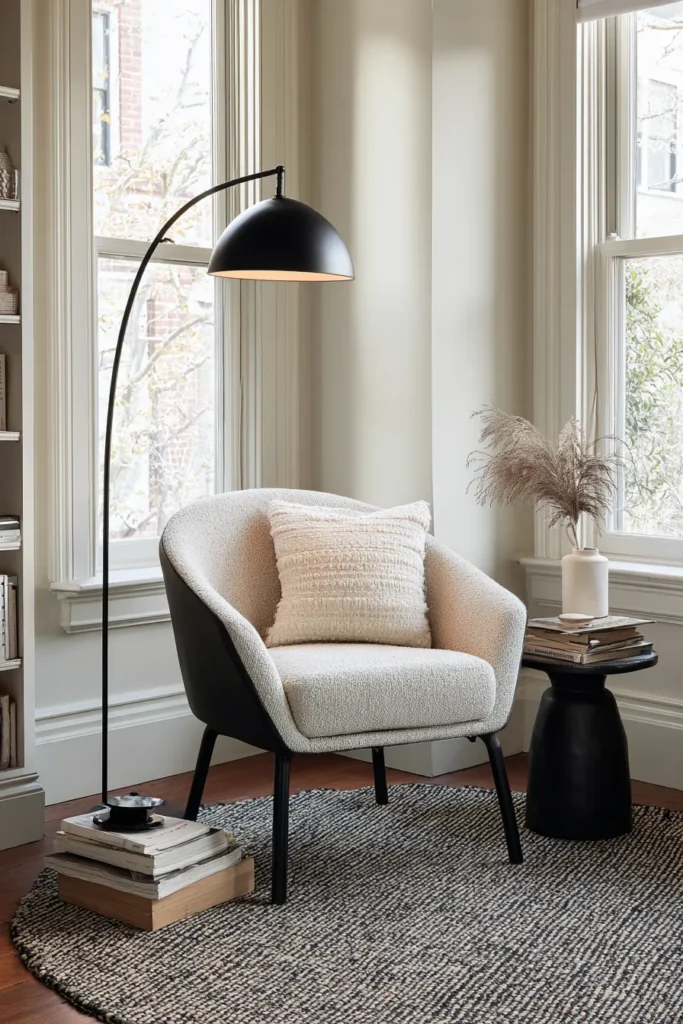
Mixing rug shapes adds unexpected sophistication. Layer a round rug over a rectangular base to soften angular furniture arrangements. The curves create flow and movement, especially beautiful in reading nooks or under circular dining tables.
A rectangular runner layered over a square or rectangular base works wonderfully in entryways, hallways, or to define pathways through open-plan spaces. The directional quality of the runner guides movement while the base anchors the broader area.
Don’t be afraid to angle your top layer slightly for a more casual, collected look. This works especially well with vintage or bohemian styles, suggesting the space evolved organically rather than being rigidly designed.
Layering Rugs on Different Floor Types
The surface beneath your layered rugs affects both aesthetics and practicality. Each flooring type presents unique opportunities and considerations.
Hardwood and Hard Surface Floors
Hard floors are ideal for rug layering—they showcase the full effect and allow rugs to lay flat without competing textures. Use quality rug pads under both layers to prevent slipping and protect your floors. Non-slip pads are essential for safety, especially in high-traffic areas.
The contrast between hard flooring and soft rugs is visually striking. In rooms with beautiful hardwood, allow some floor to show around your base rug, creating a frame that honors both the flooring and your rug layers.
Layering Over Carpet
Yes, you can layer rugs over carpet, though it requires thoughtful technique. Choose a low-pile carpet as your “base” and use thin, flatweave rugs as your actual rug layers. This prevents too much pile-on-pile bulk that feels unstable or looks lumpy.
Avoid layering high-pile over high-pile in carpeted rooms—it becomes visually heavy and physically awkward. Instead, use a flat-weave kilim or thin cotton dhurrie as your base rug layer, then add a smaller textured piece on top. This creates definition without excessive height variation.
Rug tape or gripper pads designed for carpet help keep layered rugs in place. This is crucial for both aesthetics and safety on the soft, shifting surface of carpet.
Common Mistakes to Avoid When Layering Rugs
Even with the best intentions, certain pitfalls can undermine your rug layering efforts. Awareness helps you navigate these challenges gracefully.
Matching too precisely drains personality from your layers. Avoid rugs that are too similar in color, pattern, and texture—they’ll blur together rather than create intentional dimension. Embrace contrast while maintaining cohesion.
Ignoring proportion creates visual confusion. If your top rug is too large relative to the base, the layering effect disappears. Maintain that 12-18 inch border minimum to ensure both rugs register as distinct, purposeful layers.
Forgetting maintenance leads to frustrated homeowners. Different materials require different care—mixing a delicate silk rug with a durable jute might look beautiful but creates cleaning headaches. Consider the practical care requirements of your combination, especially in high-traffic areas.
Overlooking rug pads compromises both safety and longevity. Always use appropriate pads between layers and under the base rug. They prevent slipping, protect floors, and help rugs maintain their shape over time.
Clashing undertones happens when you mix warm and cool versions of the same color. A warm cream base with a cool gray top layer can feel disjointed. Pay attention to undertones, ensuring they harmonize even when colors differ.
Sustainable and Budget-Friendly Layering Approaches
Beautiful rug layering doesn’t require unlimited resources. Thoughtful choices can create stunning results while honoring both budget and environmental values.
Eco-Friendly Rug Options
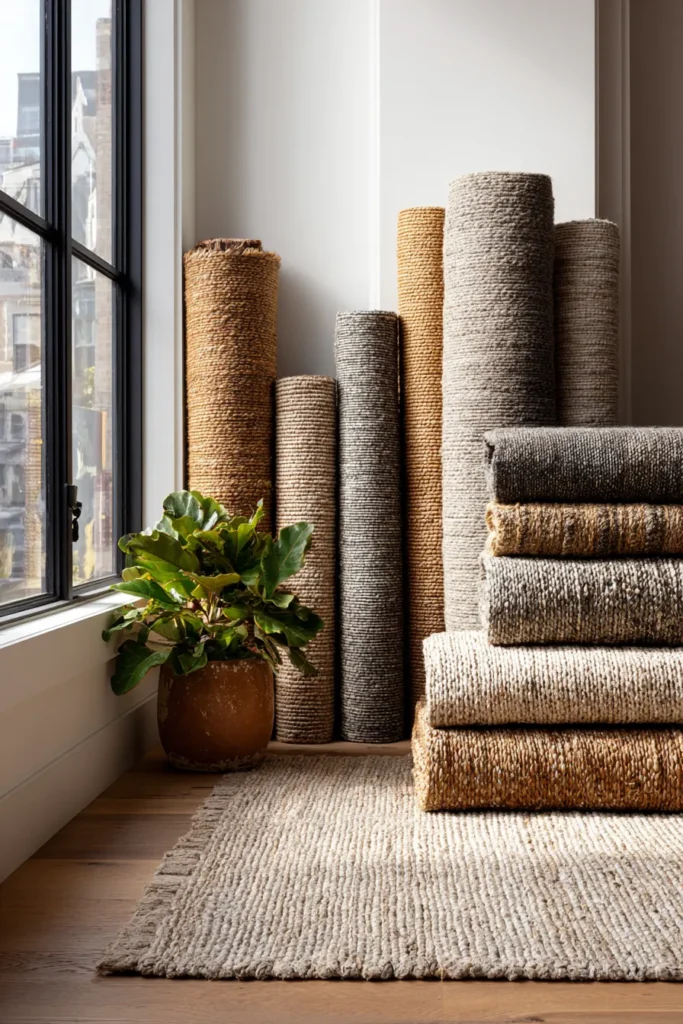
Natural fiber rugs like jute, sisal, seagrass, and organic cotton make excellent sustainable base layers. These materials are renewable, biodegradable, and often produced with lower environmental impact. They also provide that textural contrast that makes layering work so beautifully.
Look for rugs made from recycled materials—recycled cotton, PET (recycled plastic bottles), or reclaimed textiles. Many contemporary manufacturers create gorgeous, durable rugs from these materials that rival traditional options in both beauty and performance.
Consider vintage or secondhand rugs for your layers. A well-made vintage Persian or wool rug brings character and sustainability—extending the life of existing textiles rather than demanding new production. Mix vintage with new natural fiber rugs for a look that’s both eco-conscious and deeply stylish.
Budget-Conscious Layering Strategies
Invest in one high-quality piece and layer it with affordable basics. Splurge on a beautiful statement rug for your top layer, then use an inexpensive jute or seagrass rug as the base. Since the base is largely covered, you can prioritize durability over intricate beauty.
Shop for remnants and samples at carpet stores—these can be bound into small rugs perfect for layering. This approach is remarkably affordable and allows you to experiment with textures and colors you might not otherwise try.
DIY options abound for creative souls. Paint designs onto plain canvas dropcloth rugs, or use rug-making techniques to create custom pieces. Layer your handmade creation with a store-bought base for a look that’s uniquely yours without the designer price tag.
Rotate your top layer seasonally while keeping the same base rug year-round. This gives your space fresh energy without the expense of entirely new large rugs. A cozy sheepskin for winter, a bright cotton dhurrie for summer—same foundation, evolving personality.
Layering for Specific Spaces and Functions
Different rooms benefit from tailored layering approaches that honor their unique purposes and traffic patterns.
Living Rooms: Creating Conversation Zones
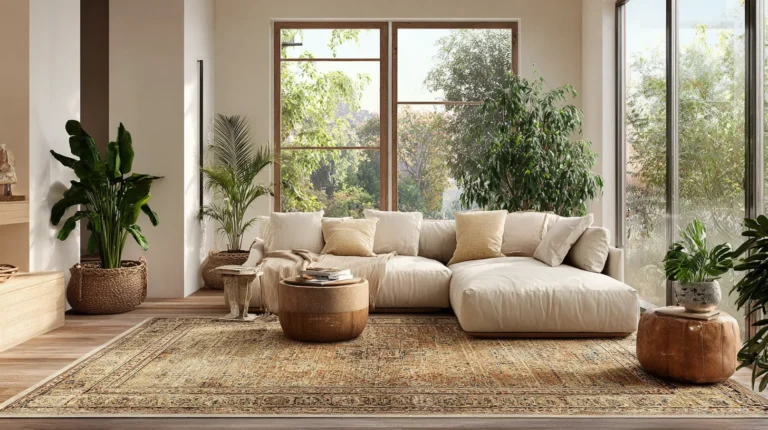
In living spaces, layer rugs to define seating areas and create visual anchors. A large neutral base under your entire furniture grouping provides cohesion, while a smaller patterned or textured rug centered under the coffee table adds focal interest.
For open-concept living areas, use layered rugs to distinguish the living zone from adjacent dining or workspace areas. This visual definition helps large spaces feel intentionally organized rather than aimlessly vast.
Bedrooms: Luxury Underfoot
Bedroom rug layering prioritizes comfort and morning warmth. Place a large, affordable jute or flat-weave base rug under and around the bed, then layer plush, high-pile rugs on the sides where your feet land. This combines practical coverage with luxurious stepping surfaces.
A runner at the foot of the bed over a larger base creates hotel-worthy elegance. Choose a runner with subtle pattern or rich texture that complements your bedding palette.
Home Offices and Multifunctional Spaces
Layered rugs help define work zones in multifunctional rooms. Use a durable, easy-clean base (low-pile synthetic or treated natural fiber) with a smaller, inspiring pattern on top where your chair sits. This adds personality while maintaining practicality for rolling desk chairs.
In children’s rooms and play areas, layer washable cotton rugs over natural fiber bases. This allows for easy cleaning of the top layer while the base provides cushioning and sound dampening. Choose patterns and colors that stimulate without overwhelming—a calm base with a playful top layer works beautifully.
Care and Maintenance of Layered Rugs
Mixed materials require thoughtful maintenance to preserve beauty and extend lifespan. Understanding each rug’s needs ensures your layers remain fresh and functional.
Cleaning Different Textures
Natural fiber base rugs like jute and sisal resist stains but can be damaged by excessive moisture. Vacuum regularly and spot-clean with minimal water. For deeper cleaning, use dry carpet cleaning methods or professional services familiar with natural fibers.
Plush wool and high-pile top layers benefit from regular vacuuming without the beater bar, which can damage fibers. Rotate these rugs periodically to ensure even wear, especially in high-traffic areas. Professional wool-specific cleaning every 12-18 months keeps them vibrant.
For washable cotton or synthetic rugs, check care labels before laundering. Many smaller cotton dhurries and flat-weaves can be machine washed, making them ideal for busy households and spaces prone to spills.
Protecting Your Investment
Rotate your rugs seasonally—both the layers relative to each other and their orientation in the room. This prevents uneven fading from sunlight and distributes wear patterns across the entire rug rather than concentrated traffic paths.
Use rug pads religiously. They protect both your floors and your rugs, reducing wear from friction and preventing the rugs from shifting and creasing. Replace pads when they become compressed or degraded—typically every few years depending on traffic.
Address spills immediately, blotting rather than rubbing. Keep cleaning supplies appropriate to each rug material on hand so you can respond quickly without searching. For valuable rugs, consider professional treatment applications that add stain resistance without altering appearance.
Quick Reference: Layering Combinations That Always Work
Here are tried-and-true rug layering combinations organized by style and function:
| Style | Base Rug | Top Layer | Why It Works |
|---|---|---|---|
| Modern Minimalist | Large gray or cream flat-weave | Small textured solid or subtle geometric | Clean lines, textural interest without pattern clash |
| Bohemian Eclectic | Natural jute or sisal | Vintage Turkish or Moroccan with pattern | Earthy base grounds bold pattern, creates collected feel |
| Coastal Casual | Bleached or natural seagrass | Navy striped or blue patterned runner | Natural texture pairs with nautical colors perfectly |
| Traditional Elegance | Large Persian or Oriental | Solid bordered or subtle tone-on-tone | Rich pattern becomes artistic foundation |
| Scandinavian Cozy | Off-white shag or high-pile | Small geometric in black, gray, white | Hygge warmth with graphic Nordic clarity |
| Global Fusion | Neutral flat-weave kilim | Contemporary abstract in similar colors | Bridges traditional craft with modern design |
Material Pairing Cheat Sheet
- Jute + Wool: Classic, always harmonious
- Sisal + Sheepskin: Textural drama, perfect for bedrooms
- Cotton Dhurrie + Velvet: Casual meets luxe
- Seagrass + Patterned Cotton: Coastal elegance
- Cowhide + Anything Neutral: Bold statement with versatile base
- Persian/Oriental + Solid Contemporary: Traditional meets modern
Key Takeaways: Your Layering Success Checklist
Before finalizing your layered rug arrangement, review these essential principles:
- Vary your textures: Pair smooth with textured, flat with plush for maximum dimension
- Mind your scale: Large patterns below, smaller patterns above—or solid above pattern
- Maintain color cohesion: Share at least one or two colors across both layers
- Size appropriately: Base rug should extend 12-18 inches beyond top layer on all sides
- Invest in quality pads: Essential for safety, floor protection, and rug longevity
- Consider cleaning needs: Choose material combinations you can realistically maintain
- Trust your eye: If it feels balanced and makes you smile, you’ve s쳮ded
- Allow floors to show: Let some of your beautiful flooring peek around the edges
- Experiment with shapes: Mixing round, rectangular, and square creates dynamic interest
- Start simple: Begin with neutral base + patterned top, then grow bolder as confidence builds
Bringing It All Together: The Soul of Layered Spaces
There’s an intimacy to layered rugs that transcends design rules. They create rooms that feel inhabited, loved, and thoughtfully tended. The practice invites you to slow down, to notice how light catches different pile heights, how colors shift as textures interact, how your space evolves with each intentional choice.
Layering rugs is permission to experiment, to mix the precious with the everyday, to honor both beauty and practicality. It’s design that embraces imperfection and celebrates the collected nature of truly personal spaces.
Start where you are. Perhaps it’s a beautiful vintage rug you’ve inherited, waiting for the perfect jute companion. Maybe it’s an affordable base you’ve been using alone, now ready for a statement layer that reflects your evolving style. Trust the process—move rugs around, try unexpected combinations, step back and observe how your space feels.
The most beautiful layered arrangements tell a story. Yours might speak of travels and treasures collected over time. It might whisper of cozy evenings and morning coffee rituals. It might simply say: here is a space that welcomes you, wraps you in warmth, and grounds you in beauty.
That’s the magic of layered rugs. They transform floors into foundations of meaning, texture into poetry, and rooms into homes that truly hold us.
Frequently Asked Questions
How do you layer rugs like a pro?
Start with a large, neutral base rug in a flat-weave or natural fiber like jute or sisal. Layer a smaller rug with more texture or pattern on top, ensuring the base extends at least 12-18 inches beyond the top layer on all sides. Use quality rug pads under both layers for stability and protection. Choose complementary textures (smooth under plush, for example) and maintain color cohesion by sharing at least one or two hues across both rugs.
What textures work best for layering rugs?
The most successful texture combinations pair opposites: flat-weave jute or sisal under high-pile wool or shag, smooth leather or cowhide under textured weaves, or sleek synthetic under nubby natural fibers. Natural fiber bases (jute, seagrass, sisal) work with virtually any top layer texture. The key is creating contrast—if your base is rough and organic, choose something softer and more refined for the top. If your base is smooth, add dimension with a textured or plush top layer.
How to mix patterns when layering rugs?
Vary your pattern scales—pair large-scale designs with smaller motifs to prevent competition. Maintain color cohesion by choosing rugs that share at least one or two colors. Consider mixing pattern styles (geometric with organic, traditional with contemporary) while keeping them connected through color or scale. When in doubt, use a patterned base with a solid or subtle textured top, or vice versa. Bold pattern mixing works beautifully when colors harmonize and scales differ significantly.
What size rug should go under a layered rug?
Your base rug should be substantially larger than your top layer—aim for at least 12-18 inches of base rug showing on all sides of the top layer. For living rooms, the base should be large enough that furniture sits on it (at least front legs), typically 8’x10′ or larger. The top layer might be 5’x7′ or 6’x9′ depending on your space. This size difference ensures both rugs register as intentional layers rather than appearing accidentally placed or ill-fitted.
What are common mistakes when layering rugs?
The biggest mistakes include choosing rugs too similar in size (eliminates the layering effect), matching textures and patterns too closely (creates blur rather than dimension), forgetting rug pads (leads to slipping and premature wear), ignoring maintenance requirements of mixed materials, and clashing color undertones. Also avoid layering high-pile on high-pile, which creates unstable bulk, and placing the more durable rug on top where it should be protecting the base—instead, put your more precious, delicate rug as the top layer where it receives less traffic.