
Table of Contents
Introduction
Your living room holds stories — quiet mornings with coffee, laughter echoing from the couch, light spilling through the window at golden hour. It’s the heart of your home, and it deserves to feel just as warm and intentional as those moments within it.
But transformation doesn’t require a hefty budget. With $500, a little creativity, and an eye for what truly matters, you can create a space that feels collected, thoughtful, and entirely yours.
This isn’t about perfection. It’s about presence — choosing pieces that speak to you, layering textures that invite touch, and curating a room that breathes with life. Let’s walk through it together, step by gentle step.
Start With What You Have
Before spending a single dollar, take inventory. Walk through your living room slowly, noticing what already works — a chair with good bones, a rug that grounds the space, art that still makes you pause.
Sometimes, the best transformation comes from rearranging rather than replacing. Move your sofa to catch better light. Float furniture away from walls to create conversation areas. Swap décor between rooms to give familiar pieces new life.
This foundation costs nothing but shifts everything. You’ll see your space with fresh eyes and understand exactly where your budget should go.
Prioritize Impact Over Everything
Focus on Anchor Pieces
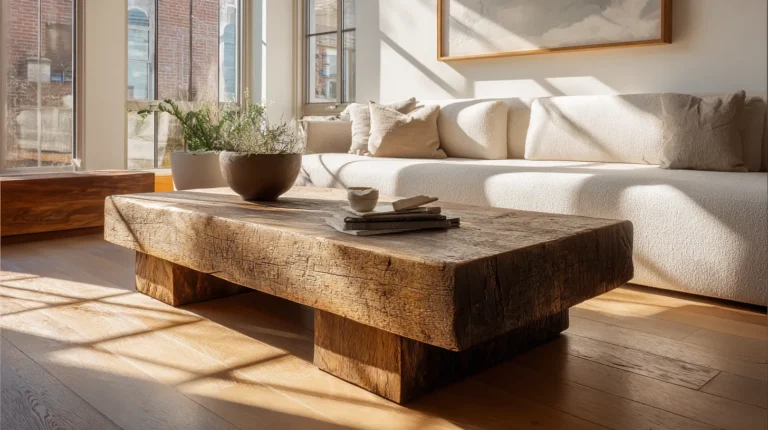
Your biggest impact comes from one or two meaningful changes. A new coffee table can redefine the entire room. A statement chair becomes an instant focal point.
Look for pieces with character — a secondhand wooden bench, a vintage accent chair reupholstered in linen, a simple sofa table behind your couch. These anchors give your room structure and personality without draining your budget.
Allocate $150–$250 here. The rest of your budget will work around these foundational choices.
The Power of Paint
Few things transform faster than a fresh coat of paint. Consider an accent wall in a warm terracotta, soft sage, or deep charcoal — colors that add depth without overwhelming.
Even painting just your trim or ceiling can lift the entire room. A gallon of quality paint costs $30–$50, and the labor is yours. The return on this investment is immeasurable.
Layer Textures Like You’re Telling a Story
Textiles Create Warmth
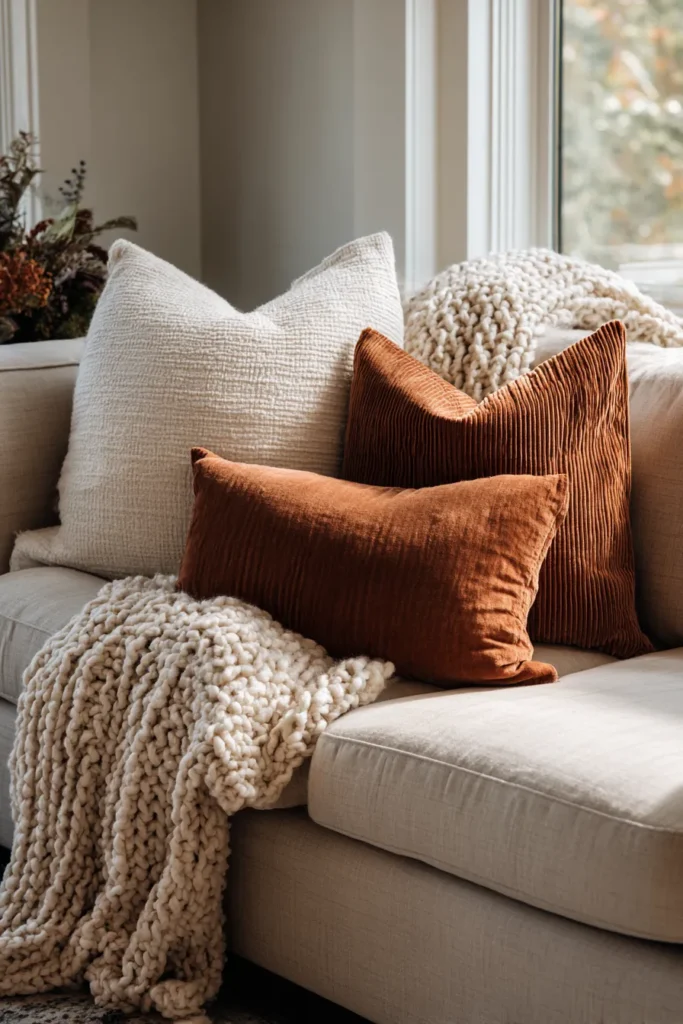
Your living room should invite touch at every turn. Start with throw pillows in varied fabrics — linen, velvet, woven cotton. Mix solid colors with subtle patterns: stripes, geometrics, or organic prints.
A chunky knit blanket draped over your sofa adds instant coziness. Look for natural fibers that age beautifully: cotton, wool, jute. Budget $60–$80 for a collection of pillows and throws that layer beautifully together.
Rugs Ground Everything
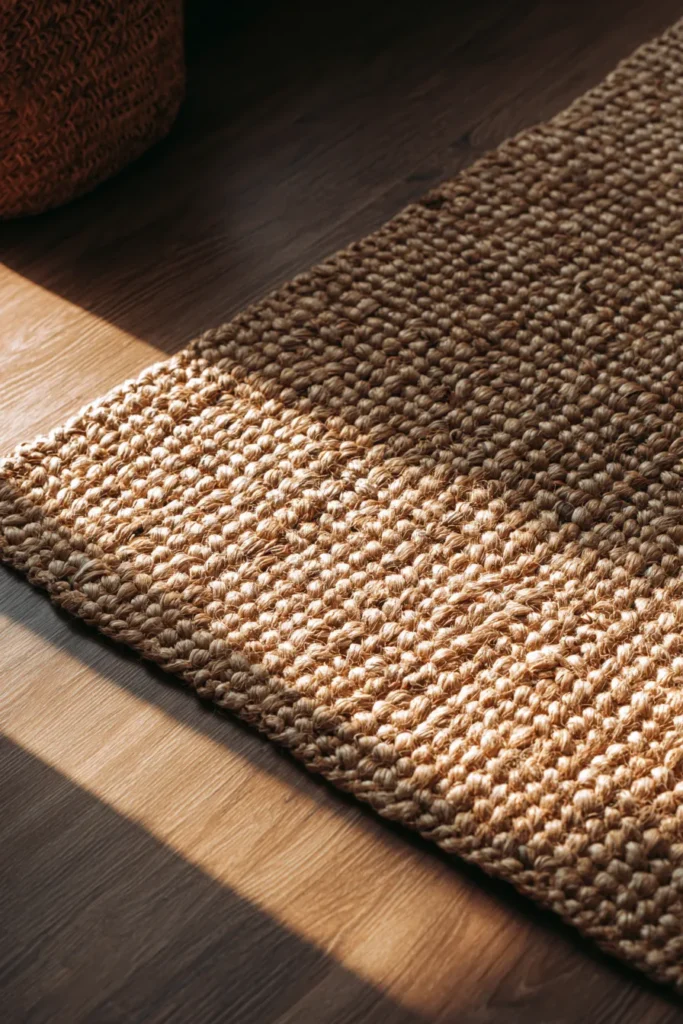
If you don’t have a rug, this might be your single most important purchase. A well-chosen rug defines your seating area, adds softness underfoot, and ties disparate elements together.
Look for natural fiber rugs — jute, sisal, or flatweave cotton in neutral tones. These work with any style and forgive a multitude of décor decisions. Expect to spend $100–$150 for a quality 5×7 or 6×9 rug that will serve you for years.
Let Light Shape the Mood
Layered Lighting Changes Everything
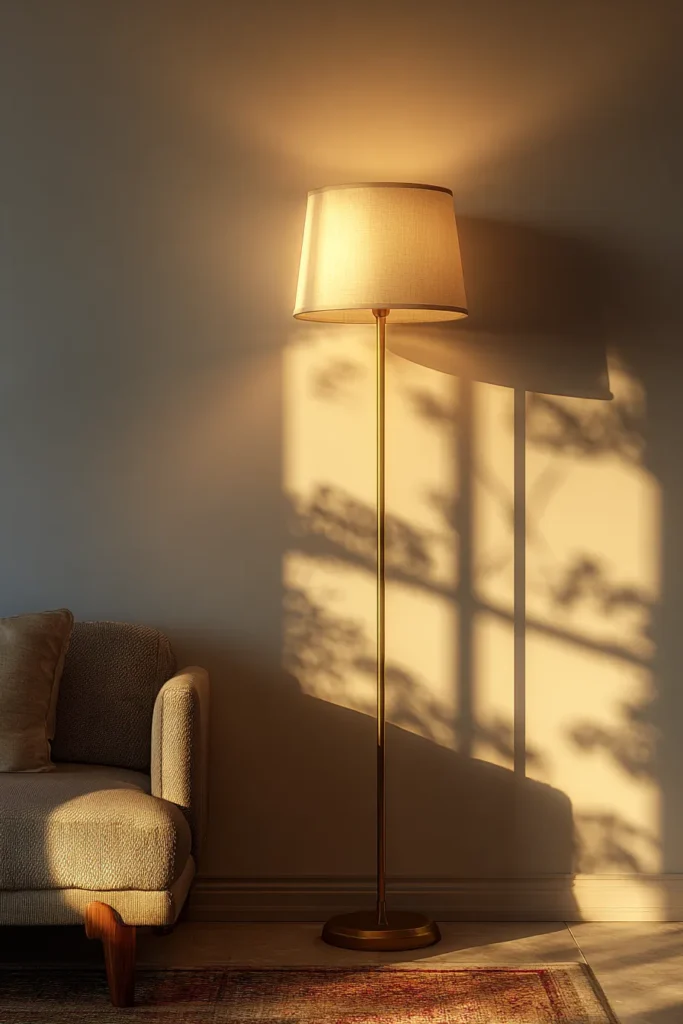
Overhead lighting alone flattens a room. You need layers: ambient light for general illumination, task lighting for reading, and accent lighting to create atmosphere.
A simple floor lamp with a warm bulb softens corners. Table lamps on side tables or a console create intimate pools of light. Look for secondhand brass or ceramic bases at thrift stores, then add a new shade for instant elevation.
Budget $50–$80 for lighting that transforms your space from flat to dimensional. Choose warm bulbs (2700K) that mimic candlelight and make everything feel inhabited.
Consider Natural Light
Don’t underestimate the power of how you frame your windows. If you have heavy, dated curtains, removing them might be transformation enough. Or invest in simple linen panels that soften light without blocking it.
Hang curtains high and wide — mount your rod close to the ceiling and extend it beyond the window frame. This trick makes ceilings feel taller and windows more generous. Budget $40–$60 for curtains that add softness and dimension.
Hunt for Treasures Beyond the Big Box
Secondhand Finds Have Soul
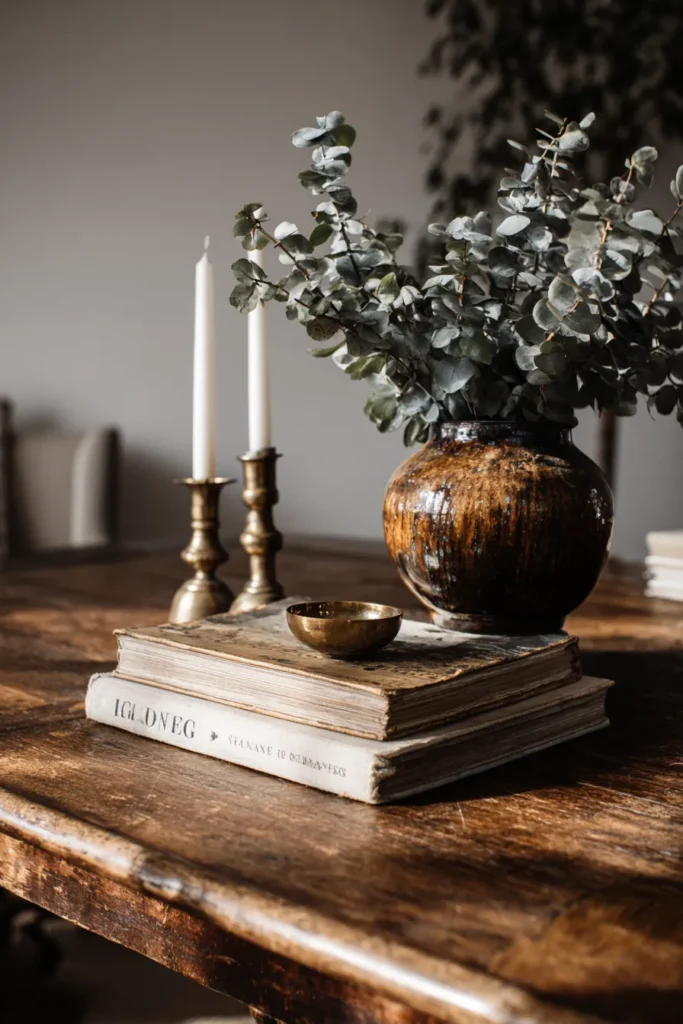
Thrift stores, estate sales, Facebook Marketplace, and Habitat for Humanity ReStores overflow with pieces that just need recognition. A solid wood coffee table with scratches becomes charming with a light sand and oil. Vintage brass candlesticks gain new life with a gentle polish.
These pieces carry history. They’ve lived in other homes, held other stories. Now they’ll hold yours, and they cost a fraction of new furniture while offering infinitely more character.
Set aside a few weekends for hunting. Bring measurements and an open mind. The perfect piece might look nothing like what you imagined.
DIY When It Matters
Not every project needs professional hands. Frame botanical prints yourself using affordable frames from discount stores. Create a gallery wall with personal photos. Paint terracotta pots and fill them with greenery.
Even simple projects like replacing hardware on existing furniture can make it feel entirely new. Gold or matte black drawer pulls cost just a few dollars each but transform dated pieces instantly.
Bring in Life (Literally)
Plants Change the Energy
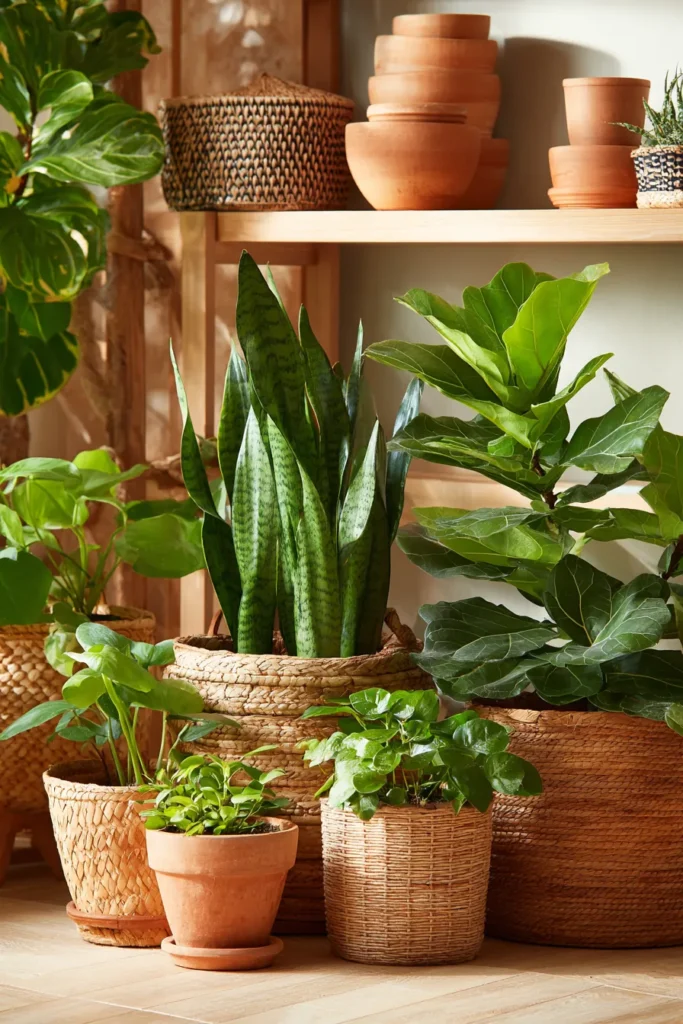
Nothing makes a room feel more alive than living things. Plants purify air, soften hard edges, and add movement as light shifts throughout the day.
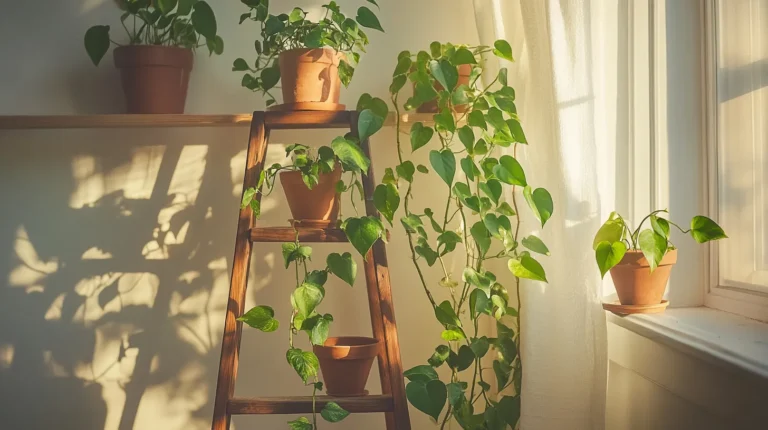
Start with easy-care varieties: pothos, snake plants, or ZZ plants thrive on neglect. Place larger plants on the floor in corners. Cluster smaller plants on shelves or side tables. Even a single fiddle leaf fig in a simple basket becomes a statement.
Budget $30–$50 for plants and pots. Choose simple vessels in natural materials — terracotta, ceramic, woven baskets — that complement rather than compete with your décor.
Create Focal Points That Draw the Eye
Art Doesn’t Need to Be Expensive
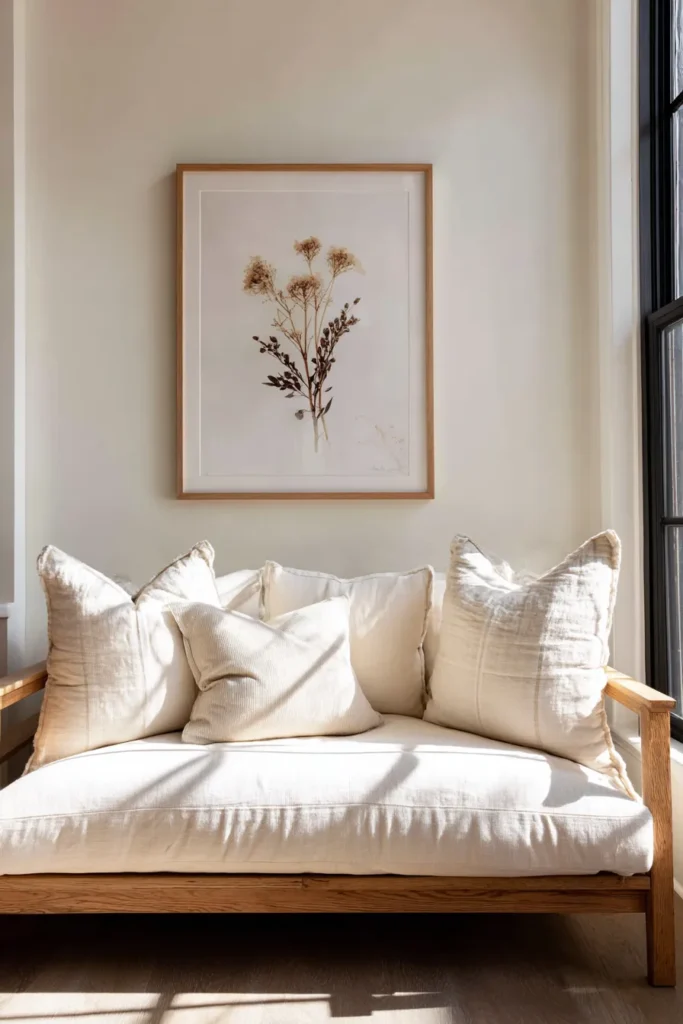
Large-scale art commands attention, but you don’t need gallery prices. Print high-resolution images on canvas through online services. Frame vintage botanical prints or maps. Create your own abstract piece with paint and canvas from craft stores.
What matters is scale and placement. One large piece above your sofa makes more impact than a scattered collection of small frames. Hang art at eye level, typically 57–60 inches from the floor to the center of the piece.
Style Your Surfaces Intentionally
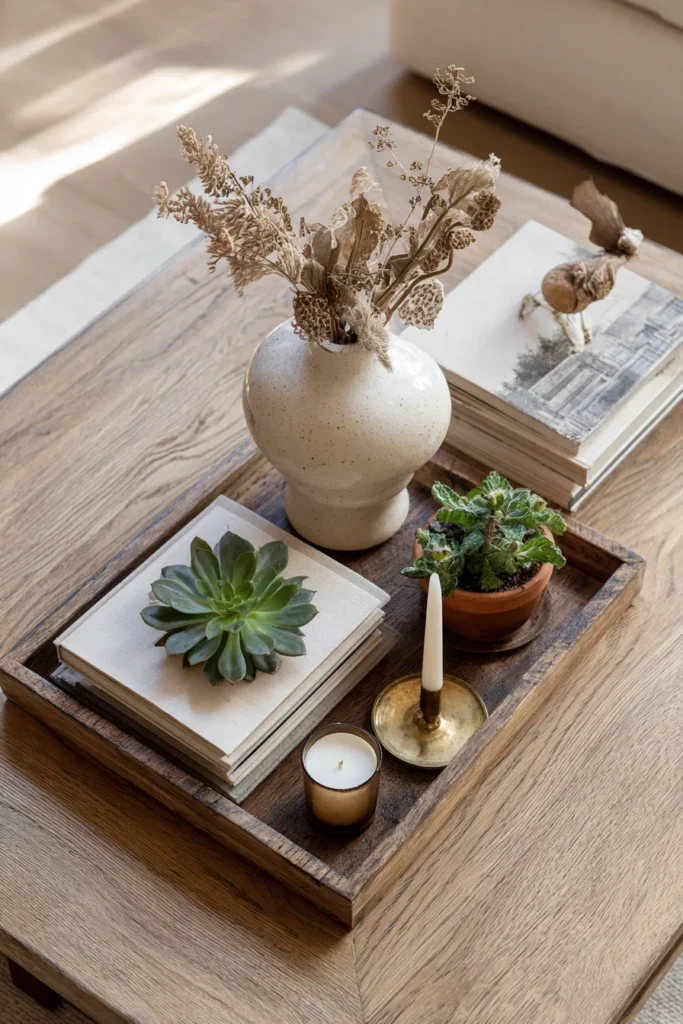
Coffee tables and shelves become focal points when styled with care. Group objects in odd numbers — three candlesticks, a stack of books, and a small plant create visual interest without clutter.
Use trays to corral smaller items. Add height variation with books or risers. Leave empty space — breathing room makes everything feel more curated and less chaotic.
Small Details That Complete the Picture
Hardware and Accents
Sometimes it’s the smallest details that tie everything together. New throw pillow covers cost less than new pillows. Decorative bowls hold remotes and create visual interest. Candles in varied heights add warmth and the promise of cozy evenings.
Look for these finishing touches at discount home stores, where you can find beautiful ceramics, woven baskets, and decorative objects for $10–$20 each. Choose a cohesive color palette — warm neutrals with one or two accent colors — so everything feels intentional.
Books as Décor
Books add color, texture, and personality while revealing your interests. Stack them on coffee tables, arrange them by color on shelves, or use them as risers for plants and objects. They’re functional art that costs nothing if you’re using what you already own.
Budget Breakdown Guide
Here’s how to allocate your $500 for maximum impact:
| Category | Budget Range | Examples |
|---|---|---|
| Anchor Furniture | $150–$250 | Accent chair, coffee table, side table |
| Textiles | $80–$120 | Rug, throw pillows, blankets, curtains |
| Lighting | $50–$80 | Floor lamp, table lamps, bulbs |
| Plants & Pots | $30–$50 | 3–5 plants in simple vessels |
| Art & Décor | $40–$60 | Prints, frames, candles, accessories |
| Paint & Supplies | $30–$50 | Accent wall or trim paint |
| Contingency | $20–$30 | Unexpected finds or finishing touches |
This breakdown prioritizes impact while leaving room for flexibility. If you find an incredible secondhand sofa for $100, reallocate the savings elsewhere.
Quick Checklist: Your Budget-Friendly Living Room Refresh
- Assess and rearrange what you already own
- Choose 1–2 anchor pieces that define your space
- Add texture through pillows, throws, and a quality rug
- Layer your lighting with floor and table lamps
- Soften windows with simple curtains hung high and wide
- Hunt secondhand for character-rich furniture and décor
- Bring in plants for life and movement
- Create a focal point with large-scale art or a gallery wall
- Style surfaces with intention and breathing room
- Add finishing touches through candles, books, and small objects
Where Your Money Goes Furthest
Shop Strategic Retailers
- IKEA: Budget furniture with Scandinavian lines
- Target: Affordable textiles and decorative accessories
- HomeGoods/TJ Maxx: Designer-style décor at discount prices
- Facebook Marketplace: Secondhand furniture with character
- Habitat ReStore: Quality donated furniture and building materials
- Thrift Stores: Vintage treasures waiting to be discovered
- Online Print Services: Custom art at canvas-printing websites
Know When to Splurge vs. Save
Invest in pieces you’ll touch and use daily — a quality rug, comfortable throw pillows, good lighting. Save on purely decorative items that can be swapped seasonally.
Choose neutral anchor pieces that will grow with your style, then add personality through affordable accessories you can change as your taste evolves.
Conclusion
Your living room transformation isn’t about the dollar amount. It’s about intention — choosing each piece with care, understanding how light moves through your space, honoring the textures that make you want to settle in and stay.
Five hundred dollars becomes ample when you shop thoughtfully, hunt with patience, and trust your instincts about what makes a space feel like home. The result isn’t a showroom. It’s something better: a room that holds your life gently, welcomes your people warmly, and feels entirely, authentically yours.
Start small. Move slowly. Let each choice build on the last. Your living room is waiting to become exactly what you need it to be.
Frequently Asked Questions
How can I update my living room for under $500?
Focus on high-impact changes: add a quality rug to define your space, layer in textiles through throw pillows and blankets, improve your lighting with floor and table lamps, and bring in plants for life. Rearrange existing furniture before buying new pieces, and shop secondhand for character-rich items. Paint an accent wall if you have budget remaining — transformation doesn’t require replacing everything.
What are the best places to find affordable living room furniture?
Facebook Marketplace and Craigslist offer quality secondhand pieces at fraction-of-retail prices. Habitat for Humanity ReStores sell donated furniture and materials affordably. IKEA provides budget-friendly basics with clean lines. Estate sales and thrift stores yield vintage treasures. Look for solid wood furniture with good bones that you can refresh with paint or new hardware.
How do I make my living room look expensive on a budget?
Invest in one or two quality anchor pieces rather than many cheap items. Hang curtains high and wide to make windows appear larger. Layer different textures through natural fiber textiles. Choose cohesive colors throughout the space. Style surfaces with intention, leaving breathing room. Use large-scale art for impact. Good lighting makes everything look more expensive — warm bulbs in layered fixtures elevate any space.
Can DIY projects really improve my living room décor?
Absolutely. Paint transforms furniture and walls for minimal cost. Create your own art with canvas and acrylics. Frame botanical prints or personal photos yourself. Replace hardware on existing furniture. Make planters from baskets. Build simple floating shelves. These projects add personality while keeping your budget intact — and handmade elements make your space feel more curated and personal.
What should I prioritize if I only have $500 to spend?
Start with one anchor piece that defines your seating area — either quality seating or a coffee table with character. Next, invest in a good rug to ground the space. Add affordable textiles for texture and warmth. Improve lighting with one or two new lamps. Bring in plants for life. Use remaining budget for small finishing touches like art, candles, and decorative objects that reflect your personality.