
Table of Contents
Your living room holds you. It welcomes you home after long days, hosts laughter over weekend coffee, and quietly watches over late-night conversations. It deserves to feel like you—warm, honest, and beautifully alive.
But transformation doesn’t require a fortune. The most meaningful changes often come from rearranging what you already own, adding one thoughtful element, or simply seeing your space through fresh eyes.
This guide walks you through budget-friendly ways to reimagine your living room. We’ll explore everything from furniture placement and lighting layers to natural textures and sustainable finds—all designed to help you create a space that feels both elevated and deeply comfortable.
Because home isn’t about perfection. It’s about presence.
Start With a Deep Clean and Clear Canvas
Before you move a single piece of furniture or buy anything new, give your living room the gift of attention. Deep clean forgotten corners, dust ceiling fans, wipe down baseboards, and wash windows until sunlight streams through unfiltered.
This simple act—often overlooked in makeover advice—instantly refreshes your space. You’ll notice architectural details you’d forgotten, see how light moves differently across clean surfaces, and create a true blank canvas for what comes next.
Declutter ruthlessly but kindly. Remove items that no longer serve you, box up excess decor, and clear surfaces until only what you love remains. Sometimes the most transformative change is simply less.
Rearrange Your Furniture for Better Flow
Assess Your Current Layout
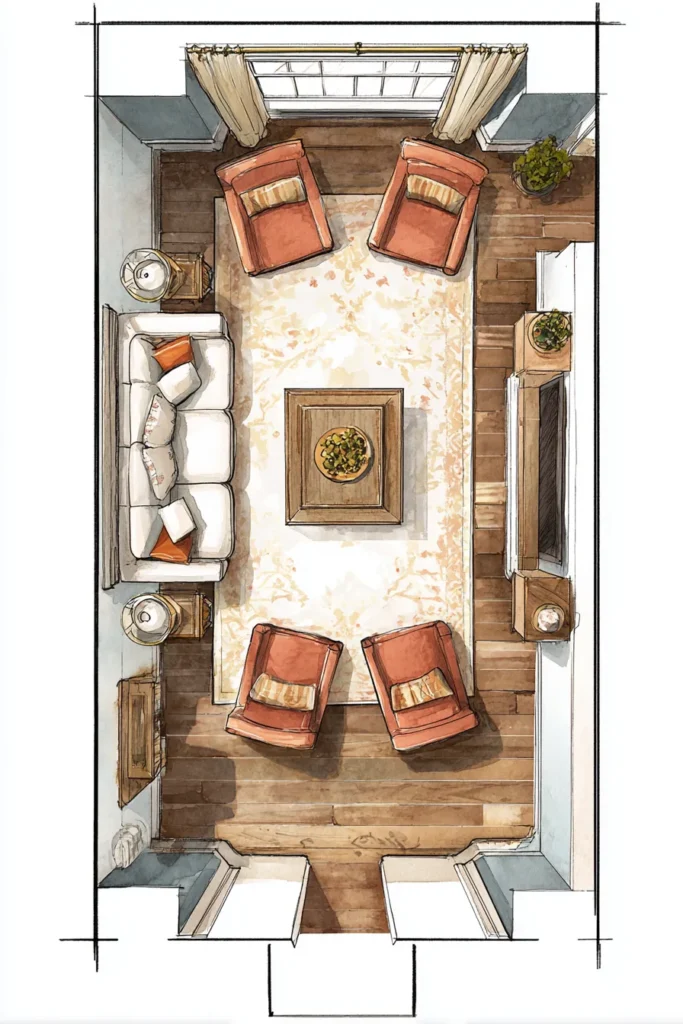
Walk through your living room as if you’re a first-time visitor. Does the furniture arrangement invite conversation or force everyone to crane their necks toward the television? Are pathways clear, or do you navigate an obstacle course to reach the window?
Furniture rearrangement costs nothing but offers dramatic results. Pull your sofa away from the wall to create depth. Angle chairs toward each other to encourage connection. Orient seating to embrace natural light rather than block it.
Apply Simple Feng Shui Principles
Ancient wisdom meets modern comfort when you consider energy flow. Position your sofa against a solid wall for stability and security. Ensure the main entrance isn’t blocked by bulky furniture—energy (and people) should flow freely into the space.
Create a commanding position by arranging seating so you can see the doorway while sitting. Balance elements throughout the room: a heavy bookshelf on one side might pair with a tall plant on the other. These subtle shifts cultivate harmony that you’ll feel even if you can’t name why.
Transform Walls With Paint and Creative Treatments
Choose Paint Colors Strategically
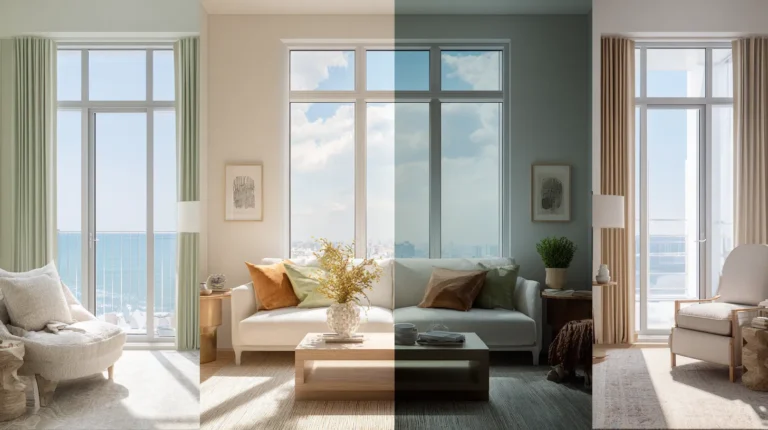
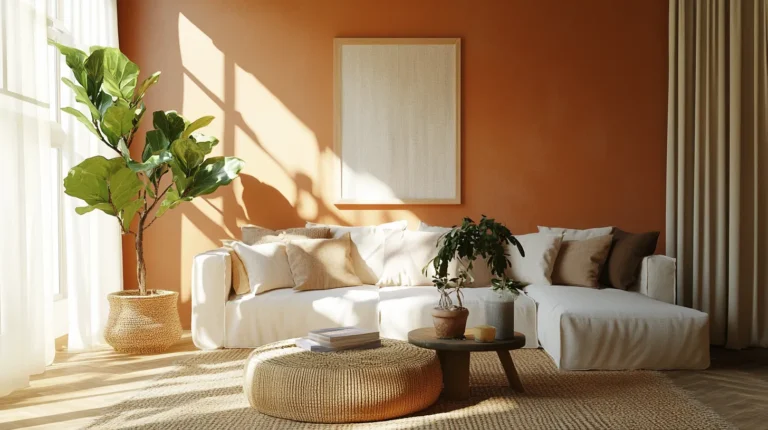
Color changes everything. A single accent wall in deep terracotta, soft sage, or warm charcoal can redefine your entire room for the cost of a gallon of paint and a weekend afternoon.
If commitment feels daunting, start smaller. Paint just the wall behind your sofa, or try the ceiling—an often-forgotten fifth wall that can add unexpected dimension. Soft whites with warm undertones make small spaces feel expansive, while rich, saturated hues create intimate cocoons.
Test paint samples on your walls and observe them throughout the day. Morning light reveals different undertones than evening glow. Trust what you see in your own space, not the paint chip under fluorescent store lighting.
Create DIY Wall Art
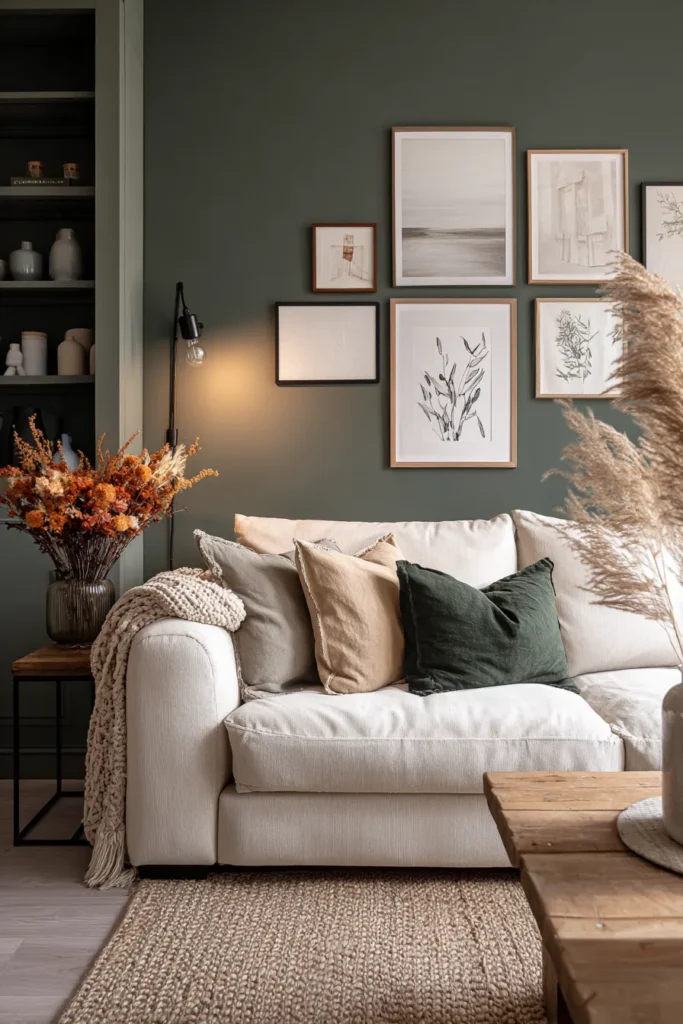
Your walls crave personality, not expense. Frame fabric remnants, pages from vintage books, or botanical prints downloaded and printed at home. Arrange family photos in mismatched thrift store frames painted the same color for cohesive charm.
Create a gallery wall using washi tape to plan the layout first—no nail holes until you’re certain. Mix frame sizes and orientations for visual interest. Include pieces that tell your story: ticket stubs from meaningful trips, children’s artwork, heirloom textiles stretched over canvas boards.
Layer Lighting for Depth and Ambiance
Balance Three Types of Lighting
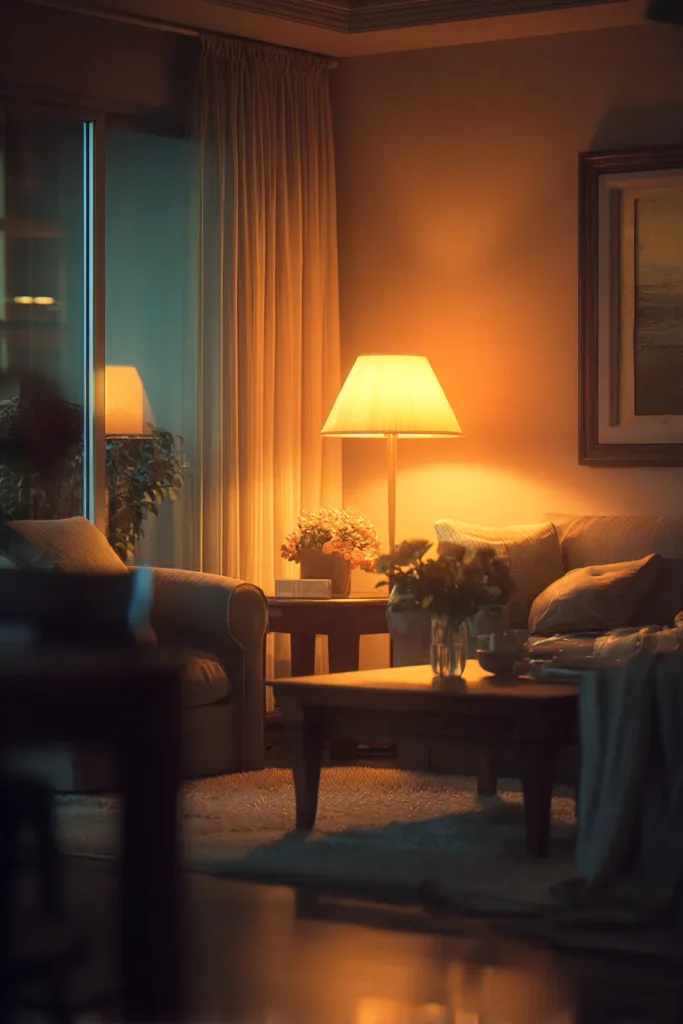
Most living rooms rely too heavily on overhead lighting, which can feel harsh and flat. True ambiance comes from layering ambient, task, and accent lighting throughout your space.
Ambient lighting provides overall illumination—think ceiling fixtures or recessed lights. Task lighting focuses on specific activities: reading lamps beside chairs, adjustable sconces near workspaces. Accent lighting highlights architectural features or artwork with directional beams or uplighting.
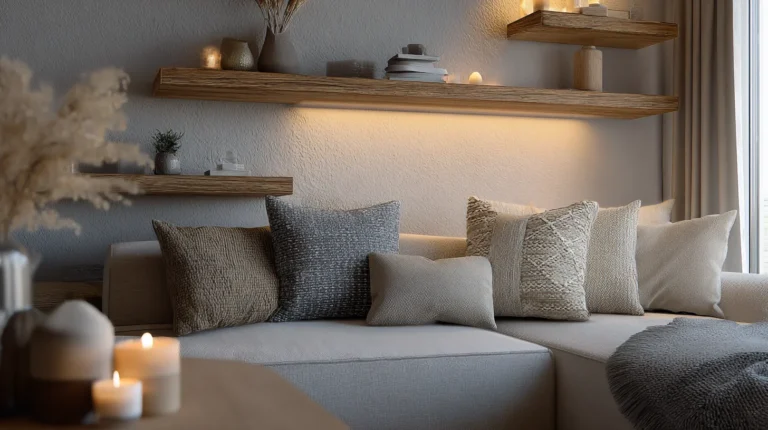
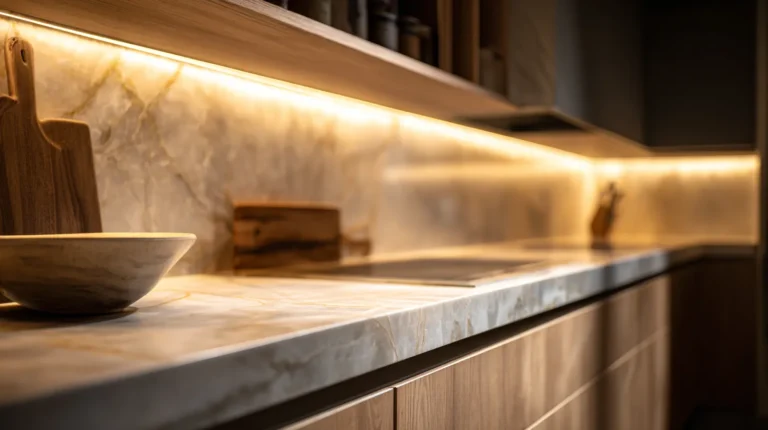
On a budget, skip expensive fixtures and focus on affordable table lamps, floor lamps from discount stores, and plug-in LED strips behind furniture or beneath shelving. Dimmer switches—simple to install—transform harsh overhead lights into adjustable mood setters.
Maximize Natural Light
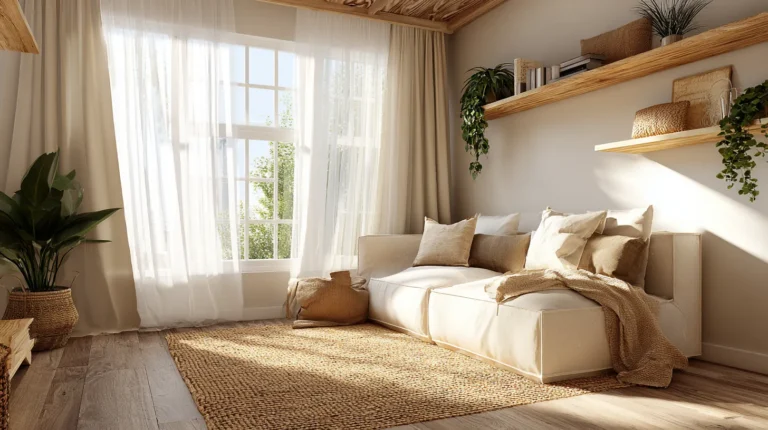
Natural light is free, yet we often block it unnecessarily. Remove heavy curtains or replace them with sheer linen panels that filter sunlight softly. Clean windows inside and out—you’ll be amazed by the difference.
Hang mirrors opposite windows to bounce light deeper into the room. Position reflective surfaces—glass tables, metallic accessories, glossy ceramics—where they’ll catch and multiply sunlight. Consider your climate: in hot regions, filter intense afternoon sun; in cloudy areas, embrace every ray.
Add Rugs and Textiles for Warmth and Zones
Layer Rugs Creatively
Rugs define spaces, add warmth underfoot, and introduce texture and pattern. But you don’t need expensive wall-to-wall coverage. Layer a smaller vintage rug over a larger natural jute or sisal base for dimensional interest at half the cost.
Mix patterns thoughtfully: geometric over solid, traditional over modern, different pile heights for tactile variety. This layering technique creates visual zones within open-plan spaces, distinguishing conversation areas from walkways without physical barriers.
In high-traffic homes with children or pets, consider what’s often overlooked: permanent floor tile designs that mimic rug patterns. Decorative tiles in strategic areas offer durability and style without recurring replacement costs, though they lack the softness and flexibility of fabric.
Update Window Treatments and Throw Pillows
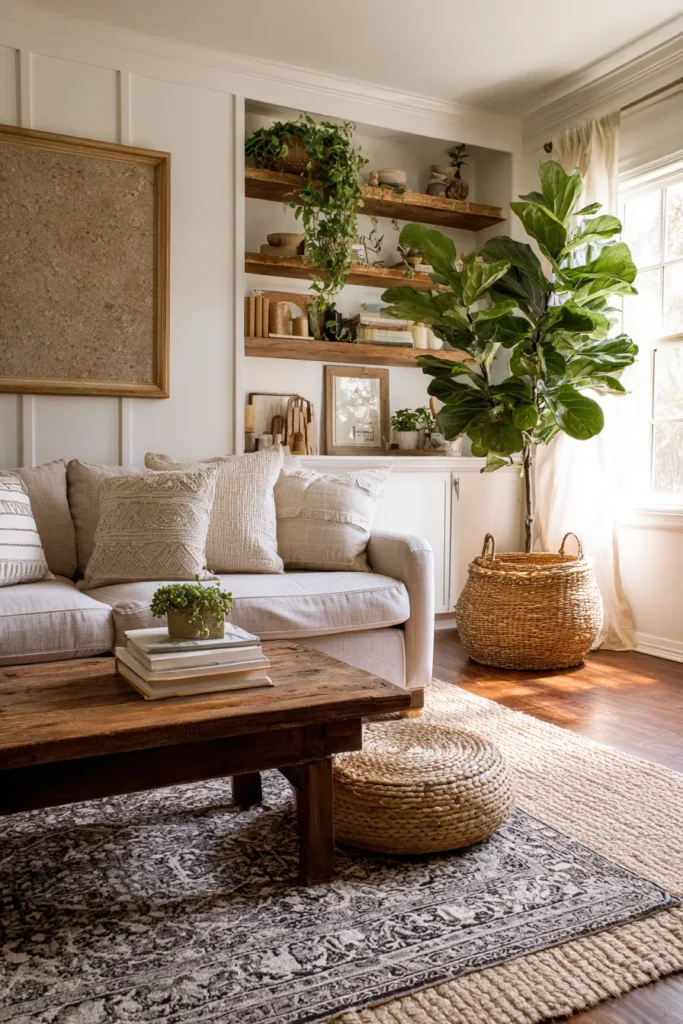
New curtains instantly refresh your room’s personality. Choose natural fibers like cotton or linen in neutral tones that coordinate with existing furniture—these timeless materials age beautifully and work across seasons.
Swap throw pillow covers seasonally rather than buying new pillows. Velvet for winter, linen for summer, chunky knits for autumn. Mix sizes—pair large 24-inch squares with smaller lumbar pillows. Embrace odd numbers for visual balance, and don’t be afraid of pattern mixing when colors coordinate.
Bring Nature Inside
Incorporate Plants Strategically
Greenery breathes life into any space. Large floor plants like fiddle-leaf figs or bird of paradise command attention and soften corners. Trailing pothos or philodendron cascade from shelves, adding movement and vertical interest.
Choose plants suited to your light conditions and care commitment. Snake plants and ZZ plants forgive neglect in low light. Succulents thrive in sunny spots with minimal watering. Even a single statement plant in a beautiful pot transforms energy and air quality.
Consider climate-appropriate choices that support your local ecosystem. Native plants often require less fussy care, and sustainable choices align with modern conscious living—a value that matters to many budget-conscious decorators.
Add Natural Textures
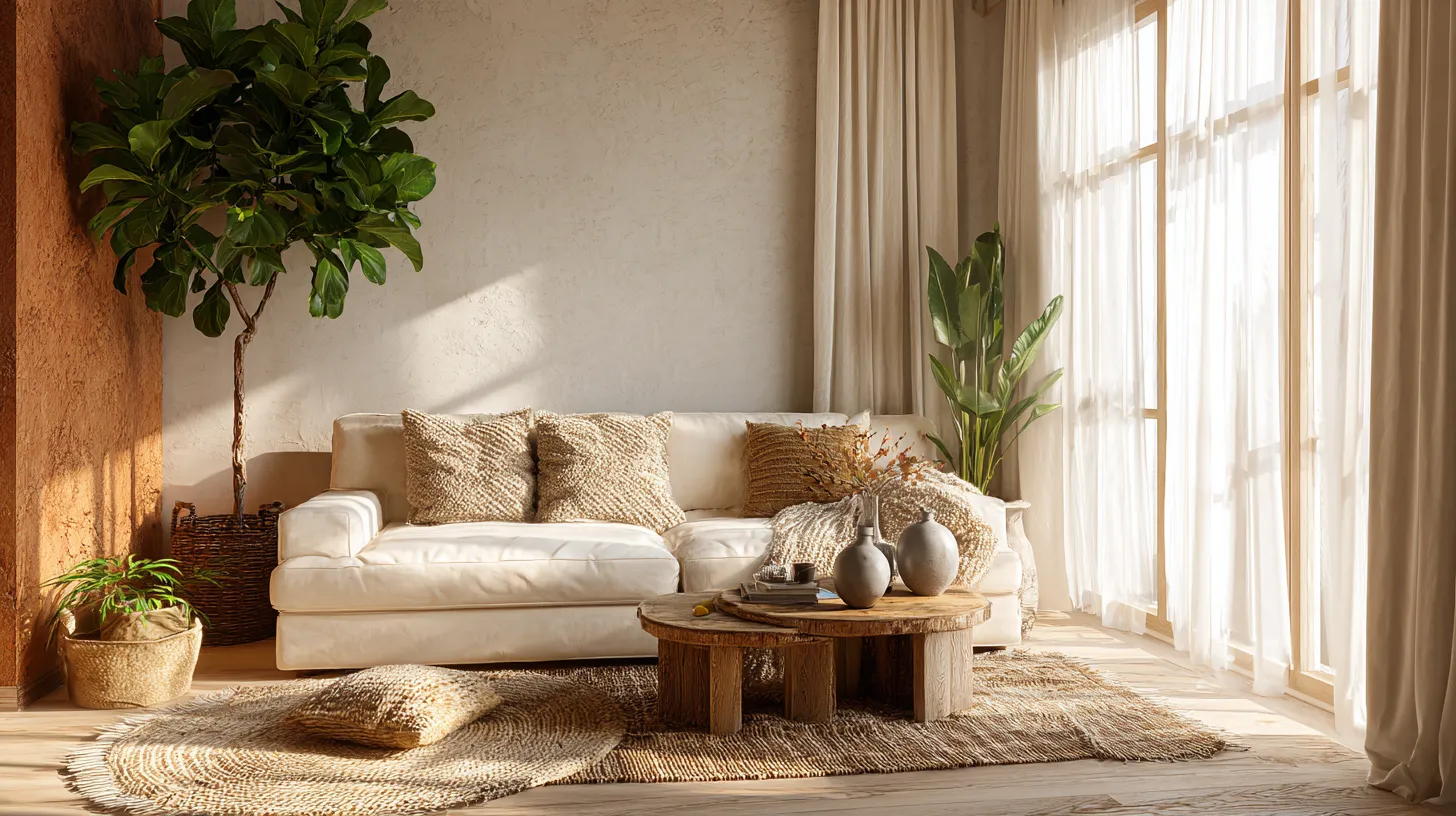
Bring the outdoors in through materials, not just plants. Woven baskets for storage, wooden trays on coffee tables, ceramic vases in earthy tones—these natural elements ground your space with organic warmth.
Display collected branches, dried pampas grass, or seasonal foliage in tall vessels. Stone coasters, marble cutting boards as decorative objects, rattan lampshades—natural textures layer visual interest and connect your interior to the wider world beyond your walls.
Shop Smart for Furniture and Decor
Embrace Thrifted and Secondhand Finds
The most characterful pieces rarely come from big-box stores. Thrift shops, estate sales, online marketplaces, and neighborhood buy-nothing groups offer treasures at fraction-of-retail prices. A vintage wooden ladder becomes blanket storage. A dated dresser painted matte black transforms into media console elegance.
Look beyond current condition to potential. Reupholstering a solid-frame chair costs less than buying new. Sanding and staining a scratched coffee table reveals beautiful wood grain. Small repairs and cosmetic updates turn overlooked pieces into custom-looking investments.
Prioritize Multifunctional Furniture
Budget-conscious spaces benefit from furniture that works harder. Ottomans with hidden storage, nesting side tables that separate when needed, console tables that extend into dining surfaces—these pieces maximize small footprints and tight budgets simultaneously.
A bookshelf becomes a room divider, creating zones without walls. A bench with cushions offers seating, storage, and surface area. Think vertically: wall-mounted shelves and cabinets preserve floor space while displaying treasures and hiding clutter.
Swap Furniture With Friends
Host a furniture swap with friends redecorating their own spaces. That side table you’ve tired of might be exactly what someone else needs, and their unwanted accent chair could solve your seating shortage.
This circular economy approach costs nothing and adds social connection to your makeover process. You’ll discover new-to-you pieces with stories attached, creating layers of meaning beyond mere decoration.
Add Personal Touches That Tell Your Story
Display Meaningful Collections
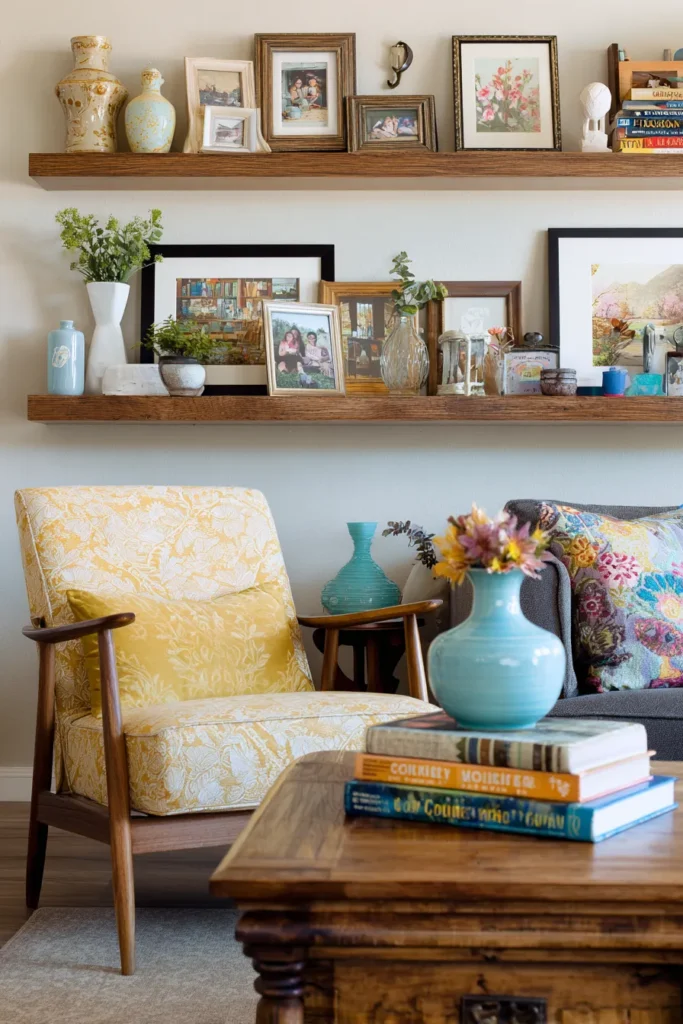
Your living room should reflect your life, not a catalog photograph. Display travel souvenirs, family heirlooms, collections gathered over time. Group similar items—vintage cameras, ceramic birds, antique books—for curated impact rather than scattered clutter.
Tell your story through what you display. Children’s artwork in simple frames, photographs from meaningful moments, handwritten letters or postcards mounted under glass—these personal touches create emotional resonance that purchased decor never can.
Create Vignettes on Surfaces
Arrange objects in small groupings on coffee tables, shelves, and consoles. Use the rule of three: combine objects of varying heights and textures for visual interest. A stack of beautiful books, a small plant, and a ceramic bowl create a simple vignette.
Edit ruthlessly. Less is more powerful than crowded surfaces. Leave breathing room around groupings. Change arrangements seasonally—autumn’s pine cones and brass candlesticks become winter’s white branches and mercury glass.
Budget Makeover Checklist
Before you begin, create a realistic budget and timeline. Here’s your actionable roadmap:
Preparation Phase
- Deep clean entire room including overlooked areas
- Declutter and remove items that don’t serve you
- Take “before” photos from multiple angles
- Measure your space and existing furniture
Zero-Cost Changes
- Rearrange furniture for better flow and conversation
- Apply Feng Shui principles for energy balance
- Reorganize and edit existing decor displays
- Swap furniture pieces between rooms
Low-Cost Updates
- Paint accent wall or entire room in fresh color
- Add or replace lighting with affordable lamps
- Update throw pillow covers and window treatments
- Shop thrift stores for unique accent pieces
- Create DIY wall art from materials on hand
Strategic Investments
- One statement plant in beautiful pot
- Area rug or rug layering combination
- Multifunctional furniture piece if needed
- Quality paint for long-lasting wall transformation
Finishing Touches
- Style surfaces with meaningful personal items
- Hang mirrors to enhance light and space
- Add natural textures through baskets and wood elements
- Display family photos and travel memories
Creating Your Budget-Friendly Action Plan
| Priority Level | Action Items | Estimated Cost | Timeline |
|---|---|---|---|
| Immediate | Deep clean, declutter, rearrange furniture | $0 | Weekend |
| Week 1-2 | Paint accent wall, swap/add lighting | $50-150 | 2 weekends |
| Week 3-4 | Add textiles, thrift for accent pieces | $75-200 | Ongoing |
| Month 2 | Incorporate plants, personal displays | $50-100 | As found |
Adapt this timeline to your specific needs and budget. Some changes happen instantly, others unfold as you discover perfect pieces or save for specific additions.
Conclusion
Your living room transformation doesn’t require a designer budget or magazine-perfect execution. It needs your attention, creativity, and willingness to see familiar spaces with fresh perspective.
The most beautiful rooms aren’t those that follow trends or cost fortunes. They’re spaces that feel authentic to the people who live there—rooms that hold memories, welcome guests, and provide daily comfort through thoughtful, meaningful choices.
Start small if you must. Change one thing this weekend: move the sofa, paint a wall, bring in a plant. Notice how that single shift affects your entire space, then build from there with confidence and joy.
Because home isn’t a destination you reach with enough money. It’s a feeling you cultivate with care, patience, and the courage to trust your own vision.
Your living room is waiting. It’s ready to become exactly what you need it to be.

Frequently Asked Questions
How can I make my living room look expensive on a budget?
Focus on three key elements: symmetry, lighting, and edited displays. Pair matching lamps or identical throw pillows for designer-like balance. Layer lighting at multiple levels instead of relying on harsh overhead fixtures. Remove clutter and display only your most beautiful objects with breathing room around them. These cost-effective strategies create sophisticated polish that reads as intentional and elevated.
What’s the easiest way to refresh a living room quickly?
Rearrange your existing furniture to create better flow and conversation areas. This zero-cost change offers dramatic results in an afternoon. Follow by deep cleaning windows, washing curtains, and decluttering surfaces. You’ll be amazed how these simple actions make your space feel completely renewed without purchasing anything.
How do I choose the right paint color for a budget makeover?
Test actual paint samples on your walls and observe them throughout the day—morning, afternoon, and evening light reveal different undertones. Consider your existing furniture and the mood you want to create. Warm neutrals make small spaces feel larger and work across seasons. If bold color intimidates you, paint just one accent wall first. Trust what you see in your specific lighting rather than how colors look elsewhere.
What are the best budget-friendly lighting ideas for living rooms?
Layer three types of lighting: ambient (overhead or ceiling), task (reading lamps, sconces), and accent (LED strips, uplighting). Shop discount stores for affordable table and floor lamps. Install dimmer switches on existing fixtures for adjustable ambiance. Add plug-in LED strip lighting behind furniture or under shelving for dramatic effect at minimal cost. Maximize free natural light by using sheer curtains and strategically placing mirrors.
How can I add personality to my living room without spending much?
Display items that tell your story: family photographs, travel souvenirs, inherited treasures, children’s artwork. Create gallery walls using mismatched thrift store frames painted the same coordinating color. Arrange meaningful collections—vintage cameras, ceramic pieces, antique books—in curated groupings. These personal touches create authentic character that purchased decor can’t replicate, and they cost little or nothing while adding emotional depth to your space.