
Table of Contents
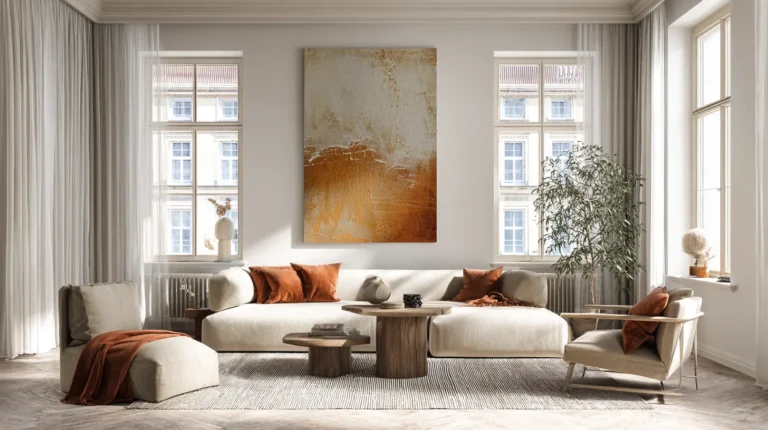
There’s something quietly powerful about a small living room done right. Not despite its size, but because of it. The walls feel closer, the light lands softer, and every choice you make becomes more intentional—more yours.
If you’re working with a compact space and a modest budget, you’re not limited. You’re focused. And that focus is where true beauty begins.
In this guide, we’ll walk through thoughtful, budget-friendly ways to turn your small living room into a space that feels both expansive and intimate. From furniture placement to color psychology, from DIY storage hacks to the warmth of repurposed pieces, we’ll explore how to create a room that breathes, welcomes, and reflects who you are—without overspending.
Let’s begin where all good design starts: with what you already have.
How Do I Decorate a Small Living Room on a Budget?
Start With What You Love
Before buying anything new, take inventory. Walk through your home and gather items that spark joy or memory—a vintage tray, a soft throw, a piece of art you’ve stored away. Small living rooms thrive on curation, not accumulation.
Rearrange what you own first. Sometimes a lamp moved to a new corner or a chair angled toward the window changes everything. This costs nothing but attention.
Embrace the Power of Paint
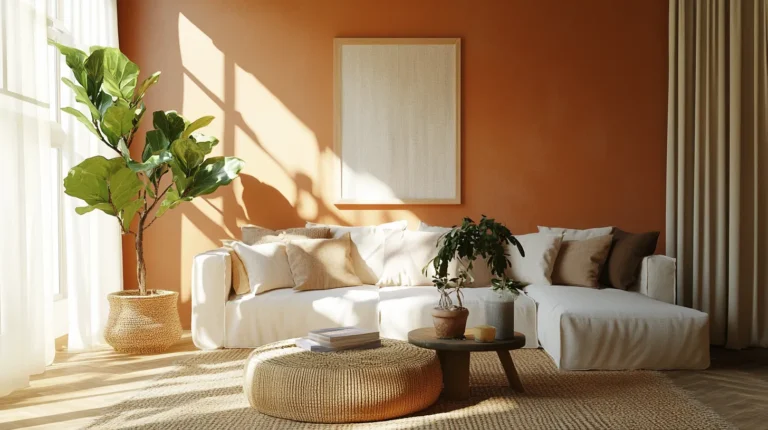
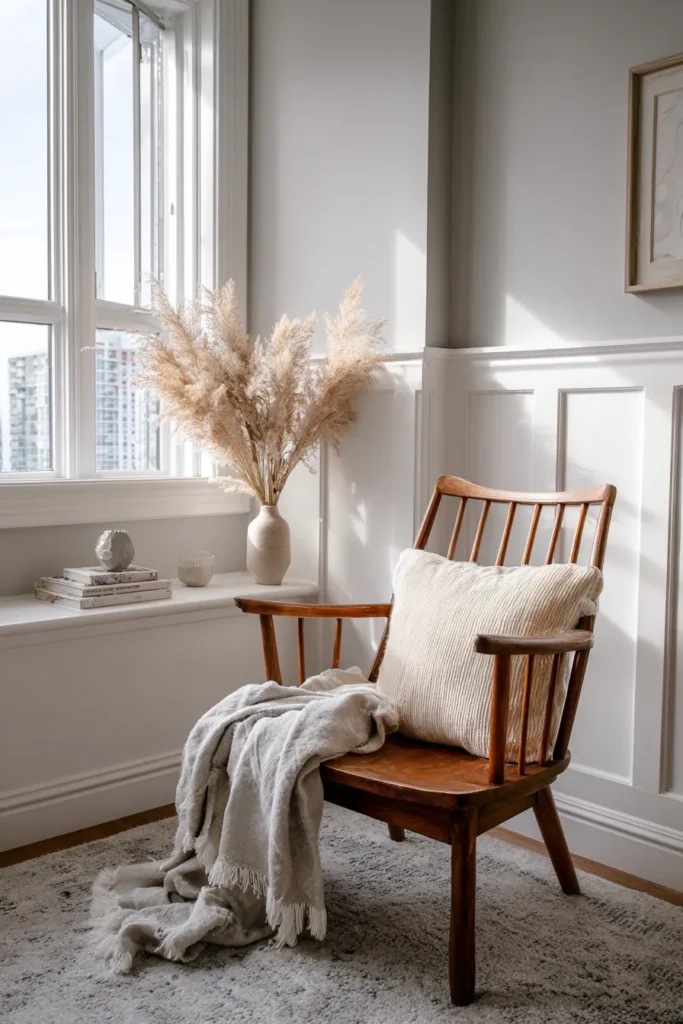
A single gallon of paint can redefine your entire room. Soft whites, warm creams, or gentle grays reflect light and make walls recede visually. If you’re feeling bold, try painting just one accent wall in a muted sage or dusty terracotta to add depth without overwhelming the space.
Paint isn’t just for walls—consider refreshing old furniture, picture frames, or even a tired bookshelf. A coat of matte white or charcoal can unify mismatched pieces beautifully.
Layer Textures, Not Things
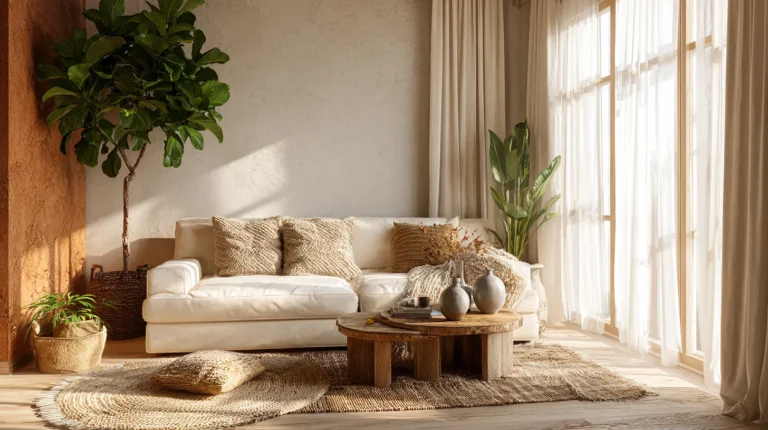
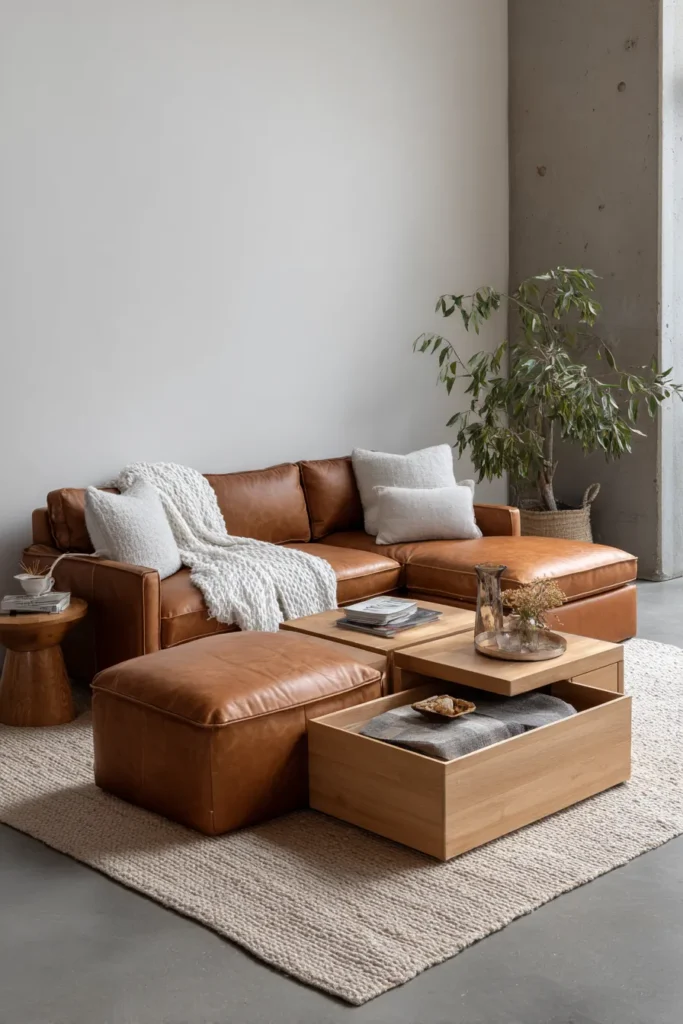
Budget decorating is about sensory richness, not volume. A linen pillow next to a chunky knit throw. A jute rug beneath a worn leather pouf. These layers create dimension without clutter.
Thrift stores and online marketplaces are treasure troves for textured textiles. Look for natural materials—cotton, wool, wood, rattan—that age gracefully and feel grounding.
What Are the Best Furniture Arrangements for a Small Living Room?
Float Your Furniture
Push everything against the walls, and your room shrinks. Instead, float your sofa a few inches away from the wall to create breathing room and visual flow. This counterintuitive trick makes the space feel deliberately designed, not squeezed.
Angle chairs slightly inward to encourage conversation. Even in a small room, creating distinct zones—a reading nook, a gathering area—makes the space feel more generous.
Choose Multi-Functional Pieces
A storage ottoman serves as seating, a coffee table, and hidden storage. A bench with cushions becomes extra seating and a place to tuck baskets underneath. When every piece works twice as hard, you need half as much.
Look for nesting tables, fold-out desks, or sofas with hidden compartments. These aren’t just practical—they’re elegant solutions that keep your room feeling uncluttered.
Consider Scale and Proportion
One substantial sofa often works better than a sofa plus two bulky chairs. Choose furniture with exposed legs—they create visual lightness by letting you see the floor beneath. Avoid heavy, skirted pieces that make the room feel bottom-heavy.
Keep side tables narrow and open. Glass or acrylic tables disappear visually while still providing function.
How Can I Maximize Storage in a Small Living Room?
Think Vertically
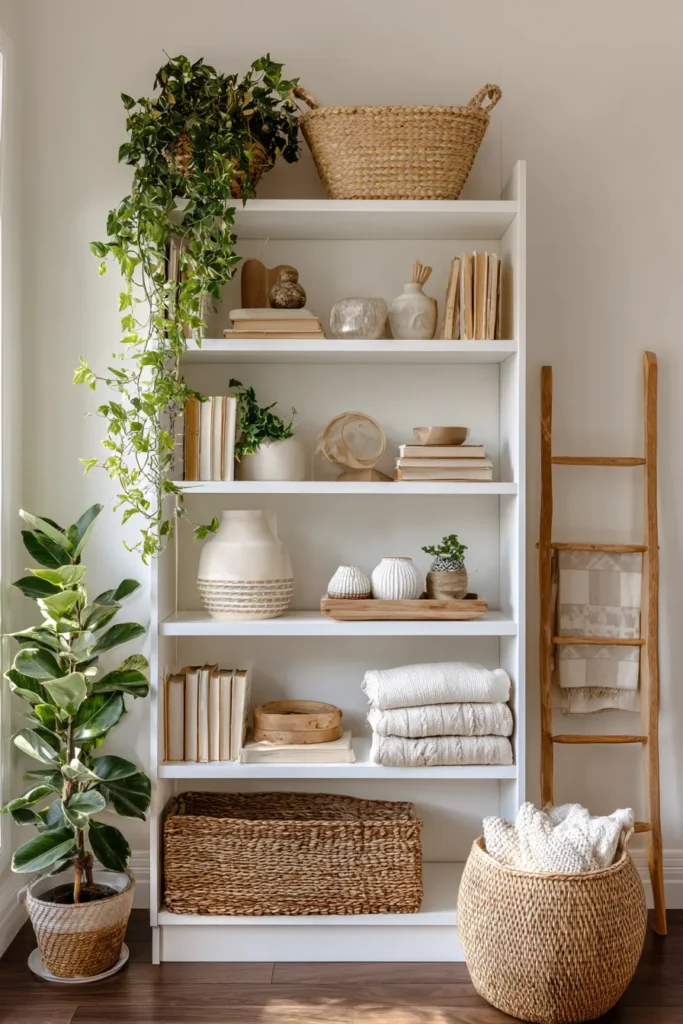
When floor space is limited, look up. Floor-to-ceiling shelving draws the eye upward and provides ample storage without eating into your square footage. Style shelves with books, plants, and a few meaningful objects—mix open and closed storage to avoid visual chaos.
Wall-mounted cabinets, floating shelves, and pegboards keep essentials accessible without crowding the room. Even a simple shelf above a doorway can hold seasonal items or beautiful baskets.
Repurpose With Purpose
An old wooden ladder becomes a blanket rack. Vintage suitcases stack into a side table with hidden storage. Mason jars corral remote controls and charging cables. Repurposing old furniture isn’t just budget-friendly—it adds character and sustainability to your space.
Before discarding anything, ask: could this serve a new function? A dresser drawer might become wall-mounted floating storage. An old door could transform into a desk surface.
DIY Storage That Blends In
Build simple wooden crates and stack them as modular shelving. Hang fabric bins inside closet doors. Use tension rods under the sofa to create hidden storage for flat items like magazines or yoga mats.
The best storage solutions disappear into your design. Choose materials and finishes that match your existing palette so they enhance rather than interrupt.
What Colors Make a Small Living Room Look Bigger?
The Psychology of Light and Space
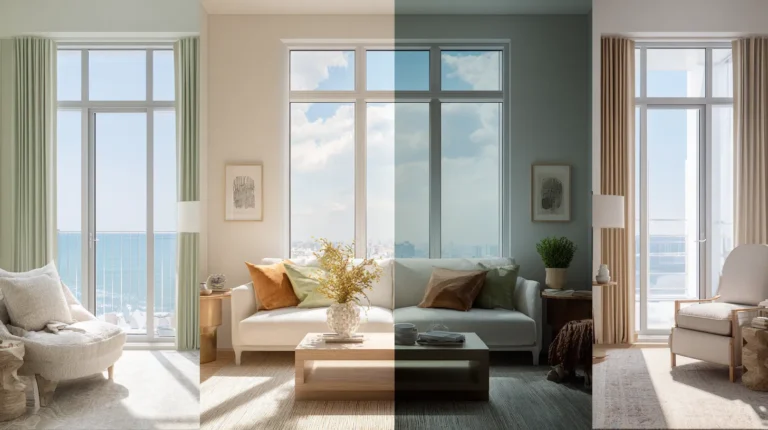
Soft, light colors reflect natural light and create the illusion of openness. Think warm whites, pale grays, soft beiges, and gentle pastels. These hues recede visually, making walls feel farther away.
But “light” doesn’t mean sterile. Layer in warmth through wood tones, brass accents, and natural textiles to keep the room feeling inviting rather than clinical.
The Monochromatic Magic
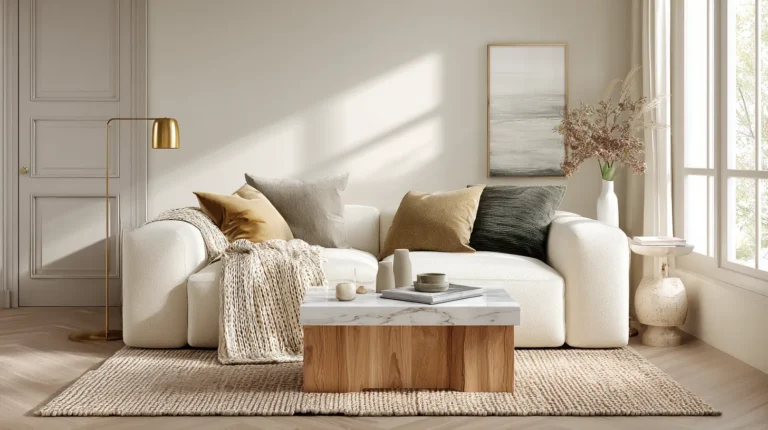
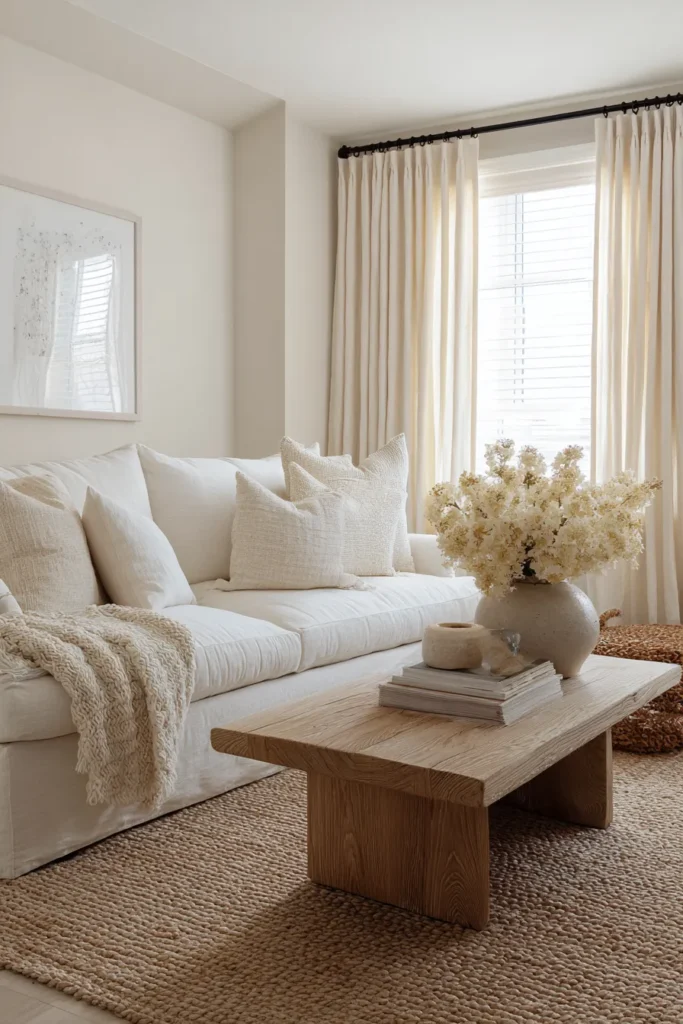
Using variations of a single color family creates seamless flow and visual continuity. Try different shades of cream—from ivory walls to oat-colored curtains to a deeper tan rug. This tonal approach feels sophisticated and calm.
You can add contrast through texture rather than color—a white bouclé pillow against a linen sofa, a raw wood coffee table on a cream rug.
Strategic Accent Colors
If you crave color, use it intentionally. A single piece of art, a collection of cushions, or a painted accent behind open shelving can add personality without shrinking the space. Cool tones like soft blues and greens tend to recede, while warm oranges and reds advance—choose accordingly based on where you want to draw attention.
Metallic accents in brass, copper, or matte gold catch light beautifully and add richness without heaviness.
How Do I Make a Small Living Room Feel Cozy?
The Art of Lighting Layers
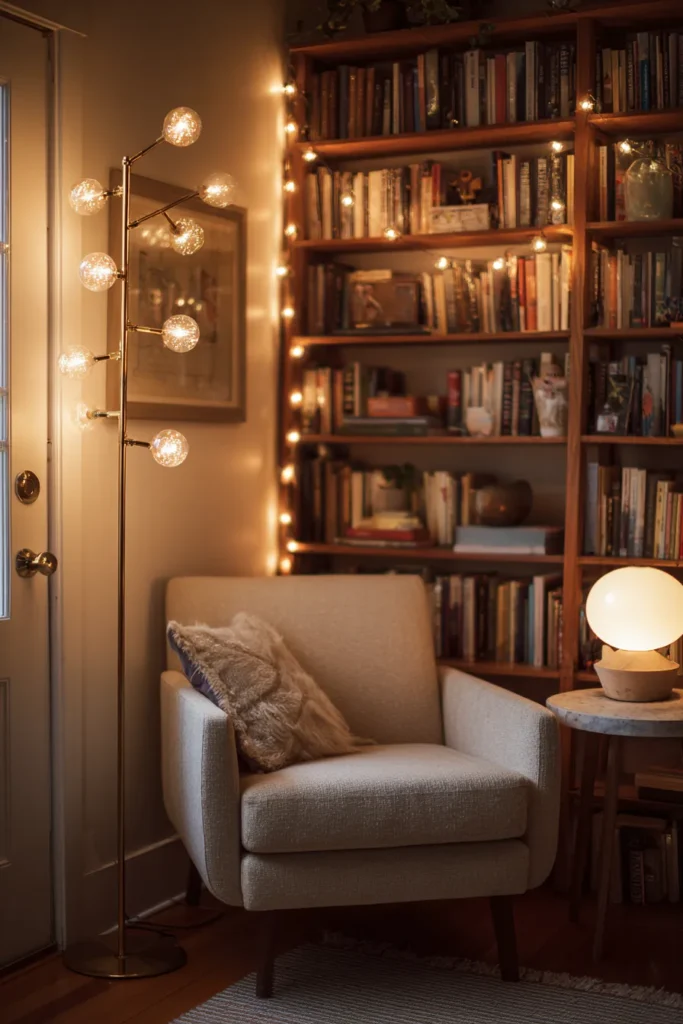
Overhead lighting alone creates harsh shadows and flatness. Instead, layer your light sources: a floor lamp in one corner, a table lamp on a side table, perhaps string lights or candles for evening warmth.
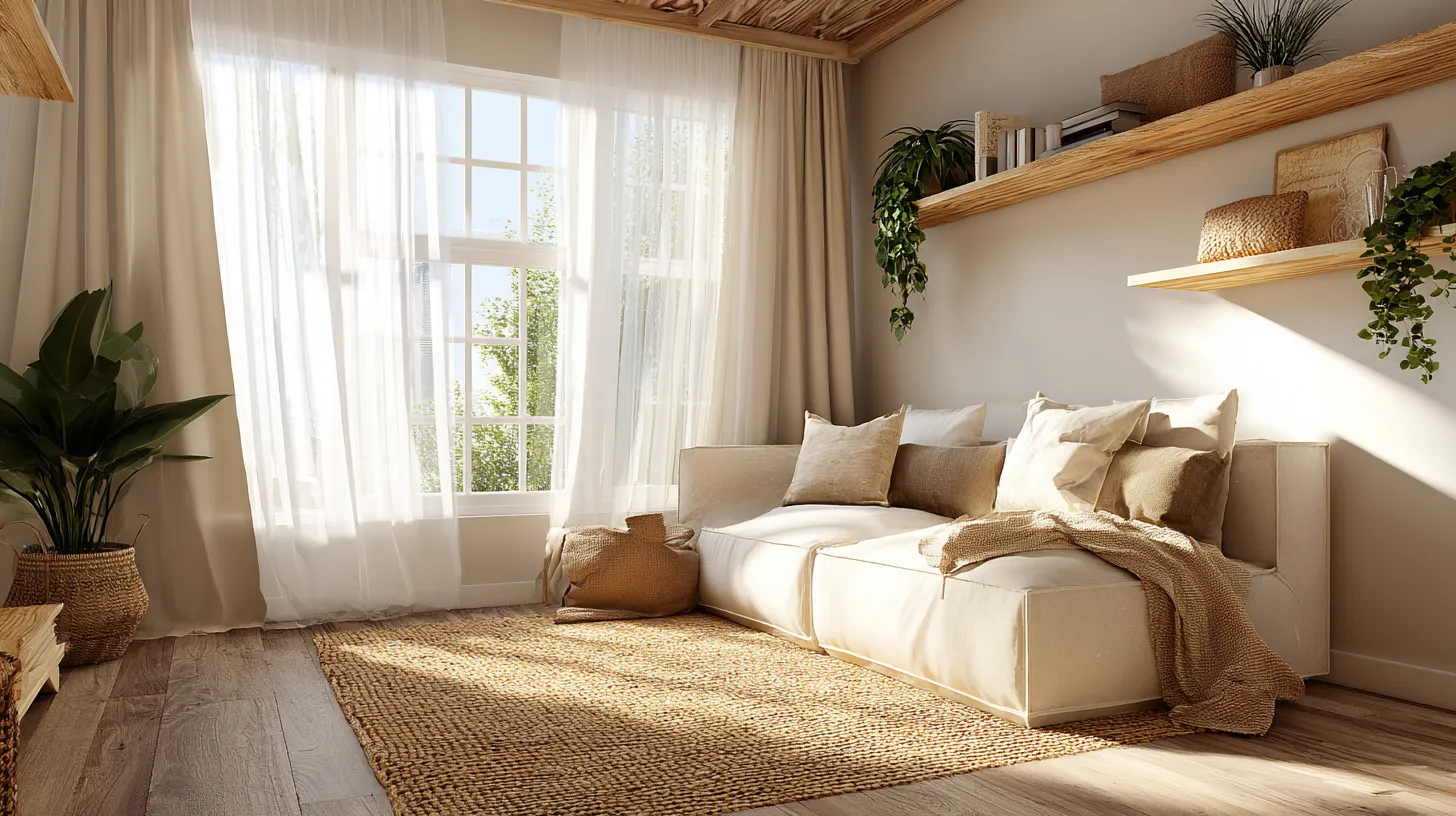
Warm-toned bulbs (2700K-3000K) create instant coziness. Dimmer switches let you adjust the mood throughout the day. Natural light is your best friend—keep windows unobstructed or dressed in sheer, lightweight curtains that filter rather than block.
Textiles That Invite Touch
Cozy is a tactile experience. A chunky knit throw draped over the sofa arm. Velvet cushions that catch the light. A soft rug that your feet sink into. These aren’t decorative afterthoughts—they’re invitations to relax.
Choose natural fibers when possible—cotton, linen, wool, jute. They breathe better than synthetics and develop a lovely patina over time.
Create Intimate Corners
Even in a small room, carve out a tiny reading nook with a chair angled toward natural light, a small side table, and a reading lamp. This dedicated moment of intentionality makes the whole space feel more thoughtful and livable.
Add living elements—a potted plant, fresh flowers, or even branches in a simple vase. These bring life, movement, and a connection to nature that instantly warms a space.
What Are Cheap Decor Ideas for Small Living Rooms?
The Power of Greenery
Plants are the most affordable way to add color, texture, and life to your space. Start with easy-care varieties like pothos, snake plants, or rubber trees. Group smaller plants on shelves or windowsills for visual impact.
If you struggle with plant care, high-quality faux plants have come a long way. Mix them with real ones for a lush, forgiving look.
DIY Art and Gallery Walls
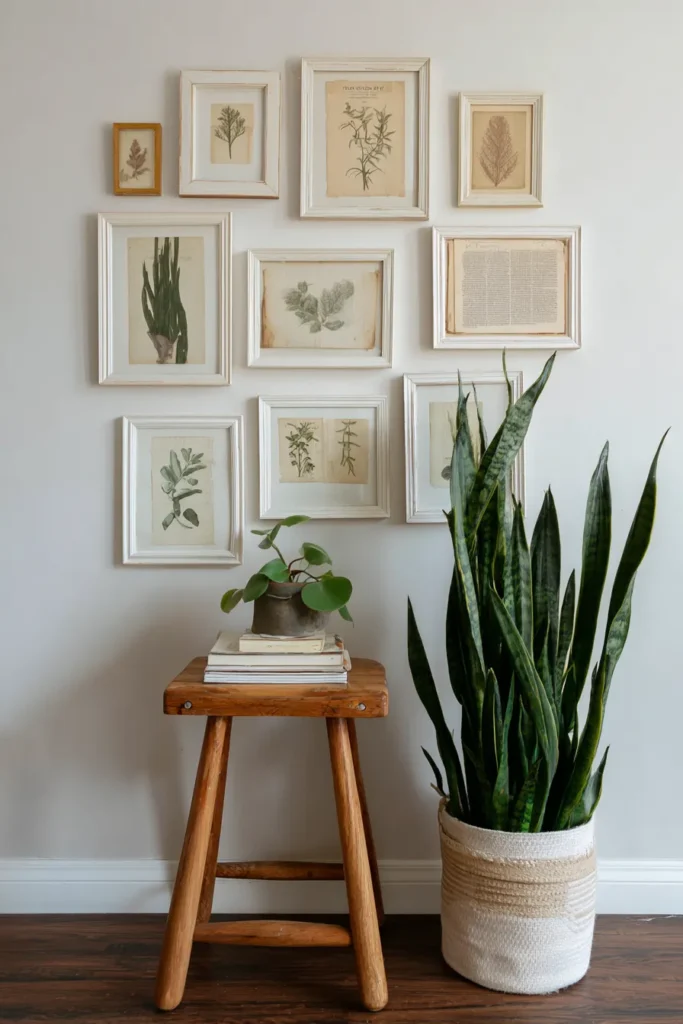
Frame pages from old books, pressed leaves, or your own photography. Create a gallery wall using thrifted frames painted in a cohesive color. The key is repetition—similar frames in different sizes, or varied frames with similar matting.
Large-scale art makes a statement without clutter. Even a simple DIY abstract painting (think color blocking or geometric shapes) can anchor a room for the cost of a canvas and paint.
Thrifted and Repurposed Treasures
Scour thrift stores, estate sales, and online marketplaces for unique pieces with good bones. A dated mirror becomes stunning with a fresh paint treatment. Mismatched vintage chairs around a table create an eclectic, collected-over-time feel.
The beauty of secondhand shopping is that each piece has history. Your room won’t look like a catalog—it’ll look like yours.
Smart Use of Mirrors
Mirrors are the designer’s secret weapon for small spaces. They reflect light and views, effectively doubling your visual space. Position a mirror opposite a window to bounce natural light around the room.
Look for interesting shapes—arched, circular, or irregular mirrors add architectural interest while serving their space-expanding purpose.
How to Add Personality to a Small Living Room Without Clutter?
Curate, Don’t Accumulate
Personality comes from meaningful curation, not quantity. Display items that tell your story—travel finds, inherited treasures, handmade pieces. Rotate decorative objects seasonally so your space feels fresh without adding more.
Practice the “one in, one out” rule. When something new arrives, something old finds a new home.
Create Visual Focus Points
Instead of scattering small decorative items throughout the room, create intentional vignettes. Group three candlesticks of varying heights. Stack beautiful books with a small plant on top. These composed moments draw the eye without overwhelming.
Leave negative space. Empty surfaces aren’t wasted—they give your eye (and mind) a place to rest.
Bring in Personal Collections Thoughtfully
If you collect something—vintage cameras, ceramic vessels, botanical prints—display them together as an intentional collection rather than scattered throughout the room. This creates impact and tells a story.
Use open shelving or a display cabinet to showcase collections while keeping them contained and organized.
What Lighting Options Work Best in Small Living Rooms on a Budget?
Natural Light First
Before investing in fixtures, maximize what’s free. Clean your windows thoroughly—you’d be amazed at the difference. Remove heavy curtains in favor of light-filtering sheers or simple roller shades that disappear when raised.
Position mirrors strategically to reflect and amplify natural light throughout the day.
Affordable Ambient Options
String lights aren’t just for college dorms—modern versions with warm Edison bulbs create beautiful ambient light draped along a bookshelf or across a ceiling corner. Paper lanterns, rattan pendants, and simple drum shades offer style at thrift-store prices.
Floor lamps with adjustable arms provide both task and ambient light. Look for vintage or secondhand pieces—brass and ceramic bases from past decades often outshine contemporary options.
The Magic of Candles and Soft Light
Nothing creates atmosphere like candlelight. Cluster pillar candles of varying heights on a tray. Use LED candles if you worry about safety—the flickering effect has improved dramatically.
Salt lamps, string lights in glass jars, and simple table lamps with warm bulbs all contribute to that layered lighting we talked about earlier. The goal is multiple, gentle sources rather than one bright overhead.
Repurposing Old Furniture to Save Money
Assess Before You Discard
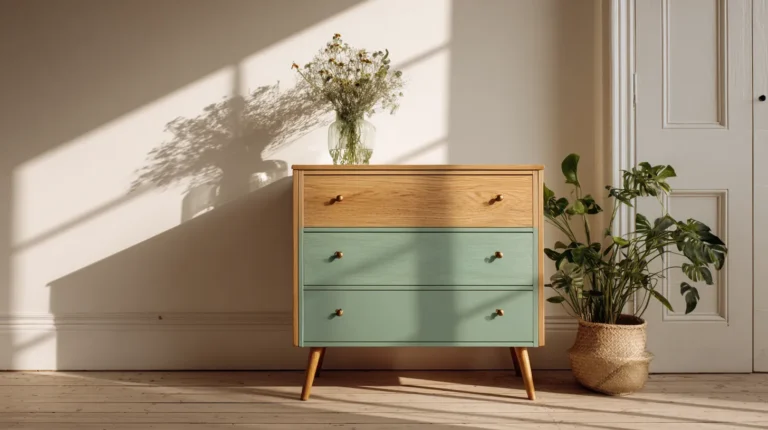
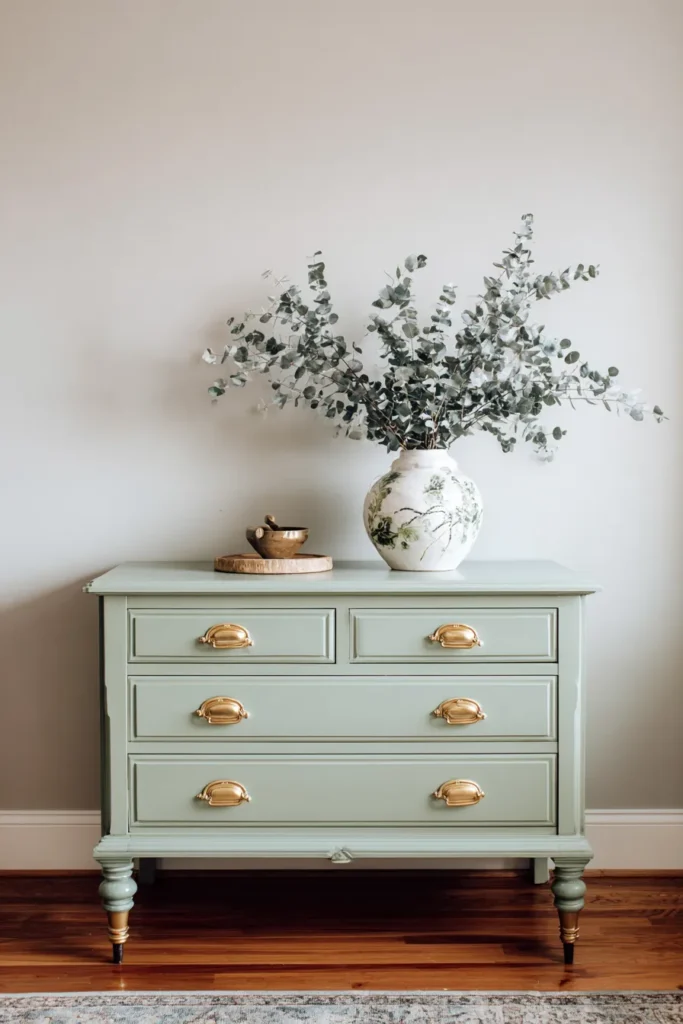
That dated dresser might become a beautiful media console with the hardware removed and a fresh coat of paint. Old chairs can be reupholstered with affordable fabric or simply given new cushions. Before shopping for new furniture, look at what you already own with fresh eyes.
Check structural integrity—wobbly joints can often be tightened, scratches sanded and refinished. If the bones are good, almost anything can be transformed.
Simple Transformations, Big Impact
Paint is your most powerful tool. Chalk paint requires minimal prep and creates a lovely matte finish. Mid-century pieces often just need legs stripped to reveal beautiful wood underneath.
New hardware transforms cabinets and dressers instantly. Swap plastic knobs for brass pulls or leather straps for a high-end look at minimal cost.
Sustainable and Cost-Effective
Repurposing furniture keeps items out of landfills while saving you significant money. A $20 thrift store coffee table plus $15 in supplies becomes a $300-looking piece with an afternoon of work.
Use non-toxic, eco-friendly finishes like linseed oil, beeswax, or low-VOC paints. Your home’s air quality matters as much as its aesthetic.
| Project Type | Average Cost | Time Investment | Skill Level |
|---|---|---|---|
| Paint refresh | $20-40 | 2-4 hours | Beginner |
| Hardware update | $15-50 | 1 hour | Beginner |
| Reupholstering cushions | $30-80 | 3-5 hours | Intermediate |
| Refinishing wood | $40-100 | 6-8 hours | Intermediate |
| Major furniture transformation | $50-150 | 8-12 hours | Advanced |
Budget-Friendly Shopping Strategies
Know When to Splurge and Save
Invest in pieces you’ll use daily—your sofa, a good rug, quality lighting. Save on trend-driven items like throw pillows, small decorative objects, and seasonal accents that you’ll likely want to change anyway.
Buy the best you can afford for foundational pieces, even if it means saving longer. A well-made sofa lasts decades; a cheap one lasts a few years and ends up costing more.
Shop Secondhand First
Estate sales, Facebook Marketplace, Craigslist, and local thrift stores offer incredible finds. Solid wood furniture from decades past often surpasses new particle board pieces in both quality and character.
Be patient. Set alerts for specific items you’re seeking. The perfect piece will appear when you’re committed to the hunt.
End-of-Season Sales and Clearance
Home goods stores cycle inventory seasonally. Buy summer textiles in fall, cozy throws in spring. Clearance sections can yield 70-80% discounts on beautiful items.
Sign up for email lists from your favorite stores—they’ll alert you to sales and often provide exclusive discount codes.
Quick Checklist: Small Living Room Transformation on a Budget
- Declutter first – Remove anything that doesn’t serve a function or bring joy
- Rearrange existing furniture – Try floating pieces away from walls
- Paint walls in light, warm tones – One gallon can transform the entire space
- Maximize vertical storage – Install shelving, use wall-mounted solutions
- Layer lighting sources – Combine ambient, task, and accent lighting
- Add mirrors strategically – Reflect light and create visual depth
- Bring in plants – Real or high-quality faux for instant life and color
- Shop secondhand – Thrift stores and online marketplaces for unique finds
- Repurpose what you have – Give old furniture new life with paint and creativity
- Choose multi-functional furniture – Storage ottomans, nesting tables, convertible pieces
- Add texture through textiles – Layered throws, varied pillow fabrics, natural rugs
- Curate, don’t accumulate – Display meaningful items, rotate seasonally
- Create intentional vignettes – Group objects thoughtfully rather than scattering
- Use a cohesive color palette – Limit to 3-4 main colors for visual flow
Conclusion: Small Spaces, Infinite Possibility
Your small living room isn’t a limitation to overcome—it’s an invitation to be intentional. When you can’t fill every corner with furniture, you’re forced to choose what matters. When budget constrains impulse purchases, you discover creativity you didn’t know you had.
The rooms we remember aren’t always the largest or most expensive. They’re the ones that feel like someone lives there. Where the light falls just right through sheer curtains. Where the textures invite you to sink in and stay awhile. Where every object has a story or a purpose, and nothing is there just to fill space.
This is what you’re creating—not a showroom, but a sanctuary. A small, beautiful corner of the world that’s entirely yours.
Start small. Choose one project from this guide. Paint that old side table. Rearrange your furniture. Add a plant to your sunniest corner. And notice how one intentional change creates momentum for the next.
Your dream living room isn’t waiting at a store. It’s waiting in the choices you make, one thoughtful decision at a time.
Frequently Asked Questions
How much should I budget for decorating a small living room?
You can beautifully transform a small living room for $200-500 if you focus on strategic updates like paint, textiles, and repurposed furniture. Allocate 40% to foundational pieces (rugs, seating), 30% to lighting, and 30% to decorative elements. Prioritize quality over quantity and shop secondhand whenever possible for maximum impact per dollar.
What furniture is essential for a small living room?
Start with just three essential pieces: a comfortable sofa or loveseat, a coffee table (consider nesting or multi-functional options), and adequate lighting through a floor or table lamp. Everything else—additional seating, shelving, decorative items—can be added gradually as needs become clear. Less furniture means more breathing room.
How do I make my small living room look expensive on a budget?
Focus on cohesion and quality of light. Use a unified color palette throughout the room, invest in one or two statement pieces rather than many mediocre ones, layer lighting sources for ambiance, and add texture through natural materials like wood, linen, and wool. Decluttering ruthlessly and adding fresh greenery instantly elevates any space without spending much.
Can dark colors work in a small living room?
Yes, when used strategically. Consider painting just one accent wall in a deep, rich color while keeping other walls light. Dark colors can actually make boundaries disappear in low light, creating a cozy, intimate atmosphere. Balance dark elements with plenty of light sources, mirrors, and light-colored textiles to prevent the space from feeling cramped.
What are the biggest mistakes to avoid when decorating a small living room on a budget?
Avoid oversized furniture that overwhelms the space, too many small decorative items that create visual clutter, blocking natural light with heavy curtains, and pushing all furniture against walls. Don’t buy everything at once—living with the space helps you understand what you truly need. Finally, resist the urge to fill every surface; negative space is a luxury in small rooms.