
Table of Contents
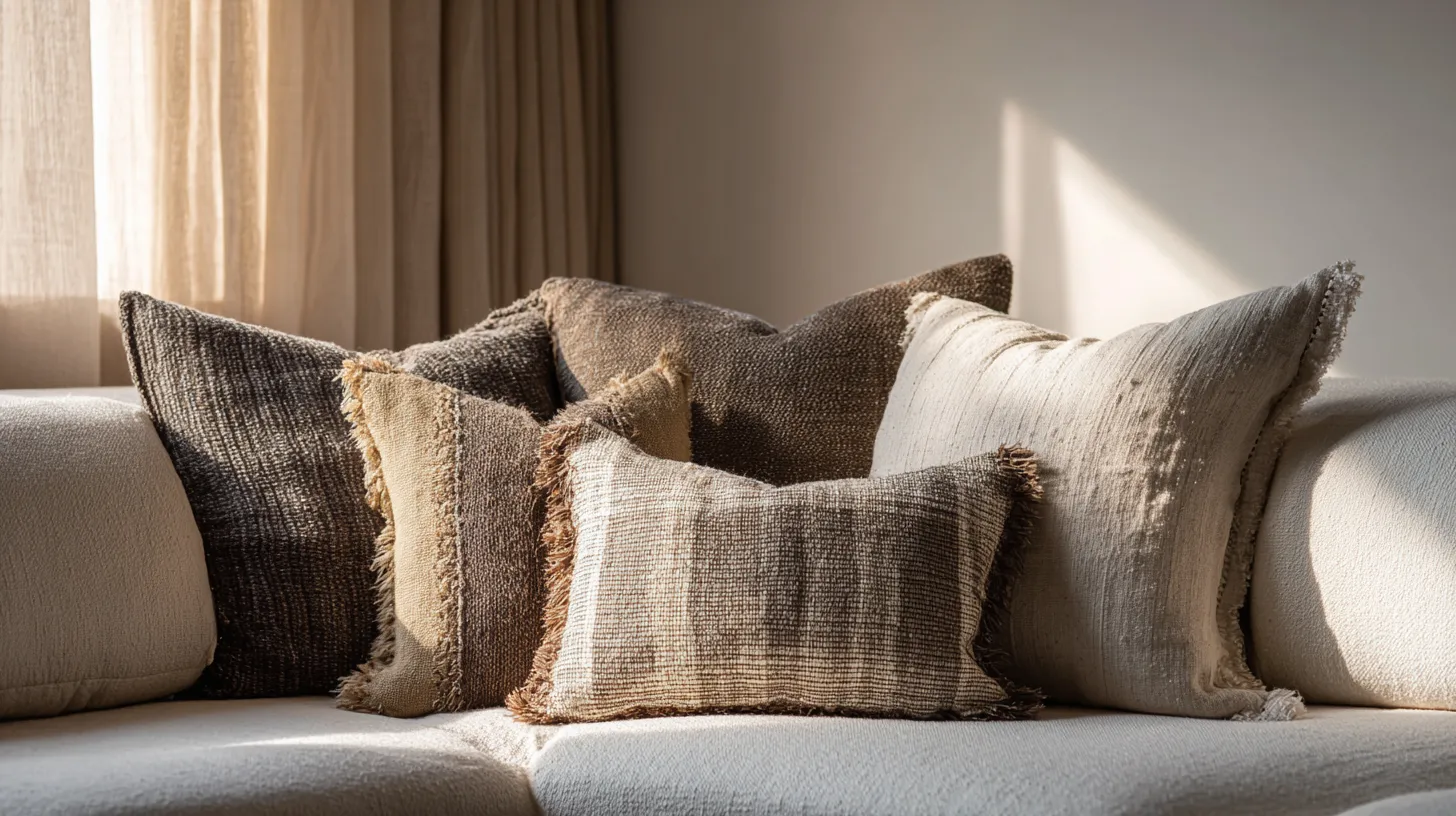
There’s something about the weight of a handmade cushion in your palm—the way the fabric whispers of human hands, careful stitches, and hours spent choosing just the right thread. It’s not merely decoration. It’s an invitation to slow down, to feel texture beneath your fingertips, to bring intention into the corners of your home that hold you at day’s end.
Handmade cushion covers and textiles carry stories that machine-made pieces simply cannot. They speak of artisan traditions passed through generations, of natural fibers harvested with care, of patterns that shift slightly from piece to piece because that’s what happens when creativity meets craft. These aren’t perfect—they’re better than perfect.
In a world of mass production and overnight shipping, choosing handcrafted textiles is an act of quiet rebellion. It’s choosing quality over quantity, soul over speed. And it transforms your space in ways both visible and felt—a warmth that settles into rooms, making them not just beautiful, but truly yours.
Let’s explore how these textile treasures can reshape the way you experience home.
What Makes Handmade Cushion Covers Different
The Human Touch
Every handmade cushion cover begins with a decision—which fabric, which pattern, which stitch will best serve the vision. An artisan sits with material pooled in their lap, measuring twice, cutting once, threading needles by afternoon light. This presence infuses each piece with something intangible yet undeniable.
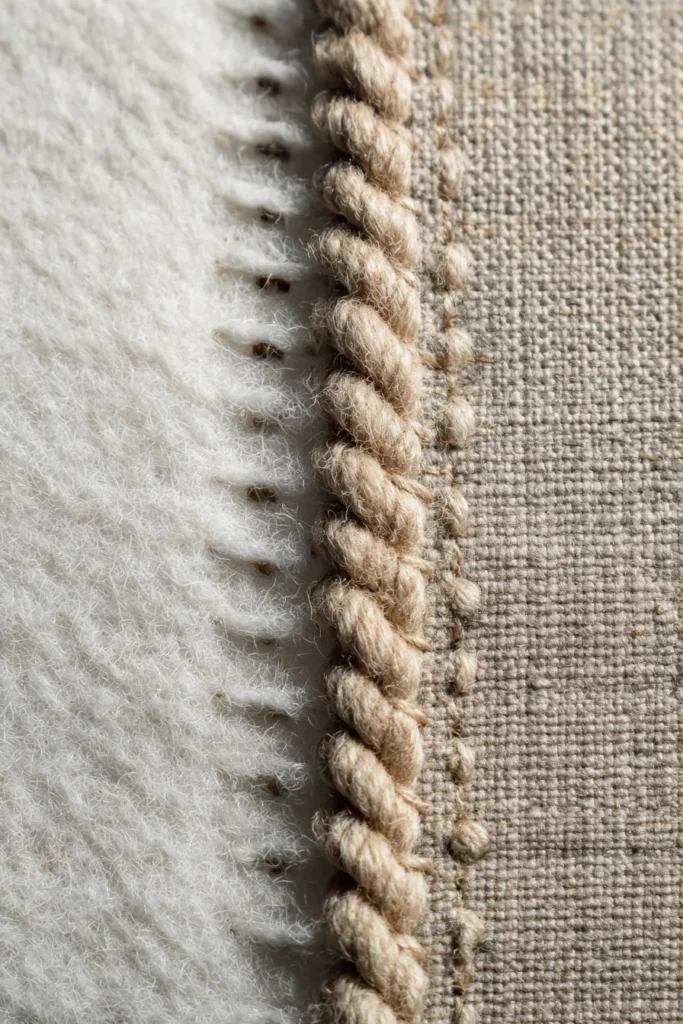
The stitching quality in handcrafted covers reveals itself in small ways. Seams lie flat and even, reinforced at stress points where machine production often cuts corners. Hand-embroidered designs show subtle variations in tension and spacing that create depth and character. These aren’t flaws—they’re signatures of authenticity.
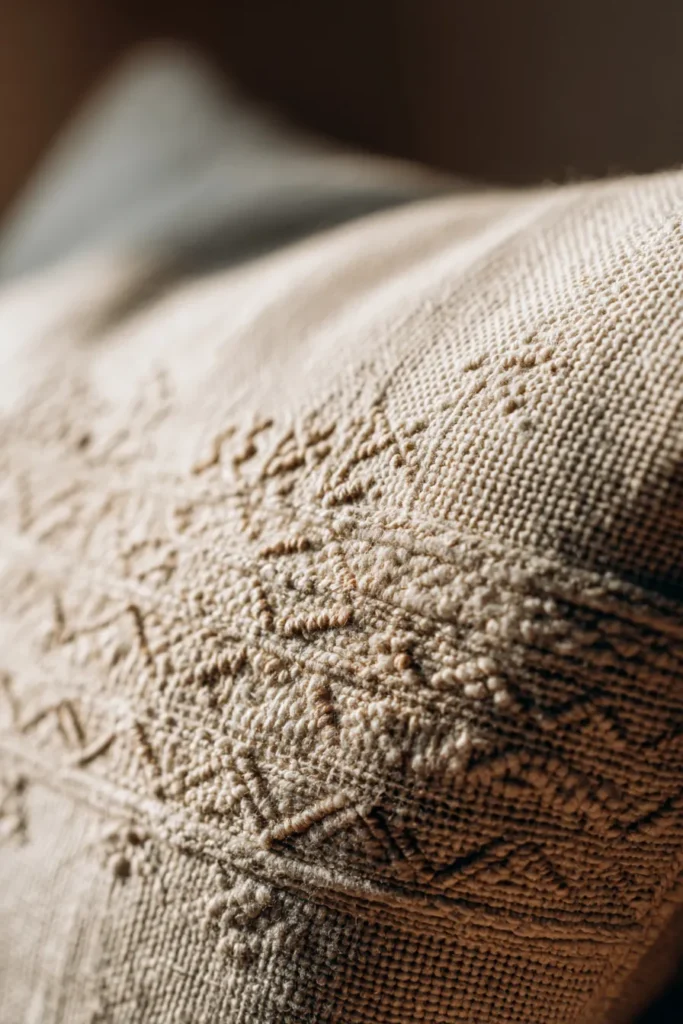
When you run your hand across a block-printed cotton cover or trace the raised edges of Kantha stitching, you’re connecting with craftsmanship that honors both material and maker. This tactile richness simply doesn’t translate through factory production lines, no matter how advanced the machinery.
Material Matters: Choosing Sustainable Fabrics
The best handmade cushion covers begin with exceptional fabric. Natural fibers like organic cotton, linen, jute, and silk offer breathability that synthetic materials cannot match. They regulate temperature naturally, staying cool in summer and cozy when temperatures drop.
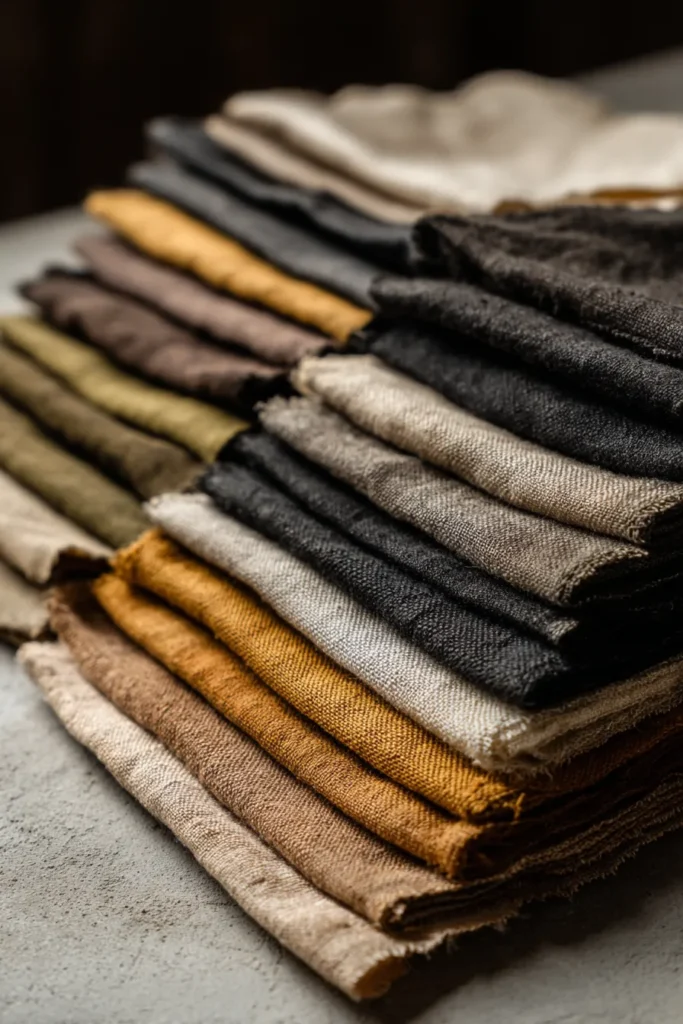
Eco-friendly textiles have moved far beyond scratchy burlap aesthetics. Modern sustainable fabric options include buttery-soft cotton-linen blends, lustrous peace silk, and durable cotton-jute combinations that add rustic texture without sacrificing comfort. Many artisan producers now use natural dyes—indigo, turmeric, madder root—that age beautifully rather than fading harshly.
Hypoallergenic materials matter especially for those with sensitivities. Pure cotton and bamboo-blend covers resist dust mites and mold naturally, while remaining machine washable for practical everyday use. When you choose sustainable textiles, you’re not just decorating—you’re creating a healthier home environment.
The Art of Selection: Finding Your Perfect Cushion Covers
Fabric Choices for Every Space
Living Room Durability
High-traffic spaces demand fabrics that can weather daily life while maintaining their beauty. Cotton and cotton-jute blends excel here—they’re naturally durable, easy to clean, and soften beautifully with time. Look for tightly woven fabrics with reinforced stitching along seams and closures.
Bedroom Luxury
Silk, velvet, and fine linen bring sensory richness to private spaces. Hand-embroidered silk covers catch lamplight in ways that make bedrooms feel like sanctuaries. Velvet adds weight and warmth, perfect for layering during cooler months. These premium materials deserve gentle care but reward you with years of elegant comfort.
Outdoor Resilience
Even handmade covers can work in covered outdoor spaces when crafted from weather-resistant materials. Heavy canvas, treated cotton, and certain synthetic-natural blends offer the artisan touch while standing up to humidity and sun exposure. Choose lighter colors to reflect heat and darker shades to hide inevitable outdoor wear.
Size, Shape, and Proportion
Getting cushion dimensions right transforms comfort from adequate to exceptional. Standard sizes (16×16″, 18×18″, 20×20″) work for most sofas and chairs, but don’t be afraid to mix measurements for visual interest. Lumbar pillows (12×20″ or 14×36″) provide crucial back support and break up monotonous square arrangements.
Insert sizing matters more than most realize. Choose inserts 1-2 inches larger than your cover for a plump, generous look that reads as expensive and inviting. Under-filled cushions sag and disappoint, while properly stuffed ones maintain their shape and presence.
Layering different sizes creates depth and intentionality. Start with largest cushions in back corners, medium sizes in front, and smallest accent pillows at the forefront. This simple progression guides the eye and makes seating areas feel thoughtfully composed rather than randomly assembled.
Styling Handmade Textiles in Your Home
Color and Pattern Coordination
Building a cohesive cushion collection starts with understanding your color story. Choose 2-3 main colors that echo your room’s existing palette, then add 1-2 accent shades for contrast and energy. Handmade covers in natural dyes often share subtle undertones that help disparate patterns work together harmoniously.
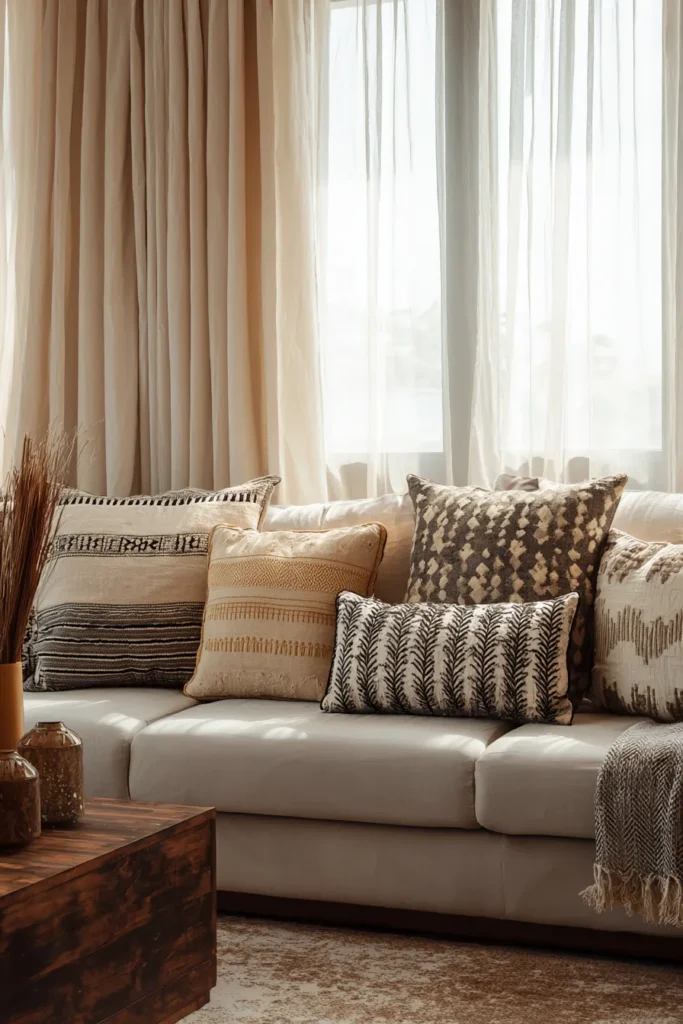
Pattern mixing feels intimidating until you learn the rhythm: pair large-scale prints with smaller ones, balance geometric designs with organic florals, ground busy patterns with solid or subtly textured pieces. Block-printed cushions play beautifully with hand-embroidered ones because both celebrate visible craftsmanship.
Texture becomes pattern when you embrace variety. Pair smooth cotton with nubby linen, add metallic-threaded silk alongside matte jute, let a chunky knit cover rest against flat-weave cotton. These contrasts create visual interest even in monochromatic schemes.
Seasonal Rotation and Care
Treating cushion covers like seasonal wardrobes keeps spaces feeling fresh without constant shopping. Store lightweight cotton and linen covers during winter months, bringing out heavier velvets and wools when temperatures drop. Spring calls for fresh whites and pastels, while autumn invites rich ochres and deep greens.
Care Instructions by Fabric Type
| Fabric | Washing Method | Drying | Special Notes |
|---|---|---|---|
| Cotton | Machine wash cold, gentle | Air dry or low heat | Remove promptly to minimize wrinkles |
| Linen | Machine wash cold | Air dry flat | Expect natural wrinkling—it’s part of the charm |
| Silk | Hand wash or dry clean | Air dry flat, away from sun | Test dye fastness on hidden area first |
| Velvet | Spot clean or dry clean | Air dry | Never wring; blot excess water gently |
| Jute/Cotton Blend | Hand wash cold | Air dry | Avoid prolonged soaking |
| Wool | Hand wash cold, gentle | Lay flat to dry | Use wool-safe detergent only |
Regular maintenance extends the life of handmade textiles dramatically. Shake cushions weekly to redistribute filling and release dust. Rotate covers monthly so sun exposure and wear distribute evenly. Address spills immediately with cool water and gentle blotting—aggressive rubbing damages hand-stitched details.
Small Space Solutions
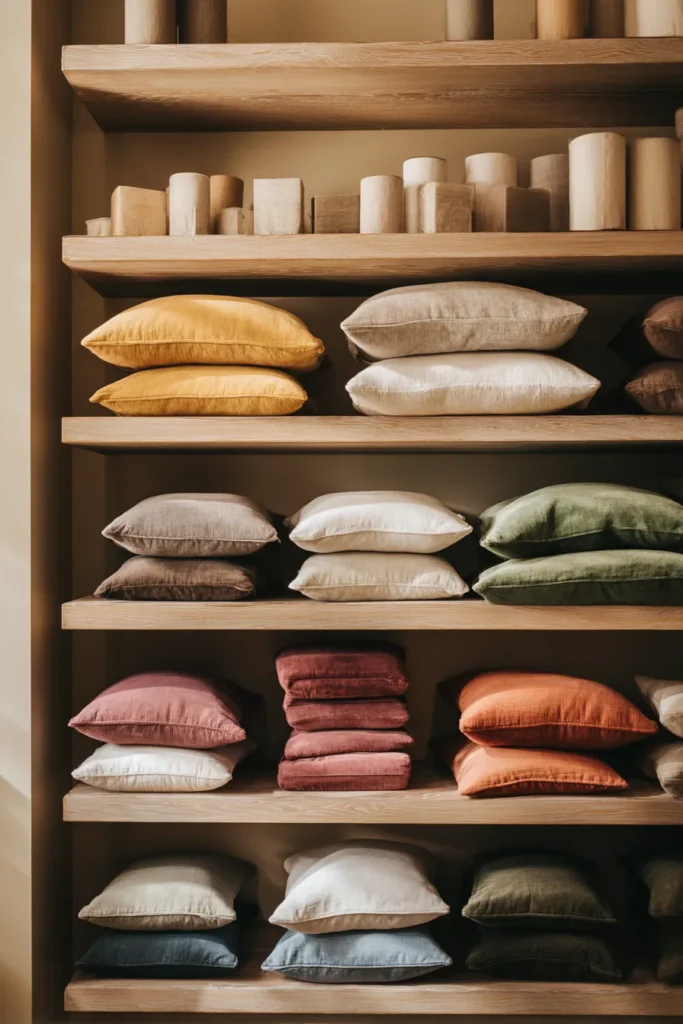
Handmade textiles work beautifully in compact homes when chosen thoughtfully. In studio apartments or cozy living rooms, select 2-4 statement cushions rather than overcrowding surfaces. Quality over quantity makes spaces feel curated rather than cluttered.
Multifunctional furniture loves handmade cushions. Floor cushions crafted from durable cotton or hemp create instant seating for guests, then stack decoratively when not needed. Large square cushions (24×24″) transform into meditation seats or children’s reading spots. This flexibility matters in homes where every piece must earn its place.
Light colors and smaller patterns help small spaces breathe. Oversized prints can overwhelm tiny sofas, while delicate block prints or subtle embroidery add personality without visual weight. Choose covers in whites, soft grays, and pastels to maximize the feeling of openness.
The Value Question: Handmade vs. Machine-Made
Quality and Longevity
A well-crafted handmade cushion cover outlasts mass-produced alternatives by years, sometimes decades. Artisans reinforce stress points, use superior thread, and construct closures designed for repeated use. The initial investment—typically $25-$80 per cover depending on size and material—spreads across years of daily enjoyment.
Machine-made covers often use polyester shells that pill quickly, synthetic dyes that fade within seasons, and minimal stitching that unravels under normal use. They’re inexpensive upfront but require frequent replacement. The math favors handmade when you calculate cost per year of actual use.
Durability extends beyond physical wear. Handcrafted pieces feel special in ways that maintain emotional connection. You don’t discard a cushion cover hand-embroidered by an Indian artisan as readily as you might toss a generic Amazon purchase. This longevity matters for both your budget and the planet.
Ethical Considerations
Choosing handmade textiles supports real people earning fair wages for skilled work. Many artisan collectives, particularly in India, Bangladesh, and Guatemala, provide crucial income to rural women who might otherwise lack economic opportunities. Your purchase directly impacts families and helps preserve traditional craft techniques facing extinction.
Sustainable production methods define most handmade textile operations. Small-batch creation generates minimal waste compared to factory overproduction. Natural dyes and organic fibers reduce chemical pollution. And because these pieces last longer, they keep textiles out of landfills where synthetic materials persist for centuries.
Transparency matters in ethical shopping. Reputable handmade suppliers share artisan stories, production locations, and material sourcing. If you cannot trace your cushion cover’s origin, question whether it’s truly handmade or simply marketed that way by middlemen exploiting the “artisan” label without supporting actual crafters.
Trends in Handmade Textiles for 2025
Biophilic Patterns and Natural Dyes
Nature-inspired designs dominate contemporary handmade textiles. Expect to see more botanical prints, abstract representations of water and stone, and geometric patterns derived from natural forms like honeycomb or tree bark. These designs connect indoor spaces with the organic world, supporting the biophilic design movement’s mental health benefits.
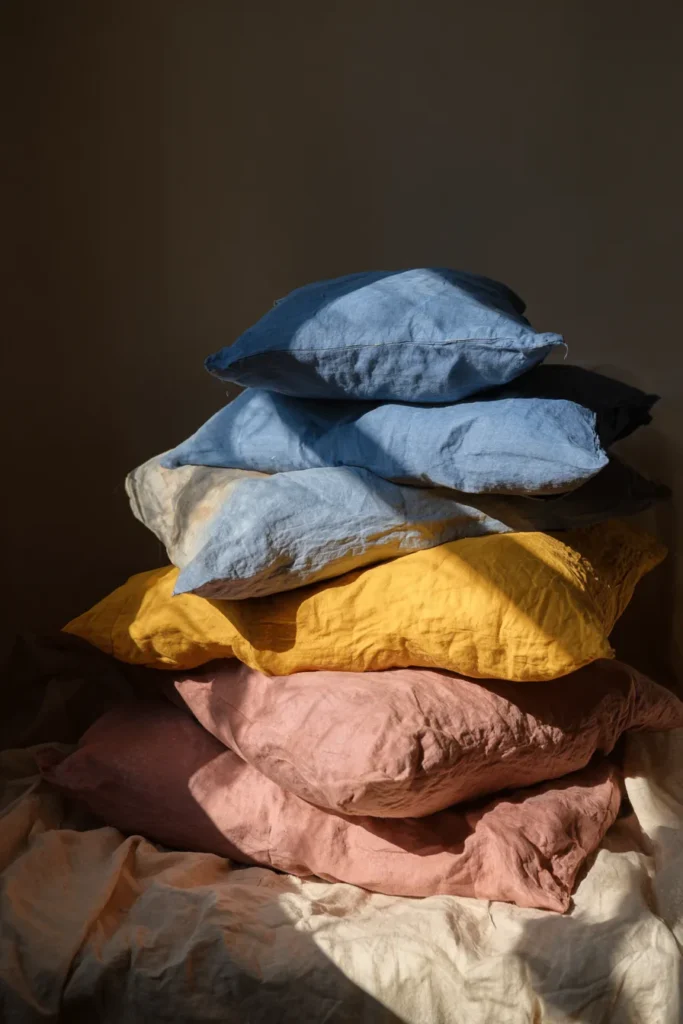
Natural dye techniques are experiencing renaissance interest. Artisans experiment with indigo gradients, turmeric golds, avocado pit pinks, and iron-oxide grays. These colors carry depth that synthetic dyes cannot replicate—subtle variations and undertones that shift in different lighting, creating living color that matures beautifully.
Textured surfaces add dimension without busy patterns. Raised Kantha stitching, tufted details, and woven three-dimensional elements create interest through shadow and light play. These tactile designs work especially well in minimalist spaces needing warmth without visual complexity.
Smart Hypoallergenic Innovations
Health-conscious consumers drive demand for textiles that actively improve indoor air quality. Look for cushion covers treated with natural antimicrobial finishes like neem or tea tree oil. Some artisans now incorporate copper-threaded embroidery—copper naturally inhibits bacteria growth and adds metallic beauty.
Removable, machine-washable covers have become standard even in luxury handmade pieces. Envelope closures and hidden zippers allow easy removal for regular cleaning without compromising aesthetic beauty. This practical innovation makes handmade textiles more accessible to families with children and pets.
Certifications matter more than ever. GOTS (Global Organic Textile Standard), OEKO-TEX, and Fair Trade verification help consumers identify genuinely sustainable, non-toxic textiles. As greenwashing increases, these third-party certifications provide crucial purchasing confidence.
Essential Checklist for Buying Handmade Cushion Covers
Before you invest in artisan textiles, consider these key factors:
- Fabric composition: Natural fibers (cotton, linen, silk, jute) over synthetic polyester
- Stitching quality: Even seams, reinforced corners, durable closures
- Washability: Machine washable or clear hand-wash instructions provided
- Size appropriateness: Measure your inserts; choose covers 1-2″ smaller for fullness
- Color fastness: Confirm dyes won’t bleed, especially for light-colored furniture
- Closure type: Hidden zippers or envelope backs for clean aesthetics
- Artisan transparency: Know where and by whom your textile was made
- Sustainability certifications: GOTS, OEKO-TEX, or Fair Trade verification
- Care requirements: Ensure maintenance fits your lifestyle reality
- Return policy: Reputable sellers stand behind their artisan partnerships
Where to Find Authentic Handmade Textiles
Online Artisan Marketplaces
Specialized platforms connect buyers directly with makers, often sharing artisan stories and production processes. These sites typically curate sellers carefully, providing quality assurance that generic marketplaces cannot match. Look for detailed product descriptions including fabric weight, weave type, and specific artisan or collective names.
Many ethical producers maintain their own websites showcasing entire collections with transparent pricing. Buying directly supports makers more fully than marketplace purchases where platform fees reduce artisan earnings. Sign up for newsletters—small textile businesses often offer loyal customer discounts and early access to limited editions.
Local Craft Fairs and Studio Sales
Nothing replaces touching textiles before buying. Regional craft markets, artisan cooperatives, and studio open houses let you examine stitching quality, feel fabric weight, and compare colors in natural light. You’ll also meet makers, learning care tips and customization possibilities unavailable through online shopping.
Building relationships with local textile artists often yields beautiful results. Many accept commission work, creating cushion covers in exact sizes, colors, and patterns for your specific needs. This personalization elevates handmade pieces from lovely to perfect.
Conclusion: The Comfort of Intention
There’s a particular kind of peace that settles into rooms dressed in handmade textiles. It’s the knowledge that what surrounds you carries human warmth, that beauty and ethics need not compete, that comfort can be conscious without sacrificing softness.
When you choose handcrafted cushion covers, you’re not just decorating. You’re voting with your resources for a world where craftsmanship matters, where artisans earn dignity through skill, where textiles tell stories rather than simply filling space. These aren’t small decisions—they’re threads in the larger fabric of how we want to live.
Let your home hold you the way these textiles hold their makers’ care—gently, intentionally, with respect for what endures. That’s the promise of handmade. That’s the soul of softness you can actually feel.
Frequently Asked Questions
What makes a good cushion cover?
Quality cushion covers feature hypoallergenic, breathable fabrics like organic cotton or linen, durable stitching with reinforced seams, and easy-care properties such as machine washability. Look for natural materials over polyester, proper sizing that fits your inserts snugly, and construction details like double-stitched edges that prevent fraying over time.
How do I choose cushion cover size?
Measure your cushion inserts first, then select covers 1-2 inches smaller than the insert dimensions for a plump, full appearance. Standard sizes include 16x16u0022, 18x18u0022, and 20x20u0022 for square cushions, with 12x20u0022 or 14x36u0022 for lumbar support pillows. Under-sized covers create desirable fullness, while oversized covers result in disappointing sag.
Are handmade cushion covers worth the extra cost?
Handmade covers typically last 3-5 times longer than machine-made alternatives due to superior stitching, quality materials, and reinforced construction. While initial costs range $25-$80 versus $10-$20 for mass-produced options, the cost-per-year favors handmade. You also gain unique patterns, support artisan livelihoods, and choose sustainable production methods unavailable in factory manufacturing.
What’s the best fabric for cushion covers with pets?
Tightly woven cotton and cotton-jute blends offer the best combination of durability, washability, and pet-hair resistance for handmade covers. Avoid delicate silks and loosely woven fabrics that snag easily. Choose medium to darker colors in natural dyes that hide stains, and ensure covers have removable designs for frequent washing—envelope closures work better than fixed covers for pet households.
How do I care for silk or velvet handmade cushion covers?
Silk covers require hand washing in cold water with gentle detergent or professional dry cleaning, then air drying flat away from direct sunlight. Velvet should be spot-cleaned for minor stains or dry cleaned for thorough cleaning—never machine wash or wring velvet as this crushes the pile permanently. For both fabrics, rotate covers monthly to distribute wear and store seasonally to extend lifespan.