
Table of Contents
There’s something quietly powerful about a single wall that draws the eye. It anchors a room without overwhelming it, creating a focal point that feels both intentional and effortless.
An accent wall is more than just paint or pattern—it’s a conversation between color and light, texture and shadow. It’s where your personality meets practicality, where a weekend project becomes a daily source of joy.
Whether you’re craving the warmth of hand-painted stripes or the drama of a textured wallpaper, creating your own accent wall is one of the most rewarding DIY projects you can undertake. The tools are simple, the techniques forgiving, and the results transformative.
Let’s explore how to bring depth, character, and soul to your space—one wall at a time.
Why Accent Walls Matter in Modern Interiors
An accent wall creates visual weight without cluttering your space. It guides the eye to a specific area—perhaps the wall behind your bed, the backdrop for your workspace, or the surface that frames your favorite art.
In open-concept homes, accent walls define zones naturally. They separate the dining area from the living space or distinguish a cozy reading nook from the busier parts of the room.
They also offer a low-commitment way to experiment with bold colors or daring patterns. Rather than painting an entire room in deep navy or installing geometric wallpaper everywhere, you can test the waters with a single, stunning wall.
Choosing Between Paint and Wallpaper for Your Accent Wall
The Timeless Appeal of Paint
Paint offers endless possibilities and complete control. You can create soft ombre effects that fade like a sunset, crisp color blocks that feel gallery-fresh, or hand-painted murals that tell your story.
Paint works beautifully when:
- You want to match existing décor perfectly
- You’re working with textured walls that wallpaper won’t adhere to smoothly
- You prefer a completely custom look, from color mixing to technique
- Budget is a primary concern (quality paint typically costs less than wallpaper)
The sensory experience of painting—the silky glide of the roller, the subtle scent of low-VOC formulas, the meditative rhythm of application—can be deeply satisfying. Each brushstroke is yours.
The Drama of Wallpaper
Wallpaper brings instant impact and intricate detail that paint alone can’t achieve. Modern options include peel-and-stick varieties perfect for renters, textured grasscloth that adds organic warmth, and bold geometric prints that command attention.
Wallpaper shines when:
- You want complex patterns without the hand-painting time investment
- You’re seeking texture—metallic finishes, raised patterns, or natural fibers
- You need a quick transformation (peel-and-stick installs in hours)
- You’re drawn to biophilic designs, vintage florals, or modern abstracts
The rustle of paper as you smooth it into place, the way light catches metallic accents throughout the day—wallpaper engages multiple senses in ways flat paint cannot.
DIY Paint Techniques for Stunning Accent Walls
Hand-Painted Stripes: Classic with a Personal Touch
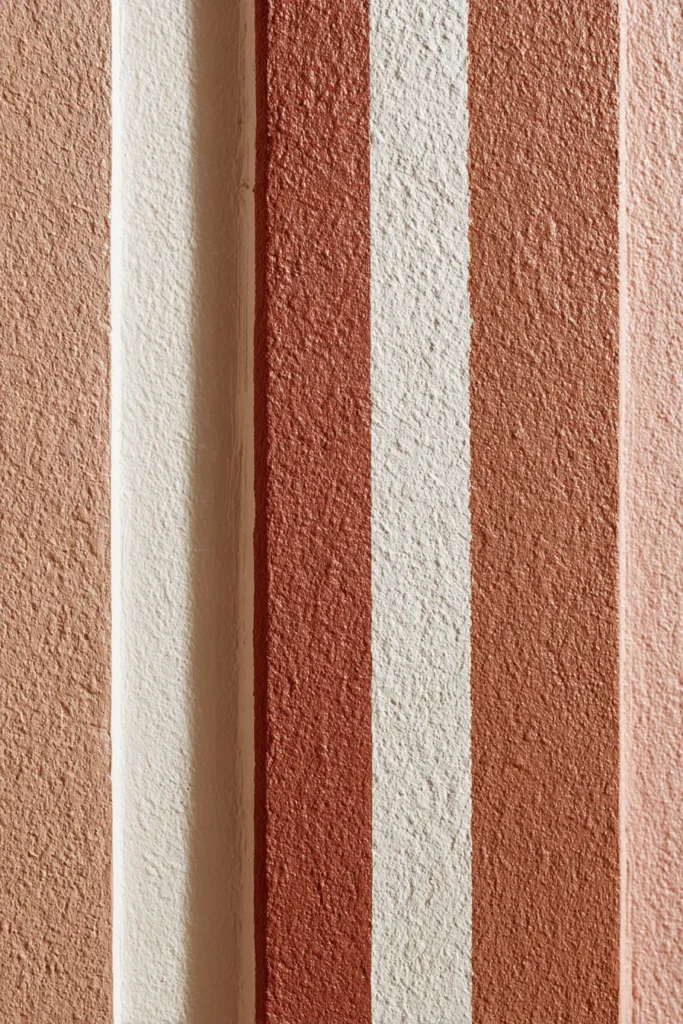
Vertical stripes elongate walls and create rhythm. Horizontal stripes make rooms feel wider and more grounded. The key is in the preparation: quality painter’s tape, a level, and patience.
Choose two shades from the same color family for subtle sophistication, or contrast warm terracotta with cool sage for modern drama. Paint your base color first, let it dry completely (24 hours minimum), then tape and apply your stripe color.
Pro tip: Remove tape while paint is still slightly tacky to prevent peeling. Work slowly, pulling at a 45-degree angle.
Color Blocking: Architectural Geometry
Color blocks transform walls into art. Divide your wall into sections—thirds work beautifully—and paint each segment in coordinating or contrasting hues.
This technique works especially well behind beds or sofas, creating a built-in headboard effect. Try soft blush, cream, and dusty blue for a serene bedroom, or burnt orange, olive, and charcoal for a moody living space.
Use a pencil and level to mark your sections lightly. Apply painter’s tape carefully along lines, seal edges with a clear base coat, then fill with your chosen colors.
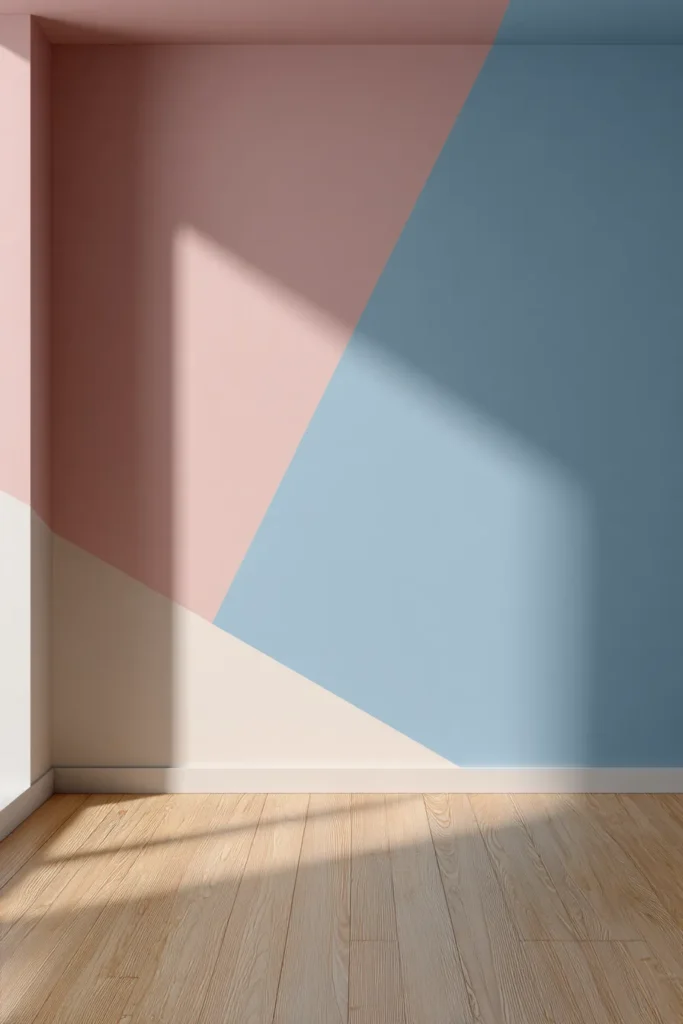
Ombre Effects: Gradient Magic
An ombre wall mimics the gentle transition of dawn to daylight or sea to sky. It requires patience but delivers breathtaking results.
Start with your darkest shade at the bottom (or top, depending on your vision). Mix progressively lighter tints by adding white paint to your base color. Apply in horizontal bands, blending wet edges with a dry brush or damp sponge.
The blending is where magic happens—work while paint is wet, using soft, overlapping strokes. Step back frequently to assess the gradient’s smoothness.
Stenciled Accent Walls: Pattern Without Commitment
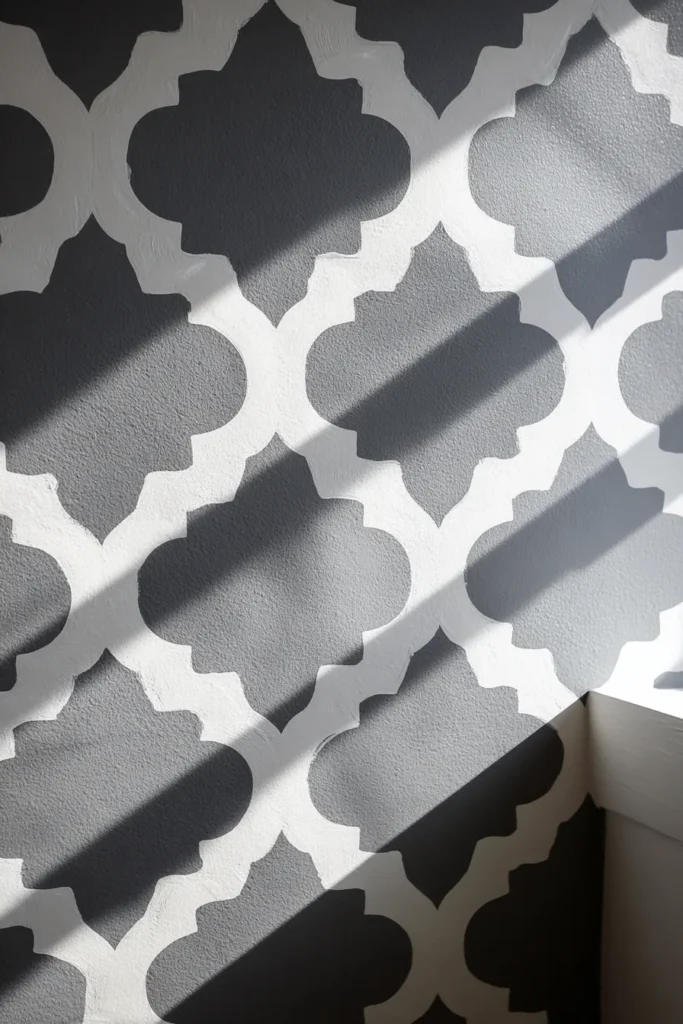
Stencils offer the complexity of wallpaper with the flexibility of paint. Moroccan tiles, botanical motifs, or geometric tessellations—all achievable with a steady hand and good stencil.
Secure your stencil with repositionable spray adhesive. Use a foam roller or stencil brush with minimal paint (too much causes bleeding). Work from the center outward, checking alignment as you go.
For textured depth, apply your pattern in a slightly darker or lighter shade than your base wall color. The subtle contrast catches light beautifully.
Faux Finishes: Texture Through Technique
Faux brick brings industrial warmth without the weight. Use a brick-shaped sponge and layered shades of red, orange, and brown to build realistic dimension.
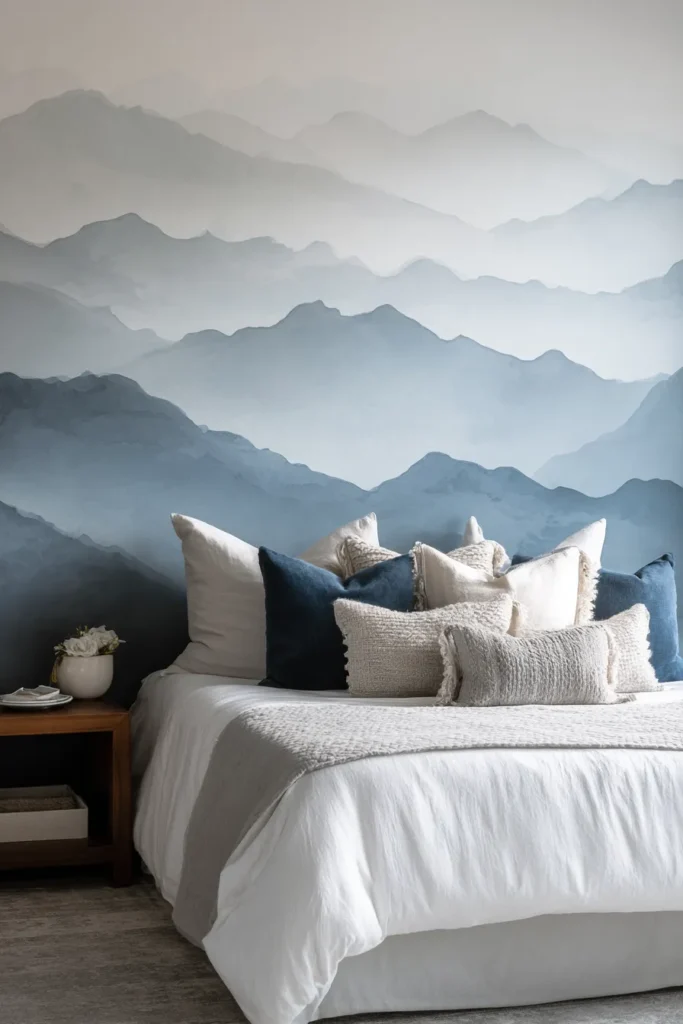
Mountain murals create peaceful focal points in bedrooms or meditation spaces. Sketch your mountain silhouettes lightly, then fill with graduated blues and grays, darkest at the bottom.
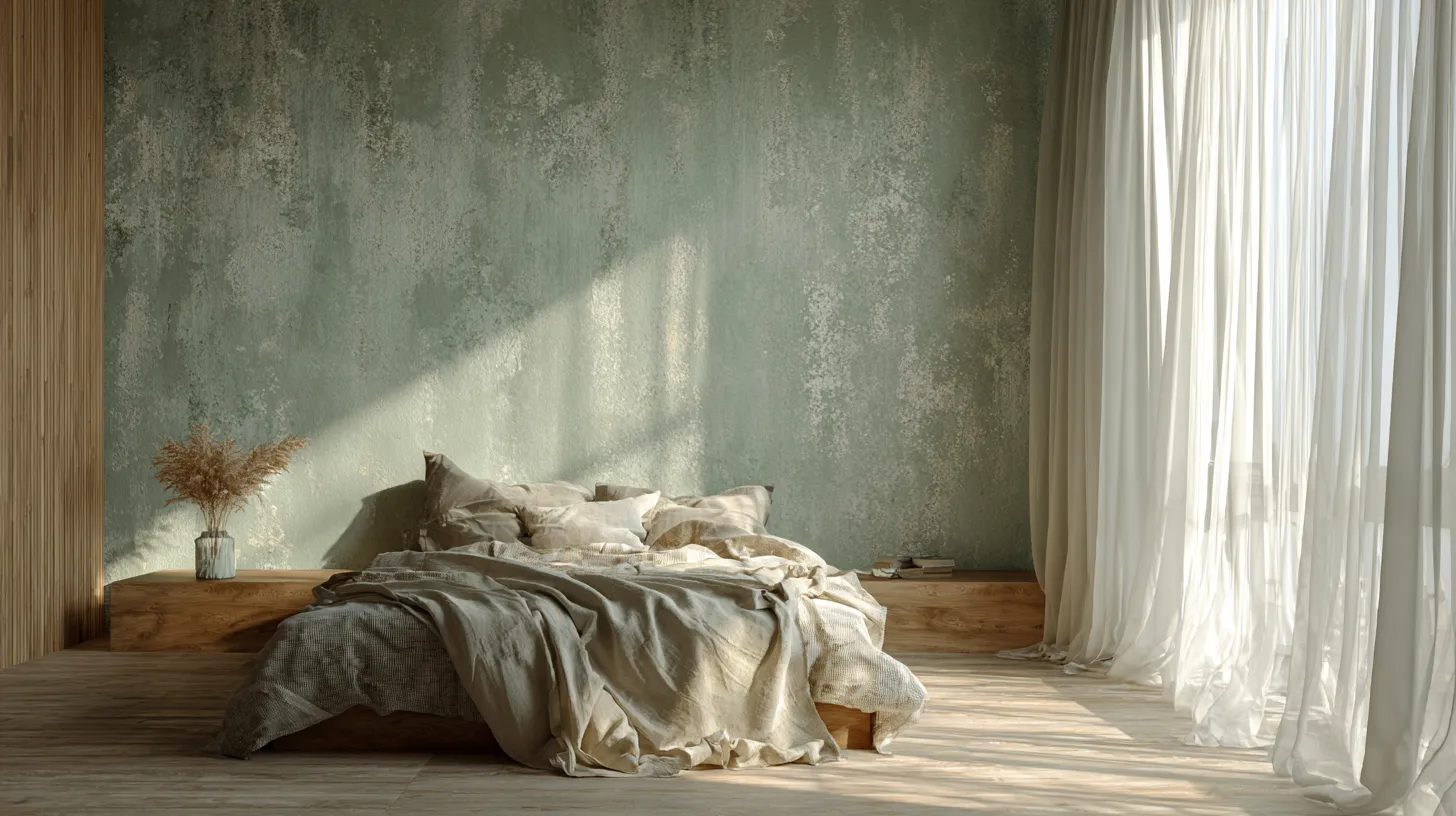
Textured stripes using a dry brush or rag-rolling technique add subtle dimension that flat paint lacks. The play of light across these imperfect surfaces feels organic and lived-in.
Wallpaper DIY Techniques for High-Impact Walls
Peel-and-Stick Wallpaper: The Renter’s Dream
Removable wallpaper has revolutionized accent walls for renters and commitment-phobes alike. Modern adhesives hold strong but remove cleanly, leaving no damage or residue.
Application steps:
- Clean and dry your wall thoroughly
- Measure and cut panels, adding 2 inches to length for trimming
- Peel back 12 inches of backing and align the top edge carefully
- Smooth from center outward with a smoothing tool, releasing air bubbles
- Gradually peel backing while smoothing downward
- Trim excess with a sharp utility knife
The key is working slowly and checking alignment constantly. Once applied, peel-and-stick can be repositioned within the first few minutes if needed.

Traditional Wallpaper: Timeless Installation
Pre-pasted wallpaper requires activating adhesive with water. Unpasted wallpaper needs separate wallpaper paste application. Both demand precision but create permanent, durable results.
Prep is everything: fill holes, sand smooth, and apply wallpaper primer for best adhesion. Use a plumb line to ensure your first panel is perfectly vertical—every subsequent panel depends on this.
Book the paper (fold paste-sides together without creasing) and let it rest as directed. This allows the paper to expand fully before installation, preventing shrinkage and gaps later.
Textured Wallpaper: Dimension and Depth
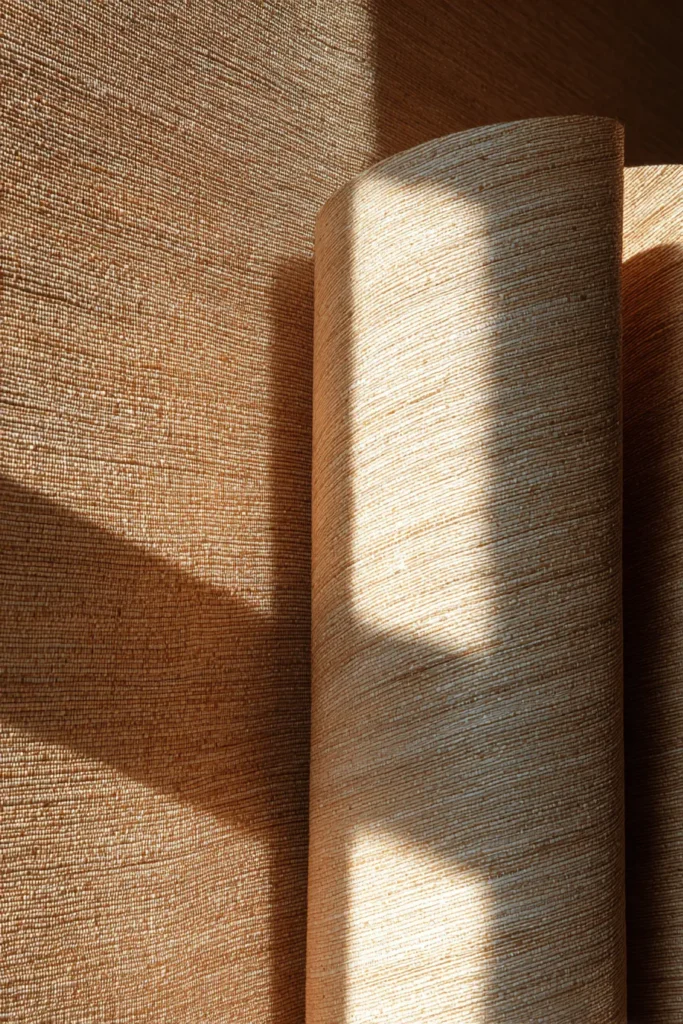
Grasscloth, cork, or embossed papers add tactile interest that invites touch. These natural materials bring warmth and organic texture impossible to replicate with paint.
Because textured wallpapers are more visible at seams, installation demands extra care. But-join edges precisely (don’t overlap), and use a seam roller gently to avoid crushing texture.
Consider how light interacts with texture. Grasscloth beside a window creates ever-changing shadow play throughout the day. Metallic embossing catches lamplight at night, adding subtle shimmer.
Wallpaper-Inspired Paint Techniques
Love a wallpaper pattern but prefer paint? You can recreate wallpaper effects using stencils, stamps, or freehand painting. Toile patterns, damask designs, and tropical leaves all translate beautifully.
Project your desired pattern using an overhead projector or grid method. Trace lightly with pencil, then fill with paint using fine artist’s brushes for detail work.
This approach combines wallpaper’s visual impact with paint’s customization—you control every color and scale.
Essential Tools and Materials for Accent Wall Success
Paint Projects Require:
- High-quality interior paint (low-VOC or zero-VOC options for healthier air)
- Premium painter’s tape (14-day or 21-day clean release)
- Paint rollers (various naps for texture) and brushes
- Drop cloths or plastic sheeting
- Painter’s tool for opening cans and removing tape
- Level, ruler, and pencil for layout
- Sandpaper and spackle for wall prep
- Primer for dramatic color changes
Wallpaper Projects Need:
- Wallpaper of choice (calculate square footage plus 15% extra)
- Smoothing tool or plastic smoother
- Sharp utility knife with fresh blades
- Straight edge or T-square
- Sponge and bucket for cleanup
- Seam roller
- Wallpaper paste (if using unpasted paper)
- Primer or sizing for traditional wallpaper
Invest in quality tools—they make the difference between frustrating struggles and smooth satisfaction. Good painter’s tape prevents bleed. Sharp blades create clean wallpaper cuts.
Room-Specific Accent Wall Ideas
Bedrooms: Serenity Behind the Bed
The wall behind your bed is the natural accent wall choice. It frames where you begin and end each day, anchoring your most personal space.
Try soft ombre in blush to cream for romantic tranquility. Install botanical wallpaper for biophilic calm. Paint a mountain mural in muted blues and grays for peaceful mornings.
Pair your accent wall with simple white bedding and natural wood furniture. Let the wall be the statement; keep everything else understated.
Living Rooms: Conversation Starters
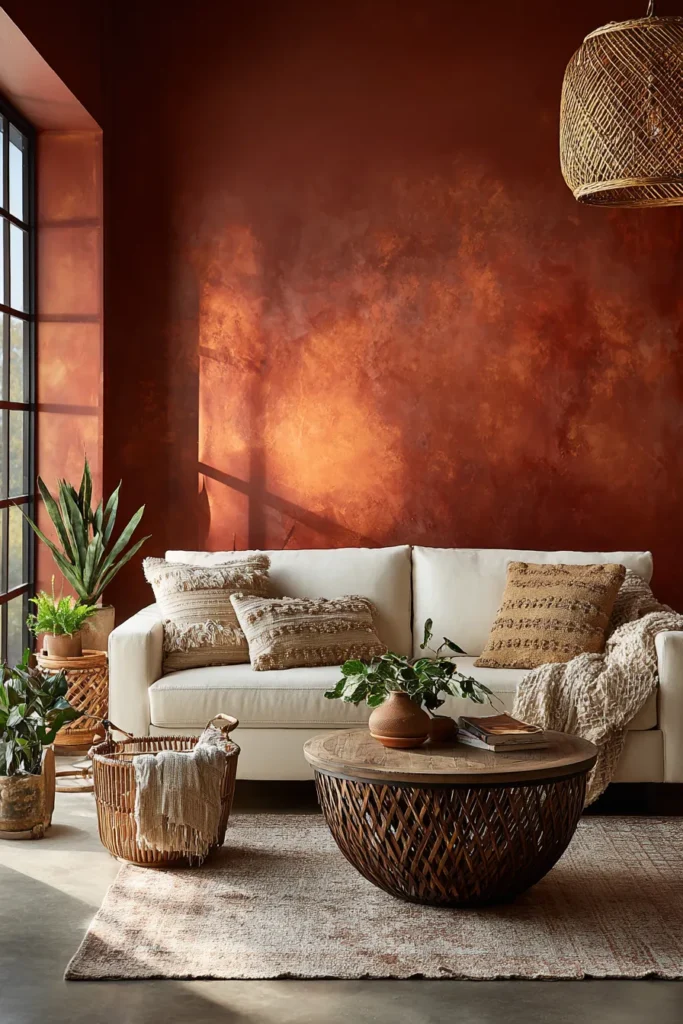
In living spaces, accent the wall behind your sofa or the one opposite the entry—the first view guests encounter. Bold color blocks, geometric wallpaper, or hand-painted patterns work beautifully here.
Deep jewel tones create cozy evening ambiance when paired with warm lighting ideas. Lighter shades keep spaces feeling open and airy for smaller rooms.
Balance strong accent walls with neutral furnishings. If your wall features warm terracotta, cool it with gray or cream cozy furniture.
Home Offices: Productive Focus
A well-designed accent wall behind your desk creates Zoom-worthy backdrops while maintaining focus. Avoid busy patterns that distract—opt for subtle textures or single bold colors.
Vertical stripes in navy and white add professional polish. Cork wallpaper provides texture plus functional pinboard space. Sage or dusty blue promotes calm concentration.
Dining Spaces: Atmosphere and Appetite
Dining room accent walls set the mood for gatherings. Darker colors create intimate, restaurant-like ambiance. Wallpaper with metallic accents catches candlelight beautifully during dinner parties.
Position your accent wall where it frames the table, creating a backdrop for memorable meals and conversations.
2025 Trends in Accent Wall Design
Biophilic patterns continue dominating—oversized leaves, botanical illustrations, and nature-inspired abstracts that bring the outdoors in. These designs support wellness and reduce stress.
Metallic finishes add luxury without coldness. Copper, brass, and champagne gold accents catch and reflect light, making rooms feel larger and more luminous.
Earthy terracottas, warm ochres, and clay tones replace cooler grays as neutrals evolve. These pigments feel grounded and organic, connecting spaces to natural elements.
Textured minimalism pairs clean lines with touchable surfaces—think subtle plaster effects, grasscloth, or matte-on-gloss paint combinations that create depth through finish rather than color.
Removable everything rises as people embrace flexibility. Peel-and-stick wallpaper in renter-friendly formats now comes in designer quality, making commitment-free style accessible.
Common Mistakes and How to Avoid Them
Tape Bleed: The Painter’s Nemesis
Paint seeping under tape ruins crisp lines. Prevent this by sealing tape edges first with your base wall color or clear base coat. Once sealed, apply your accent color—any seepage will be the base color, maintaining clean lines.
Remove tape at 45-degree angles while paint is still slightly tacky. Wait too long and paint forms a film that tears; remove too soon and wet paint smears.
Poor Wall Preparation
Every bump, hole, or texture shows through paint and wallpaper. Take time to fill nail holes, sand smooth, and wipe walls clean before starting.
For wallpaper, apply primer or sizing. This seals the wall, ensures even adhesion, and makes future removal easier. For paint, prime bare drywall or when making dramatic color changes.
Wrong Paint Sheen
Flat paint hides imperfections but shows every touch and scuff. High-gloss reflects every wall flaw but cleans easily. For most accent walls, eggshell or satin offers the perfect balance—subtle luster that’s durable and washable.
Inadequate Lighting Consideration
Colors transform under different light. That perfect gray sampled in afternoon sun may look blue under evening lamplight. Test paint samples at various times of day before committing.
Consider how your accent wall interacts with existing lighting. Dark walls absorb light; add lamps or sconces. Metallic wallpaper beside windows may create glare.
Sustainability and Health Considerations
Choose low-VOC or zero-VOC paints to protect indoor air quality. Traditional paints release volatile organic compounds that cause headaches and respiratory irritation. Eco-friendly formulas perform just as well without the fumes.
Look for eco-wallpaper made from recycled materials, sustainably sourced grasscloth, or water-based inks. Many manufacturers now offer FSC-certified papers and non-toxic adhesives.
Proper ventilation matters even with low-VOC products. Open windows, run fans, and avoid sleeping in freshly painted rooms for 24-48 hours.
Consider the lifecycle—peel-and-stick wallpaper prevents rental property damage and can move with you. Traditional wallpaper lasts decades when properly installed. Quality paint endures years before needing refresh.
Renter-Friendly Solutions That Work
Removable Wallpaper Revolution
Peel-and-stick wallpaper transforms rentals without deposit risk. Modern adhesives bond securely yet peel away cleanly, leaving walls undamaged.
Test a small section in an inconspicuous spot first. Some textured walls or fresh paint (under 30 days old) may not work well with removable wallpaper.
Washi Tape Designs
For ultra-temporary solutions, washi tape creates geometric patterns, faux wall molding, or artistic designs. It removes cleanly and costs almost nothing.
Use it to test layouts before committing to paint. Create temporary accent walls for holidays or seasons, then change when your mood shifts.
Mounted Panels
Paint or wallpaper large panels or canvases, then mount with command strips. This creates accent wall impact without touching actual walls—perfect for strict landlords.
Accent Walls with Multifunctional Design
Combine your accent wall with practical elements for maximum impact per square foot.
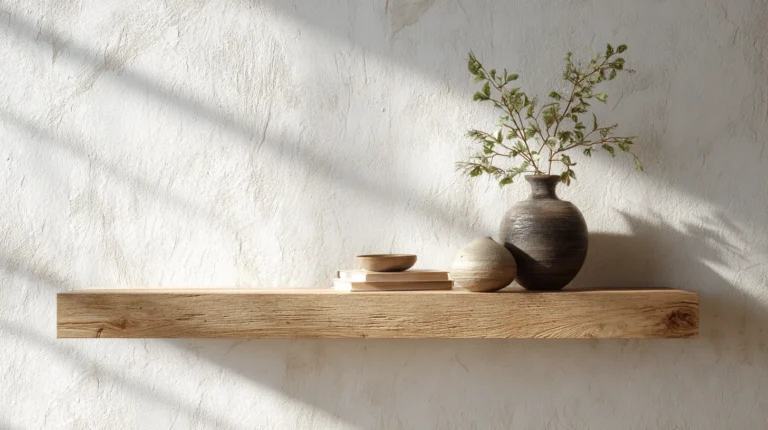
Paint + Shelving Hybrids: Install floating shelves against your accent wall. The color or pattern provides dramatic backdrop for books, plants, and décor displayed on natural wood or matte black shelves.
Gallery Wall Integration: Use your accent wall as the foundation for a curated photo or art gallery. The unified background makes collections feel cohesive rather than chaotic.
Smart Lighting Integration: Install LED strip lighting along accent wall edges or behind floating shelves. Color-changing bulbs let you transform the wall’s mood with a phone app.
Budget Breakdown: Cost-Effective Accent Wall Planning
| Approach | Estimated Cost | Time Investment | Skill Level |
|---|---|---|---|
| Single-color paint | $30–$80 | 4–6 hours | Beginner |
| Painted stripes | $50–$100 | 8–10 hours | Intermediate |
| Stenciled design | $75–$150 | 10–15 hours | Intermediate |
| Peel-and-stick wallpaper | $80–$200 | 4–8 hours | Beginner |
| Traditional wallpaper | $100–$300 | 8–12 hours | Advanced |
| Hand-painted mural | $50–$150 (DIY) | 20+ hours | Advanced |
Costs assume 10×10 foot accent wall. Traditional wallpaper includes paste and supplies.
These budgets prove accent walls suit any financial plan. Even $30 and one weekend afternoon can transform your space dramatically.
Step-by-Step: Your First Accent Wall
- Choose your wall. Select the focal point—usually the wall behind major furniture or the first view when entering.
- Prep thoroughly. Clean walls with TSP or sugar soap. Fill holes. Sand smooth. Wipe dust away.
- Prime if needed. Use primer for bare drywall, dramatic color changes, or before wallpaper.
- Gather materials. Have everything ready before starting—nothing’s worse than discovering you’re short tape mid-project.
- Protect surrounding areas. Tape off trim, ceiling, and adjacent walls. Cover floors and furniture.
- Apply your technique. Work methodically. For paint, use W-patterns with rollers for even coverage. For wallpaper, check alignment obsessively.
- Allow proper drying time. Don’t rush. Paint needs 24 hours between coats. Wallpaper paste needs time to cure.
- Remove tape carefully. Pull at 45-degree angles when paint is dry but not fully cured.
- Touch up as needed. Small imperfections are normal. Address them calmly with a fine brush.
- Style your space. Arrange furniture and décor to complement your new accent wall. Step back and enjoy what you’ve created.
Accent Wall Checklist: Before You Begin
- Wall chosen and measured accurately
- All holes filled and sanded smooth
- Wall cleaned and dust-free
- Paint/wallpaper purchased (with 10-15% extra)
- Quality tape, brushes, and tools acquired
- Room furniture moved or covered
- Floors protected with drop cloths
- Good ventilation plan in place
- Realistic timeline established
- Backup plan if first attempt fails (it probably won’t!)
The Emotional Reward of Creating Your Own Accent Wall
There’s profound satisfaction in stepping back from a completed accent wall. It’s yours—conceived, executed, and brought to life by your hands.
Every time you enter that room, you’ll remember the meditative rhythm of painting or the careful precision of smoothing wallpaper. The wall becomes more than décor; it becomes a memory, a small victory, a tangible reminder of your creative capability.
And unlike many DIY projects that hide inside cabinets or behind furniture, accent walls announce themselves. They’re the first thing you see, the backdrop to your daily life, the stage where your favorite moments unfold.
Conclusion: Your Wall, Your Story
An accent wall is where design becomes personal. It’s the place you choose to be bold when the rest of your space plays it safe, or where you introduce softness when other rooms feel stark.
Whether you’re drawn to the ritual of hand-painting or the instant gratification of peel-and-stick, the journey matters as much as the destination. Each wall you transform teaches you something—about color, about patience, about your own aesthetic preferences.
So choose your wall. Gather your materials. Trust your vision. The most beautiful rooms aren’t born from perfection—they’re built from courage, creativity, and the willingness to try.
Your accent wall is waiting. And when it’s finished, it won’t just transform your room. It might just transform how you see yourself: as someone who creates beauty, who isn’t afraid of color, who turns ordinary walls into something worth coming home to.
Frequently Asked Questions
What is the easiest DIY accent wall for complete beginners?
A single bold paint color is the most beginner-friendly option. Choose a wall, apply quality painter’s tape around edges, and roll on two coats of your chosen hue. Peel-and-stick wallpaper runs a close second—modern adhesives are forgiving and repositionable during application, making mistakes easily correctable.
Can I create an accent wall in a rental without losing my security deposit?
Absolutely. Peel-and-stick wallpaper removes cleanly without damaging walls. If you prefer paint, check your lease first—some landlords welcome improvements. Otherwise, paint large canvas panels and mount them with removable command strips for commitment-free impact. Washi tape also creates temporary geometric designs that peel away perfectly.
How do I choose which wall should be my accent wall?
Select the wall that naturally draws focus—typically the one behind your bed, sofa, or the first wall visible when entering the room. Avoid walls with windows (they’re already focal points) or those with doors breaking up the surface. The accent wall should feel like a natural backdrop, not compete with existing architectural features.
What paint colors work best for DIY accent walls in small rooms?
Lighter shades with warm undertones make small spaces feel larger—try soft sage, dusty rose, or warm cream. If you crave drama, deep colors can actually work beautifully when only one wall is painted, creating cozy depth without overwhelming. Avoid very cool tones (icy blues or grays) which can make tight spaces feel cold and unwelcoming.
How long does it take to complete a DIY accent wall project?
Simple paint projects take 4-6 hours including prep, painting, and cleanup (plus drying time between coats). Peel-and-stick wallpaper installs in 4-8 hours for most rooms. More complex techniques like stenciling, ombre effects, or traditional wallpaper installation can take a full weekend. Always add buffer time—rushing ruins results.