
Table of Contents
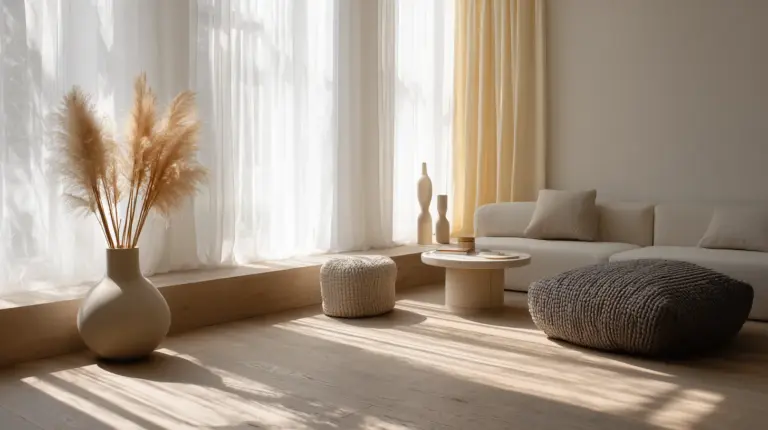
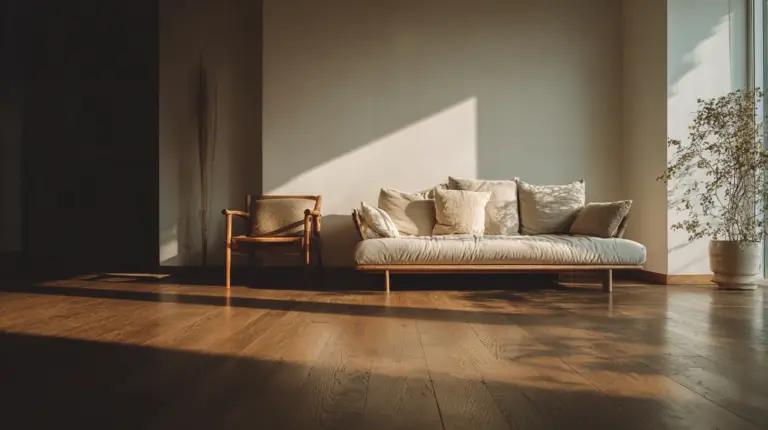
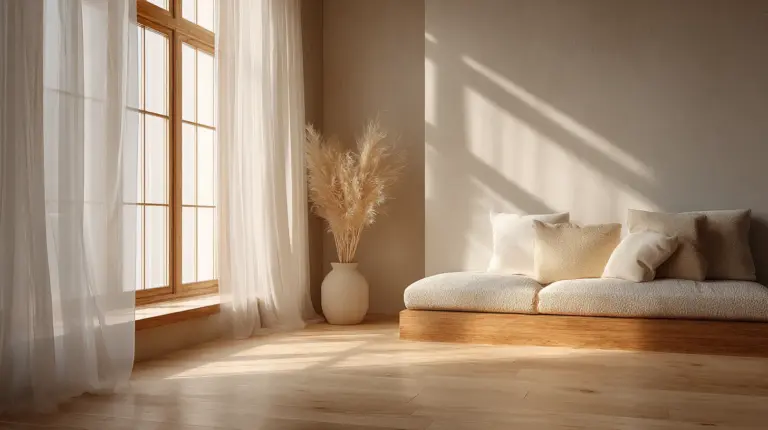
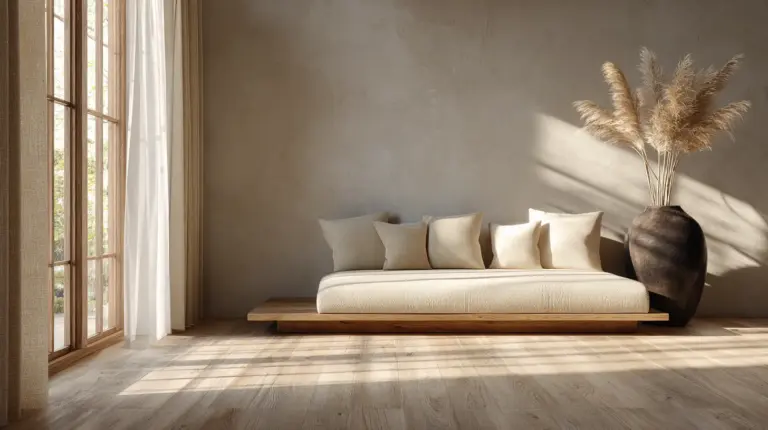
There is a particular kind of quiet that settles into a room when everything feels just right. The light falls softly. The floor beneath your feet feels grounded, unhurried. You exhale without thinking about it.
That is the promise of Japandi — a design philosophy born from the marriage of Japanese wabi-sabi and Scandinavian hygge. It does not chase perfection. It honors the beauty of what is natural, what is worn, what simply is.
And it all starts from the floor up.
Your flooring is the largest surface in your living room. It sets the emotional temperature of the entire space — warm or cool, airy or heavy, intimate or open. Choose it with intention, and your room will carry a mood that lingers long after guests have gone.
In this guide, we will walk you through everything you need to create a Japandi living room flooring mood that feels genuinely beautiful — from material choices to color palettes, small-space strategies, and sustainable sourcing.
What Is the Best Flooring for a Japandi Living Room?
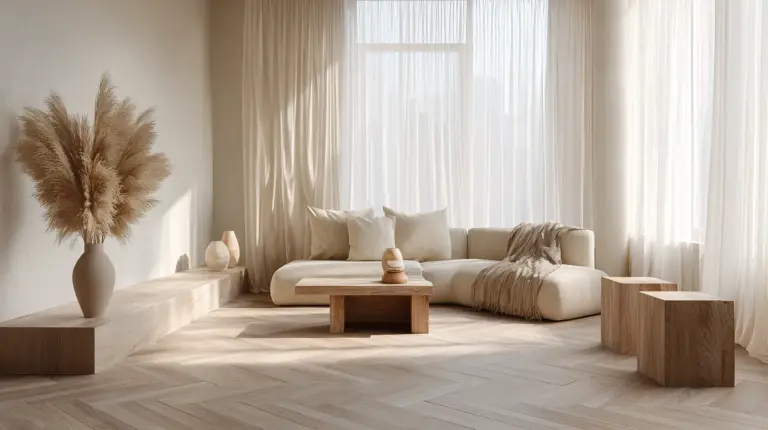
The best flooring for a Japandi living room is one that looks as though it grew from the earth — unhurried, organic, and quietly beautiful. Light woods, bamboo, cork, and natural stone all carry the right spirit.
Pale, matte, and grain-forward are your three guiding principles. You want a floor that whispers, not shouts.
Light Hardwood and Engineered Wood
Natural maple, white oak, and ash wood are the most beloved choices in Japandi interiors. Their subtle grain patterns and honey-to-driftwood tones evoke a sense of calm continuity — like a forest floor after rain.
Engineered hardwood is a practical ally here, especially in humid climates. It resists warping better than solid wood while retaining all the visual warmth that makes a Japandi space feel lived in and loved.
Color reference: Ash wood tones hover around #F5F5F0 to #D8C9A3 — the palette of linen, bone, and soft sand.
Bamboo Flooring
Is bamboo flooring Japandi? Absolutely — and beautifully so.
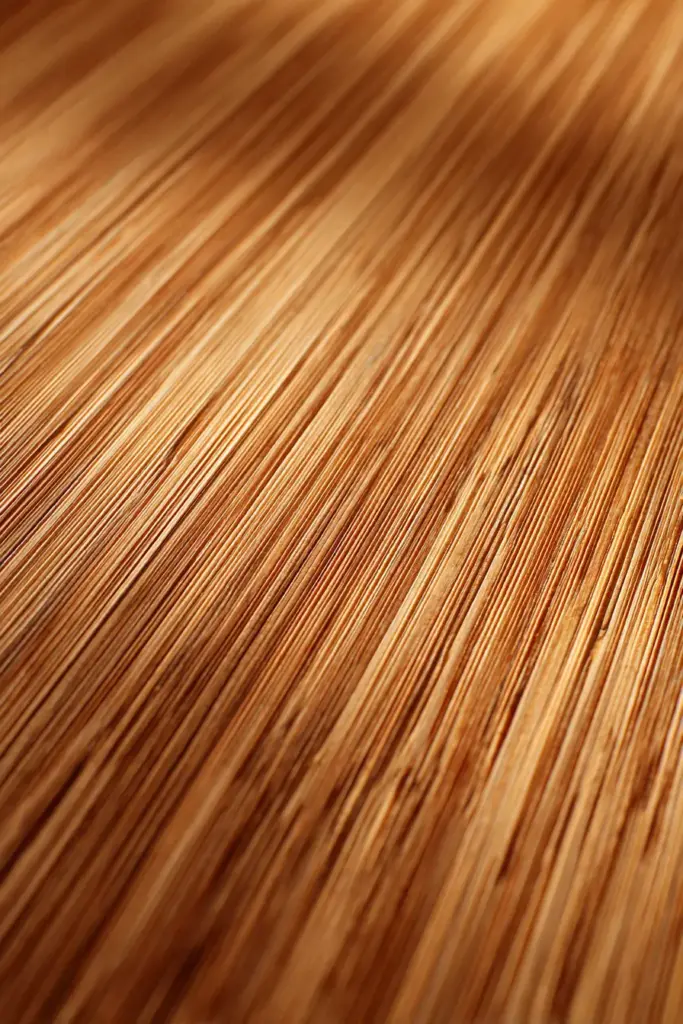
Bamboo carries the dual soul of this design style: Japanese reverence for nature, and Scandinavian commitment to sustainability. It grows and renews in just five years, compared to over fifty for traditional oak. Its surface grain is fine and rhythmic, lending itself perfectly to matte finishes that absorb light rather than reflect it.
For tropical climates like the Philippines, sealed strand-woven bamboo is an especially resilient option. It handles humidity with grace, keeping its shape and sheen through warm, wet seasons.
Cork Flooring
Cork is the quiet one in the room — often overlooked, always wonderful underfoot. It has a natural warmth that radiates upward, a slight give that makes bare feet happy, and a pale honey tone that pairs beautifully with cream linens and rattan furniture.
Its acoustic qualities are a hidden gift, too. In a Japandi living room, where silence is an aesthetic choice, cork mutes the world just enough.
What Color Floor Is Japandi?
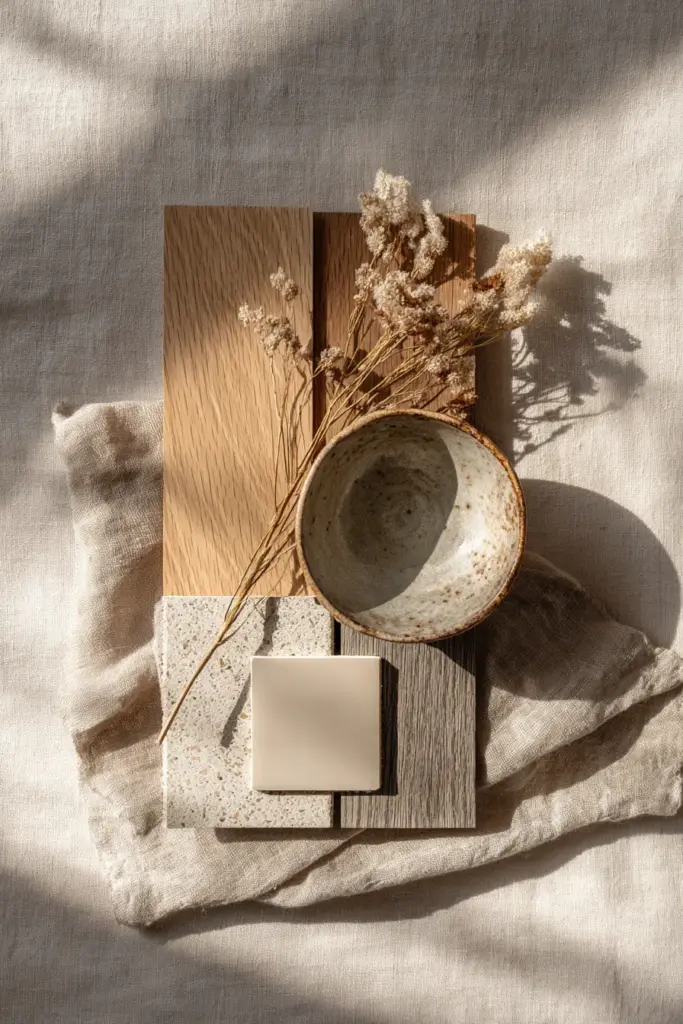
Japandi floors live in a palette of earth, ash, and morning light — never harsh, never cold.
| Tone | Material | Hex Reference | Mood It Creates |
|---|---|---|---|
| Pale ash | White oak / maple | #E8E0D0 | Airy, meditative |
| Warm honey | Cork / bamboo | #C9A96E | Cozy, grounded |
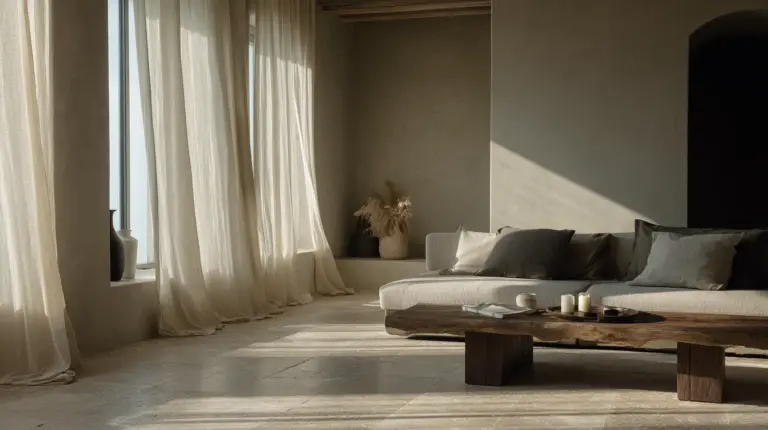
| Cool stone | Concrete-look tile | #B0ADA8 | Serene, modern |
| Driftwood grey | Weathered hardwood | #9E9589 | Rustic, restful |
| Natural beige | Light herringbone | #D4C5B0 | Soft, timeless |
The guiding rule: your floor should feel like a breath out, not a breath held. Avoid high-gloss finishes. Matte and satin surfaces scatter light gently and age with graceful character.
What Flooring Goes With Japandi Style?
Matte Finishes Are Non-Negotiable
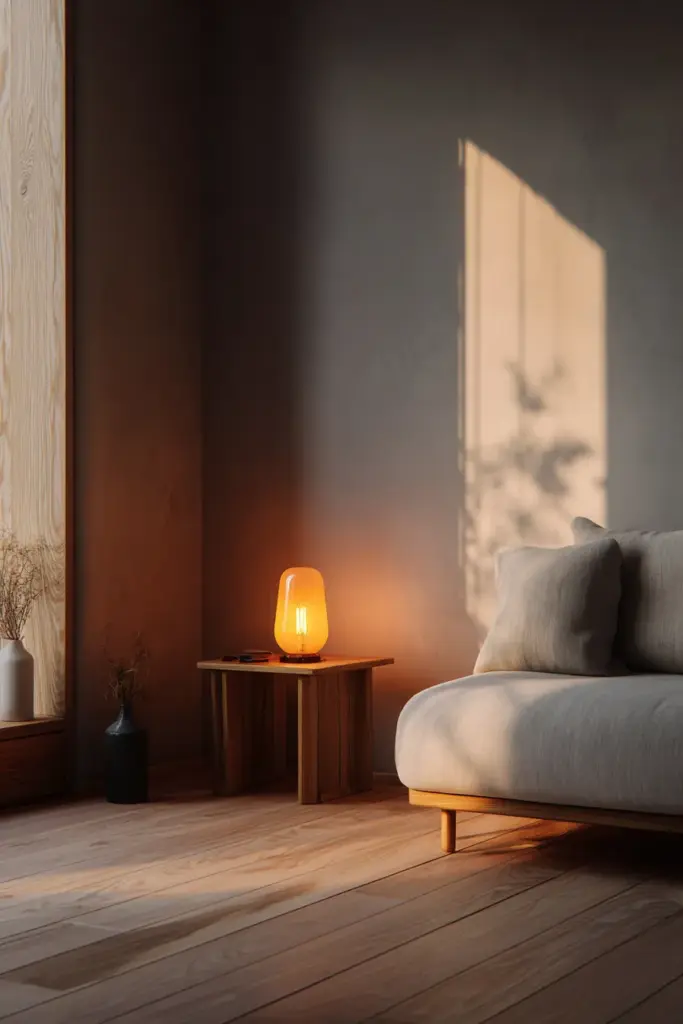
Glossy floors reflect light in ways that feel busy, commercial, almost anxious. Matte finishes, on the other hand, absorb ambient light with warmth. They make a room feel like it belongs to you.
Pair a pale matte wood floor with warm-toned lighting — Edison bulbs or diffused paper lanterns — and the effect is almost meditative. The floor glows from within.
Concrete-Look Tiles for a Modern Edge
For living rooms that lean toward the Japanese side of the spectrum, large-format concrete-look tiles create a beautiful tension with soft textiles. Choose a warm grey or beige concrete tone rather than a cool industrial grey. The difference is subtle, but the feeling it creates is entirely different.
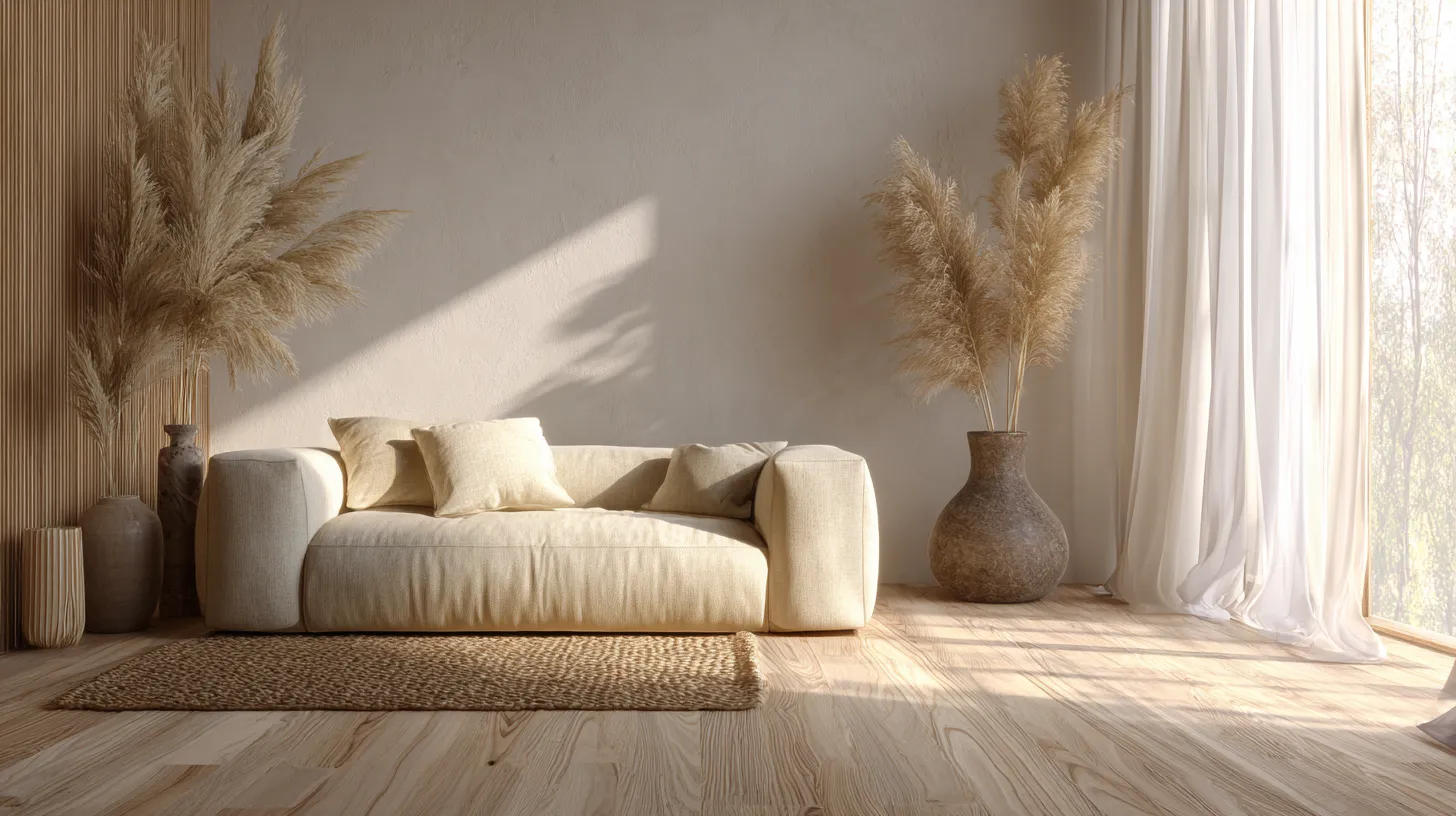
Pair with a thick jute area rug and a low-profile sofa in natural linen, and the room finds its balance between spare and soul.
Natural Stone Accents
Slate, limestone, and travertine tiles bring the outside in with an authority that no manufactured material quite matches. Use them as a feature zone — perhaps defining the area beneath a low coffee table — rather than wall-to-wall, which can feel heavy in smaller spaces.
How Do You Make a Japandi Living Room Floor Feel Cozy?
Layer Rugs with Purpose
A bare Japandi floor is beautiful. A layered one is irresistible.
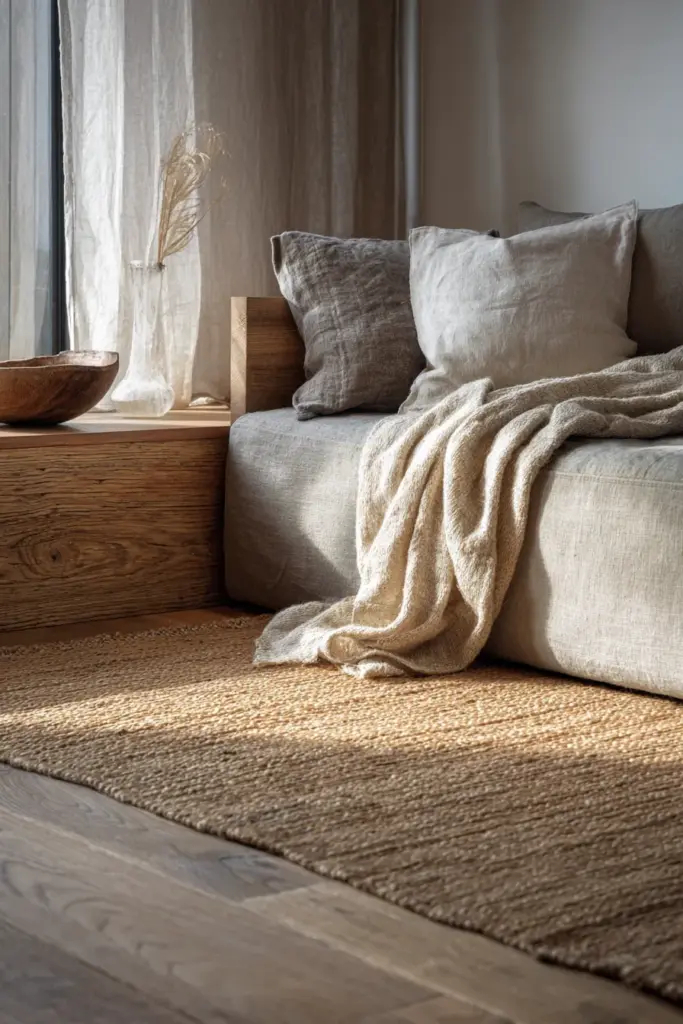
Jute, seagrass, and undyed wool rugs are your best companions here. Place a large natural-fiber rug beneath your seating area to define the zone and soften the acoustic environment. If your living room is small, choose a rug with a low pile and neutral border — it anchors without overwhelming.
For a layered effect, a smaller woven accent rug over a larger jute base creates a relaxed, gathered feeling — like a home that has been lived in lovingly over years.
Bring in Warmth Through Furniture Height
Japandi furniture sits low. Low sofas, floor cushions, and platform daybeds draw the eye downward — toward the floor, toward the earth. This conscious lowering of sightlines makes your flooring an active part of the room’s experience, not just a surface to walk across.
Pair low-slung furniture in natural oak, blackened ash, or raw linen with your flooring for a seamless visual flow.
Lighting as a Mood Anchor
The right lighting ideas transform good flooring into something almost cinematic. Position a warm-toned floor lamp in the corner to cast a pool of amber light across your wood or bamboo floor at dusk. The grain catches the light. Shadows gather gently. The room settles.
Avoid cool white overhead lighting. In a Japandi living room, shadows are friends — they give the space depth and dimension.
Small Space Japandi Flooring: Zoning a 20–40 sqm Living Room
Small living rooms deserve as much intention as large ones — perhaps more.
Use Flooring to Define Zones
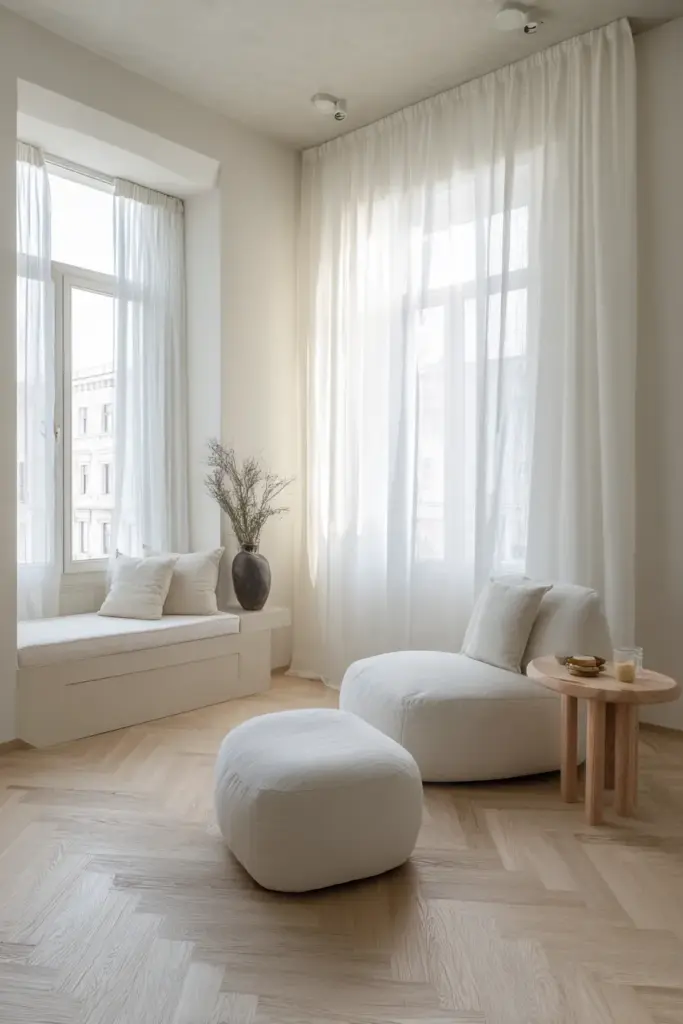
In a compact Manila condo or studio apartment, flooring transitions do the architectural work that walls cannot. Use a herringbone pattern under your seating area to distinguish it from a straight-lay transition in the entryway. Or define a reading nook with a contrasting cork tile inset.
This technique draws the eye purposefully through the space, making even a 20 sqm room feel designed — not squeezed.
Choose Longer, Wider Planks
Narrow floorboards visually chop a small room into segments. Wide-plank flooring — 120mm and above — creates a sense of horizontal expansiveness. In a small Japandi living room, wider planks in a pale ash tone can make the space feel notably more open.
Run your planks parallel to the longest wall for an additional elongating effect.
Sustainable Japandi Flooring: Materials That Honor the Earth
Japandi’s philosophy is inseparable from ecological care. The materials you choose for your floor carry a carbon footprint — and that footprint matters.
| Material | Renewal Rate | Lifespan | Eco Notes |
|---|---|---|---|
| Bamboo | 5–7 years | 20–25 years | Highly renewable, low pesticides |
| Cork | 9–12 years | 20–30 years | Harvested without cutting trees |
| White Oak | 50+ years | 30–100 years | Long-lived, slow to renew |
| Recycled Vinyl Plank | N/A | 15–25 years | Best: post-consumer recycled |
| Concrete Tile | N/A | 50+ years | High embodied energy, very durable |
When sourcing locally in the Philippines, look for certified bamboo flooring at suppliers like Wilcon Depot or regional timber yards carrying FSC-certified wood. Renter-friendly options include floating bamboo planks — installed without adhesive, lifted when you leave.
Look for non-toxic certifications like FloorScore or GREENGUARD Gold to ensure your flooring emits minimal VOCs, keeping your air as calm as your aesthetic.
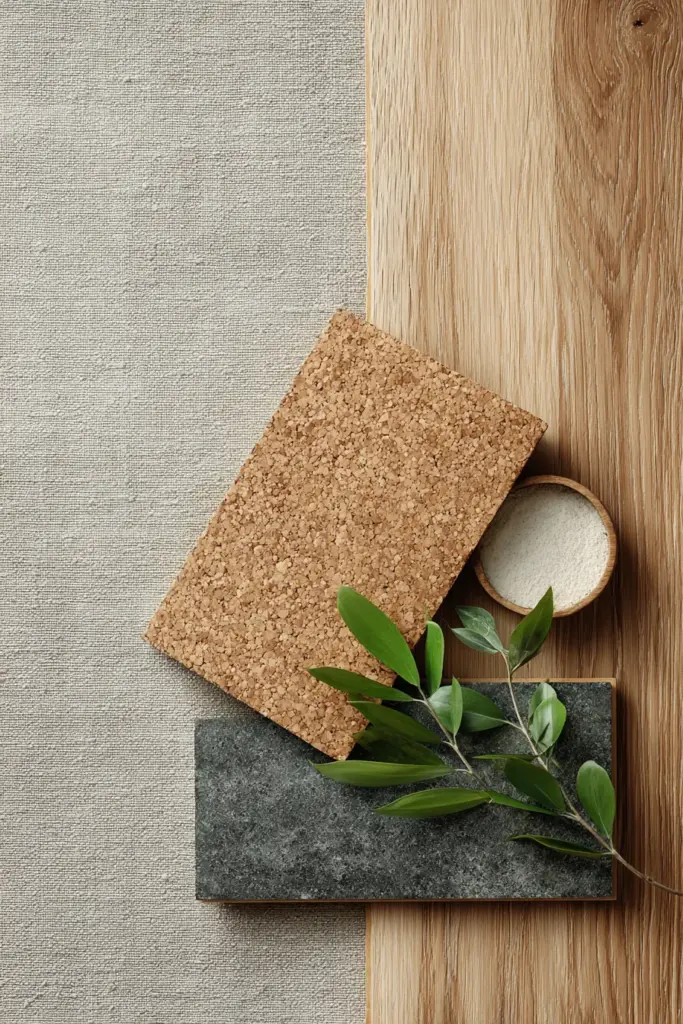
Japandi Flooring Maintenance: Caring for Your Floor in Humid Climates
A beautiful floor deserves a simple but consistent care routine — especially in tropical climates where humidity and heat can challenge natural materials.
Daily and Weekly Care
- Sweep with a soft microfiber mop to lift dust without scratching matte finishes.
- Wipe spills immediately — especially on bamboo and cork, which can absorb moisture if left to sit.
- Use a pH-neutral wood cleaner diluted in water for weekly mopping. Avoid steam mops on wood or bamboo — the moisture penetrates the grain.
Humidity Protection
In Manila’s wet season or any tropical environment, keep indoor humidity between 45–65% using a dehumidifier or air conditioning. Seal bamboo and cork floors with a water-resistant polyurethane or natural oil finish annually to protect against moisture swelling.
Cork in particular can swell and lift at the seams if exposed to prolonged dampness — choose sealed cork tiles over glue-down strips in high-humidity rooms.
Your Japandi Flooring Mood Board: A Quick-Start Checklist
Before you order a single plank, use this checklist to align your flooring choice with the mood you want to create.
- Define your dominant tone: Warm honey, pale ash, cool stone, or weathered driftwood?
- Choose your finish: Always matte or satin — never gloss.
- Consider your climate: Sealed bamboo or engineered wood for humid tropical regions.
- Plan your lighting: Warm bulbs (2700K–3000K) will bring out the gold in light wood floors.
- Select a rug: Jute, seagrass, or undyed wool over your flooring to add texture and softness.
- Check sustainability: Look for FSC certification, bamboo renewability, or recycled content.
- Measure your space: Opt for wide planks (120mm+) in rooms under 30 sqm.
- Source locally where possible: Reduces carbon footprint and often reduces cost.
Conclusion: The Floor That Holds You
A Japandi living room is not a showroom. It is a sanctuary.
The floor you choose will hold your mornings — the quiet cup of tea, the barefoot crossing to the window, the low afternoon light pooling across pale grain. It will be present for all of it, unhurried and steady beneath you.
Choose it the way you choose any enduring thing: with patience, with intention, and with love for the quiet beauty of natural materials. Let it be imperfect. Let it carry the memory of your home.
That is wabi-sabi. That is hygge. That is Japandi — and it begins right where you stand.
Frequently Asked Questions
What is the best flooring for a Japandi living room?
Light-toned natural wood, bamboo, and cork are the top choices for a Japandi living room. Look for matte finishes in pale honey, ash, or driftwood tones. Engineered hardwood is ideal for humid climates as it resists warping while retaining natural warmth.
What color floor is Japandi?
Japandi floors favor neutral earth tones — pale ash whites (#E8E0D0), warm honeys (#C9A96E), and cool stone beiges (#B0ADA8). The key is a matte finish that absorbs rather than reflects light, creating a soft, meditative mood.
Is bamboo flooring Japandi?
Yes — bamboo is one of the most authentically Japandi flooring choices. It is sustainably harvested (renewing in just five years), has a fine organic grain, and pairs beautifully with matte finishes and natural tones. Sealed strand-woven bamboo is especially suitable for humid tropical climates.
How do you make a Japandi floor feel cozy?
Layer a natural-fiber rug (jute, seagrass, or undyed wool) over your flooring to add warmth and texture. Use warm-toned lighting at floor level, choose low-profile cozy furniture that draws the eye downward, and keep the palette consistent with your floor’s natural tones.
What flooring is best for a small Japandi living room?
In small spaces (20–40 sqm), choose wide-plank flooring in pale ash or bamboo, laid parallel to the longest wall. Use a simple, consistent floor material throughout to avoid visual fragmentation, and define zones with a large neutral area rug rather than flooring transitions.