
Table of Contents
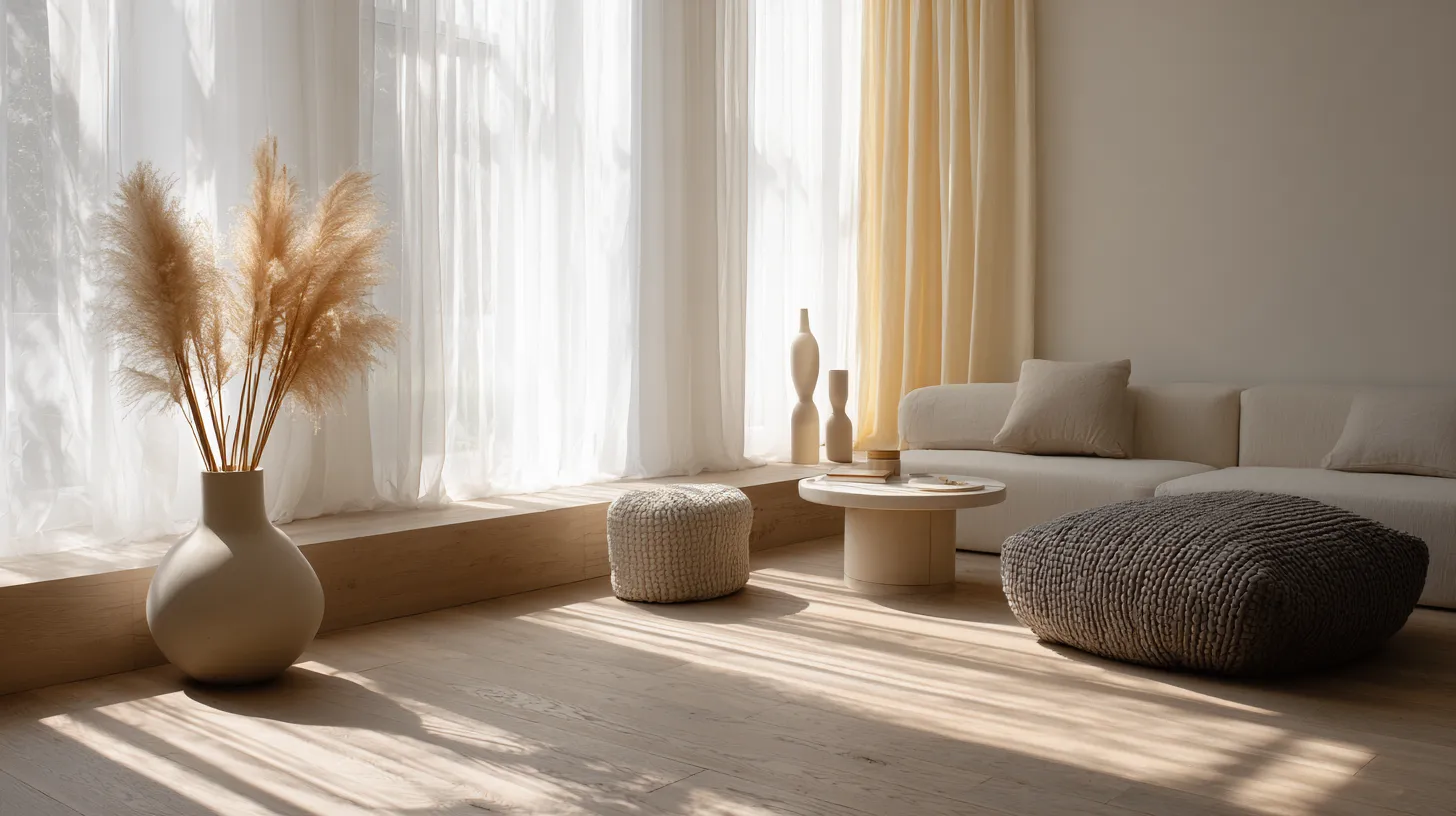
The floor beneath your feet is more than just a surface—it’s the foundation of every moment you’ll live in your space. It catches morning light through sheer curtains, holds the weight of gathered friends, and whispers quiet comfort when you walk barefoot at dawn.
In Japandi design, flooring becomes a meditation on simplicity and warmth. This aesthetic marriage of Japanese minimalism and Scandinavian hygge asks us to choose materials that feel honest, natural, and timeless. No showiness. No excess. Just beauty that breathes.
Today, we’re exploring the flooring materials that embody this philosophy—options that ground your living room in texture, sustainability, and serene visual calm. Whether you’re renovating a compact apartment in Silang or reimagining a spacious home, the right floor transforms everything above it.
Let’s walk this path together.
Understanding Japandi Flooring Philosophy
Before we dive into specific materials, let’s pause to understand what makes flooring truly Japandi.
This design language celebrates wabi-sabi—the beauty of imperfection—and the Scandinavian concept of creating cozy, functional spaces. Your floor should feel warm underfoot, showcase natural grain and subtle texture, and age gracefully rather than perfectly. Think matte finishes over glossy shine. Pale, earthy tones over dramatic contrast.
The goal? A floor that feels like it’s always been there, quietly supporting your life.
Natural Wood Flooring: The Timeless Choice
There’s something deeply grounding about wood. It carries the memory of forests, seasons, and slow growth—exactly the kind of presence Japandi spaces crave.
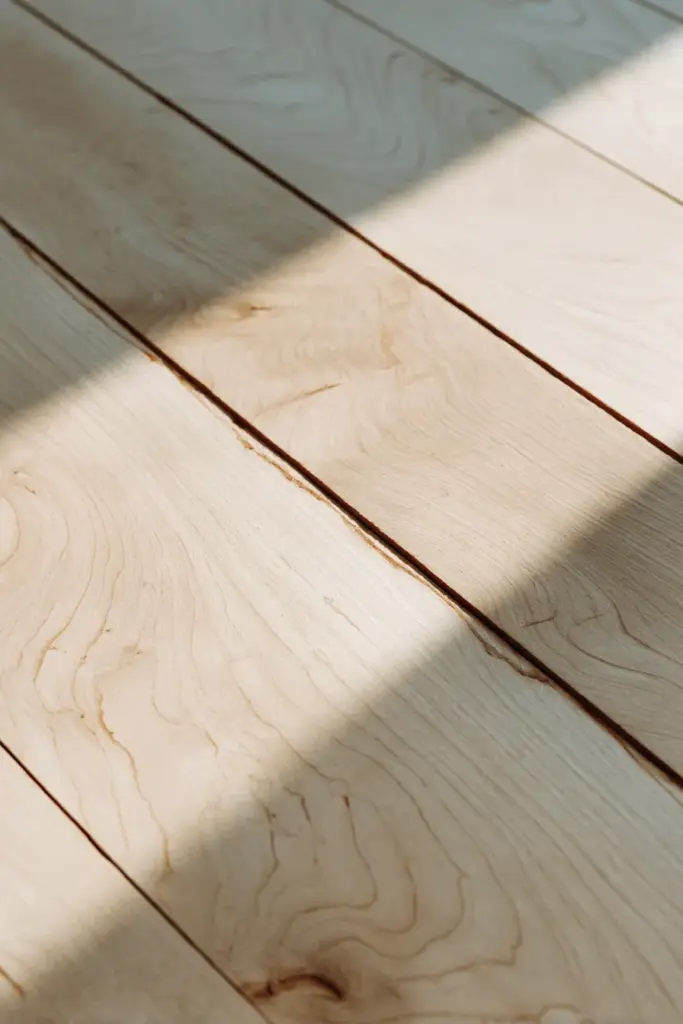
Light woods like maple, oak, and ash are quintessential choices. Their pale, honey tones reflect natural light beautifully, making even small living rooms feel expansive. For Philippine homes, consider engineered wood over solid hardwood—our tropical humidity demands the stability of layered construction.
Wood requires gentle care but rewards you with decades of beauty. Sweep regularly, use pH-neutral cleaners, and refinish every few years. Unlike synthetic materials, wood ages gracefully, becoming more beautiful with time.
Bamboo Flooring: Sustainable Elegance
If wood feels traditional, bamboo is its contemporary cousin—equally warm but with modern environmental credentials.
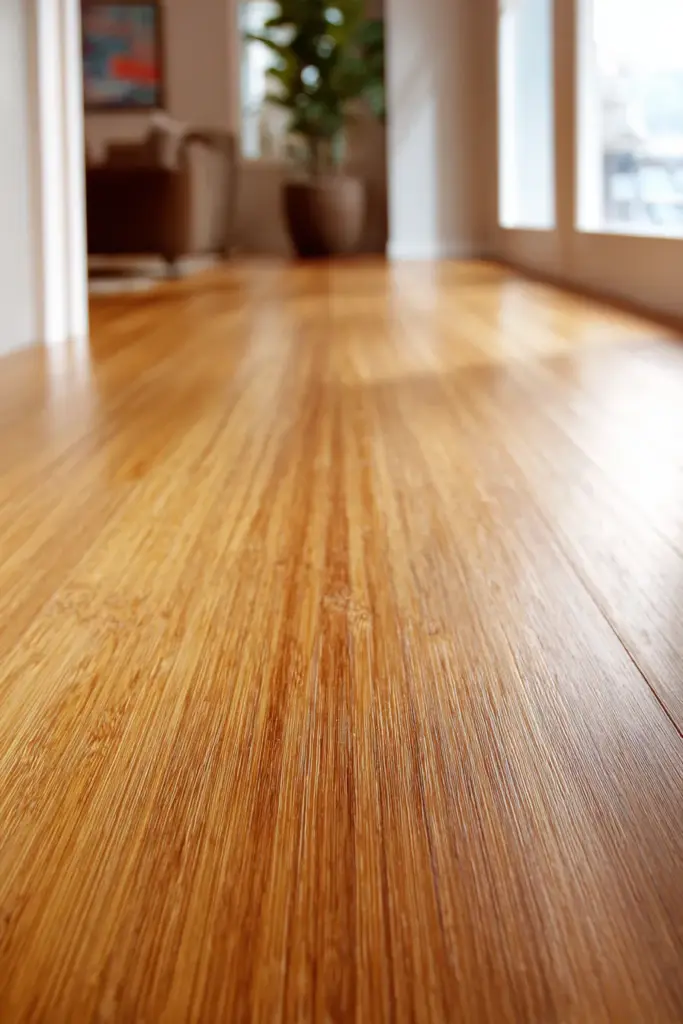
Bamboo grows to harvest maturity in just 3-5 years versus hardwood’s 20-60 years. Strand-woven bamboo boasts density ratings over 900kg/m³, harder than many hardwoods, with clean linear aesthetics that create gentle visual rhythm.
Choose natural or carbonized finishes—natural offers light caramel tones, carbonized darkens to rich amber. Expect PHP 2,000-4,000 per square meter for quality options. Look for FSC-certified bamboo from local suppliers. It performs well in Calabarzon’s humidity with proper 48-hour acclimatization before installation.
Cork Flooring: The Warm Minimalist’s Secret
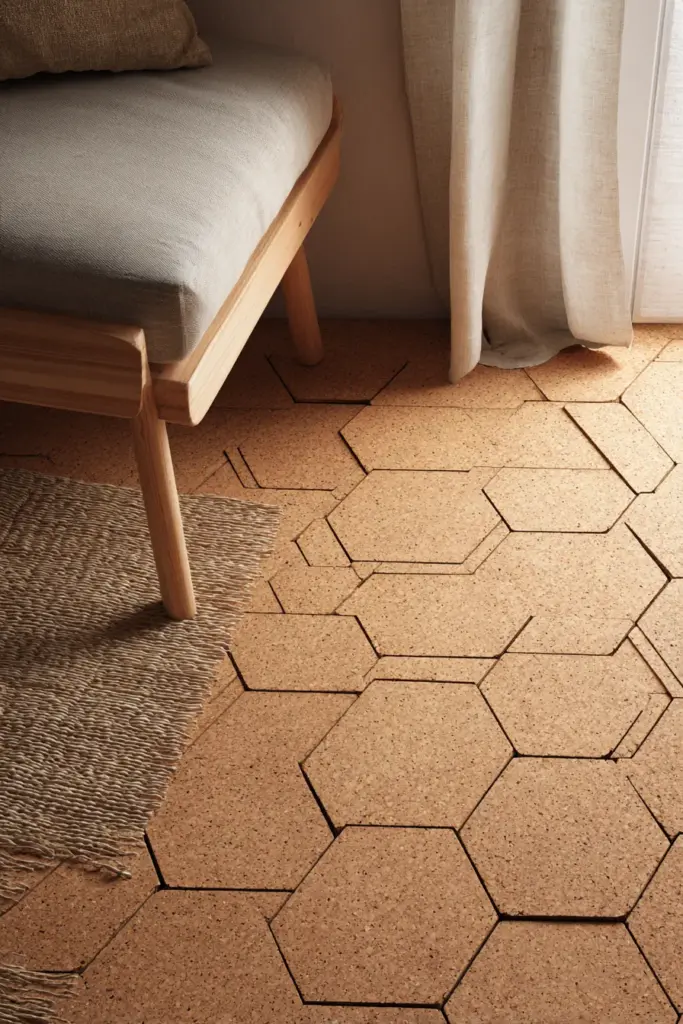
Cork surprises people. Most associate it with bulletin boards, but as flooring, it’s a revelation of comfort and quiet.
This material offers unmatched underfoot warmth—naturally insulating and cushioning. In open-plan Japandi homes where sound echoes across minimal furnishings, cork absorbs noise beautifully. Choose large-format cork tiles in warm, pale tones—wheat, sand, or soft taupe. Seal properly for Philippine conditions with water-based polyurethane, maintaining the essential matte finish.
Concrete Flooring: Industrial Zen
Concrete might seem cold, but in Japandi spaces, it becomes a canvas of subtle beauty.
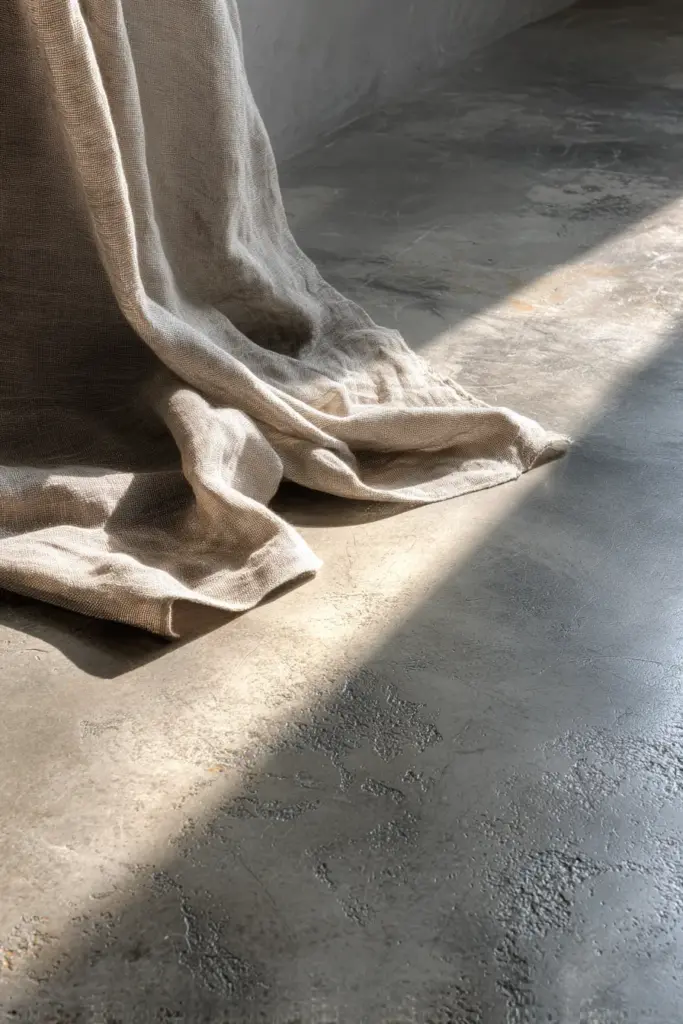
Polished concrete with a matte finish embodies wabi-sabi perfectly. The slight variations and natural patina tell a story—minimalism at its most honest. For Philippine homes, concrete offers practical advantages: natural cooling in tropical heat and complete immunity to humidity.
Balance concrete’s coolness through textiles—natural fiber rugs, linen throws, woven poufs. Consider dyed concrete in earthy tones like warm gray or soft beige. Local specialists can create custom hues affordably.
Stone Flooring: Elemental Calm
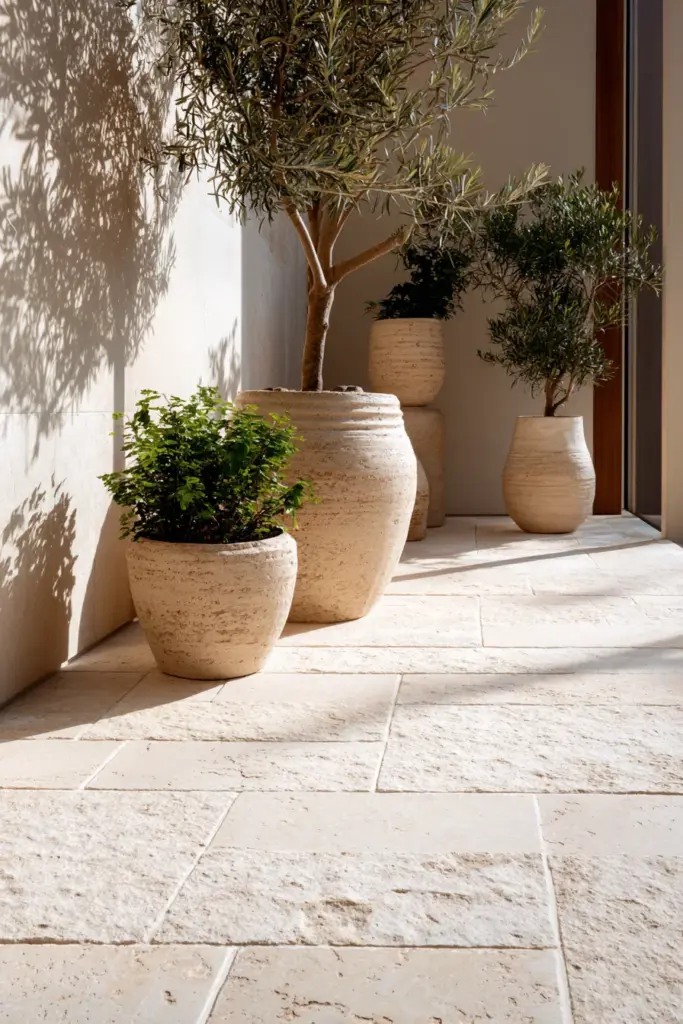
Stone brings the outside in—a very Japandi concept.
Limestone, sandstone, and slate in muted tones create floors that feel ancient and permanent. Stone works particularly well in tropical climates, naturally regulating temperature and staying pleasantly cool underfoot. Choose honed or matte finishes over polished for better slip resistance and understated aesthetics. Seal regularly to prevent staining, especially in high-use living rooms.
Vinyl Plank Flooring: The Practical Alternative
Not every budget accommodates natural materials. Quality luxury vinyl planks (LVP) now mimic wood grain convincingly. Look for embossed textures that follow printed grain for tactile dimension.
Choose pale wood looks with subtle grain—avoid anything too rustic. Brands like Floorify offer water-resistant options ideal for Philippine humidity, often under PHP 1,500/sqm.
Beyond affordability, vinyl offers waterproof performance perfect for monsoon season, quiet comfort underfoot, and DIY-friendly floating installation. Look for low-VOC products with phthalate-free formulations and recycled content for more conscious choices.
Material Comparison: Making Your Decision
Choosing flooring means balancing aesthetics, budget, and lifestyle. Here’s how our featured materials compare:
| Material | Cost (PHP/sqm) | Durability | Humidity Resistance | Warmth Factor | Eco-Friendliness |
|---|---|---|---|---|---|
| Natural Wood | 3,000-6,000 | High* | Medium | High | High |
| Bamboo | 2,000-4,000 | Very High | High | High | Very High |
| Cork | 2,500-4,500 | Medium | Medium** | Very High | High |
| Concrete | 1,500-3,500 | Very High | Excellent | Low | Medium |
| Stone | 2,000-8,000+ | Very High | Excellent | Low | High |
| Vinyl Plank | 800-1,500 | Medium | Excellent | Medium | Low |
*Engineered wood recommended for Philippine climate
**Requires proper sealing
Installation Tips for Japandi Living Rooms
Installation matters as much as material choice. For floating floors, invest in quality underlayment—it reduces noise and smooths imperfections. For glue-down installations, ensure impeccably level subfloors.
Consider wide-format planks—200mm or broader—to minimize seams and create cleaner visual lines. Orient planks parallel to your room’s longest wall to enhance the sense of space.
Maintaining Your Japandi Floor
Beauty requires tending. Daily care is simple: sweep or vacuum with soft brush attachments—grit causes micro-scratches. Weekly damp mopping with pH-neutral cleaners (for wood/bamboo) or mild soap (for concrete/stone) keeps surfaces fresh.
Our humid climate demands attention. Use dehumidifiers during monsoons to keep indoor humidity between 40-60%, preventing expansion in wood and bamboo. Inspect quarterly for water damage near windows and doors.
Small Living Room Flooring Hacks
Limited square footage demands strategic choices. Light colors expand space visually—pale bamboo or whitewashed wood reflects light, making rooms feel airier. Use consistent flooring throughout connected spaces; visual breaks chop up space.
Minimize transition strips between materials, or keep them in the same color family. Wide-format planks create cleaner lines perfect for compact rooms.
Budget Japandi Flooring: Under PHP 3,000/sqm
Creating Japandi beauty doesn’t require luxury budgets.
Laminate flooring in pale oak patterns costs PHP 600-1,200/sqm. Choose AC4 or AC5 ratings for durability. Polished concrete over existing slabs runs PHP 1,500-2,500/sqm—both budget-friendly and authentically Japandi. Cork tiles at PHP 2,000-2,500/sqm offer superior comfort despite higher costs.
Build relationships with Philippine suppliers for remnant pieces and overstock discounts. Consider domestic species like lighter-stained acacia for affordable natural wood alternatives.
Pairing Your Floor with Japandi Elements
Flooring doesn’t exist in isolation. Let pale floors support natural wood furniture in slightly warmer tones—subtle contrast adds depth. Position lighting strategically to highlight wood grain or stone texture.
Layer warmth through natural fiber rugs over concrete. On wood floors, use minimal rugs to let the material shine. Consider how your floor complements window views—flooring that echoes natural tones creates beautiful continuity between inside and outside.
The Sustainability Question
Japandi philosophy includes respect for resources. FSC-certified bamboo and wood ensure responsible forestry. Locally sourced materials—Philippine bamboo, regional hardwoods, quarried stone—reduce transportation emissions.
Longevity matters most. The most sustainable floor lasts 30-50+ years with proper care. Durable materials like bamboo, quality wood, and concrete trump cheaper options requiring frequent replacement.
If choosing vinyl, commit to maximum longevity with highest-quality products and meticulous maintenance—decades of use, not replacement every 5-7 years.
Key Takeaways: Your Japandi Flooring Checklist
Before making your final decision, consider:
- Climate compatibility: Will this material handle Philippine humidity? Does it need special sealing or underlayment?
- Budget reality: Calculate total costs including installation, underlayment, and transitions—not just material price per square meter
- Lifestyle demands: Do you have pets? Small children? High foot traffic? Choose durability accordingly
- Aesthetic consistency: Does this material align with your overall Japandi vision—pale tones, natural texture, matte finishes?
- Maintenance commitment: Are you prepared for the care this material requires? Be honest about your time and inclination
- Room size: Will this material’s color and plank size enhance or diminish your space?
- Longevity: Can this floor last 20+ years with proper care? Sustainability includes durability
- Sensory experience: How does it feel barefoot? Does the texture and warmth match your comfort needs?
Bringing It All Together
Your living room floor is where life happens—where toddlers take first steps, where friends gather for long conversations, where you stand with morning coffee watching light change.
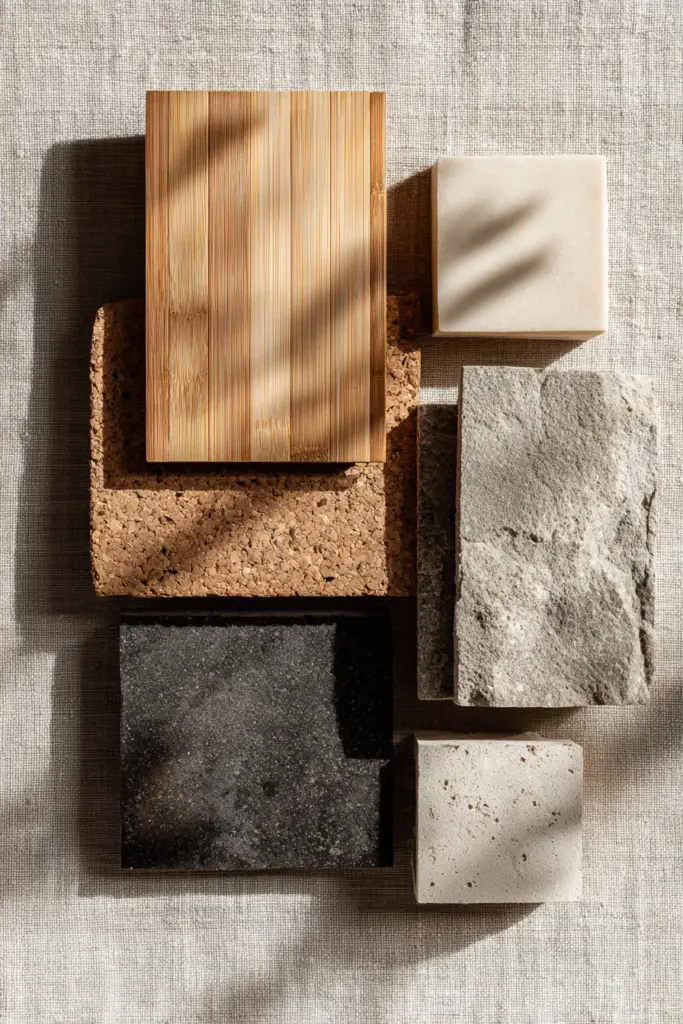
In Japandi design, we choose materials that feel true—natural grains, honest textures, colors borrowed from earth and sky. Whether you select bamboo’s warm resilience, cork’s unexpected comfort, or stone’s elemental calm, let your choice reflect both beauty and practicality.
Your floor is the foundation of home. Choose wisely, care well, and it will support your life for decades.
Welcome home.
Frequently Asked Questions
What is the best flooring material for a Japandi living room?
Natural wood and bamboo top the list for authentic Japandi aesthetics. Light-toned options like maple, oak, or natural bamboo offer the pale, warm look central to this design style. For Philippine climates, engineered wood or strand-woven bamboo provides better humidity resistance than solid hardwood. If budget is a concern, quality vinyl planks in pale wood patterns can achieve similar visual effects at a fraction of the cost.
Is Japandi flooring eco-friendly and sustainable?
True Japandi flooring prioritizes sustainability. Bamboo is exceptionally eco-friendly, reaching harvest maturity in 3-5 years versus decades for hardwood. Look for FSC-certified wood and bamboo to ensure responsible forestry. Cork, harvested from tree bark without felling trees, is also sustainable. Stone and concrete have long lifespans that offset initial environmental costs. Vinyl is the least eco-friendly option—choose low-VOC formulations with recycled content if you go this route.
How do I choose Japandi flooring for small living rooms?
Opt for light colors—pale bamboo, whitewashed wood, or light concrete—to visually expand space. Choose wide-format planks (200mm+) to minimize seams and create cleaner lines. Use one consistent flooring material throughout connected spaces rather than breaking up the floor with different materials. Avoid dark or heavily grained options that can make small rooms feel closed in. Matte finishes prevent glare that makes spaces feel smaller.
What flooring materials work best in humid climates like the Philippines?
Engineered wood outperforms solid hardwood in humidity, thanks to its layered construction. Bamboo naturally resists moisture well, especially strand-woven varieties. Concrete and stone are impervious to humidity concerns. Cork requires proper sealing but performs adequately. Vinyl plank flooring is completely waterproof—ideal for monsoon season. If choosing wood, ensure proper acclimatization and consider dehumidifiers during wet months to maintain ideal indoor humidity (40-60%).
How much does Japandi flooring cost in the Philippines?
Budget varies by material. Quality vinyl runs PHP 800-1,500/sqm. Concrete finishes cost PHP 1,500-3,500/sqm. Bamboo ranges from PHP 2,000-4,000/sqm. Cork falls between PHP 2,500-4,500/sqm. Natural wood spans PHP 3,000-6,000/sqm depending on species. Stone varies most widely from PHP 2,000-8,000+/sqm. Remember to budget for installation, underlayment, and finishing—these can add 30-50% to material costs. For tight budgets under PHP 3,000/sqm total, consider laminate, polished concrete, or affordable bamboo options.