
Table of Contents
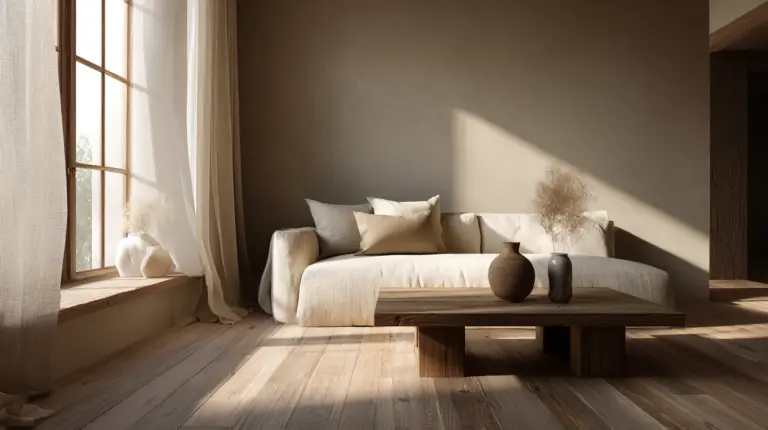
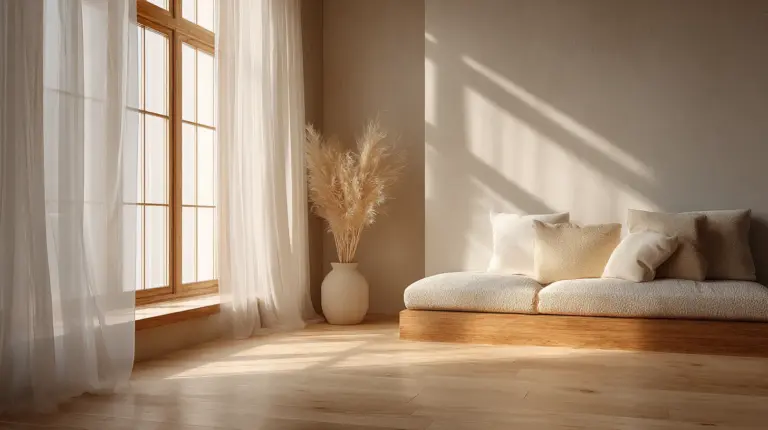
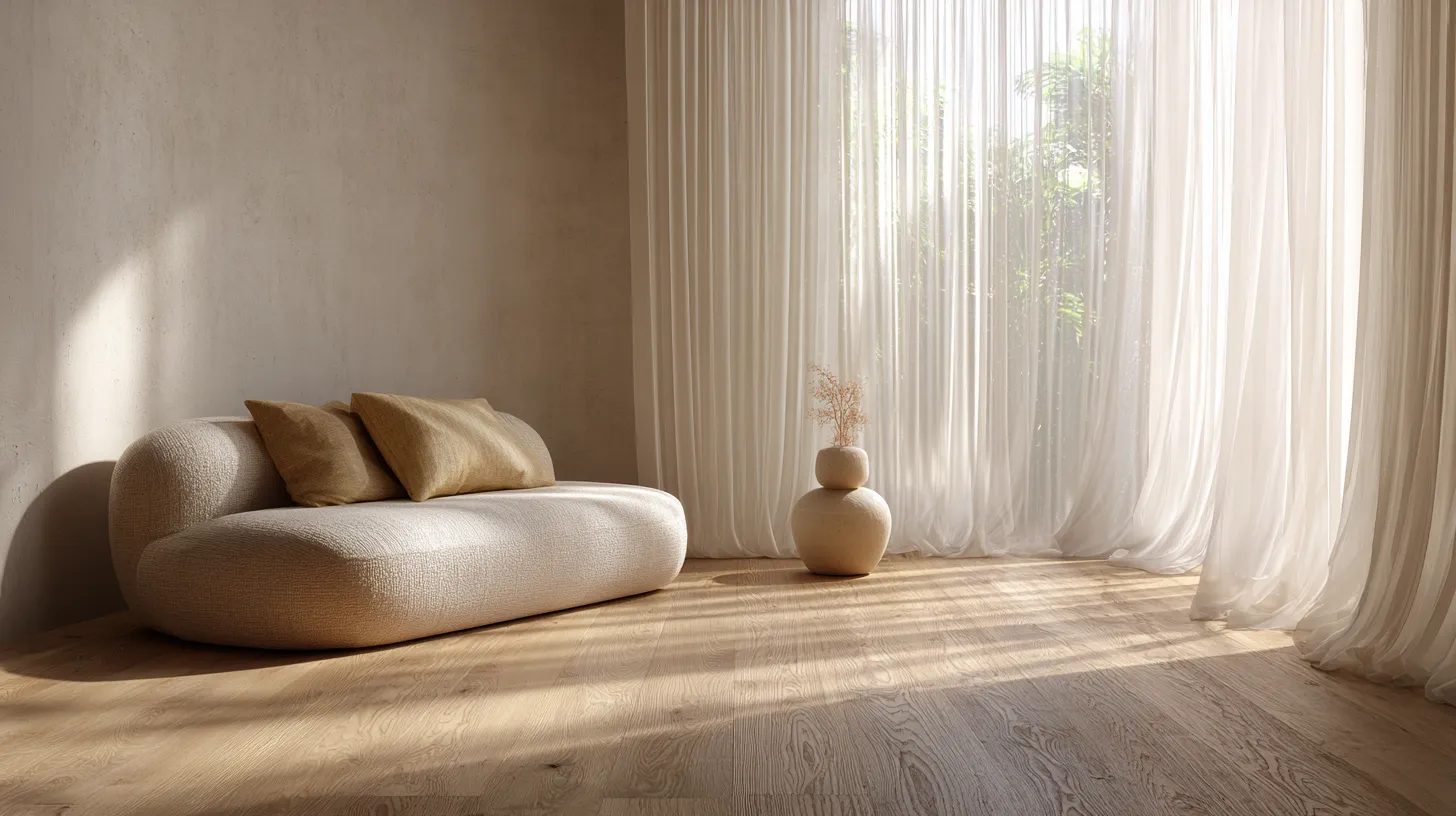
There is something deeply satisfying about a living room that breathes. Wide, uncluttered floors. The soft warmth of natural wood underfoot. A quiet palette that lets the eye rest and the spirit settle. That is the promise of Japandi — a design philosophy born from the quiet harmony of Japanese minimalism and Scandinavian warmth.
But then your cat leaps from the sofa and skids across the floor. Or your golden retriever shakes off a rainy-day sprint through the garden. Suddenly, that serene vision needs a practical backbone.
The good news is this: pet-friendly flooring and Japandi aesthetics are not opposites. With the right materials, finishes, and a few thoughtful design choices, your living room can be both breathtakingly beautiful and genuinely livable — for every member of your household, paws included.
Let us walk you through it.
What Makes a Floor Truly Japandi?
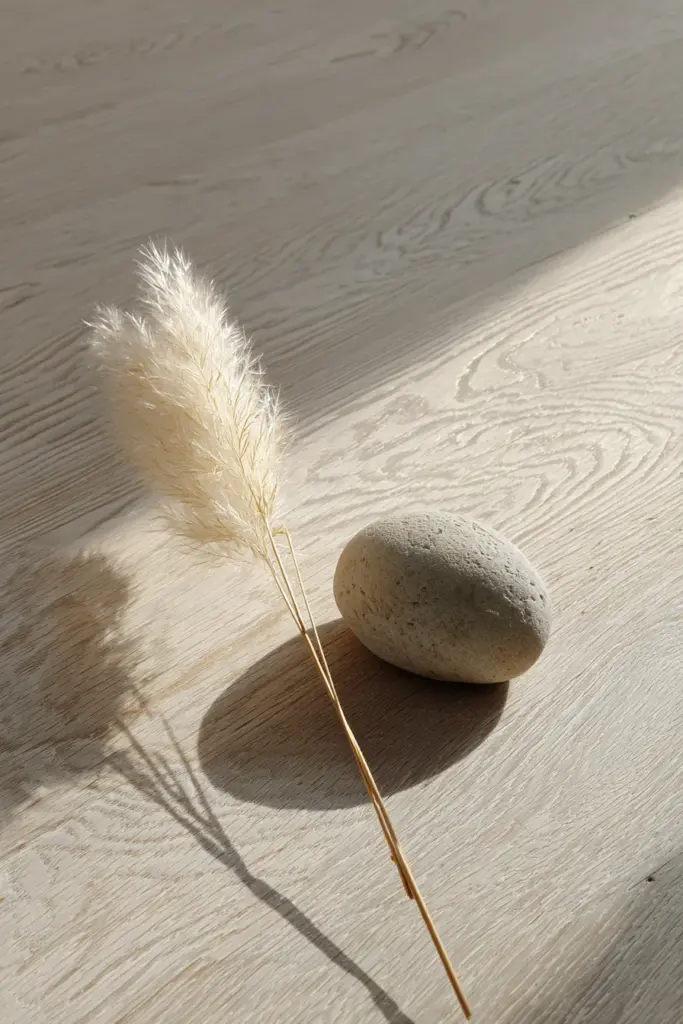
Japandi interiors celebrate the concept of wabi-sabi — the beauty found in imperfection, age, and natural texture. Floors are not meant to look pristine forever. A slight grain variation in oak, a matte finish that softens the light, the subtle warmth of bamboo — these are features, not flaws.
The key aesthetic pillars for Japandi flooring are natural materials, a muted earthy palette, low visual noise, and an honest, unforced beauty. Think pale ash, warm taupe, cool slate, and creamy off-whites. Avoid high-gloss finishes that show every paw print and every scuff.
For pet owners, this philosophy is actually an advantage. The textures and tones that define Japandi hide everyday wear beautifully.
Top Japandi Flooring Options for Pet Owners
1. Solid Hardwood — The Classic Choice
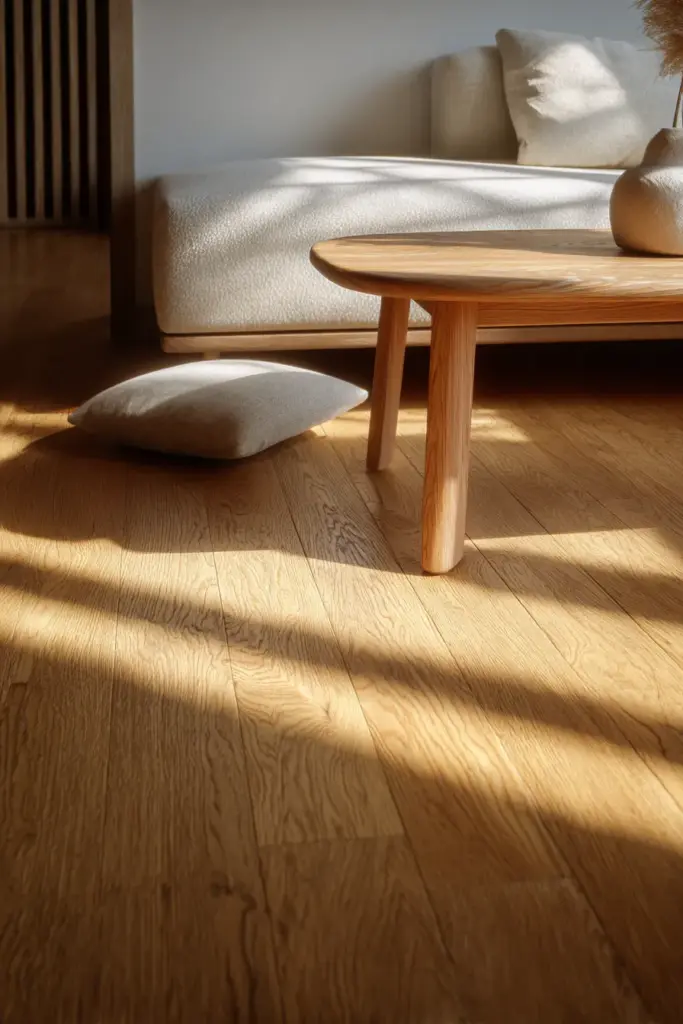
Hardwood floors are the soul of Japandi design. Their warmth, grain variation, and longevity make them irreplaceable. But not all hardwoods are created equal when pets are in the picture.
Oak is your strongest ally here. With a Janka hardness rating above 1,200, it resists scratching far better than softer woods like pine or walnut. White oak, in particular, delivers that pale, Scandinavian-meets-Japanese tone that Japandi spaces crave.
For protection, choose a tung oil or matte hardwax finish rather than a polyurethane gloss. These finishes penetrate the wood rather than sitting on top, making scratches far less visible and repairs beautifully straightforward.
Cost: $5–$10 per sq ft installed.
Pro tip: Apply a fresh coat of tung oil every 12–18 months. It nourishes the wood and keeps it looking intentional, not worn out.
2. Bamboo Flooring — Sustainable and Surprisingly Tough
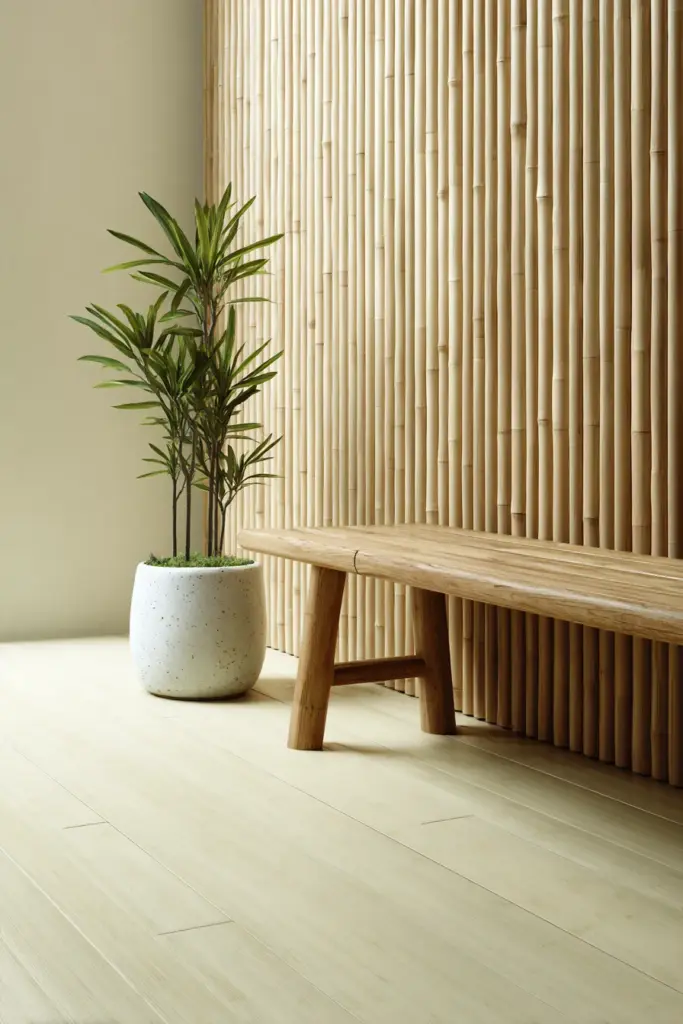
Bamboo is one of the most overlooked heroes in pet-friendly Japandi design. It is technically a grass, which means it grows back rapidly — making it one of the most sustainable flooring choices available.
Strand-woven bamboo, in particular, is harder than most domestic hardwoods. It handles dog nails gracefully and resists moisture better than solid wood, which matters in humid climates like Calabarzon or anywhere in the Philippine archipelago.
Look for bamboo floors with a Coefficient of Friction (COF) above 0.5 — this ensures the surface is slip-safe for both older pets and playful ones who love to sprint.
Cost: $4–$8 per sq ft.
| Feature | Solid Oak | Strand-Woven Bamboo |
|---|---|---|
| Scratch Resistance | High | Very High |
| Moisture Resistance | Moderate | High |
| Sustainability | Moderate | Excellent |
| Japandi Aesthetic Fit | Excellent | Excellent |
| Cost (per sq ft) | $5–$10 | $4–$8 |
3. Luxury Vinyl Plank (LVP) — The Practical Hero
If budget is a consideration — or if you live in a high-humidity environment — luxury vinyl plank is the most practical Japandi-compatible flooring on the market today.
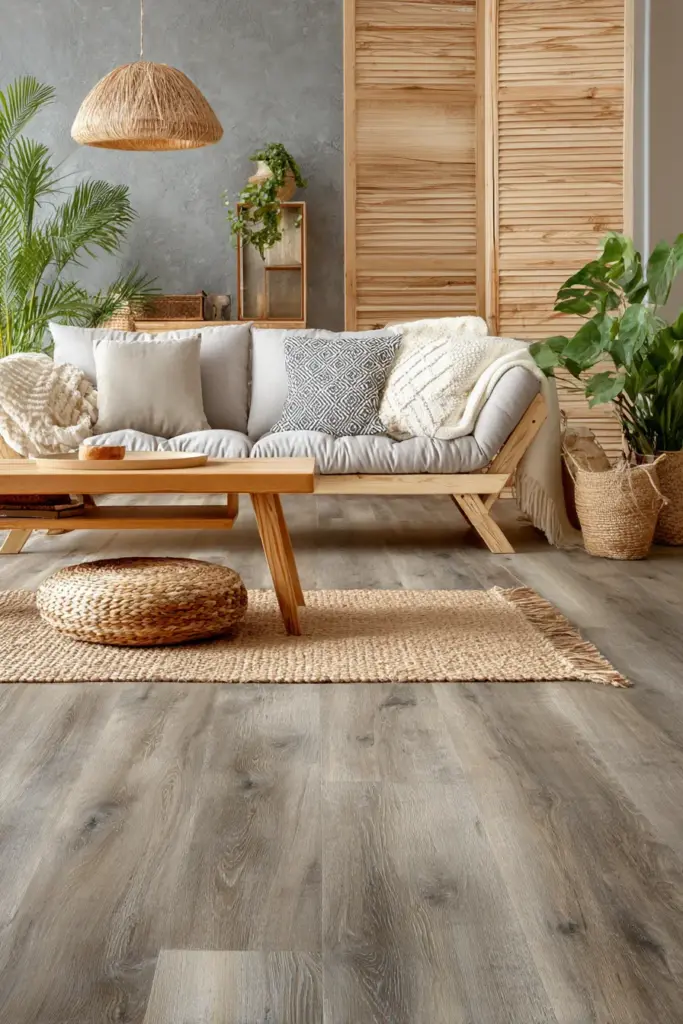
Modern LVP has evolved far beyond its plasticky origins. Today’s options convincingly mimic the grain of oak, ash, and bamboo with remarkable depth. Choose a matte, wood-look finish in natural tones: warm greige, pale birch, or cool driftwood.
For pet households, look for 20+ mil wear layers — the thicker, the better for large dog breeds or multi-pet homes. LVP is 100% waterproof, virtually scratch-resistant, and easy to clean with nothing more than a damp cloth.
Cost: Under $5 per sq ft — a genuine budget-friendly win for small apartments.
For cats: LVP is an excellent base, but pair it with sisal or jute scratching surfaces nearby. Cats are territorial about texture, and giving them an appropriate outlet protects both your floors and your furniture.
4. Tatami-Inspired Mats and Area Rugs
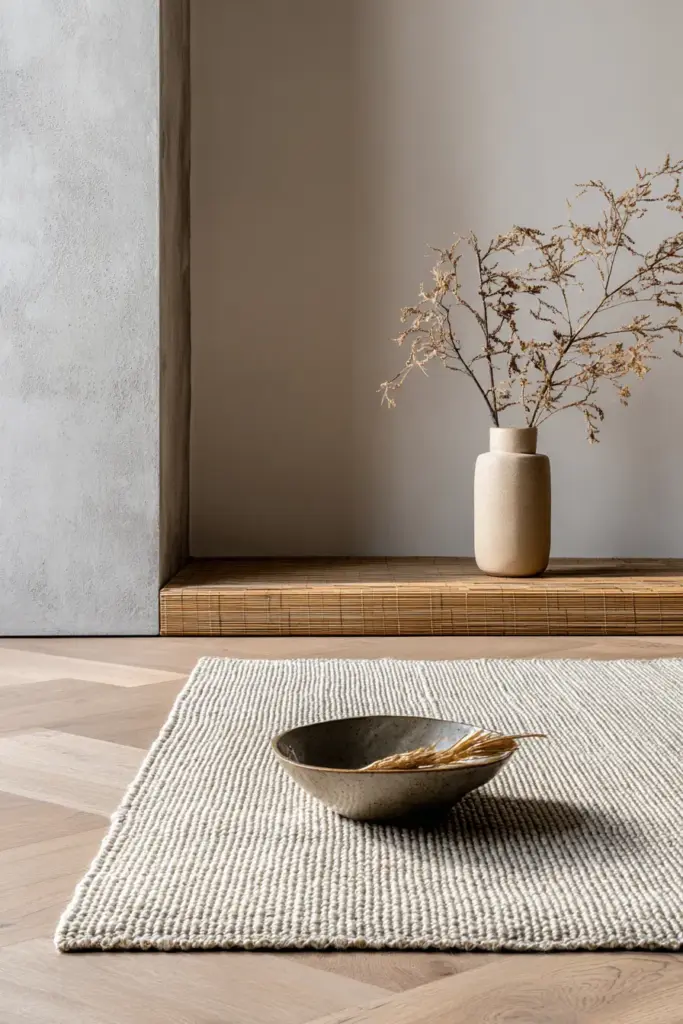
No Japandi living room feels complete without textural layers. A natural fiber rug — woven jute, wool flatweave, or a contemporary tatami mat — grounds the space and softens the acoustic harshness of hard floors.
For pet households, choose rugs with a low pile height and non-slip backing. Chunky, high-pile rugs trap pet hair, allergens, and odors. A tight, flat-woven texture is far easier to vacuum and spot-clean.
Wool rugs deserve a special mention here. Wool is naturally stain-resistant, hypoallergenic, and resilient. A neutral, undyed or naturally dyed wool rug in an oatmeal or sand tone is one of the most beautiful and practical choices you can make for a Japandi pet-friendly living room.
For a budget alternative, water-repellent tatami-style mats with non-slip backing offer the Japanese aesthetic at a fraction of the cost — and they wipe clean beautifully.
Pet-Specific Flooring Considerations
Dogs vs. Cats: What Your Pet Actually Needs
Different pets make different demands on your floors. Understanding those differences helps you design smarter.
For dogs, especially large breeds, the priority is scratch resistance and slip safety. Dogs run, pivot, and brake on hard floors — and an overly smooth surface puts strain on their joints. A matte finish with a COF above 0.5, paired with a low-pile area rug in high-traffic areas, creates a safe, comfortable surface without sacrificing style.
For cats, scratching is a natural and necessary behavior. Rather than fighting it, integrate it. A sisal floor mat or scratching panel placed near their favorite rest areas keeps claws occupied and your floors protected. A flat-woven jute rug nearby creates a satisfying texture for kneading paws.
Health and Safety: What to Look For
This is an area most flooring guides skip — and it matters deeply.
Choose flooring and finishes with low or zero VOC (Volatile Organic Compound) ratings. Pets spend far more time at floor level than we do, breathing in whatever off-gasses from adhesives and coatings. Tung oil, natural hardwax, and water-based finishes are the cleanest options.
For slip safety, matte finishes consistently outperform glossy ones. A worn glossy floor becomes dangerously slick. A matte floor maintains traction even as it ages.
If anyone in your home has allergies — human or pet — wool and natural fiber rugs are hypoallergenic by nature. Synthetic microfiber rugs, while soft, trap dander and are harder to clean thoroughly.
Humidity and Climate: A Note for Philippine Homes
For homes in Calabarzon, Metro Manila, and other humid Philippine regions, moisture management is non-negotiable.
Solid hardwood can warp in extreme humidity without proper sealing. If you love the look of hardwood, choose engineered hardwood over solid — its layered construction handles humidity fluctuations far better.
Strand-woven bamboo with a sealed finish is an excellent native option. Bamboo from Luzon is locally sourced, sustainable, and naturally suited to the regional climate. Pair it with a dehumidifier in closed rooms and a humidity-resistant floor sealer for long-term protection.
LVP remains the most climate-proof option and an easy win for apartments in tropical climates.
Maintenance: Keeping Your Japandi Floor Beautiful
A Japandi floor is not meant to be precious. It is meant to be lived in, cared for, and gently maintained. Here is a simple rhythm that works beautifully.
Daily: A soft dry mop or microfiber sweep removes surface hair and dust without scratching. Skip the wet mop unless necessary.
Weekly: A lightly damp cloth or steam-safe mop (for LVP and sealed hardwood) handles deeper cleaning. Use pH-neutral, chemical-free cleaners — harsh chemicals strip natural wood finishes over time.
Seasonally: Reapply tung oil or hardwax to hardwood floors. Inspect rug backing for wear. Rotate area rugs to distribute traffic evenly.
Annually: Deep clean wool rugs with a professional dry cleaner or a gentle wool-safe wash. Inspect floor seams for moisture ingress, especially after rainy season.
Quick Checklist: Japandi Flooring for Pet Owners
- Choose oak or strand-woven bamboo for scratch-resistant, natural beauty
- Opt for matte finishes — they hide scratches and improve traction
- Select LVP with 20+ mil wear layers for waterproof, budget-friendly spaces
- Layer with low-pile, flat-woven rugs in wool, jute, or natural fiber
- Ensure non-slip rug backing for pet and human safety
- Verify low-VOC finishes — your pets breathe what’s on the floor
- Check COF ratings above 0.5 for slip-safe surfaces
- In humid climates, choose engineered hardwood, sealed bamboo, or LVP over solid wood
- Integrate sisal scratch panels for cats near rest areas
- Clean with pH-neutral, chemical-free products to protect natural finishes
Bringing It All Together: The ERYLIN Approach
A Japandi living room is not designed to impress. It is designed to hold you — and everyone you share your home with.
The most beautiful spaces we have ever seen are the ones that carry the gentle evidence of life: a slight scuff on a sun-warmed oak plank, a wool rug worn soft at its center, a bamboo floor that has deepened in tone over years of use. These are not imperfections. In the spirit of wabi-sabi, they are the story of a home that is truly lived in.
Choose your floors with intention. Choose materials that age with grace, that feel honest underfoot, that welcome bare feet and soft paws alike. And then let your space breathe.
That is the ERYLIN way.
Frequently Asked Questions
What is the best flooring for a Japandi living room with pets?
A: Strand-woven bamboo and white oak hardwood are the top choices — both offer excellent scratch resistance, a natural Japandi aesthetic, and long-term durability. For high-humidity homes or tighter budgets, luxury vinyl plank (LVP) with a matte wood-look finish is an outstanding alternative.
Is hardwood or bamboo better for pet scratches in Japandi style?
A: Strand-woven bamboo is technically harder than most domestic hardwoods, making it slightly more scratch-resistant. However, white oak is a close second and offers a richer, more traditional wood grain. Both pair beautifully with Japandi aesthetics. For cats, either works well alongside dedicated sisal scratch panels.
Are there waterproof Japandi flooring options for dogs and cats?
A: Yes — luxury vinyl plank (LVP) is 100% waterproof and available in realistic wood-look finishes that complement Japandi interiors perfectly. For a more natural option, sealed strand-woven bamboo offers strong moisture resistance, especially important in tropical or humid climates.
How do I make Japandi floors slip-resistant for pets?
A: Choose flooring with a matte finish and a Coefficient of Friction (COF) above 0.5. Avoid high-gloss surfaces, which become slick with wear. Layer strategic flat-woven rugs with non-slip backing in high-traffic areas — this adds both safety and warmth to your space.
What rugs work for Japandi living rooms with high pet traffic?
A: Flat-woven wool rugs in natural, undyed tones are the gold standard — hypoallergenic, stain-resistant, and easy to maintain. Tight-woven jute and natural sisal are excellent budget alternatives. Always choose a low pile height (under 0.5 inches) and ensure rugs have a non-slip backing to prevent movement on hard floors.