
Table of Contents
There is something quietly profound about the floor beneath your feet. It holds the weight of your mornings, the soft rhythm of your evenings, the warmth of bare feet on a Sunday. In Japandi design — that soulful union of Japanese wabi-sabi and Scandinavian hygge — the floor is never an afterthought. It is the foundation of everything.
Choosing sustainable flooring for your Japandi living room is both an act of beauty and an act of care. It means reaching for materials that breathe with your home, age with grace, and leave the earth a little better than they found it. These are floors with a story — one of slow growth, thoughtful harvesting, and quiet endurance.
At ERYLIN, we believe your living space should feel like an exhale. And the right floor — warm-toned, matte-finished, naturally textured — makes that happen from the ground up. Whether you’re designing a sunlit studio in the city or a cozy home in a tropical climate, this guide will walk you through every option with honesty, warmth, and a little soul.
Why Sustainable Flooring Belongs in Your Japandi Living Room
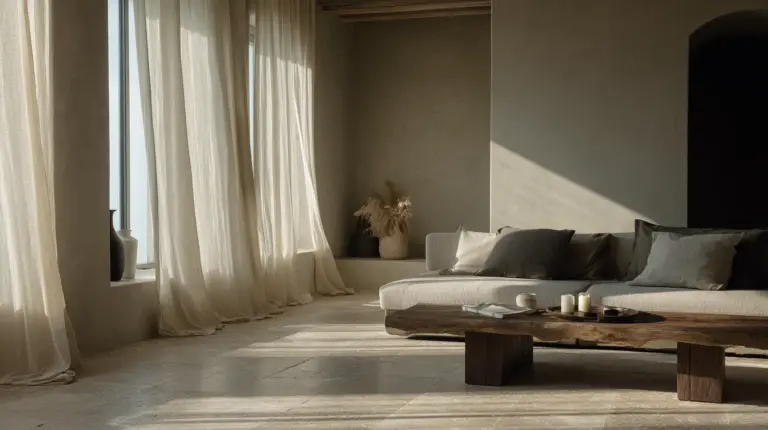
Japandi is not a trend. It is a way of seeing — one that values the imperfect, the enduring, and the deeply intentional. Sustainability fits into this philosophy as naturally as morning light through sheer linen curtains.
Conventional flooring — synthetic laminates, vinyl with high VOC emissions, slow-growth hardwoods — carries a hidden cost. It depletes forests, off-gasses chemicals into your air, and ends up in landfills long before its time. Sustainable flooring, by contrast, is designed to live a longer, cleaner, more purposeful life.
The good news is that the most sustainable Japandi flooring options are also the most beautiful. Think honey-toned bamboo, the earthy warmth of cork, the timeless grain of FSC-certified wood. These are materials that look like Japandi feels — calm, honest, and quietly stunning.
The Best Sustainable Flooring Materials for Japandi Living Rooms
Bamboo Flooring: Fast-Growing, Floor-Worthy Beauty
Bamboo is arguably the most sustainable flooring choice on the market today. It regrows in just 3 to 5 years — compared to 25 to 80 years for most hardwoods — making it a genuinely renewable resource with a significantly lower carbon footprint than oak or pine.
In the Philippines, locally sourced bamboo from the Visayas region offers a beautiful opportunity to reduce import emissions while supporting regional craftsmanship. Look for acclimated bamboo that has been properly dried and stabilized — especially important in tropical, high-humidity environments like Manila — to prevent warping or swelling over time.
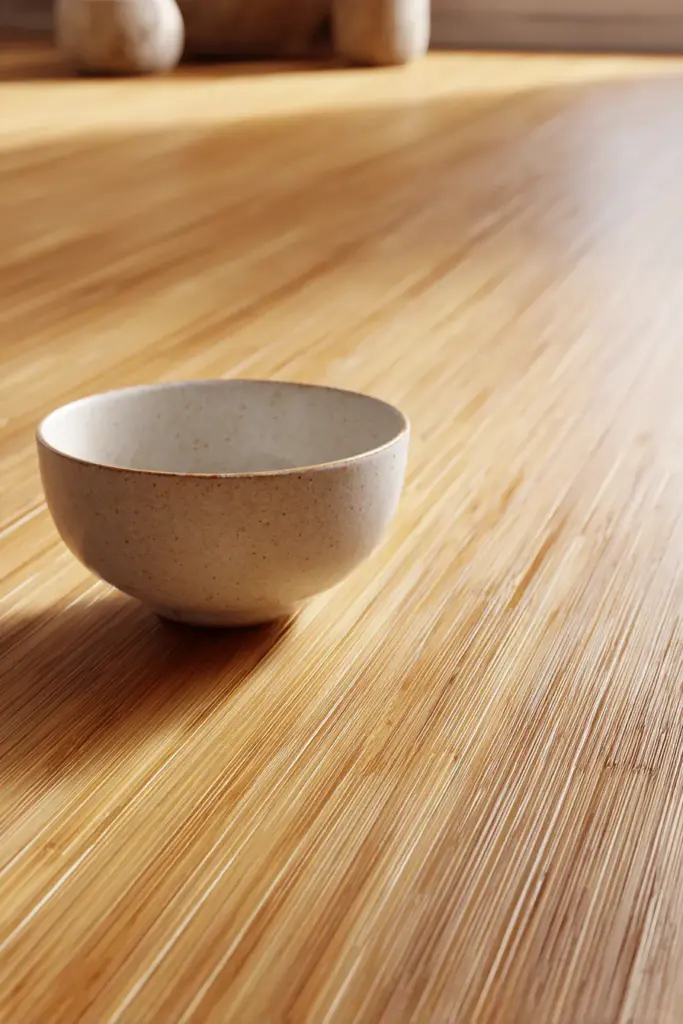
What Bamboo Feels and Looks Like
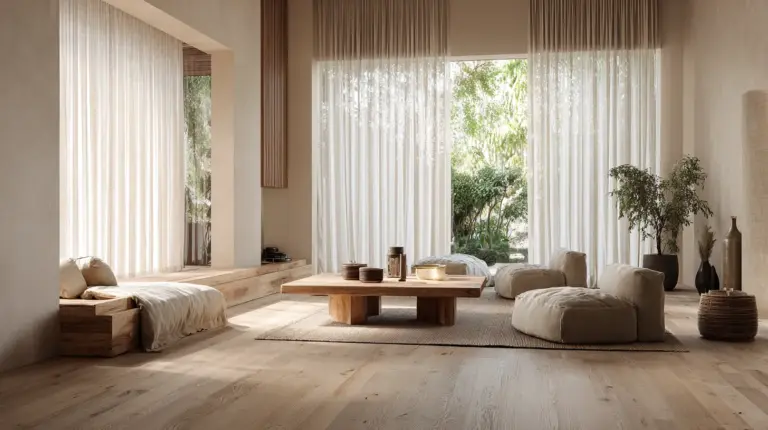
Bamboo flooring has a fine, linear grain that reads as clean and minimal — a perfect Japandi partner. Its tone ranges from pale blonde to warm caramel depending on the processing method. Carbonized bamboo, heat-treated for a deeper hue, adds a moody, grounded richness to a living room without overwhelming it.
In the Philippines, expect to pay around PHP 2,000–4,000 per square meter for quality bamboo flooring, depending on thickness and finish. Always look for FSC-certified or GREENGUARD-certified bamboo to ensure it’s free of harmful adhesives and low in VOC emissions.
| Feature | Bamboo Flooring |
|---|---|
| Renewability | Regrows in 3–5 years |
| Humidity Resistance | High (acclimated/sealed) |
| Estimated Cost (PH) | PHP 2,000–4,000/sq m |
| Matte Finish Available | Yes |
| VOC Concern | Low (with certified adhesive) |
| Japandi Aesthetic Fit | Excellent |
Cork Flooring: Soft, Quiet, and Remarkably Alive
Cork is harvested from the bark of cork oak trees without cutting the tree down — a process that actually encourages the tree to absorb more CO₂ as it regenerates. It is one of the only flooring materials that sequesters carbon rather than releasing it.
Walking on cork is a sensory experience in itself. It’s soft underfoot, naturally warm, and almost soundless. For a Japandi living room where stillness and tranquility are core values, cork creates a hush that no hard surface can replicate.
Cork is also naturally hypoallergenic, resistant to mold, and antimicrobial — making it an excellent choice for humid climates or households with allergies. Studies suggest that cork floors can save up to 20% in cleaning time compared to traditional hardwood, as its texture repels dust and debris more readily.
Seal it with a low-VOC matte finish to protect it while keeping its organic, textured appearance. The result is a floor that looks like it belongs in a Kyoto teahouse — or a Copenhagen living room at dusk.
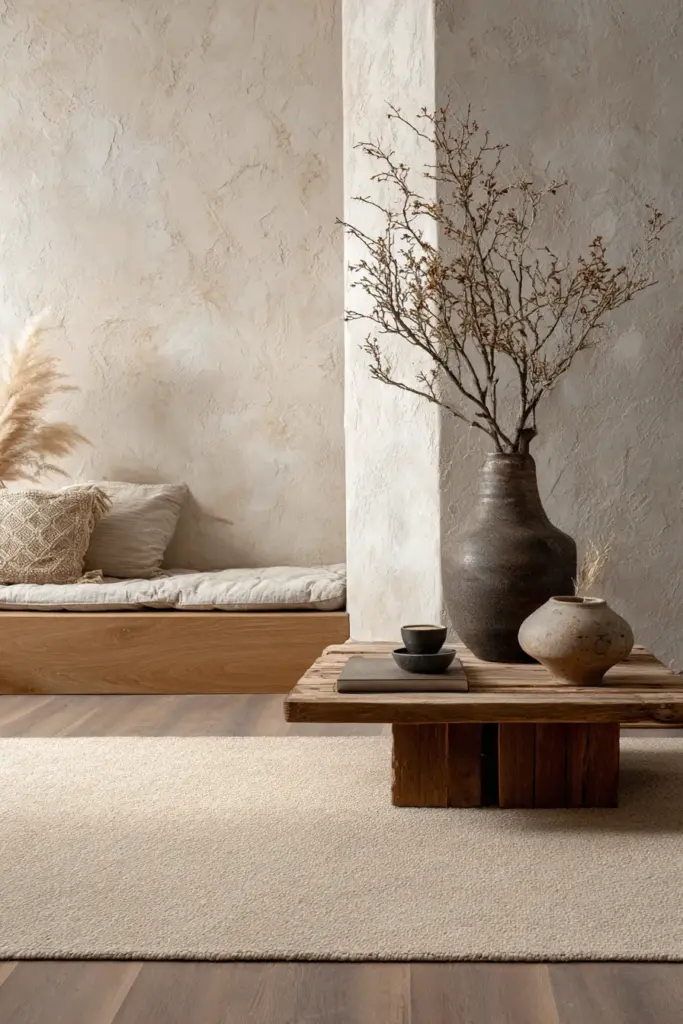
FSC-Certified Hardwood: The Classic, Done Responsibly
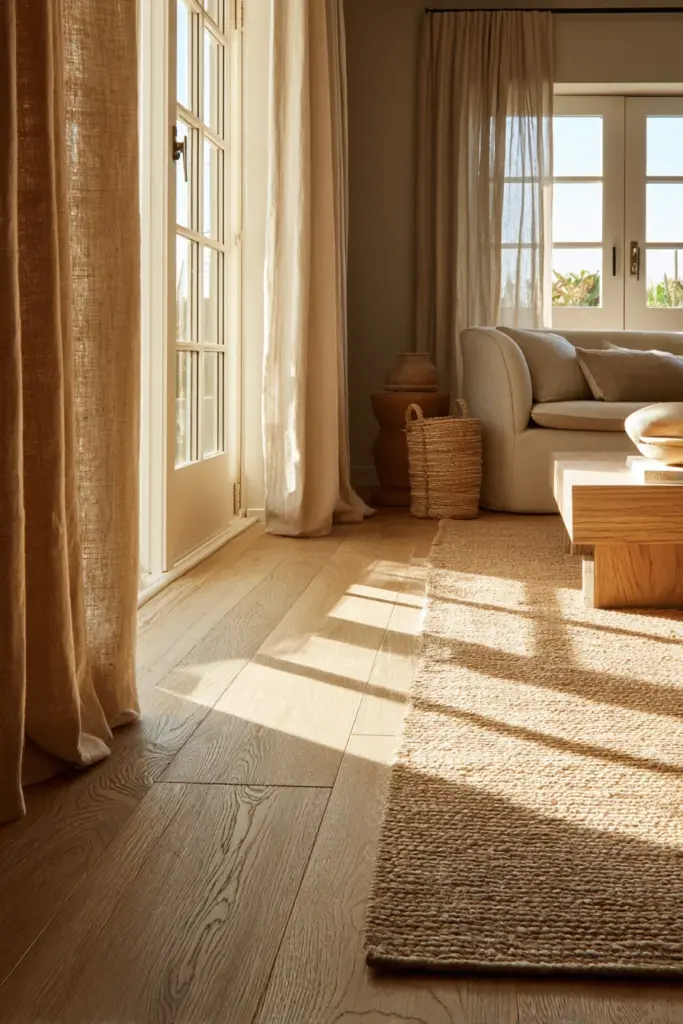
Natural wood is the heartbeat of Japandi design. Its grain tells time. Its warmth holds light. And when sourced responsibly, it remains one of the most sustainable long-term investments you can make in your home.
FSC (Forest Stewardship Council) certification guarantees that the wood was harvested from forests managed with ecological care — protecting biodiversity, workers’ rights, and long-term forest health. Look for lighter-toned hardwoods like maple, ash, or light oak for that signature Japandi warmth without heaviness.
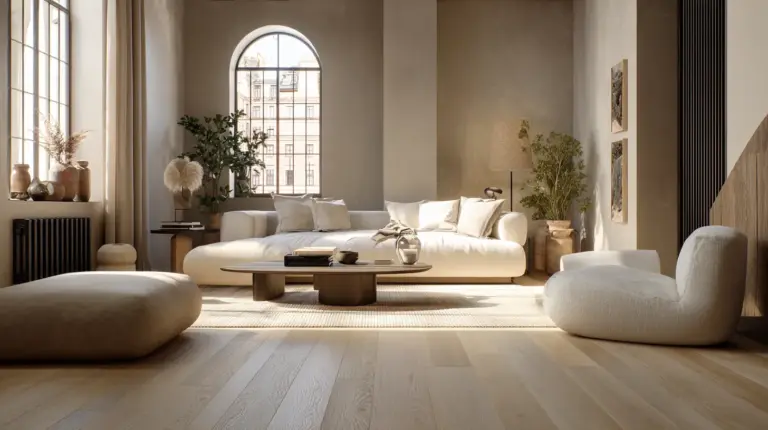
Matte finishes are essential here. A high-gloss hardwood reads as formal and sleek — the opposite of Japandi’s soft imperfection. Choose an oil-based or water-based matte finish that lets the wood’s natural grain breathe and show.
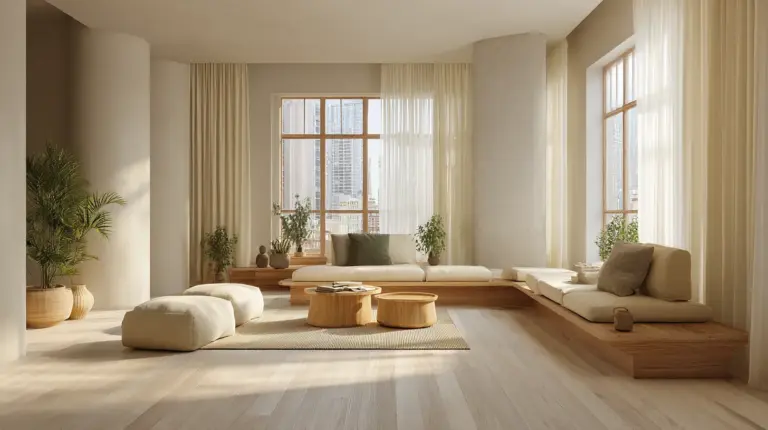
For small Japandi living rooms, consider wide-plank floors in a light tone — they open up the space visually and create a sense of calm continuity. Pair with a natural fiber area rug like jute or wool to layer warmth without overwhelming the room. (See our cozy living room furniture guide for rug and furniture pairings.)
Reclaimed Wood: Sustainability with a Story
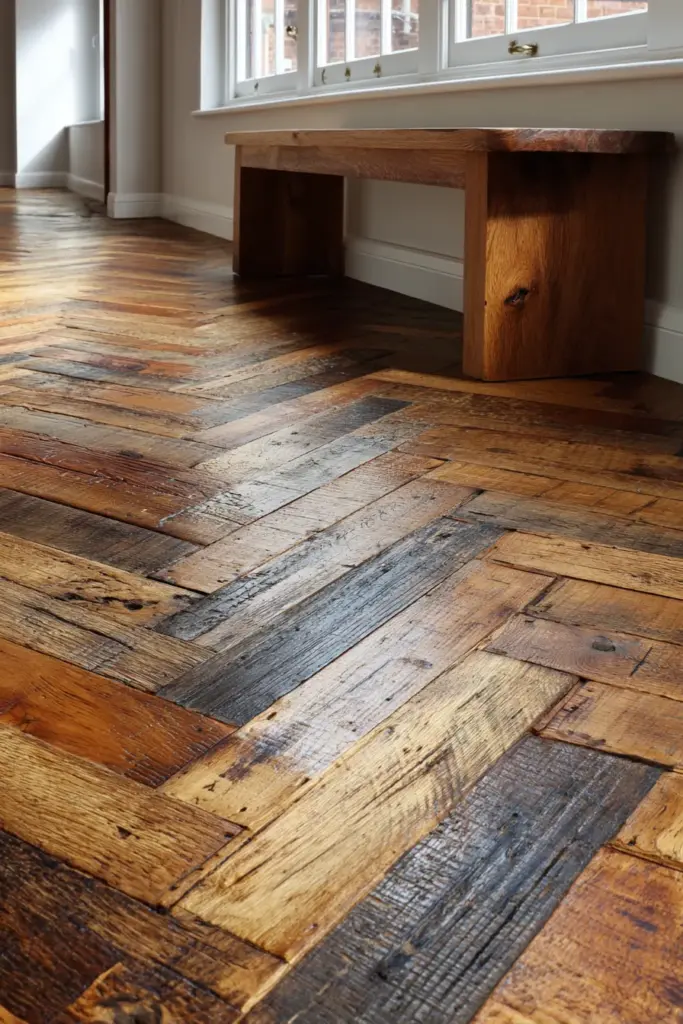
There is no more sustainable floor than one that already exists. Reclaimed wood — salvaged from old barns, demolished warehouses, or decommissioned structures — carries a beauty that new lumber simply cannot manufacture: the beauty of time.
Each plank is unique. Nail holes, saw marks, and varied grain patterns are not flaws — in the wabi-sabi spirit, they are the point. Reclaimed wood floors tell a story of a previous life, now given a second one in your home.
Sourcing locally reclaimed wood in the Philippines is growing more accessible through specialty suppliers, and a skilled craftsperson can help refinish planks with a low-VOC matte sealant for a finish that is both protective and poetic. Budget approximately PHP 2,500–5,000 per square meter for reclaimed wood, depending on species and condition.
DIY tip: If you’re renovating a small space, consider laying reclaimed wood planks in a herringbone pattern — it adds visual texture without adding a single extra element. It’s a deeply Japandi trick: simplicity that rewards a second look.
Concrete and Stone: Raw, Grounded, Elemental
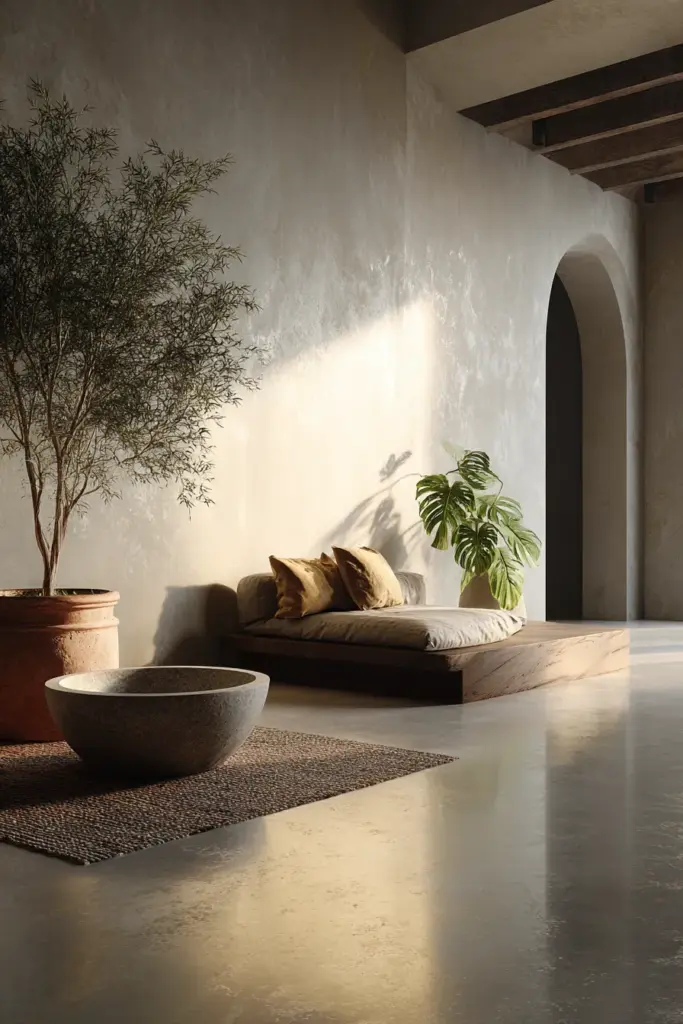
Polished concrete and natural stone sit at the more austere end of the Japandi spectrum — but when done right, they are breathtaking. Raw concrete flooring has a matte, almost dusty surface that diffuses light softly and creates a meditative calm underfoot.
For high-traffic Japandi living rooms, concrete is exceptionally durable and low-maintenance. Seal it with a penetrating sealer to protect against staining without adding sheen. In tropical climates, concrete stays naturally cool — a genuine comfort advantage.
Stone — particularly slate or muted sandstone — introduces a quiet geological beauty that pairs exquisitely with light wood furniture and linen textiles. Layer with a handwoven wool rug to soften the thermal hardness and bring the room back to warmth. (See our lighting ideas for Japandi spaces to complete the sensory atmosphere.)
| Material | Sustainability Score | Humidity Resistance | Japandi Fit | Approx. Cost (PH) |
|---|---|---|---|---|
| Bamboo | ★★★★★ | High | Excellent | PHP 2,000–4,000/sq m |
| Cork | ★★★★★ | Medium-High | Excellent | PHP 1,500–3,500/sq m |
| FSC Hardwood | ★★★★☆ | Medium | Excellent | PHP 3,000–6,000/sq m |
| Reclaimed Wood | ★★★★★ | Medium | Excellent | PHP 2,500–5,000/sq m |
| Concrete | ★★★☆☆ | Very High | Good | PHP 1,200–3,000/sq m |
| Stone | ★★★☆☆ | Very High | Good | PHP 2,000–5,000+/sq m |
Japandi Flooring for Tropical and Humid Climates
If you live in a tropical climate — like much of the Philippines — sustainable flooring choices require an extra layer of thought. High humidity is a genuine challenge for some natural materials, and a beautiful bamboo floor can warp if it hasn’t been properly acclimated and sealed.
Here’s what matters most:
- Acclimate your flooring before installation. Leave planks in the room for at least 5–7 days so they adjust to local humidity levels.
- Choose moisture-resistant finishes. Aluminum oxide finishes and polyurethane sealers create a barrier without compromising the matte aesthetic.
- Elevate with proper underlayment. A moisture-barrier underlayment beneath your flooring protects against ground-level humidity, especially on ground-floor rooms.
- Cork and concrete are naturally mold-resistant — a significant advantage in high-humidity regions.
- Avoid unsealed hardwood on ground floors in high-humidity zones without proper subfloor preparation.
A Japandi living room in Manila can be just as beautiful — and just as grounded — as one in Copenhagen or Tokyo. It simply requires materials chosen with your climate in mind.
Certifications to Look for When Buying Sustainable Japandi Flooring
Not all “eco-friendly” claims are equal. These certifications provide real assurance:
- FSC (Forest Stewardship Council): Ensures wood came from responsibly managed forests.
- GREENGUARD Gold: Certifies low chemical emissions — critical for indoor air quality.
- FloorScore: Tests resilient, hard surface flooring for VOC compliance.
- Cradle to Cradle: Evaluates a product’s full lifecycle, including recyclability and material health.
When in doubt, ask your supplier directly for documentation. A supplier who can’t produce certifications is a supplier worth walking away from.
2026 Trends: Where Sustainable Japandi Flooring Is Heading
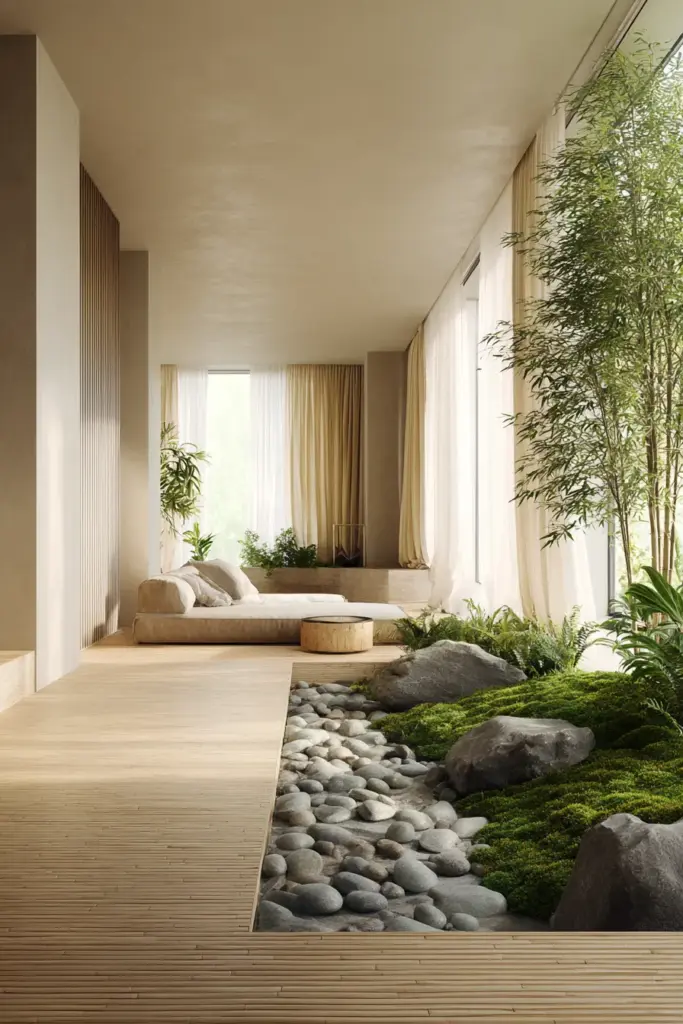
The next wave of Japandi interiors is embracing biophilic integration — not just the idea of nature, but actual nature. We’re seeing embedded plant zones at floor level, where polished concrete meets living moss panels or bamboo flooring transitions into gravel beds surrounding potted trees.
Heated floors under bamboo and cork are also rising in relevance — even in tropical regions where the appeal is less about warmth and more about the spa-like luxury of a floor that responds to your presence. Low-energy radiant heating systems designed for use under natural flooring maintain the sustainable ethos while elevating the sensory experience.
Japandi Flooring Checklist: Your Sustainable Decision Guide
Before you install, run through this:
- Choose a material certified FSC, GREENGUARD, or FloorScore
- Prioritize fast-growing sources: bamboo, cork, eucalyptus
- Select matte finishes — they are more Japandi and often lower in VOCs
- Acclimate all flooring for 5–7 days before installation in tropical climates
- Use a moisture-barrier underlayment in humid environments
- Consider reclaimed wood for zero additional resource consumption
- Layer with natural fiber rugs (jute, wool, cotton) for warmth and texture
- Avoid high-gloss synthetic finishes that off-gas and break Japandi’s visual calm
- Research local suppliers to reduce transport emissions and support regional craft
- Ask for certification documentation before purchasing
Conclusion: The Floor That Holds Everything
A sustainable Japandi floor is more than a design choice. It is a quiet declaration — that beauty and responsibility can share the same space, that a home can hold both stillness and purpose.
When you walk barefoot across bamboo that grew in just a few years, or feel the soft give of cork beneath your morning feet, you are touching something that the earth offered generously. And in the Japandi spirit, the most beautiful response to generosity is to receive it with care.
Choose slowly. Choose honestly. Choose a floor that will age into something even more beautiful than the day it was laid — and that leaves the world, and your living room, a little more whole.
Frequently Asked Questions
What is the most sustainable flooring for a Japandi living room?
Bamboo and cork are the most sustainable options. Bamboo regrows in 3–5 years and has a lower CO₂ footprint than most hardwoods. Cork is harvested without cutting the tree and actively sequesters carbon. Both are ideal for Japandi living rooms and work well in tropical climates when properly sealed.
Is bamboo flooring good for Japandi style?
Yes — bamboo is one of the most naturally aligned Japandi flooring materials available. Its fine, linear grain, warm neutral tone, and matte finish all echo the wabi-sabi and hygge principles that define Japandi. It’s moisture-resistant, durable, and eco-friendly when sourced responsibly.
What are the best Japandi flooring ideas for a small living room?
For small Japandi living rooms, wide-plank bamboo or light FSC-certified oak creates a sense of openness. Choose a consistent floor tone throughout to avoid visual breaks. Layer a natural fiber rug — jute or undyed wool — to add warmth and definition to a seating zone without adding visual clutter.
How do I choose sustainable Japandi flooring for a humid or tropical climate like the Philippines?
Prioritize materials with high moisture resistance: acclimated bamboo, sealed cork, or polished concrete. Always use a moisture-barrier underlayment. Let flooring acclimatize for 5–7 days before installation. Avoid unsealed hardwood on ground floors without proper subfloor preparation. Budget PHP 2,000–4,000/sq m for quality bamboo in the Philippine market.
How do I maintain sustainable Japandi flooring?
Most natural sustainable floors are low-maintenance. Bamboo and hardwood need occasional re-oiling with a low-VOC oil every 2–3 years. Cork should be resealed every few years with a water-based sealer. Polished concrete requires only damp mopping and periodic resealing. Avoid harsh chemical cleaners on all natural floors — a simple mix of water and mild castile soap is all most surfaces need.