
Table of Contents
There’s a quiet magic in scrolling through your feed and pausing at a living room that feels like home—even if it’s halfway across the world. That’s the power of Japandi living room Instagram accounts: they offer not just images, but portals into spaces where calm meets function, where wabi-sabi whispers through grain and shadow.
If you’ve been searching for that perfect blend of Japanese minimalism and Scandinavian warmth, Instagram has become the modern mood board. Accounts like @japandi.interior and @japandi_design don’t just showcase furniture—they tell stories through texture, light, and negative space.
But finding the right inspiration can feel overwhelming. Which accounts truly understand the soul of Japandi? How do you translate those aspirational images into your own living room, especially on a budget or in a smaller space?
This guide will walk you through the best Japandi living room Instagram accounts to follow, design principles rooted in both cultures, and actionable ways to bring this serene aesthetic into your home—no matter where you live or what your budget allows.
What Makes Japandi Living Rooms Instagram-Worthy?
Japandi isn’t just a design trend—it’s a philosophy that marries two deeply intentional aesthetics. Japanese design brings wabi-sabi, the beauty of imperfection, alongside clean lines and a reverence for natural materials. Scandinavian design contributes hygge, that cozy warmth, plus functional simplicity and airy spaces.
When these two meet in a living room, the result is deeply Instagrammable because it feels real. There’s no over-styling, no clutter masquerading as curation. Just honest materials, purposeful furniture, and spaces that breathe.
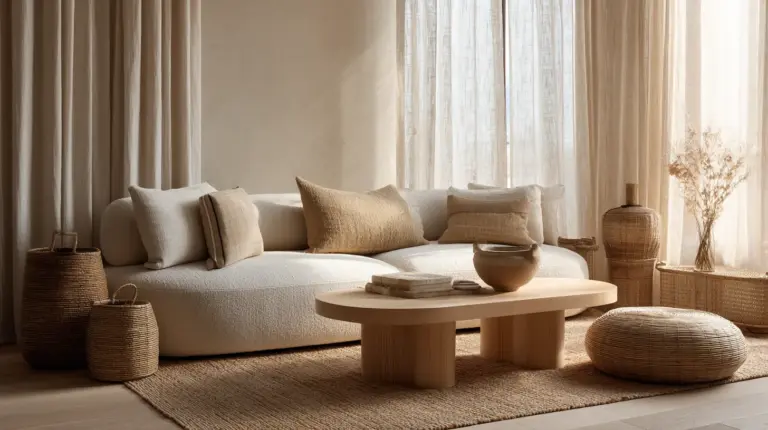
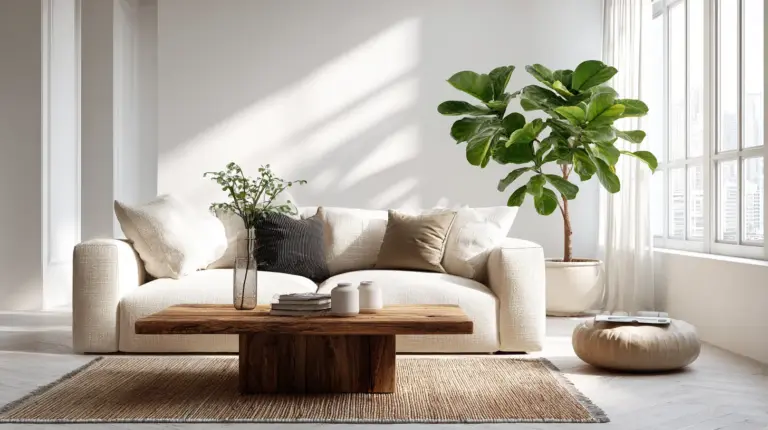
The most successful Japandi living rooms on Instagram share a few key elements: a neutral color palette anchored in warm beiges, soft grays, and earthy browns; natural wood in various tones and finishes; textured layers through linen, cotton, and wool; low-profile furniture that grounds the space; and abundant natural light filtered through sheer curtains or left bare.
Top Instagram Accounts for Japandi Living Room Inspiration
@japandi.interior – The Essential Follow
With over 622,000 followers, @japandi.interior has become the definitive source for this aesthetic. Their feed is a masterclass in restraint—each post features living rooms where every object has earned its place. You’ll find low-slung sofas in muted linens, blackened steel light fixtures, and ceramics that look like they’ve been lovingly used for decades.
What sets this account apart is the sensory storytelling. Photos capture morning light pooling on tatami mats, the grain of reclaimed teak side tables, the shadow play of paper lanterns. Following them feels like a daily meditation on intentional living.
@japandi_design – Functional Beauty
This 344K-strong community focuses on the practical side of Japandi living rooms. You’ll discover clever storage solutions disguised as minimal cabinetry, multi-functional coffee tables that don’t sacrifice elegance, and layouts optimized for small spaces without feeling cramped.
Their Instagram Reels are particularly valuable—quick tours showing how natural light changes throughout the day, close-ups of textile layering, and before-after transformations that prove Japandi works in real homes, not just design magazines.
@japandi.living – Lived-In Spaces
What makes @japandi.living special is authenticity. These aren’t sterile showrooms—they’re actual living rooms with books stacked on shelves, throw blankets mid-toss, fresh flowers in simple vases. The spaces feel welcoming rather than precious.
Their posts often highlight pet-friendly Japandi design, showing how natural fiber rugs survive daily life and where to place pet beds so they complement rather than clash with your aesthetic. It’s proof that beauty and practicality can coexist.
@136home – Texture and Warmth
This Dutch-based account (@136home) brings a slightly warmer interpretation of Japandi. Expect more layered textiles, richer wood tones, and the occasional pop of muted terracotta or sage green. Their living rooms demonstrate how to add personality while respecting minimalist principles.
They excel at seasonal styling—showing how the same Japandi living room foundation adapts with different throws in winter or lighter linens in summer, keeping the space feeling fresh without constant redecorating.
@bij_spiertjes_thuis – Budget-Conscious Japandi
For those working with tighter budgets, this account proves Japandi doesn’t require designer price tags. They share DIY renovation journeys, thrift store finds styled beautifully, and clever hacks like using rattan blinds from local markets or refinishing secondhand furniture with natural oils.
Their transparency about costs and sources makes the aesthetic accessible, showing that the Japandi philosophy—valuing quality over quantity—actually saves money in the long run.
Japandi Living Room Design Principles from Instagram Trends
The Neutral Palette: Beyond Beige
Scroll through Japandi Instagram tags and you’ll notice the color story stays quiet but never monotonous. The base typically includes warm whites (think cream rather than stark), various shades of gray from dove to charcoal, and beiges that lean golden or mushroom.
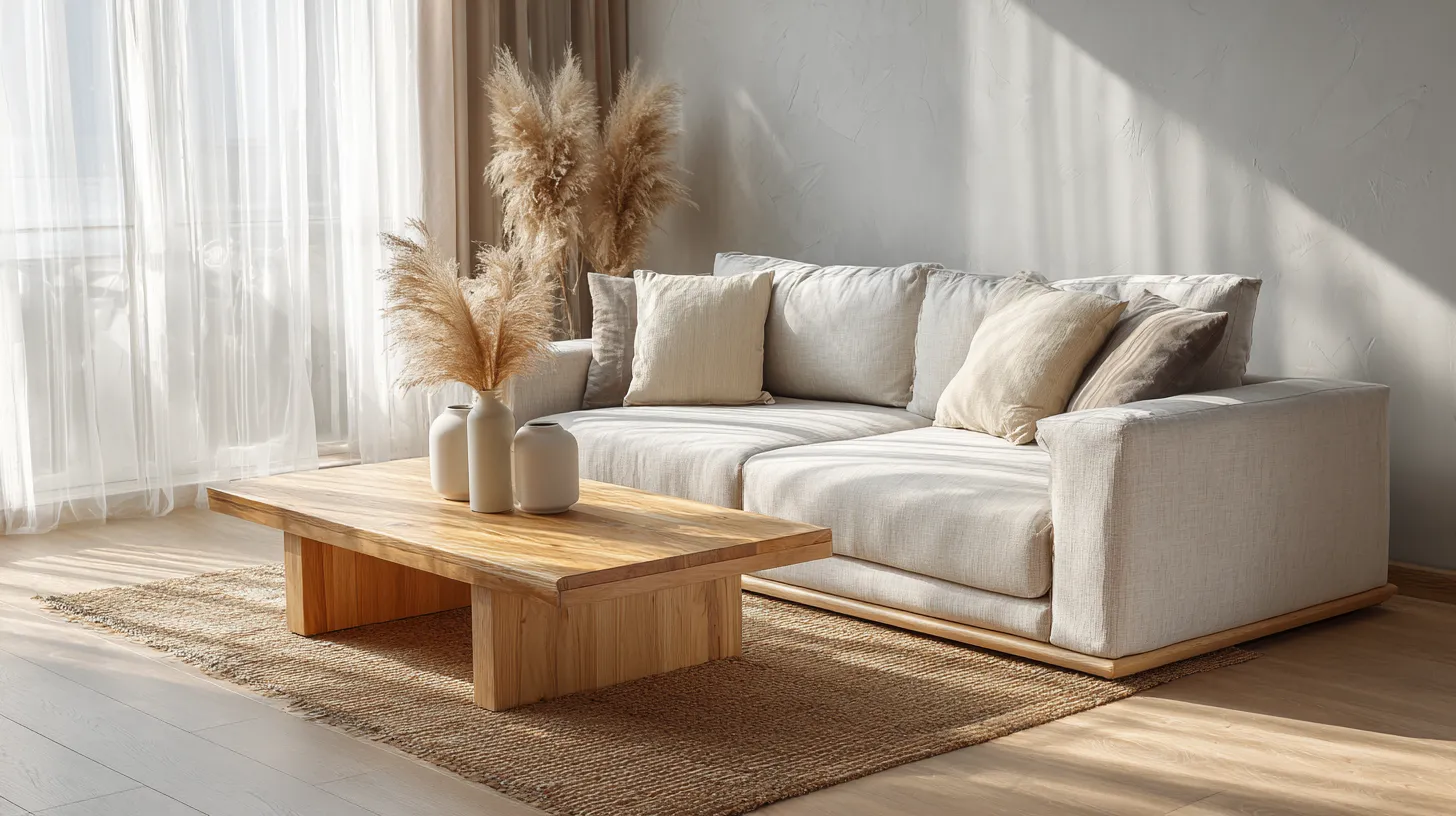
But the magic happens in subtle variation. A linen sofa in oatmeal paired with a wool rug in greige, accented by charcoal pillows and a natural oak coffee table creates depth without chaos. Instagram’s most engaging Japandi posts showcase these tonal layers—proving that “neutral” doesn’t mean boring.
Occasional earthy accents appear: terracotta ceramics, sage green throws, or black matte fixtures. These work because they echo nature rather than compete for attention.
Natural Materials: The Soul of the Space
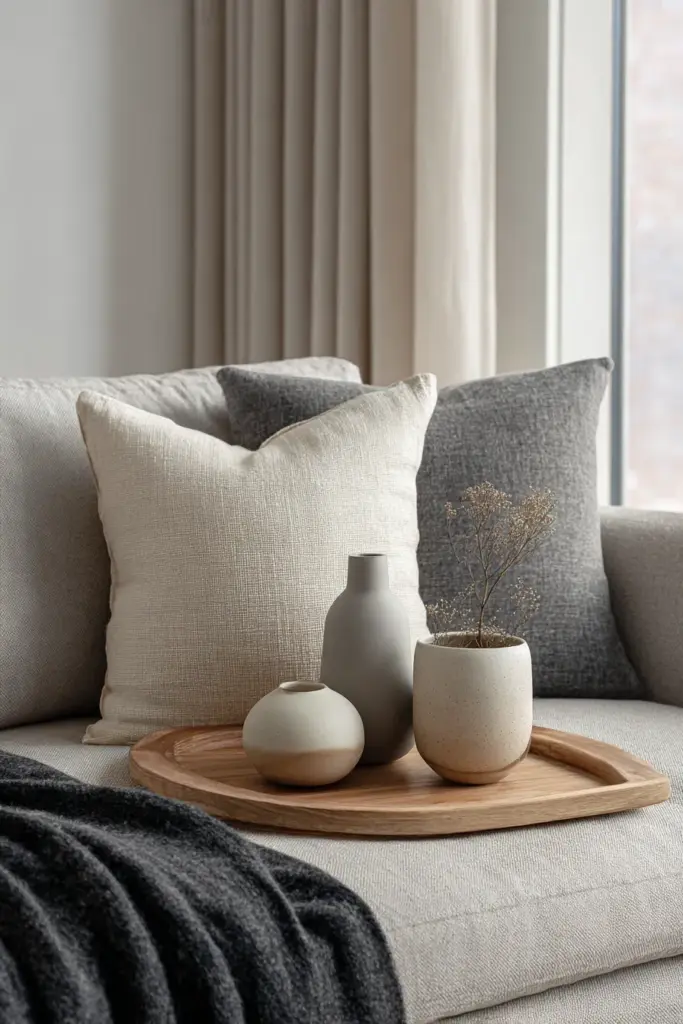
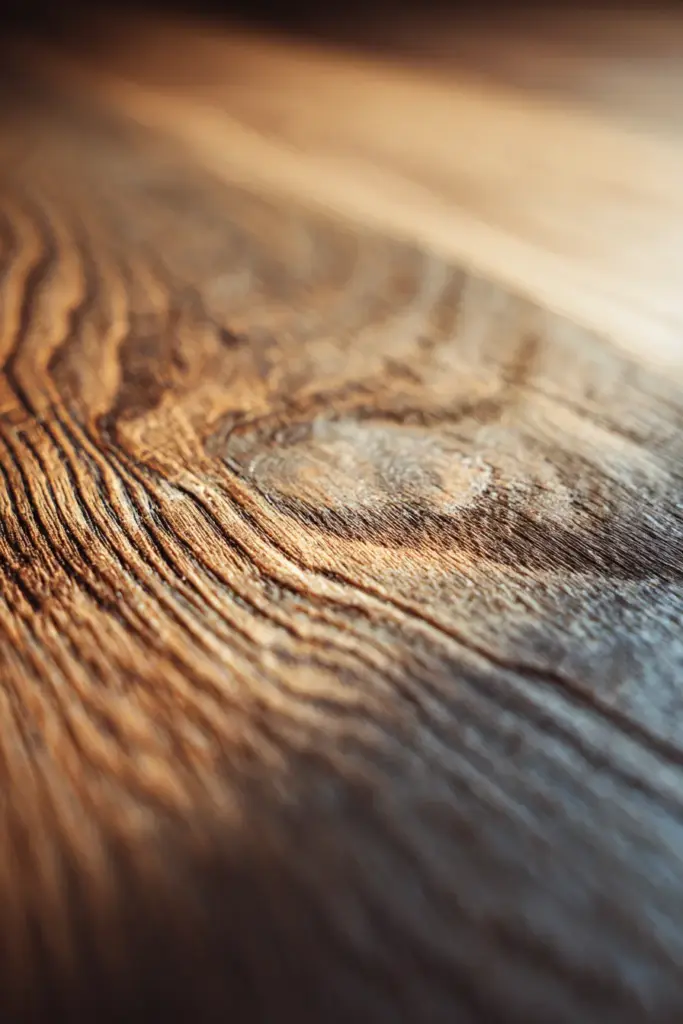
Instagram has revealed a clear Japandi hierarchy of materials. Wood reigns supreme—white oak, walnut, teak, and ash appear in furniture, flooring, and accents. The grain should be visible and celebrated, often in matte or oil-rubbed finishes rather than high gloss.
Linen and cotton dominate soft goods: sofa upholstery, curtains, cushion covers. Their natural wrinkles become a feature, embodying wabi-sabi’s acceptance of imperfection. Wool adds warmth through throws and area rugs, often in chunky weaves that photograph beautifully.
Stone and ceramic bring weight and permanence—think marble side tables, concrete planters, or handmade pottery holding dried branches. Metal appears sparingly in matte black or aged brass, usually in lighting fixtures or minimalist shelving brackets.
Furniture: Low, Clean, and Purposeful
The most-liked Japandi living room posts on Instagram share a furniture philosophy: low-profile pieces that emphasize horizontal lines. Platform sofas sit close to the ground, creating visual calm. Coffee tables hover just above ankle height, often in simple geometric shapes—round, rectangular, or organic curves.
Seating balances comfort with clean lines. You’ll see modular sofas in neutral bouclé, sleek loveseats with wooden frames, and floor cushions for casual seating. Avoid ornate details—no tufting, no elaborate arms, no unnecessary curves.
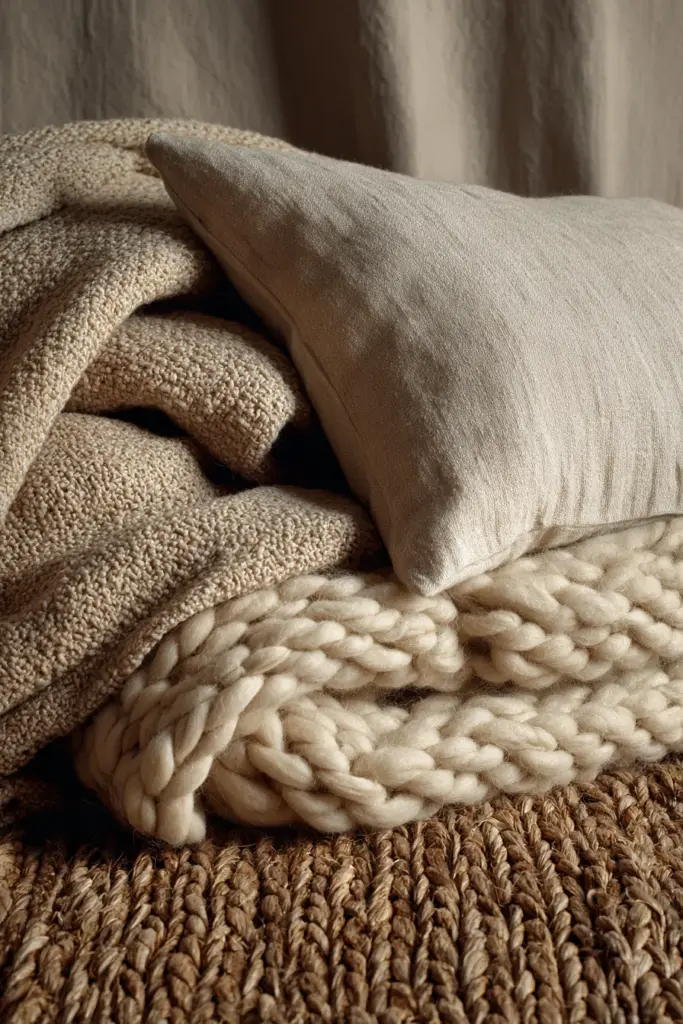
Storage remains hidden or elegantly minimal. Floating shelves in light wood display carefully curated objects. Low credenzas with sliding doors conceal clutter. Built-in cabinetry blends into walls, maintaining the serene atmosphere.
Lighting: Layered and Natural
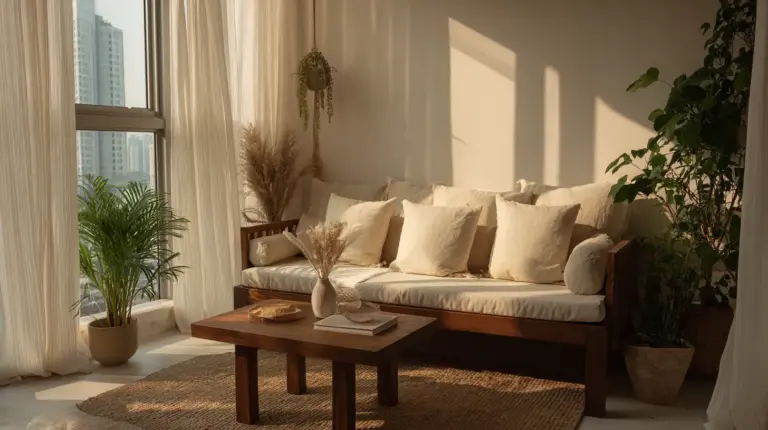
Instagram’s top Japandi living rooms understand that lighting makes or breaks the mood. Start with maximizing natural light—sheer linen curtains or bare windows invite sunshine while maintaining privacy. Avoid heavy drapes that block precious daylight.
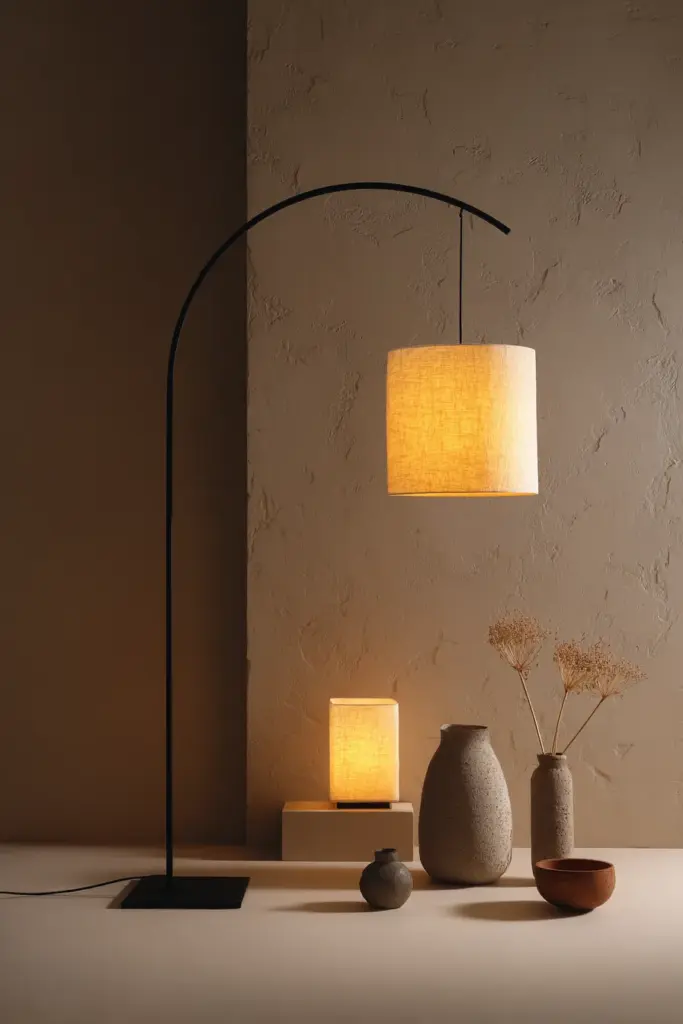
For artificial lighting, layer three types: ambient (paper lanterns or flush-mount ceiling fixtures in rice paper or linen), task (arc floor lamps with linen shades positioned near reading nooks), and accent (small ceramic table lamps or LED strips hidden behind floating shelves).
The quality of light matters as much as fixtures. Warm white bulbs (2700-3000K) create that hygge glow, while dimmers allow you to adjust intensity throughout the day. Instagram Reels showing twilight transformations prove how much lighting affects atmosphere.
Creating Your Japandi Living Room: Instagram-Inspired Tips
Start with a Clear Foundation
Before buying anything, create a mood board—Instagram’s save feature makes this effortless. Follow accounts that resonate with your vision, save posts that speak to you, and notice patterns. Do you gravitate toward warmer or cooler neutrals? Lighter or darker woods? More Japanese minimalism or Scandinavian coziness?
Clear your space first. Japandi demands negative space—that breathing room between objects. Remove anything that doesn’t serve a function or bring genuine joy. The Instagram-worthy Japandi living room isn’t styled for the photo; it lives that way daily.
Paint walls in warm white or soft greige. Replace dated flooring with light wood or wood-look alternatives if budget allows. These foundational choices set the stage for everything else.
Invest in Key Pieces
Japandi philosophy values quality over quantity, which actually makes it budget-friendly long-term. Rather than filling your living room with mediocre furniture, invest in a few exceptional pieces.
Start with the sofa—this anchors your room. Look for clean-lined designs in natural fabrics. A linen or bouclé sofa in oatmeal or greige will serve you for years. Add a solid wood coffee table with visible grain, ideally in a shape that complements your room’s proportions.
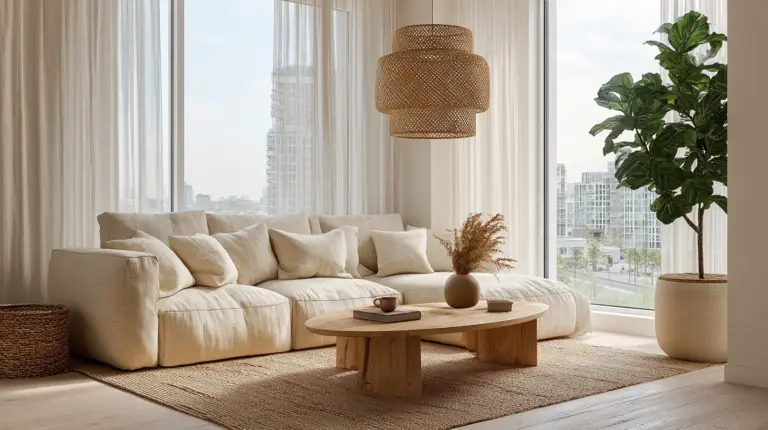
One statement lighting fixture transforms the space—consider a paper pendant lamp, a sculptural floor lamp with a linen shade, or a series of minimal pendants in varying heights. These create visual interest while maintaining simplicity.
Budget-Friendly Japandi for Small Spaces
Many Instagram followers wonder how to achieve Japandi in compact living rooms without breaking the bank. The secret lies in strategic choices and local sourcing.
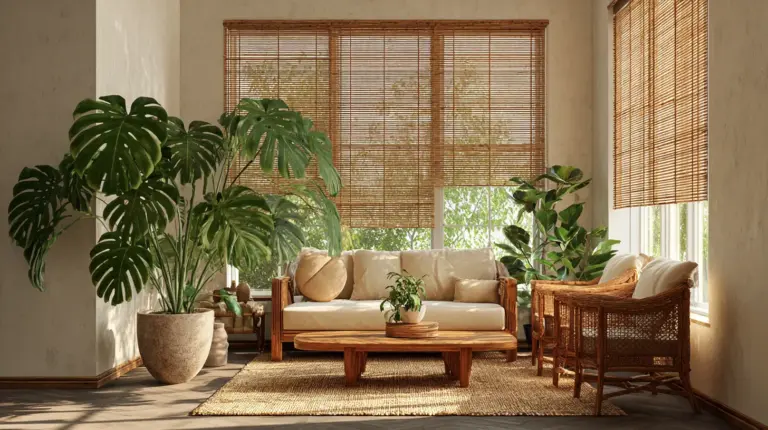
Rattan and bamboo offer affordable alternatives to solid wood—look for credenzas, baskets, and blinds at local markets. In tropical climates, these materials naturally resist humidity while adding organic texture. Secondhand furniture can be transformed with light sanding and natural oil finishes, revealing beautiful grain beneath dated stains.
DIY textiles work wonders—neutral linen curtains are simple to sew or hem, and large floor cushions can be filled with affordable batting. Focus your budget on one or two visible quality pieces, then fill gaps with budget finds styled intentionally.
For small spaces, embrace multifunctional furniture: storage ottomans, nesting tables, wall-mounted shelving. Instagram’s successful small Japandi living rooms prove that limitation breeds creativity—they’re often more cohesive than sprawling spaces because every item must justify its presence.
Texture Layering: The Instagram Secret
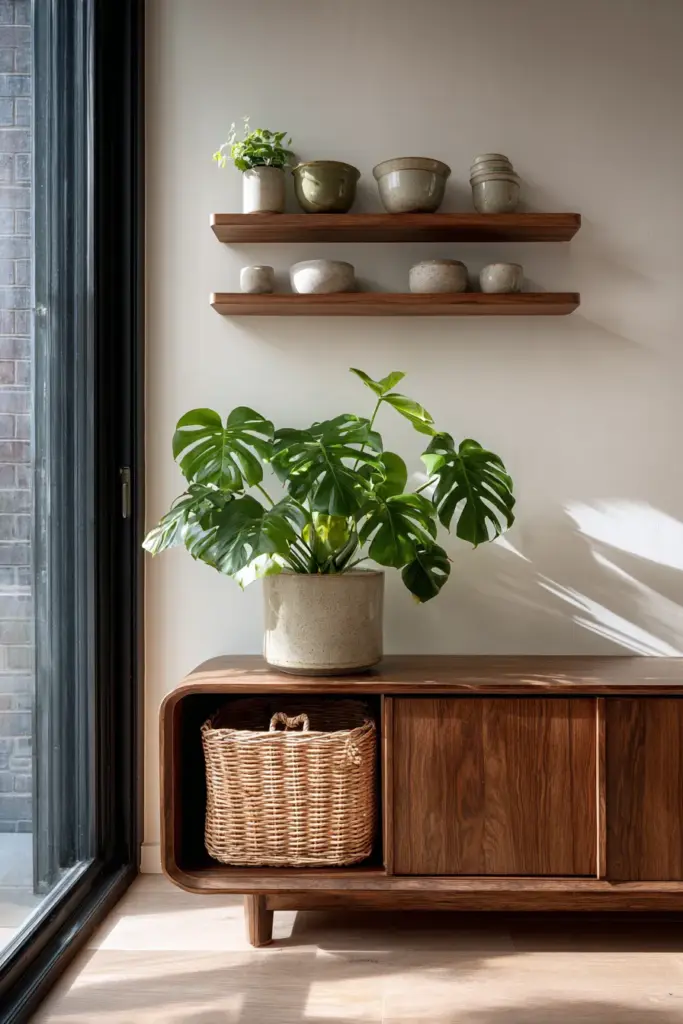
What makes certain Japandi living rooms stop your scroll? Often, it’s texture. Flat images become tangible through layering: a linen sofa with a chunky wool throw, smooth ceramic vases on a rough wooden console, soft cotton curtains against exposed brick or textured plaster.
Create textile layers: start with a jute or wool area rug, add linen sofa upholstery, layer cotton or linen pillows in varying textures (smooth, slubbed, waffle-weave), and drape a chunky knit throw over one arm. Keep colors neutral but vary the tactile quality.
Incorporate natural imperfections—a ceramic bowl with visible fingerprints from the potter, a wooden bowl with organic edges, handwoven baskets with slight irregularities. These details photograph beautifully and embody wabi-sabi’s soul.
Japandi Living Room Layout Ideas from Instagram
The Conversation Circle
Instagram’s most inviting Japandi living rooms arrange seating in gentle circles or L-shapes that encourage conversation. A low sofa faces two matching armchairs across a round coffee table, creating intimacy without stuffiness. Floor cushions or poufs can be pulled in when guests arrive.
This layout works especially well in square living rooms. Leave generous walking paths—at least 3 feet between furniture groups. The negative space isn’t wasted; it’s essential breathing room.
The Minimalist Media Setup
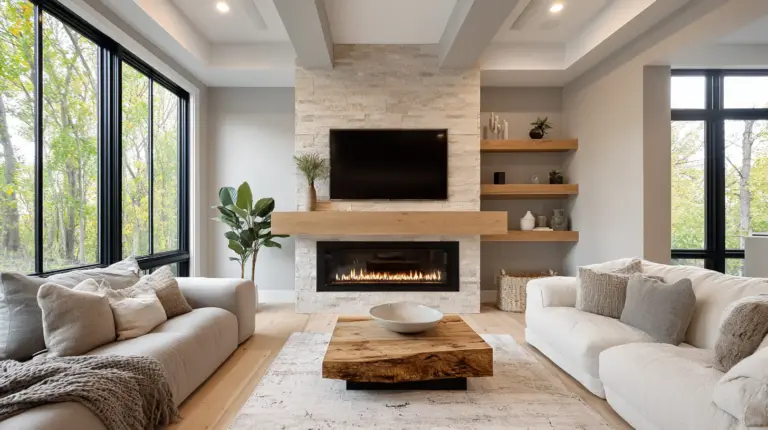
Many Instagram accounts showcase clever media integration—TVs mounted on white walls, sometimes framed in light wood to minimize visual impact. Open shelving in matching wood holds a few carefully chosen books and objects, with media components hidden in sleek consoles.
The key is keeping technology from dominating. When the TV isn’t in use, the wall should feel intentional—hang a simple artwork or leave it bare, letting the architecture speak.
Indoor-Outdoor Integration
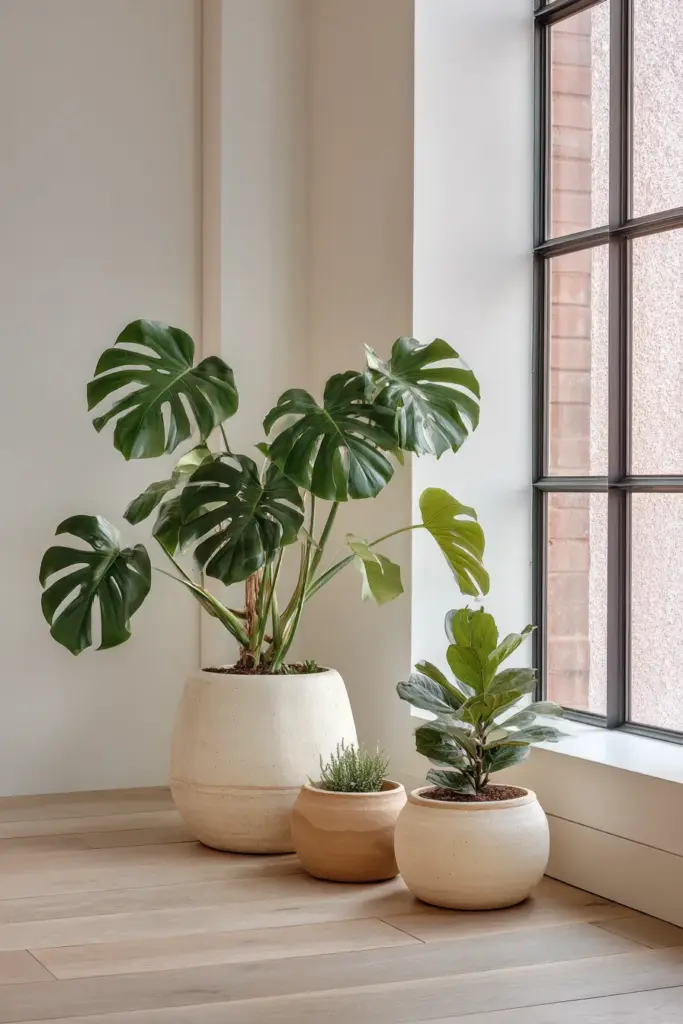
Japandi Instagram posts from tropical climates beautifully demonstrate indoor-outdoor flow. Large windows or sliding doors blur boundaries between living room and garden or balcony. Interior plants in ceramic pots bring nature inside—think monstera, fiddle leaf fig, or local tropical varieties.
Extend flooring materials from inside to outside patios when possible, creating visual continuity. Use natural fiber rugs (jute, sisal) that can handle occasional moisture, and choose furniture that works both indoors and in covered outdoor areas.
Instagram Content Ideas for Your Japandi Living Room
Document Your Journey
If you’re transforming your own space, Instagram becomes both accountability and inspiration. Share before-after shots, works-in-progress, and decision-making processes. People connect with authentic transformation stories more than perfect finished rooms.
Use Instagram Stories for polls—”Light oak or walnut?” “Linen curtains or bamboo blinds?” This engagement helps you make decisions while building community. Save these to Highlights organized by room area or project phase.
Create Reels showing how light changes your space throughout the day, close-ups of texture combinations, or quick styling tips. These perform well algorithmically and provide value to followers seeking similar aesthetics.
Seasonal Styling
Japandi’s flexibility makes it perfect for seasonal content. Show how the same living room foundation adapts: lighter linen throws in summer, chunkier wool in winter; fresh flowers in spring, dried botanicals in autumn. Small changes maintain freshness without requiring major overhauls.
This approach also demonstrates Japandi’s sustainability—you’re not redecorating constantly, just thoughtfully refreshing. Instagram audiences appreciate this mindful approach, especially as conscious consumption trends continue rising.
Behind-the-Scenes Sources
Share where you source items—local markets for rattan, small makers for ceramics, secondhand stores for vintage wood pieces. Transparency builds trust and helps followers recreate the look themselves. Tag small businesses and makers; they often share your content, expanding your reach.
Create “shoppable” posts by listing sources in captions or using product tags when available. Even if you’re not selling, providing resources adds value and positions you as helpful rather than aspirational but unattainable.
Japandi Living Room Essentials Checklist
Before you embark on your transformation, use this checklist to ensure you’ve covered the foundational elements that make Japandi living rooms so compelling on Instagram and in real life:
Color & Walls
- Warm white or soft greige paint
- Minimal artwork in natural frames or washi paper prints
- Exposed natural materials (wood beams, concrete, brick) if available
Furniture Foundations
- Low-profile sofa in neutral linen, cotton, or bouclé
- Solid wood coffee table with visible grain
- Minimal seating (1-2 armchairs or floor cushions)
- Hidden storage or minimal open shelving
Lighting Layers
- Maximized natural light with sheer or no window treatments
- Paper pendant or linen drum shade for ambient lighting
- Arc floor lamp or table lamps for task lighting
- Warm white bulbs (2700-3000K) throughout
Textiles & Texture
- Natural fiber area rug (jute, wool, cotton)
- Linen or cotton curtains in neutral tones
- Varied throw pillows (linen, cotton, textured weaves)
- One chunky knit or woven throw blanket
Natural Elements
- Indoor plants in ceramic or concrete planters
- Wooden accents (bowls, trays, decorative branches)
- Stone or ceramic objects (vases, vessels, sculptures)
- Handmade or artisanal pieces showing natural imperfection
Finishing Touches
- Matte black or brass metal accents (minimal)
- Books displayed thoughtfully, not cluttered
- Fresh or dried botanicals in simple vessels
- Personal objects that serve function or deep meaning
Common Japandi Living Room Mistakes (And How Instagram Teaches Us to Avoid Them)
Too Sterile, Not Enough Soul
The most common misstep is creating a space that looks perfect but feels cold. Instagram’s best Japandi accounts show lived-in beauty—a book left open on the coffee table, a throw casually draped, small imperfections that prove humans inhabit the space.
Avoid making your living room a museum. Include personal touches: a handmade ceramic from a local artist, a vintage find with history, family photos in simple wood frames. These make the space yours, not just a Pinterest recreation.
Mixing Too Many Wood Tones
While Japandi embraces natural wood, too many different tones create chaos. Instagram’s cohesive rooms typically stick to 2-3 wood tones maximum—perhaps light oak flooring, medium walnut furniture, and dark charcoal accents.
Choose a dominant wood tone, then add one lighter and one darker for subtle variation. All should share either warm or cool undertones to maintain harmony.
Overcrowding Small Spaces
In compact living rooms, resist the urge to fill every corner. Japandi’s power lies in negative space—the visual breathing room that makes small spaces feel larger. Instagram accounts like @bij_spiertjes_thuis excel at showing how less furniture, thoughtfully arranged, opens up tight quarters.
One well-chosen sofa beats a crowded sectional. A single statement plant in the corner outshines three small ones scattered about. Choose quality and placement over quantity.
Ignoring Lighting Quality
Even with perfect furniture and colors, harsh or insufficient lighting ruins the Japandi atmosphere. Instagram’s most atmospheric posts always feature soft, warm, layered light.
Replace cool-toned LEDs with warm white bulbs. Add dimmers wherever possible. Layer multiple light sources at different heights rather than relying on a single overhead fixture. The investment in thoughtful lighting transforms the entire space.
Sustainability in Japandi Living Rooms
Both Japanese and Scandinavian design traditions emphasize sustainability—choosing quality items that last, respecting natural materials, and avoiding waste. This philosophy resonates deeply with Instagram audiences increasingly conscious of environmental impact.
Source sustainably: Look for furniture made from responsibly harvested wood (FSC-certified), vintage or secondhand pieces with existing character, and textiles in organic or low-impact fibers like linen and organic cotton.
Invest in longevity: Japandi’s timeless aesthetic means your living room won’t look dated in five years. Choose classic forms over trendy details. Properly maintained solid wood furniture lasts generations, making the higher initial cost an environmental and economic win.
Support local artisans: Handmade ceramics, locally woven textiles, and regional wood crafts reduce transportation impact while adding unique character. Instagram provides direct access to small makers—follow and support them rather than defaulting to mass production.
Embrace upcycling: Sand and oil-treat secondhand wood furniture, reupholster quality frames in natural fabrics, or repurpose architectural salvage as shelving or accent pieces. These projects make excellent Instagram content while reducing waste.
Bringing It Home: Your Japandi Living Room Journey
Creating a Japandi living room isn’t about copying Instagram photos—it’s about understanding principles and adapting them to your life, space, and budget. The accounts you follow should inspire, not intimidate.
Start small. Choose one area to transform first—maybe clearing clutter and adding a natural fiber rug, or replacing harsh lighting with warm, layered sources. Notice how these changes affect the atmosphere. Let the process unfold gradually rather than rushing to completion.
Document your journey on Instagram if it feels authentic to you. The Japandi community welcomes real stories and learning processes. Share your sourcing wins, your budget hacks, your small-space solutions. This vulnerability builds connection far more than perfectly curated final reveals.
Remember that Japandi ultimately serves your wellbeing. If a design choice looks Instagram-worthy but doesn’t feel comfortable for how you actually live, adjust it. The aesthetic should support your daily life—not the other way around.
As you scroll through @japandi.interior or @japandi_design tonight, notice what makes you pause. Is it the light? The specific wood tone? The way textiles layer? Those visceral reactions guide you toward your version of Japandi—one that feels like coming home every time you walk through the door.
Frequently Asked Questions
What are the best Instagram accounts for Japandi living room ideas?
The top accounts include @japandi.interior (622K followers) for curated minimalist inspiration, @japandi_design (344K followers) for functional layouts and Reels, @japandi.living for authentic lived-in spaces, @136home for warmer textural approaches, and @bij_spiertjes_thuis for budget-friendly transformations. Follow a mix to see different interpretations of the aesthetic.
How can I create a Japandi living room on a budget?
Focus on foundational changes first: paint walls neutral, declutter completely, and maximize natural light. Invest in one quality anchor piece (sofa or coffee table), then fill gaps with secondhand finds refinished in natural oils, local rattan or bamboo from markets, DIY linen curtains, and thrifted ceramics. The Japandi principle of quality over quantity actually saves money long-term—fewer, better pieces beats cheap mass purchases.
What furniture is essential for a Japandi living room?
Start with a low-profile sofa in neutral linen or cotton, a solid wood coffee table showing visible grain, and minimal additional seating like armchairs or floor cushions. Add discreet storage (floating shelves or low credenzas with doors), layered lighting (paper pendant, floor lamp, table lamp), and a natural fiber area rug. Avoid ornate details—clean lines and honest materials define the look.
Does Japandi work in small living rooms?
Absolutely—Japandi’s emphasis on negative space and minimal clutter actually makes small living rooms feel larger. Choose low-profile, multi-functional furniture, stick to 2-3 wood tones maximum, and layer lighting to create depth. Instagram accounts like @bij_spiertjes_thuis prove that limitation breeds creativity. Focus on quality over quantity, and leave breathing room between pieces.
How do I make Japandi feel warm, not cold?
Layer natural textures—chunky wool throws, linen pillows, jute rugs, wooden accents. Use warm white lighting (2700-3000K), not cool LEDs. Choose warmer neutral tones (oatmeal, greige, warm whites) over stark grays and pure white. Add lived-in touches like books, plants, handmade ceramics, and personal objects with meaning. The warmth comes from embracing wabi-sabi’s imperfection rather than pursuing sterile perfection.