
Table of Contents
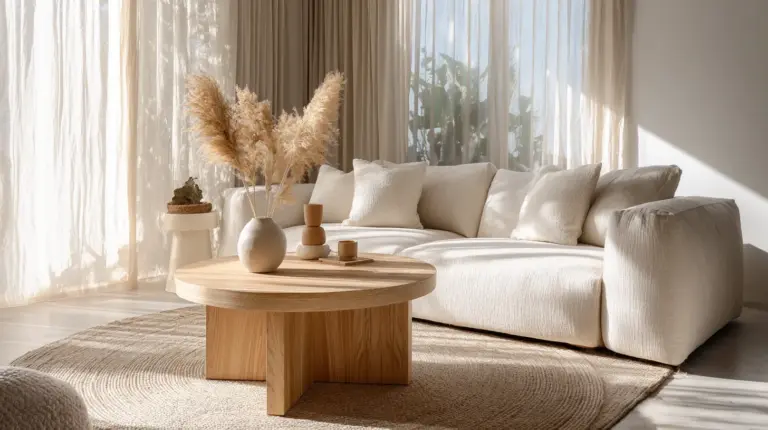
There’s something quietly powerful about a room that breathes. A space where every object earns its place, where light pools softly on natural wood, and where the air itself seems to slow down and invite you to stay awhile. This is the essence of Japandi living rooms—a design philosophy that marries Japanese wabi-sabi with Scandinavian hygge into something both minimal and deeply warm.
As we move through 2026, this zen hygge blend continues to evolve, embracing richer textures, sustainable choices, and a growing respect for quiet luxury. The trend isn’t just surviving—it’s maturing, becoming more tactile, more personal, more attuned to how we actually live.
For those of us in the Philippines, where tropical light floods through windows and humidity shapes our material choices, Japandi offers a particularly beautiful path forward. It’s a style that welcomes natural ventilation, celebrates local mango wood, and proves that serenity doesn’t require a luxury budget.
Let’s explore how to bring this calm, soulful aesthetic into your living room—practically, affordably, and with all the warmth the style deserves.
What Is Japandi Style in Living Rooms?
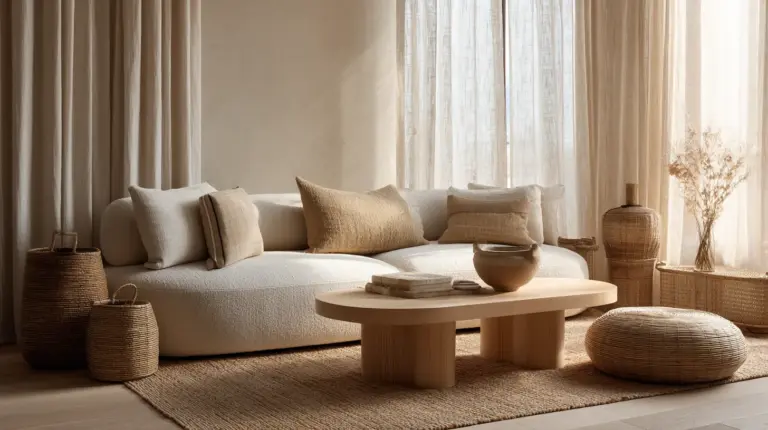
Japandi living room design is the graceful fusion of Japanese minimalism and Scandinavian coziness, creating spaces that feel both uncluttered and inviting. Think of it as the meeting point between wabi-sabi—the Japanese art of finding beauty in imperfection—and hygge, the Danish practice of creating warmth and contentment.
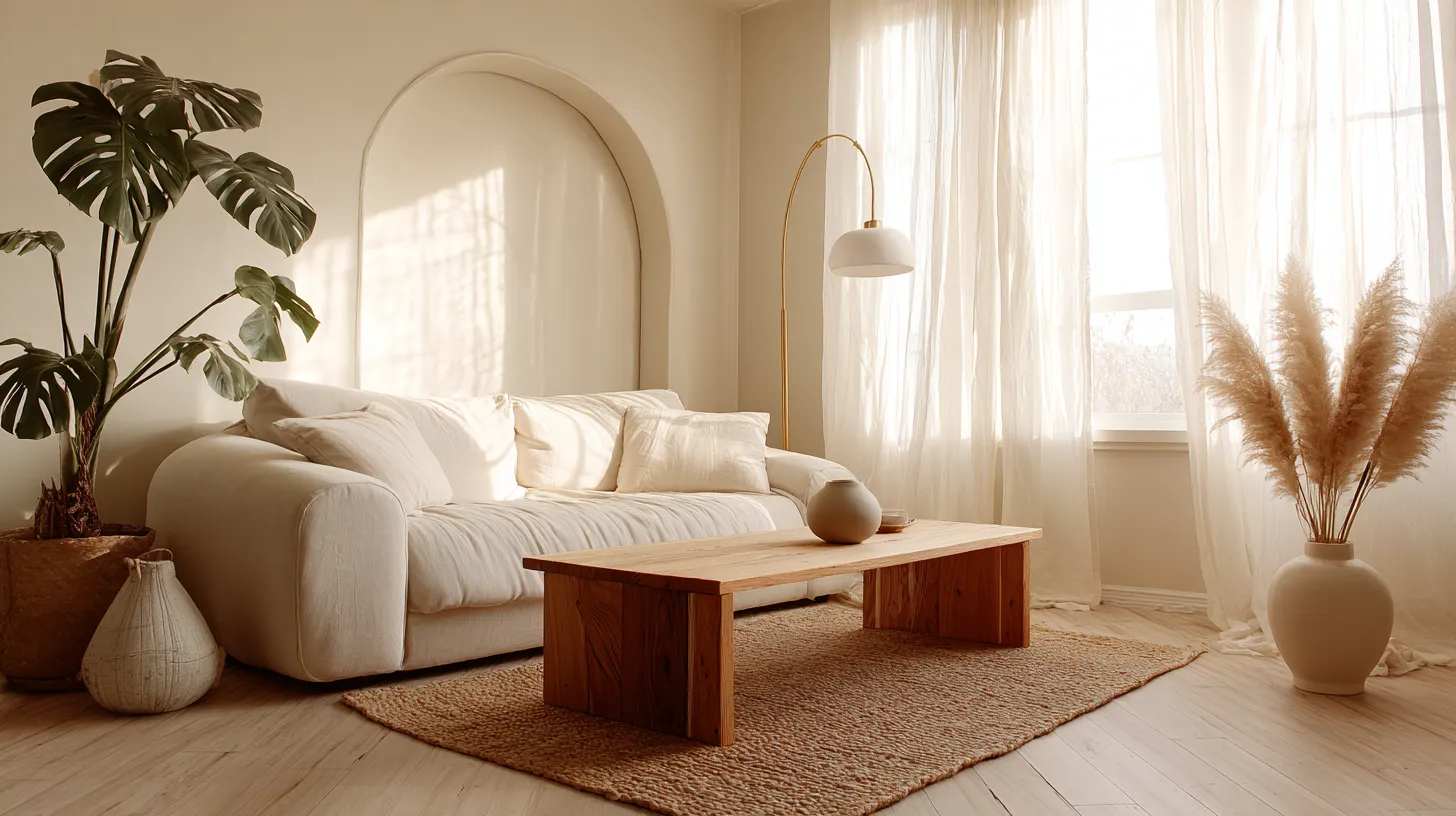
This isn’t cold minimalism. It’s warm minimalism, where every piece matters and comfort takes center stage. You’ll find clean lines softened by organic curves, neutral palettes warmed by natural wood, and functional furniture that never sacrifices beauty for practicality.
The style champions sustainability, natural materials, and a clutter-free atmosphere that lets you actually breathe in your own living room. It’s design that serves life, not the other way around.
Core Japandi Living Room Trends for 2026
Warmer Neutrals and Earthy Accents
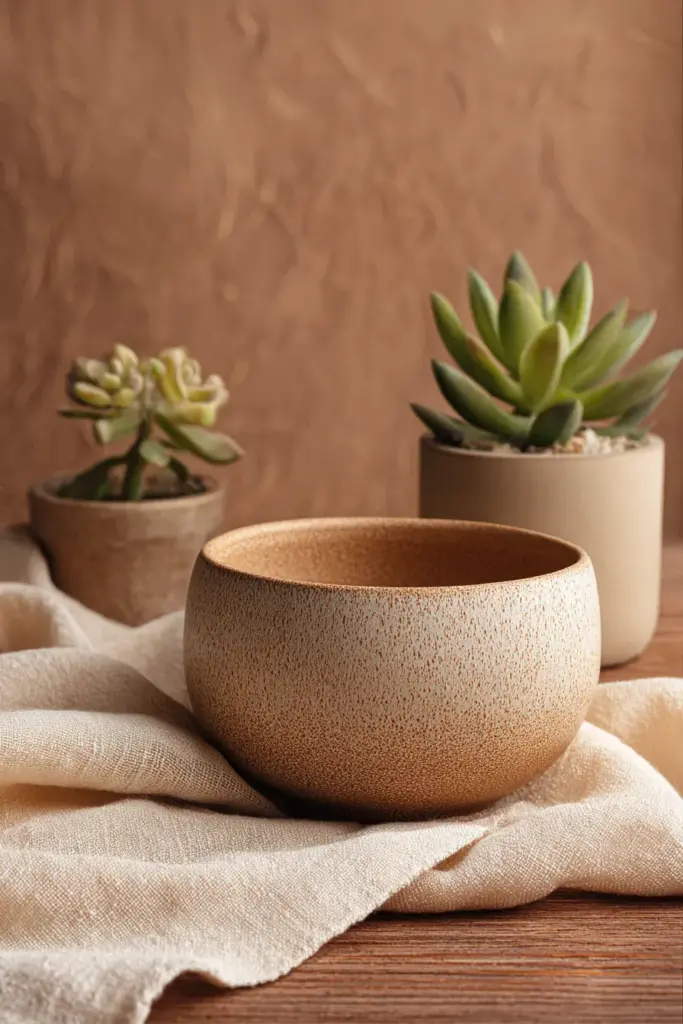
The palette is shifting. While classic Japandi neutrals—soft whites, warm grays, gentle beiges—still form the foundation, 2026 brings deeper, earthier tones into the conversation. Think terracotta clay pots, ochre linen cushions, or that perfect shade of warm taupe on an accent wall.
Brown tones are having their moment, especially in natural wood furniture and woven textures. These aren’t the dark, heavy browns of traditional spaces—they’re honey-toned mango wood, pale oak coffee tables, and bamboo accents that catch afternoon light beautifully.
Texture Layering Gets Tactile
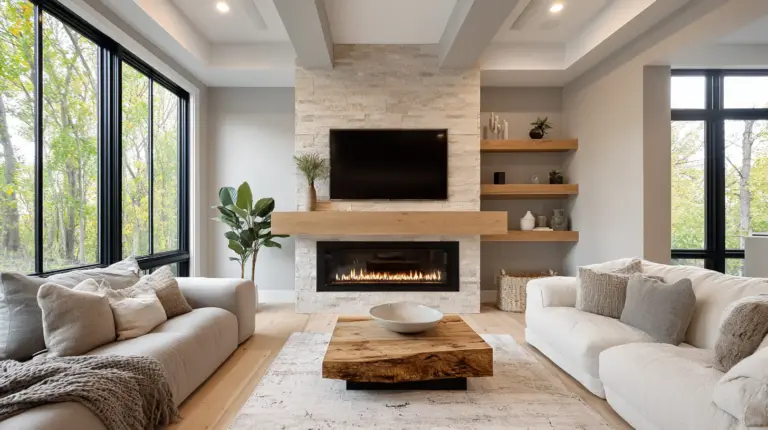
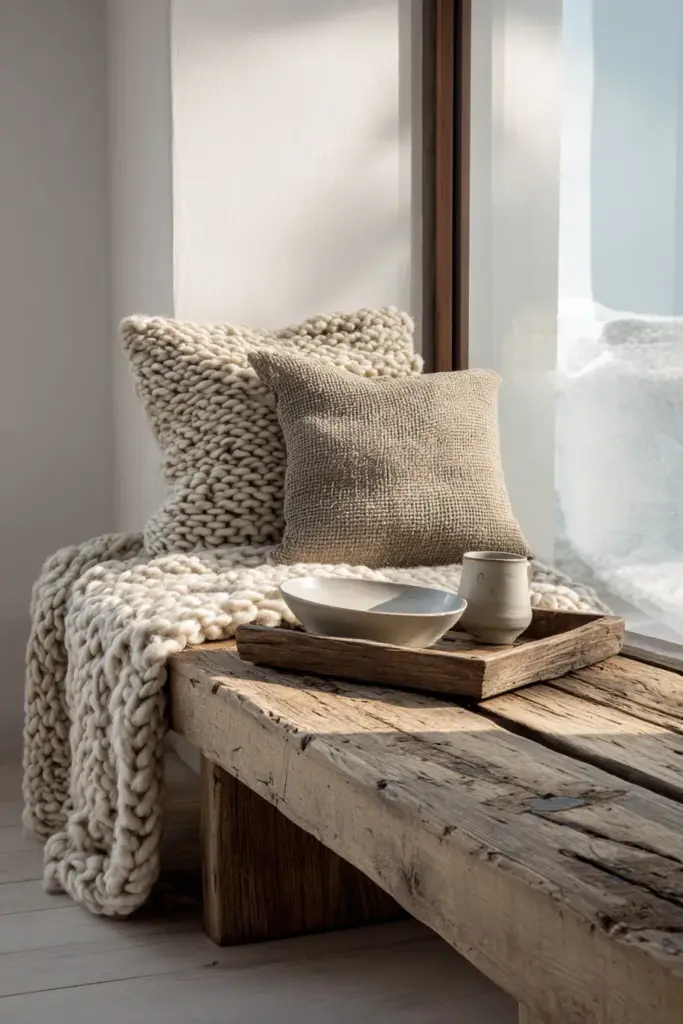
Smooth meets rough. Glossy meets matte. The new Japandi embraces textural contrast as a way to add visual interest without clutter. A chunky knit throw draped over a sleek leather sofa. A rough-hewn wooden stool beside a polished ceramic vase. Natural jute rugs anchoring a space of clean-lined furniture.
These tactile textures invite touch and create depth that pure minimalism sometimes lacks. In humid Philippine homes, choose breathable fabrics like linen, cotton, and hemp that resist mold while maintaining that coveted lived-in elegance.
Biophilic Design and Living Greenery
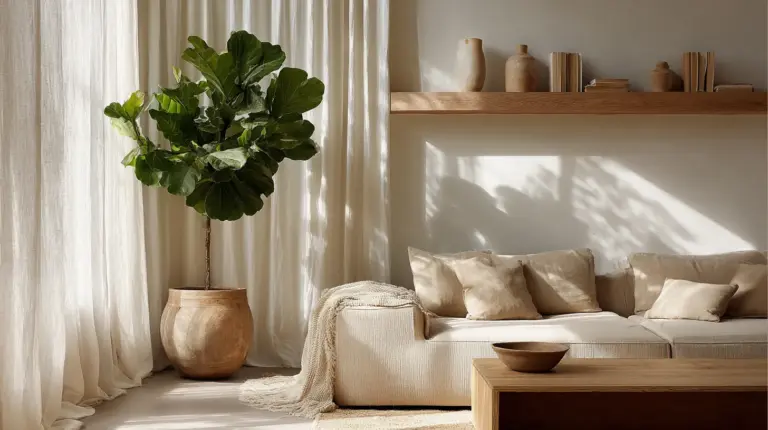
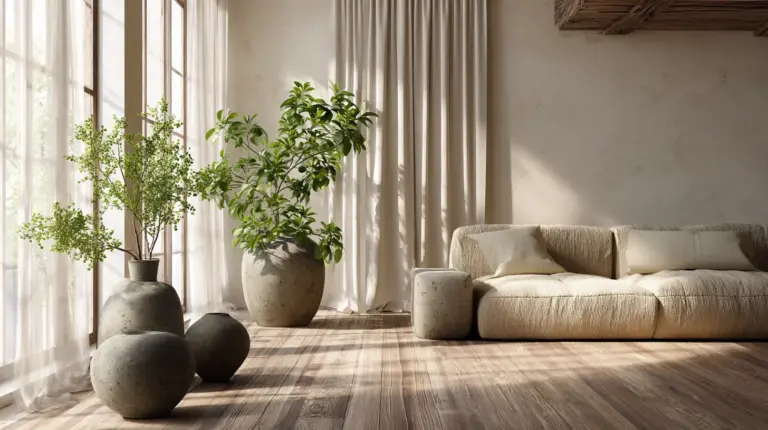
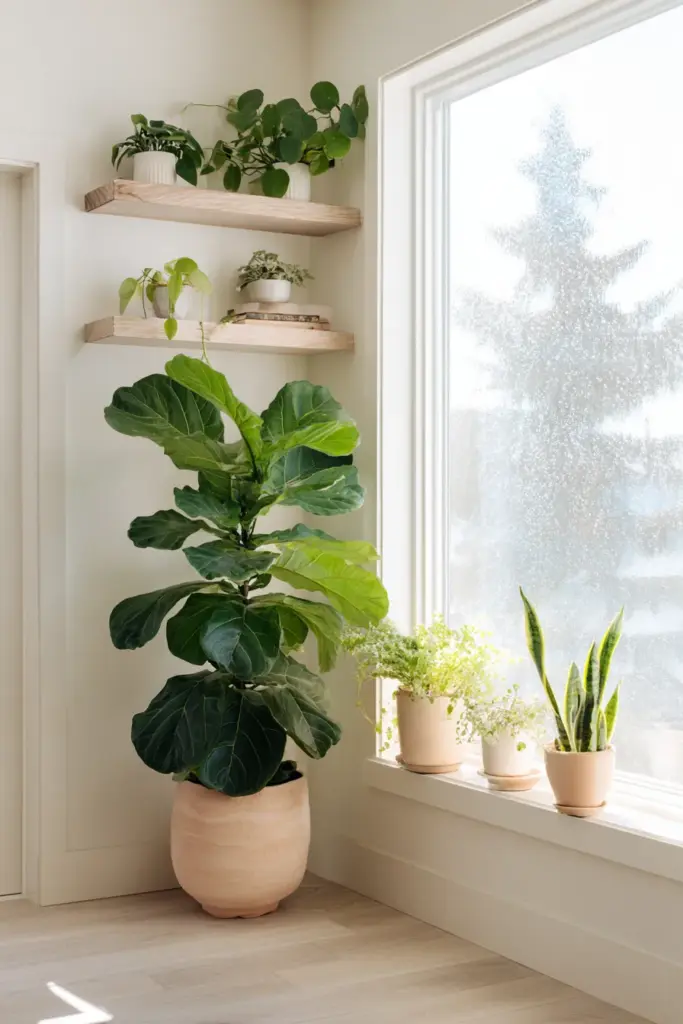
Bringing nature indoors isn’t optional in Japandi—it’s essential. Biophilic design elements connect us to the natural world, improving both aesthetics and wellbeing. Place a fiddle-leaf fig in a simple ceramic pot by the window. Let monstera vines trail from floating shelves. Group smaller plants—pothos, snake plants, peace lilies—on a low wooden bench.
Natural light becomes a design element itself. Keep windows uncluttered or dress them in sheer linen curtains that filter Philippine sunshine into something soft and golden. Consider how light moves through your space at different times of day and arrange furniture to maximize these beautiful moments.
Organic Curves and Softer Silhouettes
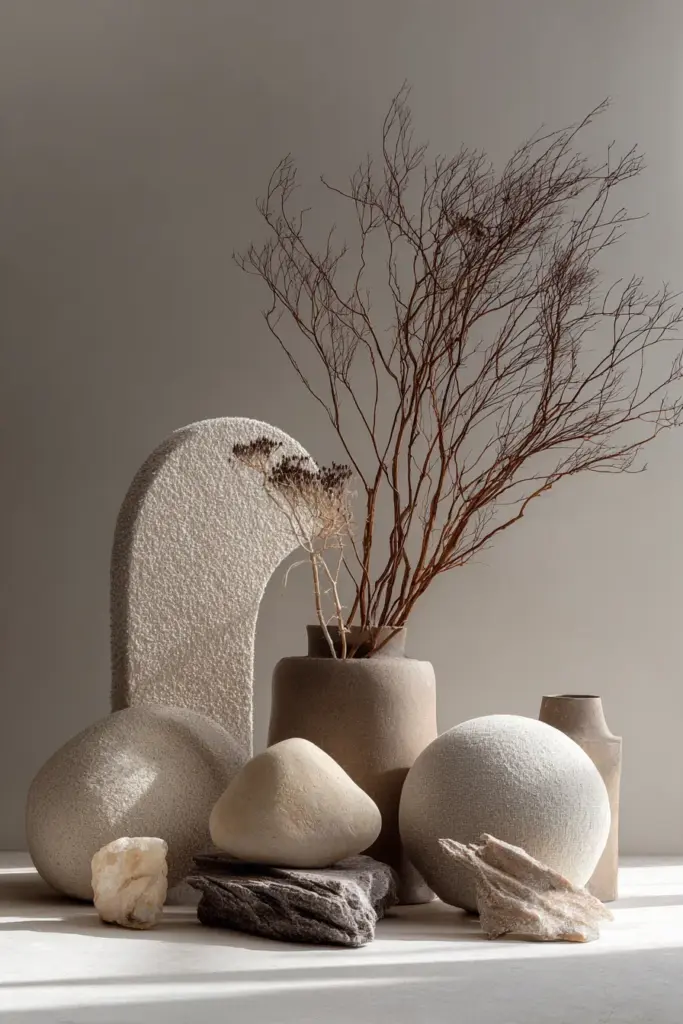
Hard edges are giving way to gentler shapes. Look for sofas with rounded arms, coffee tables with curved corners, and pendant lights in sculptural, organic forms. These softer silhouettes create flow and make minimalist spaces feel more welcoming.
A cloud-like bouclé chair. An arched floor lamp. Even something as simple as a rounded ceramic dish on your coffee table contributes to this trend toward organic, nature-inspired forms that feel intuitively comfortable.
How to Create a Japandi Living Room on a Budget
Start with Strategic Decluttering
Before spending a single peso, clear your space. Japandi demands breathing room, and clutter is its natural enemy. Keep only what serves a function or brings genuine joy. Store away excess decorative objects, tame cable chaos, and create clean surfaces.
This costs nothing but transforms everything. Once you’ve pared down, you’ll see exactly what your room needs—and often, it’s less than you think.
Source Local Materials Wisely
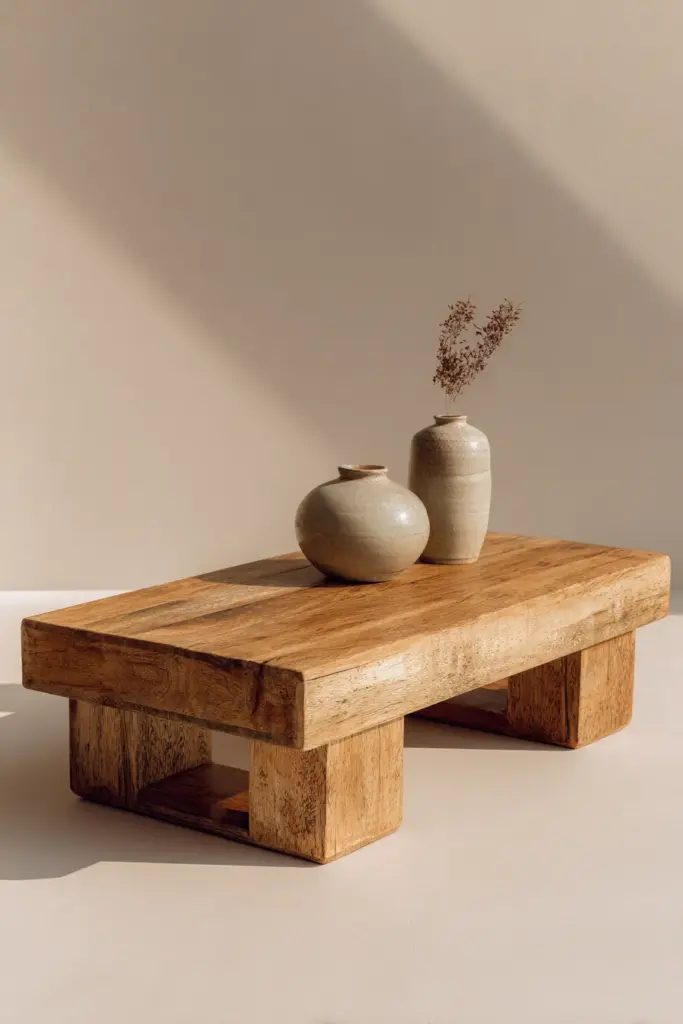
The Philippines offers incredible resources for budget-friendly Japandi styling. Visit local markets for mango wood furniture, which ages beautifully and costs a fraction of imported pieces. Look for rattan and bamboo accents, naturally humidity-resistant and perfectly aligned with Japandi’s natural material ethos.
Check thrift shops and online marketplaces for vintage teak pieces that just need light refinishing. A simple sand-and-seal treatment can transform a forgotten side table into a Japandi centerpiece.
DIY and Upcycling Projects
Transform what you already own. Paint dark furniture in soft neutral tones—a warm white or gentle gray. Replace ornate hardware with simple brass or wooden knobs. Reupholster tired cushions in natural linen or cotton canvas.
Create your own artwork: frame pressed tropical leaves, mount minimalist line drawings, or display handmade ceramics from local artisans. These personal touches cost little but add immeasurable warmth and authenticity.
Budget-Friendly Furniture Essentials
You don’t need to furnish an entire room at once. Start with these core pieces:
- Low-profile sofa or floor cushions: Creates that signature Japanese low-seating aesthetic
- Simple wooden coffee table: Look for clean lines, natural finish
- Minimalist shelving: Open shelves in light wood or white-painted bamboo
- Floor cushions or a meditation corner: Inexpensive pouf or zabuton cushions add flexible seating
Skip matchy-matchy sets. Japandi celebrates the beauty of mixed natural materials working in harmony.
Japandi Living Room Ideas for Small Spaces
Multifunctional Furniture with Purpose
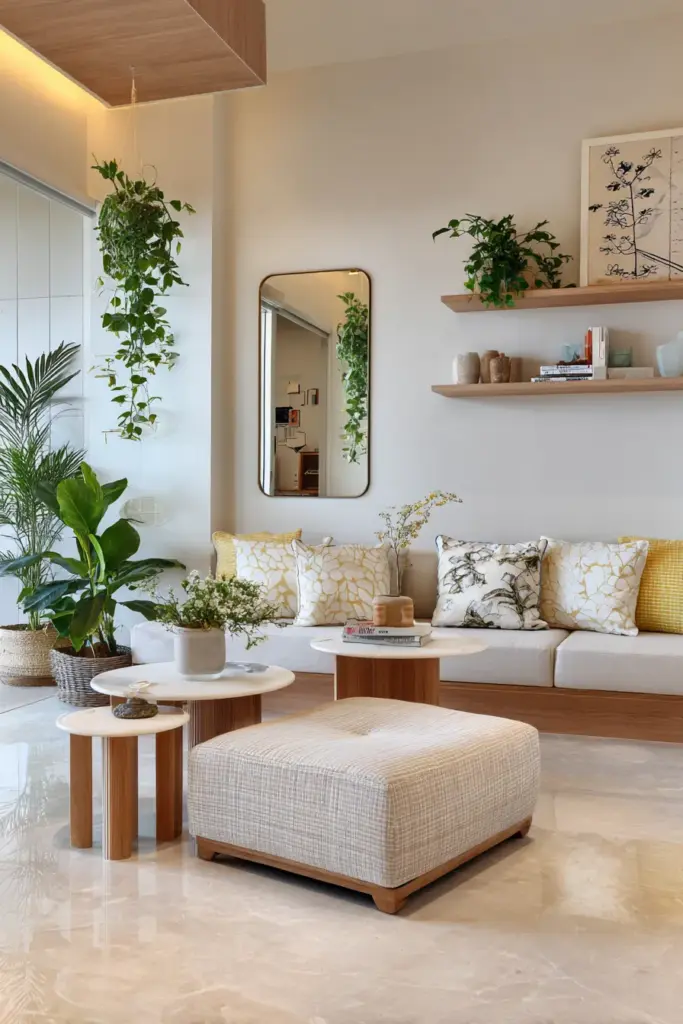
In compact Philippine homes, every piece must earn its keep. Opt for coffee tables with hidden storage, ottomans that open to reveal blankets, or nesting tables that expand when guests arrive. Modern versions now include tech integration—USB ports built into side tables, smart lighting controls embedded in floating shelves.
Choose furniture with legs rather than pieces that sit directly on the floor. This creates visual lightness and allows air to circulate—crucial in humid climates where ventilation prevents mold.
Vertical Solutions and Airflow Hacks
Maximize wall space with floating shelves that store essentials without overwhelming square footage. Install plants at varying heights to draw the eye upward and make ceilings feel taller.
For tropical adaptation, ensure furniture placement doesn’t block natural ventilation pathways. Leave space between pieces for air circulation. Choose sealed rattan or treated bamboo that withstands humidity without warping. Skip heavy curtains that trap moisture; opt instead for sheer linen that filters light while allowing breeze.
Light and Mirror Magic
Strategically placed mirrors reflect natural light and make small rooms feel doubled in size. A large mirror with a simple wooden frame opposite a window can transform a dim corner into something luminous.
Paint walls in soft white or pale warm gray to maximize light reflection. In rooms with limited natural light, invest in warm LED bulbs (2700-3000K) that mimic golden afternoon sun rather than harsh cool whites.
Essential Elements: A Japandi Living Room Checklist
Create your serene space with these foundational elements:
- Neutral color palette: Warm whites, soft grays, beiges, with earthy accents
- Natural wood furniture: Light oak, mango wood, bamboo, or teak
- Low-profile seating: Floor cushions, low sofas, minimalist chairs
- Textured textiles: Linen curtains, cotton throws, jute rugs, hemp pillows
- Living plants: 3-5 varieties in simple ceramic or terracotta pots
- Organic shapes: Curved furniture, rounded ceramics, sculptural vases
- Minimal lighting: Paper lanterns, simple pendants, natural light maximized
- Functional storage: Hidden compartments, open shelving with curated displays
- Handcrafted accents: Local ceramics, woven baskets, artisan pieces
- Breathing room: Clear surfaces, uncluttered floors, intentional empty space
Key Japandi Design Principles
| Principle | Japanese Influence | Scandinavian Influence | Result |
|---|---|---|---|
| Color | Muted naturals, dark woods | Bright whites, light woods | Warm neutrals with wood tones |
| Furniture | Low-height, floor seating | Functional, clean-lined | Low-profile, multipurpose pieces |
| Materials | Natural, handcrafted | Sustainable, organic | Wood, linen, ceramics, plants |
| Philosophy | Wabi-sabi imperfection | Hygge coziness | Serene, lived-in comfort |
| Approach | Minimalism, zen calm | Warmth, functionality | Warm minimalism, quiet luxury |
Sustainable Decor Choices for 2026
Sustainability isn’t just a trend in Japandi—it’s foundational. Choose pieces built to last rather than disposable fast-furniture. Invest in solid wood over particleboard, natural fibers over synthetic, and timeless design over fleeting trends.
Support local craftspeople who work with sustainable materials. In the Philippines, this might mean commissioning a mango wood bench from a nearby woodworker or purchasing handwoven textiles from traditional weavers. These pieces carry stories and age with character that mass-produced items never achieve.
Consider the lifecycle of every object. Can it be repaired? Will it biodegrade? Does its production harm the environment? These questions align perfectly with both wabi-sabi’s respect for natural processes and Scandinavian pragmatism.
Tech Integration the Japandi Way
Technology and minimalism can coexist beautifully when done with intention. Smart lighting systems allow you to adjust warmth and brightness throughout the day, supporting natural circadian rhythms. Program soft, warm light for evenings that encourage relaxation, brighter cool light for productive mornings.
Hide tech visually but keep it functionally accessible. Cord management becomes crucial—use cable boxes, wall-mounted charging stations, or furniture with integrated power to eliminate visual clutter. Consider app-controlled ambient sounds that mimic nature—rain, ocean waves, forest sounds—to enhance the serene atmosphere without physical speaker clutter.
Voice-controlled systems work well in Japandi spaces because they eliminate remote controls and physical devices. Just ensure the technology serves wellbeing rather than dominating the space.
Color Forecast: 2026 Japandi Palette
This year’s Japandi palette deepens while maintaining its signature serenity:
Foundation neutrals:
- Warm white (#F5F3EE)
- Soft gray (#D3D0CB)
- Creamy beige (#E8E2D5)
Earthy accents:
- Terracotta clay (#C77B58)
- Warm ochre (#D4A373)
- Deep taupe (#8B7E74)
Natural wood tones:
- Pale oak (#D9C7AB)
- Honey mango (#C19A6B)
- Light bamboo (#E3D5B3)
Grounding darks (use sparingly):
- Charcoal (#3E3E3E)
- Espresso brown (#4A3E36)
Layer these thoughtfully—walls in foundation neutrals, furniture in natural wood tones, accents and textiles introducing earthy warmth.
Creating Atmosphere: The Sensory Experience
A truly successful Japandi living room engages all senses. Visually, it offers clean lines and natural beauty. But consider also the weight of a linen cushion in your hands, the smooth coolness of a ceramic vase, the rough texture of a jute rug underfoot.
Sound matters too. In a decluttered space, you’ll notice birdsong through open windows, the rustle of bamboo blinds, the quiet settling of wooden furniture. Embrace this natural soundscape rather than filling silence with constant media.
Scent completes the picture. Light incense in subtle woody fragrances—sandalwood, cedar, hinoki. Place bowls of dried lavender or eucalyptus. Let the smell of fresh linen and natural fibers speak for themselves. Avoid synthetic air fresheners that clash with Japandi’s organic ethos.
Common Mistakes to Avoid
Going too cold. Minimalism without warmth becomes sterile. Always balance clean lines with soft textiles, hard surfaces with organic elements, white walls with natural wood tones.
Over-styling. Japandi isn’t about perfect Instagram moments—it’s about livable beauty. Let imperfection show. A slightly rumpled throw, books stacked naturally, plants that grow asymmetrically—these details bring life.
Ignoring your climate. What works in Copenhagen’s dry cold won’t necessarily work in Manila’s humid tropics. Adapt materials and maintenance to your environment. Choose breathable, mold-resistant fabrics and well-ventilated furniture arrangements.
Buying everything new. The wabi-sabi principle celebrates age and patina. Mix vintage finds with new pieces. That inherited wooden chest, properly restored, might become your room’s most authentic Japandi element.
Before and After: Budget Transformation Guide
Typical cluttered living room → Japandi serenity (Under ₱25,000)
Start: Remove excess decorative items, dated heavy curtains, dark mismatched furniture.
Invest in:
- One quality mango wood coffee table (₱5,000-8,000)
- Linen curtains in warm white (₱2,000-3,000)
- Floor cushions or low-profile seating (₱3,000-5,000)
- Three ceramic planters with living plants (₱1,500-2,500)
- Natural fiber rug (₱4,000-6,000)
- Paint in warm neutral tone (₱2,000-3,000)
DIY:
- Sand and refinish existing dark furniture in light oak stain
- Create minimalist wall art from pressed leaves or simple line drawings
- Reupholster cushions in natural cotton or linen
- Organize existing items into woven baskets for hidden storage
Result: A breathing, light-filled space that feels both spacious and welcoming—achieved through strategic subtraction and thoughtful addition.
Is Japandi Still Trending in 2026?
Absolutely, and it’s only deepening. Unlike fleeting aesthetic trends, Japandi addresses fundamental human needs—for calm, for connection with nature, for spaces that support wellbeing rather than stress. As our lives grow more complex and digital, this grounding design philosophy becomes more relevant, not less.
The 2026 evolution brings additional warmth, more emphasis on sustainability, and a growing appreciation for quiet luxury—quality over quantity, craft over mass production. It’s Japandi maturing into something even more personal and livable.
For Filipino homes especially, where family gathering and natural ventilation are priorities, Japandi offers a perfect framework. It’s minimal enough to keep spaces cool and uncluttered, warm enough to feel genuinely welcoming, and flexible enough to adapt to our unique tropical context.
Conclusion
Creating a Japandi living room isn’t about following rigid rules or achieving magazine-perfect styling. It’s about cultivating a space that lets you rest, that welcomes both solitude and gathering, that feels like an exhale after a long day.
Start small. Clear a single surface. Add one plant. Choose one beautiful, functional object and let it shine. Notice how that intentionality changes not just your room, but how you feel within it.
The most beautiful Japandi spaces aren’t those that cost the most—they’re the ones that reflect genuine care, thoughtful choices, and respect for both function and beauty. Your living room can be that space, regardless of budget or square footage.
Let your room breathe. Let yourself breathe within it. That’s the real luxury Japandi offers—and it’s available to all of us.
Frequently Asked Questions
What is Japandi style in living rooms?
Japandi living room style blends Japanese minimalism and Scandinavian coziness through neutral palettes, natural materials, and low-profile furniture. It combines wabi-sabi’s appreciation for imperfection with hygge’s focus on warmth and comfort, creating spaces that are both uncluttered and inviting. Key elements include organic shapes, functional design, and emphasis on natural light and living plants.
What are essential Japandi living room ideas for small spaces?
Focus on multifunctional furniture like storage ottomans and nesting tables, use vertical space with floating shelves, and choose pieces with legs for visual lightness and airflow. Stick to a neutral color palette with warm whites and light woods to maximize perceived space. Incorporate 3-5 plants at varying heights, use mirrors to reflect light, and maintain clear floors with hidden storage solutions.
How do I create a Japandi living room on a budget?
Start by decluttering thoroughly—it costs nothing and transforms everything. Source local materials like mango wood and rattan from markets and thrift shops. DIY by refinishing existing furniture in light neutral tones and reupholstering cushions in natural fabrics. Invest in just 2-3 key quality pieces—a simple coffee table, natural fiber rug, and good lighting—then build slowly with handcrafted local accents.
What colors are used in Japandi living rooms?
Japandi palettes center on warm neutrals—soft whites, gentle grays, creamy beiges—paired with natural wood tones from pale oak to honey mango. In 2026, earthy accents like terracotta, warm ochre, and deep taupe add depth. Use these in textiles and ceramics while keeping walls and large furniture in lighter shades. Avoid pure white or cool grays; warmth is essential to prevent sterility.
Is Japandi suitable for humid tropical climates like the Philippines?
Yes, with smart material choices. Select humidity-resistant options like sealed rattan, treated bamboo, and breathable natural fabrics (linen, cotton, hemp) that resist mold. Arrange furniture to allow air circulation and avoid blocking ventilation pathways. Choose elevated pieces rather than floor-sitting furniture, and maintain plants that thrive in tropical conditions. The style’s emphasis on natural ventilation and minimal window treatments actually suits Philippine homes beautifully.