
Table of Contents
There’s something quietly powerful about walking into a room that breathes with intention. A space where every texture whispers calm, where light filters through like honey, where clutter has surrendered to clarity. This is the promise of a Japandi living room transformation—a beautiful collision of Japanese minimalism and Scandinavian warmth that turns chaos into sanctuary.
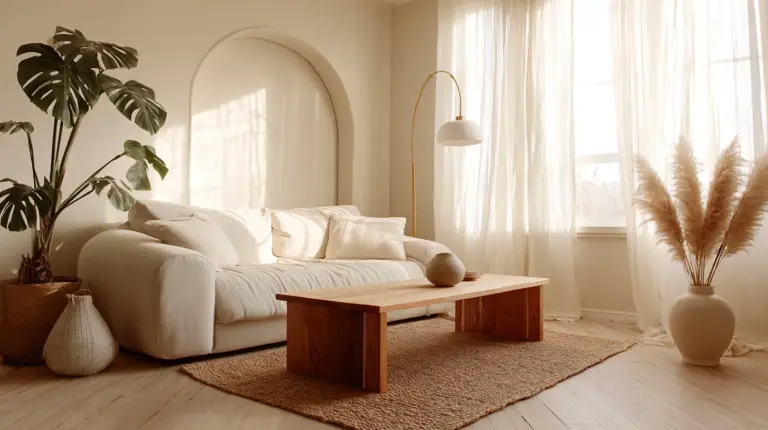
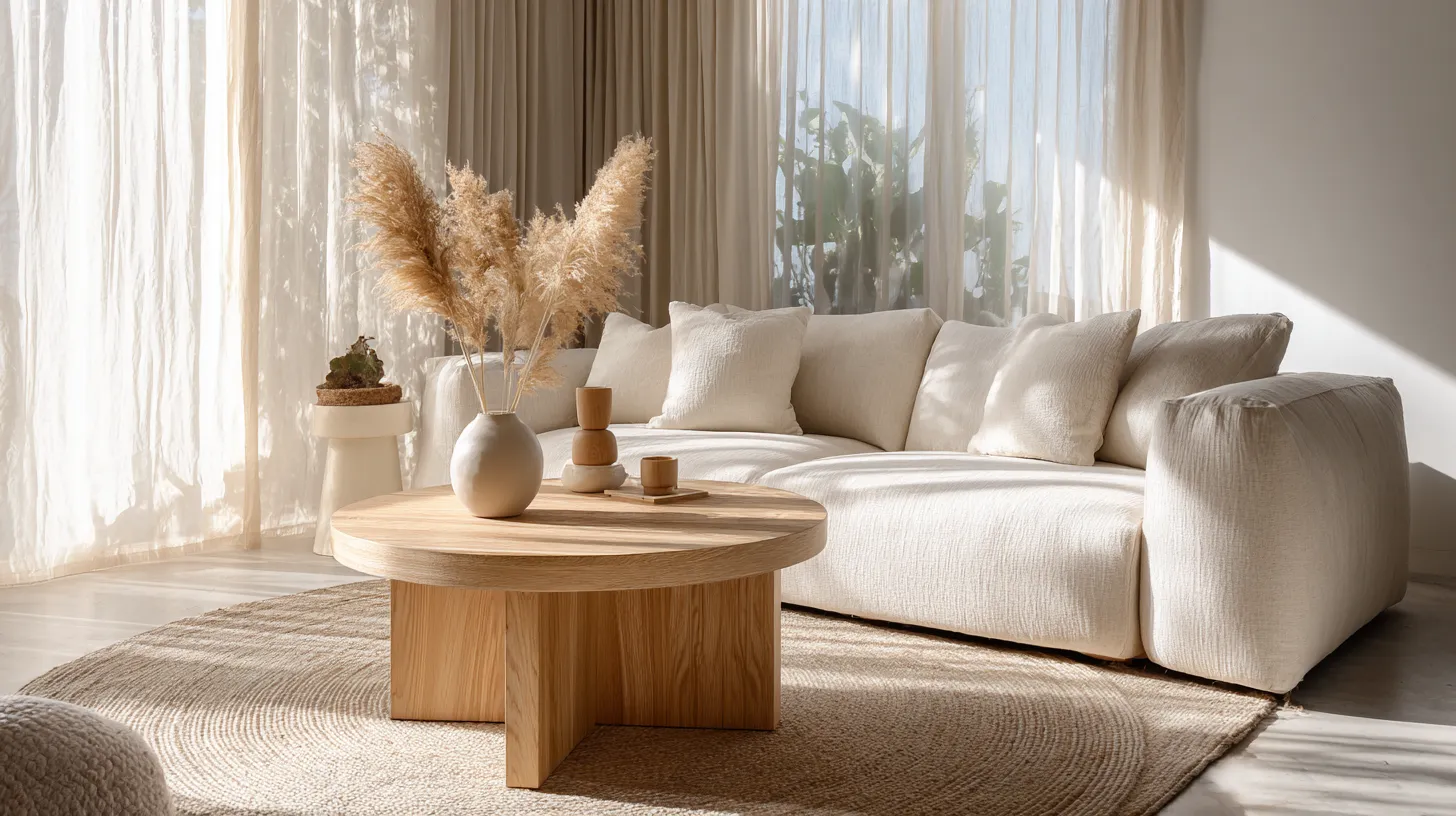
I’ve watched countless before-and-after journeys unfold, and each one tells the same story: less truly becomes more. The overstuffed sofa finds a replacement in a low-profile linen piece. The jumble of trinkets gives way to a single ceramic vase holding dried pampas grass. The harsh overhead lighting softens into layered ambient glow.
What makes Japandi living room design so magnetic isn’t just its aesthetic—it’s the feeling it cultivates. It’s coming home to simplicity that doesn’t feel cold, to minimalism that still wraps you in comfort. It’s the marriage of wabi-sabi’s acceptance of imperfection with hygge’s embrace of coziness.
In this guide, we’ll walk through the anatomy of a Japandi transformation, exploring what changes, what stays, and how you can create this serene fusion in your own space—even on a budget under PHP 50,000.
Understanding Japandi Style: The Foundation of Transformation
Before we dive into transformations, let’s ground ourselves in what Japandi truly means. This Scandinavian-Japanese fusion emerged from shared values: both cultures revere nature, champion functionality, and find beauty in restraint. Where they diverge—and where magic happens—is in their expression.
Japanese design leans toward disciplined minimalism, clean lines, and reverence for craft. Scandinavian style brings warmth through texture, light wood tones, and livable comfort. When these philosophies intertwine, you get spaces that feel both spacious and intimate, simple yet layered.
The Core Elements That Define Japandi
The transformation always begins with understanding these non-negotiables. Neutral tones form the foundation—think ivory, sand, charcoal, and warm grays. Natural wood furniture in oak, walnut, or teak brings organic warmth. Low-profile seating keeps sightlines open and energy grounded.
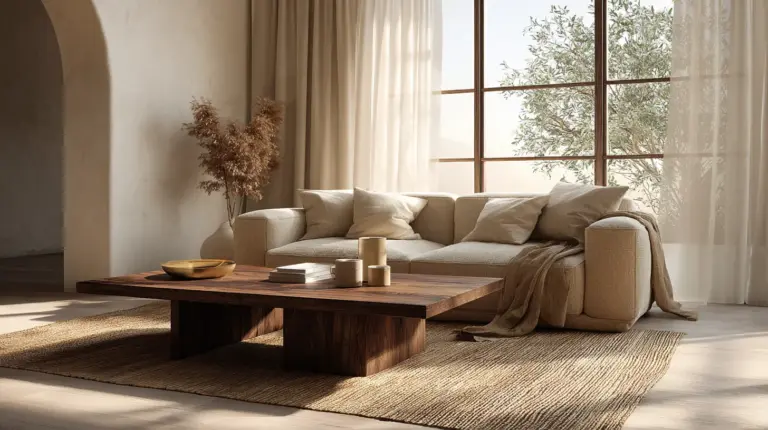
Texture becomes your silent storyteller. A chunky knit throw draped over linen cushions. A jute rug anchoring the seating area. Matte ceramics catching afternoon light. These layers prevent minimalism from feeling sterile.
Plants breathe life without overwhelming—a sculptural bonsai on the coffee table, a fiddle leaf fig in the corner, dried botanicals in handmade vessels. Each element earns its place through both beauty and purpose.
The Typical Japandi Living Room Before: What Needs to Change
Most living rooms start in a familiar state of accumulated chaos. Mismatched furniture crowds the floor. Heavy curtains block natural light. Walls host a gallery of unrelated frames. Electronics dominate surfaces, their cords tangling like vines.
The color palette often fights itself—a burgundy sofa clashing with teal accent chairs, patterned rugs competing with busy wallpaper. Storage happens in plain sight: stacks of magazines, remote controls scattered, kids’ toys colonizing corners.
Common Before Scenario Metrics
Let me paint a specific picture. A typical 3.5m x 4.5m living room might contain 12-15 furniture pieces, 30+ decorative objects, and suffer from 60% visual clutter. Lighting comes from a single central fixture, creating harsh shadows. The room serves multiple conflicting purposes—entertainment hub, storage overflow, dining spillover.
Natural materials are absent or synthetic. Plastic storage bins. Polyester curtains. Laminate shelving. The space feels disconnected from the natural world, trapped in artificial textures and tones.
Energy stagnates. There’s no breathing room, no flow, no invitation to simply be.
The Japandi Living Room After: A Study in Intentional Beauty
The transformation is visceral. Walk into a completed Japandi living room and your shoulders drop. The space has expanded—not in physical dimensions, but in how it holds light and air.
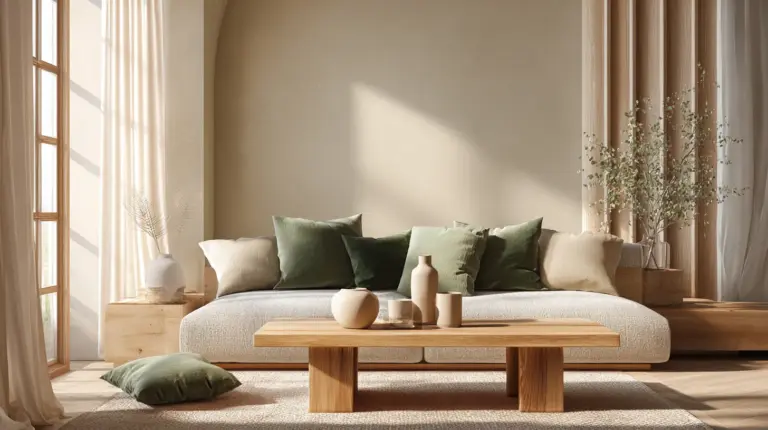
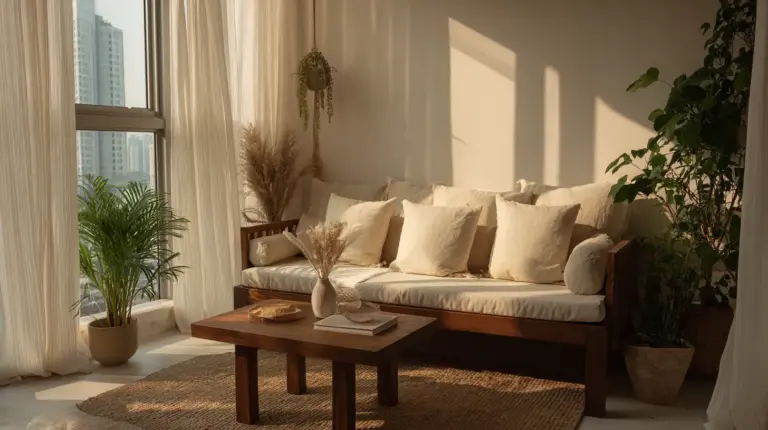
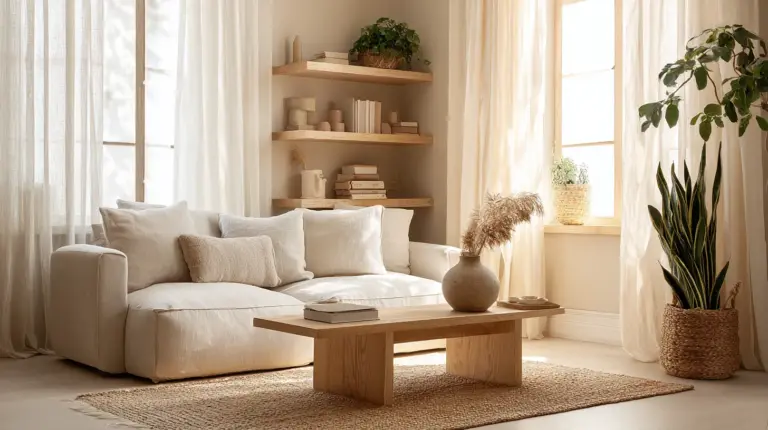
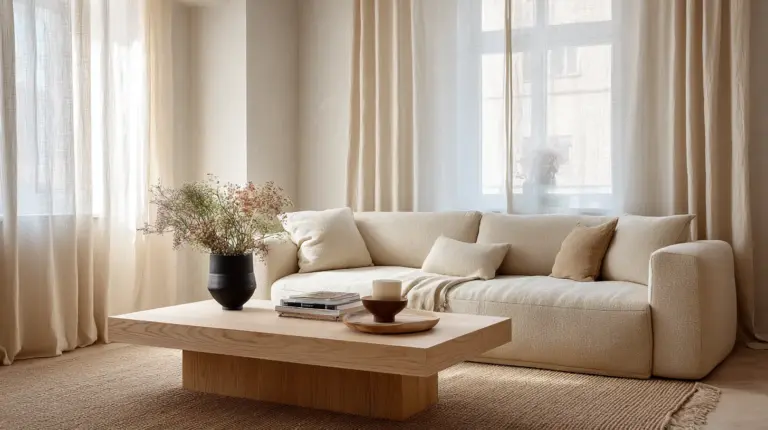
Furniture has been edited down to 5-7 essential pieces. A low-profile neutral tones sofa in oatmeal linen anchors the room. Two sleek accent chairs in charcoal flank a natural wood coffee table with visible grain. A minimalist media console in walnut keeps electronics hidden behind clean facades.
Visual and Functional Improvements
The clutter reduction typically hits 70-75%. What remains is purposeful. A single sculptural table lamp provides ambient glow. Three framed botanical prints in matching black frames create rhythm. A ceramic bowl holds river stones—nothing more.
Hidden storage does the heavy lifting. Woven baskets slide under the console. The coffee table lifts to reveal compartments. Built-in shelving with closed cabinets maintains the clean aesthetic while housing necessities.
Natural light floods in through sheer linen curtains in warm white. Layered lighting—a paper pendant lamp overhead, floor lamps with wooden tripod bases, LED strips behind the media console—creates warmth at every hour.
Step-by-Step Japandi Transformation Checklist
Ready to begin your own before-after journey? Here’s your practical roadmap:
| Phase | Action | Timeline | Est. Cost (PHP) |
|---|---|---|---|
| 1. Declutter | Remove 70% of items, keep only essentials | Week 1 | Free |
| 2. Paint/Refresh Walls | Switch to warm white, light gray, or greige | Week 2 | 3,000-8,000 |
| 3. Flooring Update | Add jute rug or bamboo mat | Week 2 | 4,000-12,000 |
| 4. Furniture Swap | Replace with low-profile, natural wood pieces | Weeks 3-4 | 20,000-35,000 |
| 5. Lighting Layer | Install pendant, floor, and accent lamps | Week 4 | 5,000-10,000 |
| 6. Textile Layers | Add linen curtains, cotton throws, wool cushions | Week 5 | 6,000-12,000 |
| 7. Plant Life | Introduce 3-5 plants in ceramic or terracotta pots | Week 5 | 2,000-5,000 |
| 8. Final Curation | Add 3-5 meaningful decor pieces | Week 6 | 3,000-8,000 |
DIY Budget Japandi: Under PHP 50,000
You don’t need to gut your entire room. Start with high-impact swaps. Thrift a solid wood coffee table and sand it down—reveal the natural grain beneath old varnish. Sew simple linen cushion covers in ecru and charcoal. Replace hardware on existing furniture with matte black or brass pulls.
For seating, consider reupholstering your current sofa in neutral linen fabric (PHP 8,000-15,000 versus PHP 35,000 for new). Paint existing wooden pieces in matte charcoal or leave them raw with a clear wax finish.
Shop local for natural materials. Quezon City’s weekend markets offer handwoven jute rugs, ceramic planters, and bamboo accessories at fraction of retail prices. Divisoria supplies linen-look fabrics perfect for curtains. Even IKEA’s Philippine selection includes affordable Japandi-friendly basics.
Key Japandi Living Room Ideas for Small Spaces
Small living rooms actually excel at Japandi—the style’s inherent minimalism makes compact spaces breathe. The secret lies in multifunctional furniture and vertical thinking.
A low-profile seating arrangement keeps ceilings feeling higher. Choose a 2-seater loveseat instead of a bulky sectional. Opt for armless chairs that tuck completely under the table when not in use.
Maximizing Light and Space
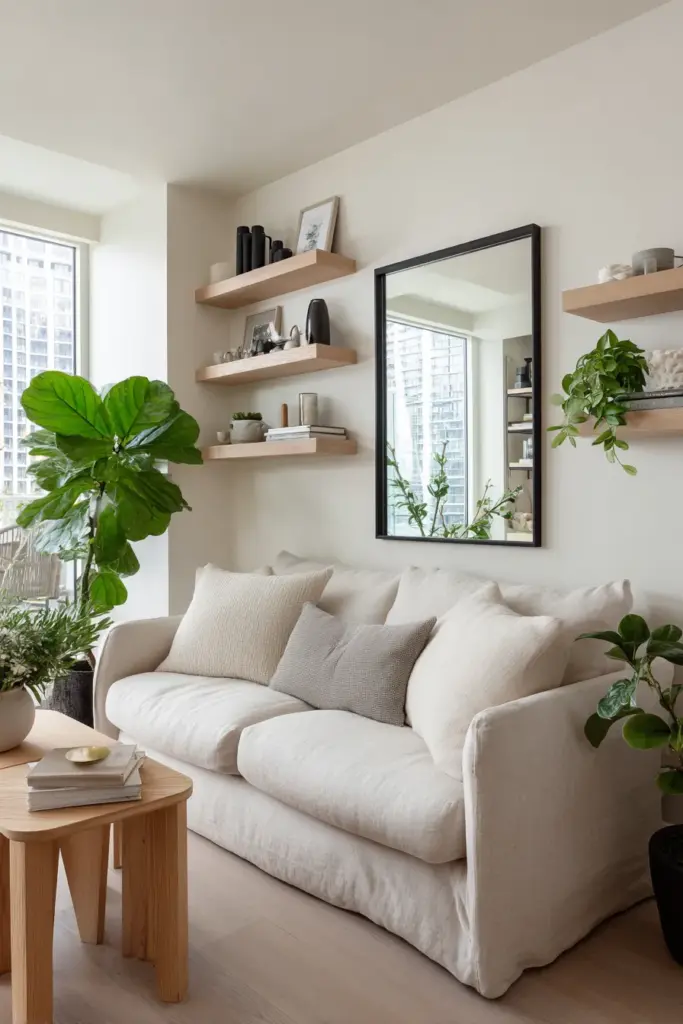
Mount floating shelves in light oak rather than bulky bookcases. Use a narrow console table (25cm deep) behind the sofa for display without encroachment. Replace a traditional coffee table with nesting tables you can separate or stack as needed.
Keep walls in warm white or soft greige to bounce light. Hang a single large mirror with a thin wooden frame opposite your window—instant depth and doubled natural light. Choose sheer linen curtains over heavy drapes to maintain the airy quality.
In a 3m x 3m space, limit furniture to five pieces: one sofa, one chair, one coffee table, one media console, one plant stand. That’s it. The negative space becomes your luxury.
Sustainable Japandi: Materials That Matter
Authentic Japandi transformations honor both philosophies’ deep respect for nature. This means choosing materials with integrity—pieces that age beautifully and tread lightly on the earth.
FSC-certified wood ensures your furniture comes from responsibly managed forests. Look for certification labels when shopping for coffee tables, shelving, or dining pieces. In the Philippines, brands like Our Home and Crate & Barrel carry certified options.
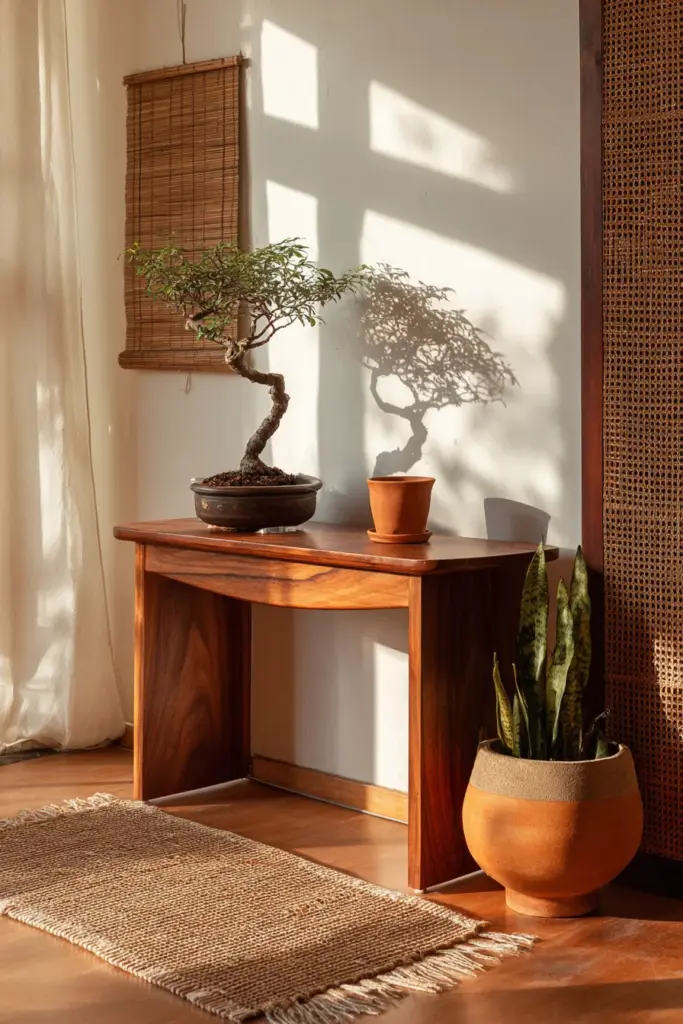
Climate-Appropriate Choices for Philippine Homes
Our humid tropical climate demands thoughtful material selection. Natural rattan and wicker breathe better than upholstered pieces, reducing mildew risk. Teak and acacia woods resist humidity damage. Cotton and linen fabrics dry faster than velvet or wool.
Skip the shoji screens (beautiful but impractical in 80% humidity) and opt for louvered wooden panels that allow airflow. Choose sealed concrete or large-format porcelain tiles over wall-to-wall carpet. Plant choices matter too—snake plants, ZZ plants, and pothos thrive in our climate while purifying air.
Invest in pieces built to last. One solid walnut coffee table passed through generations embodies wabi-sabi better than three particle-board replacements. The initial cost feels steep (PHP 15,000-25,000), but the lifetime value—and reduced landfill impact—justifies it.
Lighting Your Japandi Living Room: Before and After
Nothing transforms a space faster than lighting. The before: one harsh central ceiling fixture casting unflattering shadows, making evening hours feel clinical.
The after: layered, warm, adjustable light that shifts with mood and time. A paper pendant lamp in white or natural rice paper becomes the soft centerpiece—inspired by Japanese akari lanterns, diffusing light like morning mist.
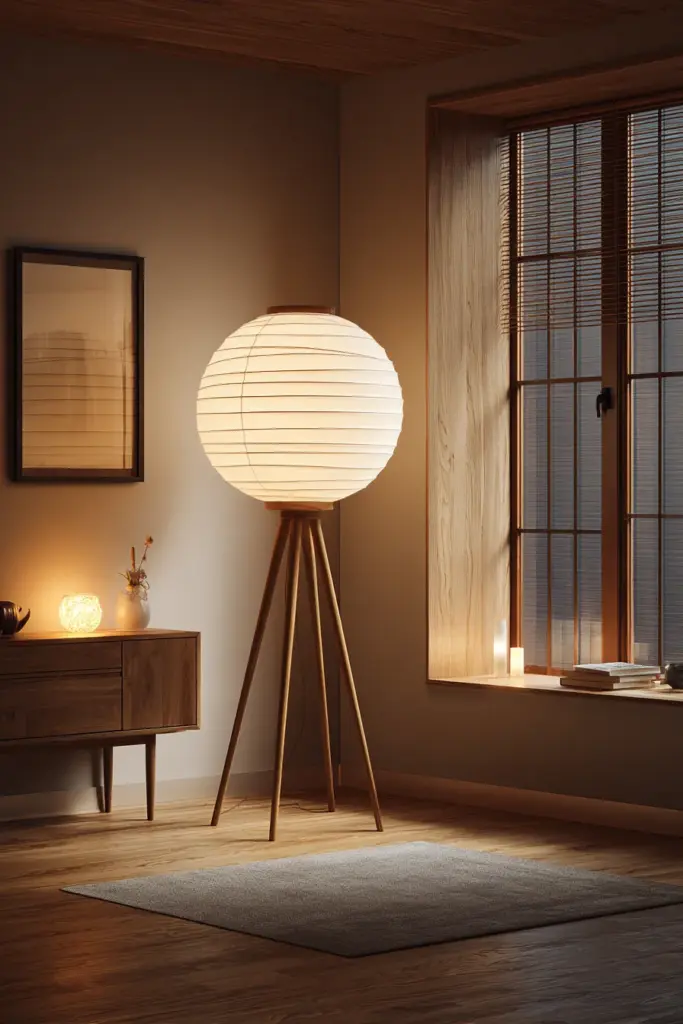
Creating Ambient Layers
Add a wooden tripod floor lamp in the reading corner with a warm LED bulb (2700K). Install dimmer switches so you control intensity. Place a small table lamp with ceramic base on the console—turn it on for ambient glow during movie nights.
For budget solutions, string Edison bulbs along one wall using jute rope. The warm filaments create instant atmosphere for under PHP 3,000. Add battery-powered LED candles in glass hurricanes—flicker without fire hazard.
Smart lighting takes Japandi into 2026. Philips Hue bulbs in warm white let you adjust brightness and scheduling from your phone. Set them to gradually brighten at sunrise, dim at sunset. Technology becomes invisible while serving your circadian rhythm.
Texture Layering: The Secret Sauce of Japandi Comfort
Visual minimalism doesn’t mean sensory deprivation. Japandi living rooms seduce through texture—the secret ingredient that separates stark from serene.
Start with your foundation. A jute rug in natural fiber grounds the seating area with organic warmth underfoot. Layer a smaller sheepskin or cotton dhurrie rug at the sofa’s edge for visual interest and cozy toe contact.
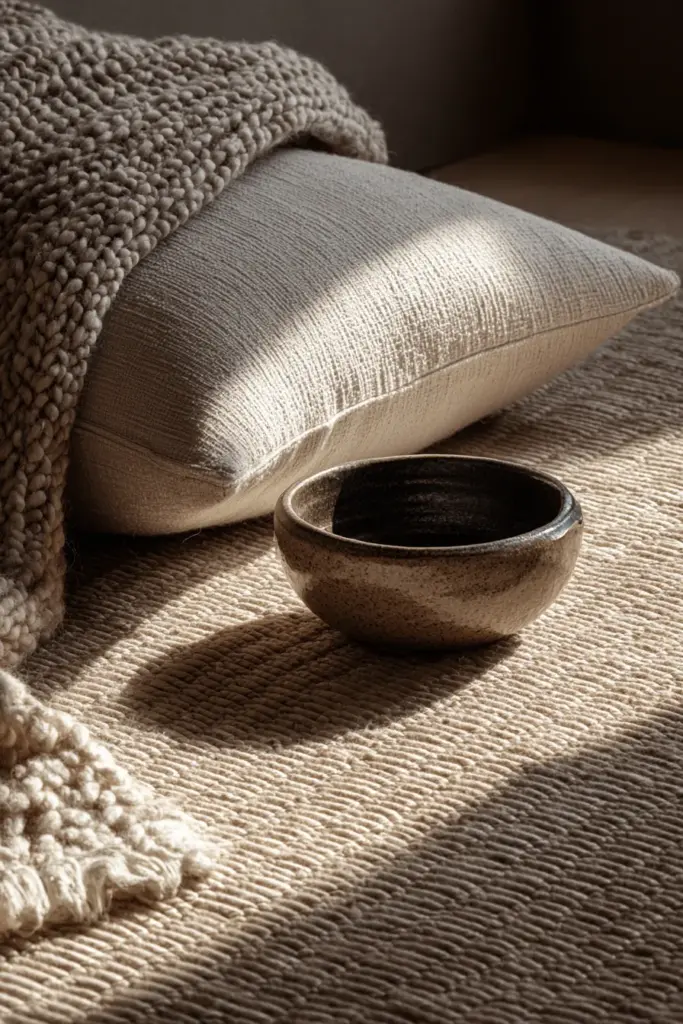
Building Tactile Depth
Upholstery choices matter enormously. Choose a neutral sofa in stone-washed linen—the slight rumple and soft hand feel lived-in yet refined. Add cushions in varied textures: one chunky cotton knit, one smooth linen, one wool boucle. Keep colors within the same tonal family—cream, oatmeal, warm gray.
Drape a waffle-weave cotton throw over the sofa arm. The geometric texture catches light differently than smooth linen. Place a hand-thrown ceramic vase with reactive glaze on the coffee table—its irregular surface tells a maker’s story.
Window treatments bring softness. Linen curtains in natural or ivory filter light beautifully while adding vertical texture. Choose ones with a slight slub in the weave—imperfection that embodies wabi-sabi.
Color Psychology: The Japandi Palette Transformation
The before palette often shouts. Jewel tones, primary colors, high contrast. The Japandi after whispers through neutral tones that calm the nervous system.
Base your palette on nature’s quiet moments. Walls in warm white (with beige undertones, never stark blue-white). Natural wood furniture in honey oak or rich walnut. Upholstery in sand, stone, charcoal, or clay. Accents in sage green, rust, or deep indigo—always muted, never saturated.
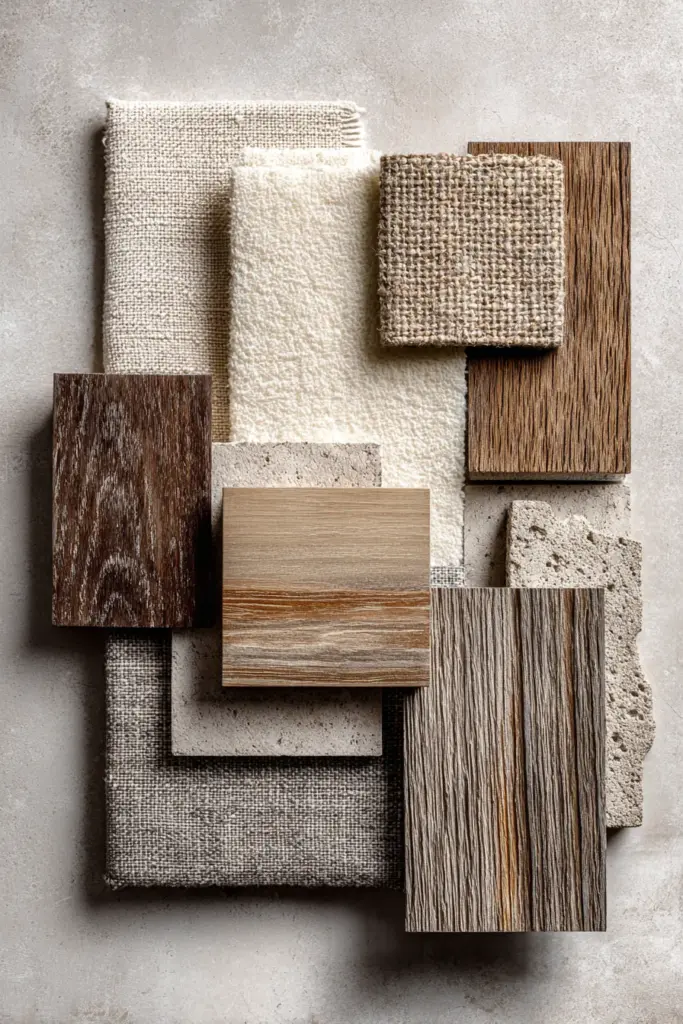
The 70-20-10 Rule
Apply the classic formula: 70% neutral base (walls, large furniture), 20% secondary shade (accent chairs, rug), 10% accent color (cushions, art, plants). In Japandi, even your “accent” remains subdued—a terracotta pot rather than hot pink.
Test paint samples in your actual space. What looks like perfect greige in the store might read pink or green depending on your natural light direction. North-facing rooms benefit from warmer neutrals; south-facing can handle cooler tones.
Remember that wood counts as color. A room with walnut floors, oak shelving, and teak furniture already has rich warmth—pair with cooler grays to balance. Light wood floors invite warmer taupe walls.
Japandi Living Room Furniture: Essential Pieces
Quality over quantity defines Japandi furniture selection. After the transformation, you’ll own fewer pieces that work harder and last longer.
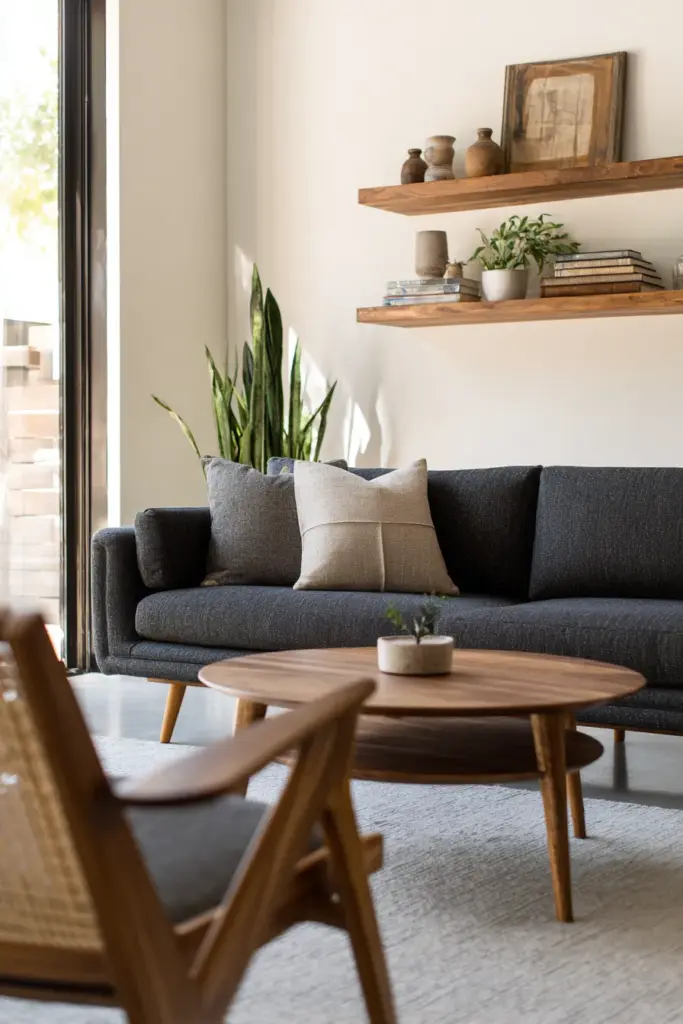
The low-profile sofa is your cornerstone investment. Look for clean lines, minimal ornamentation, and neutral upholstery. Arms should be simple or absent. Legs in light wood or matte black metal. Seat depth of 90-100cm for lounging comfort. Budget PHP 25,000-45,000 for quality.
Supporting Players
An natural wood coffee table grounds the arrangement. Choose one with visible grain, honest joinery, and a lower shelf for hidden storage. Round or oval shapes soften the space; rectangular works in narrow rooms. Height around 40-45cm pairs with low seating.
Accent seating can be a rattan egg chair (PHP 8,000-15,000) that brings texture and curve. Or two slipper chairs in charcoal linen flanking the sofa. Prioritize comfort—Japandi isn’t precious. These pieces should invite long conversations.
Storage gets clever. A media console with closed cabinets hides electronics and clutter. Floating shelves in light oak display only your most beautiful objects—three ceramic pieces, a small plant, a stack of two art books. If you display it, you must love it.
Before-After Metrics: Quantifying Your Transformation
Let’s talk numbers. A successful Japandi transformation yields measurable improvements beyond aesthetics.
Clutter reduction: Aim for 70-75% fewer visible items. If your before space had 45 objects in view, the after should have 10-15. Each remaining piece should spark joy or serve function (ideally both).
Natural light increase: Removing heavy curtains and bulky furniture can boost perceived brightness by 40-50%. Measure with a lux meter app if you want precision—target 300-500 lux for living spaces.
Time and Cost Investments
A DIY Japandi transformation takes 4-8 weeks depending on scope. Simple styling and furniture swaps: 3-4 weeks. Full renovation with painting and flooring: 6-8 weeks.
Budget breakdown for a 16-18 sqm living room:
- Under PHP 30,000: Paint, textiles, decluttering, thrifted furniture, DIY projects
- PHP 30,000-50,000: Above plus new sofa or quality wood pieces
- PHP 50,000-100,000: Complete transformation with new furniture, lighting, professional help
Track your sustainability wins too. Choosing FSC wood, donating old furniture for reuse, buying secondhand, selecting low-VOC paints—these choices compound into meaningful environmental impact.
Common Mistakes to Avoid in Japandi Transformations
Even with clear vision, pitfalls lurk. The most common? Going too cold. Japandi isn’t Scandinavian minimalism alone—you need the Japanese warmth, the lived-in quality, the soul.
If your space feels stark or sterile, add texture immediately. A chunky knit throw. A wool rug. Linen curtains. Wood where there was metal. Plants where there was emptiness.
Balance and Proportion Errors
Another trap: furniture too low or too small. Yes, Japandi loves low-profile pieces, but your sofa still needs to support your back properly. Coffee tables should be proportional to seating—too small looks accidental, not intentional.
Avoid over-matching. Japandi celebrates subtle variation. Your wood tones don’t need to match perfectly—oak shelves, walnut table, and rattan chair can coexist beautifully. Same with whites—three different warm whites create depth.
Don’t forget function for aesthetics. That beautiful backless bench might look Instagram-perfect, but if you can’t sit comfortably for a movie, it fails Japandi’s functionality principle. Choose beauty that serves.
Maintaining Your Japandi Living Room
The transformation is complete—now preserve it. Japandi maintenance is actually easier than cluttered chaos because there’s simply less to manage.
Daily: Five-minute reset. Return cushions to position, fold throws, clear surfaces, return items to hidden storage. With fewer objects, this takes minutes.
Weekly: Dust wood furniture with microfiber cloth, vacuum jute rug, fluff and rotate cushions, wipe down surfaces, water plants.
Seasonal Refreshes
Every season, edit ruthlessly. Did that ceramic bowl earn its place? Has a new pile of magazines colonized the coffee table? Remove immediately. Japandi demands ongoing curation, not one-time transformation.
Rotate textiles seasonally if desired. Lighter linens in summer, heavier cotton or wool throws in monsoon season. But keep the same neutral palette—variation in weight, not color.
Protect wood furniture from humidity with proper ventilation and occasional oil treatment. Linen curtains can be washed twice yearly. Quality pieces will develop patina—embrace it as wabi-sabi, the beauty of aging.
Japandi Transformation Checklist: Your Action Plan
Before you begin, use this comprehensive checklist to stay focused:
Phase 1: Assess & Declutter
- Photograph your current space from multiple angles
- Remove 70% of decorative objects
- Donate, sell, or discard furniture that doesn’t serve
- Clear all surfaces completely
- Identify what you truly love and use
Phase 2: Plan & Budget
- Set total budget (suggest PHP 30,000-50,000)
- List essential furniture needs
- Research Philippines-specific suppliers
- Create mood board with neutral palette
- Measure space and furniture dimensions
Phase 3: Foundation Work
- Paint walls in warm white or light greige
- Address flooring (add jute rug at minimum)
- Install or update lighting (pendant + floor lamps)
- Hang sheer linen curtains
- Create hidden storage solutions
Phase 4: Furniture & Styling
- Introduce low-profile neutral sofa
- Add natural wood coffee table
- Select 1-2 accent chairs or seating
- Choose multifunctional storage pieces
- Layer 3-5 plants in ceramic pots
- Add textiles: throws, cushions, rug
- Curate final 5-10 decorative objects
Phase 5: Final Touches
- Adjust lighting for warmth
- Style shelves minimally
- Add one signature scent (hinoki, cedar)
- Take after photos
- Commit to daily maintenance
Conclusion: Coming Home to Calm
The journey from before to after isn’t just about furniture placement or color selection. It’s about creating a living room that holds space for who you actually are—not who you think you should be, not what catalogs insist you need.
A Japandi transformation is permission to exhale. To choose the handmade ceramic bowl over twelve mass-produced trinkets. To sit on a sofa that invites you to stay awhile. To watch light change through sheer linen curtains as afternoon becomes evening.
I’ve seen this shift happen in my own space, and in countless homes across Manila, Quezon City, and beyond. The relief people express when they finally clear the clutter. The joy of discovering their coffee table’s wood grain beneath old varnish. The unexpected calm of a room that breathes.
Your transformation won’t look identical to anyone else’s. Maybe you’ll keep that vintage rattan chair your grandmother loved. Perhaps you’ll paint an accent wall in the softest sage. Your version of Japandi will tell your story—through the materials you choose, the textures you layer, the light you invite in.
Start small if the whole room feels overwhelming. One corner. One shelf. One honest conversation with everything you own about what truly belongs. The before-and-after isn’t just visual—it’s how you feel when you walk through your door at day’s end.
This is the gift of Japandi: a living room that finally feels like home.
Frequently Asked Questions
What is Japandi style in living rooms?
Japandi is a design fusion that marries Japanese minimalism with Scandinavian coziness. It emphasizes neutral tones, natural wood furniture, clean lines, and functional simplicity while maintaining warmth through layered textures like linen, jute, and wool. The style celebrates both wabi-sabi (beauty in imperfection) and hygge (cozy contentment), creating living rooms that feel calm, uncluttered, and deeply comfortable.
How to create a Japandi living room on a budget?
Start by decluttering completely—it’s free and transformative. Thrift solid wood furniture and refinish it to reveal natural grain. Paint existing pieces in matte neutrals. Sew linen cushion covers instead of buying new pillows. Shop local markets in Quezon City or Divisoria for affordable natural materials like jute rugs and ceramic planters. Reupholster your current sofa in neutral fabric for PHP 8,000-15,000. Focus on fewer, better pieces rather than filling every corner. A complete budget transformation is achievable under PHP 50,000.
What are Japandi living room ideas for small spaces?
Small spaces thrive with Japandi’s inherent minimalism. Choose low-profile, multifunctional furniture—a sofa with hidden storage, nesting tables, floating shelves. Limit pieces to 5-7 essential items to maximize breathing room. Keep walls in warm white or light greige to enhance light. Use vertical storage and mount shelves high. Select armless chairs that visually disappear. Add one large mirror to double perceived space. Embrace negative space as luxury, not emptiness. Plants and texture prevent the minimal approach from feeling sparse.
What are key elements of Japandi decor?
Essential elements include a neutral color palette (warm white, sand, charcoal, greige), natural wood furniture in oak or walnut, low-profile seating, layered textures (linen, cotton, jute, wool), strategic lighting from multiple sources, minimal decorative objects (each with purpose), hidden storage solutions, and living plants. The style balances clean lines with organic warmth, function with beauty, and Eastern simplicity with Scandinavian comfort. Quality always outweighs quantity.
How long does a Japandi living room transformation take?
A DIY transformation typically takes 4-8 weeks depending on scope. Simple styling with furniture swaps can happen in 3-4 weeks. Full renovations including painting, new flooring, and custom furniture orders may extend to 6-8 weeks. Professional help can accelerate timelines. Budget at least one week for proper decluttering and planning—rushing this phase undermines the entire transformation. Remember that Japandi is a mindset shift toward intentional living, not just a weekend project.