
Table of Contents
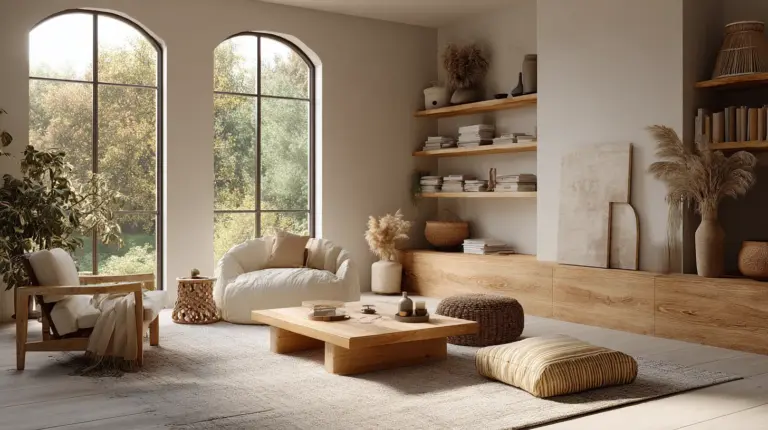
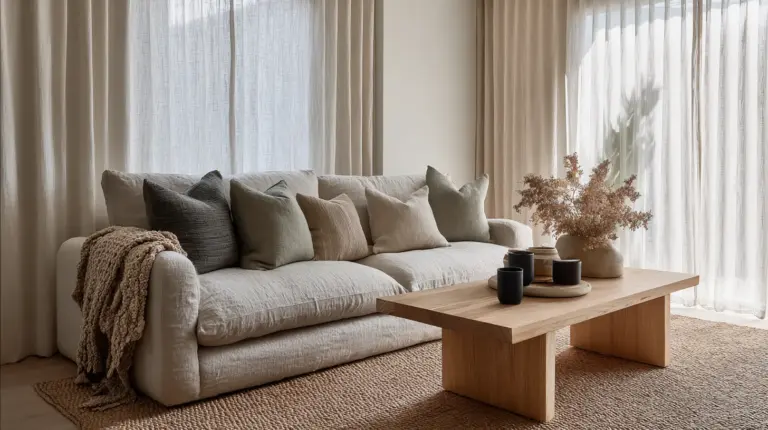
There’s a quiet magic that happens when you place the right coffee table in a living room. It anchors the space without demanding attention. It holds your morning tea, your favorite book, the soft glow of a candle at dusk.
A Japandi coffee table does all this with a particular grace. Born from the marriage of Scandinavian simplicity and Japanese wabi-sabi, it brings a sense of intentional calm to your home. Clean lines meet organic warmth. Function flows into beauty.
In the Philippines, where our homes balance tropical brightness with the need for serene retreat, a Japandi coffee table becomes more than furniture. It’s a daily ritual of coming home to yourself. Let’s explore how to choose one that speaks to your space and soul.
What Makes a Coffee Table Truly Japandi?
The Philosophy Behind the Design
Japandi isn’t just an aesthetic—it’s a mindset. This style weaves together Scandinavian hygge (that cozy, lived-in warmth) with Japanese wabi-sabi (the beauty of imperfection and transience). The result? Furniture that feels both grounding and light.
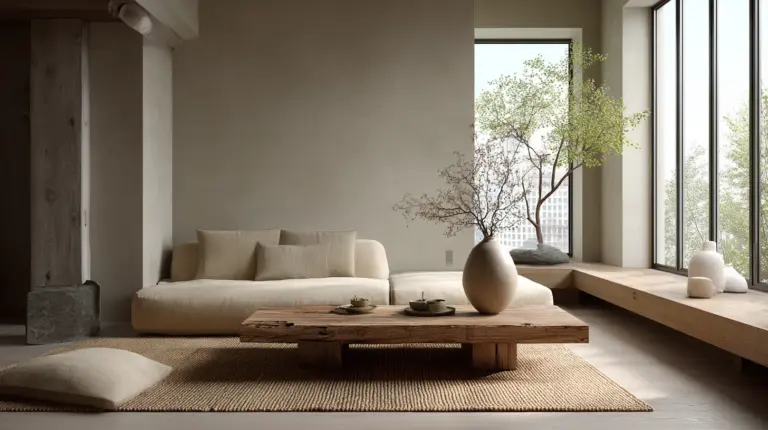
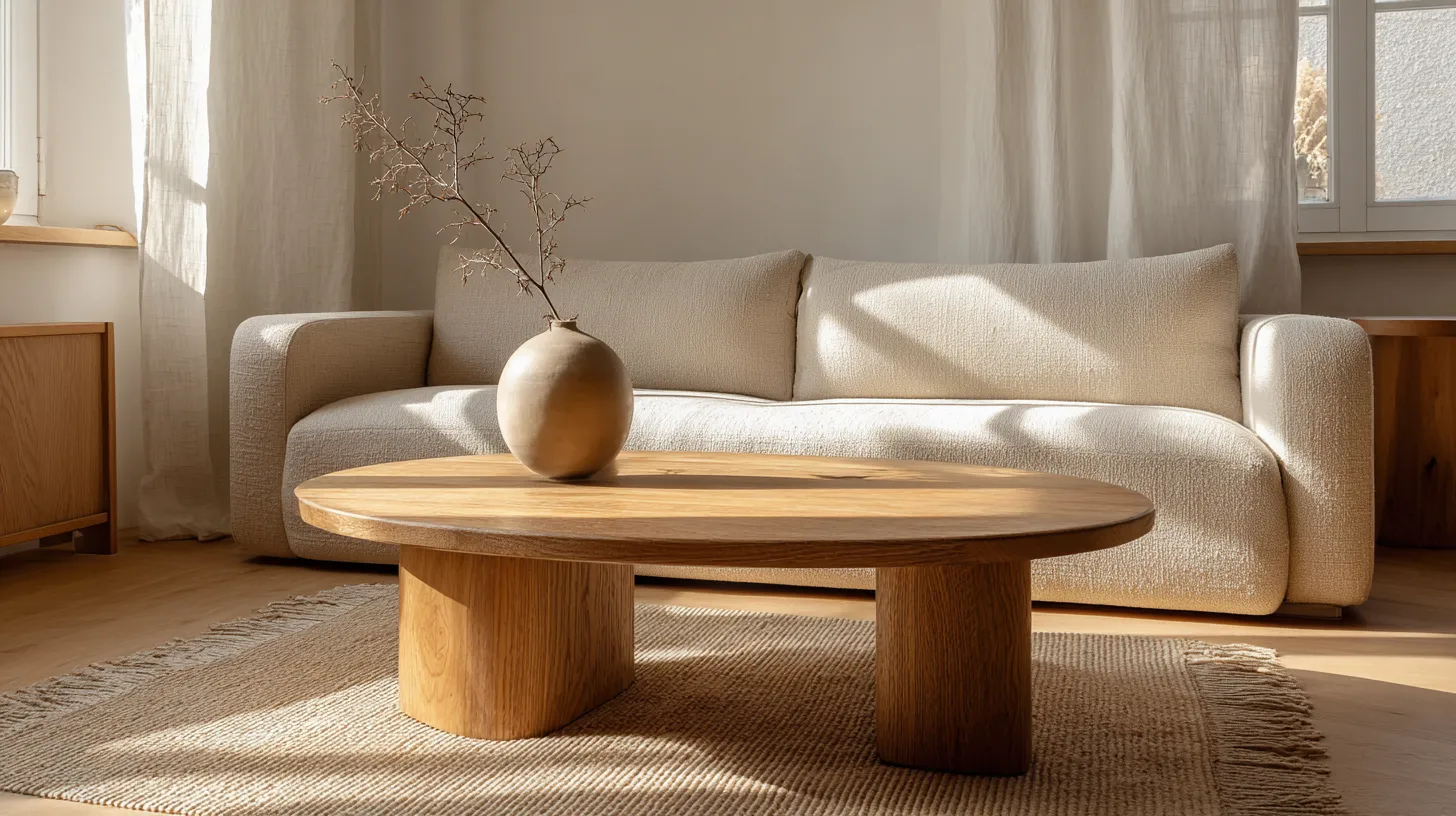
A Japandi coffee table embraces clean, uncluttered lines without feeling cold. It celebrates natural materials that age gracefully. You’ll notice low profiles, rounded edges, and a palette that whispers rather than shouts.
Think of solid oak with visible grain, walnut with its rich chocolate tones, or bamboo that bends toward sustainability. These aren’t trendy choices—they’re timeless ones.
Key Characteristics to Look For
When you’re searching for the perfect Japandi coffee table, watch for these signature elements:
Low-profile silhouettes that create visual breathing room. Unlike bulky traditional tables, Japandi pieces sit closer to the ground, echoing the Japanese practice of floor-level living while maintaining Western functionality.
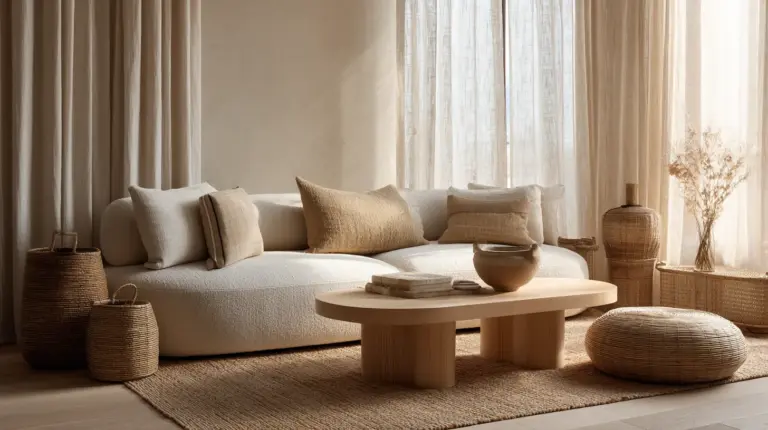
Organic shapes with subtle curves. Sharp corners give way to rounded edges and gentle ovals. These forms feel softer in a space, more welcoming to gather around.
Neutral color stories. Expect warm beiges, soft grays, honey-toned woods, and muted blacks. The palette is inspired by nature—think dawn light, river stones, weathered driftwood.
Materials That Matter: Choosing Your Foundation
Wood as the Heartbeat
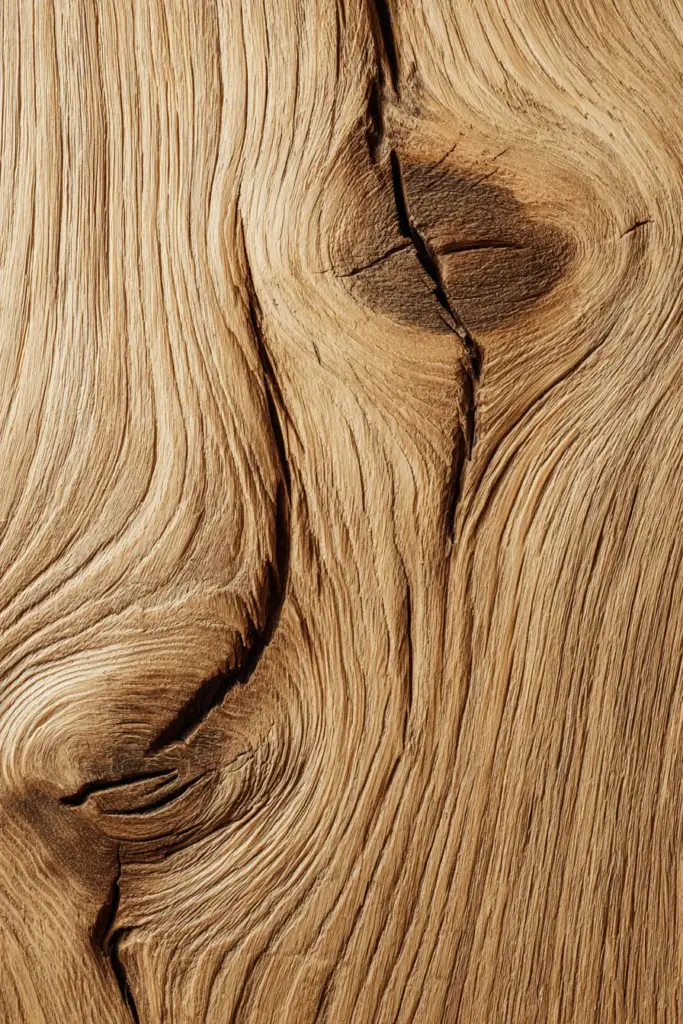
Wood is the soul of Japandi design. But not just any wood—sustainably sourced, solid hardwoods that tell a story with every grain line.
Oak brings strength and golden warmth. Its pronounced grain adds texture without pattern, catching light throughout the day. Walnut offers deeper, more dramatic tones, perfect for grounding a bright space.
Bamboo deserves special mention for our Philippine climate. It’s naturally moisture-resistant, grows abundantly, and carries that light, airy quality that keeps tropical homes from feeling heavy.
Beyond Wood: Stone, Rattan, and Mixed Media
Some of the most striking Japandi coffee tables blend materials with thoughtful restraint. A travertine top paired with wooden legs creates visual interest while maintaining that essential calm.
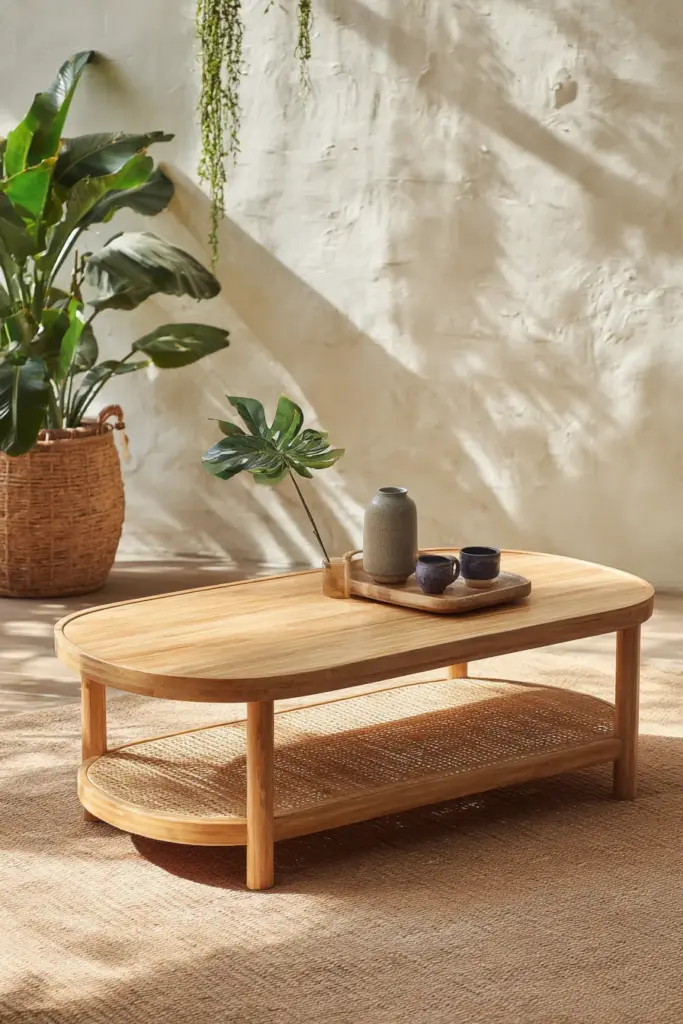
Rattan and woven cane add textural warmth, particularly beautiful in our local context. They nod to Filipino craftsmanship while staying true to Japandi’s natural material philosophy.
Consider tables with stone or ceramic accents—a marble inlay, a concrete base. These elements ground the design, adding weight and permanence without excess.
Material Comparison for Your Space
| Material | Best For | Maintenance Level | Climate Suitability (PH) | Price Range |
|---|---|---|---|---|
| Solid Oak | Durability, classic warmth | Medium (oil 2x/year) | Good with proper sealing | ₱15,000–₱45,000 |
| Walnut | Rich tones, statement pieces | Medium (oil 2x/year) | Good with humidity control | ₱20,000–₱60,000 |
| Bamboo | Lightweight, eco-friendly | Low (wipe clean) | Excellent (moisture-resistant) | ₱8,000–₱25,000 |
| Teak | Outdoor/high humidity | Low (weathers naturally) | Excellent | ₱18,000–₱50,000 |
| Rattan/Cane | Texture, tropical fusion | Low (dust regularly) | Excellent | ₱6,000–₱20,000 |
| Stone/Travertine | Modern edge, cooling | Very low (seal annually) | Excellent (heat-resistant) | ₱12,000–₱40,000 |
Sizing Your Japandi Coffee Table for Philippine Homes
Small Living Rooms (Under 20 sqm)
In compact condos and cozy townhomes, every centimeter counts. Your Japandi coffee table should measure 80–100 cm in length and stay slim in profile (40–50 cm wide).
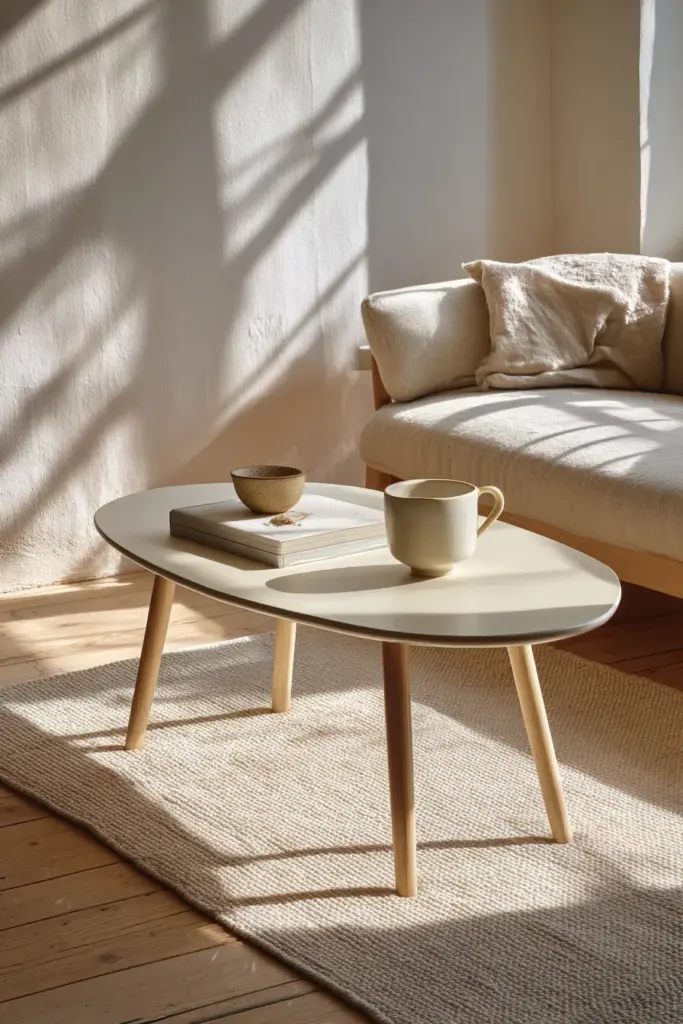
Look for designs with open bases or slim legs that don’t visually block the floor. This creates the illusion of more space, letting air and light flow underneath.
Round or oval tables work beautifully here. They eliminate sharp corners, making movement easier and the room feel gentler.
Medium to Large Spaces (20+ sqm)
Larger living rooms can embrace 120–150 cm rectangular tables or substantial round designs (90+ cm diameter). The key is proportion—your coffee table should relate harmoniously to your sofa length.
A good rule: the table should be two-thirds the length of your sofa. This creates visual balance without overwhelming the seating arrangement.
Consider nesting tables for versatility. They offer surface space when you’re entertaining but tuck away to free up floor area for yoga, play, or simply breathing room.
Styling Your Japandi Coffee Table: The Art of Restraint
The Rule of Three (and Open Space)
Japandi styling is about intentional emptiness. Your coffee table isn’t a display shelf—it’s a landscape where a few beautiful objects can truly be seen.
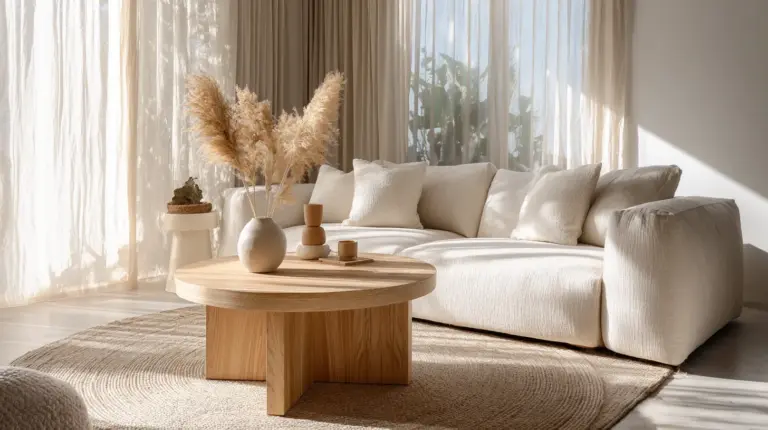
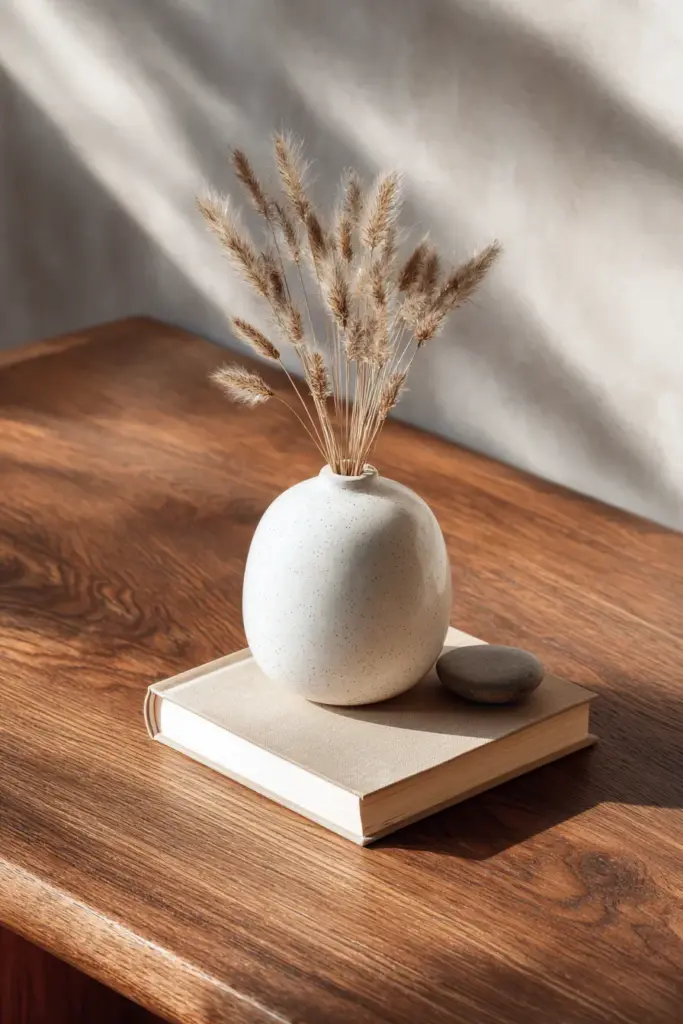
Choose three items maximum at any given time. Perhaps a small ceramic vase with a single branch, a favorite book, and a woven tray holding remotes. That’s enough.
Leave at least 40% of the surface bare. This negative space isn’t wasted—it’s essential. It’s where your eyes rest, where the wood grain can speak, where calm enters.
Layering Texture and Height
Create gentle visual interest through varied heights and textures. A low stone dish, a medium-height candle, a taller plant or sculptural object.
Incorporate natural elements daily. Fresh flowers, a bowl of smooth river stones, a wooden bead garland. These organic touches keep the space feeling alive without clutter.
Choose handmade ceramics over mass-produced decor. The slight irregularities in a hand-thrown vase or textured bowl add that wabi-sabi soul Japandi craves.
Functional Beauty: What Actually Lives on Your Table
Be honest about how you use your coffee table. If you take coffee there every morning, integrate practical storage beautifully. A wooden box for coasters, a basket for throws.
For families, consider a low-profile tray that corrals items but can be lifted off when you need the full surface. Choose one in natural materials—woven palm, light wood, ceramic.
In humid Philippine weather, avoid leaving water glasses directly on wood. Use coasters as part of your aesthetic—stone, cork, or ceramic coasters become part of the design story.
Budget-Conscious Japandi: Beauty Within Reach
Under ₱10,000: Smart Starts
Japandi style doesn’t demand luxury pricing. IKEA Philippines offers bamboo and solid pine options that capture the aesthetic at entry-level costs (₱4,000–₱9,000).
Local furniture markets in Pampanga and Cebu produce beautiful solid wood tables with Japandi-friendly lines at ₱6,000–₱12,000. Look for simple construction and natural finishes.
Consider DIY upgrades to basic pieces. A plain wooden table gains Japandi credentials with furniture oil that brings out grain, hairpin legs from hardware stores, or a simple refinish in matte natural tones.
Mid-Range (₱10,000–₱30,000): The Sweet Spot
This range offers solid construction in real hardwoods with thoughtful joinery. You’re paying for durability and materials that improve with age.
Filipino artisans on platforms like Marketplace and Carousell craft custom pieces in this bracket. You can specify dimensions perfect for your space while supporting local craftsmanship.
Look for pieces with subtle storage—a lower shelf, a single drawer. These add function without compromising the clean Japandi silhouette.
Investment Pieces (₱30,000+): Heirloom Quality
High-end Japandi coffee tables feature premium woods like walnut or teak, often with hand-rubbed oil finishes that require artisan skill.
These pieces include designer details—perfectly executed joinery, mixed materials like stone and wood, or sculptural bases that double as art.
An investment table should last decades. Consider it cost per use: a ₱40,000 table used daily for 20 years costs less than ₱6 per day.
Maintaining Your Japandi Coffee Table in Tropical Climate
Daily Care for Longevity
In the Philippines’ humidity, wood needs attention. Wipe spills immediately—moisture is the enemy of unsealed wood, causing rings, warping, or mold.
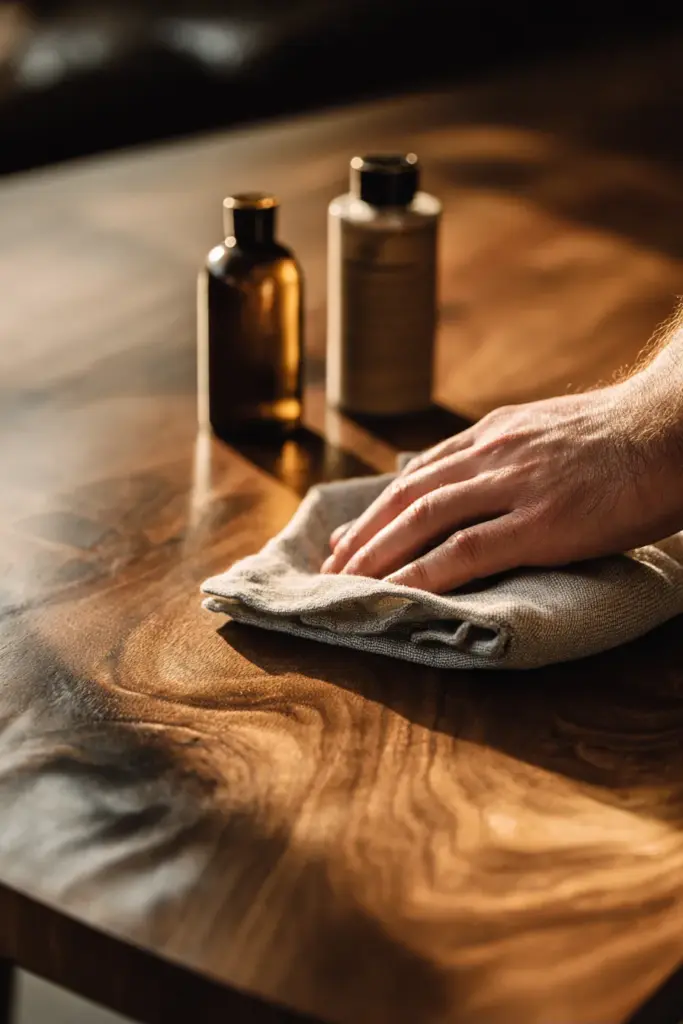
Use microfiber cloths for daily dusting. Avoid harsh cleaners; warm water and mild soap are enough for most surfaces.
Keep tables away from direct sunlight near windows. UV rays fade wood and can cause cracking over time. If placement is unavoidable, use sheer curtains to filter light.
Seasonal Deep Care
Every 6 months, oil your wooden table with furniture-grade tung or linseed oil. This feeds the wood, prevents drying, and maintains that soft glow Japandi is known for.
For humid rainy seasons (June–October), consider a dehumidifier in your living room. Keeping humidity below 60% protects wood furniture from moisture damage.
Check joinery annually. Tighten any loose screws, ensure legs remain stable. Well-maintained Japandi pieces should improve with age, developing a rich patina that adds character.
Climate-Specific Protection
Apply a water-resistant sealant if your table is near open windows or in high-traffic areas. Choose matte finishes that preserve the natural wood appearance.
For rattan or bamboo tables, avoid prolonged dampness. These materials resist humidity better than pine but can mildew if consistently wet.
Stone tops need resealing every 12–18 months in tropical climates to prevent water absorption and staining.
Multifunctional Designs: When Your Table Does More
Storage-Integrated Solutions
Modern Japandi coffee tables increasingly feature hidden storage that doesn’t disrupt clean lines. Lift-top mechanisms reveal compartments for remotes, magazines, or children’s toys.
Look for open lower shelves in contrasting materials. A wooden table with a rattan basket shelf below adds function and visual interest.
Some designs include pull-out drawers concealed within the apron. These work beautifully for small spaces where every storage opportunity counts.
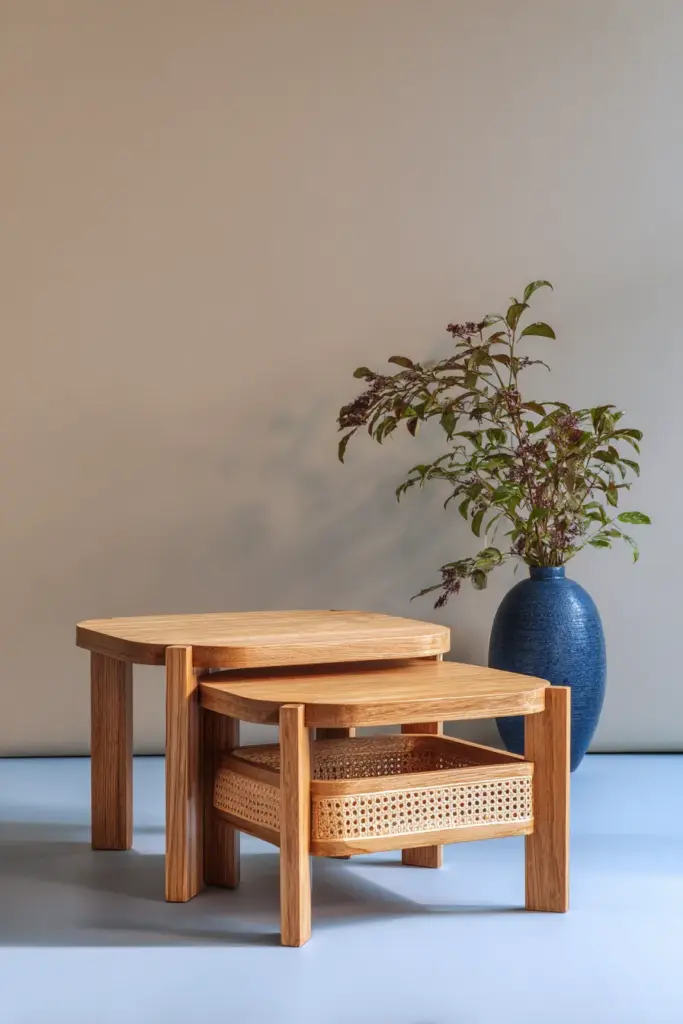
Nesting and Expandable Tables
Nesting table sets (typically 2–3 tables in graduating sizes) offer magnificent flexibility. Use all for entertaining, just one for daily living.
Choose sets where each piece is beautiful independently. You’ll often separate them to different rooms, so each should stand alone aesthetically.
Expandable tables with slide-out surfaces transform from coffee table to work surface or dining setup. Perfect for studio apartments or multipurpose living areas.
Where to Source Your Perfect Japandi Coffee Table
Local Philippines Options
All Home and Our Home stock affordable pieces with Japandi influences, particularly in bamboo and light woods (₱5,000–₱15,000 range).
The Marketplace at SM Home features local furniture makers. Visit in person to see grain patterns and test stability before buying.
Craftsman furniture makers in Pampanga (especially Angeles City) create custom solid wood tables. Search “custom furniture Pampanga” for artisans who can build to your specifications.
Online and Specialty Retailers
Nook PH (nook.ph) curates Japandi-aligned furniture with local delivery. Their solid wood collection balances quality and price.
IKEA Philippines remains the go-to for budget Japandi basics. The LISTERBY and STOCKHOLM lines capture the aesthetic at accessible prices.
International platforms like Etsy feature artisan Japandi tables, though shipping to the Philippines can double costs. Best for unique statement pieces.
What to Ask Before Buying
- What’s the wood source? Sustainable harvesting matters for longevity and ethics.
- How is it finished? Oil, wax, and water-based polyurethane react differently in our climate.
- What’s the warranty? Quality makers stand behind construction with 1–3 year guarantees.
- Can I see joinery photos? Dovetail and mortise-tenon joints outlast screws and glue.
- What are the exact dimensions? Measure your space, including clearance for walking (45–50 cm from table edge to sofa).
Japandi Coffee Tables and Philippine Design Fusion
Tropical Japandi: A Local Interpretation
Filipino homes bring their own genius to Japandi—we understand natural materials, tropical adaptability, and the poetry of simple living.
Consider rattan-and-wood hybrids that honor both Japandi minimalism and Philippine weaving heritage. A walnut frame with woven cane shelf feels both global and deeply local.
Native hardwoods like Narra (when ethically sourced) or Molave offer richness and durability perfect for our climate, with grain patterns that rival any Scandinavian oak.
Honoring Local Craftsmanship
Choosing locally made Japandi furniture supports Filipino artisans keeping traditional woodworking alive while adapting to contemporary aesthetics.
Many provincial furniture makers can create custom Japandi designs at lower costs than imported pieces, with quality rivaling international brands.
This fusion—Japanese restraint, Scandinavian warmth, and Filipino craftsmanship—creates something entirely our own. Japandi made meaningful by place.
Key Takeaways: Choosing Your Japandi Coffee Table
- Prioritize natural, solid materials: Oak, walnut, bamboo, or teak for longevity
- Match size to your space: 80–100 cm for small rooms, 120–150 cm for larger areas
- Embrace low profiles and organic shapes: Rounded edges, streamlined silhouettes
- Maintain with care: Regular oiling, humidity control, immediate spill cleanup
- Style with restraint: Maximum 3 items, 40% surface left bare
- Consider multifunctional designs: Storage, nesting options for flexibility
- Choose climate-appropriate finishes: Water-resistant sealants for Philippine humidity
- Support local when possible: Filipino artisans offer quality and customization
- Budget across ranges: Beautiful Japandi exists from ₱6,000 to ₱60,000+
- Think long-term: Investment in quality means decades of daily beauty
Bringing It Home
Choosing a Japandi coffee table is choosing a daily ritual of calm. It’s the surface where morning light pools, where your hand rests with tea, where life’s small beautiful moments gather.
In our busy Philippine lives—tropical heat, city noise, the rush of everything—this one piece of furniture becomes an anchor. A reminder that simplicity holds its own kind of luxury.
The right table doesn’t announce itself. It simply settles into your space like it’s always belonged there, quiet and essential as breath.
That’s the gift of Japandi. Not trend, but timelessness. Not decoration, but home.
Frequently Asked Questions
What makes a coffee table Japandi style?
A Japandi coffee table combines Scandinavian minimalism with Japanese wabi-sabi philosophy. Look for clean lines, natural wood (oak, walnut, bamboo), low profiles, neutral colors, and organic shapes. The design emphasizes functionality, quality materials, and intentional simplicity—beauty without excess.
Are Japandi coffee tables suitable for small living rooms?
Absolutely. Japandi tables excel in compact spaces due to their streamlined forms, open bases, and light visual weight. Choose tables 80–100 cm long with slim profiles or round shapes. The neutral finishes and low-profile design create an illusion of more space rather than crowding it.
How do I maintain a wooden Japandi coffee table in humid Philippine climate?
Apply furniture oil every 6 months to prevent drying and cracking. Use water-resistant sealant on surfaces, especially near windows. Wipe spills immediately, keep humidity below 60% with dehumidifiers during rainy season, and avoid direct sunlight. Choose naturally moisture-resistant woods like bamboo or teak when possible.Apply furniture oil every 6 months to prevent drying and cracking. Use water-resistant sealant on surfaces, especially near windows. Wipe spills immediately, keep humidity below 60% with dehumidifiers during rainy season, and avoid direct sunlight. Choose naturally moisture-resistant woods like bamboo or teak when possible.
What’s a reasonable budget for a quality Japandi coffee table in the Philippines?
Entry-level quality starts at ₱6,000–₱10,000 (bamboo, pine, or engineered wood). Mid-range solid hardwood pieces cost ₱10,000–₱30,000 and offer the best value for longevity. Investment tables in premium woods with artisan craftsmanship range ₱30,000–₱60,000+. Local makers often provide better value than imported pieces.
Can I mix Japandi coffee tables with other design styles?
Yes, beautifully. Japandi’s neutral palette and natural materials blend seamlessly with modern, tropical, bohemian, and even traditional Filipino styles. The key is maintaining the calm, uncluttered feeling—let the Japandi table ground the space while other elements add personality. Avoid overwhelming it with busy patterns or excessive decor.