
Table of Contents
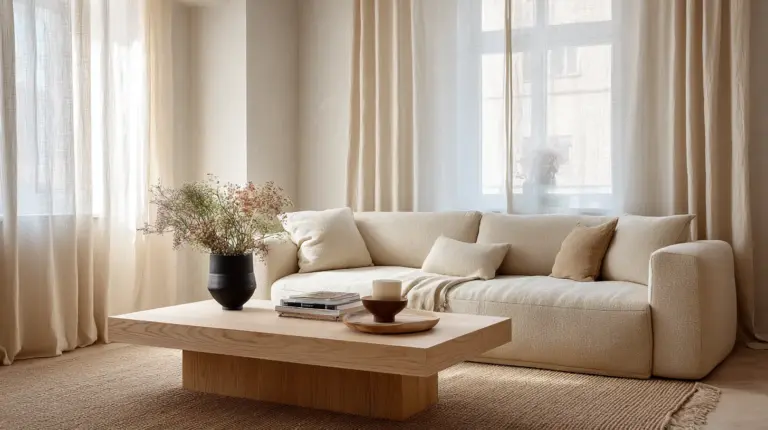
There’s something quietly powerful about a room that knows exactly what it needs—and leaves out everything else. A Japandi living room does this with grace. It blends the clean lines of Scandinavian design with the wabi-sabi beauty of Japanese aesthetics, creating spaces that feel both minimal and deeply lived-in.
And at the heart of it all? The rug beneath your feet.
A Japandi rug isn’t just a decorative layer. It’s the foundation that anchors your furniture, softens hard edges, and introduces texture into an otherwise pared-back palette. It whispers rather than shouts. It grounds without overwhelming.
In this guide, we’ll walk through everything you need to know about choosing, styling, and caring for Japandi living room rugs—from material choices to color palettes, sizing strategies to budget-friendly finds. Whether you’re starting fresh or refining your space, the right rug can transform your living room into a sanctuary of calm.
What Makes a Rug “Japandi”?
Japandi design is a marriage of two philosophies. Scandinavian style brings hygge—that cozy, light-filled comfort. Japanese design offers wabi-sabi—the appreciation of imperfection, natural materials, and mindful simplicity.
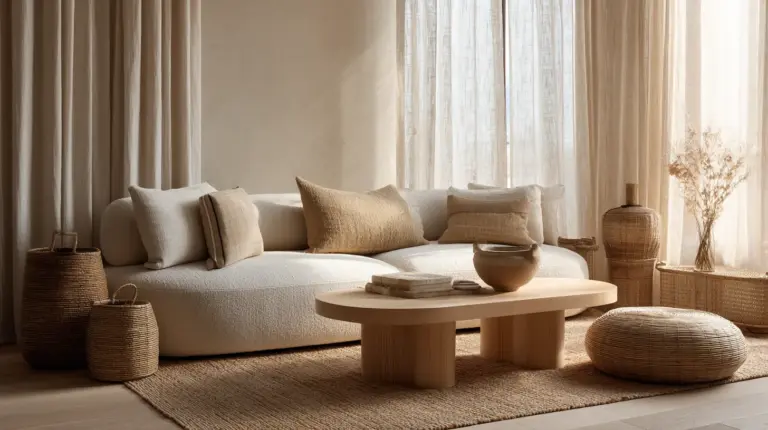
When these worlds meet in a rug, you get something special. Think natural fibers like jute, wool, and cotton. Neutral tones in beige, charcoal, soft gray, and warm taupe. Textures that beg to be touched—hand-woven, flatweave, subtly geometric.
Core Characteristics
Natural Materials First
Japandi rugs favor organic fibers over synthetics. Wool offers softness and durability. Jute brings earthy texture and visual warmth. Sisal adds structure. Even recycled cotton fits the sustainable ethos perfectly.
Neutral, Earthy Palettes
Colors stay grounded. You’ll see shades like Benjamin Moore’s Revere Pewter paired with olive or terracotta accents. Cream, ash gray, and warm sand create a backdrop that never competes with your furniture or art.
Clean Lines and Subtle Patterns
Geometric patterns appear, but they’re restrained—thin stripes, simple grids, or asymmetrical borders inspired by traditional Japanese textiles. The goal is visual interest without visual noise.
Handcrafted Quality
Mass production doesn’t fit the Japandi spirit. Hand-woven rugs carry slight imperfections that add character. They honor the maker’s touch and align with the wabi-sabi embrace of authenticity.
Best Materials for Japandi Living Room Rugs
Material matters more than you might think. It affects how your rug feels underfoot, how it ages, and how well it holds up to daily life. Here’s what works best in a Japandi space.
Wool: Soft, Durable, Timeless
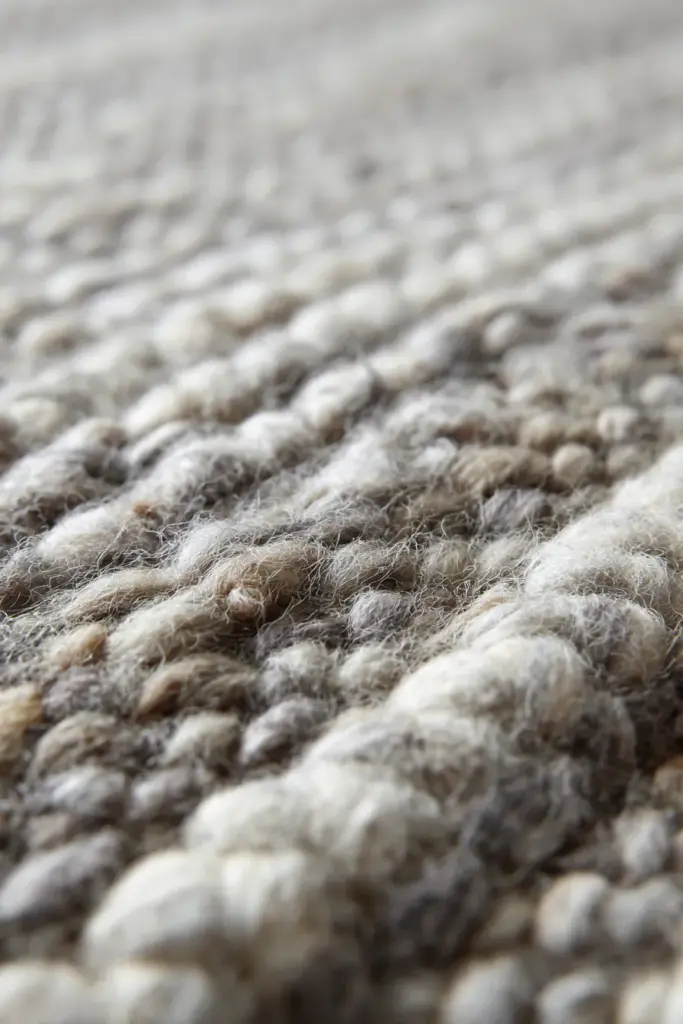
Wool rugs are the workhorses of Japandi design. They’re naturally stain-resistant, incredibly durable, and soft enough for bare feet. A hand-tufted wool rug in heathered gray or oatmeal can anchor a seating area for years without losing its charm.
Look for rugs with a low pile—around 0.5 inches—to maintain that sleek, minimalist profile. High-pile shag feels too busy for this aesthetic.
Jute: Textured and Earthy
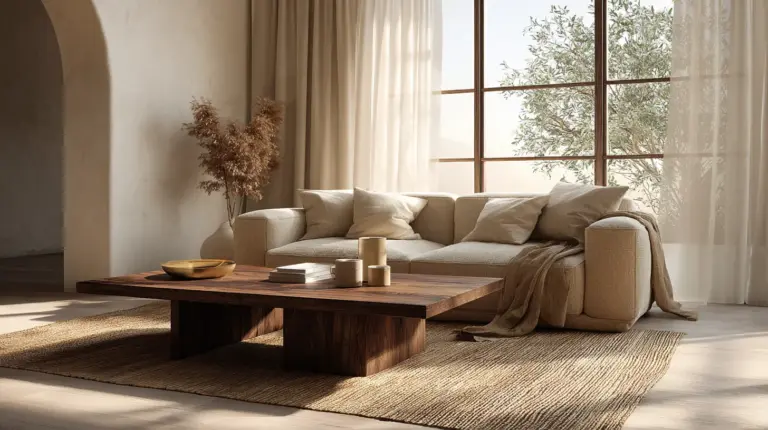
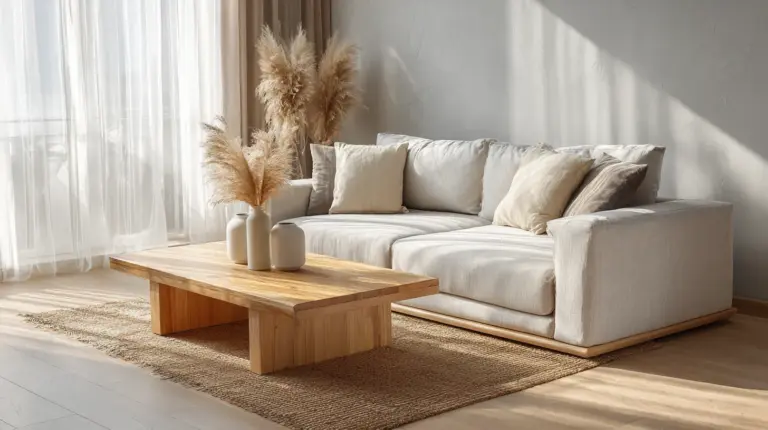
Jute brings raw, organic beauty to a room. Its coarse texture and natural beige-to-honey tones add warmth without color overload. It’s perfect for layering under sofas or coffee tables.
One note: jute isn’t ideal for high-moisture areas or homes with very active pets. It can shed initially and doesn’t handle spills as gracefully as wool. But in the right setting, it’s unbeatable for that grounded, natural look.
Cotton Flatweave: Lightweight and Versatile
Cotton flatweave rugs are budget-friendly, easy to clean, and perfect for smaller spaces. They work beautifully in beige, charcoal, or striped patterns. Plus, they’re machine-washable—a huge win for families.
These rugs are thinner, so consider layering with a rug pad for cushioning and grip.
Sisal: Structured and Long-Lasting
Sisal offers similar texture to jute but with greater durability. It’s tougher on bare feet but holds up exceptionally well in high-traffic areas. Use it in entryways or under dining tables where resilience matters most.
Sustainable and Recycled Fibers
For eco-conscious homes, look for rugs made from recycled PET (plastic bottles) or certified organic cotton. Brands offering GOTS (Global Organic Textile Standard) certification ensure your rug aligns with sustainable values—something deeply Japandi at its core.
Choosing the Right Size for Your Living Room
A rug that’s too small makes your furniture look like it’s floating. Too large, and it overwhelms the space. Japandi design thrives on proportion—so let’s get this right.
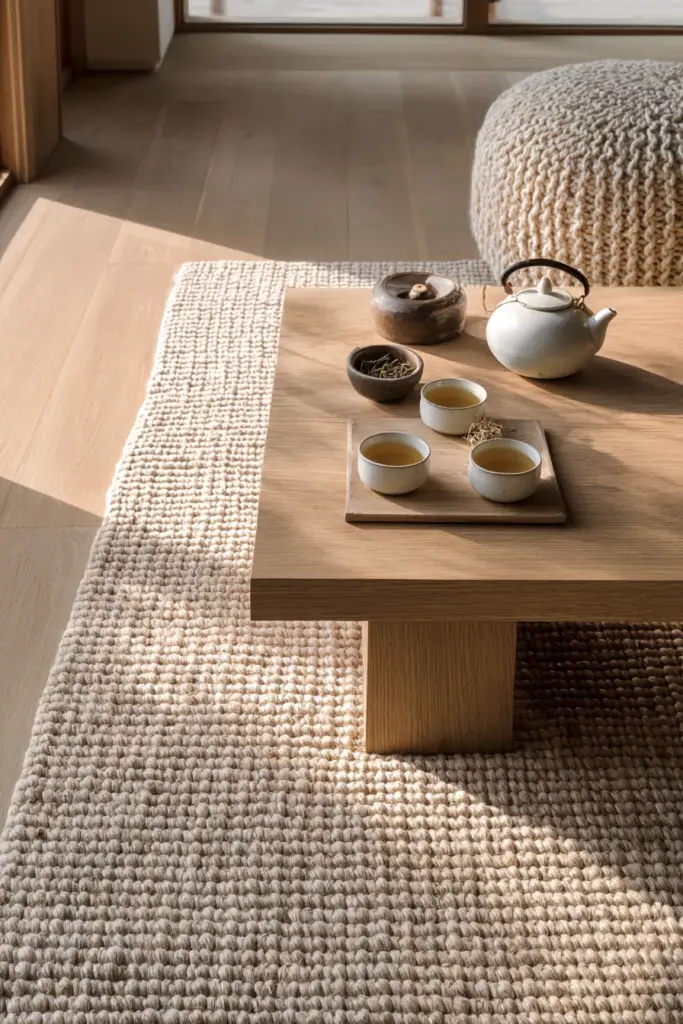
Standard Sizing Guidelines
| Room Layout | Recommended Rug Size | Placement Notes |
|---|---|---|
| Small living room (10×12 ft) | 5×7 ft or 6×9 ft | Place entirely under coffee table; front legs of sofa on rug |
| Medium living room (12×15 ft) | 8×10 ft | All furniture front legs on rug; anchors seating area |
| Large living room (15×18 ft) | 9×12 ft or 10×14 ft | Entire seating arrangement sits on rug; creates defined zone |
| Open-concept space | 10×14 ft or larger | Use rug to visually separate living area from dining zone |
The Front-Legs Rule
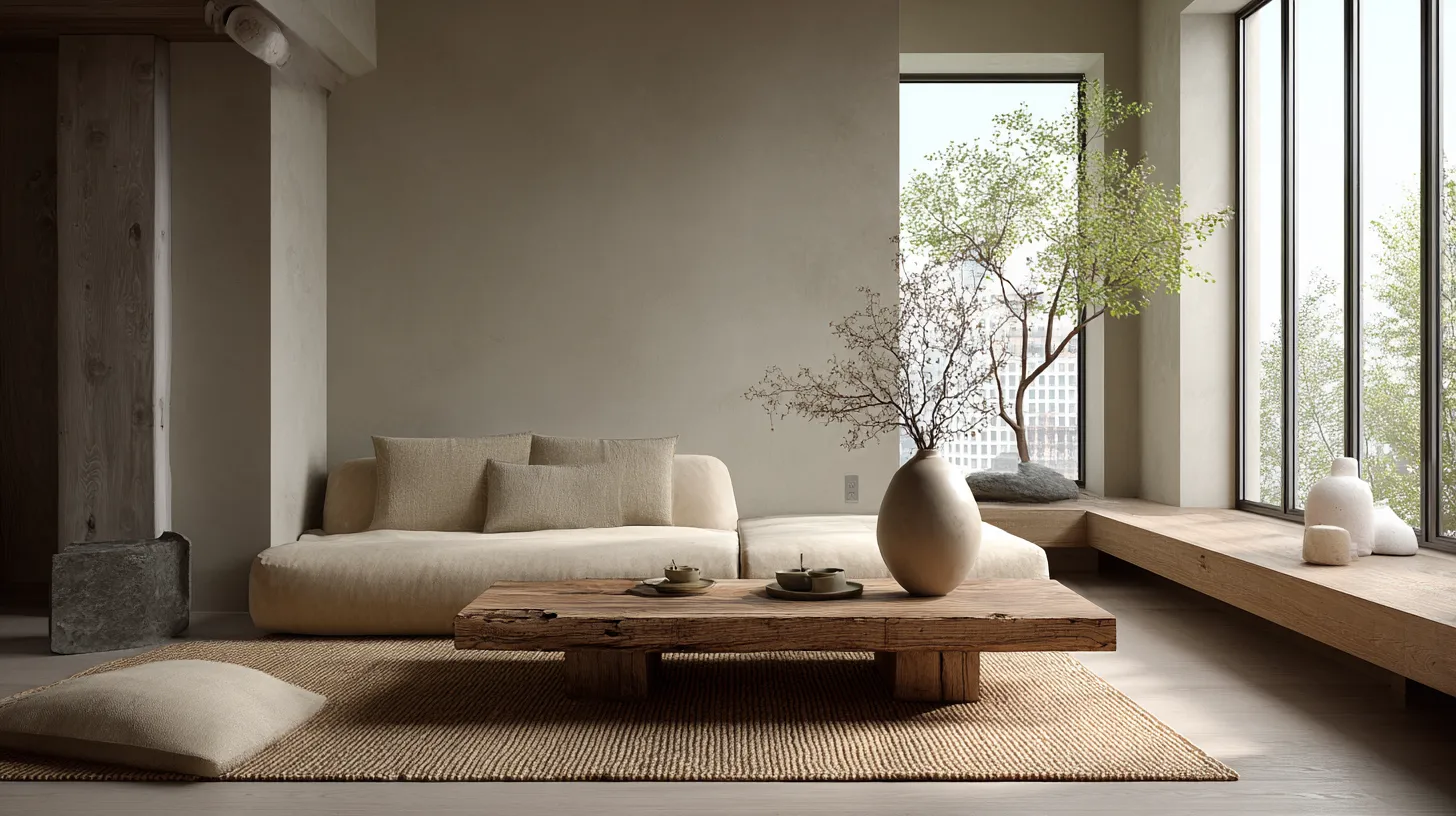
In Japandi spaces, you’ll often see the front legs of sofas and chairs resting on the rug while the back legs remain on the floor. This technique grounds the seating area without consuming the entire room. It’s balanced, intentional, and visually clean.
Layering for Depth
Want to add dimension? Layer a smaller, patterned rug over a larger jute base. This works beautifully in open-plan homes where you need to define zones without walls. Just ensure the top rug is at least 2 feet smaller on all sides than the base layer.
Color Palettes That Honor Japandi Aesthetics
Japandi color schemes are quiet but never boring. They draw from nature—stone, wood, earth, sky. Here’s how to choose tones that complement your space.
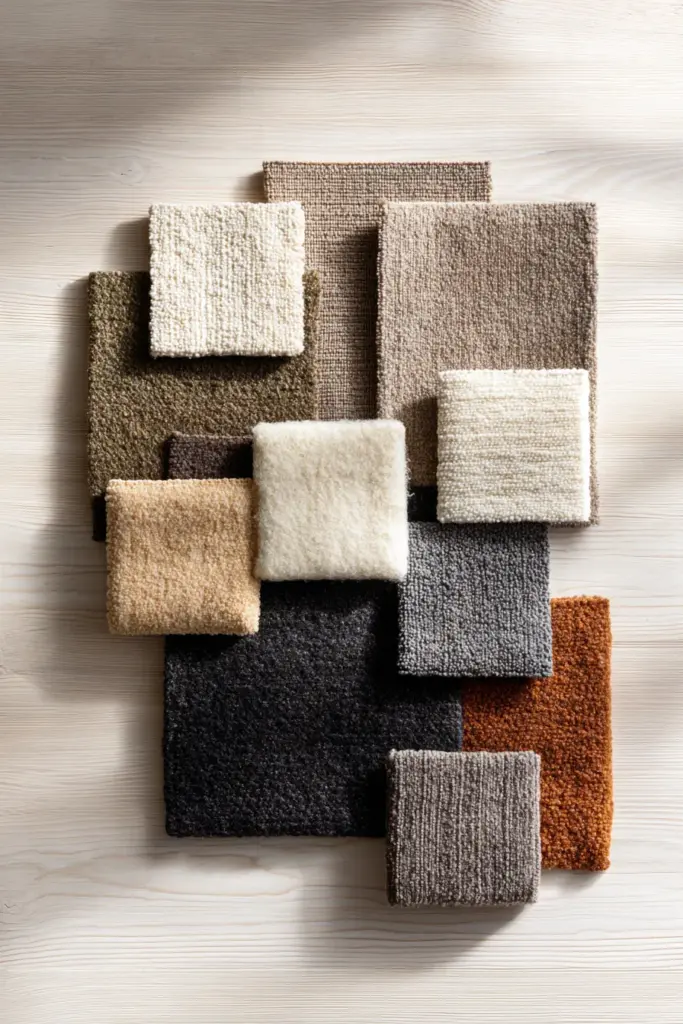
Neutral Foundations
Start with a base in beige, warm gray, or soft taupe. These shades act as a visual rest, allowing furniture and natural light to take center stage. A rug in Revere Pewter or Accessible Beige (Sherwin-Williams) blends seamlessly with oak floors and linen sofas.
Subtle Accents in Olive, Terracotta, and Charcoal
Once your neutral base is in place, introduce gentle color through accents. An olive-green border on a cream rug nods to nature. Terracotta threads woven into a beige field add warmth. Charcoal stripes bring just enough contrast without drama.
These colors pair beautifully with brass lighting fixtures, ceramic vases, and wooden coffee tables—all Japandi staples.
Monochromatic Depth
For a more refined approach, work within one color family. Layer shades of gray—from dove to slate—or move through the spectrum of beige from cream to mushroom. This creates tonal depth that feels sophisticated and serene.
Styling Your Japandi Rug: Practical Tips
Choosing the rug is only half the story. How you place and style it determines whether your room feels cohesive or cluttered.
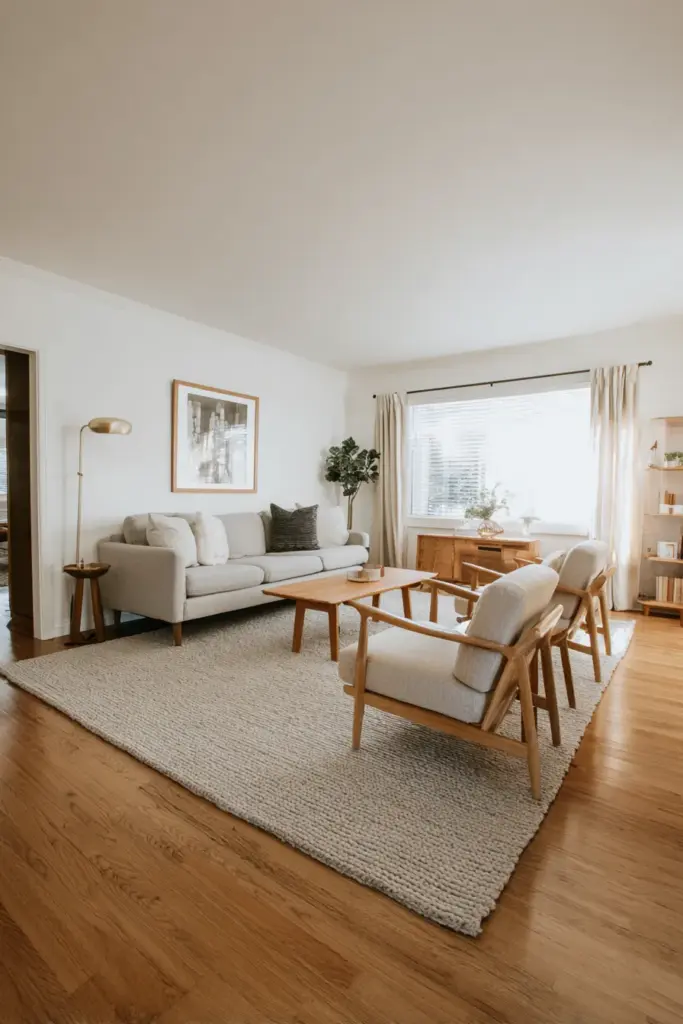
Anchor Your Seating Area
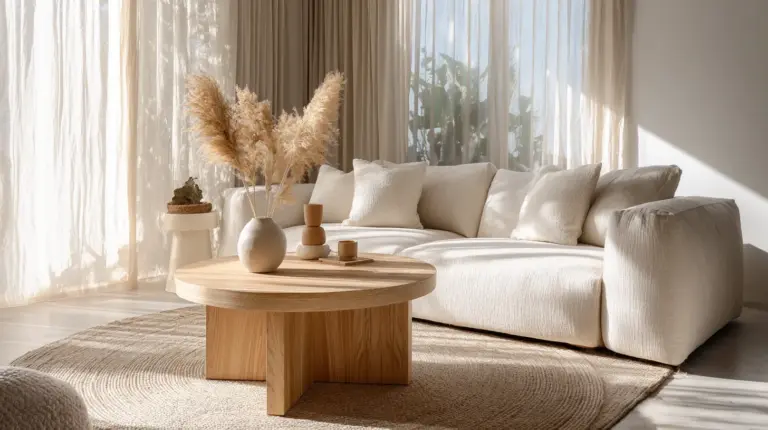
Your rug should define the conversation zone. Place your sofa so its front legs rest on the rug, and position accent chairs similarly. The coffee table sits entirely on the rug, creating a unified cluster that invites people in.
Balance with Low-Profile Furniture
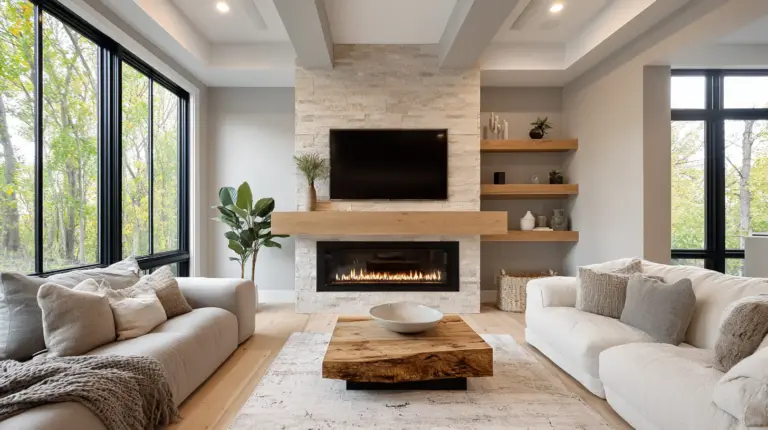
Japandi design favors furniture with clean lines and low profiles—think mid-century modern sofas, platform beds, and wooden benches. Pair these with a flatweave or low-pile rug to maintain visual flow. High-pile rugs can feel too plush and conflict with the minimalist ethos.
Integrate Natural Wood Tones
Wood is everywhere in Japandi spaces—oak floors, walnut tables, bamboo shelving. Your rug should complement, not compete. A jute or wool rug in warm beige echoes the honey tones of natural wood. Cooler grays work beautifully with darker walnut or black-stained timber.
Pair with Indirect Lighting
Floor lamps with linen shades, paper lanterns, and dimmable fixtures enhance the rug’s texture. Light that pools softly on the floor highlights the rug’s weave and creates intimate pockets of warmth. Avoid harsh overhead lighting—it flattens the space.
Add Organic Accents
Japandi rooms thrive on contrast between textures. A wool rug feels even softer next to a ceramic side table. Jute looks richer beside a ceramic vase filled with dried grasses. Layer linen throw pillows, wool blankets, and woven baskets to build a space that’s tactile and inviting.
Best Japandi Rugs for Different Budgets
You don’t need to spend thousands to achieve the look. Here’s how to find quality Japandi rugs at every price point.
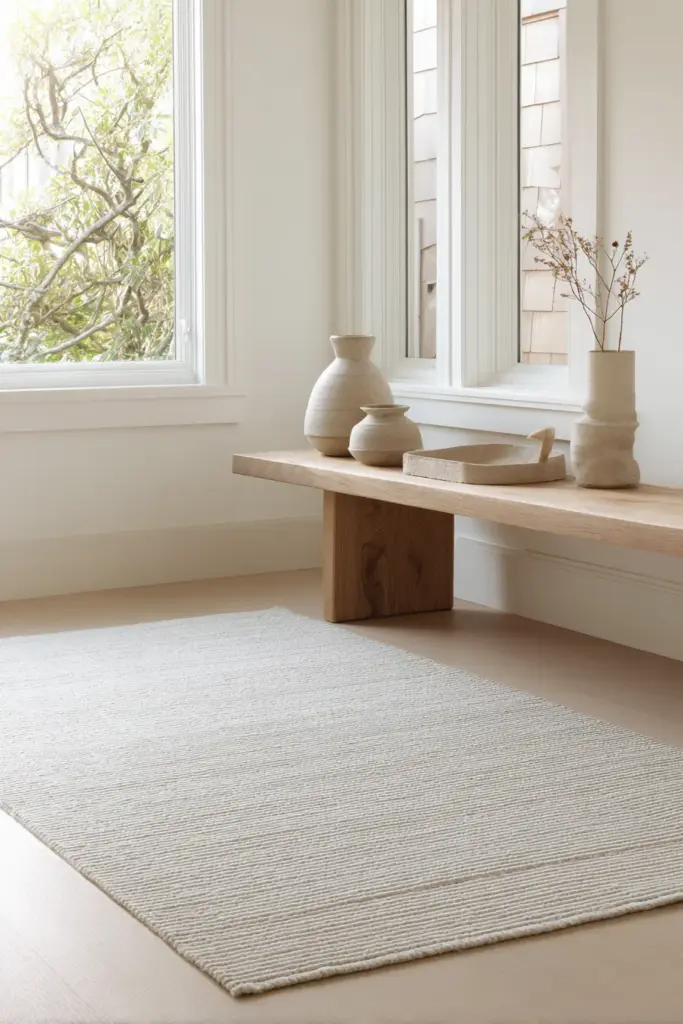
Budget-Friendly Finds (Under $300)
Look for cotton flatweave rugs in neutral stripes or solid colors. Etsy offers handmade options from independent makers, many under $200. Retailers like Target and H&M Home also carry minimalist designs in the Japandi spirit.
DIY Tip: Buy a plain natural jute rug from a local market (like Divisoria in the Philippines) and dye sections in soft gray or beige using fabric dye. This creates a custom, budget-conscious piece with authentic character.
Mid-Range Options ($300–$800)
At this level, you’ll find hand-woven wool rugs and higher-quality jute with reinforced edges. Brands like Rugs Direct, West Elm, and Article offer Japandi-appropriate designs with better durability and craftsmanship.
An 8×10 wool rug in this range will last a decade or more with proper care.
Investment Pieces ($800+)
For heirloom-quality rugs, explore brands specializing in hand-knotted or hand-loomed textiles. Look for GOTS-certified organic wool or sustainably harvested jute. These rugs improve with age, developing a patina that embodies wabi-sabi.
Japanese-inspired brands and Scandinavian makers often offer premium options that honor traditional techniques while fitting modern aesthetics.
Caring for Your Japandi Rug in Humid Climates
If you live in a humid environment like the Philippines, rug care requires extra attention. Natural fibers can absorb moisture, leading to mildew or weakening of fibers.
Regular Maintenance
Vacuum weekly using a handheld attachment or a vacuum without a beater bar. This removes dust without damaging fibers. For jute or sisal, avoid steam cleaning—it can cause warping.
Humidity-Resistant Treatments
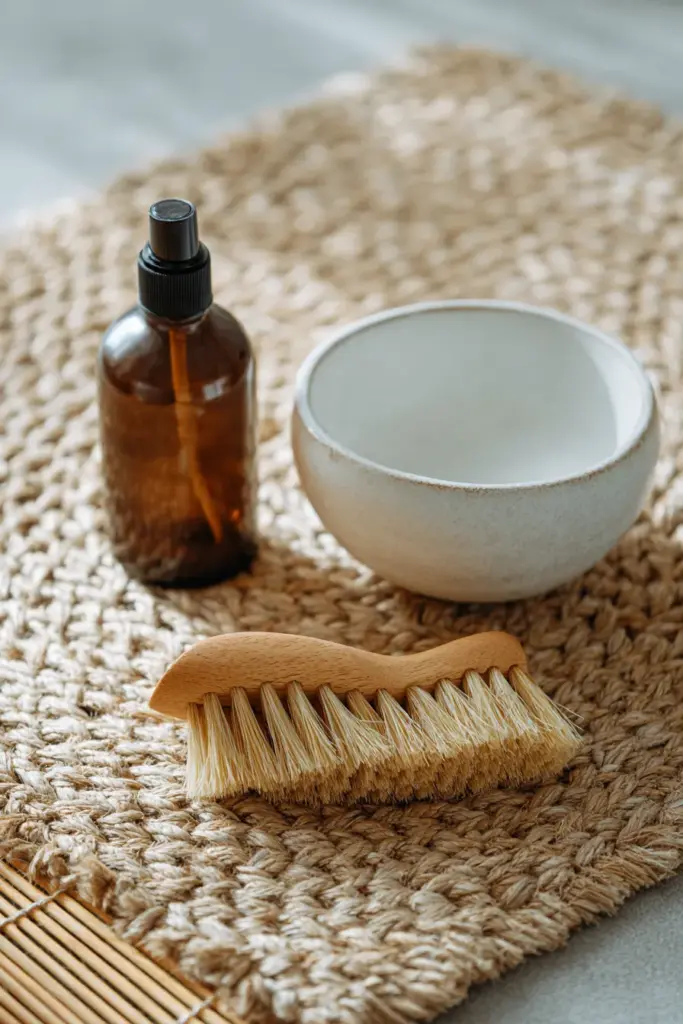
Treat jute rugs with a light borax solution to deter mold growth. Mix one tablespoon of borax with a cup of water, spray lightly, and let air dry completely before placing back in the room. Repeat every few months.
Rotate Quarterly
Flip and rotate your rug every three months to ensure even wear and prevent fading from sunlight. This simple step extends the life of your rug significantly.
Use Rug Pads
A quality rug pad prevents slipping, adds cushioning, and allows air circulation underneath. This is especially important in humid climates where moisture can get trapped between the rug and floor.
Spot Cleaning
Blot spills immediately with a clean, dry cloth. Avoid rubbing, which pushes the liquid deeper into fibers. For wool rugs, use a wool-safe cleaner. For jute, mix mild dish soap with water and dab gently.
Where to Source Japandi Rugs Locally and Online
Finding the right rug takes a bit of hunting, but these sources consistently deliver Japandi-appropriate designs.
Online Retailers
- Etsy: Independent makers offer hand-woven, customizable options
- Article: Scandinavian-inspired furniture and rugs with clean lines
- West Elm: Mid-range wool and jute rugs in neutral palettes
- Rugs Direct: Wide selection with filters for material and size
- 2Modern: Curated Japandi collections with designer options
Local Sourcing (Philippines)
Visit markets like Divisoria or Dapitan for affordable jute and cotton rugs. You can find raw materials to DIY your own pieces or unbranded rugs that fit the aesthetic at a fraction of retail prices.
Local artisans in Pampanga and other weaving communities also create beautiful handwoven textiles that align perfectly with Japandi values—supporting local craft while achieving authentic design.
Checklist: Choosing Your Perfect Japandi Rug
- Material: Wool for softness, jute for texture, cotton for easy care
- Color: Neutrals in beige, gray, taupe, or soft olive/terracotta accents
- Size: 8×10 ft for most living rooms; front legs of furniture on rug
- Pattern: Minimal—geometric, striped, or solid
- Durability: High-traffic areas need wool or sisal; jute for low-traffic zones
- Budget: $150–$300 for cotton/jute; $300–$800 for quality wool
- Sustainability: Look for GOTS certification or recycled fibers
- Rug Pad: Always use one for grip, cushioning, and airflow
- Climate Considerations: Treat natural fibers in humid environments
- Styling: Anchor seating, pair with wood furniture, enhance with soft lighting
Conclusion: The Soul Beneath Your Feet
A Japandi living room rug isn’t about making a statement. It’s about creating a foundation—literally and emotionally. It’s the soft landing after a long day, the texture that reminds you to slow down, the grounding force that holds your space together without demanding attention.
When you choose a rug thoughtfully—considering material, size, color, and care—you’re not just decorating. You’re building a home that reflects your values: simplicity, warmth, sustainability, beauty in the everyday.
So take your time. Feel the fibers. Notice how light plays across the weave. Let your rug become not just something you walk on, but something that walks with you through your life.
Frequently Asked Questions
What size rug is best for a Japandi living room?
An 8×10 ft rug works for most medium-sized living rooms. Ensure the front legs of your sofa and chairs rest on the rug to anchor the seating area visually. Smaller spaces can use a 5×7 ft or 6×9 ft rug under the coffee table.
Are jute rugs durable enough for high-traffic living rooms?
Jute is beautiful but best suited for low-to-medium traffic areas. For high-traffic zones, choose wool or sisal, which offer greater resilience. If you love jute’s look, reserve it for areas under coffee tables or away from main walkways.
How do I clean a wool Japandi rug?
Vacuum weekly without a beater bar. For spills, blot immediately with a dry cloth and use a wool-safe cleaner. Professional cleaning every 12–18 months helps maintain the rug’s integrity and appearance.
Do Japandi rugs work in homes with pets?
Yes, but material matters. Wool is more forgiving with pet hair and minor spills. Jute can snag with claws and absorbs moisture, making it less ideal. Consider flatweave cotton rugs for easy cleaning, or opt for durable wool blends.
Can I layer rugs in a Japandi living room?
Absolutely. Layering a smaller patterned rug over a larger neutral jute or wool base adds depth and defines zones in open-concept spaces. Keep the top rug at least 2 feet smaller on all sides, and ensure both rugs share a similar color palette for cohesion.