
Table of Contents
There’s something quietly powerful about stepping into a space that feels both minimal and warm. Where clean lines meet natural textures. Where every object seems chosen, not collected.
This is the soul of Japandi design—a graceful marriage of Japanese wabi-sabi and Scandinavian hygge. It’s minimalism that doesn’t feel cold, functionality that doesn’t sacrifice beauty.
For apartment dwellers, especially in urban spaces like Quezon City condos or compact Manila studios, Japandi offers something rare: a design philosophy that makes small spaces feel expansive. It breathes. It welcomes. It works.
Let’s explore how to bring this serene aesthetic into your living room, even when square footage is limited and rental rules apply.
What Is Japandi Style in Living Rooms?
Japandi living room design is the thoughtful blend of two distinct yet complementary philosophies. Japanese minimalism brings wabi-sabi—the beauty of imperfection, natural materials, and quiet restraint. Scandinavian design offers hygge—warmth, coziness, and functional simplicity.
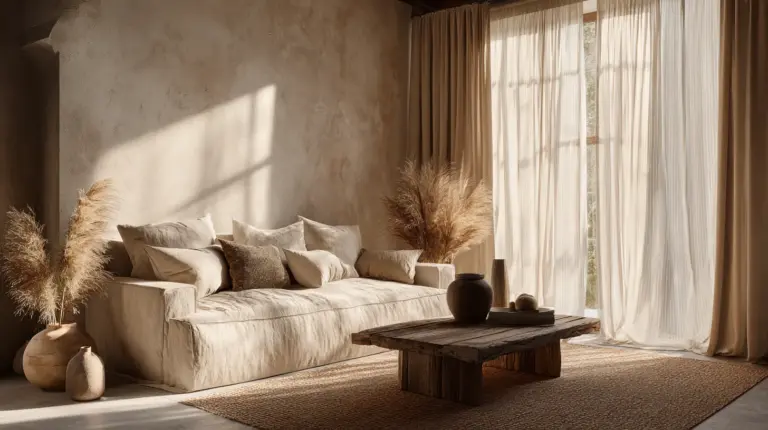
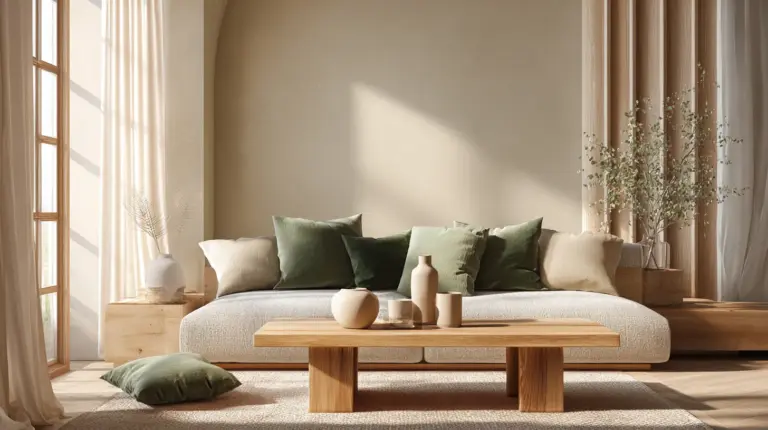
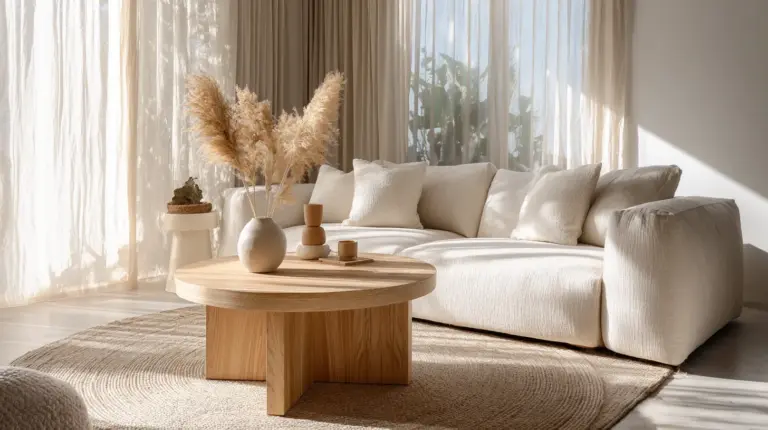
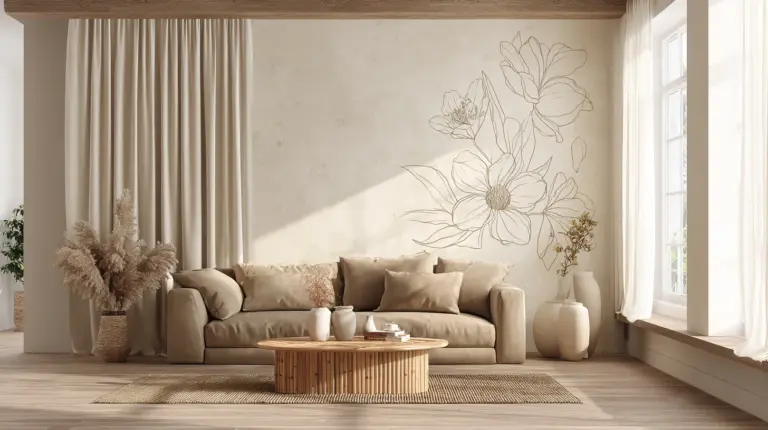
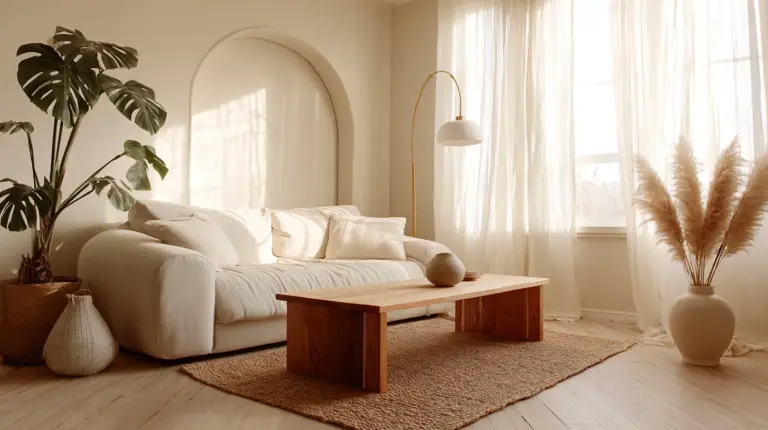
Together, they create living spaces that are uncluttered yet inviting. Think low-profile furniture in natural wood, neutral color palettes with earthy accents, and textured layers that invite touch.
The magic happens in the balance. Clean architectural lines meet organic shapes. Smooth surfaces pair with woven textures. Light floods the room, but soft textiles ensure it never feels stark.
Core Elements of Japandi Apartments
Natural Materials First
Wood is the foundation—light oak, ash, or locally sourced narra in the Philippines. Surfaces might include rattan, bamboo, linen, or wool. These materials age beautifully, developing character rather than looking worn.
Neutral Palette with Depth
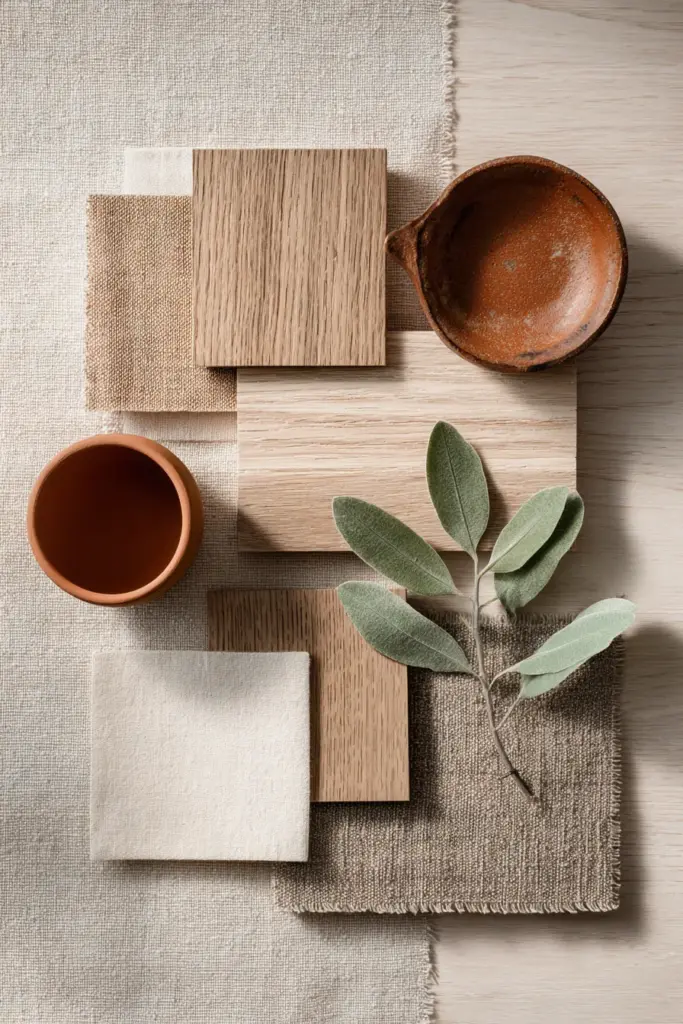
Base colors include soft whites, warm beiges, gentle grays, and taupe. Accent with muted terracotta, sage green, or charcoal. The palette feels cohesive, never sterile.
Minimal, Purposeful Décor
Every item serves a function or brings joy. A single ceramic vase. A hand-thrown bowl. A vintage textile. Quality over quantity defines the space.
Japandi Living Room Ideas for Small Apartments
Urban apartments demand clever design. The beauty of Japandi is how naturally it adapts to compact living through multifunctional thinking and visual lightness.
Multifunctional Furniture Solutions
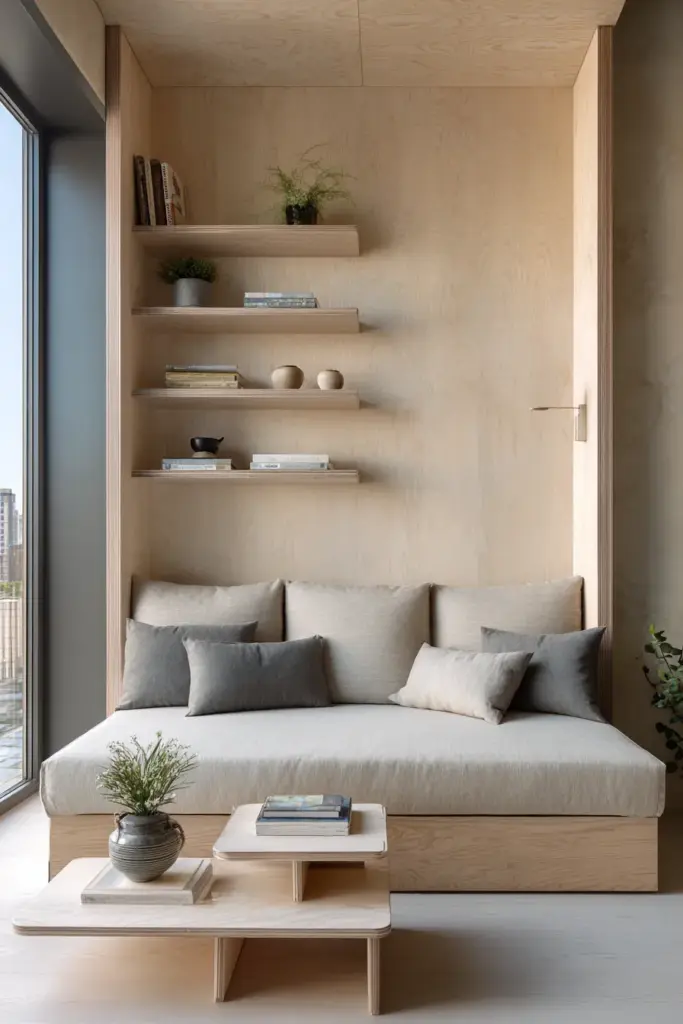
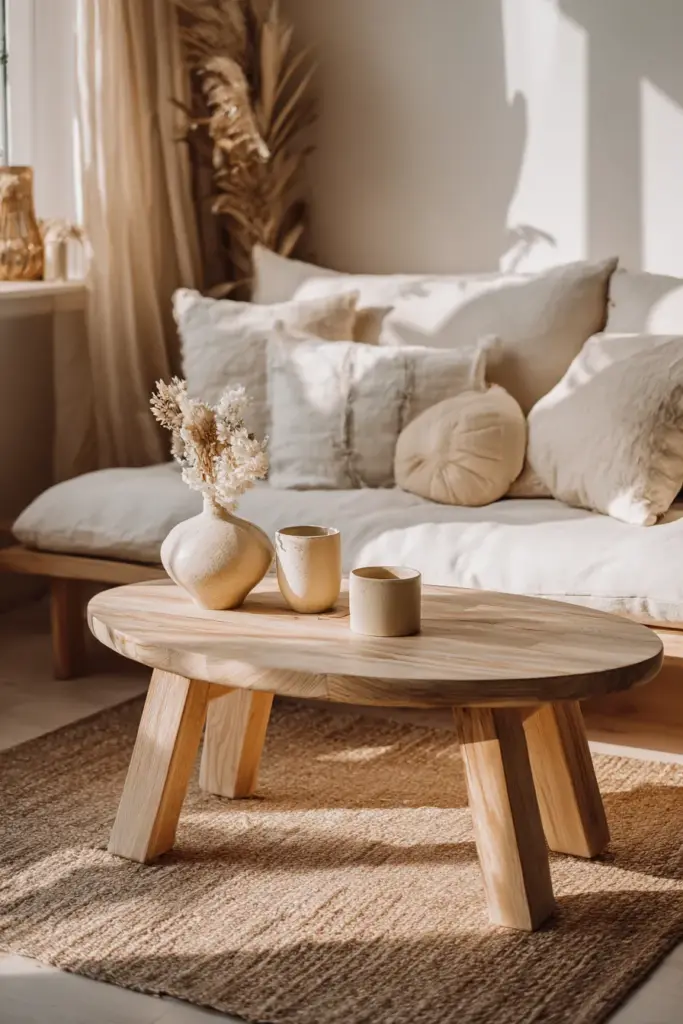
In a 24-30sqm studio, furniture must work harder. A low-profile sofa with hidden storage becomes seating, guest bed, and organizational hub. A Japanese-inspired platform serves as coffee table, extra seating, and display surface.
Consider Murphy beds integrated into plywood joinery—a nod to space-saving Japanese design. Nesting tables in light oak provide flexibility without visual clutter. Floating shelves in pale wood keep books and objects accessible while maintaining clean walls.
For Philippine condos, look for locally crafted pieces. Divisoria offers affordable wooden crates that become modular storage. Shopee Philippines stocks minimalist console tables under PHP 5,000 that work beautifully as room dividers.
Maximizing Natural Light
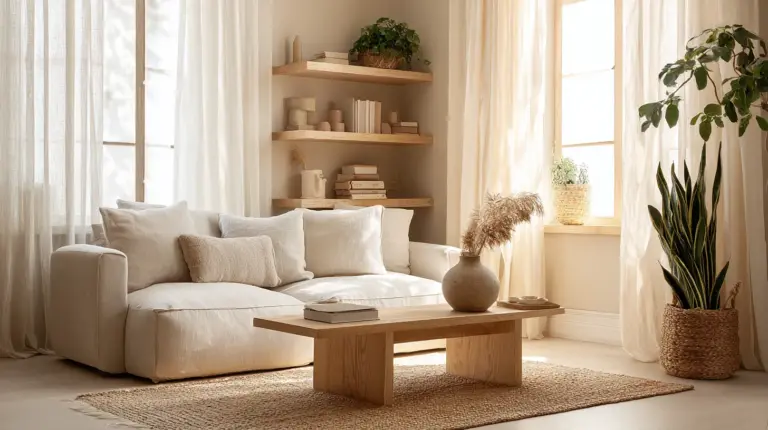
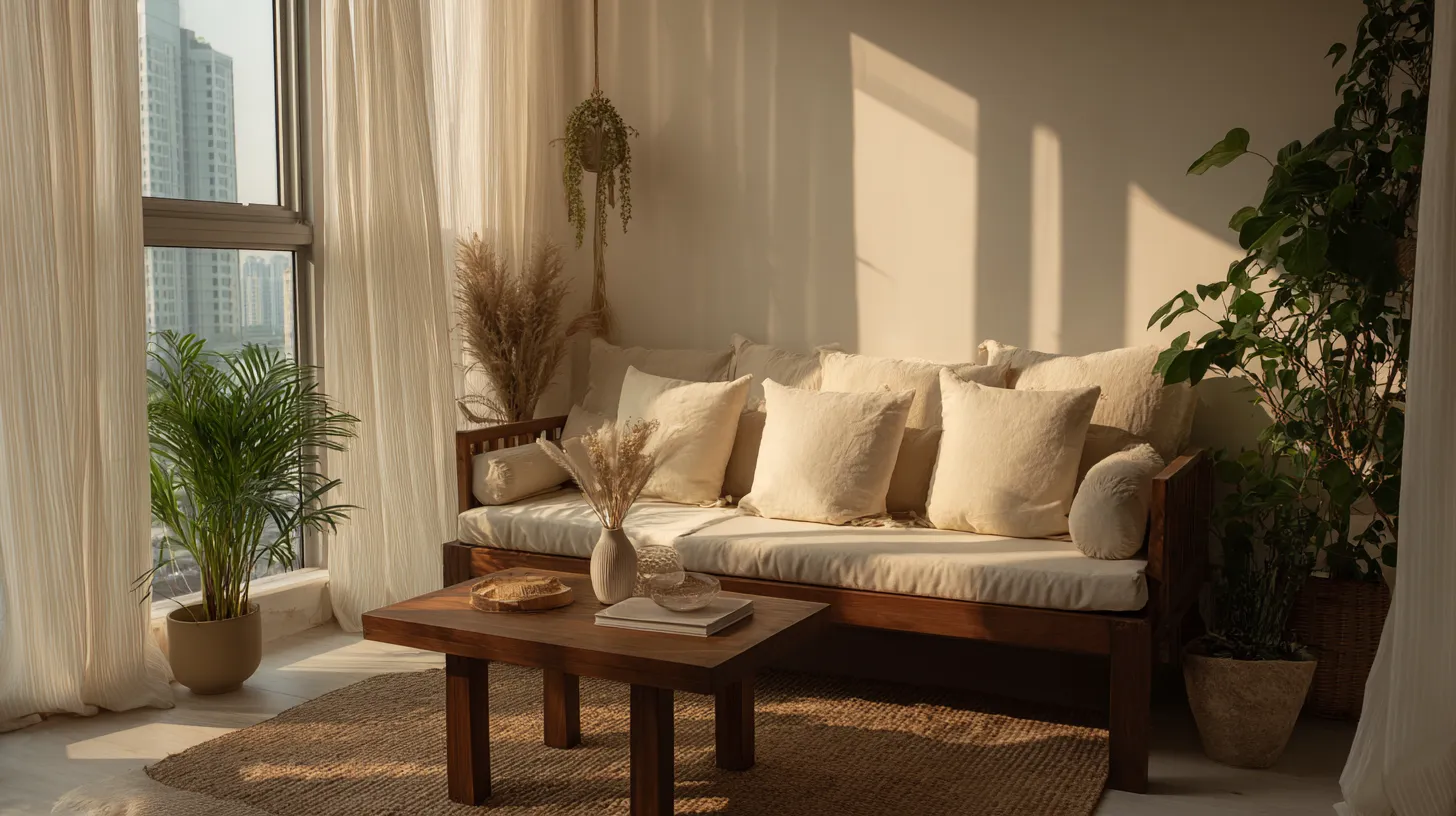
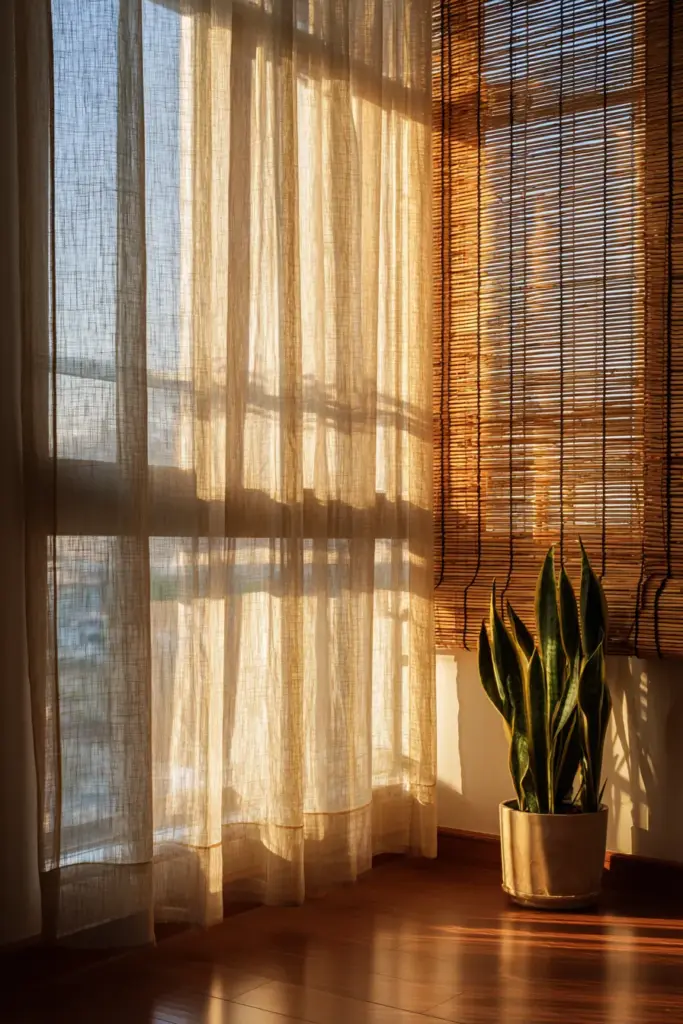
Light is the invisible architecture of Japandi spaces. Sheer linen curtains filter harsh sunlight while maintaining privacy—essential for closely-packed condo buildings. Choose cream or oatmeal tones that glow warmly when backlit.
Skip heavy drapes entirely in favor of wooden blinds or paper-inspired shades. These cast beautiful linear shadows that change throughout the day, adding dynamic visual interest.
Position mirrors strategically opposite windows to amplify natural light. A large round mirror in dark wood or a rectangular design with minimal framing doubles perceived space while staying true to Japandi aesthetics.
Smart Storage That Disappears
Japandi apartments thrive on hidden organization. Built-in storage behind sliding shoji-inspired panels keeps clutter invisible. Under-sofa drawers hold seasonal textiles. Wall-mounted cabinets in matching wood tones blend seamlessly with architectural features.
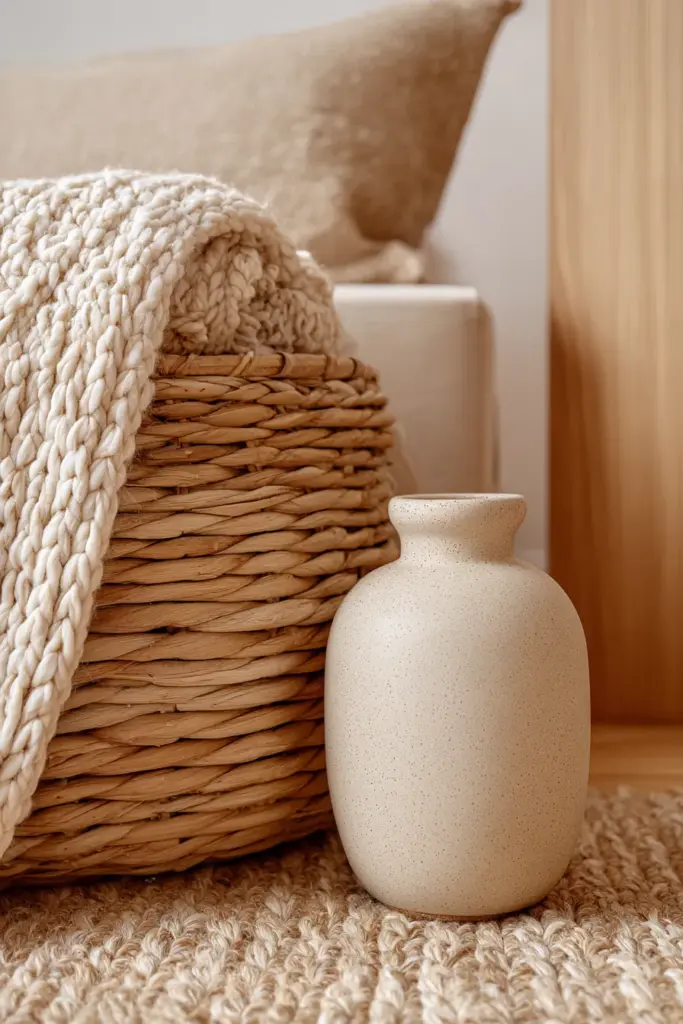
Woven baskets in water hyacinth or local abaca fiber provide beautiful, breathable storage for throws, magazines, or remote controls. They add organic texture while maintaining the uncluttered look.
For renters, tension rods and no-drill shelving systems offer flexibility. Command hooks in neutral tones support lightweight hanging storage without damaging walls.
Creating Japandi Living Rooms on a Budget
Achieving this aesthetic doesn’t require luxury spending. Thoughtful sourcing and strategic choices create authentic Japandi style within tight budgets.
Affordable Furniture Sourcing in the Philippines
Local Wood Markets
Visit Bambang or Divisoria for unfinished pine or narra pieces. A simple wooden bench costs PHP 1,500-3,000. Add natural oil finish yourself for authentic texture.
Thrift and Upcycle
Secondhand solid wood furniture from OLX or Facebook Marketplace needs only light sanding and natural wax treatment. An old teak sideboard becomes a media console for PHP 3,000.
DIY Textiles
Source natural linen fabric by the meter (PHP 200-400/meter) and create simple cushion covers. Imperfect hand-stitching adds wabi-sabi character.
Budget Breakdown: PHP 50,000 Japandi Living Room
| Item | Source | Estimated Cost |
|---|---|---|
| Low sofa (2-seater, light wood frame) | Shopee/Lazada | PHP 12,000 |
| Coffee table (reclaimed wood) | DIY/Divisoria | PHP 3,500 |
| Floor cushions (set of 3) | Local textile market | PHP 2,500 |
| Bamboo blinds | Hardware store | PHP 1,800 |
| Ceramic accent pieces | Local pottery studio | PHP 3,000 |
| Woven storage baskets (3) | Market/online | PHP 2,000 |
| Area rug (jute or abaca) | Local weaver/online | PHP 5,000 |
| Wall-mounted shelves | IKEA/local carpenter | PHP 4,000 |
| Plants and pots | Local nursery | PHP 3,000 |
| Lighting upgrades | Hardware/online | PHP 8,000 |
| Textile layers (throws, cushions) | Fabric by meter + DIY | PHP 5,200 |
| Total | PHP 50,000 |
Renter-Friendly Adaptations
Transform spaces without losing your deposit. Peel-and-stick wood-look flooring in light oak tones costs PHP 150-250 per square meter. Removable wallpaper in subtle linen textures adds warmth to plain walls.
Use 3M command strips for hanging lightweight art and mirrors. Tension rods between walls create instant shelving or room division without drilling. Freestanding screens in wood and paper offer flexible space definition.
Japandi Colors for Apartments: Building Your Palette
Color in Japandi spaces whispers rather than shouts. The palette draws from nature—earth, sky, stone, and wood.
Base Neutrals
Start with warm whites (not stark) for walls. Think eggshell, ivory, or cream with subtle yellow undertones. These reflect the Philippines’ golden sunlight beautifully.
Layer in sandy beige and soft taupe through larger furniture pieces. A linen sofa in natural oat color becomes the room’s anchor. Add gray through concrete-look planters or stone accessories in slate tones.
Earthy Accents
Introduce deeper earth tones sparingly. Terracotta in a single ceramic vase. Rust-colored wool throw across neutral seating. Sage green through living plants—pothos, snake plants, or fiddle leaf figs.
Black appears in minimal doses—a thin-framed floor lamp, matte black cabinet handles, or simple line art in black ink. It provides grounding contrast without heaviness.
Texture Over Color
In Japandi design, tactile variation often replaces bold color. A cream linen cushion beside a nubby wool throw beside smooth leather creates visual interest through texture alone. Light plays differently across each surface.
Wood grain provides natural color variation—the honey tones of ash, the rich browns of walnut, the pale cream of birch. Let material beauty shine without added pigment.
Essential Furniture for Japandi Living Room Apartments
The Low-Profile Sofa
Japanese-influenced seating sits closer to the ground. This creates visual spaciousness in small apartments by lowering sightlines. Look for wooden frames with exposed structure and cushions in natural fabrics.
A two-seater with clean lines in light oak works beautifully in studios. Add floor cushions in linen or canvas for flexible additional seating. Position away from walls to create flow in tight layouts.
The Multifunctional Coffee Table
Choose low, substantial pieces in natural wood. A Japanese-inspired table might feature simple joinery and a lower shelf for books or baskets. Scandinavian versions offer clean lines with hidden compartments.
For extreme space constraints, consider nesting tables or a large ottoman with tray top. Both provide surface area when needed, flexibility when you need floor space.
Storage with Soul
Japandi apartments need beautiful organization. A slim wooden console against the wall holds keys, plants, and personal objects while providing display space. Choose pieces with visible wood grain and simple hardware.
Open shelving in matching wood showcases carefully edited book collections and ceramics. The key is curation—each item visible, nothing crammed or hidden behind clutter.
Lighting Ideas for Japandi Living Rooms
Light shapes Japandi spaces as much as furniture does. Layer different sources at various heights to create warmth and function.
Natural Light Enhancement
Maximize daylight through strategic furniture placement. Keep window areas clear. Use reflective surfaces thoughtfully—light wood floors, pale walls, glass surfaces—to bounce light deeper into rooms.
In Philippine apartments with strong tropical sun, diffuse rather than block. Rice paper-inspired pendant shades, linen curtains, and light-filtering blinds soften harsh rays while maintaining brightness.
Ambient Evening Lighting
Replace overhead fluorescent with warm LED bulbs (2700-3000K). Install dimmers if landlords permit, or use smart bulbs that adjust color temperature through apps—a 2026 upgrade that respects rental rules.
Rice paper lanterns or sculptural pendant lights in natural materials become focal points. Hang at eye level when seated to create intimacy in compact rooms.
Task and Accent Lighting
Add focused light where needed. A slim arc floor lamp in black metal provides reading light without occupying floor space. Small table lamps in ceramic or wood bring warmth to shelving.
LED strip lighting under floating shelves or behind the sofa creates ambient glow. Battery-operated options avoid electrical work in rentals.
Bringing Nature Inside: Plants and Natural Elements
Japandi design honors nature’s presence. Living plants aren’t decorative extras—they’re essential elements that purify air and provide organic movement.
Low-Maintenance Plant Choices
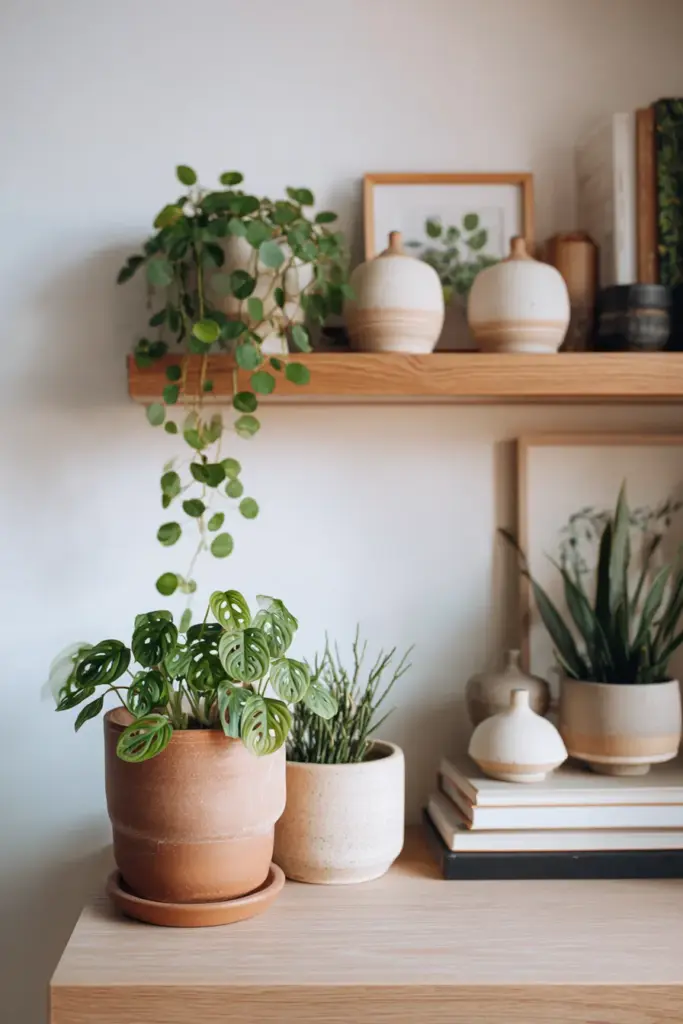
For busy apartment dwellers, choose resilient species. Snake plants thrive in low light and need minimal watering—perfect for windowless corners. Pothos vines trail beautifully from shelves, growing in water or soil.
ZZ plants tolerate neglect gracefully. Monstera deliciosa adds dramatic form with large sculptural leaves. Local succulents in terracotta pots cluster beautifully on windowsills.
Natural Material Accents
Beyond plants, bring nature through materials. A driftwood piece becomes sculpture. Smooth river stones in a shallow bowl add zen-like calm. Dried pampas grass in a tall ceramic vase provides soft movement.
Woven elements—rattan, bamboo, seagrass—introduce organic texture. A bamboo ladder leans against the wall holding throw blankets. Woven placemats layer under ceramic pieces on the coffee table.
Adapting Japandi for Philippine Climate
Tropical humidity and heat demand specific material choices and maintenance approaches.
Humidity-Resistant Fabrics
Choose natural materials that breathe. Linen and cotton resist mildew better than synthetic blends. Treat wooden furniture with natural oils that protect against moisture without toxic finishes.
Avoid heavy velvets or dense wools that trap heat. Instead, layer lightweight textiles that can be washed frequently. Removable cushion covers in linen blend keep upholstery fresh in humid months.
Dust and Air Quality Management
Philippine apartments face dust challenges. Choose washable area rugs over wall-to-wall carpet. Smooth wood furniture surfaces clean more easily than intricate carved pieces.
Install air purifiers disguised in natural materials—woven covers hide plastic housings. Position plants strategically as natural air filters. Keep minimal surface objects to reduce dust-collecting surfaces.
Cooling Without Compromising Design
Ceiling fans in matte black or natural wood finishes maintain aesthetic while providing comfort. Place portable fans behind lightweight fabric screens when not in use.
Use natural ventilation strategically. Shoji-inspired sliding panels or room dividers allow air flow while creating flexible space division—essential in studio apartments functioning as bedroom, living room, and office.
Japandi Living Room Layout for 20-40sqm Apartments
Smart spatial planning makes compact apartments feel generous.
Zone Definition Without Walls
Create distinct areas using furniture arrangement. Position the sofa perpendicular to the wall to separate living from sleeping zones. A low bookshelf or console table behind the sofa acts as subtle division.
Area rugs define spaces visually. A jute rug anchors the living area while wooden flooring flows through the rest. This creates boundaries without blocking light or air.
Traffic Flow Considerations
Maintain 60-80cm walking paths between furniture pieces. In tight layouts, choose furniture with exposed legs that create visual lightness—the floor showing beneath makes spaces feel larger.
Keep the center of the room open. Push furniture toward walls or corners, creating a clear central pathway. This prevents the cramped feeling common in overfurnished small apartments.
Vertical Space Utilization
Look up. Install floating shelves at varying heights to draw the eye upward. Tall, narrow storage makes use of vertical space without consuming floor area.
Hang plants from ceiling hooks or wall-mounted planters. This greenery doesn’t compete for surface space while adding life and softening hard architectural lines.
Maintenance and Longevity: Caring for Japandi Pieces
Wabi-sabi embraces aging, but proper care ensures furniture develops patina rather than deterioration.
Wood Furniture Care
Treat unfinished wood with natural oils—coconut, linseed, or tung oil—every 3-6 months. This enhances grain while protecting against moisture. Wipe spills immediately to prevent water marks.
Dust regularly with soft cloths. Avoid harsh chemicals that strip natural finishes. For Philippine humidity, consider food-grade mineral oil that won’t go rancid in warm conditions.
Textile Maintenance
Wash natural fabric cushion covers monthly in gentle cycles with mild detergent. Air dry to prevent shrinkage. Rotate cushions regularly to ensure even wear and sun exposure.
Vacuum upholstered furniture weekly using soft brush attachments. Spot clean with mild soap and water. For stubborn stains on linen, a paste of baking soda and water works naturally.
Seasonal Refreshing
Every few months, edit displayed objects. Rotate ceramic pieces, swap textile colors subtly with seasons (warmer tones in rainy months, cooler in summer), and refresh plant arrangements.
This practice of gentle editing keeps the space feeling curated and prevents visual stagnation while honoring the Japandi principle of intentional living.
Japandi Living Room Checklist: Key Elements
Before starting your transformation, ensure you have these foundational elements:
Furniture Essentials:
- Low-profile sofa or seating in natural fabric
- Simple wooden coffee table with clean lines
- Multifunctional storage (baskets, shelves, or cabinets)
- Floor cushions or poufs for flexible seating
Material & Texture:
- Natural wood in light to medium tones
- Woven elements (rattan, bamboo, jute)
- Linen or cotton textiles in layers
- Ceramic or pottery accent pieces
Color Palette:
- Warm neutral base (cream, beige, soft gray)
- Wood tones as primary color
- One or two muted accent colors (sage, terracotta, charcoal)
- Minimal use of pure black for contrast
Lighting:
- Warm LED bulbs (2700-3000K)
- Natural light maximization (sheer curtains, mirrors)
- Layered lighting (ambient, task, accent)
- Natural material lamp shades or fixtures
Nature Integration:
- Living plants (minimum 3-5 in space)
- Natural fiber area rug
- Organic decorative elements (stone, wood, dried botanicals)
Space Planning:
- Clear traffic flow with 60-80cm pathways
- Defined zones in open-plan layouts
- Vertical storage solutions
- Minimal surface clutter
Your Japandi Journey Begins
Creating a Japandi living room isn’t about perfect execution. It’s about intention. About choosing each element thoughtfully, letting your space breathe, and honoring both function and beauty.
In apartments where space is limited, this philosophy offers something profound: permission to live with less while feeling surrounded by more. More light. More texture. More peace.
The ceramic bowl you chose carefully. The linen throw that softens the sofa. The way afternoon light filters through bamboo blinds, casting gentle shadows across pale walls. These aren’t just design choices—they’re daily rituals of beauty.
Start small. Perhaps with one wooden piece that speaks to you. A plant in the perfect pot. A textile that invites touch. Let your space evolve naturally, seasonally, at the pace that feels right.
This is the soul of Japandi: rooms that grow with you, materials that age gracefully, spaces that feel like home not because they’re finished, but because they’re lived in with care.
Welcome to slower, softer, more intentional living. Your apartment is ready to exhale.
Frequently Asked Questions
How do I start a Japandi living room with limited budget?
Begin with one quality wooden piece—a simple coffee table or bench from local markets like Divisoria (PHP 2,000-4,000). Add affordable natural textiles: jute rugs, linen cushion covers you can DIY, and thrifted ceramic pieces. Focus on decluttering and editing first—Japandi style costs nothing when you remove excess. Paint walls in warm neutral tones using leftover paint from neighbors or sample sizes. The foundation is simplicity, not spending.
What furniture works best in Japandi studio apartments?
Prioritize multifunctional pieces: low sofas with storage underneath, Murphy beds integrated into wall units, nesting tables, and ottomans that serve as seating, storage, and coffee tables. Choose furniture with exposed wooden legs to create visual lightness—seeing floor beneath makes spaces feel larger. Platform beds with built-in shelving eliminate the need for separate nightstands. Every piece should serve at least two purposes in compact spaces.
Can Japandi style work in Philippine tropical climate?
Absolutely. Choose natural breathable fabrics like linen and cotton that resist humidity better than synthetics. Treat wood furniture with coconut or mineral oil to protect against moisture. Favor washable textiles over permanent upholstery. Install proper ventilation—ceiling fans in natural wood finishes fit the aesthetic. Select dust-resistant surfaces and minimal decorative objects. The key is adapting material choices while maintaining the neutral palette and natural texture principles.
How do I make Japandi work in a rental apartment?
Focus on furniture and removable elements rather than renovations. Use peel-and-stick wood flooring, removable wallpaper in subtle textures, and command hooks for hanging items. Choose freestanding furniture instead of built-ins. Add area rugs to define spaces without permanent changes. Battery-operated lighting and tension rod shelving require no electrical work or drilling. Smart bulbs let you adjust lighting warmth without rewiring. When you move, everything can come with you or be removed without damage.
What’s the difference between Japandi and regular minimalism?
Regular minimalism can feel cold or sterile—focused purely on reduction. Japandi adds warmth through natural materials, organic textures, and the Japanese concept of wabi-sabi (beauty in imperfection). It’s minimalism with soul. Where stark minimalism might feature all-white rooms and metal furniture, Japandi introduces wood grain, woven textiles, ceramic handmade pieces, and earth-toned layers. Function matters equally to form. The goal isn’t emptiness but rather intentional, beautiful simplicity that invites you to rest and breathe.