
Table of Contents
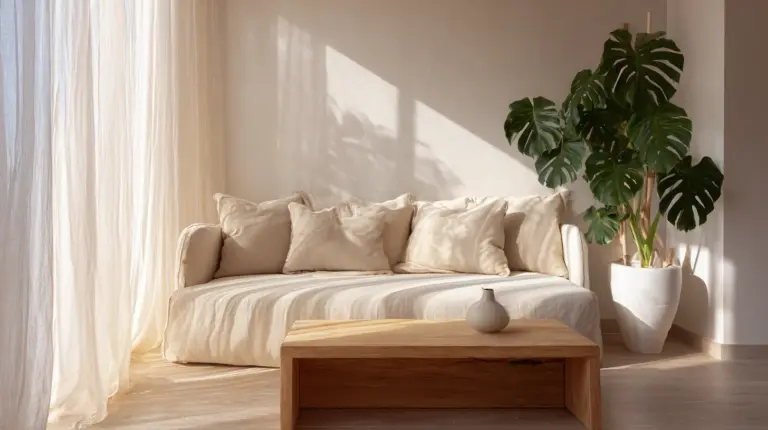
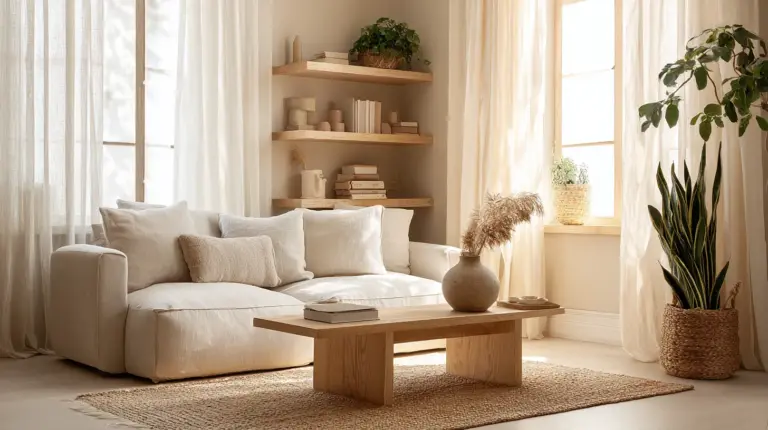
There’s something quietly powerful about a room that breathes. A space where light falls softly across raw linen, where the grain of reclaimed wood tells its own story, where every element feels both purposeful and wonderfully imperfect. This is the magic that unfolds when Japandi design embraces Wabi Sabi philosophy—a union of Japanese minimalism, Scandinavian warmth, and the profound beauty of things as they are.
In your living room, this marriage creates more than visual appeal. It cultivates stillness in the everyday chaos, inviting you to slow down and notice the way afternoon sun catches a handmade ceramic bowl, or how a single branch in a simple vase anchors an entire corner with quiet dignity.
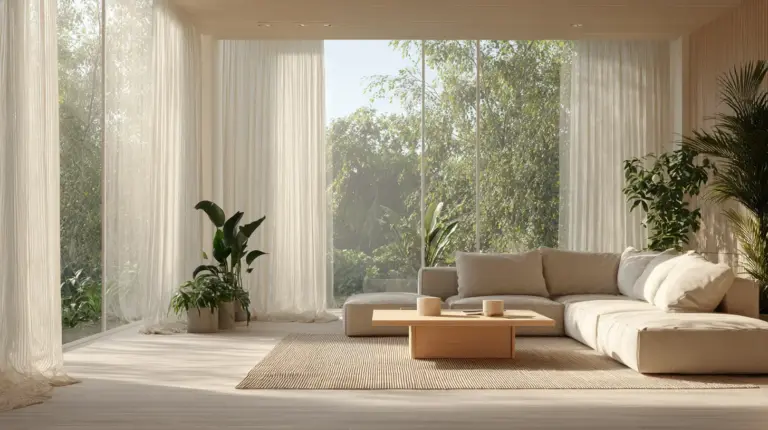
Whether you’re in a Manila apartment with limited natural light or a spacious home seeking soulful simplicity, the Japandi Wabi Sabi living room offers a path toward intentional, beautiful living. Let’s explore how to bring this serene aesthetic into your own space—with texture, restraint, and heart.
Understanding Japandi and Wabi Sabi: Two Philosophies, One Vision
What is Japandi?
Japandi emerges where Japanese precision meets Scandinavian coziness. Born from two design traditions that cherish simplicity, this style blends clean lines with functional warmth. Think low-profile furniture in pale oak, neutral palettes punctuated by black accents, and spaces that feel uncluttered yet inviting—never cold.
The Scandinavian influence brings hygge, that untranslatable sense of comfort and contentment. You’ll see it in the soft throw draped over a sofa, the warm glow of ambient lighting, the invitation to curl up and stay awhile.
What is Wabi Sabi?
Wabi Sabi runs deeper than aesthetics—it’s a Japanese philosophy celebrating transience, imperfection, and the authentic beauty of natural aging. A crack in pottery isn’t a flaw but a testament to time. Weathered wood isn’t damaged; it’s lived-in, honest, real.
This worldview transforms how we see our spaces. Instead of chasing perfection, Wabi Sabi asks us to honor the worn leather chair, the handmade bowl with its irregular glaze, the wall with its subtle texture variations.
Where They Meet in Your Living Room
When Japandi embraces Wabi Sabi, functionality gains soul. The clean lines remain, but they’re softened by organic imperfections. Minimalism stays, but it’s warmed by natural aging and artisanal touches. The result? A living room that feels both edited and deeply human—a sanctuary that welcomes you home.
Core Principles for Your Japandi Wabi Sabi Living Room
Embrace Natural Materials with Stories
Wood should show its grain—knots, variations, and all. In Manila, consider locally sourced narra or reclaimed molave for coffee tables or shelving. These Philippine hardwoods bring warmth while supporting sustainable practices.
Stone, whether in a side table or decorative element, grounds a space with its cool permanence. Linen, cotton, and jute in their natural, undyed states add tactile softness without visual noise.
The Neutral Palette: Beyond Beige
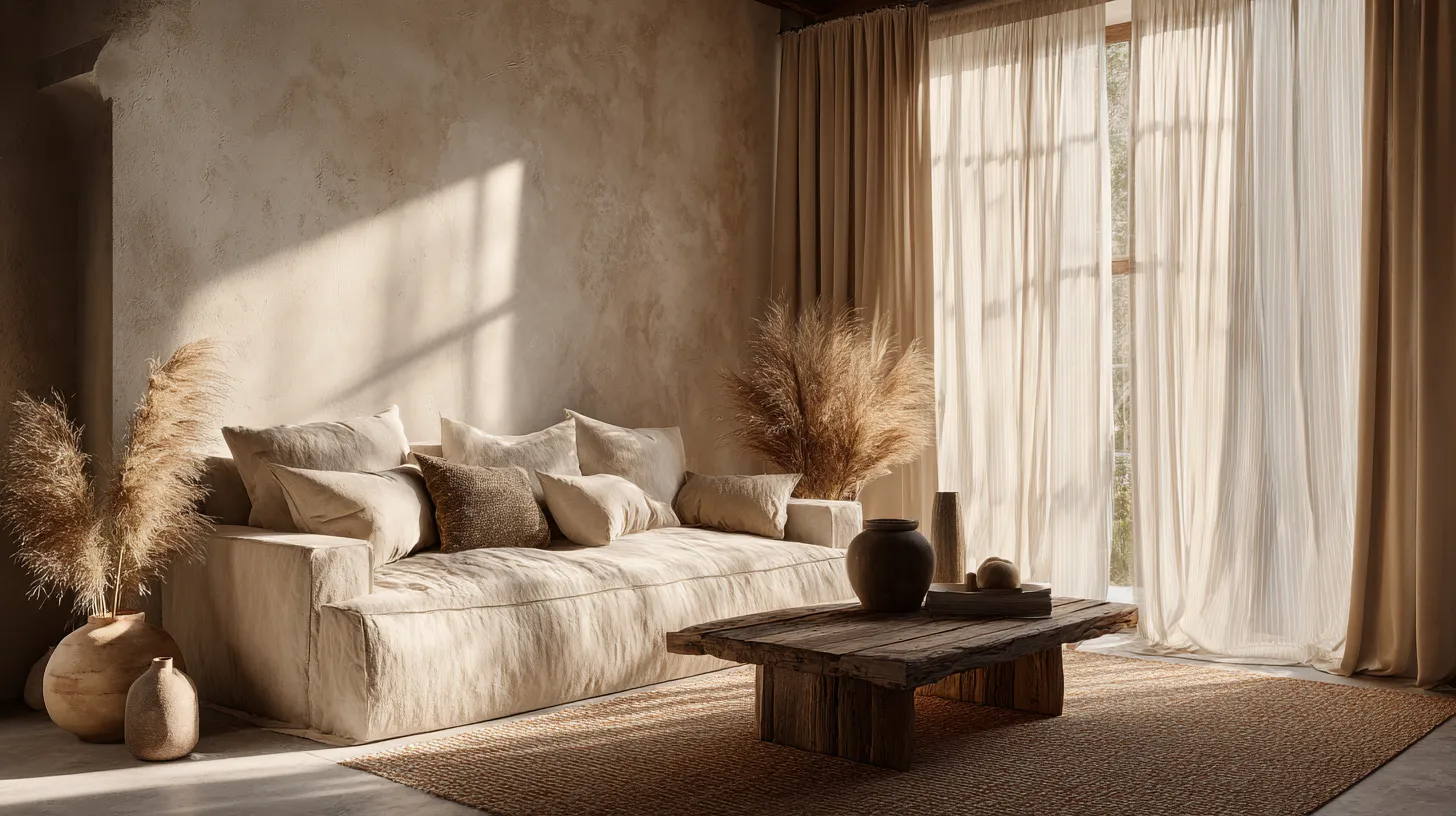
Your color foundation lives in earth tones—warm beiges, soft grays, creamy whites. But Wabi Sabi invites subtle variation: the slightly uneven tone of handmade plaster walls, the gentle gradation in a linen curtain, the way natural light shifts colors throughout the day.
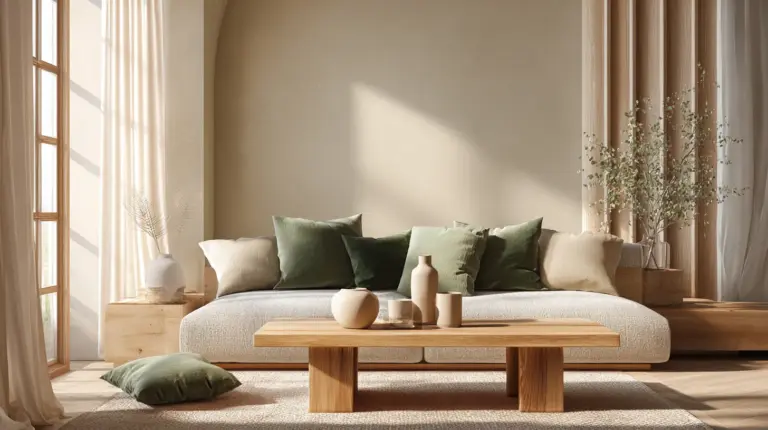
Accent with muted greens (sage, olive), dusty terracotta, or charcoal black. These deeper notes create visual anchors without disrupting the room’s quietude.
Functionality as Beauty
Every piece should earn its place through use. A low-slung sofa in neutral upholstery becomes the heart of gathering. A simple wooden bench serves as both seating and display for a carefully chosen stack of books.
Avoid the decorative for decoration’s sake. In Japandi Wabi Sabi, beauty and purpose are inseparable.
Celebrating Imperfection
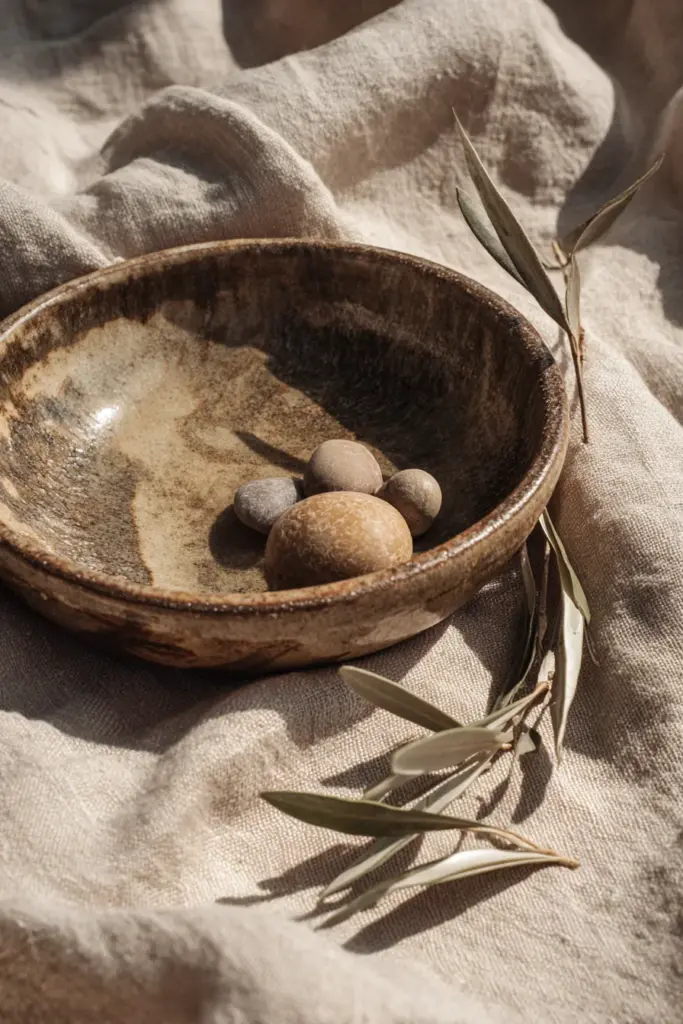
This is where Wabi Sabi transforms Japandi from pristine to poetic. Choose the handmade over the mass-produced. Display the vintage tray with its tarnished patina. Let that ceramic vase be slightly asymmetrical.
These “imperfections” are actually expressions of authenticity—evidence of human hands, natural processes, the passage of time.
Japandi vs Wabi Sabi: A Living Room Comparison
| Aspect | Japandi | Wabi Sabi | Combined Approach |
|---|---|---|---|
| Lines & Form | Clean, geometric, structured | Organic, irregular, flowing | Structured furniture with organic accessories |
| Color Palette | Neutrals with defined contrast | Earthy tones with subtle variations | Warm neutrals with naturally varied textures |
| Materials | Natural but refined (smooth wood, crisp linen) | Raw, weathered, aged materials | Smooth surfaces paired with textured elements |
| Finish | Polished, intentional perfection | Rough, handmade, beautifully flawed | Mix of refined pieces and artisanal accents |
| Philosophy | Functional minimalism + cozy simplicity | Acceptance of transience and imperfection | Purposeful living that honors authenticity |
| Feeling | Calm, organized, harmonious | Contemplative, humble, lived-in | Serene yet soulful, edited yet warm |
Essential Furniture for Your Japandi Wabi Sabi Living Room
The Sofa: Low, Long, and Inviting
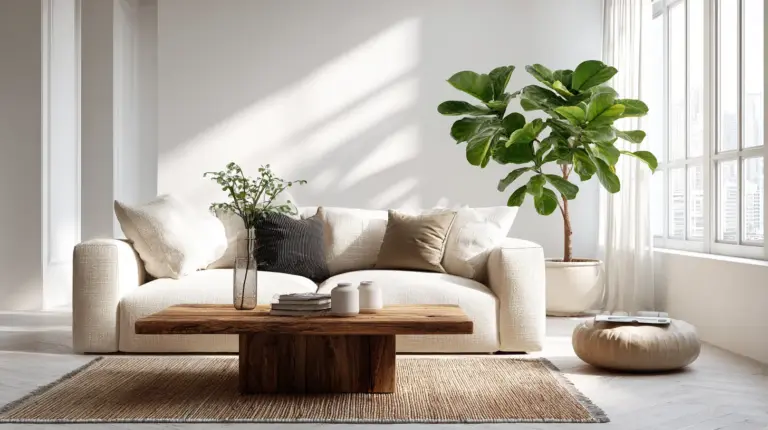
Choose a low-profile sofa in natural linen or cotton. The fabric should feel substantial—meant to soften and fade gently over time rather than look perpetually new. Neutral tones (oatmeal, warm gray, soft taupe) work beautifully.
Avoid overstuffed designs. Japandi favors cleaner silhouettes, but comfort remains essential. Look for pieces with exposed wooden legs in light or mid-tone finishes.
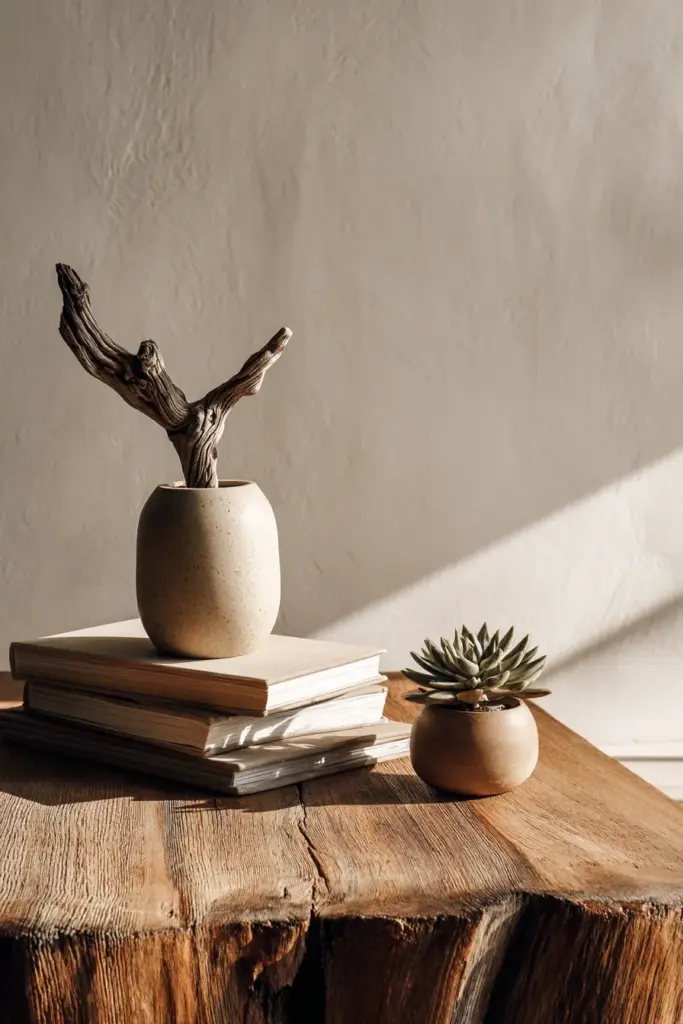
Coffee Table: The Grounding Element
A solid wood coffee table anchors your living room. Consider reclaimed or sustainably sourced timber with visible grain patterns. The surface doesn’t need to be flawless—character marks tell better stories than perfection.
For Manila homes, a locally crafted piece in narra or acacia not only supports Filipino artisans but brings unique warmth to your space. Keep the design simple: clean lines, perhaps with subtly rounded edges that feel more organic than industrial.
Storage That Breathes
Open shelving in light wood displays your most meaningful objects—a few well-chosen books, a handmade bowl, a small plant. The key is restraint: negative space matters as much as what fills it.
For concealed storage, choose simple cabinets with natural wood fronts or woven rattan panels. These hide clutter while maintaining the room’s organic feel.
Seating with Soul
Add a meditation chair or low stool in natural wood. A vintage rattan chair, slightly weathered, brings Wabi Sabi’s acceptance of age. Floor cushions in organic cotton invite informal seating and flexibility.
Textures and Textiles: The Tactile Story
Layering Natural Fabrics
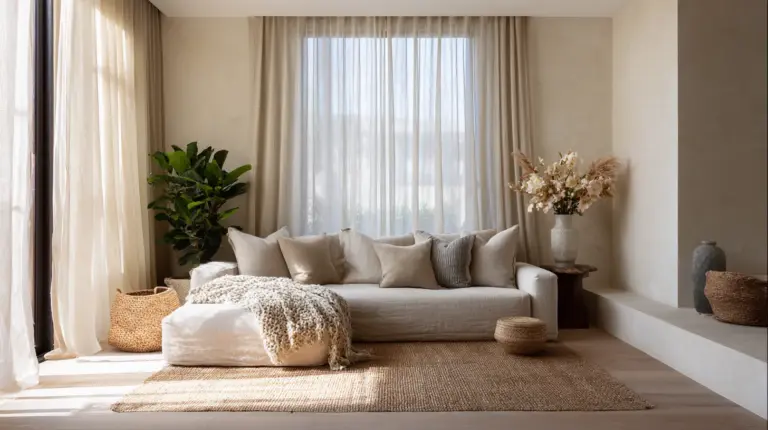
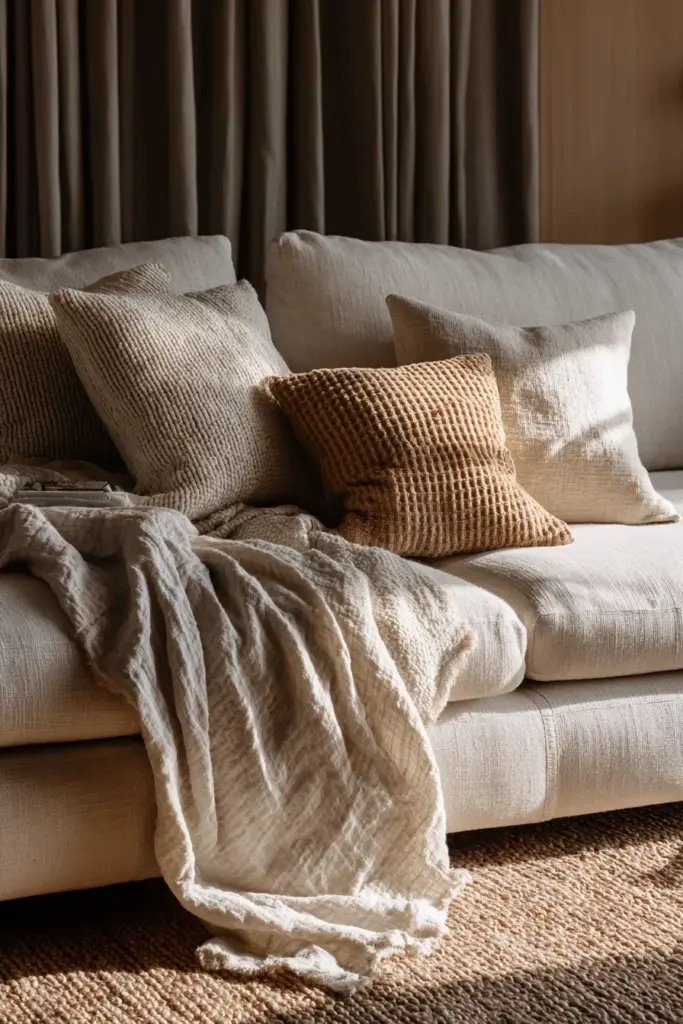
Linen throws in their natural, slightly wrinkled state embody Wabi Sabi perfectly. Don’t iron them crisp—let them drape naturally, showing the fabric’s honest texture.
Cotton cushions in varying tones of cream, sand, and stone add depth without pattern chaos. Choose covers with subtle texture: waffle weave, loose linen, raw silk.
Rugs That Ground and Warm
A jute or sisal rug defines your seating area while adding earthy texture underfoot. For additional softness, layer a smaller wool rug in natural gray or beige over the jute base.
In Manila’s tropical climate, natural fiber rugs also help absorb humidity and add acoustic warmth to tiled floors.
Window Treatments: Filtering Light
Sheer linen curtains transform harsh afternoon light into something softer, more poetic. Choose unlined panels that move gently with the breeze—they should feel alive, not static.
If privacy is needed, consider bamboo blinds paired with the linen sheers. This layering offers control while maintaining natural materials throughout.
Lighting: Sculptural Warmth in Every Corner
Embracing Low, Warm Light
Japandi Wabi Sabi living rooms avoid harsh overhead lighting. Instead, create layers with warm-toned LED bulbs (2700K-3000K) in multiple fixtures.
For Manila apartments with limited natural light, this becomes even more crucial. Strategic lamp placement can sculpt warmth into shadowed corners.
Statement Pendants with Organic Forms
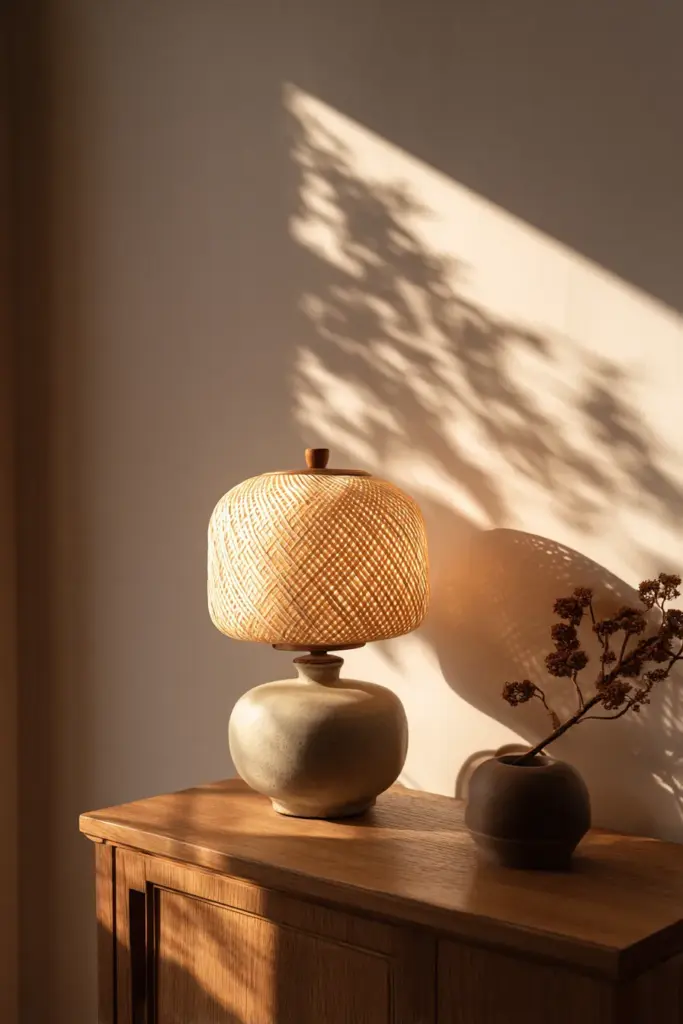
A woven pendant lamp in rattan or bamboo becomes functional sculpture. Its organic texture casts beautiful shadows while diffusing light softly.
Paper lanterns in simple spheres or irregular shapes honor Japanese influence while keeping things light and airy.
Task and Ambient Layering
Place a ceramic table lamp on your side table for reading. Add a floor lamp with a linen shade beside your sofa. Each light source should serve a purpose while contributing to the room’s overall glow.
Dimmers are essential—they let you adjust the mood from bright and energizing to soft and contemplative.
Bringing in Nature: Biophilic Calm
Plants as Living Elements
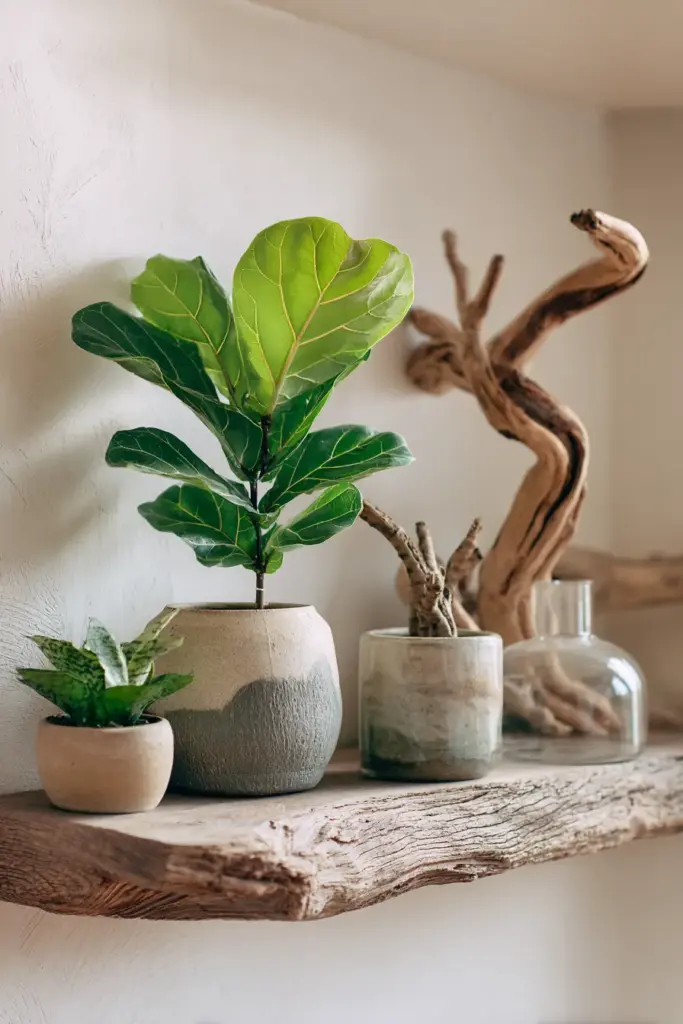
A single fiddle leaf fig in a simple ceramic pot makes a powerful statement. Or choose multiple smaller plants—pothos trailing from a shelf, a snake plant in the corner, succulents clustered on your coffee table.
The plants you select matter less than their placement and containers. Use handmade pots in natural clay, wood stands, or woven baskets. Avoid plastic at all costs.
Branches, Stones, and Natural Objects
A twisted branch in a tall vase becomes instant sculpture. Smooth river stones arranged in a wooden bowl ground a shelf display. A piece of driftwood on your coffee table anchors the eye.
These elements connect your interior to the larger natural world while costing almost nothing—a walk through nature becomes your shopping trip.
Fresh and Dried Botanicals
Seasonal branches (cherry, olive, eucalyptus) in simple glass vases mark time’s passage. Dried pampas grass, left natural rather than dyed, adds vertical interest with its organic movement.
Change these with the seasons. Let yourself notice when stems dry, when leaves fade—this transience is Wabi Sabi in action.
Budget-Friendly Japandi Wabi Sabi Ideas for Manila Homes
DIY and Upcycling Projects
Refinishing thrifted wood furniture brings Wabi Sabi soul to your space affordably. Visit Dapitan or weekend markets for solid wood pieces. Sand them lightly—you want to refresh, not erase their history—and finish with natural oil or wax.
Old wooden crates become wall shelves. Vintage ceramic pieces from your grandmother’s kitchen gain new life as planters or display objects.
Smart Shopping Under PHP 20,000
| Item | Budget Option | Cost Estimate (PHP) |
|---|---|---|
| Sofa | Simple linen-look from local furniture makers | 8,000-12,000 |
| Coffee Table | Reclaimed wood from Marikina craftsmen | 3,000-5,000 |
| Lighting | Rattan pendant + ceramic table lamp | 2,000-3,500 |
| Textiles | Linen-blend cushions + jute rug | 2,500-4,000 |
| Plants & Pots | Assorted greenery + clay pots | 1,500-2,500 |
| Décor | Natural objects, thrifted ceramics | 500-1,500 |
| Total | 17,500-28,500 |
Focus your budget on foundational pieces (sofa, coffee table) and source decorative elements gradually. The room should evolve organically, not arrive fully formed overnight.
Local Artisan Support
Filipino craftspeople create incredible work in rattan, wood, and ceramics. Seek out makers in Cebu for handwoven textiles, Pampanga for wood furniture, or Bulacan for pottery. You’ll get unique pieces while supporting local artistry.
Creating Calm in Small Manila Apartments
Vertical Thinking
When floor space is limited, think upward. Floating shelves in light wood display objects without consuming square footage. Wall-mounted planters bring greenery without sacrificing precious floor area.
Keep furniture low-profile—it visually expands the room by emphasizing vertical space above.
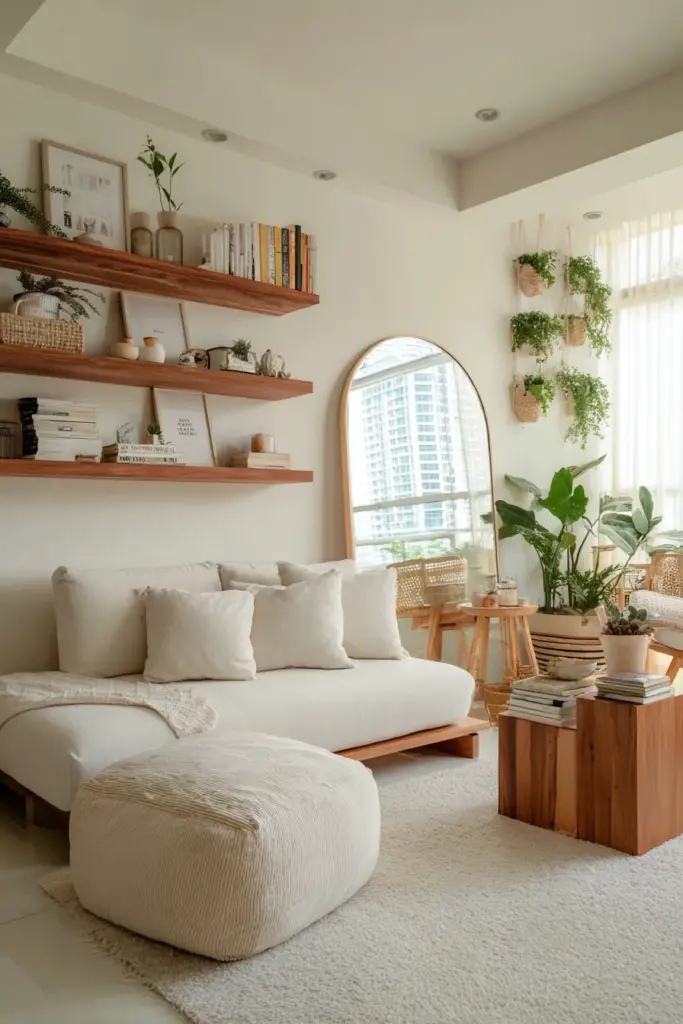
Multipurpose Furniture
A storage ottoman serves as coffee table, extra seating, and hidden storage. A low daybed functions as sofa by day, guest bed occasionally. Each piece should work overtime in small spaces.
Strategic Mirrors
A simple round mirror in natural wood frame reflects light and expands perceived space. Place it opposite a window to maximize daylight—crucial in apartments where natural light is limited.
The Power of Editing
Small spaces demand ruthless curation. Display only your most meaningful objects. Every item should spark joy or serve clear purpose. Empty space is not wasted space—it’s breathing room for your spirit.
Step-by-Step: Transforming Your Living Room
Step 1: Clear and Assess (Week 1)
Remove everything that doesn’t serve you. Be honest about what you actually use versus what you keep from obligation. This initial clearing creates space for intentional design.
Step 2: Foundation First (Weeks 2-3)
Invest in your sofa and coffee table—these anchor the room. Choose neutral, natural materials that will age well. Remember: you’re building a foundation for years, not just this season.
Step 3: Layer Textures (Week 4)
Add your jute rug, linen throws, cotton cushions. Focus on varying textures within your neutral palette—this creates visual interest without color chaos.
Step 4: Bring in Light (Week 5)
Install your layered lighting. Test different bulb temperatures until you find the warmth that feels right. Add dimmers for flexibility.
Step 5: Nature and Soul (Week 6)
Introduce plants, natural objects, and your most meaningful handmade pieces. This final layer brings life and personality—the irreplaceable human element.
Key Takeaways: Your Japandi Wabi Sabi Checklist
- Choose natural materials: Wood, linen, cotton, jute, stone, rattan
- Embrace neutral tones: Warm beiges, soft grays, muted greens, earthy terracotta
- Prioritize functionality: Every piece should serve a clear purpose
- Honor imperfection: Select handmade, aged, and authentically flawed items
- Layer warm lighting: Multiple sources at 2700K-3000K, with dimmers
- Integrate nature: Plants, branches, stones, and seasonal botanicals
- Practice restraint: Negative space is as important as filled space
- Support local artisans: Filipino craftspeople create soul-filled pieces
- Budget thoughtfully: Invest in foundations, source décor gradually
- Let it evolve: Your room should grow and change with you
Conclusion: The Living Room That Lives
Creating a Japandi Wabi Sabi living room isn’t about following rules—it’s about cultivating presence. It’s the daily practice of noticing how morning light transforms your linen curtains, how that handmade bowl feels under your fingertips, how your space shifts from bustling to restful as evening arrives.
This aesthetic invites you to build a room that doesn’t demand perfection but rather honors authenticity. Where the scuff on your wooden coffee table marks family game nights. Where your sofa bears the gentle impression of countless evenings spent reading, dreaming, simply being.
In a world that constantly pushes for more, your Japandi Wabi Sabi living room whispers a different truth: enough is abundant when chosen with intention and care. Let your space breathe. Let it age gracefully. Let it hold you gently, day after day, in its quiet, imperfect beauty.
Frequently Asked Questions
What is the difference between Japandi and Wabi Sabi in living room design?
Japandi is a design style blending Japanese minimalism with Scandinavian warmth, emphasizing clean lines, neutral palettes, and functional furniture. Wabi Sabi is a deeper philosophical approach celebrating imperfection, natural aging, and transience. In living rooms, Japandi provides the structured, minimal framework while Wabi Sabi adds soul through organic textures, handmade objects, and acceptance of weathering and patina.
How do I create a Wabi Sabi Japandi living room on a budget in the Philippines?
Focus on upcycling thrifted wood furniture from markets like Dapitan, support local Filipino artisans in Marikina or Cebu for handcrafted pieces, and source natural decorative elements from nature walks (branches, stones). Prioritize foundational pieces like a simple sofa and coffee table, then add textiles and plants gradually. A complete transformation is achievable for PHP 15,000-20,000 by shopping strategically and embracing DIY refinishing projects.
What furniture is essential for a Japandi Wabi Sabi living room?
Essential pieces include a low-profile sofa in natural fabric (linen or cotton), a solid wood coffee table with visible grain, simple open shelving in light wood, and flexible seating like floor cushions or a meditation chair. Choose multipurpose furniture for small spaces. All pieces should feature natural materials, clean lines softened by organic forms, and prioritize both function and timeless beauty over trendy designs.
Can Japandi Wabi Sabi work in small Manila apartments with limited natural light?
Absolutely. The style actually thrives in compact spaces through strategic approaches: use low-profile furniture to maximize vertical space, incorporate layered warm lighting (2700K-3000K LED bulbs with dimmers) to compensate for limited daylight, place mirrors to reflect available light, and embrace vertical storage solutions. The neutral palette and uncluttered aesthetic make small rooms feel larger, while careful plant selection brings nature indoors regardless of space constraints.
How do I incorporate plants into a Japandi Wabi Sabi living room?
Choose low-maintenance plants suited to your light conditions—snake plants, pothos, or ZZ plants for low light; fiddle leaf figs for brighter spaces. Display them in handmade ceramic pots, natural clay containers, or woven baskets that align with the organic aesthetic. Avoid plastic pots and artificial plants. Include seasonal branches in simple vases and consider vertical planters for small spaces. The goal is bringing living nature indoors with intentional, restrained placement rather than overwhelming greenery.