
Table of Contents
There’s something deeply satisfying about a sofa that feels right. Not just beautiful, but grounding. A piece that quiets the room instead of demanding attention.
That’s the essence of a Japandi living room sofa. It’s where Scandinavian hygge warmth meets Japanese wabi-sabi simplicity—a philosophy of design that values imperfection, natural beauty, and mindful living.
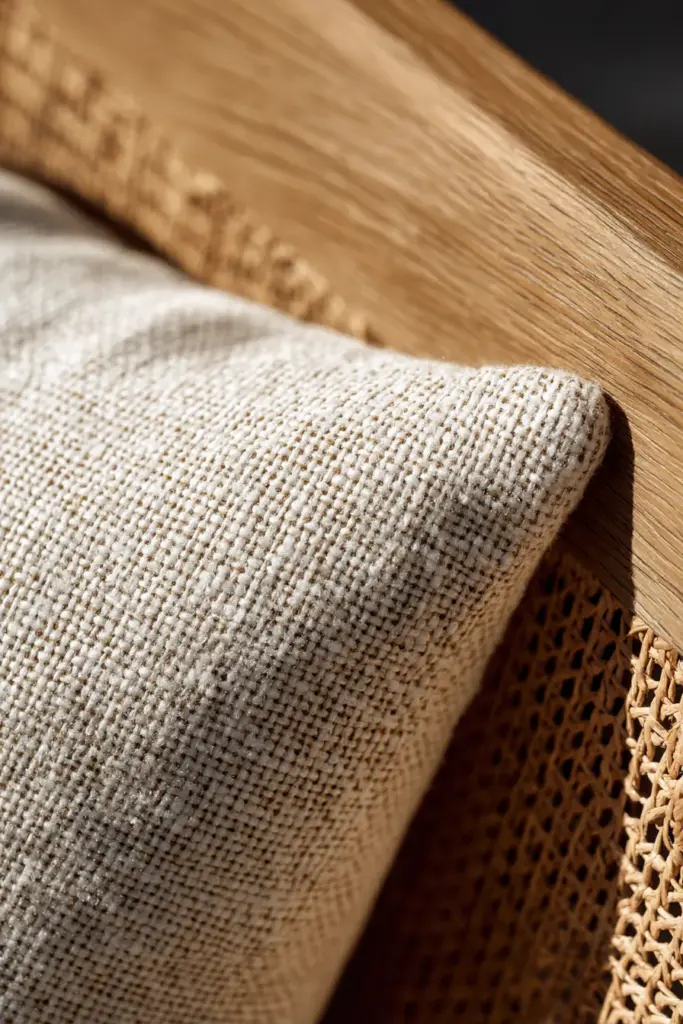
In Manila’s warm, humid climate, where space is often precious and simplicity feels like luxury, the Japandi sofa becomes more than furniture. It becomes a retreat. A place where linen breathes against your skin, where oak armrests cool under your fingertips, and where every line serves a purpose.
Let’s explore how to choose, style, and care for the perfect Japandi sofa for your home.
What Makes a Sofa “Japandi”?
A Japandi sofa isn’t defined by a single look—it’s defined by intention.
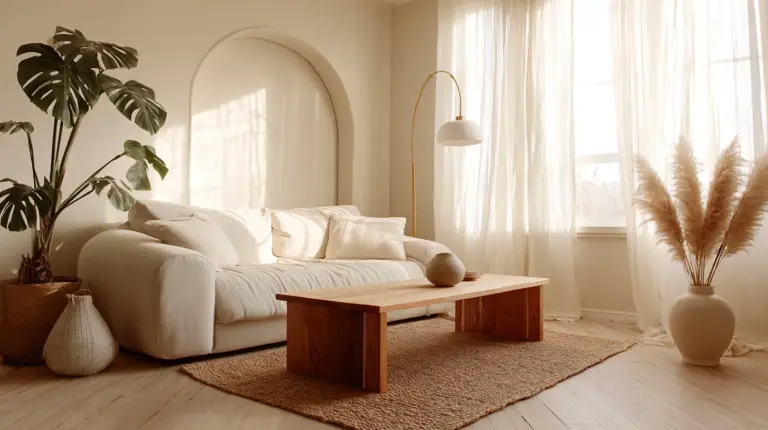
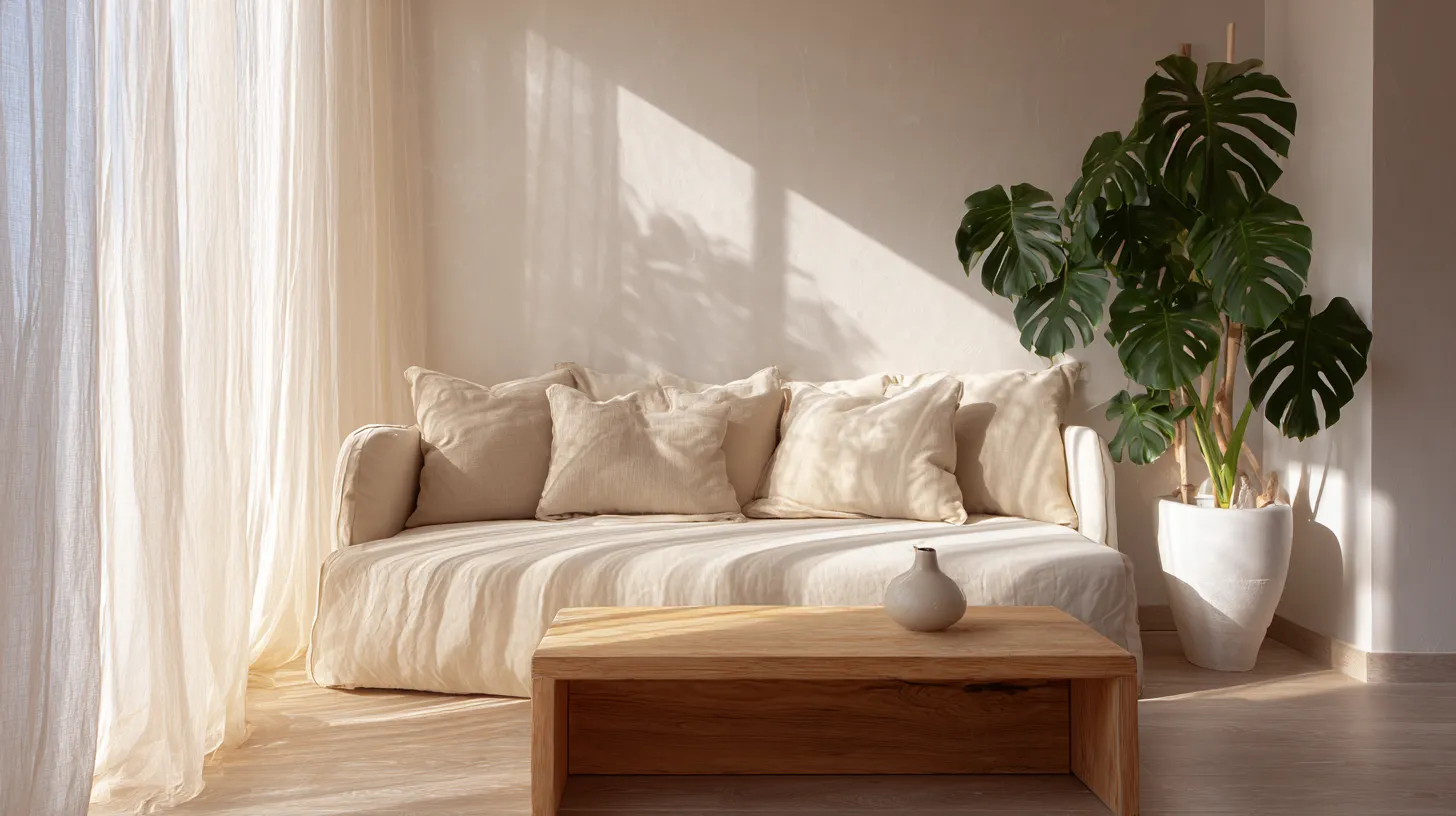
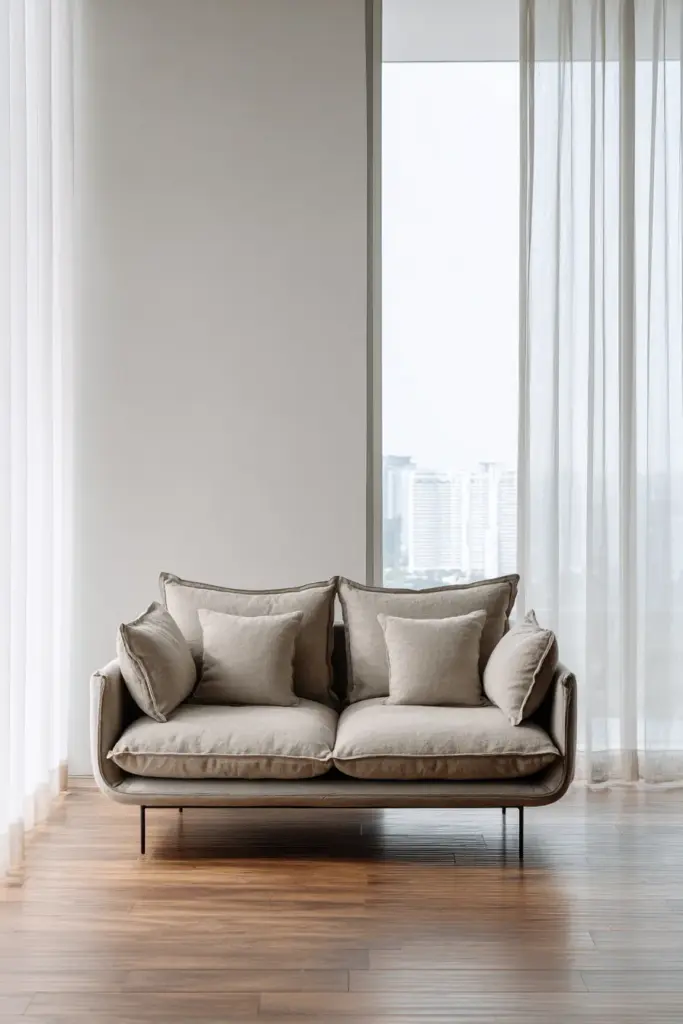
It sits low to the ground, creating visual space and a sense of calm. The silhouette is clean, often boxy or gently curved, without excessive ornamentation. Materials are natural: linen upholstery, solid oak or walnut frames, rattan accents that age beautifully over time.
The color palette stays neutral—beige, taupe, warm gray, soft cream. These aren’t cold minimalist tones; they’re earthy, inviting, meant to work with natural light as it shifts through the day.
The Philosophy Behind the Design
Japandi design marries two concepts: hygge (Danish coziness) and wabi-sabi (Japanese appreciation for imperfection and transience).
Your sofa should feel lived-in, not precious. Linen wrinkles naturally. Wood grain shows variation. These aren’t flaws—they’re character. They tell the story of real life, of afternoons reading with tea, of conversations that stretch into evening.
This philosophy makes Japandi sofas especially suited to Filipino homes, where families gather, where comfort matters as much as aesthetics, and where tropical humidity demands breathable, durable materials.
Choosing the Right Japandi Sofa for Your Space
Consider Your Room Dimensions
In Manila condos where space runs tight, a low-profile sofa is your friend.
Measure your living room carefully. A standard three-seater measures 180–210cm wide and 75–85cm deep. For smaller spaces under 15 square meters, consider a modular sectional that adapts to your layout or a sleek two-seater (140–160cm) paired with accent chairs.
Low sofas (seat height around 35–40cm) make ceilings feel higher and rooms feel more open. This visual trick is invaluable in compact spaces.
Material Matters in Humid Climates
Manila’s humidity changes everything.
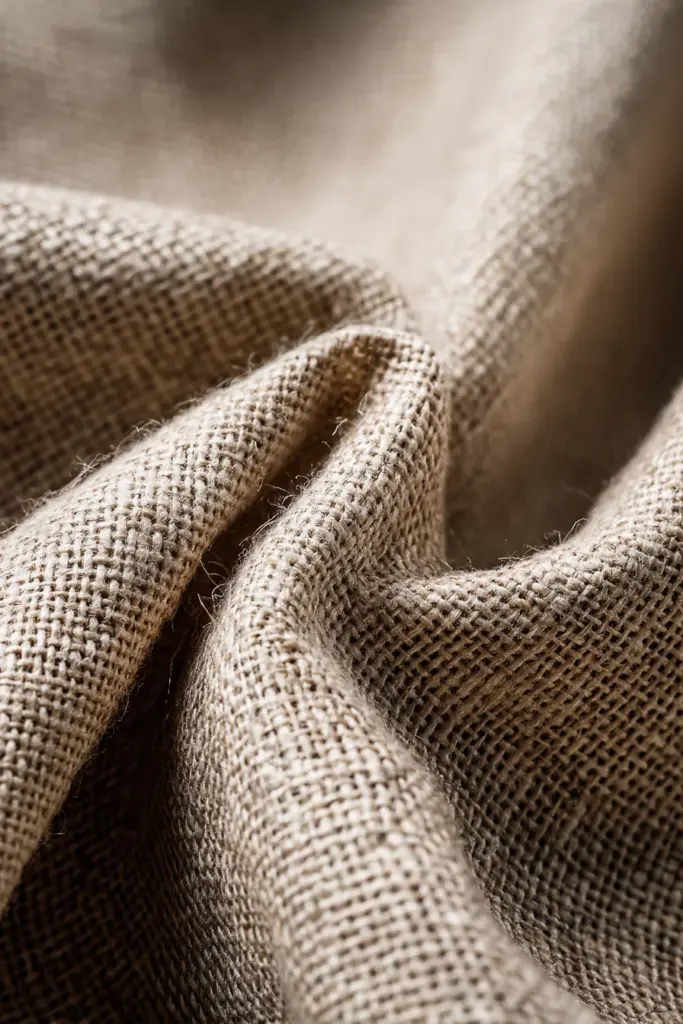
Linen upholstery breathes beautifully, preventing that sticky feeling during warm afternoons. It’s naturally antimicrobial and improves with age, developing a soft, lived-in texture. Vacuum weekly and spot-clean with mild soap—never harsh chemicals that strip the fiber.
Solid wood frames—oak, walnut, or ash—resist warping better than engineered wood. Look for FSC-certified wood if sustainability matters to you. Apply furniture wax every six months to protect against moisture.
Rattan or cane details add texture while allowing airflow. Just avoid direct sunlight, which can dry and crack natural fibers over time.
Avoid velvet or heavy fabrics that trap heat. Skip metal frames that conduct heat. Your sofa should feel cool to the touch, inviting even on the warmest days.
Structure and Comfort
Japandi sofas often appear firm and structured, but comfort shouldn’t be sacrificed for aesthetics.
Look for firm cushioning with high-resilience foam (density 30–35 kg/m³) that maintains shape over years. Some designs incorporate down-blend toppers for softness without sag.
Structured backs with slight recline angles (100–105 degrees) support good posture while reading or working. This is especially important if your sofa doubles as a work-from-home spot.
Test before buying when possible. Sit for five minutes. Notice how your lower back feels. Can you imagine spending Sunday mornings here with coffee and a book?
Styling Your Japandi Sofa
The Foundation: Color and Texture
Start with your sofa’s neutral base and build layers.
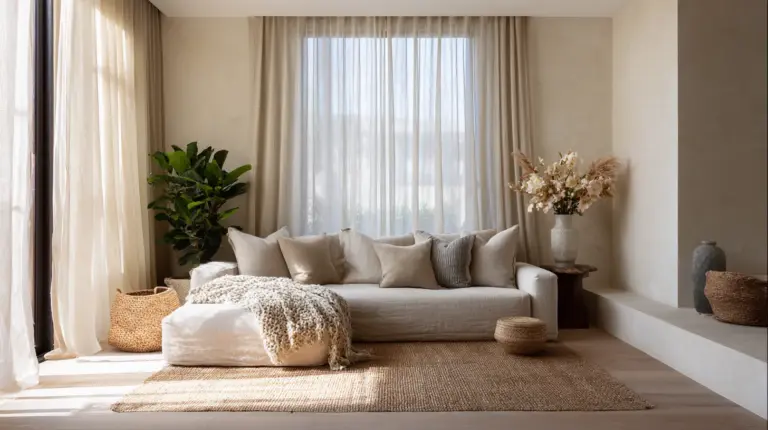
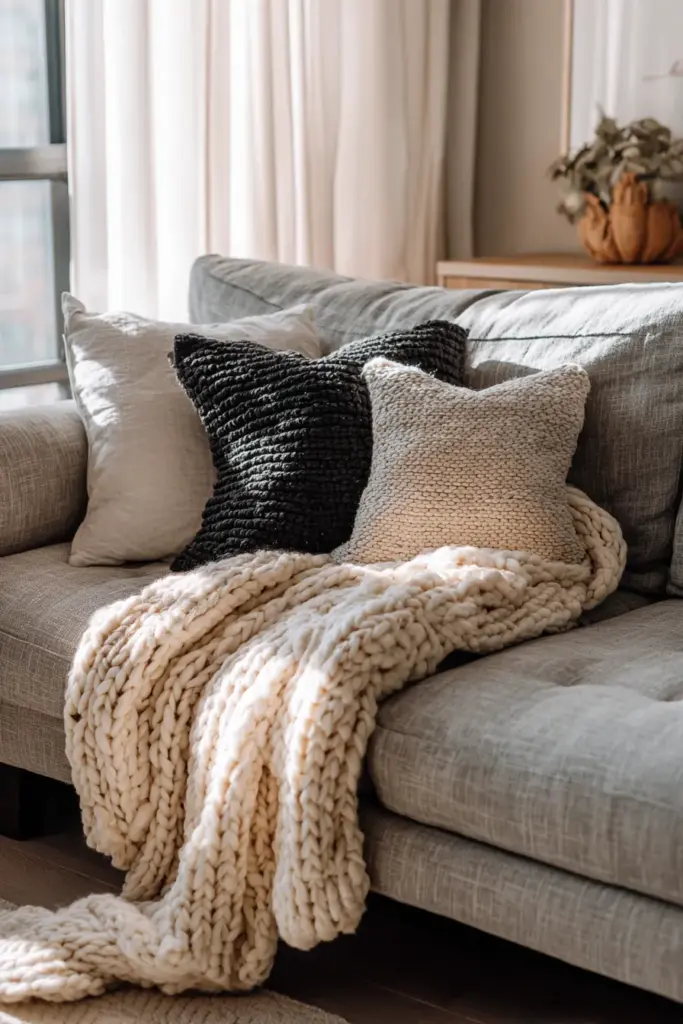
A warm beige linen sofa pairs beautifully with charcoal throw pillows and a chunky knit blanket in cream. Mix textures—smooth linen against rough-woven cotton, cool wood against warm wool.
Keep pillows minimal: two to four maximum. Choose natural fabrics like cotton, linen, or hemp in solid colors or subtle patterns. Avoid busy prints that disrupt the calm.
Drape a lightweight throw over one armrest—not perfectly folded, but casually tossed. This is hygge in action: beauty in the unstudied moment.
Furniture Pairings That Enhance
Your coffee table should echo your sofa’s materials.
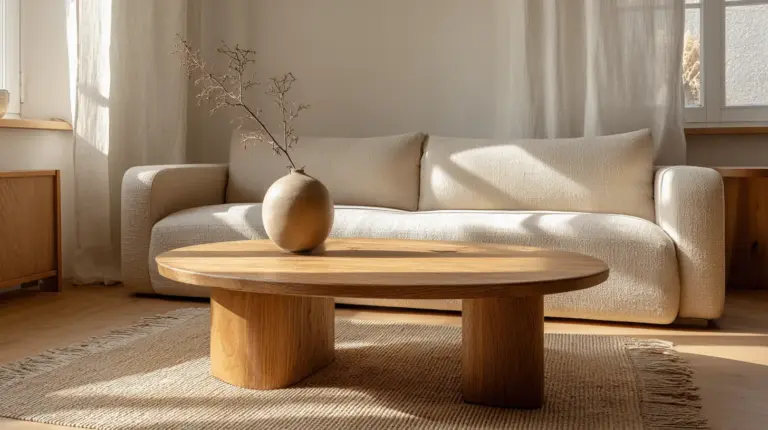
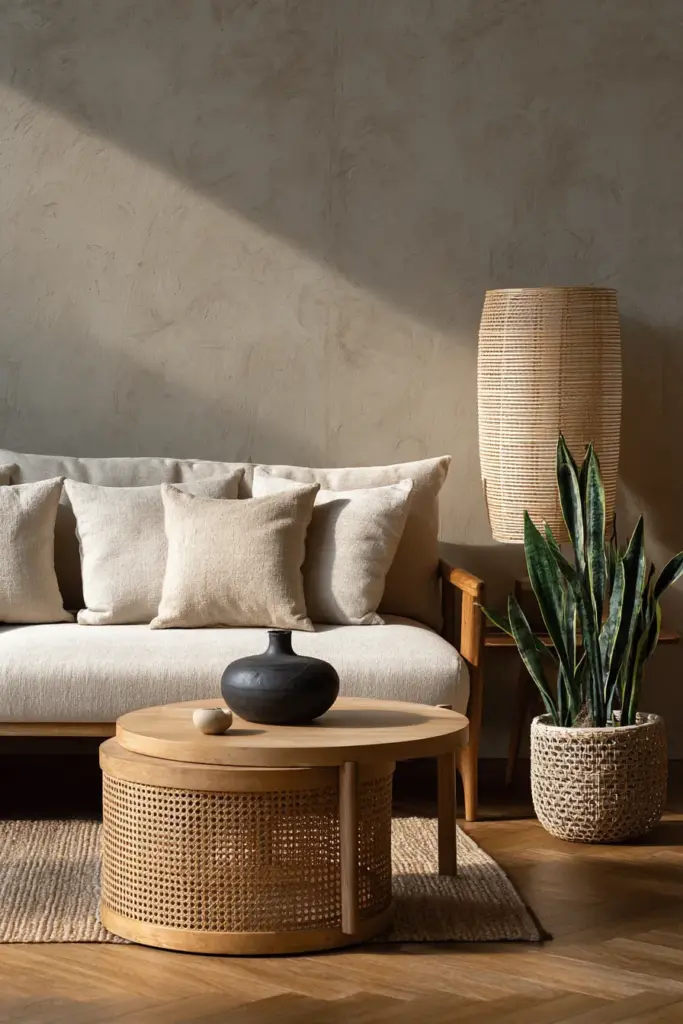
A low wooden coffee table in oak or walnut with visible grain creates cohesion. Look for organic shapes—rounded edges, asymmetrical forms—that soften the room’s geometry. Height should be level with or slightly lower than your sofa seat for easy reach.
Side tables in rattan or light wood add functional surfaces without visual weight. Consider nesting tables that tuck away when not needed—perfect for small-space flexibility.
Avoid glass tops and chrome finishes. They read cold and modern, disrupting Japandi’s warm minimalism.
Lighting as Ambiance
Japandi spaces glow rather than glare.
Position a floor lamp with a paper shade beside your sofa for reading. The soft, diffused light feels gentle on eyes and creates a cozy pool of illumination. Choose warm-white bulbs (2700–3000K) that mimic afternoon sunlight.
If your ceiling allows, add a pendant lamp with natural materials—bamboo, rice paper, or woven rattan. During evenings, dim lighting transforms your living room into a sanctuary.
Layer your lighting ideas with candles in ceramic holders. The flicker adds life without electricity, connecting you to simpler rhythms.
Greenery and Natural Elements
Plants aren’t decoration in Japandi design—they’re essential.
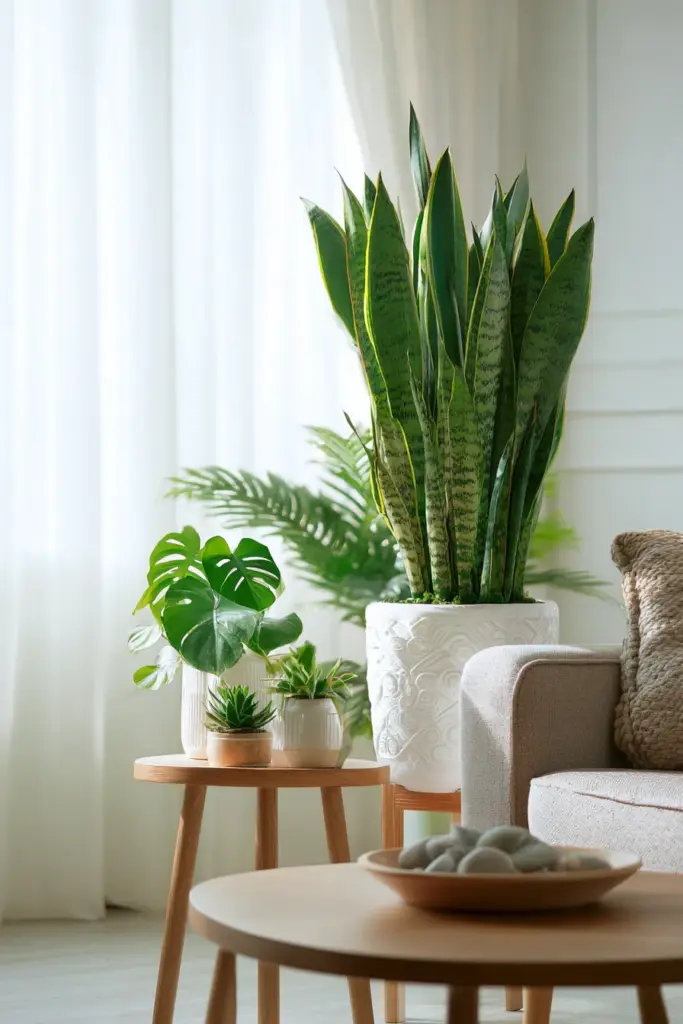
Snake plants and monsteras thrive in Manila’s climate with minimal care. Position a tall snake plant beside your sofa to fill vertical space. Cluster smaller plants on your coffee table or side shelves.
Use simple ceramic planters in white, terracotta, or matte black. Avoid ornate pots that compete for attention.
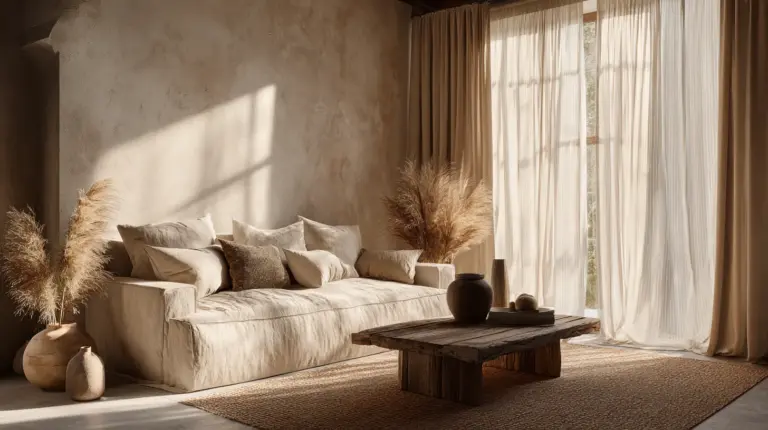
Bring in other natural elements: a bowl of smooth river stones, a piece of driftwood, dried pampas grass in a tall vase. These touches ground the space in nature, fulfilling wabi-sabi’s reverence for the organic world.
Japandi Sofa Shopping Guide for Philippine Homes
Budget Breakdown Under PHP 50,000
Quality Japandi sofas exist at various price points.
Entry level (PHP 15,000–25,000): Local brands like Abenson offer linen-look sofas with engineered wood frames. These work well for renters or first homes, though longevity may be limited to 3–5 years with heavy use.
Mid-range (PHP 25,000–40,000): Scandihome PH and similar retailers provide solid wood frames with genuine linen upholstery. Expect 7–10 years of use with proper care. This sweet spot balances quality and affordability.
Premium (PHP 40,000–50,000+): Imported pieces or custom-made sofas with FSC-certified hardwood, European linen, and superior joinery. These are heirloom investments, built to last 15+ years.
Size Comparison Table
| Sofa Type | Width | Depth | Seat Height | Best For |
|---|---|---|---|---|
| Two-seater | 140–160cm | 75–85cm | 35–40cm | Studios, small condos |
| Three-seater | 180–210cm | 80–90cm | 38–42cm | Standard living rooms |
| Modular sectional | 200–300cm | 85–100cm | 35–40cm | Large spaces, flexibility |
| Loveseat | 120–140cm | 70–80cm | 38–40cm | Reading nooks, pairing |
Measure your doorways and elevators before ordering. Many Manila buildings have narrow corridors that complicate delivery of large pieces.
Sustainability Checklist
If eco-conscious living matters, ask these questions before buying:
- Is the wood FSC or PEFC certified?
- Are fabrics organic or OEKO-TEX certified (free from harmful chemicals)?
- Does the manufacturer offer repair services or replacement parts?
- Can cushion covers be removed and washed?
- What’s the expected lifespan with normal use?
Sustainable sofas cost more upfront but save money long-term by avoiding frequent replacements. They also reduce environmental impact—important in a world where furniture waste fills landfills.
Maintenance Tips for Manila’s Climate
Weekly Care Routine
Vacuum your linen sofa weekly using the upholstery attachment. This removes dust, pollen, and allergens that accumulate quickly in tropical climates.
Rotate cushions every two weeks to ensure even wear. Flip them when possible to distribute body impressions.
Wipe wooden frames with a dry microfiber cloth. Avoid water, which can leave marks or encourage mold in humid conditions.
Spot Cleaning and Stain Removal
For fresh spills on linen, blot immediately—never rub, which spreads the stain.
Mix mild dish soap with cool water. Dab gently with a white cloth, working from the stain’s edges inward. Rinse with a cloth dampened with plain water, then air-dry completely before using.
For odors (especially in rainy season), sprinkle baking soda over the affected area. Let sit for 30 minutes, then vacuum thoroughly. This natural deodorizer absorbs moisture and neutralizes smells without harsh chemicals.
Protecting Against Humidity
Manila’s 70–85% humidity can damage sofas if unaddressed.
Use a dehumidifier during rainy months (June–November) to keep indoor humidity below 65%. This prevents mold on fabric and warping in wood frames.
Position your sofa away from air conditioning vents, which cause uneven drying and potential cracking in wooden elements. Keep it at least 30cm from exterior walls to allow air circulation.
Apply furniture wax or wood conditioner to frames every six months. This creates a protective barrier against moisture while nourishing the wood’s natural oils.
Multifunctional Japandi Sofas for Modern Living
Sleeper Sofas Without Bulk
Space-conscious Filipinos often need furniture that does double duty.
Modern sleeper sofas in Japandi style fold out to accommodate overnight guests without looking clunky. Look for designs with thin mattresses (10–12cm) that tuck completely inside—no visible mechanisms to disrupt the clean silhouette.
Choose models with removable, washable covers for easy maintenance. Gray linen or taupe cotton blends hide wrinkles better than lighter colors.
Storage Solutions Built In
Some Japandi sofas incorporate hidden storage beneath seats or in armrests.
This proves invaluable in small condos where closet space runs short. Store extra throw blankets, pillows, or even board games in compartments accessed by lifting the seat cushion.
Look for smooth-operating hinges and sturdy construction—cheap storage sofas sag and break within months. Quality mechanisms should feel effortless to open and close.
Trending Now: 2026 Japandi Sofa Innovations
Curved Edges and Boucle Textures
While classic Japandi favors straight lines, 2026 brings gentle curves.
Sofas with rounded armrests and softly bowed backs add visual warmth without abandoning minimalism. These curves feel welcoming, inviting you to sink in.
Boucle fabric—a nubby, looped texture—appears in neutral tones that maintain Japandi’s aesthetic while adding tactile interest. It’s durable, hides stains, and feels luxurious against skin.
Eco-Innovations in Materials
Sustainable brands now offer sofas made from recycled ocean plastics woven into linen-like fabrics, or reclaimed teak from old buildings.
These innovations appeal to environmentally conscious buyers who refuse to compromise on style. Expect higher price points (PHP 60,000+) but know your purchase actively removes waste from ecosystems.
Your Japandi Sofa Setup Checklist
Before you buy and style your sofa, ensure you have these elements:
- Accurate room measurements (length, width, ceiling height)
- Budget range including delivery and assembly fees
- Material preferences suited to Manila’s climate (breathable fabrics, solid wood)
- Neutral color palette chosen (beige, gray, taupe, cream)
- Complementary furniture identified (coffee table, side tables, shelving)
- Natural lighting assessment (where does sunlight fall throughout the day?)
- Plant selections for greenery (low-maintenance, humidity-loving)
- Maintenance supplies (vacuum attachments, mild soap, wood conditioner)
- Sustainability considerations (certifications, repairability, lifespan)
- Multifunctional needs assessed (storage, sleeper, modular)
Conclusion: A Sofa That Holds Space
Choosing a Japandi living room sofa isn’t about following trends. It’s about creating a space that breathes.
A space where you can set down the day’s weight and just be. Where natural materials connect you to something slower, something rooted. Where beauty doesn’t shout but whispers—in the grain of oak, the drape of linen, the way afternoon light pools on neutral cushions.
Your sofa becomes the heart of your home. It holds conversations, quiet mornings, long evenings. It witnesses life as it unfolds, collecting stories in every wrinkle and wear mark.
That’s the magic of Japandi design. It makes room for imperfection, for living fully, for finding calm in simplicity. Your living room can be that sanctuary—starting with one intentional, beautiful piece.
Frequently Asked Questions
What is Japandi style for living room sofas?
Japandi style blends Scandinavian hygge (cozy warmth) with Japanese wabi-sabi (appreciation for natural imperfection). Sofas sit low to the ground, feature clean lines, and use natural materials like linen and oak in neutral tones. The design prioritizes function, comfort, and calm aesthetics.
What sofa fits a Japandi living room?
Look for low-profile sofas in beige, gray, or taupe with linen or cotton upholstery. Wooden frames in oak, walnut, or ash work best. Avoid overly modern chrome finishes or busy patterns. The ideal sofa has structured cushions, minimal ornamentation, and breathable fabrics suitable for tropical climates.
How do I style a Japandi sofa in my living room?
Pair your sofa with a low wooden coffee table, add 2–4 neutral throw pillows, and drape a lightweight blanket casually over one arm. Position a floor lamp with a paper shade nearby and add greenery like snake plants or monsteras. Keep surfaces uncluttered and choose warm-white lighting for ambiance.
What’s the best Japandi sofa for small condos in the Philippines?
Choose a two-seater (140–160cm wide) or modular sectional in light colors to maximize visual space. Low-profile designs (35–40cm seat height) make small rooms feel larger. Opt for linen upholstery that breathes in humidity, and consider multifunctional pieces with hidden storage to reduce clutter.
How do I maintain a linen sofa in Manila’s humid climate?
Vacuum weekly to remove dust and allergens. For spills, blot immediately with mild soap and cool water, then air-dry completely. Use baking soda to absorb odors during rainy season. Run a dehumidifier to keep indoor humidity below 65%, and position the sofa away from AC vents and exterior walls.