
Table of Contents
There’s something quietly powerful about a room that breathes. Where light falls softly on natural wood, where every piece serves a purpose, and where simplicity doesn’t mean sacrifice. This is the essence of Japandi living—a gentle collision of Scandinavian hygge warmth and Japanese wabi-sabi wisdom.
In small spaces, this philosophy becomes even more vital. When square footage is limited, each furniture choice must earn its place. The beauty is that Japandi style was born for this challenge, celebrating restraint and intentionality in equal measure.
This guide will walk you through creating a small Japandi living room that feels expansive, calm, and unmistakably yours. We’ll explore furniture selection, arrangement strategies, and the sensory details that transform compact apartments into serene sanctuaries.
Whether you’re working with a 10-square-meter studio or simply want to embrace minimalist elegance, these principles will help you craft a space that nurtures rather than overwhelms.
What is Japandi Style Furniture?
Japandi furniture represents the harmonious blend of two design philosophies that share surprising common ground. Scandinavian design brings hygge—that untranslatable Danish concept of cozy contentment—while Japanese aesthetics offer wabi-sabi, the art of finding beauty in imperfection and impermanence.
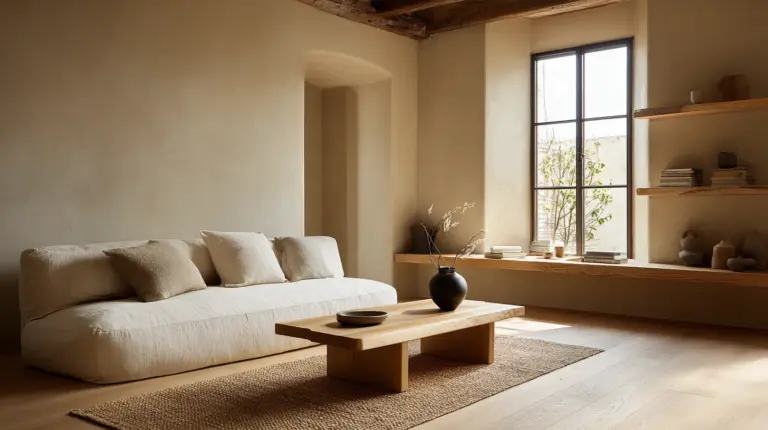
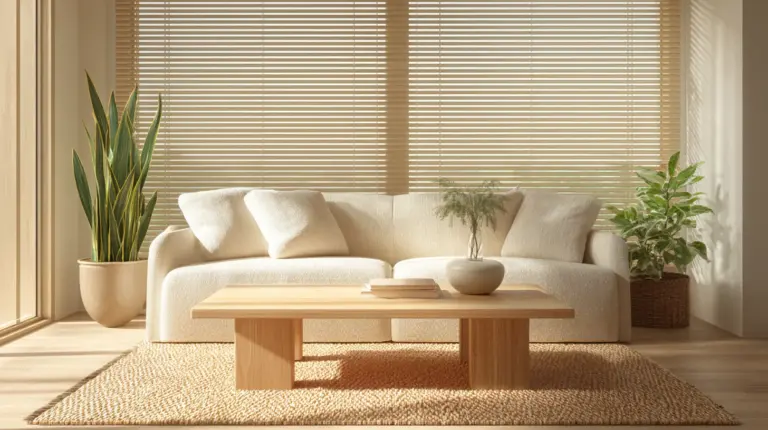
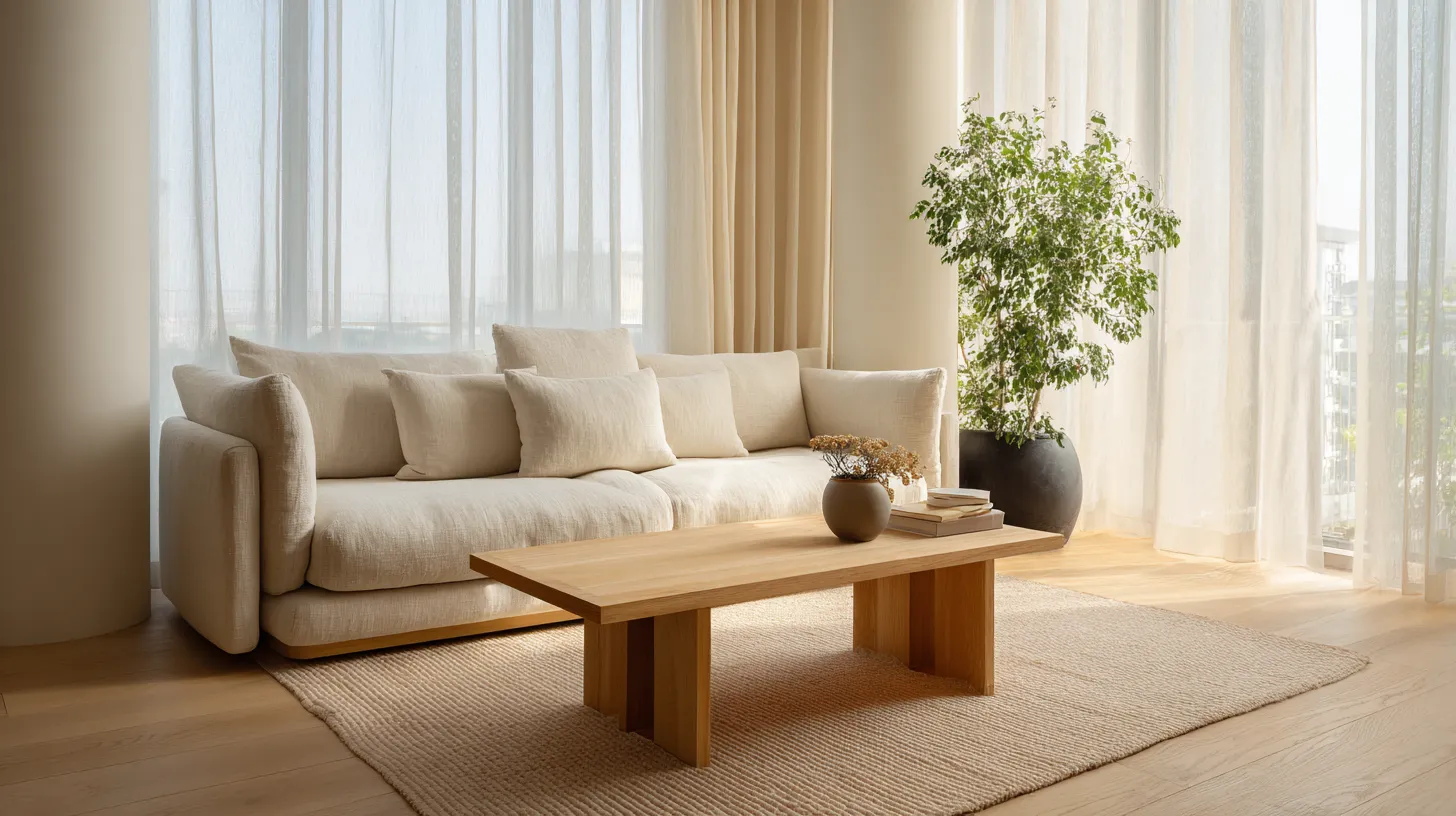
The result is furniture characterized by clean lines, natural materials, and functional simplicity. Think low-profile sofas in neutral palettes, handcrafted wooden coffee tables with visible grain, and storage pieces that disappear into walls. Every element serves dual purposes: practical function and visual peace.
What makes Japandi particularly suited to small living rooms is its inherent respect for negative space. In Japanese design tradition, ma refers to the meaningful void between objects—the breathing room that allows each piece to be truly seen and appreciated.
Essential Furniture Pieces for Small Japandi Living Rooms
Low-Slung Sofas and Seating
The foundation of any Japandi living room is seating that hugs the ground. Low-profile sofas create an illusion of higher ceilings while maintaining that essential connection to earth and simplicity.
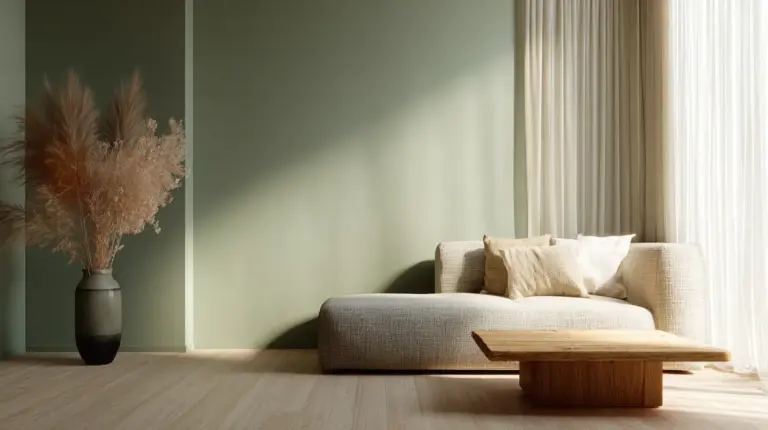
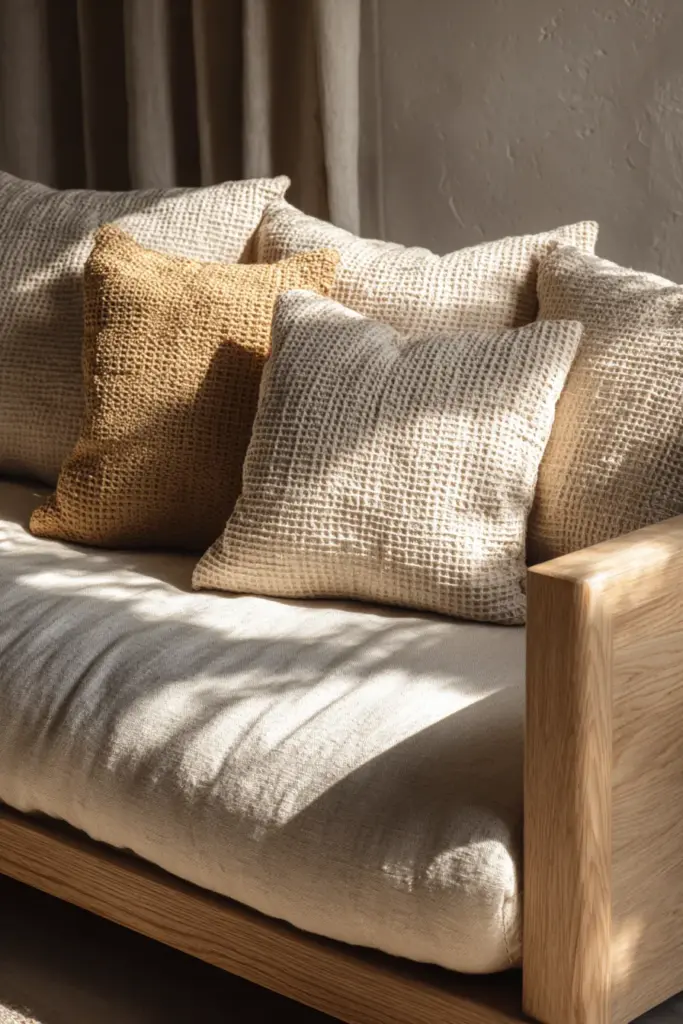
Look for pieces in light wood frames—oak, ash, or walnut—with cushions upholstered in natural linen or organic cotton. Neutral colors like warm beige, soft grey, or muted sage allow the room to feel cohesive and calm. The texture should invite touch: nubby weaves, subtle slubs, the kind of fabric that ages beautifully.
For truly compact spaces, consider a modular sofa system. These multifunctional furniture pieces can be rearranged for guests, movie nights, or solo reading sessions. Many budget-friendly options under $500 exist at stores like IKEA, or locally in the Philippines at SM Home or even curated secondhand finds.
Slim Storage Solutions
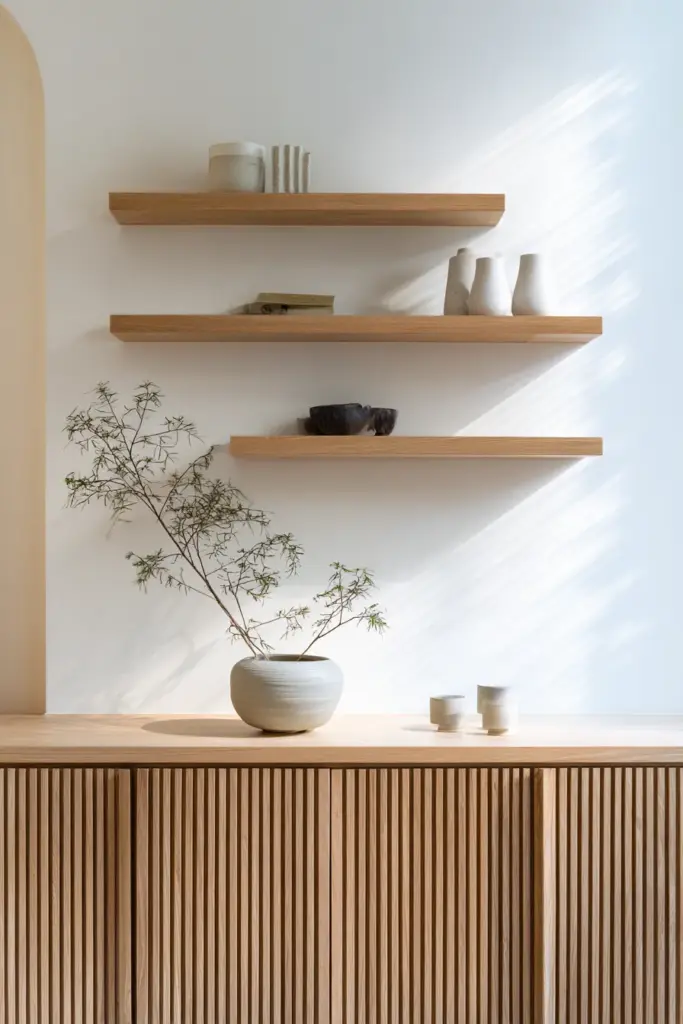
In small Japandi living rooms, storage must be both invisible and beautiful. Fluted details on cabinet fronts add visual interest without bulk, while floating shelves keep floors clear and sightlines open.
Choose pieces in natural wood tones that complement your sofa. A low media console doubles as display space for a few carefully selected objects—a ceramic vase, a favorite book, a single candle. The rule here is ruthless curation: only what serves or sparks joy.
Vertical storage maximizes wall space without encroaching on precious floor area. Consider slim bookcases in pale oak or modular wall systems that can adapt as your needs change. Each shelf becomes a small gallery of organic shapes and textured textiles.
Multi-Purpose Coffee Tables
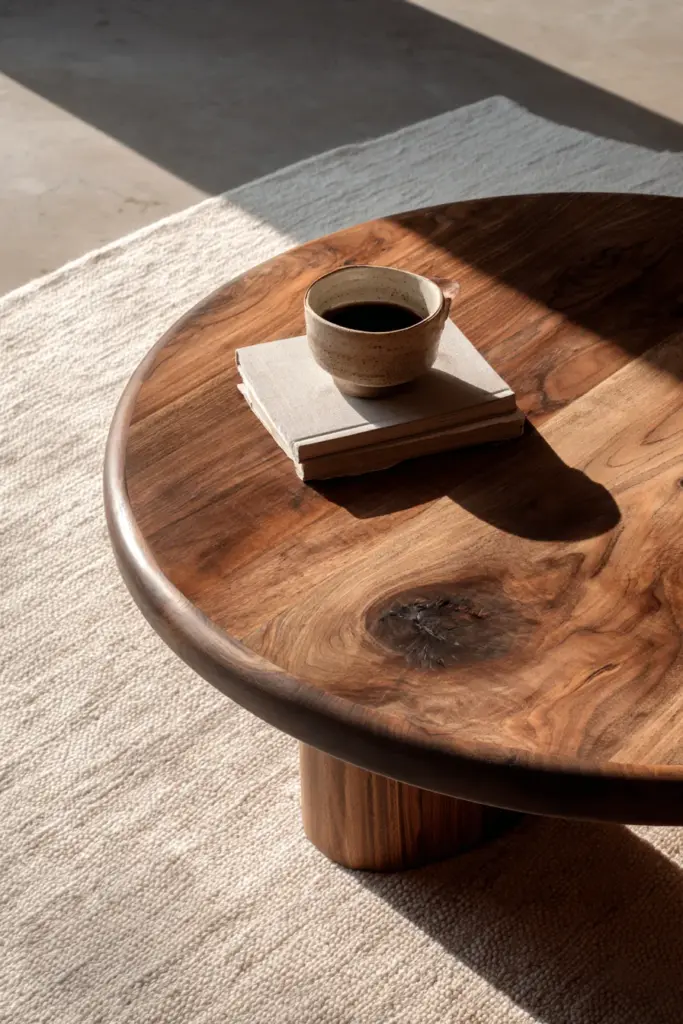
The coffee table in a small space must work harder than most. Seek out designs with hidden storage, lift-top mechanisms, or nesting capabilities.
Japandi aesthetics favor simple silhouettes—round or oval shapes soften angular rooms, while rectangular tables with rounded corners prevent bruised shins. Materials should feel honest: solid wood, light rattan, or stone with visible natural variations.
A coffee table at the right height (typically 40-45cm for low-slung seating) creates visual harmony and practical convenience. Look for pieces that showcase the wood grain, allowing knots and color variations to tell their story.
How to Arrange Japandi Furniture in a Small Living Room
The Wall-Anchored Layout
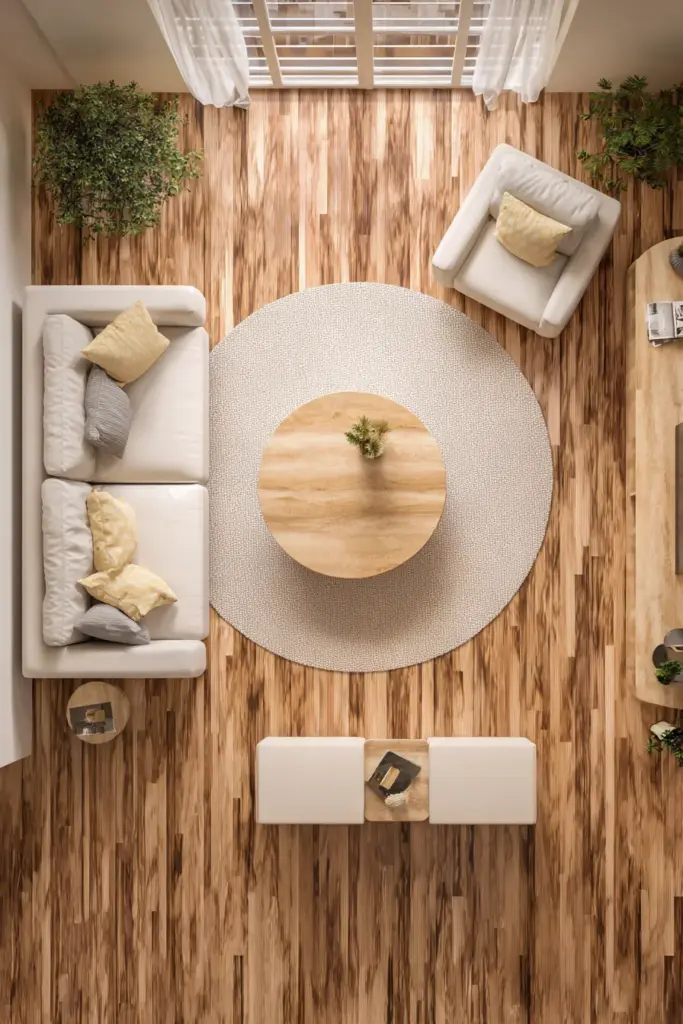
Place your sofa against the longest wall to create a sense of stability and maximize floor space in the center. This arrangement naturally draws the eye through the room rather than stopping at furniture obstacles.
Position your coffee table 30-40cm from the sofa—close enough for comfort, far enough to allow easy movement. If space permits, a single accent chair at an angle creates conversational intimacy without blocking pathways.
Keep at least 60cm of walking space around furniture. This breathing room is crucial in Japandi design, preventing the cramped feeling that plagues many small rooms.
The Floating Island Approach
For slightly larger small spaces (15-20 square meters), consider floating the sofa away from walls. This counterintuitive move can actually make the room feel more spacious by creating distinct zones.
Place a slim console table behind the sofa to define the seating area and add surface space for lamps or plants. This layout works beautifully in open-concept studios where the living area needs gentle separation from sleeping or dining zones.
Anchor the arrangement with a natural fiber rug—jute, sisal, or wool in neutral tones. The rug should extend beyond furniture edges by at least 15cm, visually expanding the seating area.
Strategic Symmetry and Asymmetry
Japandi design embraces both balance and intentional imperfection. Create symmetry with matching side tables or lamps, then break it with a single sculptural element—an asymmetrical floor lamp or an organically shaped stool.
This dance between order and spontaneity prevents the room from feeling too controlled or sterile. Your space should feel curated, not staged; lived-in, not precious.
Material and Color Palette Essentials
Natural Wood Selections
Oak, walnut, and ash dominate Japandi furniture for good reason. These woods offer durability, beautiful grain patterns, and the warm tones that prevent minimalism from feeling cold.
Light woods like ash or white oak brighten small rooms and pair beautifully with white or cream walls. Darker walnut adds depth and sophistication but should be balanced with lighter textiles and ample natural light.
Mix wood finishes intentionally—a matte finish on the coffee table, oiled teak on a side table—to create subtle visual layers without pattern or color complexity.
Neutral Color Foundation
Build your palette on beige, greys, whites, and earth tones. These colors recede visually, making walls feel farther away and ceilings higher.
Warm neutrals (cream, taupe, warm grey) create the hygge coziness Scandinavian design is known for. Cooler tones (greige, stone, dove) lean into Japanese restraint and contemplation.
Introduce depth through tone-on-tone layering—a linen sofa in oatmeal against walls in warm white, accented with cushions in deeper sand or charcoal. The variation creates interest without visual noise.
Textured Textiles and Natural Elements
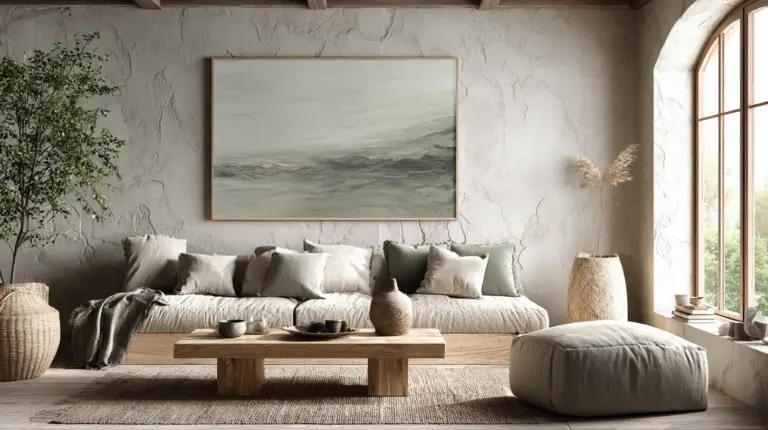
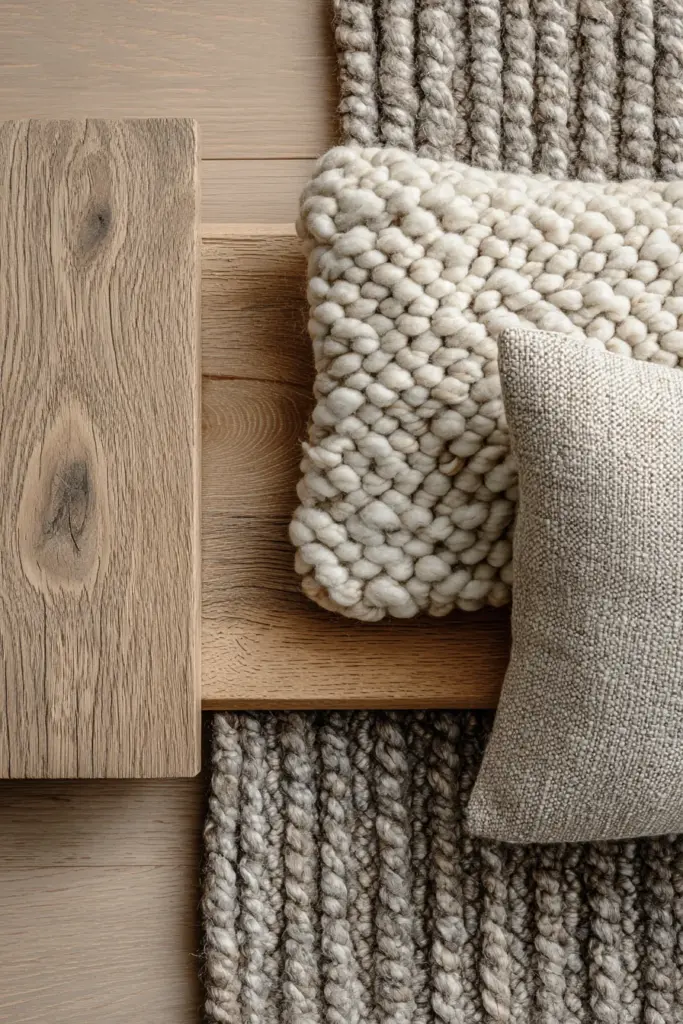
Texture replaces pattern in Japandi interiors. Seek out nubby linen, chunky knit throws, smooth leather, and rough-hewn wood. These tactile contrasts engage the senses while maintaining visual calm.
Layer textiles thoughtfully: a wool rug grounds the space, linen curtains filter light softly, cotton cushions invite touch. Each material should feel natural and honest—no synthetics pretending to be something they’re not.
Add warmth through sustainable materials like bamboo, rattan, or cork. A rattan basket for throws, a bamboo ladder for displaying textiles, cork coasters on the coffee table—these small touches reinforce the connection to nature central to both design traditions.
Budget-Friendly Japandi Furniture Ideas for Small Spaces
Affordable Alternatives Under $500
Creating a Japandi living room doesn’t require luxury budgets. IKEA offers excellent starting points—the SÖDERHAMN series for low-profile seating, LISABO tables in ash veneer, IVAR shelving systems that can be customized.
In the Philippines, explore SM Home, Our Home, or Wilcon Depot for natural wood furniture at accessible price points. Local craftsmen often create beautiful pieces in sustainable materials at fraction of imported costs.
Divisoria and Bambang markets offer hidden gems if you’re willing to hunt. Look for solid wood pieces that can be refinished, simple designs in good condition, and natural fiber accents like rattan or abaca.
DIY and Upcycling Strategies
Transform budget finds into Japandi treasures with simple interventions. Sand and oil a basic wooden table to reveal grain character. Paint mismatched furniture in cohesive neutral tones—warm white, soft grey, or natural wood stain.
Create your own low-profile sofa platform using pallets (choose heat-treated for safety) topped with custom cushions in natural linen. This approach offers both savings and customization to fit exact dimensions.
Repurpose items creatively: wooden crates become vertical storage, a vintage ladder displays throws, ceramic plates from local markets become wall art. The Japandi philosophy honors the history in objects, making secondhand perfectly aligned with wabi-sabi values.
Lighting Integration for Cozy Minimalism
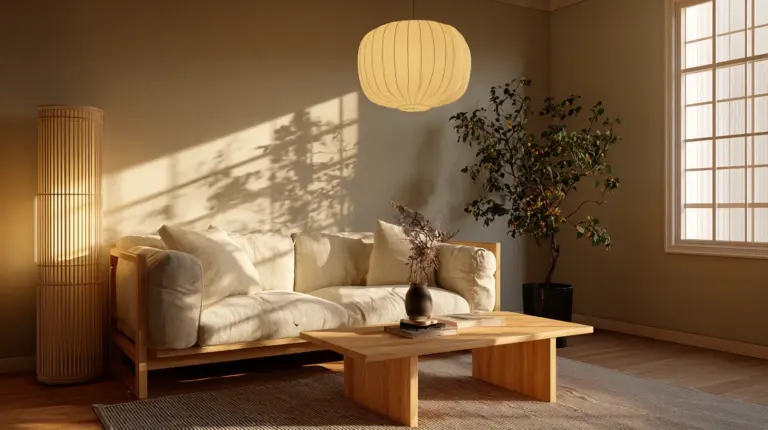
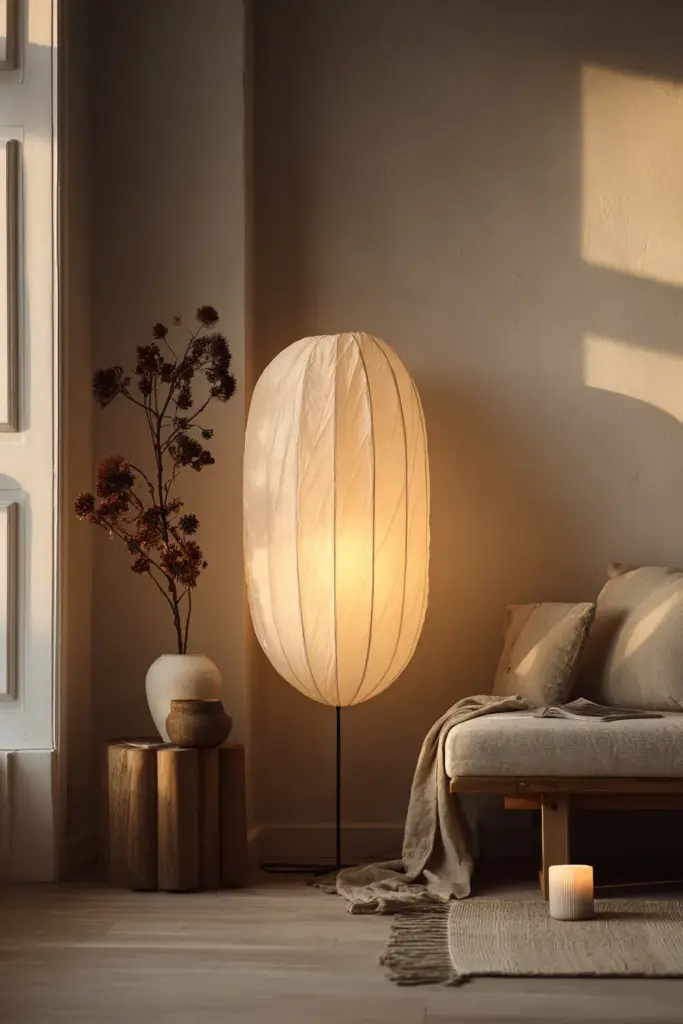
Light transforms small spaces from cramped to contemplative. Layer lighting at multiple heights: a statement floor lamp in sculptural wood or paper, table lamps on side surfaces, and subtle LED strips under floating shelves.
Warm LED bulbs (2700-3000K) create the hygge atmosphere essential to Japandi coziness. Dimmable options allow adjustment for different moods—bright for reading, low for evening relaxation.
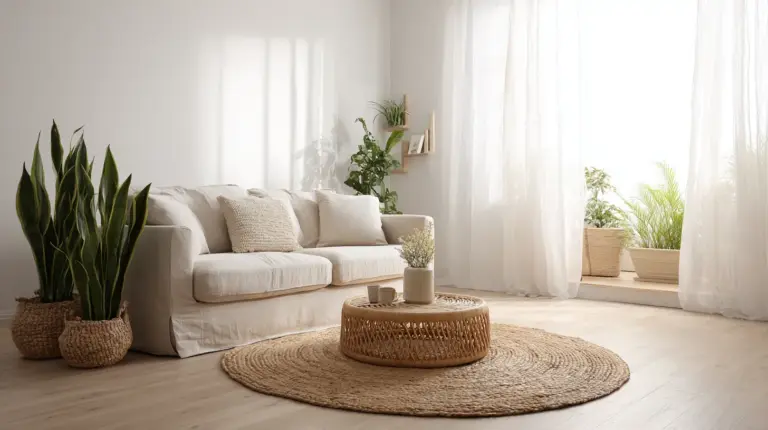
Natural light deserves thoughtful framing. Use sheer linen curtains that filter harsh sun while maintaining privacy. Position mirrors opposite windows to bounce light deeper into small rooms without adding visual clutter.
Small-Space Hacks and Solutions
Modular and Flexible Furniture
Invest in pieces that transform. Nesting tables provide surface area when needed, stack away when not. Poufs serve as seating, footrests, or side tables. Fold-down wall desks create work zones that disappear after hours.
Modular walls systems from brands like Muuto or String offer infinite customization, adapting as your needs evolve. Start with basic shelving and add cabinets, desks, or display elements over time.
Pet and Kid-Proof Fabrics
Japandi aesthetics accommodate real life. Choose performance fabrics in natural colors—crypton-treated linen, solution-dyed acrylic that mimics cotton, leather that gains character with wear.
Removable, washable cushion covers in neutral tones maintain the aesthetic while surviving spills and muddy paws. Tight weaves resist snagging from pets; smooth finishes wipe clean more easily than deep textures.
Climate Considerations for Humid Regions
In the Philippines’ tropical climate, furniture selection requires additional thought. Solid wood expands and contracts with humidity—opt for kiln-dried hardwoods and maintain consistent indoor humidity when possible.
Avoid particleboard or MDF, which deteriorate in moisture. Instead, choose teak, acacia, or local hardwoods naturally resistant to humidity. Cane and rattan also thrive in tropical conditions while offering authentic Japandi appeal.
Ensure adequate air circulation around furniture to prevent mold. Leave space between pieces and walls, use dehumidifiers during rainy season, and clean with appropriate products for tropical climates.
2026 Japandi Trends and Innovations
The Japandi aesthetic continues evolving while maintaining core principles. Emerging trends include AI-customized furniture that optimizes for exact room dimensions, augmented reality tools for visualizing arrangements before purchase, and increased focus on carbon-neutral production.
Expect more biophilic integration—furniture with built-in planters, living walls as room dividers, and materials that actively purify air. Technology becomes invisible, hidden within minimalist forms.
Color predictions lean toward warmed neutrals with subtle terracotta, clay, and rust accents. These earth tones add depth while maintaining the serene palette Japandi requires.
Key Takeaways for Small Japandi Living Rooms
- Choose low-profile furniture in natural wood to create visual spaciousness and ground the design in organic materials
- Embrace multifunctional pieces that serve storage, seating, and display purposes without cluttering limited square footage
- Build a neutral palette with textural variation through linen, wool, wood, and natural fibers rather than pattern or bold color
- Prioritize negative space as an active design element—not every surface needs filling
- Layer lighting at multiple heights using warm LEDs to create hygge coziness essential to the aesthetic
- Source locally when possible, supporting sustainable materials and craftsmen while reducing budget
- Maintain breathing room of at least 60cm around furniture for both physical comfort and visual calm
- Select humidity-resistant materials like teak, rattan, and kiln-dried hardwoods for tropical climates
- Curate ruthlessly—each object should serve a function or bring joy, ideally both
- Mix symmetry with organic asymmetry to prevent the space from feeling too controlled or sterile
Conclusion: Creating Your Personal Sanctuary
A small Japandi living room is more than square footage and furniture placement. It’s about cultivating a feeling—the exhale you release when you step through the door, the way afternoon light pools on natural wood, the texture of linen under your fingertips.
In choosing each piece with intention, in honoring both function and beauty, you’re not just decorating. You’re creating a sanctuary that supports how you actually live, in all its imperfect, authentic reality.
The marriage of Scandinavian warmth and Japanese wisdom offers permission to live with less while feeling abundantly cared for. Your small living room becomes a testament to what matters: comfort, simplicity, and the quiet joy of being exactly where you are.
May your space breathe as you do—deeply, calmly, and with gratitude for what’s truly essential.
Frequently Asked Questions
What is the difference between Japandi and minimalist furniture?
Japandi incorporates warmth and natural materials that pure minimalism often lacks. While minimalism can feel stark or cold, Japandi adds hygge coziness through textured textiles, wood grain, and organic shapes. Both value simplicity, but Japandi emphasizes sensory comfort alongside visual restraint, making spaces feel lived-in rather than gallery-like.
How much does Japandi living room furniture cost for a small space?
Budget-conscious setups start around ₱30,000-50,000 PHP for essential pieces (sofa, coffee table, storage) when sourcing from local stores or IKEA. Mid-range furniture from specialized retailers runs ₱80,000-150,000, while high-end designer pieces can exceed ₱200,000. Prioritize investment in seating and choose budget-friendly accents to balance costs effectively.
Can I mix dark and light wood in Japandi style?
Yes, mixing wood tones adds depth and prevents monotony, but maintain intentionality. Pair light ash or oak with darker walnut or teak deliberately—perhaps a light sofa frame with darker side tables. Keep other elements neutral (white walls, beige textiles) so wood variations feel curated rather than chaotic. Limit to 2-3 wood tones maximum in small spaces.
Where can I buy affordable Japandi furniture in the Philippines?
SM Home, Our Home, and Wilcon Depot offer natural wood furniture at accessible prices. IKEA remains the budget-friendly international option with Japandi-aligned pieces. For unique finds, explore local craftsmen in furniture districts like Bambang or Marikina, vintage shops for solid wood pieces to refinish, or online marketplaces like Carousell for secondhand gems.
How do I maintain Japandi furniture in humid climates?
Choose kiln-dried hardwoods (teak, acacia, local hardwoods) naturally resistant to moisture. Maintain indoor humidity between 40-60% using dehumidifiers during rainy season. Leave 5-10cm space between furniture and walls for air circulation. Clean with appropriate wood care products monthly, and address any moisture damage immediately to prevent deterioration. Avoid particleboard or MDF entirely.