
Table of Contents
Your small living room holds more potential than you think. It is not a limitation — it is an invitation to design with intention, flexibility, and heart.
Future-proofing a small living room means building a space that gracefully adapts to your life as it unfolds. From a young couple’s first home in Silang to a multigenerational household welcoming both toddlers and lolas, your living room can rise to meet every season of life.
At ERYLIN, we believe that thoughtful design is the most generous gift you can give your home. This guide walks you through every layer — from the warmth of natural textures to the quiet intelligence of smart tech — so your small space works harder, feels fuller, and stays beautiful longer.
Let’s begin.
What Does It Mean to Future-Proof a Small Living Room?
Future-proofing is not about predicting the future. It is about designing with enough flexibility that your home can shift with you — without a full renovation every five years.
A future-proof small living room uses timeless foundations, adaptable furniture, and layered function so that when life changes — a new baby, a work-from-home setup, aging parents moving in — your space is already ready.
Think of it as designing for the life you have and the life you’re moving toward.
5 Life Stages Your Small Living Room Must Support
Your living room is not a static backdrop. Over 10 to 20 years, it will need to serve completely different needs.
Stage 1: The Couple’s Nest (Years 1–3)
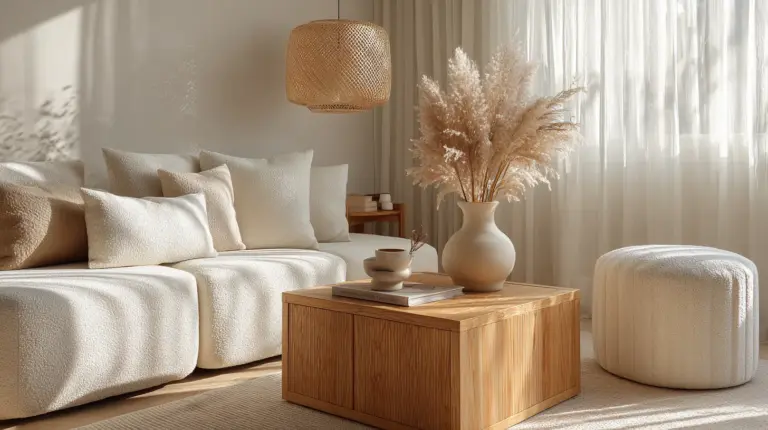
Clean lines, cozy textiles, and a sofa that welcomes long conversations. A low-profile loveseat in warm linen or boucle, a natural wood coffee table, and soft candlelight set the tone.
Stage 2: The Nursery Phase (Years 3–6)
Suddenly, the floor becomes sacred. A large, washable jute or cotton rug becomes a play zone. Furniture with rounded edges, hidden storage ottomans, and wall-mounted shelves keep the space safe and uncluttered.
Stage 3: The Homework Zone (Years 6–12)
A foldable wall desk or a convertible console table gives children a dedicated study corner without consuming the room. Acoustic panels in warm felt reduce noise between zones.
Stage 4: The Teen Retreat (Years 12–18)
Modular seating allows teenagers to reconfigure the space for friends. A daybed that doubles as a sofa, floor cushions, and dimmable ambient lighting create a room that feels like theirs.
Stage 5: Aging in Place (Years 20+)
Wider pathways between furniture (at least 90cm clearance), lever-style door handles, and single-floor living matter deeply here. Leave wall space near seating areas for future grab bars. Choose furniture on legs — it is easier to rise from and gives the room a lighter, airier feel.
Building a Timeless Foundation First
Before choosing furniture, choose your emotional intention. Ask yourself: Do I want this room to feel calm, focused, or social?
That answer guides everything — from paint color to lighting temperature to how you arrange your sofa.
Neutral Colors That Never Age
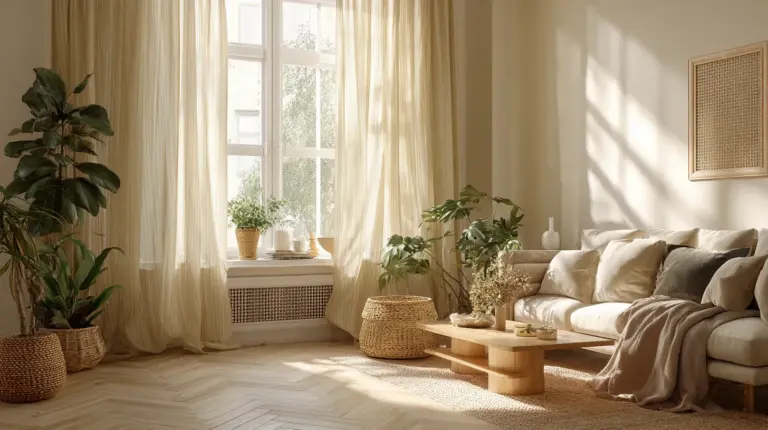
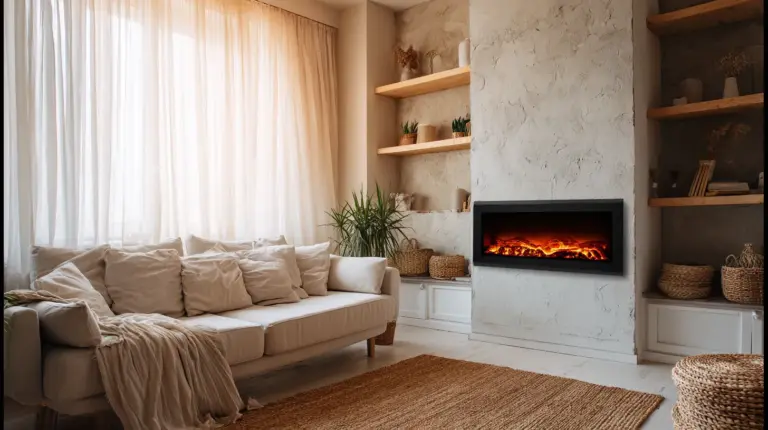
Pale walls in warm whites, soft beige, or muted sage create a canvas that adapts across decades and trends. These tones reflect natural light beautifully, making a 15–20 sqm room feel open and breathable.
ERYLIN tip: In the Philippine climate, warmer neutrals (creamy whites, sandy beiges) photograph better under natural tropical light than cool grays, which can read flat indoors.
Flooring That Works for Every Season
Choose light-toned flooring — blonde wood planks or warm terrazzo tiles — as a permanent base. They visually expand the room and pair with every furniture update you make over the years.
Modular Furniture: The Heart of a Future-Proof Room
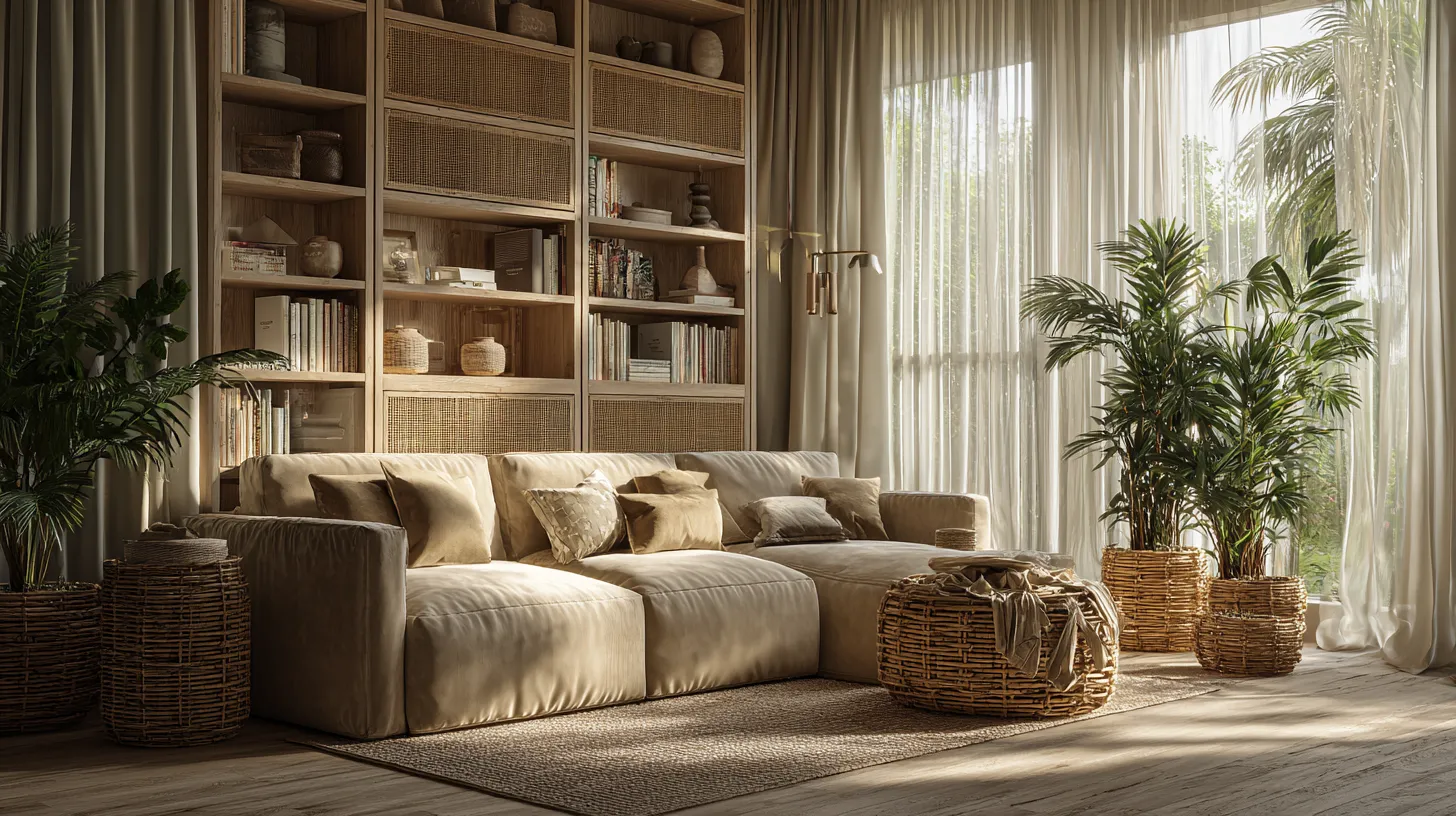
No single investment will serve your future-proof small living room better than modular furniture. These are pieces designed to be rearranged, expanded, and repurposed as your needs evolve.
Modular vs. Traditional Furniture: A Comparison
| Feature | Modular Furniture | Traditional Furniture |
|---|---|---|
| Adaptability | High — rearrange anytime | Fixed configuration |
| Space efficiency | Excellent | Moderate |
| Longevity | 10–20+ years | 5–10 years typical |
| Environmental impact | Lower (repair and reconfigure) | Higher (replace more often) |
| Upfront cost | Moderate to high | Low to moderate |
| Philippine availability | Growing (IKEA, local artisans) | Widely available |
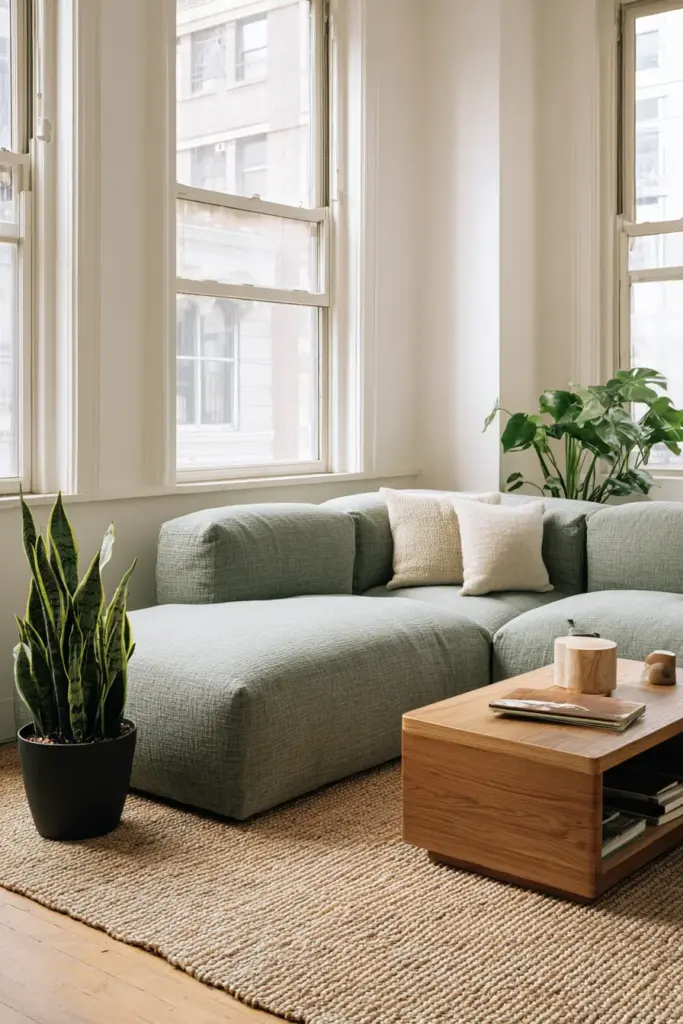
Look for sofas with interchangeable modules, coffee tables with lift tops or hidden compartments, and shelving systems that grow with your wall space.
Multi-Purpose Furniture Worth Having
- Storage ottomans — seating, footrest, and hidden storage in one
- Sofa beds — guest room that disappears by morning
- Extendable dining-coffee table hybrids — for small living-dining combos
- Wall-mounted foldable desks — WFH ready, fold flat when done
- Nesting side tables — stack away when not needed
Layered Lighting: Designing for Every Mood
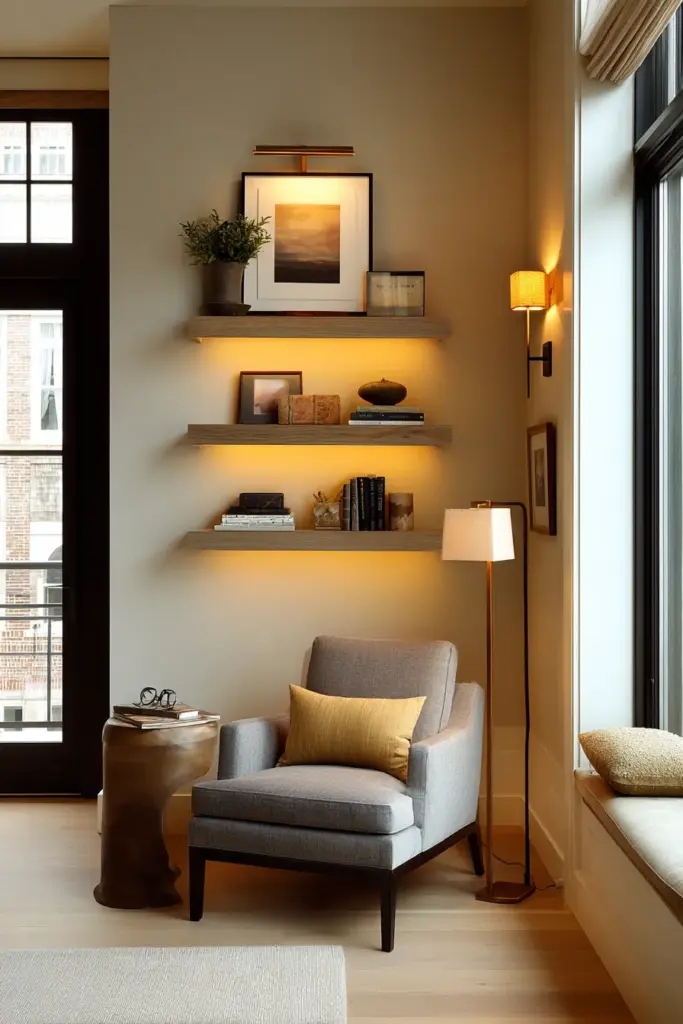
Light is the most transformative and affordable design tool available to you. A future-proof small living room uses three layers of lighting that can be controlled independently.
Lighting Layer Guide
| Layer | Purpose | Example |
|---|---|---|
| Ambient | General illumination | Ceiling fixture, recessed lights |
| Task | Focused activity | Floor lamp beside reading chair, desk lamp |
| Accent | Atmosphere and drama | Wall sconces, hidden LED strips, table lamps |
Install dimmer switches from the start. This single decision costs little but transforms how your room feels across morning, afternoon, and evening.
Color temperature matters: Use warm white (2700K–3000K) for relaxation zones and neutral white (3500K–4000K) for work or study areas. A smart bulb lets you switch between both.
Zoning Through Light
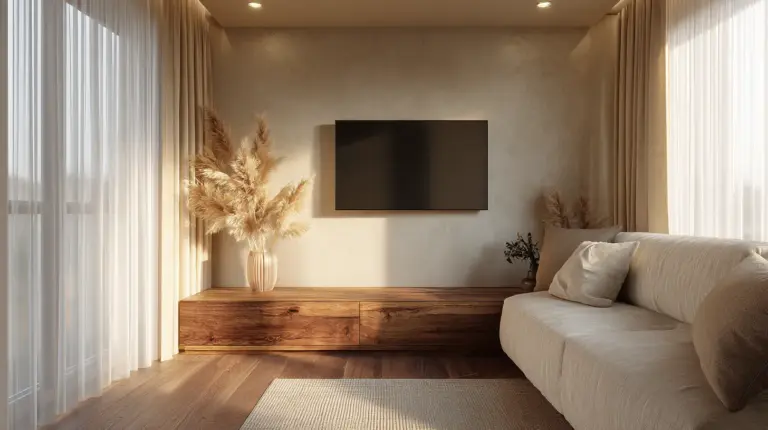
Use lighting to define invisible zones in an open small living room. A pendant over a reading nook, a warm lamp beside the sofa, and an LED strip under a shelf create distinct areas without any walls at all.
Smart Storage That Disappears
Clutter is the enemy of calm. In a small living room, hidden and vertical storage is not optional — it is essential.
Storage Ideas That Future-Proof Your Space
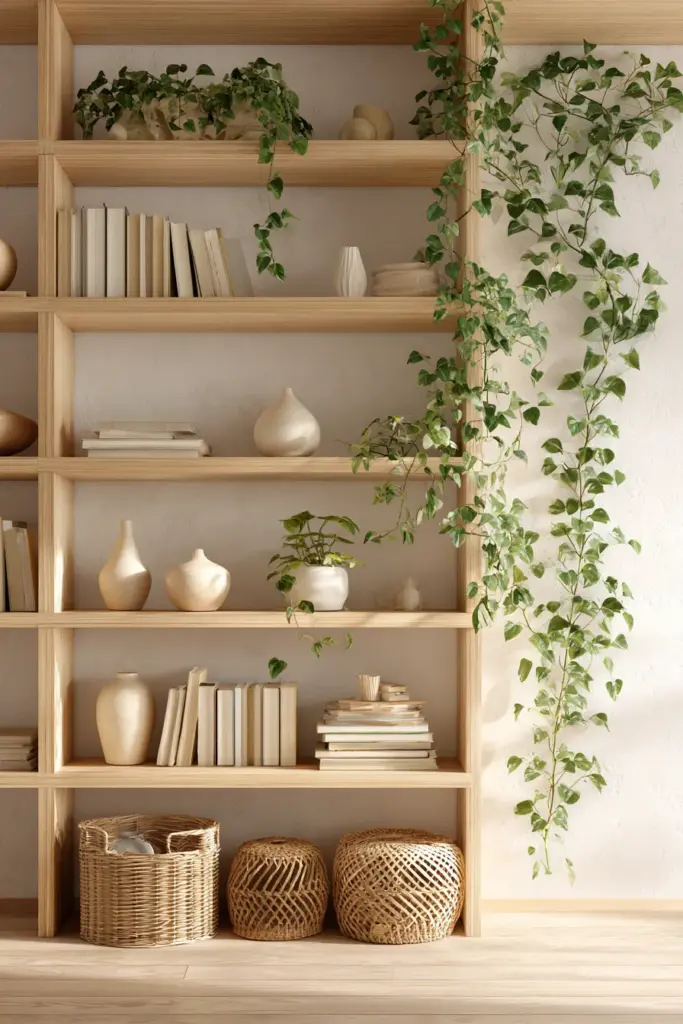
- Floor-to-ceiling shelves — maximize vertical space, display books and plants
- Built-in cabinetry — custom to your walls, eliminates wasted corners
- Furniture with compartments — coffee tables, media consoles with internal storage
- Baskets in natural rattan — flexible, movable, and beautiful
- Under-sofa storage drawers — often underused, surprisingly spacious
The goal is a room that can absorb the accumulation of family life without ever looking chaotic.
Biophilic Design for a Living Room That Breathes
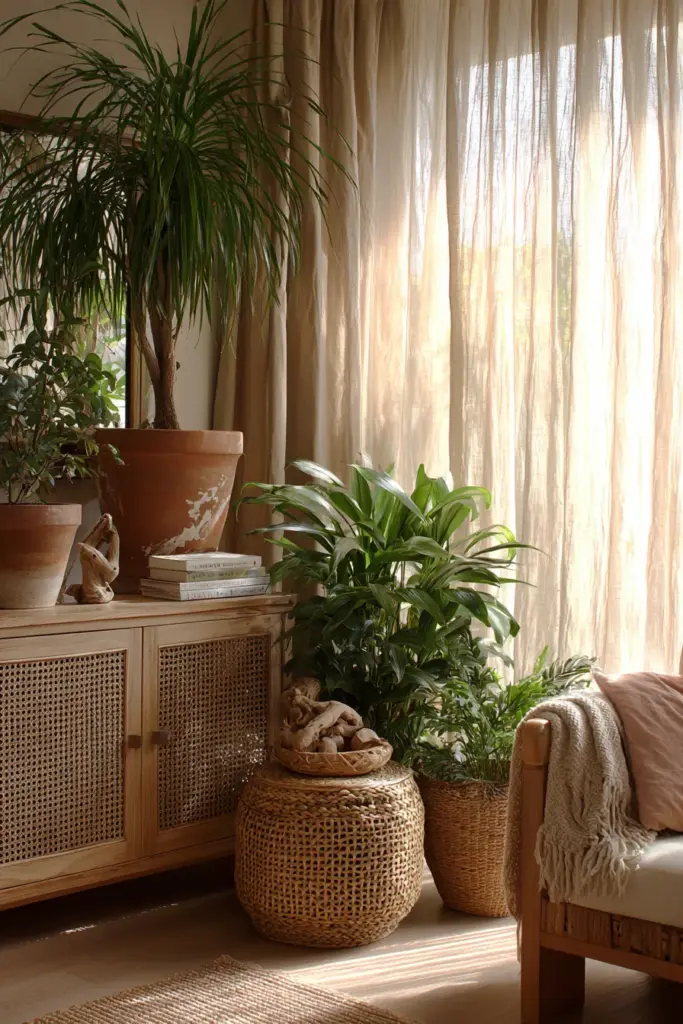
In the Philippine climate, bringing nature indoors is not just aesthetic — it is essential to wellbeing. Biophilic design connects your space to the natural world through plants, natural materials, and organic shapes.
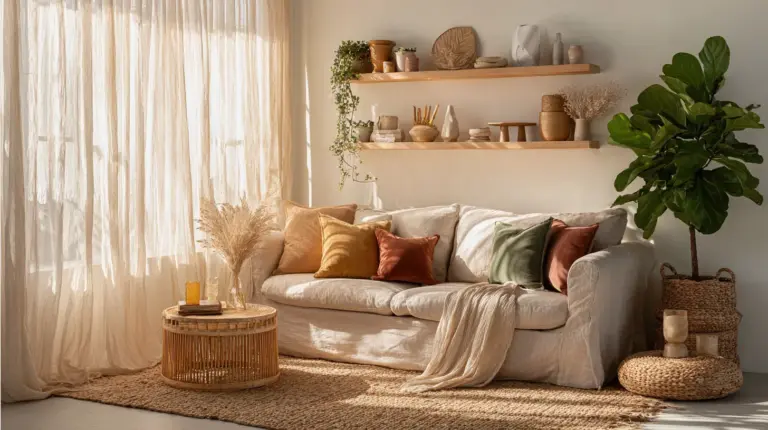
A trailing pothos on a high shelf, a cluster of snake plants in woven baskets, and a driftwood-inspired coffee table bring texture, scent, and life into the room. Natural materials — rattan, bamboo, linen, jute — age gracefully and feel appropriate year-round in tropical homes.
Humidity tip: In Silang and surrounding areas, choose humidity-resistant furniture materials like solid teak, acacia wood, or powder-coated metal. Avoid MDF-core furniture in areas with poor ventilation — it swells and warps over time.
Japandi + Future-Proof: The Perfect Pairing
Japandi — the quiet marriage of Japanese minimalism and Scandinavian warmth — is perhaps the most naturally future-proof aesthetic available. Its principles align perfectly with adaptable, long-lasting design.
The Japandi Future-Proof Checklist
- ✓ Choose furniture with clean, simple silhouettes that won’t date
- ✓ Use a restrained palette of warm neutrals and muted earthy tones
- ✓ Prioritize craftsmanship and natural materials over trend-driven pieces
- ✓ Leave breathing room — negative space is not emptiness, it is intention
- ✓ Layer texture (linen, wood, stone, cotton) rather than color for visual richness
- ✓ Select pieces with dual function wherever possible
- ✓ Display only what is meaningful — let every object earn its place
The Japandi approach teaches you to buy less but buy better — a philosophy that naturally extends the life of your home.
Acoustic Design: The Forgotten Layer
Post-pandemic living has changed what we ask of our living rooms. Many of us now work, study, relax, and host — all in the same space. Acoustic design makes this possible without noise becoming chaos.
Sound-absorbing materials — thick rugs, linen curtains, upholstered seating, felt wall panels — quietly absorb echo and reduce noise bleed between zones. A bookshelf filled with books is one of the best acoustic buffers you can add to any room.
If you work from home, consider placing your desk in a corner flanked by shelves or curtains. This creates a soft acoustic cocoon without any construction required.
Smart Home Pre-Wiring: Plan Early, Thank Yourself Later
The most future-proof thing you can do during renovation or setup is plan your electrical and tech infrastructure early. Retrofitting smart home features into a finished room is expensive and disruptive.
Pre-Wiring Checklist for a Smart-Ready Small Living Room
- ☐ Install extra electrical outlets along all walls (every 1.5 meters minimum)
- ☐ Add USB-C charging ports to at least two outlet positions
- ☐ Pre-wire for ceiling-mounted Wi-Fi access point
- ☐ Install dimmer-compatible wiring for all lighting circuits
- ☐ Add conduit behind walls for future data cable runs
- ☐ Plan for automated window blind motor rough-in at each window
- ☐ Include a dedicated circuit for entertainment or work equipment
- ☐ Leave junction box space for future wall-mounted TV or display
Smart thermostats, voice-controlled lighting, and automated blinds can all be added later — but only if the wiring is already there.
Future-Proofing Budget Tiers: Philippine Options
Future-proofing does not require a large budget all at once. It rewards strategic, phased investment over time.
Budget Tier Guide (Philippine Peso)
| Budget | Focus | What to Do |
|---|---|---|
| ₱5,000–₱15,000 | Foundation | Repaint in a timeless neutral, buy one quality storage ottoman, add a large area rug |
| ₱15,000–₱35,000 | Function | Invest in a modular sofa or convertible piece, add layered lighting with dimmers, install floating shelves |
| ₱35,000–₱80,000 | Transformation | Custom built-in storage, smart lighting system, acoustic panels, full Japandi-inspired furniture refresh |
Local tip: Check Mandaue Foam, IKEA Philippines, and local Cavite woodworkers for modular and solid wood pieces. Many artisans in the Calabarzon region craft beautiful, custom, humidity-resistant furniture at a fraction of imported prices.
Aging-in-Place Readiness: A Simple Scorecard
Rate your current living room on each point below. Zero means not yet ready; one means already in place.
- Pathways between furniture are at least 90cm wide
- Seating is firm enough to rise from without assistance
- Furniture sits on legs (easier to see under, easier to navigate around)
- Lighting is bright enough for older eyes without glare
- No loose rugs or cords that create trip hazards
- Wall space near main seating is clear for future grab bar installation
- Light switches are at accessible height (90–120cm from floor)
- Main living area is on ground floor or same floor as bedroom
A score of 6–8 means your room is aging-in-place ready. Below 4, prioritize the pathway width and lighting first — they make the most immediate difference.
Future-Proof Checklist for Small Living Rooms
Design Foundation
- Choose a timeless neutral palette for walls and large furniture
- Select natural, humidity-resistant materials suited to Philippine climate
- Invest in quality flooring you will not need to replace for 15+ years
Furniture
- Prioritize modular, multi-purpose, and convertible pieces
- Ensure all main seating allows easy rise (firm cushions, or legs for grip)
- Keep furniture scaled to the room — two-seater sofas often work better than three-seaters in small spaces
Storage
- Add vertical storage wherever wall space allows
- Use hidden storage in ottomans, coffee tables, and media consoles
- Build or buy floor-to-ceiling shelving in at least one wall
Lighting
- Install dimmers on all lighting circuits from the start
- Layer ambient, task, and accent lighting independently
- Use warm white for living zones, neutral white for work zones
Technology
- Pre-wire for smart home features during any renovation
- Add USB charging to outlet configurations
- Plan for wireless access point ceiling rough-in
Accessibility
- Maintain 90cm clear pathways between furniture
- Leave wall space near seating for future grab bars
- Choose lever-style handles on any cabinetry
A Final Word from ERYLIN
A future-proof small living room is not about having everything figured out in advance. It is about building a home that trusts you — one that gives you room to grow, to change, and to become.
Choose materials that weather beautifully. Choose furniture that serves honestly. Choose light that shifts with your mood and your morning.
Your small living room is already enough. With thoughtful, layered design, it becomes more than enough — a space that grows alongside the life you are building, season by season, with grace.
Welcome home.
Frequently Asked Questions
What does it mean to future-proof a small living room?
Future-proofing means designing your living room with enough flexibility and timelessness that it can adapt to changing life stages — from young families to remote work needs to aging-in-place — without requiring a complete renovation every few years.
How do you future-proof a small living room on a budget in the Philippines?
Start with the highest-impact, lowest-cost changes: repaint in a timeless neutral, add a washable area rug, and install dimmers on your existing lighting. From there, invest incrementally in one quality modular or multi-purpose furniture piece at a time. Local Calabarzon woodworkers and stores like Mandaue Foam offer solid options across all price points.
Can Japandi style be future-proof for small living rooms?
Absolutely — and it may be the most naturally future-proof aesthetic available. Japandi’s emphasis on simplicity, natural materials, and dual-purpose pieces means fewer trend-driven purchases and longer-lasting design choices. Its neutral palette also provides the perfect backdrop for changing décor over the years.
What is the best furniture for a future-proof small living room?
Modular sofas that can be reconfigured, storage ottomans, sofa beds, extendable tables, and wall-mounted foldable desks are all excellent investments. Prioritize pieces with clean lines, natural materials, and multiple functions.
How do I future-proof a small living room for kids AND aging parents?
Design for both extremes at once: maintain wide, clear pathways (good for prams and walkers), choose washable, durable textiles (good for spills and easy cleaning), and ensure seating is firm enough for easy rising. Wall-mounted and vertical storage keeps the floor clear for both play and mobility. This multigenerational approach is the most thoughtful form of future-proofing.
What smart home features should I add to future-proof my living room?
Start with dimmer switches and smart bulbs — they are low cost and immediately transformative. Next, add a smart speaker for voice-controlled lighting. During any renovation, pre-wire for automated blinds, ceiling Wi-Fi access points, and additional outlets with USB charging. These small infrastructure decisions cost little now and save significantly later.