

Table of Contents
There’s something magical about walking into a room where the walls themselves tell a story. Maybe it’s the way light catches on a textured surface at golden hour, or how a richly paneled accent wall makes everything feel more grounded and intentional. Your walls are more than boundaries—they’re canvases waiting to embrace your vision.
The world of wall treatments has bloomed beyond simple paint and paper. Today’s trends celebrate texture, sustainability, and personality in equal measure. From eco-friendly materials that whisper of nature to bold 3D panels that dance with shadows, there’s never been a more exciting time to reimagine your walls.
Whether you’re working with a cozy rental or dreaming big in your forever home, the right wall treatment can shift the entire energy of a space. Let’s explore the trending approaches that are capturing hearts—and transforming rooms—right now.
The Rise of Textured Wall Treatments
Flat walls feel like yesterday. Today’s interiors crave dimension, depth, and surfaces you almost want to reach out and touch. Textured wall treatments bring rooms to life by playing with light and shadow in ways smooth surfaces simply cannot.
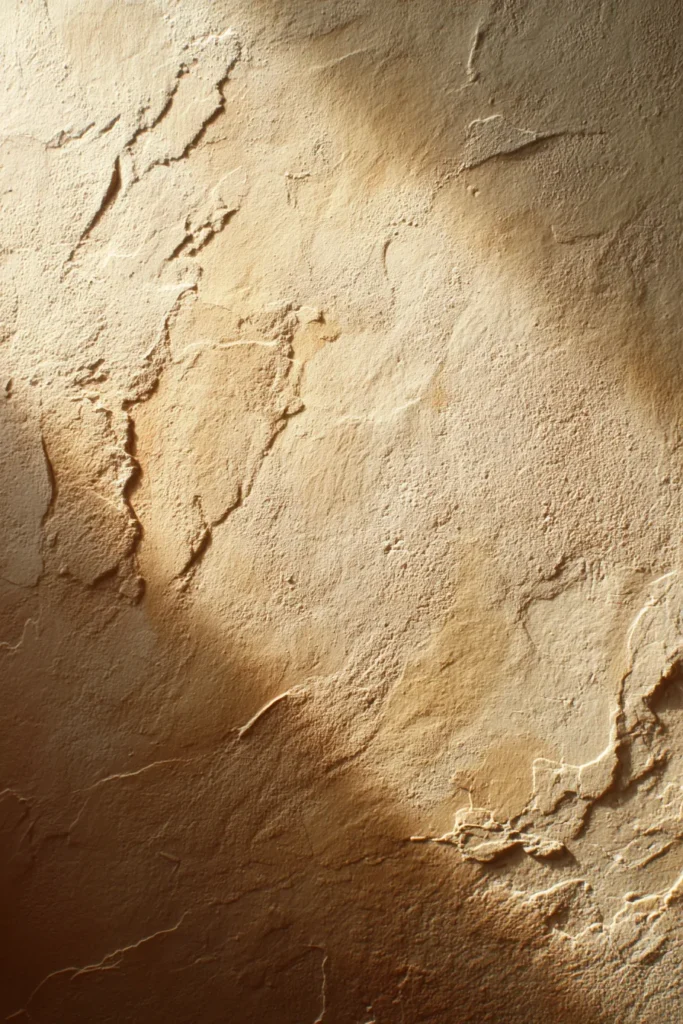
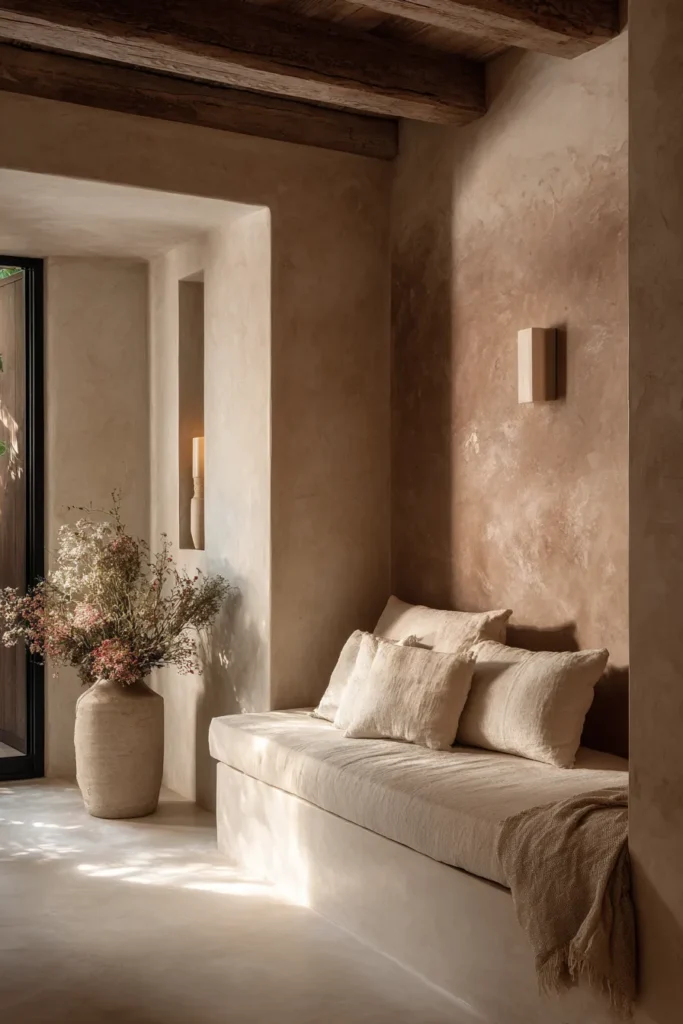
Consider Venetian plaster, that time-honored technique that creates subtle, luminous variation across your walls. It catches morning light differently than evening glow, making your space feel alive throughout the day. The finish ranges from butter-soft matte to gentle sheen, each layer hand-applied with intention.
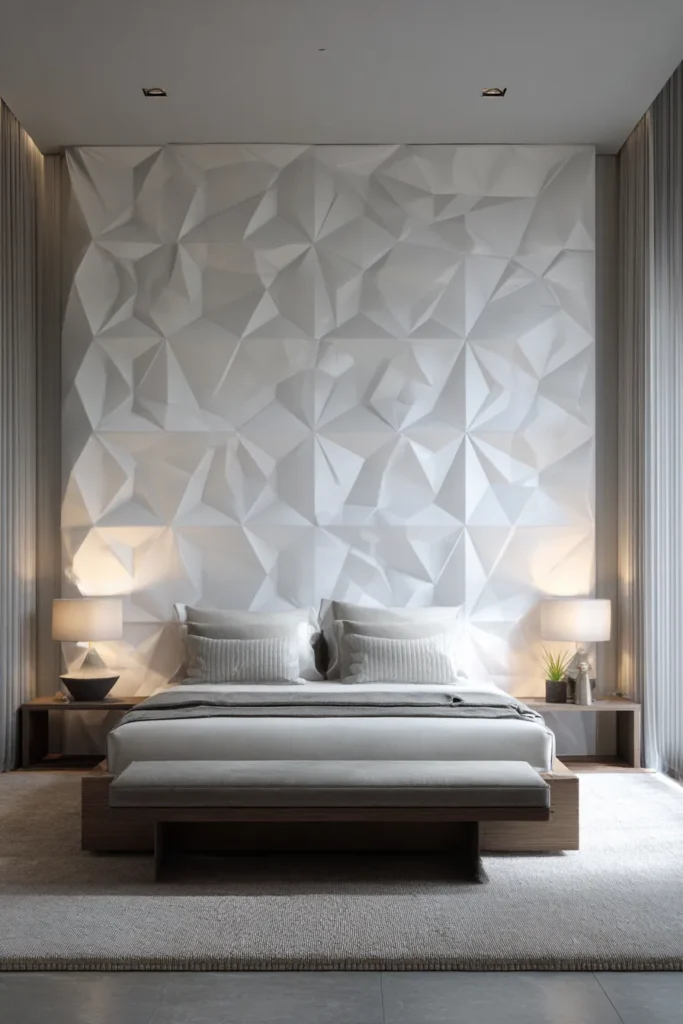
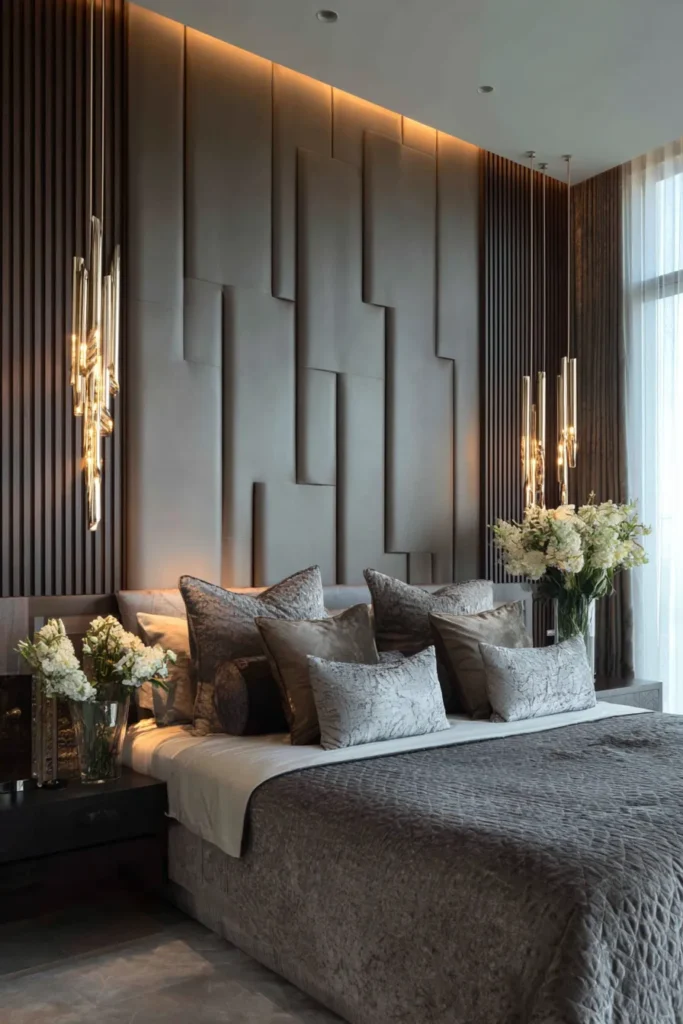
For something more contemporary, 3D wall panels offer instant architectural interest. These panels—available in geometric patterns, organic waves, or modern linear designs—transform a flat surface into sculptural art. They work beautifully behind beds, in dining areas, or flanking a fireplace where they can cast beautiful shadows.
Limewash paint delivers texture through technique rather than material alone. Applied with a brush in crosshatch strokes, it creates a cloudy, aged effect that feels both ancient and utterly current. The finish is breathable, eco-friendly, and develops a beautiful patina over time.
DIY Textured Finishes That Look Designer-Approved
You don’t need professional plasterers to achieve textured beauty. Textured wallpaper has evolved dramatically—today’s options mimic grasscloth, linen, concrete, and even hand-troweled plaster with remarkable authenticity.
Try a skip-trowel technique with joint compound for an organic, Mediterranean-inspired texture. Apply compound loosely with a trowel, let it set partially, then smooth high spots gently. The result feels handcrafted and expensive, achieved with materials from your local hardware store.
Stenciling with heavy-body paint creates raised patterns that catch light beautifully. Use thick craft paint or modeling paste through a geometric or floral stencil for subtle dimension that reads as custom millwork from across the room.
Sustainable and Eco-Friendly Wall Treatments
The most beautiful spaces honor both aesthetics and the earth. Eco-friendly wall treatments have moved from niche to necessity, offering stunning options that align with conscious living values.
Natural clay plasters bring warmth and wellness to interiors. Made from clay, sand, and natural pigments, they regulate humidity, absorb odors, and create walls that literally breathe. The earthy, matte finish ranges from soft terracotta to creamy neutrals, each shade feeling grounded and peaceful.
Reclaimed wood planking tells stories with every knot and grain pattern. Salvaged barn wood, weathered fence boards, or vintage floorboards can be arranged horizontally, vertically, or in herringbone patterns. Each piece carries history while keeping materials out of landfills.
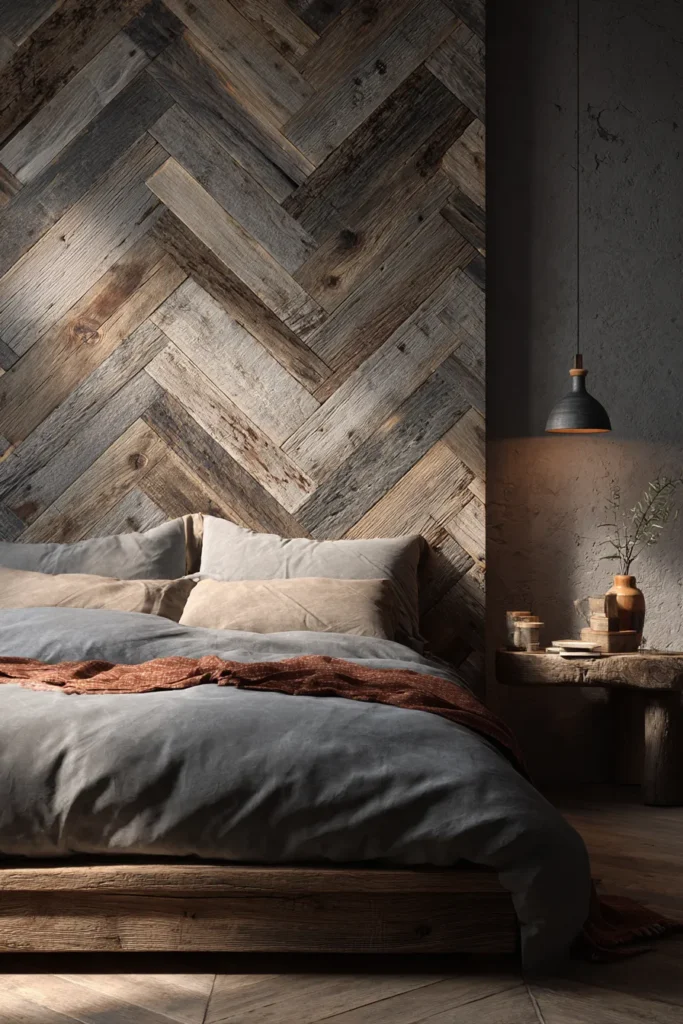
Cork panels deserve more attention than they receive. Beyond bulletin boards, cork comes in beautiful tiles and sheets with organic texture and natural variation. It insulates sound, provides thermal benefits, and adds instant warmth to modern spaces that might otherwise feel cold.
Budget-Friendly Sustainable Options
Peel-and-stick wallpaper made from recycled materials offers the easiest entry into sustainable style. Companies now produce beautiful designs printed on grasscloth and recycled paper backing. Install it in an afternoon, remove it without damage—perfect for renters or the commitment-averse.
Low-VOC and zero-VOC paints have improved exponentially in quality and color range. Brands like ECOS, Benjamin Moore’s Natura line, and Clare offer gorgeous palettes without off-gassing harmful chemicals. Your walls—and your lungs—will thank you.
Natural fiber wallcoverings bring organic texture through materials like sisal, jute, and seagrass. They add subtle dimension and a whisper of coastal calm to any room. The neutral palette works beautifully as a backdrop for colorful art or as the quiet hero in a minimalist space.
Wall Treatments for Small Spaces
Small rooms demand thoughtful approaches. The wrong wall treatment can shrink a space, but the right one creates the illusion of airiness and dimension while adding personality to every precious square foot.
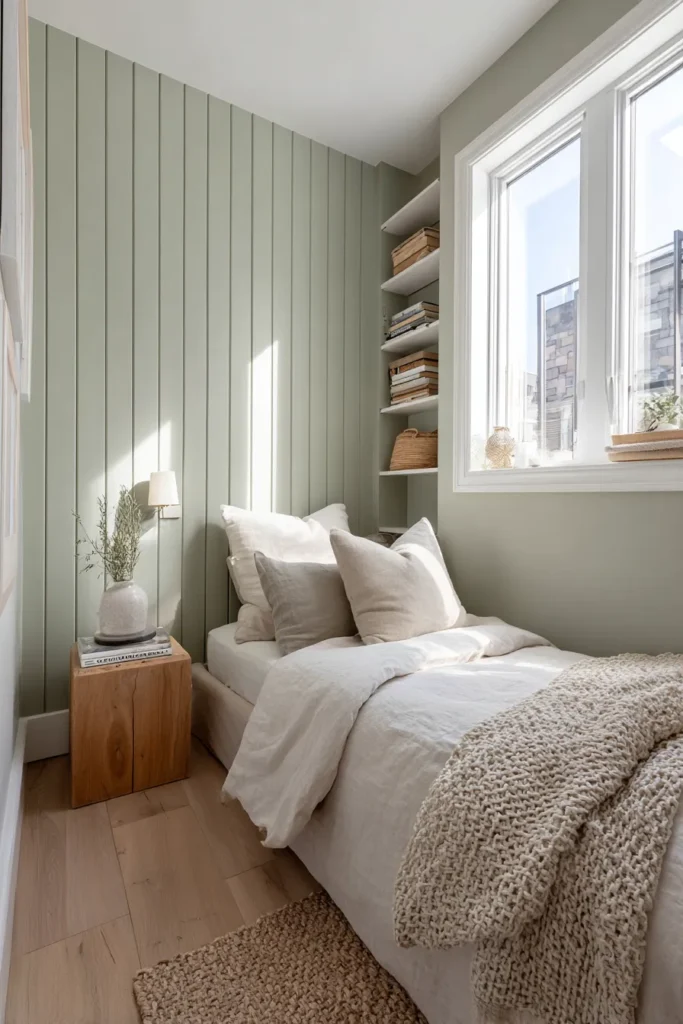
Vertical paneling draws the eye upward, making ceilings feel taller than they are. Consider slim battens, board-and-batten, or even painted stripes that lead the gaze skyward. Paint everything in a single color for cohesion, or use subtle contrast for added dimension.
Peel-and-stick murals transform tight spaces into portals. A scenic vista, abstract watercolor, or botanical illustration can make walls seem to recede. Position the focal point thoughtfully—perhaps behind a small desk or at the end of a narrow hallway.
Light-reflecting treatments work magic in compact rooms. Metallic wallpapers, iridescent paints, or high-gloss finishes bounce light around the space. Use them on one accent wall rather than everywhere to maintain sophistication.
Color Strategies for Compact Rooms
Contrary to old wisdom, dark walls can actually make small spaces feel more intimate and intentional rather than cramped. Deep charcoal, forest green, or navy creates cozy boundaries that embrace rather than confine. The key is balancing darkness with adequate lighting and lighter furnishings.
Monochromatic treatments create seamless flow. Paint walls, trim, and ceiling in varying sheens of the same color. The subtle variation adds interest without visual choppiness that can make small rooms feel fragmented.
Horizontal stripes expand perceived width. Use painter’s tape and two harmonious colors to create wide bands that make narrow rooms feel broader. Keep stripes thick—thin lines can read as busy rather than expansive.
Modern Wall Paneling Trends
Paneling has shed its dated reputation and emerged as a sophisticated design element. Today’s wall paneling ranges from sleek and minimal to ornately detailed, offering something for every aesthetic.
Shiplap remains beloved but has evolved beyond farmhouse applications. Install it horizontally for classic appeal, diagonally for drama, or in geometric patterns for modern edge. Paint it in unexpected colors—sage, dusty pink, or charcoal—for fresh interpretations.
Picture frame molding creates architectural interest through simple rectangles or squares applied directly to walls. This budget-friendly technique adds European elegance to plain surfaces. Paint the panels in subtle contrast to surrounding walls, or keep everything tonal for quiet sophistication.
Fluted panels bring Art Deco glamour to contemporary spaces. These vertical grooved panels add rhythm and movement to walls. They’re stunning behind beds, in entryways, or as dramatic dining room backdrops. Available in wood, MDF, or luxe marble for various budgets.
Installation Tips for DIY Paneling Projects
Measure twice, cut once becomes even more critical with paneling. Map your pattern on graph paper first, accounting for windows, outlets, and corners. This prevents costly mistakes and ensures balanced, intentional design.
Use a level religiously. Even slightly crooked panels create visual discord that’s impossible to ignore once installed. Mark level lines in pencil before attaching anything permanent.
Consider removable options for rental situations. Lightweight panels attached with heavy-duty strips or French cleats can achieve high-end looks without permanent commitment. Document your installation process for easier removal later.
Bold Wallpaper and Mural Trends
Wallpaper has roared back as the darling of interior design. Today’s offerings celebrate pattern, color, and artistry in ways that make walls the room’s undeniable star.
Oversized florals bring garden beauty indoors. Think dinner-plate dahlias, sprawling peonies, or tropical palms rendered in painterly detail. These dramatic patterns work best on single accent walls where they can make a statement without overwhelming.
Abstract and artistic designs transform walls into gallery-worthy installations. Watercolor washes, bold brushstrokes, or geometric abstractions offer personality without literal imagery. They complement modern furniture beautifully while adding emotional warmth.
Vintage-inspired patterns feel fresh again. Chinoiserie, toile, damask, and William Morris-style botanicals bridge traditional and contemporary when styled thoughtfully. Pair them with clean-lined furniture and modern lighting to keep them from feeling costume-like.
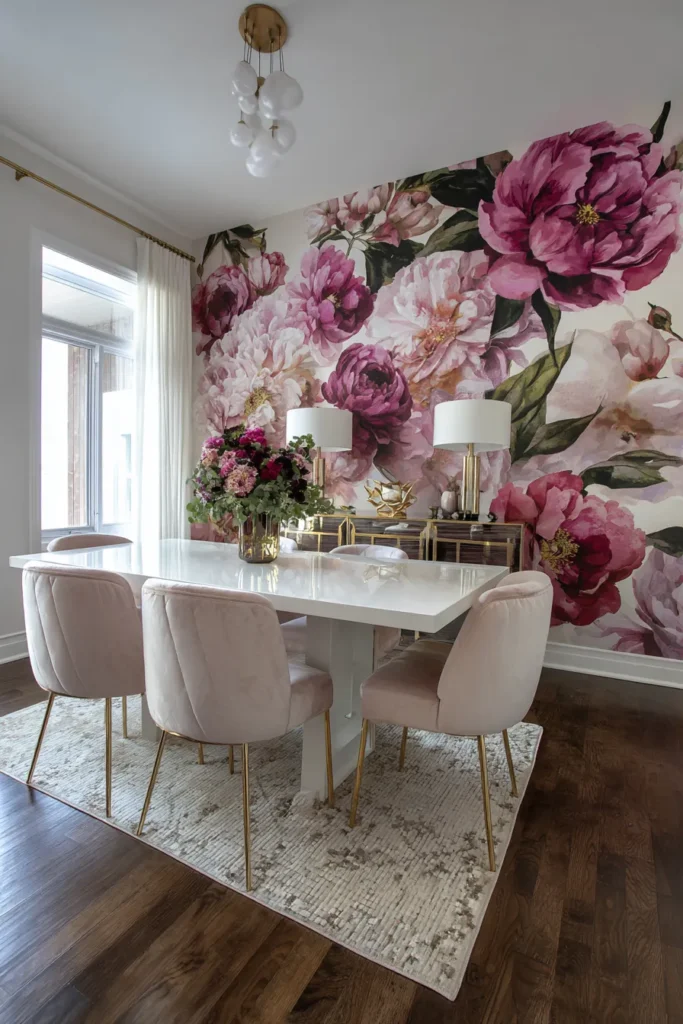
Where to Use Bold Patterns
Powder rooms are perfect for adventurous wallpaper choices. These small spaces can handle drama that might overwhelm larger areas. Go bold with color, pattern, or metallic finishes—guests will love the surprise.
Behind built-in shelving, wallpaper peeks through in a curated way. The shelving frames the pattern, making it feel intentional rather than busy. This works beautifully in home offices, living rooms, or kitchens with open shelving.
Ceilings are often called the fifth wall for good reason. A patterned or textured ceiling treatment adds unexpected delight while keeping sight lines clear. Subtle patterns work in bedrooms; bolder choices suit dining areas or entryways.
Peel-and-Stick Solutions for Renters
Rental living no longer means sacrificing style. Peel-and-stick wall treatments have revolutionized temporary design, offering stunning options that install easily and remove cleanly.
Removable wallpaper now rivals traditional options in quality and variety. From grasscloth textures to intricate patterns, these wallpapers use gentle adhesive that won’t damage paint or drywall. Application takes patience but no special skills—just a smoothing tool and careful alignment.
Peel-and-stick tiles bring backsplash style to any wall. While designed for kitchths and bathrooms, these tiles create interesting accent walls in living areas too. Geometric patterns, faux marble, or subway tile styles add architectural interest without tools or grout.
Removable wall decals and murals offer the easiest application of all. Simply peel and stick for instant transformation. Remove them when you move or when you’re ready for something new. Quality options look hand-painted rather than like stickers.
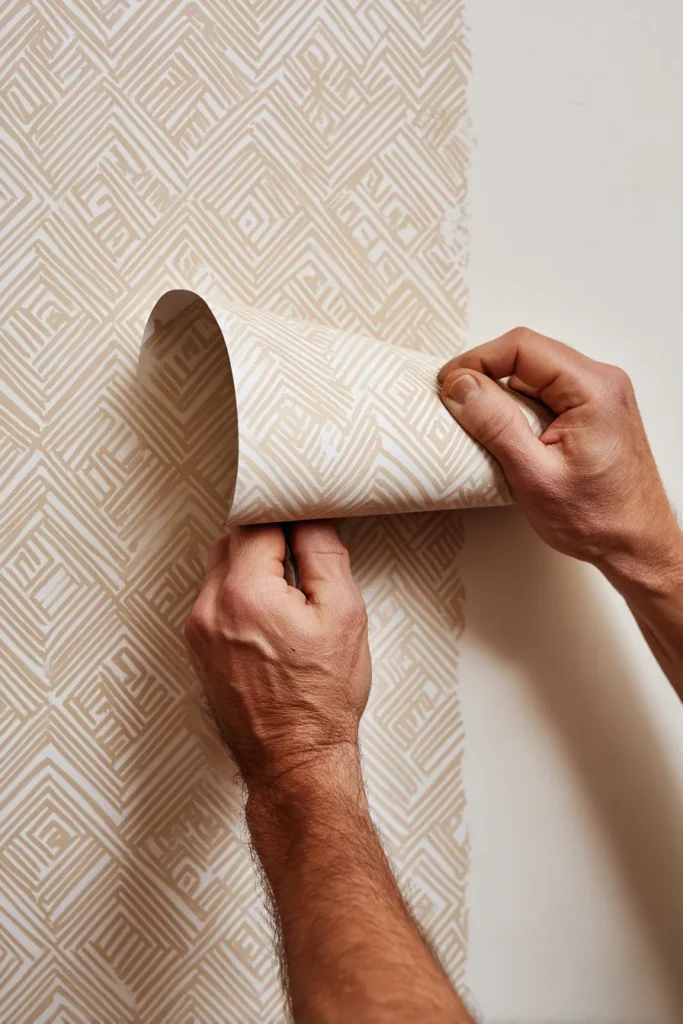
Making Peel-and-Stick Look Permanent
Surface preparation matters enormously. Clean walls thoroughly, let them dry completely, and ensure the surface is smooth. Fill any holes or cracks first—they’ll show through, even under patterned paper.
Plan your pattern carefully. Measure and mark where each panel will go before removing any backing. This prevents mid-installation panics when pieces don’t align as imagined.
Smooth as you go from center outward, using a squeegee or credit card to eliminate bubbles. Work slowly—rushing creates problems. If bubbles form, gently peel back and reapply rather than living with imperfections.
Color and Texture Trends for 2025
This year’s palette celebrates nature, comfort, and emotional resonance. Wall colors lean into warmth after years of cool grays dominating design conversations.
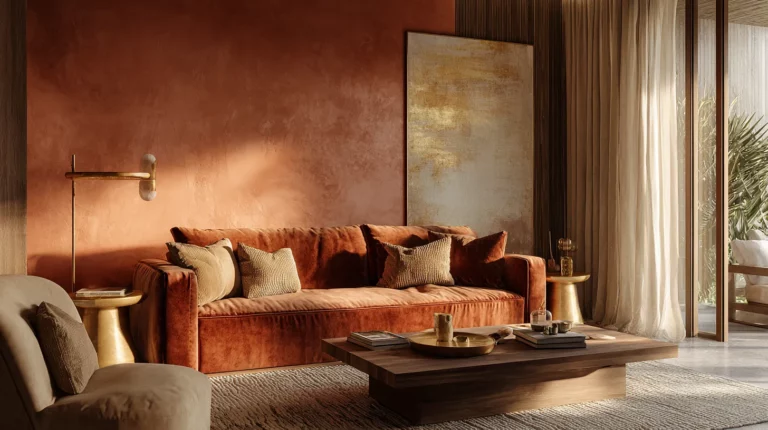
Earthy terracottas and clay tones bring sun-baked Mediterranean warmth indoors. These colors glow beautifully in natural light and create cozy cocoons after dark. They pair perfectly with natural wood, cream textiles, and black accents.
Soft greens—from sage to moss to celadon—continue their reign as the new neutral. These shades connect us to nature while remaining serene and versatile. They work in every room, from kitchens to bedrooms, and complement both warm and cool accent colors.
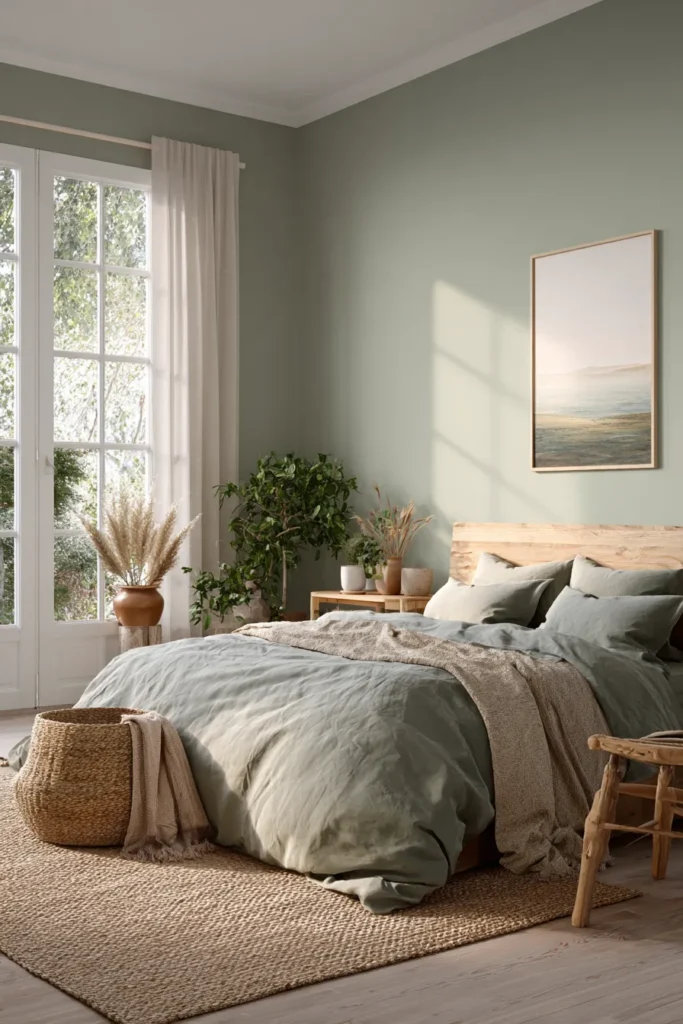
Deep, moody hues satisfy our craving for cocooning spaces. Chocolate brown, forest green, midnight blue, and charcoal create intimate environments that feel both sophisticated and comforting. Balance them with plenty of lighting and lighter furnishings.
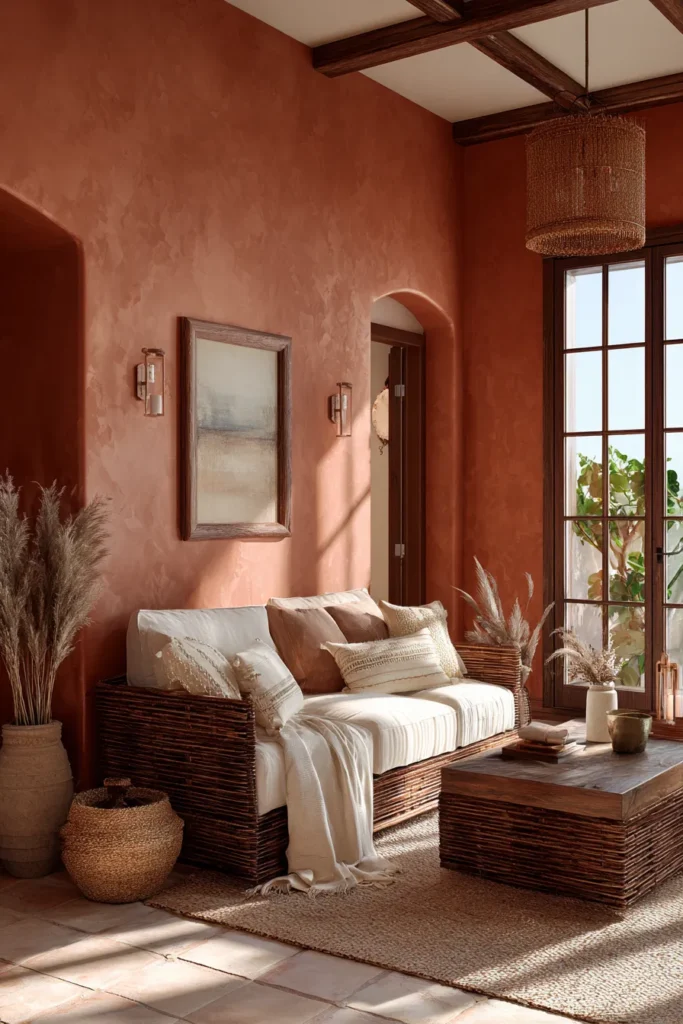
Trending Textures
Rough and raw finishes like concrete-effect paints or exposed brick (real or faux) bring urban edge to interiors. These textures ground spaces and provide contrast to soft furnishings and smooth surfaces.
Soft and tactile treatments answer our need for comfort. Fabric-covered walls, upholstered panels, or textile wallcoverings invite touch and absorb sound. They’re especially lovely in bedrooms and reading nooks.
Mixed-material approaches combine different textures on a single wall for dynamic interest. Try wood planks with plaster sections, or alternate panels of smooth paint with textured wallpaper. The variation creates visual intrigue without pattern.
Wall Treatment Trends Checklist
Before diving into your wall transformation, consider these essential elements:
- Assess your space — Consider room size, natural light, and existing furniture before selecting treatments
- Define your style — Identify whether you’re drawn to modern minimalism, rustic warmth, bold drama, or classic elegance
- Consider longevity — Choose permanent treatments for owned homes, removable options for rentals
- Factor in budget — Determine if you’re pursuing DIY methods, hiring professionals, or blending both approaches
- Think practically — Account for maintenance, durability, and how the treatment handles moisture or wear
- Plan the prep — Budget time and money for proper surface preparation, which ensures better results
- Sample first — Test colors, textures, and patterns in your actual space before committing fully
- Consider sustainability — Prioritize eco-friendly materials, low-VOC products, and ethically sourced options when possible
- Account for lighting — Understand how your wall treatment will look under different light conditions throughout the day
- Balance the room — Ensure wall treatments complement rather than compete with furniture, art, and accessories
Bringing It All Together
Your walls hold so much potential. They frame your mornings, witness your evenings, and create the backdrop for your daily life. Treating them thoughtfully transforms not just your space, but how you feel within it.
The trends we’ve explored—from sustainable materials to bold patterns, textured finishes to renter-friendly solutions—all share a common thread. They invite us to see our walls as opportunities rather than limitations. They encourage personal expression, conscious choices, and spaces that truly feel like home.
Start small if you’re hesitant. One accent wall, one technique, one weekend can shift your entire relationship with your space. Let texture catch the light. Let color move you. Let your walls reflect who you are and how you want to live.
Because home isn’t just where your furniture lives. It’s where your walls hold you, and where beauty becomes part of your everyday. Choose treatments that make you pause, smile, and feel grateful to be exactly where you are.
Frequently Asked Questions
What are the latest wall treatment design trends in 2025?
The current trends embrace texture, sustainability, and bold personality. Textured finishes like Venetian plaster and 3D panels lead the way, along with eco-friendly clay plasters and reclaimed wood. Earthy color palettes—terracottas, soft greens, and deep moody tones—dominate. Peel-and-stick solutions have improved dramatically, making statement walls accessible to renters. Fluted panels, oversized botanical wallpapers, and mixed-material approaches all reflect the year’s emphasis on tactile, nature-inspired, personalized spaces.
How do you create textured wall treatments on a budget?
Several DIY techniques deliver expensive-looking texture affordably. Try a skip-trowel method using joint compound applied loosely with a trowel for organic Mediterranean texture. Textured wallpaper now mimics grasscloth, linen, and plaster convincingly. Stenciling with heavy-body paint creates raised patterns that catch light. Limewash paint applied with crosshatch brushstrokes delivers dimensional finish. For panels, use lightweight MDF strips to create board-and-batten or picture frame molding at a fraction of professional installation costs.
What are the best eco-friendly wall treatment options?
Natural clay plasters offer beautiful, breathable walls that regulate humidity and improve indoor air quality. Reclaimed wood planking keeps materials from landfills while adding character. Low-VOC and zero-VOC paints from brands like ECOS and Benjamin Moore’s Natura line provide gorgeous colors without harmful off-gassing. Cork panels insulate sound and provide warmth. Natural fiber wallcoverings made from sisal, jute, or seagrass add organic texture. Peel-and-stick wallpapers made from recycled materials offer removable, sustainable style.
Can you use bold wallpaper in small spaces?
Absolutely, when done thoughtfully. Large-scale patterns can actually make small rooms feel more intentional and sophisticated. Use bold wallpaper on a single accent wall rather than all surfaces. Powder rooms are perfect for adventurous choices since the small space can handle drama. Place patterned wallpaper behind shelving where it peeks through in curated doses. Consider vertical patterns that draw eyes upward, making ceilings feel taller. Balance bold walls with simpler furnishings and adequate lighting.
How do peel-and-stick wall treatments hold up long-term?
Quality peel-and-stick products perform remarkably well with proper installation. They adhere best to smooth, clean, dry surfaces. Most can last several years without peeling or fading, especially away from high-moisture areas. They remove cleanly without damaging walls, making them ideal for renters. The key is surface preparation—fill holes, clean thoroughly, and ensure walls are completely dry before application. Smooth out bubbles immediately during installation for best results. Higher-quality brands withstand gentle cleaning and normal wear better than budget options.