
Table of Contents
The right rug doesn’t just cover a floor—it anchors a room, softens footsteps, and whispers warmth into every corner. In 2025, rugs are stepping into a more intentional role, bridging sustainability with style, and grounding spaces that feel both curated and lived-in.
This year, we’re moving away from matchy-matchy perfection and embracing rugs that tell stories. Think artisan-made textiles with uneven edges, bold patterns that spark conversation, and natural fibers that age beautifully. The rug beneath your feet is no longer an afterthought—it’s a statement piece, a functional sculpture, a quiet invitation to pause.
Whether you’re layering textures in a minimalist living room or anchoring a vibrant maximalist retreat, the rug trends of 2025 celebrate individuality, craftsmanship, and the kind of beauty that lasts. Let’s explore what’s grounding our homes this year—and why it matters.
The Return of Artisan-Made and Handcrafted Rugs
Mass-produced perfection is losing its appeal. In its place, we’re craving the irregular beauty of handwoven, hand-knotted, and hand-tufted rugs that carry the marks of their makers.
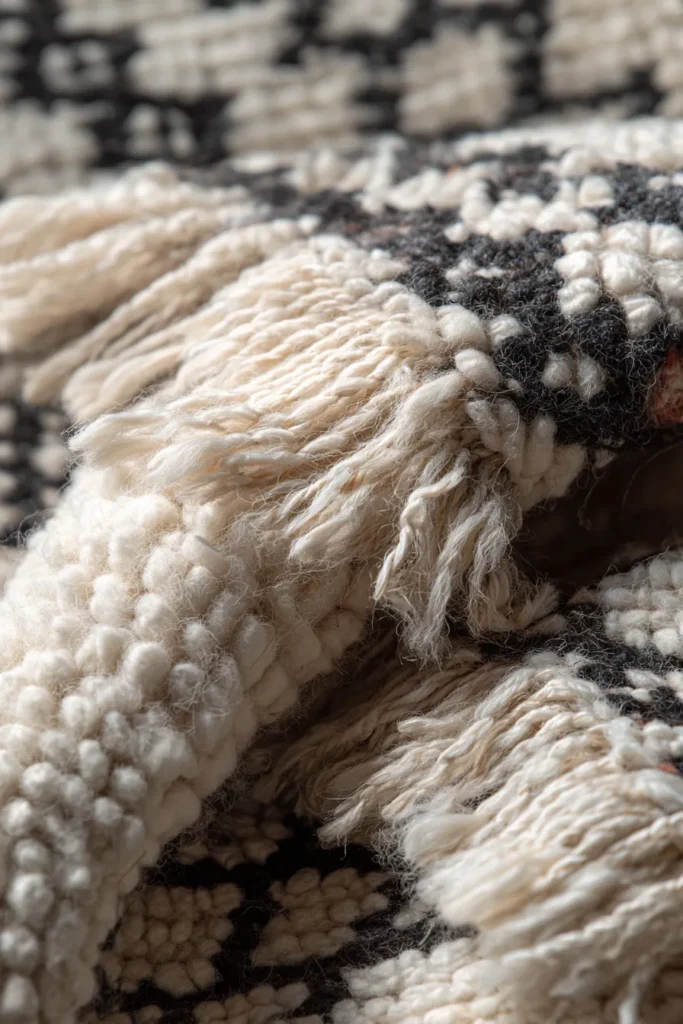
Artisan-made rugs bring soul into a space. Each subtle imperfection—a slightly uneven fringe, a color variation in the dye—speaks to the human hands that created it. These pieces aren’t just décor; they’re heirlooms in the making, designed to outlast fleeting trends and deepen in character over time.
Look for rugs crafted using traditional techniques like Moroccan berber weaving, Turkish kilim patterns, or Indian dhurrie construction. These methods not only honor cultural heritage but also align with the growing demand for sustainable and eco-friendly design. By investing in handcrafted textiles, you’re supporting artisan communities and choosing quality over quantity—a value that resonates deeply in 2025’s design landscape.
Why Handcrafted Matters
Handcrafted rugs offer durability that machine-made alternatives simply can’t match. The natural materials and meticulous construction mean they age gracefully, developing a patina that adds warmth and history to your home. They also fit seamlessly into both modern minimalist spaces and more layered, maximalist interiors, proving that craftsmanship transcends style categories.
Bold, Personalized Patterns Over Neutral Monotony
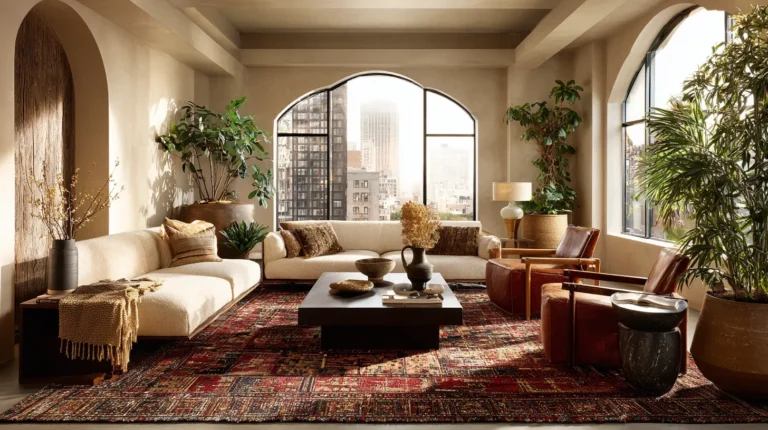
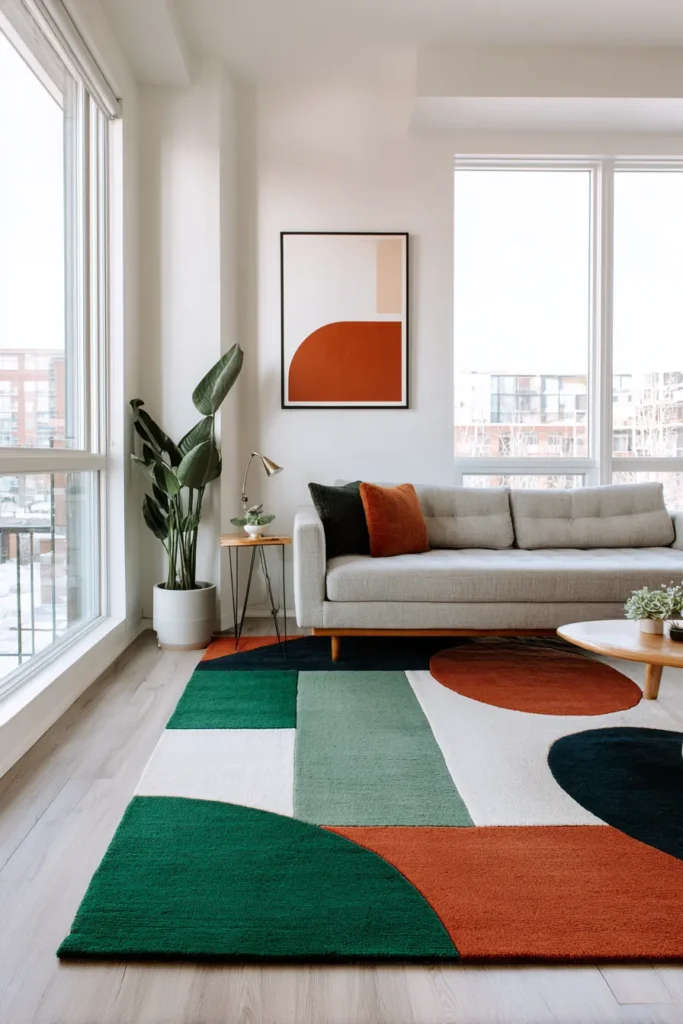
The era of playing it safe with beige and gray is fading. 2025 is about rugs that reflect your personality—bold geometrics, vibrant tribal motifs, abstract brushstrokes, and patterns that refuse to blend into the background.
This shift mirrors a broader movement away from sterile, all-white interiors toward spaces that feel personal and alive. Your rug can be the starting point for an entire color story, introducing unexpected hues that you’d never dare to paint on the walls. Jewel tones like deep emerald, sapphire, and burnt terracotta are particularly strong this year, grounding rooms with richness and warmth.
Don’t shy away from contrast. A graphic black-and-white rug can anchor a colorful maximalist room, while a vibrant Persian-inspired design can add life to a pared-back minimalist space. The key is intentionality—choosing a rug that feels like you, not what a catalogue told you was safe.
Mixing Patterns with Confidence
Worried about clashing? The secret to successful pattern mixing lies in varying scale and maintaining a cohesive color palette. Pair a large-scale abstract rug with smaller, detailed patterns in your textiles and artwork. This creates visual interest without overwhelming the senses, achieving that coveted minimalist maximalism—where every piece is purposeful yet expressive.
Natural Fibers and Sustainable Materials
Sustainability isn’t a buzzword in 2025—it’s a baseline expectation. Rugs made from natural, renewable fibers are dominating design conversations, and for good reason: they’re beautiful, durable, and kind to the planet.
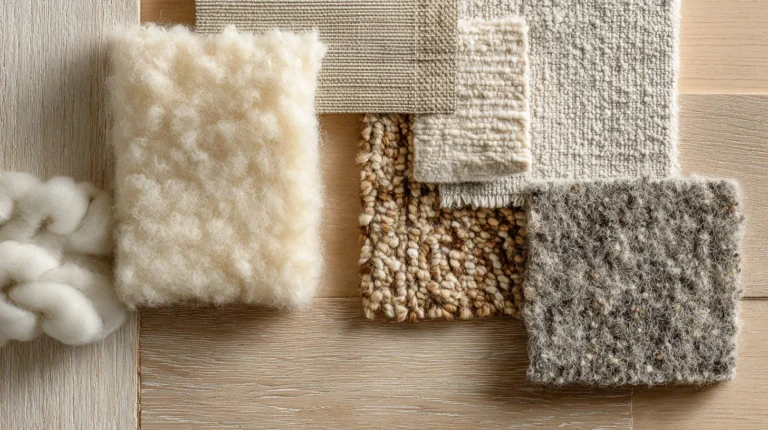
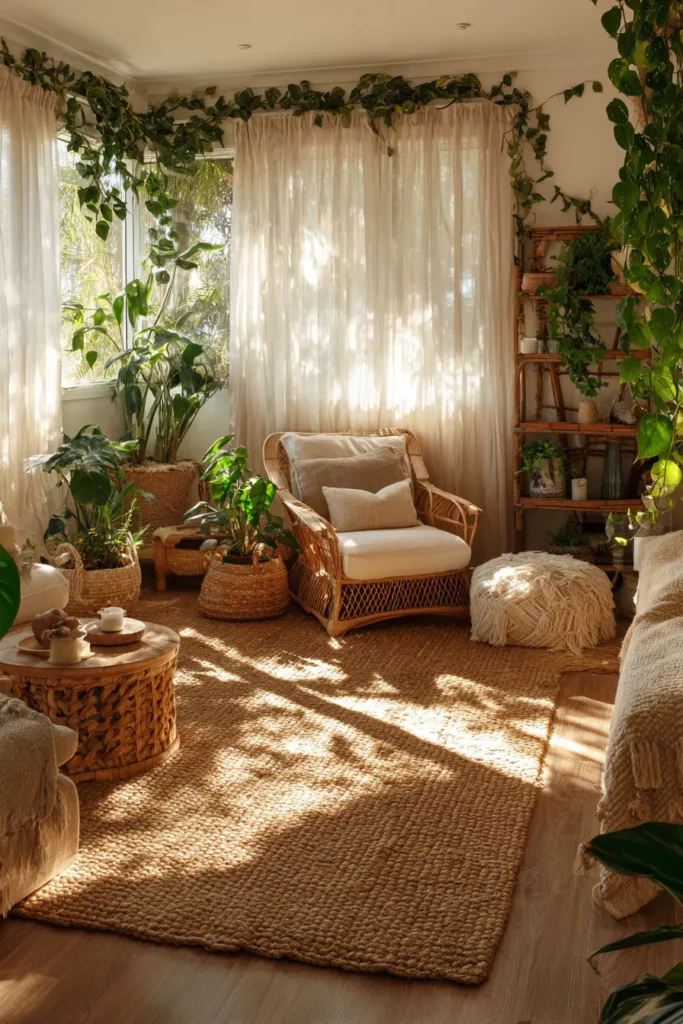
Jute, sisal, seagrass, and hemp bring organic texture and earthy tones that complement biophilic design principles. These materials connect us to nature, softening the hard edges of modern architecture while improving indoor air quality. Wool, particularly undyed or naturally dyed wool, remains a classic choice, offering softness underfoot and natural stain resistance.
Bamboo silk and recycled cotton are also gaining traction as innovative eco-friendly materials. These options prove that sustainable choices don’t require aesthetic compromise—they’re luxurious, tactile, and visually stunning.
Caring for Natural Fiber Rugs
Natural fiber rugs require minimal maintenance and often improve with age. Regular vacuuming and occasional spot cleaning keep them fresh. Avoid placing them in high-moisture areas, as fibers like jute and sisal perform best in dry environments. Rotate them seasonally to ensure even wear and sun exposure.
Layered Rugs: Depth, Dimension, and Personality
One rug is functional. Two rugs? That’s storytelling.
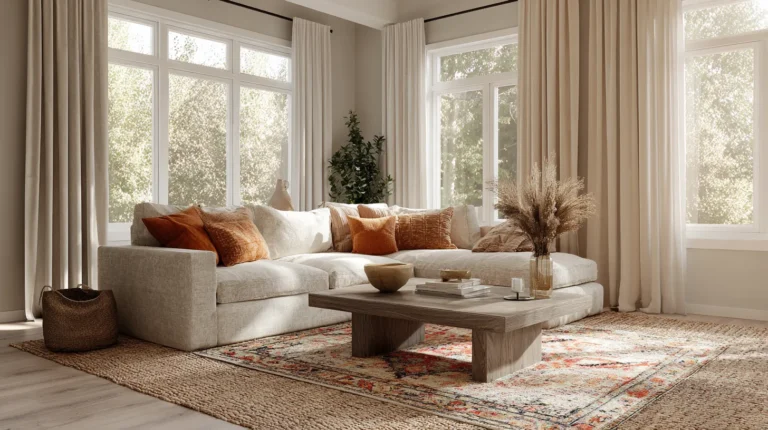
Layering rugs adds depth, texture, and visual intrigue to any room. It’s an accessible way to experiment with pattern and color without committing to a single statement piece. This trend works beautifully in living rooms, bedrooms, and even entryways, creating zones within open-plan spaces and adding unexpected coziness.
Start with a larger, neutral base rug—think natural jute or a flat-weave wool in oatmeal or gray. Layer a smaller, more vibrant rug on top, positioning it where you want to draw the eye: beneath a coffee table, at the foot of a bed, or in a reading nook. The contrast between textures—smooth under rough, plush over flat—creates a sensory experience that grounds the space.
Practical Layering Tips
- Scale matters: Your top rug should be significantly smaller than the base, leaving at least a foot of the lower rug visible on all sides.
- Use rug pads: Prevent slipping and add cushioning by placing thin pads between layers.
- Mix textures boldly: Pair a chunky wool rug with a sleek flatweave, or a high-pile shag with a tight Moroccan beni.
Oversized Rugs That Ground Entire Rooms
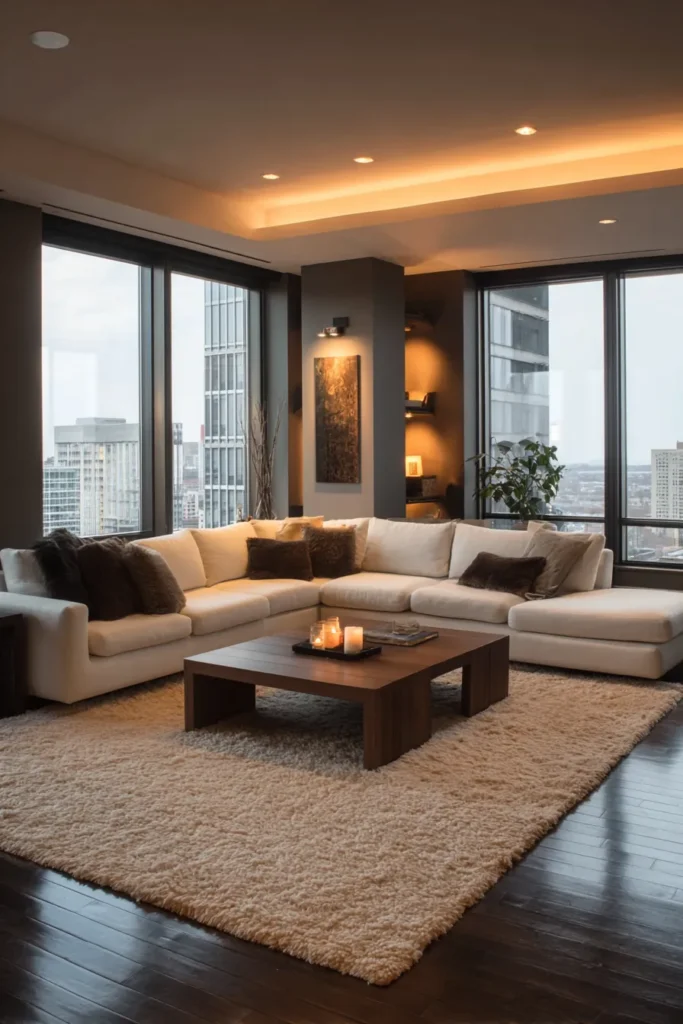
Bigger is better when it comes to rug proportions in 2025. Oversized rugs that extend beyond furniture groupings are replacing the traditional “front legs on, back legs off” approach.
A large-scale rug creates visual continuity, making rooms feel more cohesive and spacious. It eliminates the choppy, disconnected feeling that comes from undersized rugs and provides a unifying element that anchors disparate furniture pieces. This is particularly effective in open-concept homes, where defining separate living zones without walls is essential.
When selecting an oversized rug, leave at least 12–18 inches of floor visible around the perimeter of the room. This frames the rug and prevents the space from feeling cramped. In dining rooms, ensure the rug extends at least 24 inches beyond the table on all sides, allowing chairs to remain on the rug when pulled out.
Room-Specific Sizing Guide
| Room Type | Recommended Rug Size | Key Consideration |
|---|---|---|
| Living Room | 9′ x 12′ or larger | All furniture front legs on rug |
| Dining Room | Extends 24″ beyond table | Chairs stay on rug when pulled out |
| Bedroom (Queen) | 8′ x 10′ or 9′ x 12′ | Extends 18–24″ on three sides of bed |
| Bedroom (King) | 9′ x 12′ or larger | Extends 24–36″ on three sides of bed |
Textured High-Pile and Bouclé Rugs
Comfort is non-negotiable in 2025, and textured, high-pile rugs deliver it in abundance.
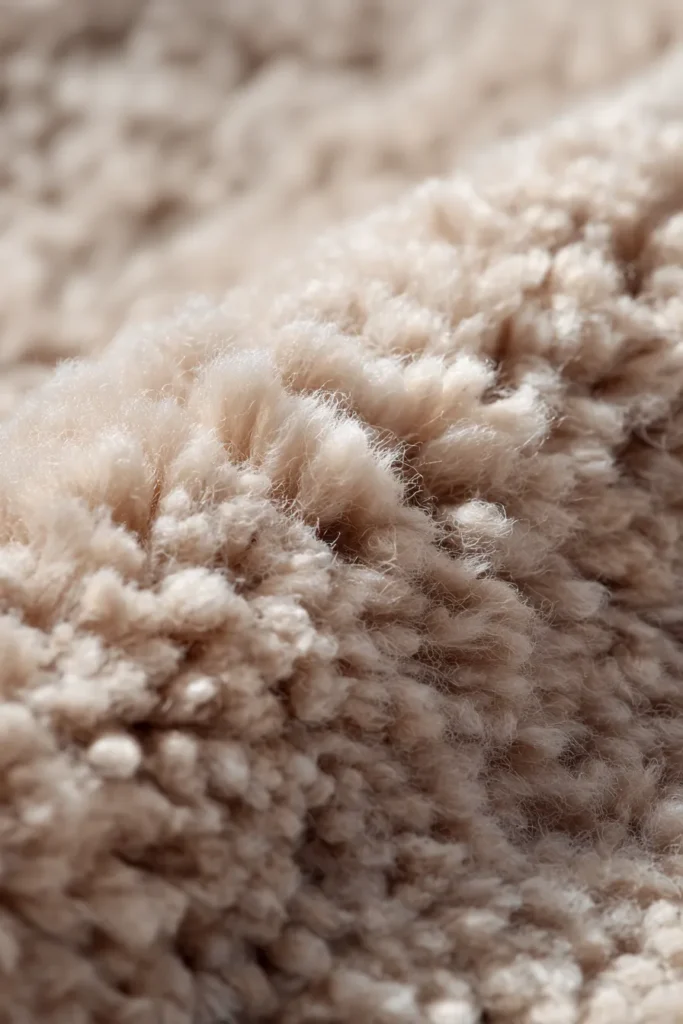
Shag rugs, bouclé textures, and plush wool pile create spaces that beg to be touched. They soften sound, warm cold floors, and add a layer of luxury that elevates even the simplest rooms. These tactile pieces work particularly well in bedrooms, cozy reading nooks, and living spaces designed for lounging.
The beauty of high-pile rugs lies in their imperfection. They don’t show every footprint or vacuum line; instead, they hide everyday wear while maintaining their inviting appearance. This makes them ideal for multifunctional design—spaces that need to be both beautiful and livable.
Pair textured rugs with streamlined furniture to prevent visual overload. A chunky bouclé rug grounds a sleek leather sofa beautifully, while a long-pile shag adds warmth beneath a minimalist platform bed. The contrast between textures creates balance and interest.
Color Considerations for Textured Rugs
Neutral tones like cream, oatmeal, and soft gray showcase texture without competing for attention. However, don’t dismiss deeper hues—a charcoal or navy high-pile rug adds moody sophistication while still feeling cozy and grounding.
Vintage and Antique Rug Revival
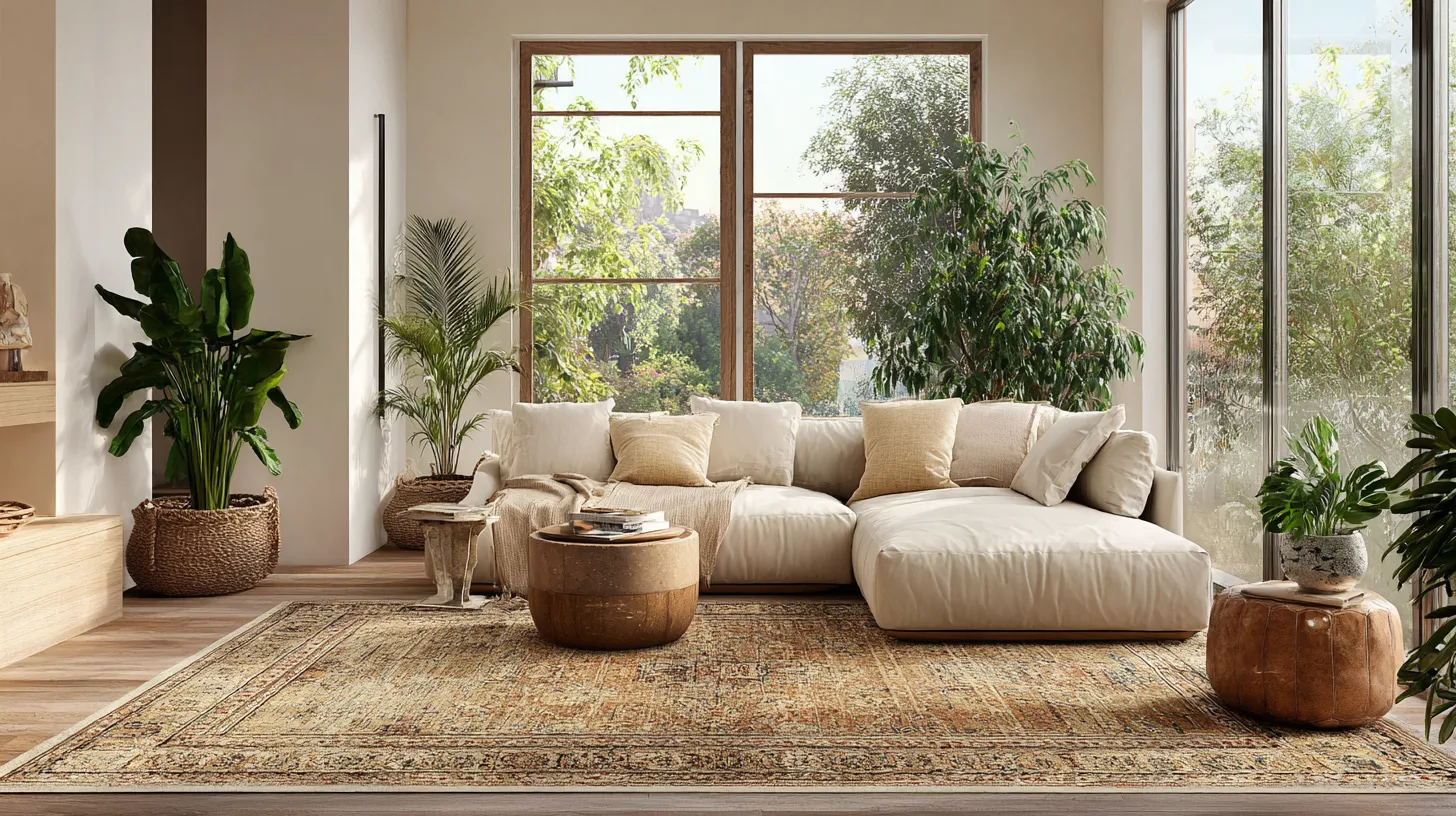
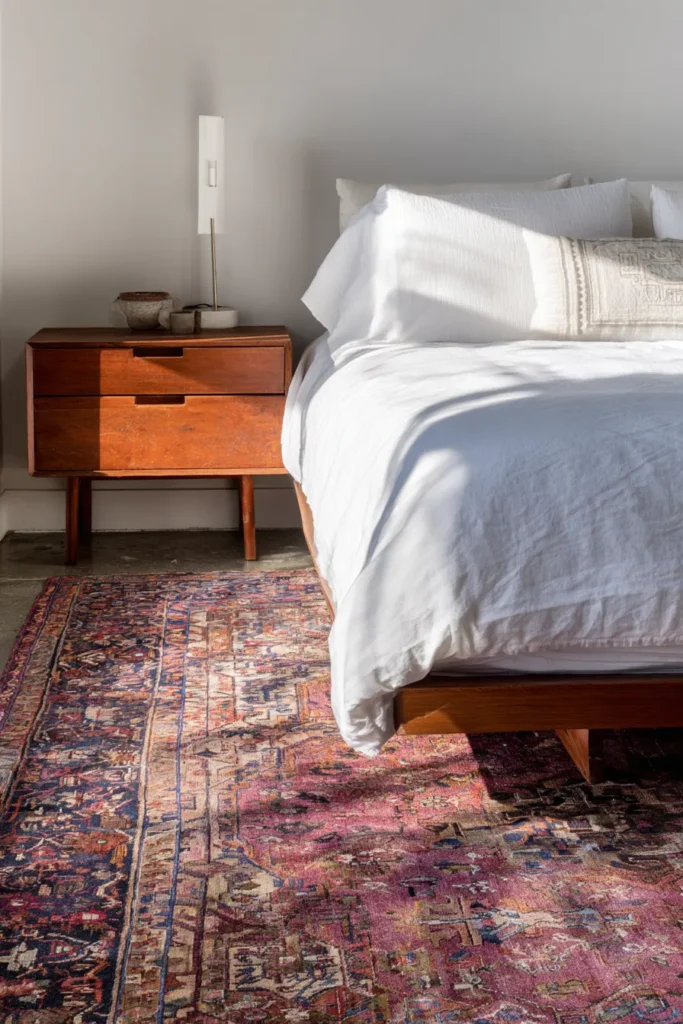
There’s magic in rugs that have already lived a life. Vintage and antique rugs are experiencing a major resurgence, celebrated for their unique character, superior craftsmanship, and sustainable appeal.
These pieces carry history in their fibers—faded colors that speak of decades in sunlit rooms, worn patches that map out well-loved spaces. They bring instant warmth and authenticity to modern interiors, bridging past and present in a way that new rugs simply cannot replicate.
Shopping vintage also aligns with anti-waste values and supports circular design principles. You’re giving new life to something beautiful rather than contributing to overproduction. Persian, Turkish, and Caucasian rugs are particularly sought-after, offering intricate patterns and jewel-toned palettes that complement both traditional and contemporary spaces.
Authenticating and Caring for Vintage Rugs
When purchasing vintage rugs, examine them for even wear and structural integrity. Minor wear adds character; significant damage requires professional restoration. Clean vintage rugs gently with low-suction vacuuming and occasional professional cleaning. Rotate them regularly to ensure even fading and wear patterns.
Geometric and Abstract Modern Designs
For those drawn to contemporary aesthetics, geometric and abstract rugs offer crisp lines, bold shapes, and artistic flair.
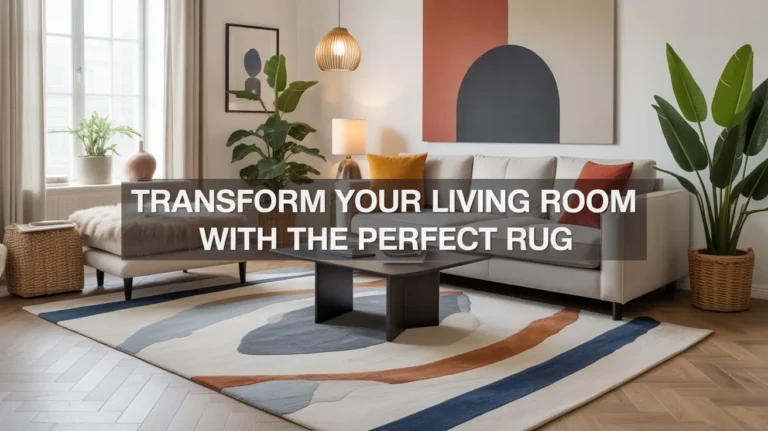
These designs work beautifully in modern minimalist and Scandinavian-inspired spaces, where clean lines and purposeful simplicity reign. Think graphic triangles, overlapping circles, asymmetrical abstracts, and architectural-inspired patterns. They add visual interest without overwhelming the room, functioning as functional art beneath your feet.
Color-blocking is particularly strong within this trend—rugs divided into bold sections of contrasting hues that define zones within open spaces. These pieces support multifunctional design by visually separating work areas from relaxation zones, or dining spaces from lounging areas.
Pair geometric rugs with organic elements—natural wood furniture, woven baskets, live plants—to prevent spaces from feeling too rigid. This balance between structure and softness creates interiors that are both sophisticated and inviting.
Washable and Performance Rugs: Beauty Meets Function
Life happens, and in 2025, your rugs are ready for it.
Washable and performance rugs have evolved far beyond their utilitarian origins. Today’s options rival traditional rugs in beauty while offering stain resistance, easy cleaning, and durability that makes them ideal for high-traffic areas, pet-friendly homes, and households with young children.
Machine-washable rugs in sophisticated patterns and textures mean you can have that cream bouclé or rich terracotta runner without constant anxiety. Performance materials like polypropylene and treated wool resist spills and wear while maintaining their appearance through years of use.
This trend reflects a broader shift toward comfortable and casual design—spaces that prioritize livability without sacrificing style. Your home should work for you, not against you, and washable rugs make that philosophy tangible.
Best Placements for Performance Rugs
- Entryways and mudrooms: First line of defense against dirt and moisture
- Dining rooms: Easy cleanup of food and drink spills
- Playrooms and kids’ spaces: Forgiving of daily wear and creative messes
- Pet areas: Resistant to accidents and easy to refresh
Rug Trends Checklist: What to Embrace in 2025
Here’s your quick reference for choosing rugs that feel current, timeless, and authentically you:
- Choose artisan-made rugs that celebrate handcrafted imperfection and cultural heritage
- Embrace bold patterns that reflect your personality rather than playing it safe with neutrals
- Prioritize natural, sustainable fibers like wool, jute, sisal, and hemp
- Experiment with layering to add depth, texture, and visual interest
- Go bigger with oversized rugs that ground entire rooms and unify furniture groupings
- Add texture through high-pile, bouclé, and shag styles that invite touch
- Consider vintage pieces for instant character and sustainable style
- Incorporate geometric designs in modern minimalist spaces for clean visual impact
- Invest in washable rugs for high-traffic or family-friendly areas without aesthetic compromise
- Create contrast between your rug and other elements rather than perfect matching
Creating Timeless Interiors: Beyond the Trends
While these rug trends speak to 2025’s design landscape, the most important principle remains timeless: choose what resonates with you.
Trends offer inspiration and direction, but your home should ultimately reflect your story, your comfort, your daily rituals. The best rug isn’t the one that appears in every design magazine—it’s the one that makes you pause when you walk into a room, that softens your footsteps, that anchors your life with beauty and intention.
Consider longevity over novelty. A handcrafted wool rug in a color you truly love will serve you far better than a trendy piece you chose simply because it felt current. This approach aligns with durable and statement pieces over fleeting trends—investing in quality that lasts rather than cycling through temporary aesthetics.
As you explore these trends, trust your instincts. Mix traditional and modern, layer unexpected textures, embrace color that moves you. Your rug should be a foundation—literally and figuratively—for a home that feels authentically yours.
Frequently Asked Questions
What are the most popular rug materials for 2025?
Natural fibers dominate 2025 rug trends, with wool, jute, sisal, and hemp leading for their sustainability and organic texture. Wool offers softness and durability, while jute and sisal provide earthy, casual elegance. Recycled materials and bamboo silk are also gaining popularity as eco-conscious alternatives.
How do I choose the right rug size for my living room?
Select a rug large enough that all furniture front legs rest on it, ideally 9′ x 12′ or larger for standard living rooms. Leave 12–18 inches of bare floor around the room’s perimeter to frame the space. This creates visual continuity and makes the room feel more spacious and cohesive.
Are bold, colorful rugs still trending in 2025?
Absolutely. The trend has shifted away from safe neutrals toward personalized, vibrant rugs that reflect individual style. Jewel tones, tribal patterns, and bold geometrics are all strong in 2025, creating spaces that feel alive and intentional rather than sterile and generic.
How can I incorporate vintage rugs into modern interiors?
Vintage rugs add instant warmth and character to contemporary spaces through their faded colors, unique patterns, and handcrafted quality. Place them in minimalist rooms to create contrast, layer them over neutral base rugs, or use them as focal points in otherwise pared-back spaces for timeless, eclectic appeal.
What’s the difference between minimalist maximalism and traditional maximalism in rug selection?
Minimalist maximalism balances bold statement pieces with functional simplicity—think one striking patterned rug in an otherwise restrained space. Traditional maximalism layers multiple patterns, textures, and colors throughout. In 2025, the former approach creates impact without clutter, allowing your rug to shine as an intentional focal point.