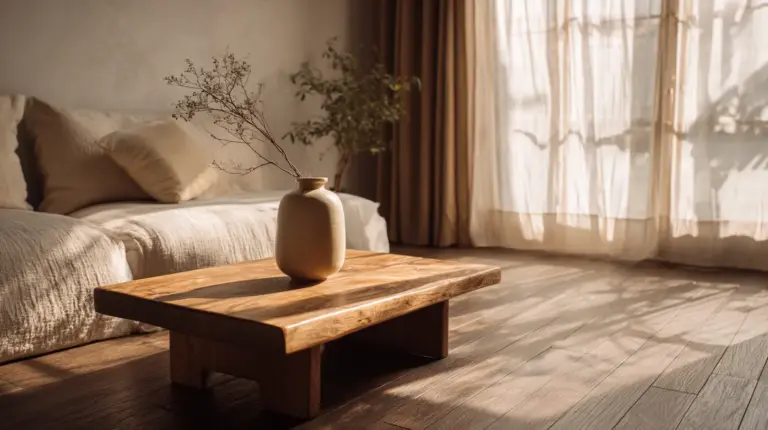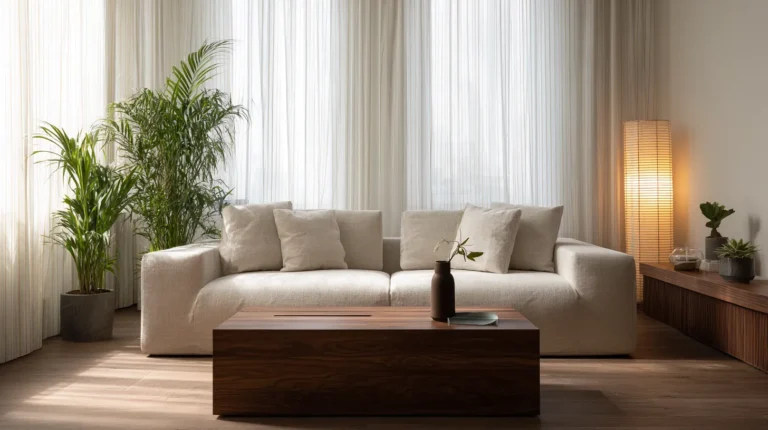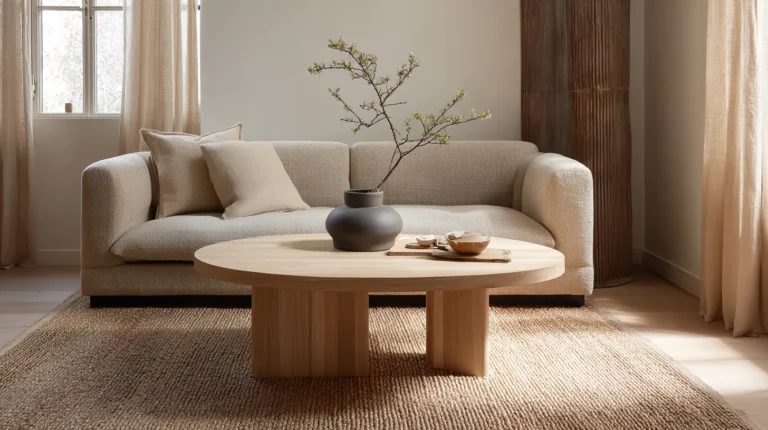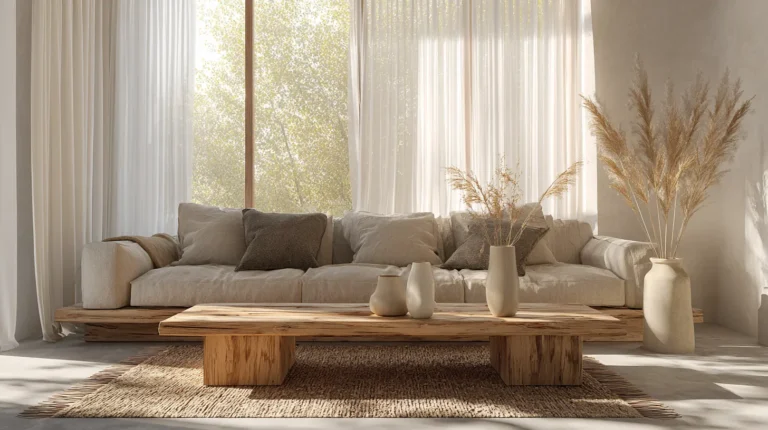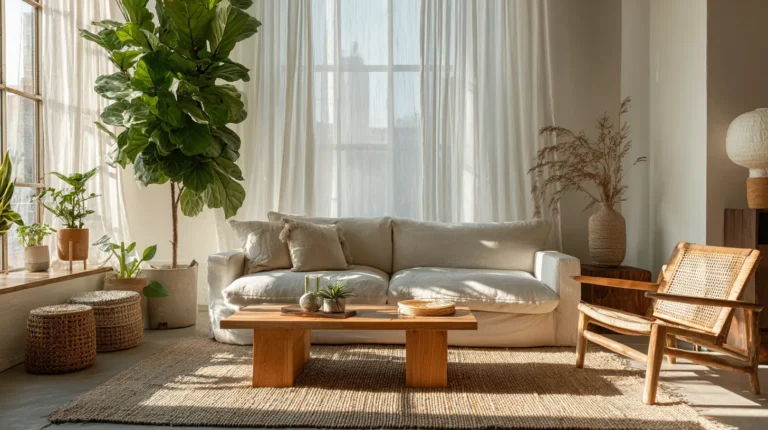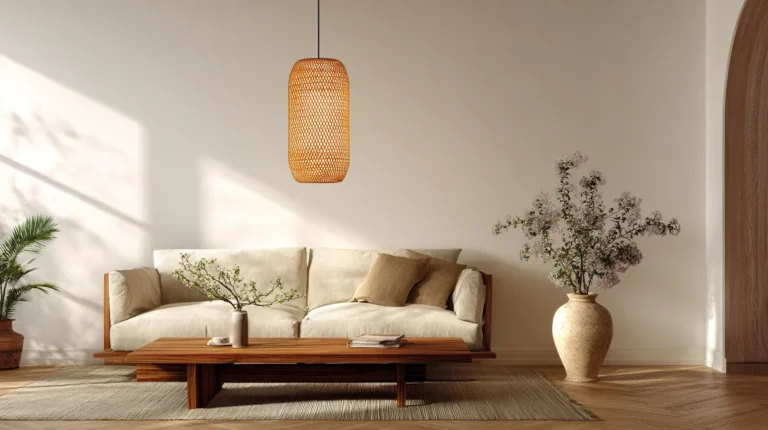

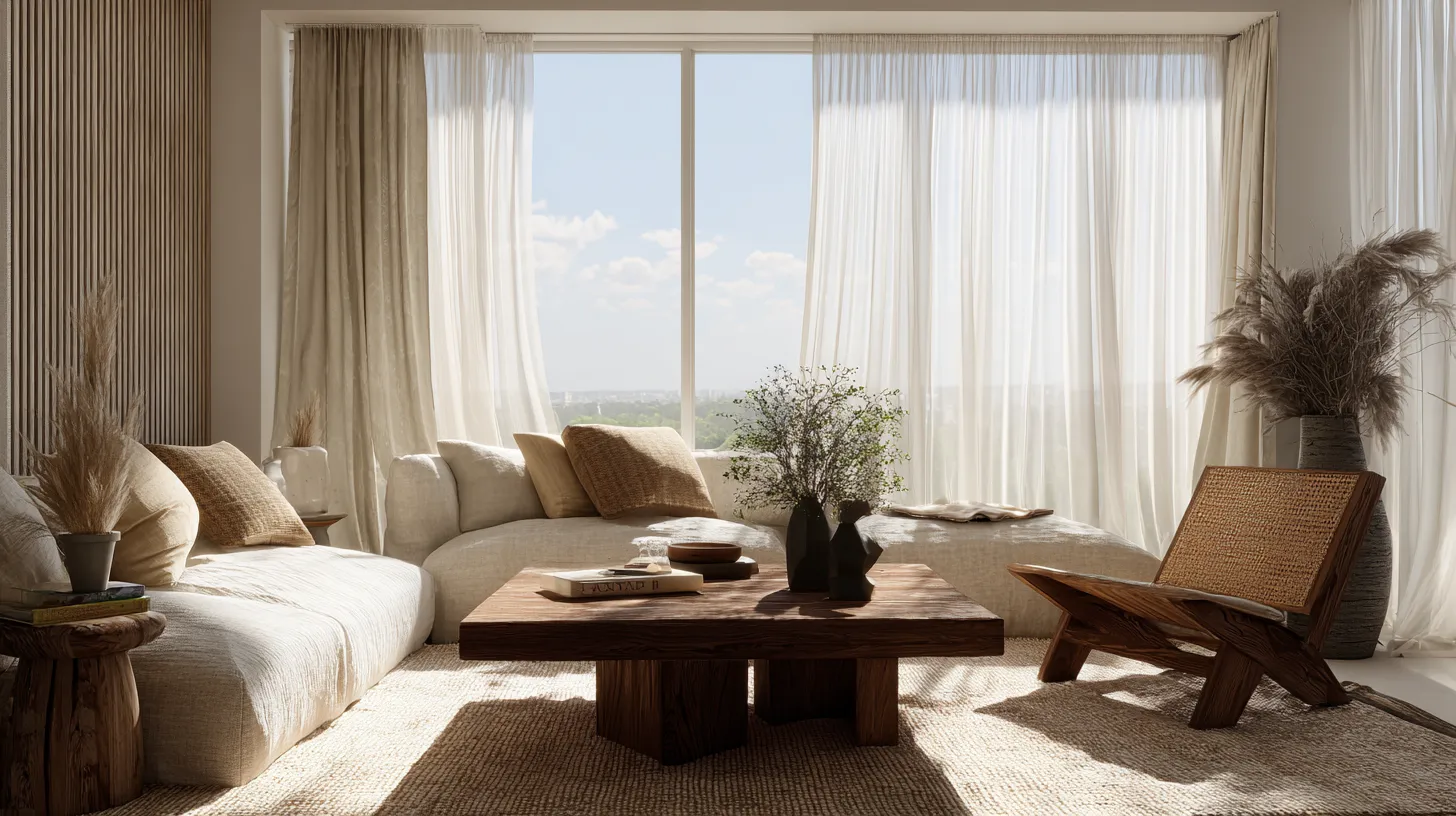
There’s a particular kind of peace that settles over a room when everything feels exactly as it should be. Not too sparse, not too cluttered—just the gentle balance between beauty and purpose. That’s the soul of Japandi style, where Scandinavian warmth meets Japanese minimalism in a conversation that speaks directly to families seeking both calm and practicality.
Your living room is where life unfolds in its fullest, messiest, most beautiful form. It’s where toddlers build block towers on linen sofas, where teens sprawl with laptops on low-profile sectionals, where Sunday mornings stretch into lazy afternoons bathed in soft natural light. The furniture you choose doesn’t just fill this space—it holds your daily rituals, absorbs your laughter, and quietly supports the life you’re building together.
Japandi furniture families understand this dance between elegance and resilience. These aren’t pieces that demand perfection or fear sticky fingers. They’re thoughtfully designed collections that embrace the philosophy of wabi-sabi—finding beauty in imperfection—while offering the cozy functionality of hygge. Natural materials age gracefully, neutral tones hide daily wear, and multi-functional designs adapt as your family evolves.
Let’s explore how to curate a Japandi living room that honors both your aesthetic dreams and the beautiful chaos of family life.
Understanding Japandi Style for Family Living
Japandi furniture represents a mindful fusion where less truly becomes more. This design philosophy marries Scandinavian coziness with Japanese restraint, creating spaces that breathe without feeling empty. Think clean lines softened by organic textures, minimalist forms warmed by natural wood, and neutral palettes punctuated by the occasional handcrafted accent.
For families, this aesthetic offers something precious: rooms that feel both elevated and lived-in. The emphasis on quality over quantity means investing in fewer, better pieces that withstand years of use. Natural materials like oak, walnut, and rattan don’t just tolerate family life—they become more beautiful with it, developing rich patinas that tell your story.
The Core Principles That Make Japandi Family-Friendly
Functionality sits at the heart of every Japandi piece. Low-profile sofas with rounded edges keep toddlers safe while maintaining visual elegance. Modular sectionals rearrange for movie nights or playdates. Wooden coffee tables with hidden storage swallow toys, remotes, and art supplies without sacrificing their clean silhouette.
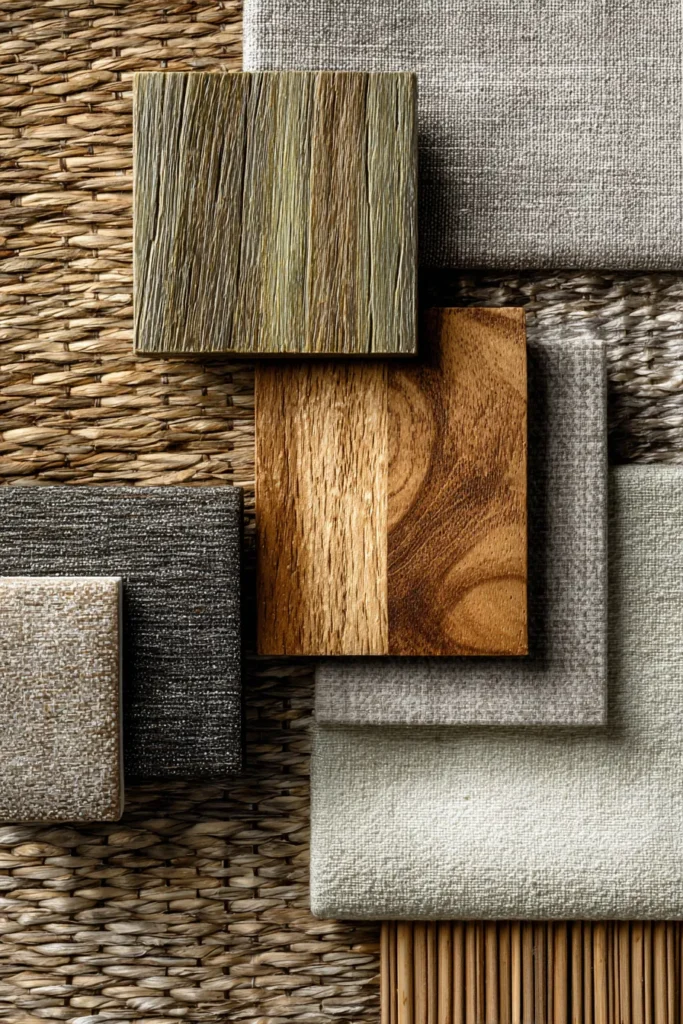
Natural materials like bamboo, oak, and linen aren’t just aesthetic choices—they’re practical ones. These breathable, durable fabrics resist wear better than synthetic alternatives. Solid wood furniture can be refinished if scratched, and natural fibers like jute actually improve with age, developing character rather than showing damage.
The neutral color palette of Japandi design—soft whites, warm grays, earthy taupes, and deep charcoals—creates a forgiving canvas for family life. Spills blend into stone-washed linen. Crayon marks on matte surfaces wipe away easily. These aren’t sterile spaces demanding constant vigilance; they’re serene backdrops that embrace real life.
Essential Japandi Furniture Families for Your Living Room
The Foundation: Sofas and Sectionals Built for Everyone
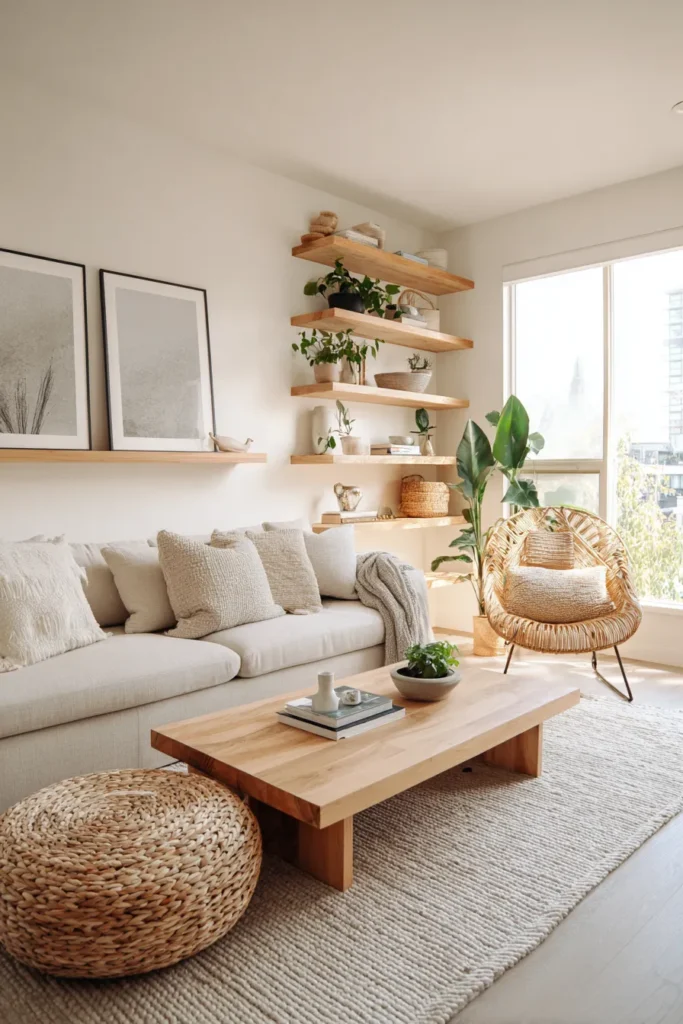
Your sofa is where your family truly lives. In Japandi living rooms, seating combines the plush comfort of Scandinavian hygge with the grounded elegance of Japanese design. Look for low-profile sofas with clean lines and deep seats—pieces that invite you to sink in with a book while maintaining their architectural integrity.
For families, modular sectionals offer unmatched versatility. Brands like Ethnicraft and Karup Design create beautiful configurations that rearrange as needs shift. Host extended family for holidays by expanding the layout. Create intimate conversation nooks on quiet evenings. The flexibility matters when your living room serves as playroom, homework station, and evening sanctuary.
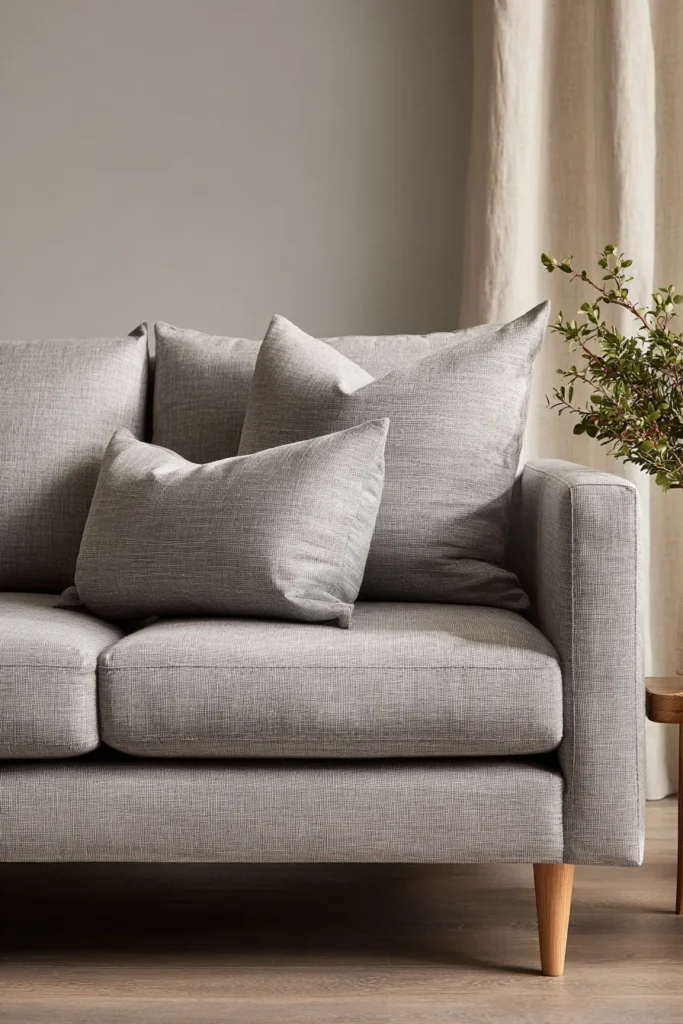
Choose stain-resistant natural fabrics like performance linen or tightly woven cotton blends. These materials maintain the organic aesthetic while offering practical durability. Many Japandi-inspired pieces now feature removable, washable covers—a family essential disguised as minimalist design. Look for certifications like OEKO-TEX Standard 100, ensuring fabrics are free from harmful chemicals.
Coffee Tables and Side Tables: Beauty Meets Storage
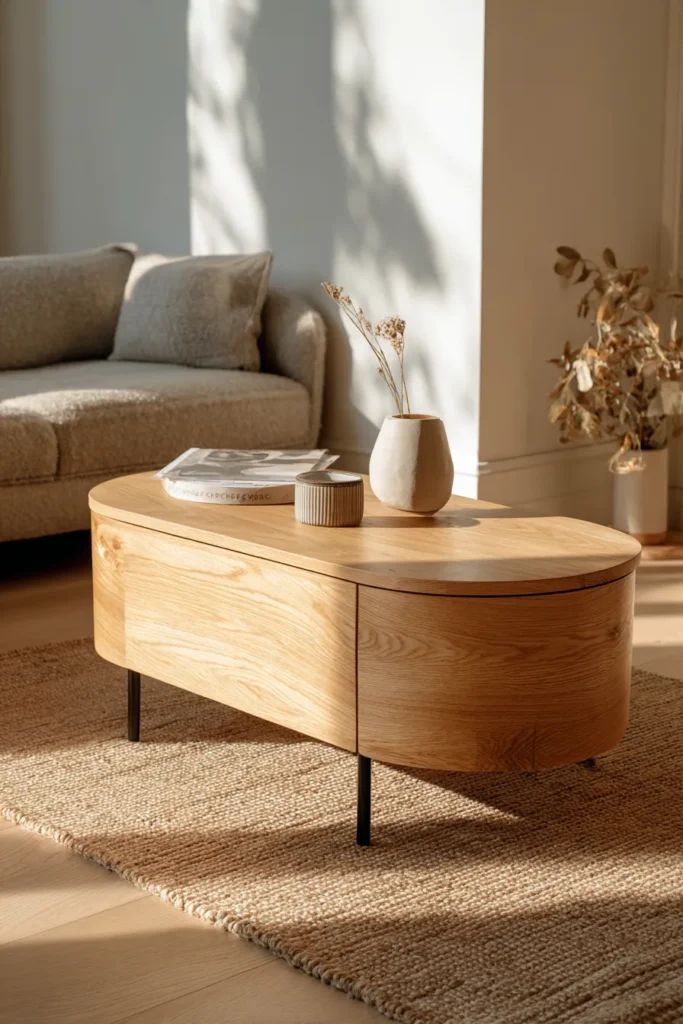
The right coffee table grounds your entire seating area. In Japandi design, these pieces showcase natural wood grains—think rich walnut, light oak, or weathered teak—often with minimalist metal legs that create visual lightness. Rounded corners provide safety for young explorers while maintaining sophisticated lines.
Multi-functional designs transform coffee tables from mere surfaces into family workhorses. Lift-top mechanisms reveal hidden storage for board games and blankets. Lower shelves display beautiful baskets (perfect for corralling toys). Nesting side tables tuck away when not needed, then pull out for extra surface area during gatherings.
Consider these popular Japandi coffee table styles:
| Style | Best For | Key Features |
|---|---|---|
| Low Platform | Floor seating, modern aesthetic | Ground-level design, minimal profile, meditation-inspired |
| Storage Ottoman | Toy management, flexible seating | Soft edges, hidden compartments, movable |
| Solid Wood Slab | Durability, timeless appeal | Live-edge details, showcases grain, ages beautifully |
| Nested Sets | Small spaces, versatility | Space-saving, expandable, layered dimensions |
Shelving and Storage: Where Function Becomes Art
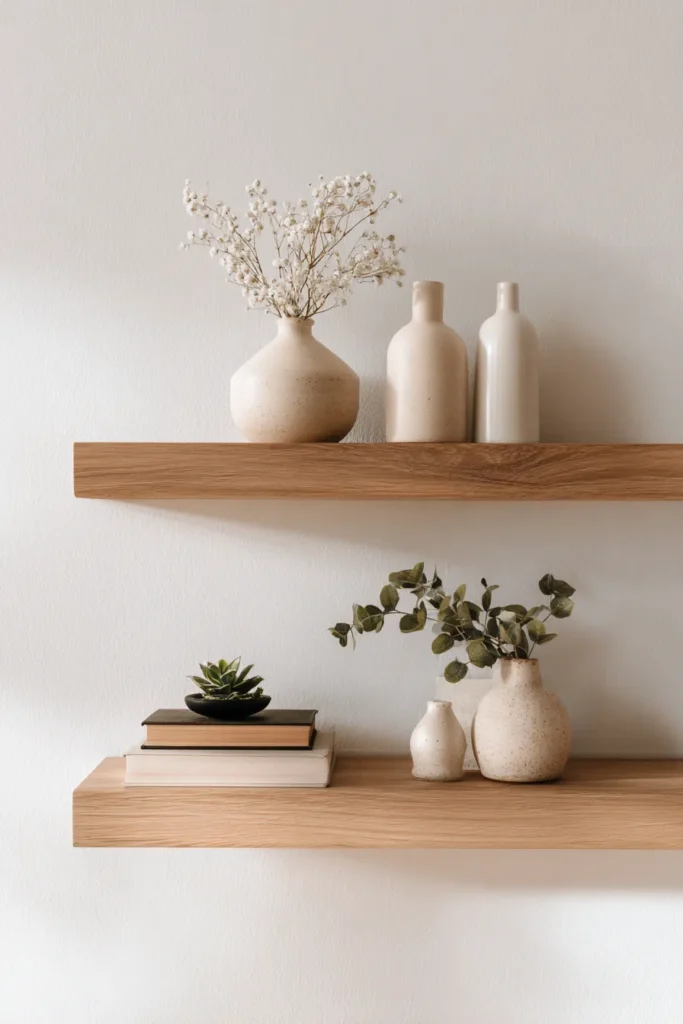
Open shelving in Japandi spaces isn’t about displaying everything you own—it’s about curating what matters. Floating wooden shelves showcase a few meaningful objects: a handthrown ceramic vase, family photos in simple frames, a beloved children’s book with a beautiful spine. The rest stays hidden in closed storage, maintaining visual calm.
For families, this balance between open and closed storage is essential. Floor-to-ceiling cabinets in light oak or walnut provide abundant hidden storage for toys, electronics, and everyday clutter. Glass-fronted sections display treasured items while protecting them from little hands. Brands like Ferm Living and Muuto excel at creating storage that doubles as sculptural focal points.
Modular shelving systems grow with your family. Start with a basic configuration in your young family years, then add units as needs expand. Vertical storage maximizes small spaces—crucial for apartment living or multi-generational households sharing square footage.
Seating Beyond the Sofa: Chairs That Invite Connection
Accent chairs in Japandi living rooms serve as beautiful punctuation marks. Think streamlined armchairs with wooden frames and cushioned seats, or elegant rattan chairs that add organic texture. Position them to create intimate conversation areas or reading nooks that accommodate different family activities simultaneously.
For family-friendly durability, seek chairs with solid hardwood frames and reinforced joinery. Webbed or spring support systems provide comfort that lasts years longer than foam alone. Fabrics should balance softness with cleanability—wool blends, outdoor-rated linens, or leather that develops graceful patinas.
Floor cushions and poufs add flexible, kid-friendly seating that stores easily. Large floor pillows in natural fabrics create cozy spots for reading or gaming. Ottoman-style poufs double as footrests and extra seats, moving wherever they’re needed.
Creating Your Japandi Furniture Family: A Room-by-Room Approach
Small Space Solutions: Maximizing Every Square Foot
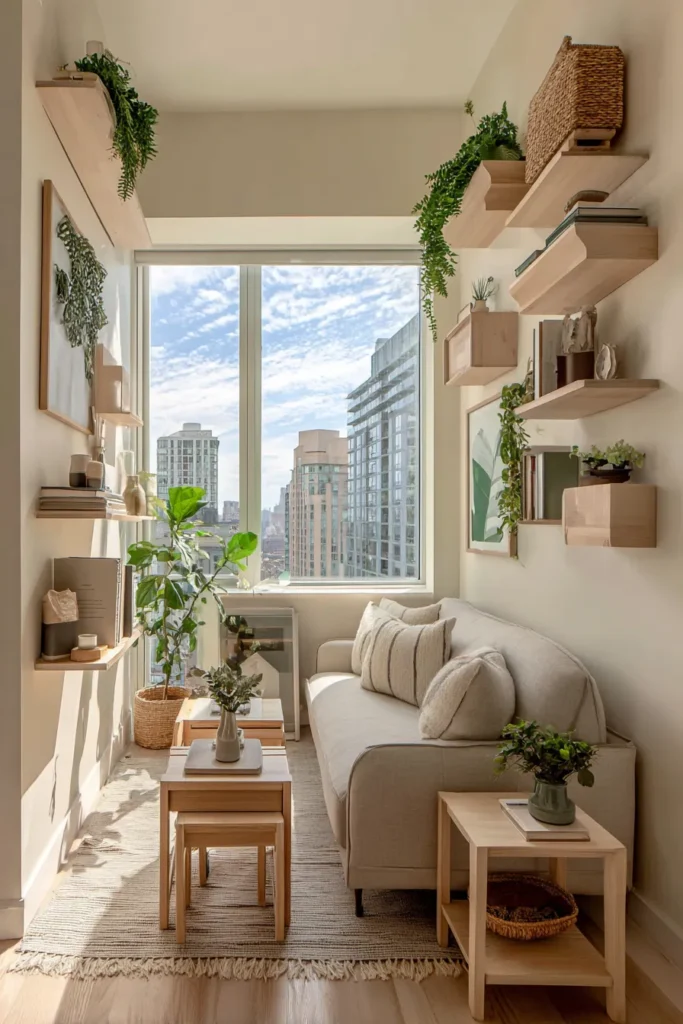
Small living rooms demand furniture that works twice as hard. Start with a compact sectional or loveseat in a light neutral—cream, soft gray, or natural linen—to keep the space feeling open. Choose pieces with exposed wooden legs rather than skirted bases; this visual lightness makes rooms feel larger.
Nesting tables serve multiple purposes without permanent space commitment. Slide them together as a unified coffee table, separate them for individual use, or tuck the smallest away completely. Wall-mounted shelving eliminates floor footprint while providing essential storage and display.
Multi-functional pieces become non-negotiable in tight quarters. Ottoman coffee tables offer seating, storage, and surface area. Console tables behind sofas create workspace without blocking flow. Murphy-style media cabinets hide televisions when not in use, preserving your carefully curated aesthetic.
Family-Friendly Layout Strategies
Japandi living rooms for families require thoughtful traffic flow. Position seating to encourage conversation while allowing easy passage to other rooms. Leave at least 30 inches between furniture pieces for comfortable movement—essential when kids are running through with snacks or toys.
Create distinct zones within your living room using furniture placement rather than walls. A sectional defines the seating area. A bookshelf perpendicular to the wall carves out a reading nook. Area rugs in natural fibers like jute or wool anchor each zone while adding warmth and texture underfoot.
Consider sightlines from your main seating area. Can adults supervise young children playing nearby while still engaging in conversation? Does furniture placement accommodate homework sessions at the coffee table while dinner prep happens in an adjacent kitchen? These practical considerations shape how your family actually uses the space.
Combining Furniture Collections Cohesively
Building a Japandi furniture family doesn’t mean buying matching sets. Instead, seek pieces that share common threads—similar wood tones, complementary neutral fabrics, consistent design philosophy. A walnut coffee table pairs beautifully with an oak bookshelf when both showcase natural grain and clean lines.
Mixing materials adds depth without chaos. Combine wood with woven rattan, smooth linen with nubby wool, matte ceramics with brushed metal. These textural contrasts create visual interest while maintaining the calm, cohesive feeling central to Japandi design.
Stick to a limited color palette anchored by neutrals. Use warm whites and soft grays as your base, adding depth through varied natural wood tones. Introduce subtle color through textiles—a sage green throw pillow, a terracotta plant pot—keeping accent colors muted and earth-derived.
Budget-Friendly Japandi Furniture for Growing Families
Price Tier Guide for Essential Pieces
Creating a Japandi living room doesn’t require unlimited funds. Strategic investment in key pieces, combined with budget-friendly finds, builds a beautiful space over time.
| Furniture Piece | Budget ($) | Mid-Range ($$) | Investment ($$$) | Luxury ($$$$) |
|---|---|---|---|---|
| Sofa/Sectional | $800-1,200 (IKEA, Target) | $1,500-3,000 (Article, Burrow) | $3,500-6,000 (Ethnicraft, Room & Board) | $6,000+ (Custom, Design Within Reach) |
| Coffee Table | $150-300 (West Elm sale, CB2) | $400-800 (Muuto, HAY) | $900-1,500 (Ferm Living) | $1,500+ (Herman Miller, Karimoku) |
| Accent Chair | $250-400 (World Market, Wayfair) | $500-900 (Article, Blu Dot) | $1,000-1,800 (Karup Design) | $2,000+ (Artek, Fredericia) |
| Storage Unit | $200-400 (IKEA BESTÅ series) | $600-1,200 (String System) | $1,500-2,500 (Ethnicraft oak) | $3,000+ (Vitsœ, USM) |
Smart Shopping Strategies
Hunt for Japandi pieces during seasonal sales. Many retailers offer significant discounts in January and July. Sign up for email alerts from brands like IKEA, Muji, and West Elm—their Japandi-inspired lines frequently go on sale with 30-40% markdowns.
Consider mixing investment pieces with budget finds. Splurge on your sofa (where quality truly impacts daily comfort and longevity), then save on side tables or decorative storage. A beautiful vintage coffee table from a local marketplace paired with a new linen sectional creates an authentic, collected-over-time feeling.
DIY upcycling extends your budget beautifully. Sand and refinish a dated wooden dresser in natural oil for sophisticated media storage. Paint mismatched thrift store chairs in matching matte tones. Add simple wooden legs to a basic bench for instant Japandi credibility. These projects add personal character while honoring the sustainable ethos underlying Japanese design philosophy.
Affordable Brands Delivering Japandi Aesthetics
IKEA offers surprisingly strong Japandi options at accessible prices. Their STOCKHOLM, LISABO, and SINNERLIG collections feature solid wood, clean lines, and minimalist forms. The BESTÅ storage system creates custom configurations matching pricier modular systems at a fraction of the cost.
Target’s Threshold and Project 62 lines include Japandi-inspired pieces with natural materials and neutral palettes. Look for solid wood coffee tables, linen upholstery, and rattan accents. Quality varies, so inspect joinery and finishes in person when possible.
Online retailers like Article and Burrow occupy the sweet spot between budget and investment. Their mid-century modern and Japandi collections offer quality construction, comfortable seating, and modular flexibility perfect for families. Generous return policies reduce risk when buying furniture sight-unseen.
Durability and Safety: Making Japandi Work for Active Families
Kid-Proof Materials That Don’t Compromise Style
Performance fabrics have revolutionized family-friendly furniture without sacrificing aesthetics. Today’s stain-resistant linens and treated cottons look and feel like untreated natural fibers while repelling spills and dirt. Brands like Crypton and Sunbrella now offer collections in the muted, organic colorways central to Japandi design.
Test fabric durability with the Wyzenbeek method score—look for ratings above 15,000 double rubs for family use. Natural materials like full-grain leather actually improve with wear, developing rich patinas that hide minor scuffs and scratches. Tightly woven fabrics like canvas or duck cloth resist pet claws better than loose weaves.
For upholstery, consider darker neutrals in high-traffic pieces. Charcoal gray, warm taupe, and deep mushroom tones hide everyday wear better than crisp white or cream. Save lighter colors for removable, washable elements like throw pillows and blankets that can be refreshed easily.
Safety Features Built Into Beautiful Design
Rounded furniture edges protect active toddlers without telegraphing “baby-proofing.” Many Japandi pieces naturally incorporate soft corners as part of their organic design language. When sharp corners are unavoidable, transparent silicone guards blend seamlessly with minimalist aesthetics.
Secure heavy furniture to walls—especially tall bookcases and dressers. Modern anchoring systems hide completely behind furniture, maintaining clean lines while preventing tip-overs. Choose storage pieces with soft-close drawers and doors to protect small fingers.
Look for non-toxic certifications on all furniture and textiles. GREENGUARD Gold certification ensures minimal chemical emissions. OEKO-TEX Standard 100 verifies textiles are free from harmful substances. Natural wood finished with water-based oils or waxes rather than polyurethane reduces indoor air pollutants.
Maintenance Routines for Lasting Beauty
Japandi furniture thrives with minimal, mindful care. Weekly dusting with microfiber cloths prevents buildup on wood surfaces. Monthly conditioning with natural oils (tung, Danish, or linseed) maintains wood’s luster and protection. This simple ritual becomes a meditative practice—honoring the materials that shape your home.
Vacuum upholstered furniture weekly, getting into crevices where crumbs hide. Spot-clean spills immediately with gentle, pH-neutral cleaners. Many performance fabrics allow water-only cleaning, reducing chemical use. For natural linens, professional cleaning every 12-18 months refreshes fibers and removes embedded dirt.
Rotate cushions monthly to ensure even wear. Fluff and reshape pillows regularly to maintain their form. These small attentions extend furniture life dramatically—a quality Japandi sofa can easily last 15-20 years with proper care, making it a true investment piece.
2025 Japandi Trends: Modern Updates for Family Living
Smart Integration in Minimalist Spaces
Technology integration challenges Japandi’s clean aesthetic, but thoughtful solutions exist. Choose furniture with hidden charging stations—side tables with built-in USB ports, sofas with discreet outlets tucked into wooden bases. These features maintain visual simplicity while accommodating modern needs.
Media storage has evolved beautifully. Sleek wooden cabinets conceal electronics and tangled cords behind natural oak or walnut doors. Floating TV consoles reduce visual weight while providing storage. Some innovative designs include ventilated backs for electronics cooling and cord management channels maintaining the wireless appearance Japandi spaces crave.
Voice-controlled smart home systems pair surprisingly well with minimalist interiors. When technology disappears into simple forms—matte black speakers, discrete lighting controls—it enhances rather than disrupts the serene atmosphere.
Sustainable and Ethical Furniture Choices
Families increasingly prioritize sustainability, aligning perfectly with Japandi philosophy. Seek furniture from brands using FSC-certified wood, which ensures responsible forestry practices. Reclaimed wood pieces reduce environmental impact while offering unique character and patina.
Many Japandi-inspired brands now publish transparency reports detailing their supply chains and environmental practices. Ethnicraft uses solid wood from sustainable forests. Karup Design manufactures in Europe using eco-friendly materials. Supporting these companies aligns your purchasing power with your values.
Consider furniture longevity as the ultimate sustainability metric. One beautifully crafted piece lasting 20 years has far less environmental impact than three cheap replacements. Japandi’s emphasis on quality over quantity makes it inherently sustainable—fewer, better things that endure.
Multi-Generational Living Adaptations
More families share homes across generations, requiring furniture that accommodates varied needs. Japandi’s emphasis on low-profile, accessible design works beautifully for aging adults. Sofas with higher seat heights (17-19 inches) ease sitting and standing. Armchairs with supportive backs and sturdy armrests provide stability without looking clinical.
Universal design principles blend seamlessly with Japandi aesthetics. Wide, clear pathways between furniture accommodate mobility aids. Lever-style handles on storage cabinets suit arthritic hands better than knobs. These thoughtful touches benefit everyone, from toddlers to grandparents.
Flexible furniture arrangements allow privacy when needed, togetherness when desired. Modular sectionals create separate sitting areas. Bookcases act as room dividers without walls. This adaptability honors both independence and connection—essential in multi-generational households.
Quick Reference: Your Japandi Living Room Checklist
Building your Japandi furniture family? Use this guide to ensure you’ve covered the essentials:
Foundation Pieces:
- Low-profile sofa or modular sectional in neutral fabric (performance linen, treated cotton)
- Solid wood coffee table with rounded edges and hidden storage
- At least one accent chair with wooden frame and cushioned seat
- Media storage or bookshelf in natural wood
Practical Additions:
- Nesting or side tables for flexible surface area
- Floor cushions or poufs for extra seating
- Storage ottomans that double as coffee tables
- Floating shelves for curated display
Safety and Durability Features:
- GREENGUARD Gold or OEKO-TEX certified materials
- Furniture anchors for tall pieces
- Rounded edges or corner guards
- Removable, washable upholstery covers
Material Checklist:
- Solid hardwood (oak, walnut, teak) or bamboo
- Natural fabrics (linen, cotton, wool)
- Woven elements (rattan, jute, seagrass)
- Limited metal accents (brushed brass, matte black)
Color Palette:
- Base neutrals: warm white, soft gray, natural linen
- Wood tones: light oak to deep walnut
- Subtle accents: sage, terracotta, charcoal, rust
Creating Spaces That Hold Your Story
The furniture you choose becomes the backdrop for your family’s unfolding narrative. That coffee table will witness countless homework sessions and Sunday morning pancake breakfasts. Your sofa will hold sick children and late-night conversations, Netflix binges and quiet reading hours. These aren’t just design objects—they’re the stages where your life happens.
Japandi furniture families honor this beautiful tension between aspiration and reality. They create rooms that feel both aspirational and achievable, sophisticated and welcoming, carefully curated and genuinely lived-in. The aesthetic elevates your daily experience while the functionality supports it, creating spaces that serve not just how you want to live, but how you actually do.
As you build your Japandi living room, remember that perfection isn’t the goal—presence is. Choose pieces that resonate with your family’s needs and values. Invest where it matters to you. Mix high and low. Let your space evolve as your family does, adding, subtracting, and rearranging as life unfolds. The most beautiful rooms aren’t those photographed for magazines—they’re the ones where you feel completely at home, surrounded by furniture that holds your memories and shapes your days with quiet grace.
Your living room is waiting to embrace all the beautiful, messy, meaningful moments ahead.
Frequently Asked Questions
Is Japandi furniture comfortable for families with children?
Absolutely. Japandi furniture prioritizes comfort through deep-seated sofas, supportive cushioning, and ergonomic design. Modern pieces often feature performance fabrics that resist stains while maintaining the soft, natural aesthetic. The low-profile nature of many Japandi pieces actually makes them safer for young children, with rounded edges and ground-level seating reducing fall risks. Families find that quality Japandi furniture becomes more beautiful with use, with natural materials developing character rather than showing damage.
What are the best Japandi furniture brands for family budgets?
IKEA offers excellent entry-level Japandi pieces through their STOCKHOLM and LISABO collections, with solid wood furniture starting around $200-400. Mid-range options include Article and Burrow ($1,000-3,000 for sofas), offering quality construction and modern designs. For investment pieces, Ethnicraft, Karup Design, and Ferm Living create heirloom-quality furniture ($3,000+) that lasts decades. Mix price points strategically—splurge on your sofa where quality impacts daily comfort, save on side tables and decorative accents.
How do I choose a Japandi sofa for my living room?
Start by measuring your space and determining whether you need a sofa, sectional, or loveseat. Look for low-profile designs (seat height 16-18 inches) with clean lines and deep seats (24+ inches) for comfortable lounging. Choose performance fabrics in neutral tones—linen-cotton blends, treated canvas, or stain-resistant weaves. For families, prioritize removable, washable covers and solid hardwood frames with reinforced joinery. Test comfort in person if possible; Japandi sofas should feel supportive yet inviting, firm without being hard.
Can Japandi furniture work in small apartments with kids?
Yes, Japandi design actually excels in small spaces. Choose multi-functional pieces like storage ottomans that serve as coffee tables and toy bins. Opt for modular sectionals that can be rearranged as needs change. Use vertical storage—floor-to-ceiling shelving maximizes space while maintaining clean lines. Light wood tones and neutral fabrics make small rooms feel larger. Furniture with exposed legs creates visual lightness, helping spaces feel less cramped. The minimalist philosophy naturally reduces clutter, essential in compact family homes.
What makes Japandi different from regular minimalist furniture?
Japandi balances Japanese minimalism with Scandinavian warmth—it’s minimalism with soul. Unlike stark minimalist spaces, Japandi incorporates natural textures (linen, wool, rattan), organic shapes, and warm wood tones that create coziness. The design philosophy embraces wabi-sabi (finding beauty in imperfection) and hygge (cozy contentment), making spaces feel lived-in rather than sterile. Japandi furniture is also inherently functional, with hidden storage and multi-purpose designs that regular minimalist pieces often lack. It’s about thoughtful restraint rather than cold austerity—perfect for families seeking calm without sacrificing comfort.