
Table of Contents
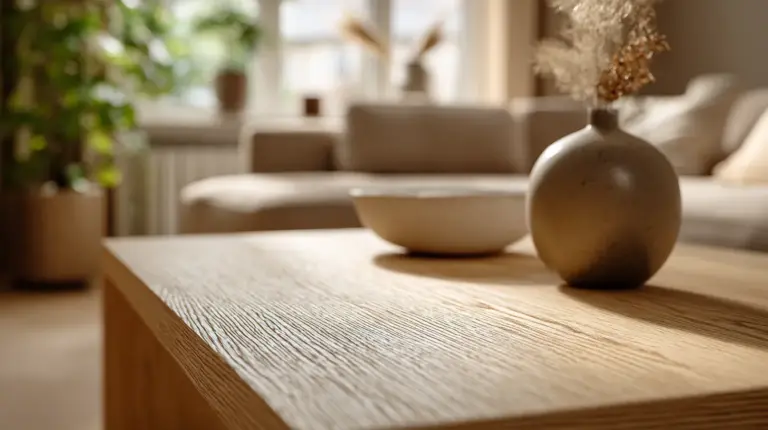
There’s a certain quietness that fills a room when everything feels just right. The light catches the grain of natural wood, a ceramic vase holds a single branch, and suddenly—without effort—the space breathes. This is the essence of Japandi furniture accents, a design philosophy that marries Scandinavian warmth with Japanese restraint.
In a world that often feels overwhelming, Japandi offers refuge. It whispers rather than shouts, inviting you to slow down and notice the beauty in everyday objects. Each accent piece serves a purpose, yet feels artful in its simplicity.
The magic of Japandi lies not in filling your home with things, but in choosing the right things. Natural materials. Clean lines. Pieces that age gracefully and feel good to touch. It’s about creating a sanctuary that honors both function and feeling.
Whether you’re starting fresh or refining your space, understanding Japandi furniture accents opens the door to a home that feels balanced, intentional, and deeply yours.
What Is Japandi Decor?
Japandi is the harmonious blend of Japanese minimalism and Scandinavian coziness—two design traditions that share surprising common ground. Both celebrate natural materials, functional beauty, and the belief that less truly can be more.
The Japanese bring wabi-sabi, the art of finding beauty in imperfection and impermanence. Think handcrafted ceramics with subtle irregularities, or wood that shows its natural knots and grain. There’s poetry in these imperfections—they tell a story.
Scandinavian design contributes hygge, that warm sense of comfort and contentment. Soft textiles, gentle lighting, and furniture that invites you to linger with a cup of tea. It’s minimalism, but never cold.
When these philosophies meet, you get spaces that feel serene yet livable. Uncluttered yet warm. The result is a home that doesn’t just look beautiful—it feels beautiful to inhabit.
Core Characteristics of Japandi Style
Natural Materials and Organic Textures
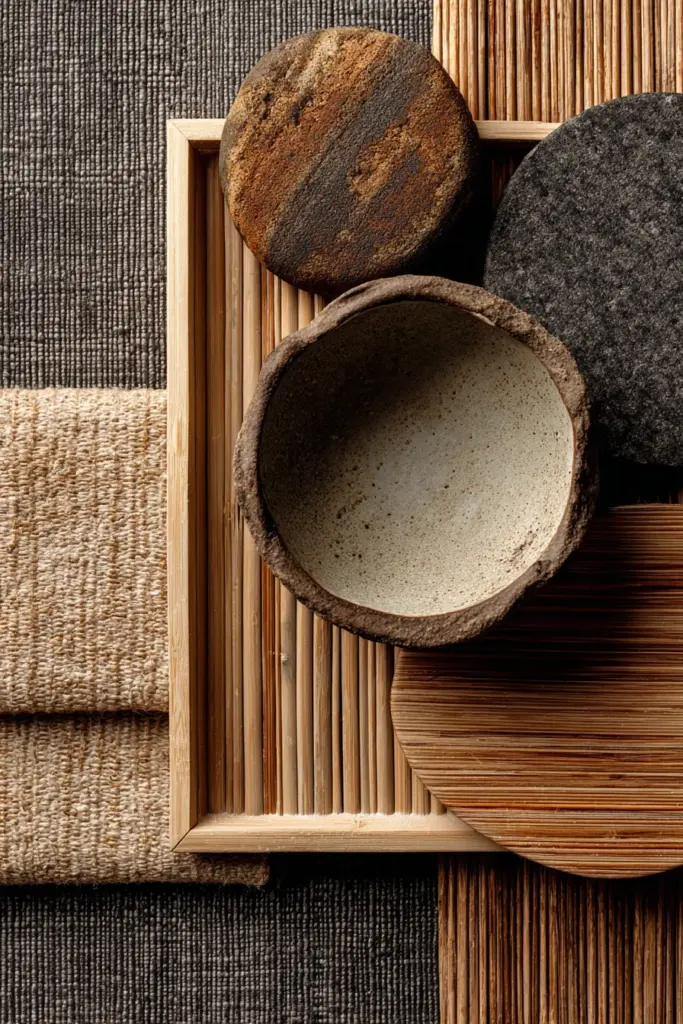
Japandi accents honor the earth they come from. Wood, bamboo, rattan, linen, jute, and stone form the foundation of this aesthetic. Each material brings its own texture and warmth to your space.
Consider a bamboo serving tray on your coffee table, or rattan storage baskets tucked beneath a bench. These pieces aren’t just functional—they’re tactile experiences. Your hand naturally reaches out to feel the woven texture, the smooth grain of oak.
Handcrafted ceramics add another layer of organic beauty. A matte-finish vase in clay tones, slightly asymmetrical, holds more character than any mass-produced piece ever could. These are the accents that make a house feel like a home.
Neutral Color Palette with Earthy Undertones
The Japandi color story unfolds in whispers. Soft whites, warm beiges, gentle grays, and muted greens create a backdrop that soothes rather than stimulates. Think of morning fog, river stones, and pale sand.
Earthy accents in terracotta, ochre, and sage bring warmth without overwhelming the senses. A rust-colored linen throw draped over a chair. Olive-toned cushions against a cream sofa. These subtle touches add depth while maintaining the overall sense of calm.
Wood tones anchor the palette, from light ash to deeper walnut. The beauty lies in letting the natural variations shine—no two pieces match perfectly, and that’s exactly right. This isn’t about coordination; it’s about harmony.
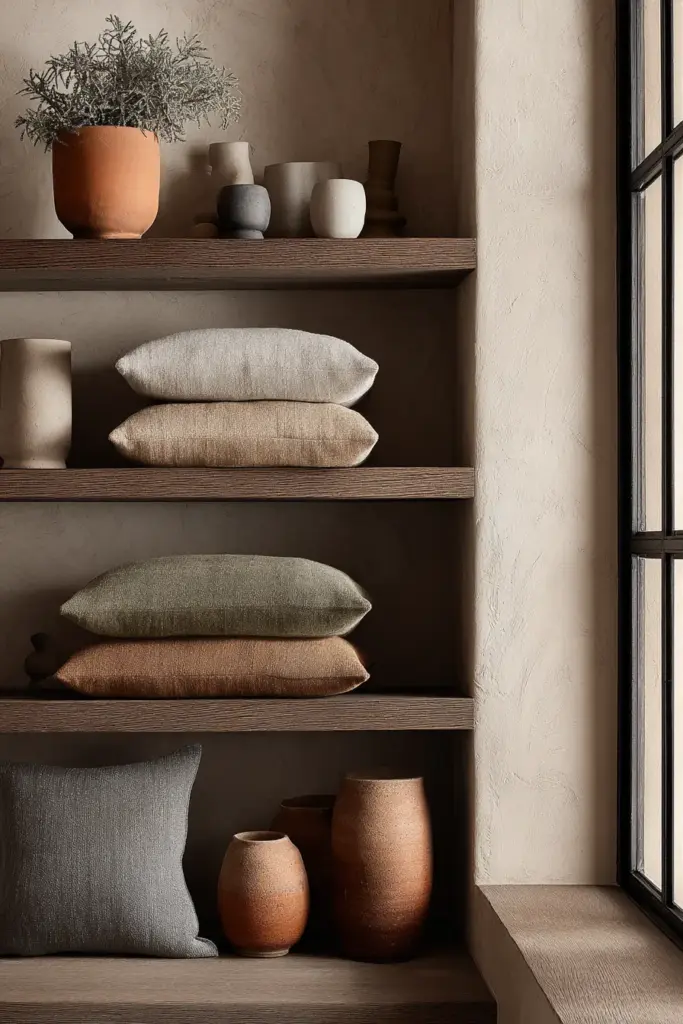
Clean Lines and Minimalist Forms
Japandi furniture accents embrace simplicity in form. Low-profile tables, streamlined shelving, and sculptural vases—each piece has a clear silhouette that doesn’t compete for attention.
A wooden tray with raised edges becomes a focal point through its pure geometry. Ceramic planters in cylindrical or conical shapes display your greenery without fuss. The form itself is the ornament.
This minimalist approach doesn’t mean stark or sterile. It means thoughtful. Every accent has earned its place through beauty or utility—ideally both. There’s no visual noise, just intentional choices that create breathing room.
Essential Japandi Furniture Accents for Every Room
Living Room Accents
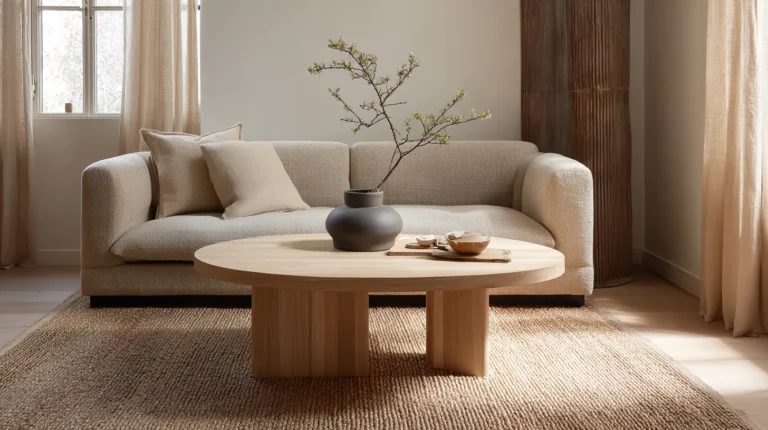
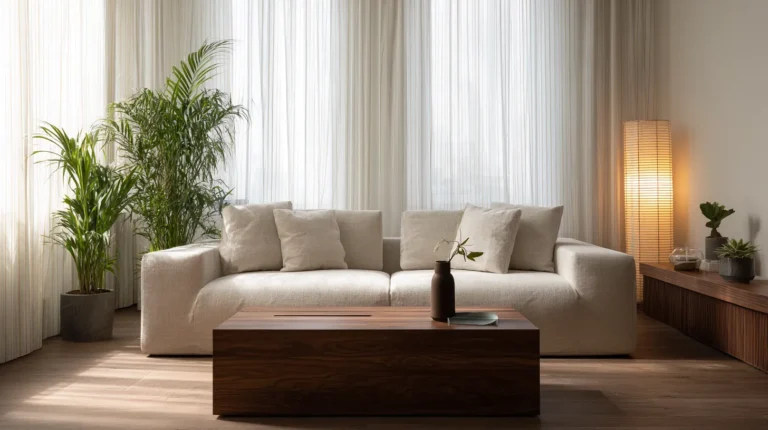
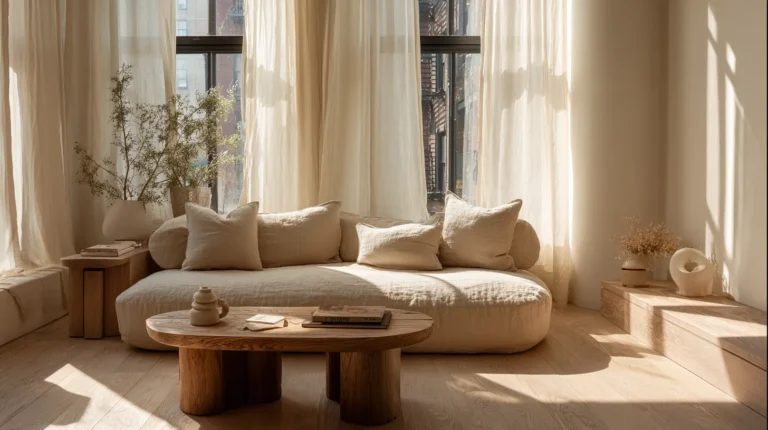
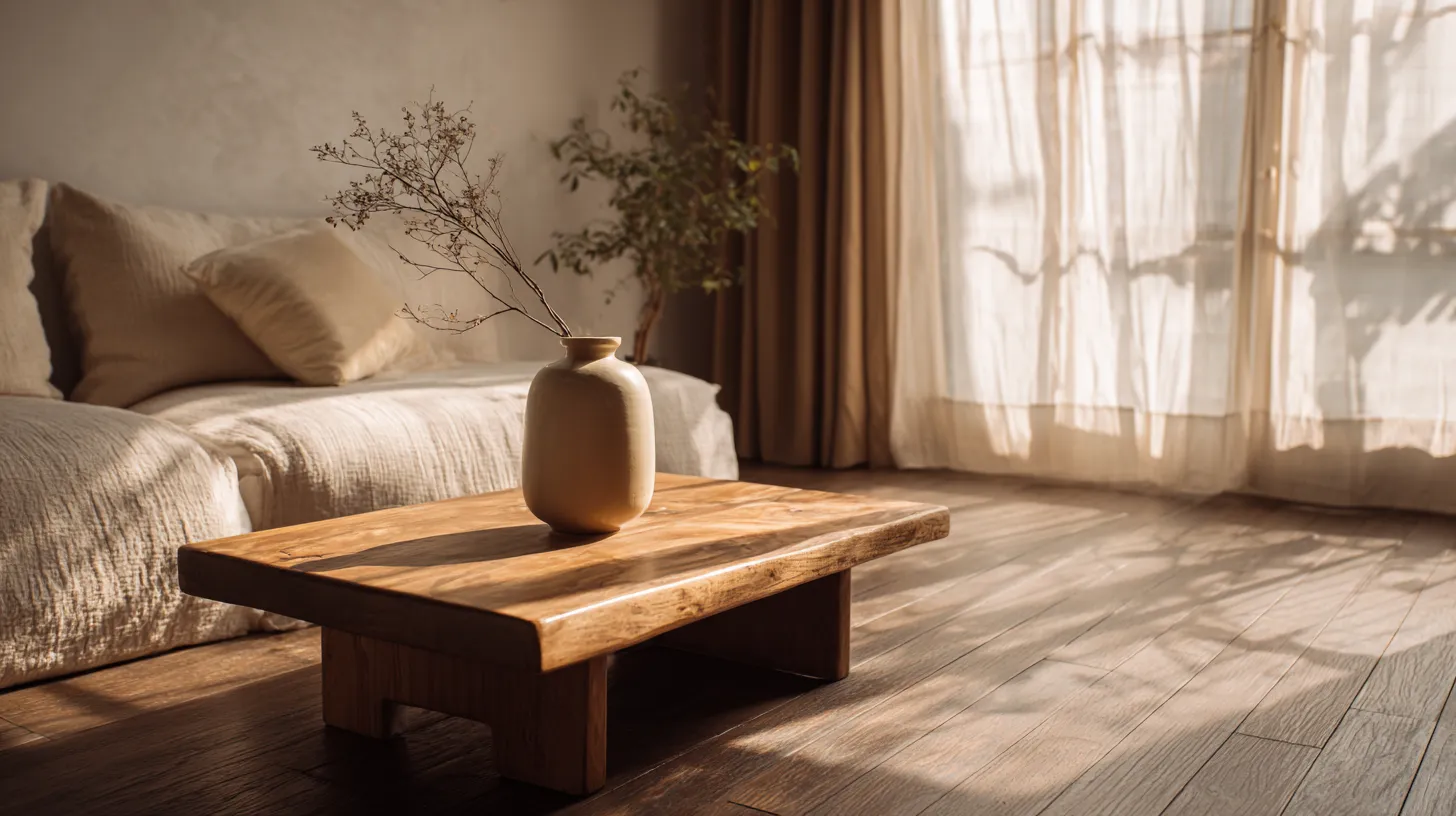
Your living room deserves accents that invite both conversation and contemplation. Start with a low wooden coffee table—perhaps in oak or walnut—with clean lines and visible grain. This becomes your anchor piece.
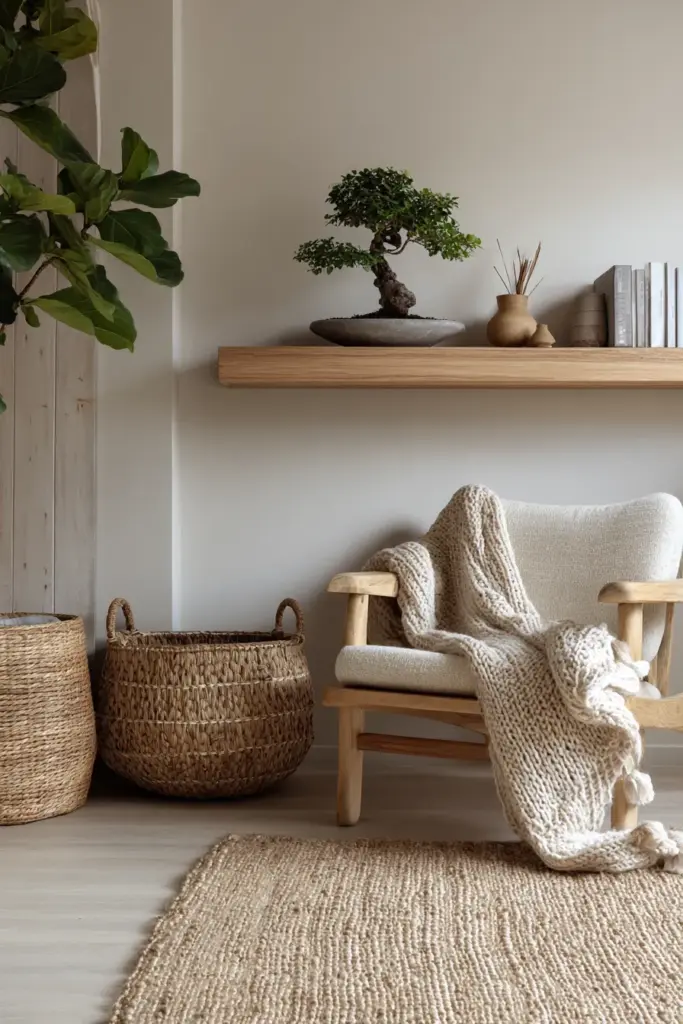
Layer in woven elements: a jute area rug underfoot, rattan storage baskets for blankets, bamboo accent trays for corralling remotes and coasters. These natural textures add warmth while keeping surfaces tidy.
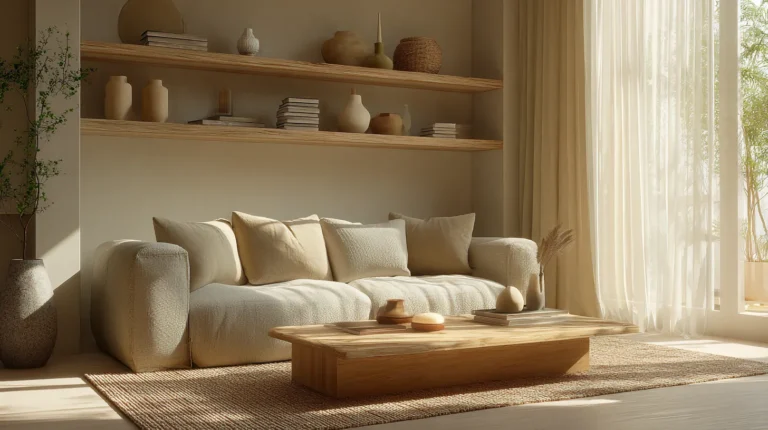
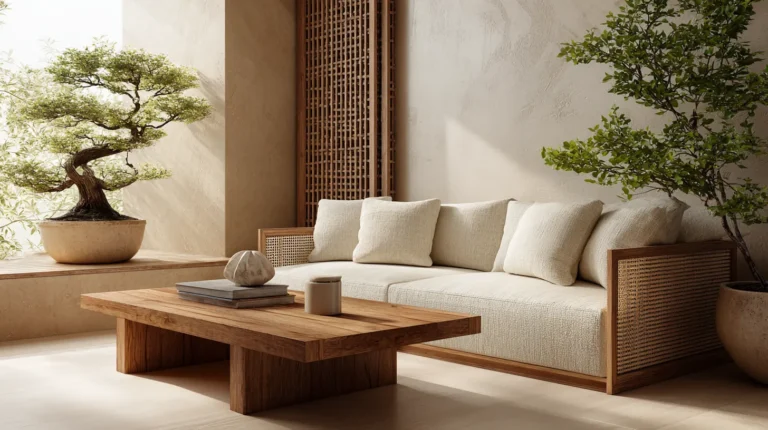
Ceramic pieces bring artful moments. A sculptural vase on the mantel. Small planters housing succulents or bonsai on floating shelves. Each one chosen for its unique character—perhaps a slight wobble in the rim, or a glaze that pools unevenly.
Don’t forget textile accents. Linen cushion covers in natural tones, a chunky knit throw in oatmeal or charcoal, and perhaps a single sheepskin draped over a chair for unexpected softness.
Bedroom Serenity
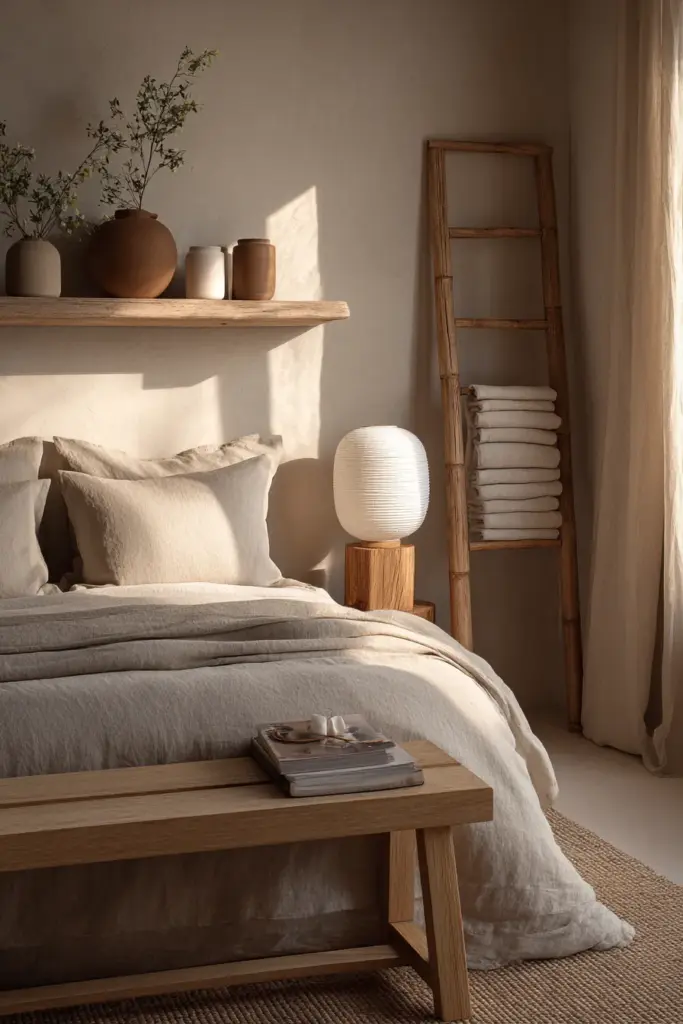
The bedroom calls for accents that promote rest and renewal. A wooden bench at the foot of the bed—simple, low-slung, possibly with woven seating—provides a place to sit while adding visual interest.
Bedside tables in light wood with minimal hardware keep the space feeling open. Top them with ceramic lamps featuring paper or linen shades that cast warm, diffused light. A small wooden tray corrals essentials without clutter.
Wall-mounted wooden pegs or a simple ladder shelf in bamboo offer functional storage that doubles as sculptural elements. Drape your favorite linen robe or display a woven basket holding extra blankets.
Fresh greenery matters here too. A small bonsai or trailing pothos in a handmade ceramic planter brings life and softness to bedside tables or windowsills.
Kitchen and Dining Touches
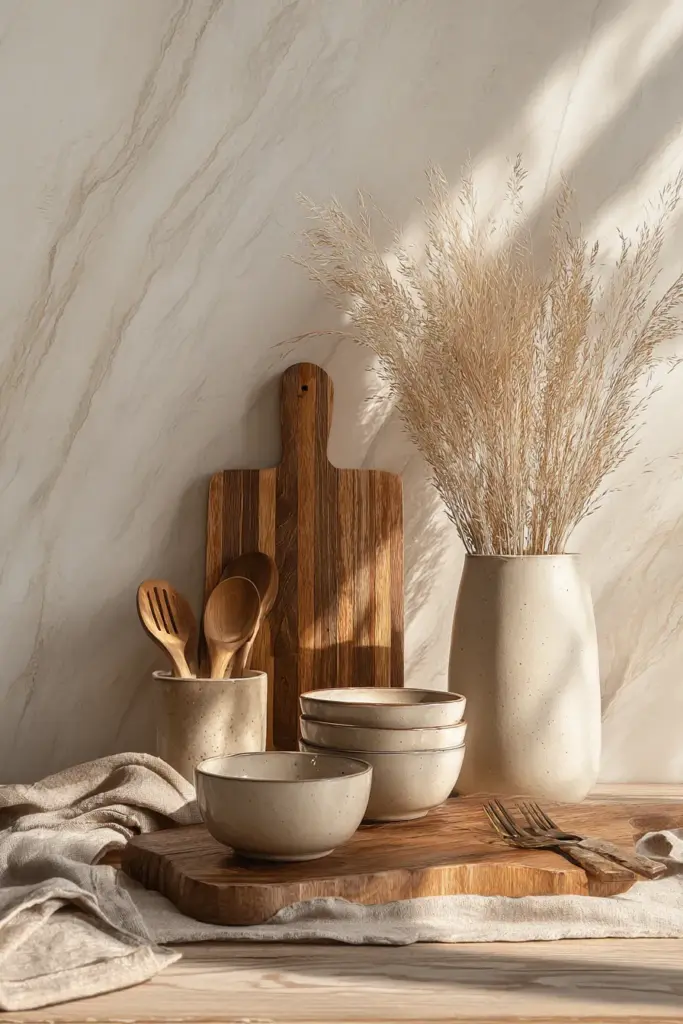
Japandi kitchens shine through thoughtful, functional accents. Wooden cutting boards in various sizes can lean against the backsplash when not in use, their grain patterns becoming art.
Ceramic dishware in matte finishes—bowls, plates, and cups with organic edges and neutral glazes—makes everyday meals feel special. Stack them openly on wooden shelves to celebrate their simple beauty.
Bamboo utensil holders, woven placemats, and linen napkins in natural tones complete the picture. A ceramic vase holding dried grasses or a single stem becomes a centerpiece that never feels fussy.
For the dining table, consider a low wooden bowl filled with river stones or a simple wooden candle holder. These small gestures create moments of beauty without demanding attention.
Bathroom Tranquility
Even bathrooms benefit from Japandi sensibility. Wooden bath caddies in teak or bamboo span the tub, holding candles and a good book. Bamboo soap dishes and toothbrush holders keep surfaces clean and natural.
Ceramic containers in soft glazes organize cotton swabs and bath salts. A small wooden stool provides a perch for a plant or rolled towels. Woven baskets tucked under the sink hide necessities while adding texture.
Hang linen hand towels in neutral tones, and consider wooden hangers or pegs instead of metal bars. The warmth of natural materials transforms even the smallest bathroom into a spa-like retreat.
Budget-Friendly Japandi Accents Under $50
Creating a Japandi space doesn’t require luxury pricing. Many beautiful accents come in accessible ranges, proving that good design isn’t about expense—it’s about intention.
$20–30 Range:
- Bamboo serving trays
- Small ceramic planters
- Jute table runners
- Wooden desk organizers
- Linen tea towels
- Woven basket (small)
$30–50 Range:
- Medium ceramic vases
- Bamboo bath caddy
- Set of handmade ceramic bowls
- Rattan storage basket (medium)
- Wooden picture frames
- Paper lantern pendant shade
Thrift stores and vintage shops often yield hidden treasures—teak trays, pottery with character, and wooden boxes that fit perfectly within Japandi aesthetics. The patina of age only adds to their wabi-sabi appeal.
DIY projects can stretch your budget further. Sand and oil existing wooden pieces, create your own concrete planters, or sew simple linen cushion covers. The handmade quality aligns beautifully with Japandi values.
Japandi Accents for Small Spaces
Small spaces and Japandi philosophy are natural partners. The emphasis on simplicity and multi-functionality makes every square foot work harder without feeling cramped.
Choose accent pieces that serve multiple purposes. A wooden bench with storage underneath. Stackable bamboo trays that become side tables or shelving. Nesting ceramic bowls that tuck away when not needed.
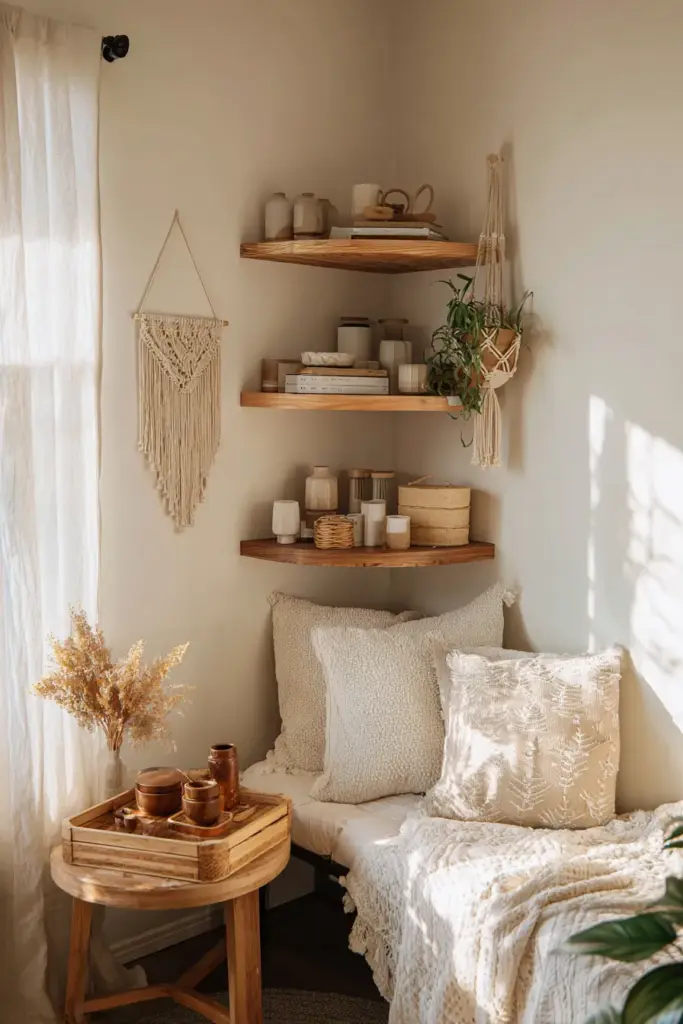
Vertical space becomes your friend. Wall-mounted wooden shelves display a few carefully chosen ceramics while keeping floors clear. Hanging planters in macramé or ceramic bring greenery without surface clutter.
Keep the color palette especially cohesive in smaller rooms. When everything shares a neutral, earthy tone, the eye travels smoothly, making spaces feel larger. A single accent color—perhaps through cushions or a throw—adds interest without fragmentation.
Low-profile furniture accents maintain sightlines. Choose shorter vases, slim wooden trays, and shallow bowls that don’t block views across the room. This visual continuity expands your perceived space.
Maintaining Your Natural Material Accents
Natural materials require gentle care, but their maintenance becomes a meditative practice—another way to slow down and honor your surroundings.
Wood and Bamboo Care:
Dust regularly with a soft cloth. Treat wood with natural oils (tung or linseed) every few months to maintain luster and protect from moisture. Avoid harsh chemicals that strip natural beauty. For bamboo, keep away from excessive moisture and direct heat.
Rattan and Woven Pieces:
Vacuum gently to remove dust from woven crevices. Wipe with a damp cloth for deeper cleaning, then air dry completely. Occasional misting helps prevent drying and cracking. Keep away from direct sunlight to preserve color.
Ceramic and Pottery:
Hand wash handmade pieces to preserve their finish. Avoid thermal shock—don’t move ceramics from hot to cold quickly. Embrace the small chips and cracks that develop; they’re part of the wabi-sabi journey.
Linen and Natural Textiles:
Wash in cool water with gentle detergent. Line dry when possible—sunlight naturally bleaches and freshens. Press while slightly damp for that perfectly relaxed Japandi look. Embrace wrinkles; they’re part of linen’s charm.
Seasonal Updates: 2025 Japandi Trends
Japandi evolves while staying true to its roots. Current trends lean into richer tones and unexpected material combinations while maintaining that signature balance.
Matte Black Accents with Wood:
The contrast between matte black ceramics and warm wood creates striking yet understated moments. Think black stoneware vases on oak shelves, or black metal legs on wooden benches. It’s grounding without being heavy.
Terracotta and Clay Tones:
Moving beyond pure neutrals, earthy terracotta and clay-colored accents bring warmth that feels ancient and modern simultaneously. Planters, bowls, and decorative objects in these tones add depth to the Japandi palette.
Curved Forms:
While clean lines remain important, organic curves are softening Japandi spaces. Rounded ceramic vases, curved wooden trays, and arched mirrors introduce gentle movement without abandoning minimalist principles.
Sustainable and Upcycled Pieces:
The emphasis on sustainability grows stronger. Reclaimed wood accents, pottery made from recycled clay, and vintage pieces integrated thoughtfully all align with both environmental consciousness and Japandi’s respect for materials.
Sourcing Authentic Japandi Accents
Finding the right pieces takes patience, but the search itself can be rewarding. Look for makers who honor traditional techniques and sustainable practices.
Local Artisan Markets:
Seek out potters, woodworkers, and weavers in your area. Handmade pieces carry energy and story that mass-produced items lack. Plus, you’re supporting craft traditions.
Specialty Online Retailers:
Sites focusing on Scandinavian design, Japanese homeware, and sustainable living often curate beautiful Japandi selections. Read about their sourcing practices—quality retailers are transparent about origins.
Vintage and Secondhand:
Mid-century wooden pieces, vintage Japanese pottery, and Scandinavian design from the 60s and 70s fit perfectly within Japandi aesthetics. You’re giving pieces new life while avoiding new production.
Direct from Makers:
Many independent ceramicists, woodworkers, and textile artists sell through Instagram or personal websites. You can often commission custom sizes or finishes that perfectly suit your space.
Creating Your Japandi Accent Collection
Building a cohesive collection doesn’t happen overnight, and that’s exactly right. Japandi philosophy encourages thoughtful acquisition—living with your space, noticing what’s missing, choosing with intention.
Start with one room and focus on essentials. What does this space need functionally? What would bring you joy each time you see it? Let these questions guide your choices rather than trends or impulse.
Consider creating a mood board—digital or physical—collecting images of accents that resonate. You’ll start noticing patterns in what draws you: certain wood tones, particular ceramic finishes, specific forms. These patterns reveal your authentic Japandi aesthetic.
Allow your collection to evolve. Some pieces will be keepers for decades. Others might move through your life more quickly, and that’s fine. The key is surrounding yourself only with items that serve you well or bring genuine pleasure.
Japandi Accents for Renters
Creating a Japandi haven doesn’t require owning your walls. Many beautiful accents are entirely portable, allowing you to take your aesthetic with you.
Focus on furniture-top styling: wooden trays, ceramic collections, potted plants, and textile accents transform spaces without touching walls. These pieces pack easily and adapt to new layouts.
Use freestanding elements instead of built-ins. Bamboo ladder shelves lean against walls without mounting. Wooden room dividers create zones without permanent construction. Woven baskets provide storage that moves with you.
For lighting, choose plug-in sconces and floor lamps over hardwired fixtures. Paper lantern pendants that hang from existing ceiling hooks add Japandi ambiance instantly and remove just as easily.
Create impact through area rugs, throws, and cushions. These textile layers define spaces and add warmth while remaining completely reversible. When you move, they come too—often fitting even better in your next home.
Your Japandi Accent Checklist
Essential Elements
- Wooden serving tray or decorative bowl
- Ceramic vase or planter (handmade if possible)
- Woven basket for storage
- Linen or cotton throw in neutral tone
- Natural fiber area rug (jute or sisal)
- Bamboo or wooden kitchen accessories
Textural Layers
- Chunky knit cushion or throw
- Macramé wall hanging or plant hanger
- Sheepskin or wool accent rug
- Rattan storage pieces
- Stone or ceramic decorative objects
Living Touches
- Bonsai or low-maintenance plant
- Fresh or dried branches in a simple vase
- Succulents in small ceramic pots
Finishing Details
- Wooden picture frames
- Ceramic candle holders
- Linen table runner or placemats
- Natural wood or bamboo shelving
The Soulful Simplicity of Japandi Living
At its heart, Japandi isn’t really about furniture accents at all. It’s about creating space—physical and mental—for what matters most. It’s about choosing quality over quantity, craft over mass production, and timelessness over trend.
Every wooden tray, every ceramic bowl, every woven basket becomes an invitation to slow down. To notice the grain in the wood. To feel the weight of a handmade cup. To appreciate how afternoon light catches the edge of a simple vase.
This is mindful living expressed through design. Not perfection, but intention. Not accumulation, but curation. Not following rules, but listening to what feels right in your particular home, in your particular life.
Your space becomes a reflection of what you value: craftsmanship, natural beauty, sustainable choices, and the quiet joy of simple things done well. That’s not just design—that’s a philosophy worth living by.
Welcome home to Japandi. Welcome to spaces that breathe, objects that matter, and the deep comfort of surroundings that truly serve your soul.
Frequently Asked Questions
What materials define Japandi furniture accents?
Natural materials form the foundation: wood (oak, walnut, teak, bamboo), woven fibers (rattan, jute, linen), and handcrafted ceramics in matte finishes. The emphasis is on organic, sustainable materials that age beautifully and bring warmth to minimalist spaces. Avoid plastics and synthetic finishes in favor of materials that feel good to touch and improve with time.
How do I start incorporating Japandi accents on a budget?
Begin with small, high-impact pieces under $30: bamboo trays, simple ceramic planters, jute table runners, or linen tea towels. Thrift stores often have vintage wooden pieces and pottery that fit perfectly. Focus on one room at a time, choosing multifunctional pieces like storage baskets that organize while adding texture. Remember—three thoughtfully chosen accents create more impact than a dozen random items.
Can Japandi work in colorful or eclectic homes?
Absolutely. Japandi accents can ground more vibrant spaces by providing visual rest. Use neutral wooden trays to corral colorful objects, ceramic pieces in soft tones to balance bold art, or natural fiber rugs to anchor eclectic furniture. The key is creating pockets of calm within your existing style rather than completely transforming your aesthetic. Let Japandi accents serve as breathing room between bolder elements.
How do I maintain the balance between Japanese minimalism and Scandinavian coziness?
Layer textures while keeping forms simple. A clean-lined wooden coffee table (minimalist) topped with a chunky knit throw (cozy). Streamlined ceramic vases (minimalist) in clusters of three (cozy warmth). The trick is pairing restrained shapes with tactile, natural materials. If a space feels too stark, add soft textiles. If it feels cluttered, remove items until only essentials remain.
What’s the difference between Japandi and regular minimalism?
While both embrace simplicity, Japandi actively invites warmth and imperfection. Standard minimalism can feel cold and perfect; Japandi celebrates wabi-sabi—the beauty of natural flaws, aged patina, and handmade irregularities. It prioritizes natural materials over any material that’s clean-lined. The goal isn’t just u0022less stuffu0022 but rather u0022the right stuffu0022—pieces that bring both function and soul to your daily life.