
Table of Contents
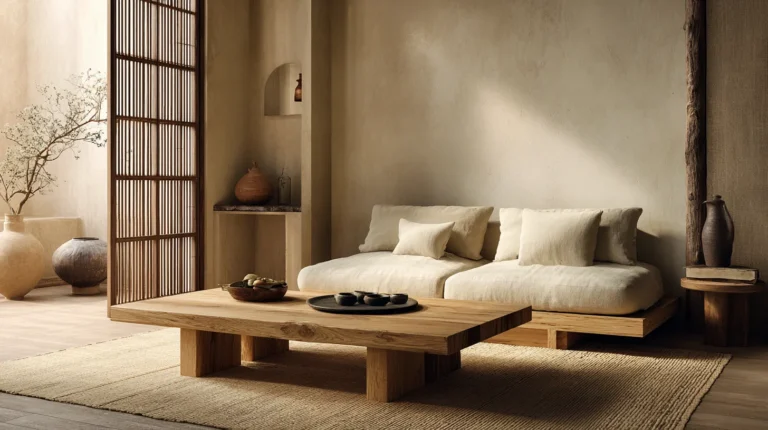
There’s something deeply grounding about running your hand across natural wood. The grain whispers stories of slow growth and quiet seasons. In Japandi living rooms, wood isn’t just a material—it’s the soul of the space, bridging Scandinavian warmth with Japanese restraint.
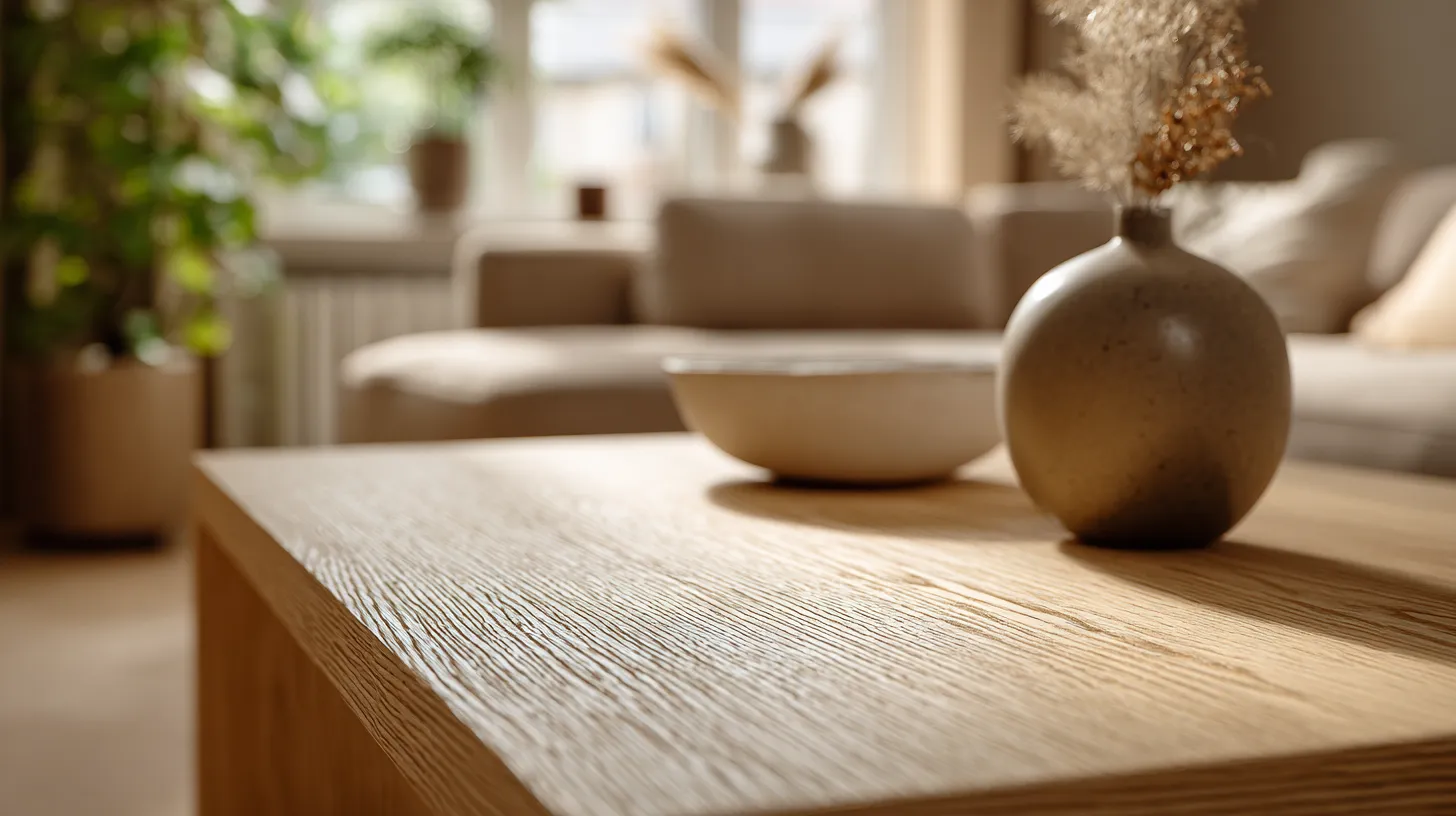
Choosing the right wood finish transforms furniture from functional to meaningful. It’s the difference between a coffee table that glows softly in morning light and one that feels cold or lifeless. The finish protects, yes, but it also reveals—bringing out honey tones in oak or the subtle drama of walnut’s darker veins.
This guide walks you through the wood finishes that make Japandi spaces feel lived-in yet serene. We’ll explore which woods work best, how to finish them for that signature matte elegance, and practical tips for keeping them beautiful through daily life. Think of this as a conversation with a friend who’s learned these lessons room by room, finish by finish.
Let’s create living rooms that breathe with natural beauty.
Understanding Japandi Wood Philosophy
The Marriage of Two Traditions
Japandi furniture celebrates what both cultures do best with wood. Scandinavian design brings light woods like birch and ash—materials that reflect northern light and create airy, open spaces. Japanese tradition contributes craftsmanship and respect for the material itself, where each knot and grain pattern is honored rather than hidden.
The result is furniture that feels effortlessly minimal yet deeply warm. Wood becomes both backdrop and focal point, never shouting but always present.
Why Wood Finish Matters More Than You Think
The finish is where philosophy meets practicality. A high-gloss lacquer might protect wood beautifully, but it contradicts Japandi’s quiet aesthetic. The style demands finishes that feel barely there—surfaces you want to touch, that show the wood rather than a shiny coating.
Matte and satin finishes create that signature understated elegance. They catch light gently, creating subtle plays of shadow and warmth throughout the day. This isn’t about perfection; it’s about authenticity.
Best Wood Species for Japandi Living Room Furniture
Light Woods: The Foundation
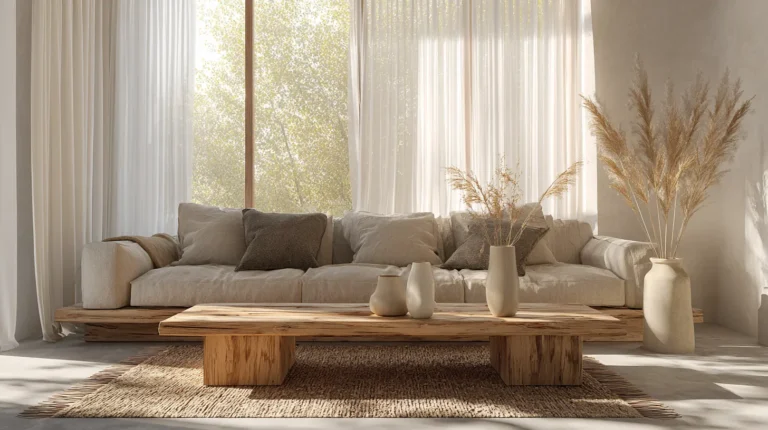
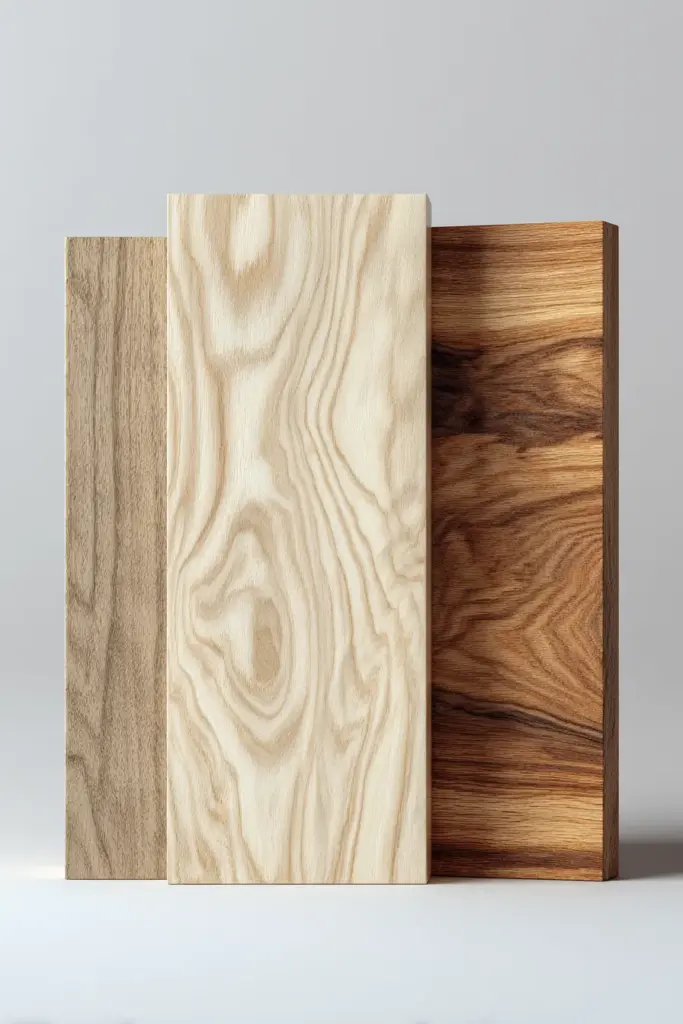
White Oak stands as the cornerstone of Japandi furniture design. Its pale honey tones and prominent grain create visual interest without overwhelming a space. Oak weathers beautifully, developing a soft patina that tells the story of your home.
Ash brings slightly cooler undertones and a straighter grain pattern. It’s ideal for minimalist pieces where you want clean lines to dominate. Ash accepts natural oil finishes particularly well, creating a smooth, touchable surface.
Birch offers affordability without sacrificing beauty. Its fine, even grain and pale color make it perfect for larger pieces like media consoles or shelving units. Birch responds beautifully to both matte oils and wax finishes.
Medium Tones: Adding Depth
Beech introduces warmth with its reddish-pink undertones. It’s harder than many light woods, making it excellent for coffee tables and dining furniture that see daily use. The grain is subtle enough to pair beautifully with textured textiles.
Maple provides durability with a creamy, consistent appearance. Its tight grain creates furniture with a refined, almost silk-like surface when properly finished. Maple’s neutrality allows it to ground bolder design choices elsewhere in the room.
Dark Accents: Strategic Contrast
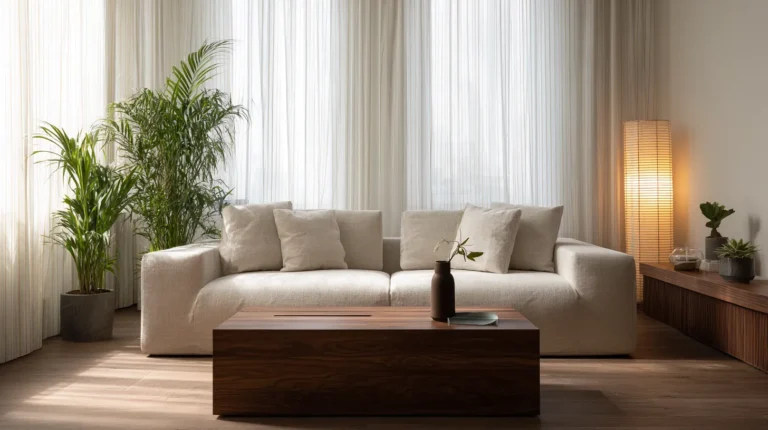
Walnut brings drama without heaviness. Its rich chocolate browns and occasional purple undertones create stunning contrast against lighter woods. Use walnut sparingly—a side table, chair frames, or shelving brackets—to anchor a room.
Teak offers both beauty and extreme durability. Its natural oils make it water-resistant, perfect for plant stands or pieces near windows. Teak ages to a silvery gray if left unfinished, or maintains its golden-brown warmth with minimal oiling.
Japandi Wood Finish Types and Application
Natural Oil Finishes: The Purist’s Choice
Natural oils penetrate wood rather than sitting on top, enhancing grain while providing protection. They create the most authentic, touchable surfaces.
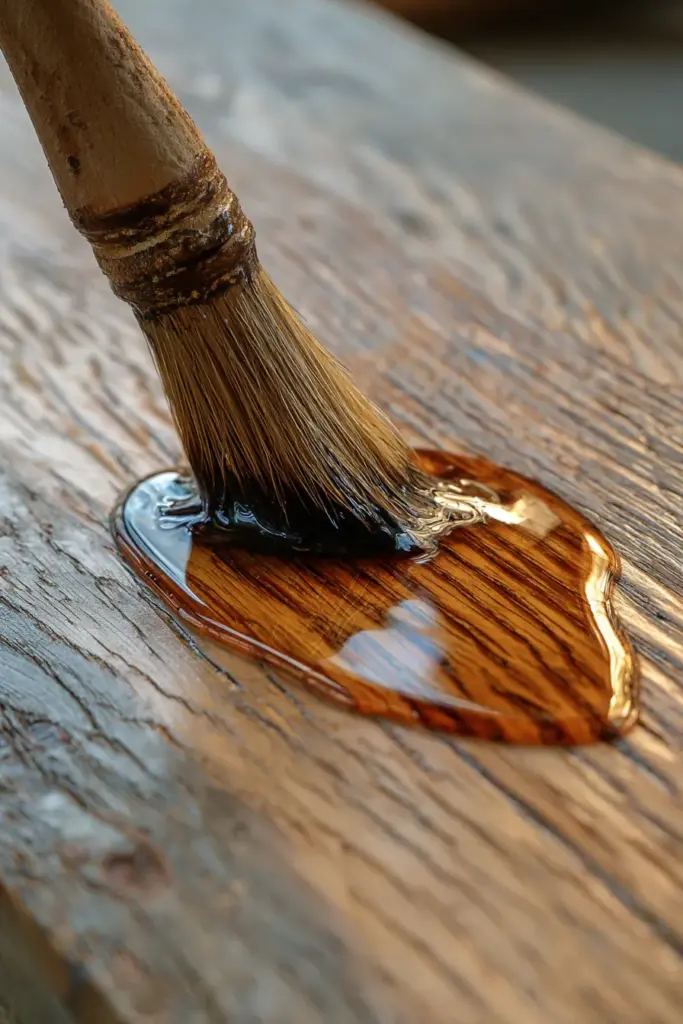
Tung oil delivers a low-VOC finish that’s food-safe and water-resistant once cured. It brings out wood’s natural color without yellowing over time. Application is simple: wipe on thin coats, let each dry completely, then buff gently. Three coats typically suffice for living room furniture.
Linseed oil (boiled, not raw) offers similar benefits at lower cost. It darkens wood slightly more than tung oil, creating richer tones in oak and ash. The trade-off? It takes longer to cure fully—plan for several days between coats.
Danish oil combines oil and varnish for easier application and slightly more protection. It’s ideal for busy households where furniture sees constant use. The finish remains matte but offers better resistance to water rings and light scratches.
Wax Finishes: Soft and Sensory
Wax creates the softest, most natural-looking finish. Beeswax or carnauba wax buffed into oiled wood adds a subtle sheen and extra protection.
The ritual of waxing furniture becomes meditative—rubbing circles into wood, feeling it warm under your hands, watching the surface transform. Wax needs reapplication every few months, but this regular care connects you to your furniture in ways modern finishes don’t.
Best practice: Apply wax over an oil base coat for durability. The oil seals; the wax protects and beautifies.
Low-VOC Sealants: Modern Meets Mindful
Water-based polyurethane in matte or satin finishes offers protection without compromising aesthetics. Modern formulations are nearly odorless and contain minimal volatile organic compounds.
These work beautifully for high-traffic pieces like coffee tables or console tables. The key is choosing true matte finishes—look for products labeled “flat” or “dead matte” rather than satin, which can still read as slightly shiny.
Application requires patience: light coats, gentle sanding between layers, and proper drying time. The result is furniture that withstands daily life while maintaining Japandi’s quiet elegance.
Comparing Wood Finishes for Japandi Style
| Finish Type | Sheen Level | Durability | Maintenance | Best For | Cost Range |
|---|---|---|---|---|---|
| Tung Oil | Matte | Medium | Quarterly re-oiling | All furniture | $50-80/project |
| Linseed Oil | Low Satin | Medium | Quarterly re-oiling | Shelving, low-traffic | $30-50/project |
| Danish Oil | Satin | Medium-High | Bi-annual touch-ups | Coffee tables, media units | $40-70/project |
| Beeswax | Soft Matte | Low | Monthly buffing | Accent pieces | $25-45/project |
| Water-Based Poly (Matte) | Matte | High | Annual renewal | High-traffic furniture | $60-100/project |
| Carnauba Wax | Low Satin | Low-Medium | Bi-monthly buffing | Dining tables, desks | $35-60/project |
Blending Light and Dark Wood Tones
The 70-20-10 Rule for Wood
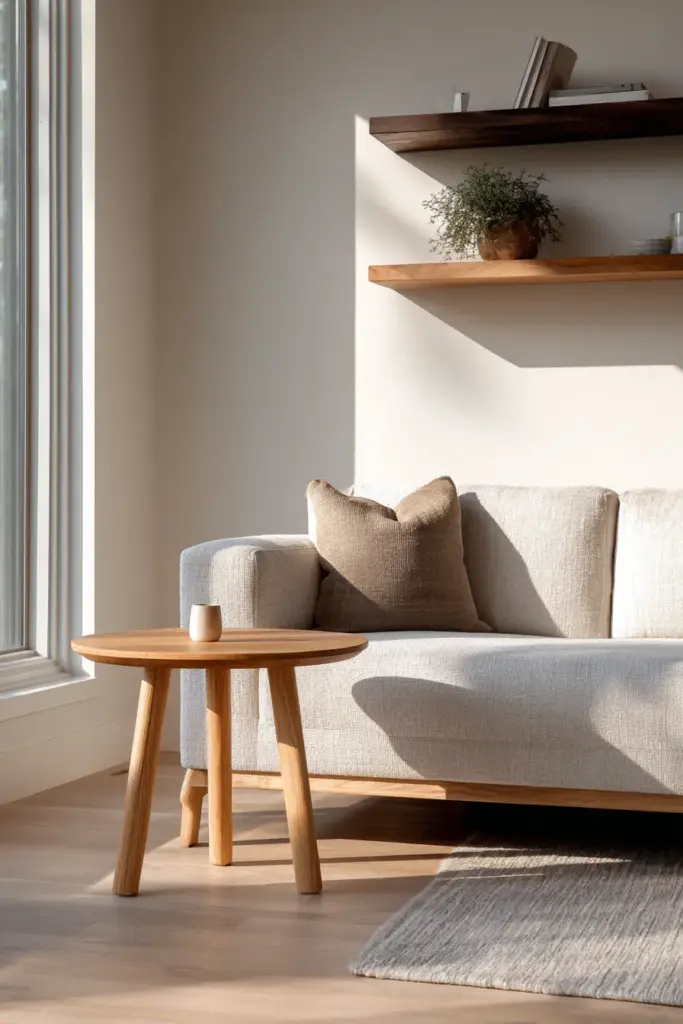
Apply classic design principles to wood tones: 70% light wood (oak, ash, birch) forms your foundation. 20% medium tones (beech, maple) add depth. 10% dark wood (walnut, teak) creates strategic emphasis.
This balance prevents spaces from feeling washed out or too heavy. A light oak sofa, beech side tables, and a single walnut accent shelf exemplifies this harmony.
Creating Visual Flow
Wood tones should transition gradually across a room. Avoid jarring jumps from pale birch directly to dark walnut without medium-toned pieces to bridge them.
Consider furniture placement: let similar tones cluster naturally, then use darker pieces as anchors at room edges or in conversation areas. This mirrors how wood appears in nature—varying but cohesive.
Temperature Harmony
Pay attention to wood’s underlying tones. Warm woods (oak, beech, teak) have yellow, orange, or red undertones. Cool woods (ash, some maple) lean gray or white.
Mixing temperatures works beautifully in Japandi spaces, but choose one as dominant. A warm-toned room with mostly oak can handle ash accents; a cool ash-heavy space welcomes a warm walnut piece for contrast.
Sustainable and Pet-Friendly Wood Finishes
Eco-Conscious Choices
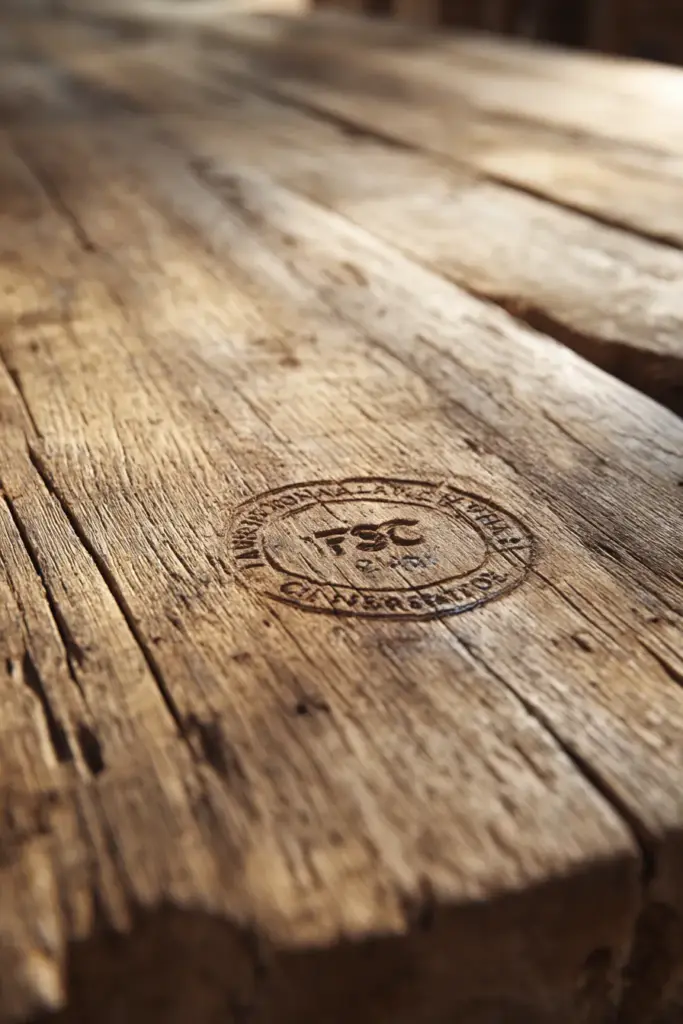
FSC-certified wood ensures your furniture comes from responsibly managed forests. Look for domestic sources when possible—North American oak and walnut, European ash and beech—to reduce transportation impact.
Natural oil finishes align with sustainable living. They’re plant-based, biodegradable, and contain no synthetic chemicals. Tung oil comes from tung tree nuts; linseed from flax seeds. Both are renewable resources that don’t compromise indoor air quality.
Reclaimed wood deserves consideration. Salvaged timber brings history and character while reducing demand for new lumber. The weathered patina of reclaimed wood often needs minimal finishing—perhaps just a light wax to protect without altering its aged beauty.
Allergy-Safe and Non-Toxic Options
Conventional finishes can off-gas VOCs for weeks after application. For sensitive individuals, this matters deeply. Zero-VOC water-based finishes or pure natural oils provide beauty without compromising health.
Beeswax finishes are particularly gentle—they’re literally food-grade. You could eat off furniture finished with pure beeswax and linseed oil (though we don’t recommend it).
Always cure finishes fully before bringing furniture into living spaces. Even natural oils need time to polymerize completely. A week in a well-ventilated area ensures any residual odors dissipate.
Pet-Friendly Durability
Cats and dogs bring joy and scratches. Choose finishes that can be spot-repaired easily. Natural oils win here—you can sand a small damaged area and re-oil just that section without refinishing entire pieces.
Harder woods like oak, maple, and beech resist claw marks better than softer pines or cedars. Pair durable wood with repairable finishes for furniture that ages gracefully alongside your pets.
Water-resistant finishes matter for plant stands and surfaces near pet water bowls. Teak’s natural oils make it nearly impervious to moisture; alternatively, use Danish oil or water-based poly on lighter woods prone to water damage.
Maintenance and Care for Japandi Wood Furniture
Seasonal Care Rituals
Spring and Fall: Deep clean with barely-damp cloths followed by immediate drying. Reapply oil finishes if wood looks thirsty—dry or dull patches indicate it’s time. This bi-annual rhythm keeps furniture protected through climate changes.
Summer and Winter: Extreme temperatures and humidity fluctuations stress wood. Use humidifiers in dry winter months; ensure good air circulation in humid summers. Wood expands and contracts naturally; proper environmental control minimizes this movement.
Monthly Maintenance: Dust with soft, dry cloths. Buff waxed surfaces gently. Wipe spills immediately—water rings happen when moisture sits too long. Place coasters and trivets as a matter of course, not just for guests.
Repairing Common Wear
Light Scratches: Rub with a walnut (the nut itself—oils in the meat often fill and darken minor scratches). For deeper marks, light sanding followed by spot re-oiling blends repairs seamlessly.
Water Rings: White rings mean moisture is trapped in the finish, not the wood. Gentle rubbing with a paste of baking soda and water often removes them. For stubborn rings, very fine steel wool (0000 grade) with linseed oil works wonders.
Dull Patches: These signal finish breakdown. Clean thoroughly, then reapply your original finish product. Oil finishes make this simple—just add a fresh coat to the affected area and buff.
What to Avoid
Never use harsh cleaners, furniture sprays with silicone, or abrasive scrubbers on natural wood finishes. These products can damage the finish or leave residues that prevent future re-oiling.
Avoid prolonged direct sunlight, which fades even the most stable wood finishes. Use curtains or UV-filtering window film for furniture near south-facing windows.
Don’t let water pool on wood surfaces, even with water-resistant finishes. Natural materials require respect for their vulnerabilities—this isn’t weakness, it’s character.
Styling Tips: Pairing Wood Finishes with Japandi Elements
Textile Harmony
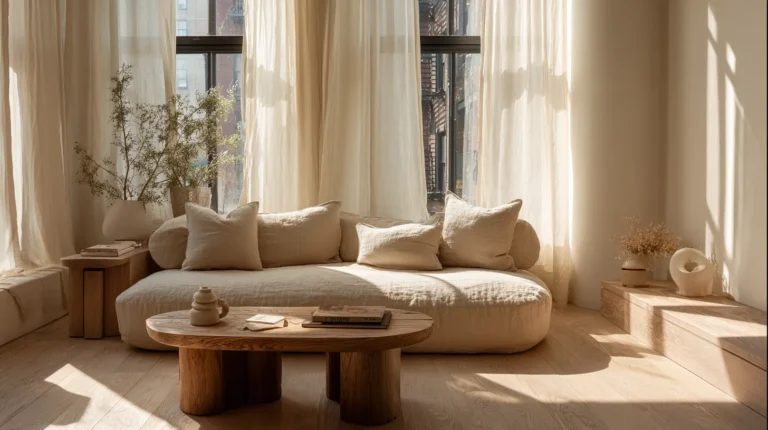
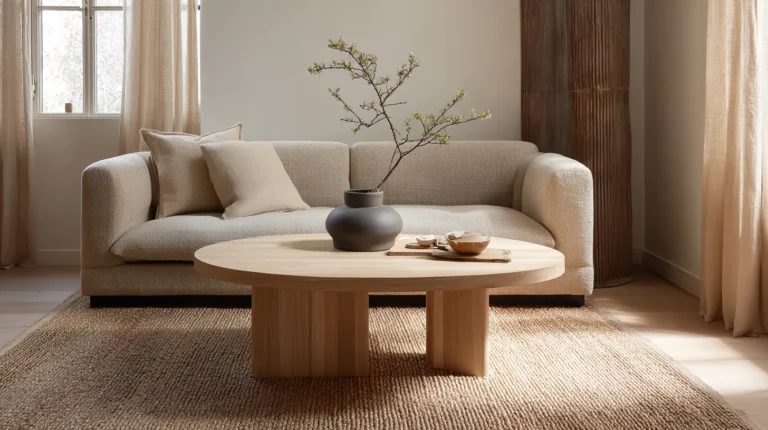
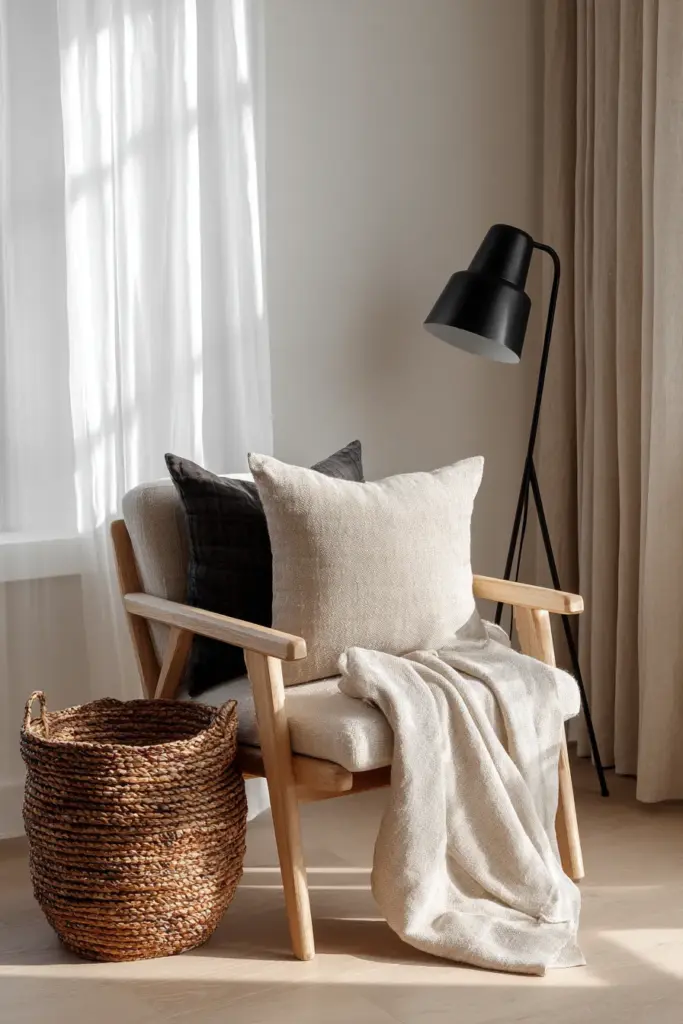
Pair light oak or ash furniture with linen upholstery in natural tones—oatmeal, soft gray, warm white. The matte texture of linen mirrors the matte finish of properly treated wood, creating cohesive visual rhythm.
Wool throws in charcoal or camel introduce warmth without pattern. Drape them over arm chairs or sofas to soften hard furniture lines. The organic irregularity of handwoven textiles complements wood grain beautifully.
Cotton canvas in deeper tones—slate blue, forest green, burnt sienna—grounds lighter wood without overwhelming it. Use these for cushion covers or curtains that frame wood furniture.
Metal and Material Accents
Matte Black Metal: Pairs exceptionally well with medium-toned woods like beech or maple. Think black steel table legs supporting a natural maple top, or matte black hardware on ash cabinets.
Brass and Copper: These warm metals complement the honey tones in oak and the richness of walnut. Use sparingly—a brass floor lamp base, copper plant pots—to add subtle glow.
Rattan and Cane: Natural woven materials extend wood’s organic presence. Rattan chair seats, cane cabinet door panels, or woven storage baskets create textural variety while maintaining material consistency.
Lighting Considerations
Wood finish appears dramatically different under various light sources. Natural daylight reveals true colors and grain patterns. Warm LED bulbs (2700-3000K) enhance wood’s golden tones, perfect for evening ambiance.
Position lighting to graze wood surfaces at angles—this highlights grain texture and creates depth. Avoid overhead lighting directly above wood furniture, which flattens appearance.
Paper lanterns or fabric drum shades diffuse light gently, preventing harsh shadows that can make wood look flat or lifeless. The goal is light that caresses rather than illuminates coldly.
2026 Japandi Wood Trends
Smoked Wood Effects
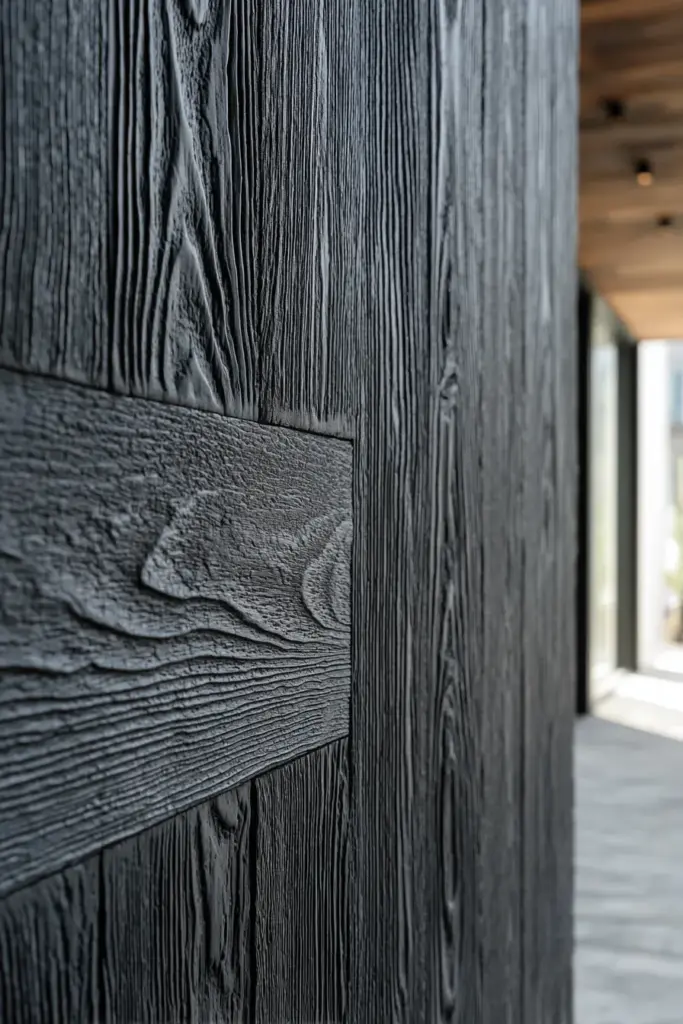
Smoking or charring wood (shou sugi ban technique) creates dramatic dark surfaces without paint or stain. This Japanese preservation method produces charcoal-black wood with visible grain texture.
Use smoked wood strategically—perhaps a feature wall panel behind a light oak sofa, or smoked cedar shelving against white walls. The technique adds depth while maintaining natural material honesty.
Modern applications create gentler smoked effects, yielding gray-toned wood rather than full black. These softer versions suit contemporary Japandi spaces seeking subtle drama.
Multifunctional Furniture Finishes
As living spaces become more versatile, furniture must too. Water-resistant finishes on coffee tables that moonlight as dining surfaces. Wipeable oils on desk-console hybrids. The trend emphasizes finishes that protect without looking protective.
This practical elegance defines Japandi’s evolution—beauty that serves life rather than requiring tiptoeing around it.
Regional Wood Sourcing Stories
More homeowners want to know where their furniture originates. Highlighting local or regional wood sources—American white oak, Baltic birch, Japanese cedar—adds narrative depth to pieces.
This transparency supports sustainability while connecting furniture to place and story. It transforms a coffee table from “wood” to “white oak from sustainably managed Pennsylvania forests, finished with Vermont-tapped linseed oil.”
Japandi Wood Finish Checklist
Before choosing finishes for your living room furniture, consider:
- Wood species selection: Light (oak, ash, birch) as foundation; medium (beech, maple) for depth; dark (walnut, teak) for accent
- Finish type alignment: Natural oils for authenticity; low-VOC sealants for high-traffic durability
- Sheen level: Matte or low-satin only; avoid glossy finishes
- Sustainability credentials: FSC-certified wood; plant-based, biodegradable finishes
- Maintenance commitment: Quarterly re-oiling for natural finishes; annual renewal for sealed surfaces
- Household needs: Pet-friendly and allergy-safe options; water-resistant finishes where needed
- Cost planning: $30-100 per furniture piece for finish materials and application
- Tonal balance: Follow 70-20-10 rule for light, medium, and dark wood distribution
- Environmental factors: Humidity control; UV protection; proper ventilation during application
- Long-term care: Stock extra finish product for touch-ups; establish seasonal maintenance rhythm
Bringing It All Together
Creating a Japandi living room with thoughtfully finished wood furniture is an act of quiet intention. You’re not just decorating—you’re curating materials that will age alongside you, developing character through use and care.
The beauty lies in simplicity executed perfectly. Light woods that breathe. Matte finishes that invite touch. Furniture that works hard without shouting. Every piece considered, nothing excessive, all harmonious.
This approach to wood and finishing respects both material and maker. It honors the tree that became timber, the craftsperson who shaped it, and your own commitment to living with beauty that lasts. There’s integrity in furniture you can repair yourself, in finishes you understand and can maintain.
May your living room become a space where wood glows softly, where furniture holds both function and soul, where the grain patterns tell stories and the finish simply lets them show through.
Frequently Asked Questions
What wood is used in Japandi furniture?
Japandi furniture typically features oak, ash, and birch for their light tones and prominent grain, with beech and maple adding medium warmth. Walnut and teak serve as darker accent woods. These species share durability, beautiful natural grain, and acceptance of minimal finishes that honor the wood’s authentic character.
What are the best wood finishes for Japandi style?
Matte oil finishes like tung oil, linseed oil, and Danish oil best capture Japandi aesthetics. These penetrate wood to enhance natural grain while maintaining a touchable, low-sheen surface. Beeswax adds soft protection, while low-VOC water-based polyurethanes in matte formulations work for high-traffic pieces. The key is avoiding glossy finishes that feel too polished or artificial.
Should I choose light or dark wood for a Japandi living room?
Light wood should dominate (around 70% of wood furniture) to maintain Japandi’s airy, calm foundation. Medium tones add 20% depth, while dark woods provide 10% strategic contrast. This balance prevents spaces from feeling washed out or heavy. A light oak sofa with beech side tables and a single walnut shelf exemplifies ideal tonal harmony.
How do I finish wood for a Japandi look at home?
Start with smooth, well-sanded wood (220-grit finish). Apply thin coats of natural oil like tung or linseed, allowing each to penetrate 15-20 minutes before wiping excess. Let dry 24 hours between coats; three coats typically suffice. Finish with optional beeswax buffed gently for extra protection. The process takes several days but creates authentic, repairable surfaces that age beautifully.
Are natural wood finishes pet-friendly and safe?
Pure natural oil finishes like tung oil and linseed oil are non-toxic once fully cured, making them safe around pets and children. Beeswax is literally food-grade. These finishes also allow easy spot repairs when scratches occur—simply sand lightly and re-oil damaged areas. Choose harder woods like oak or maple for better scratch resistance, and ensure all finishes cure completely (7-10 days) before regular furniture use.