
Table of Contents
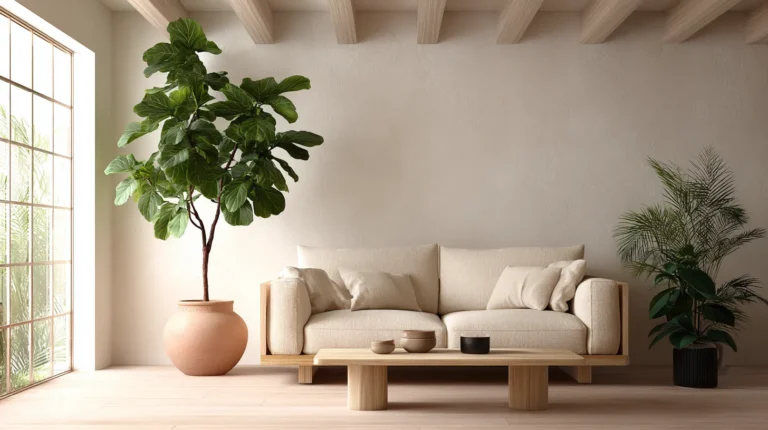
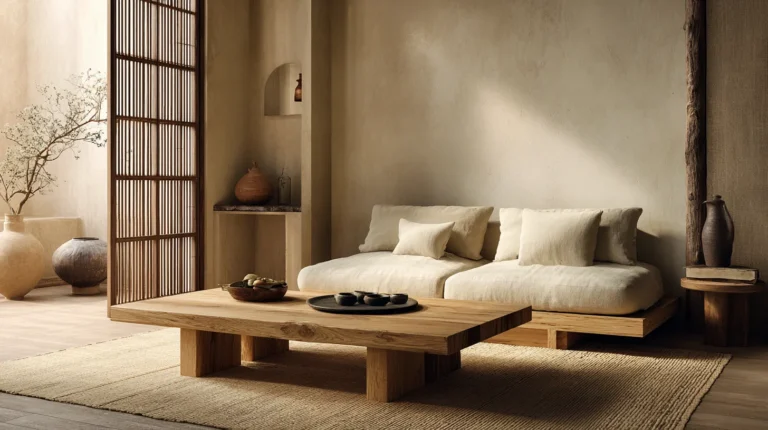
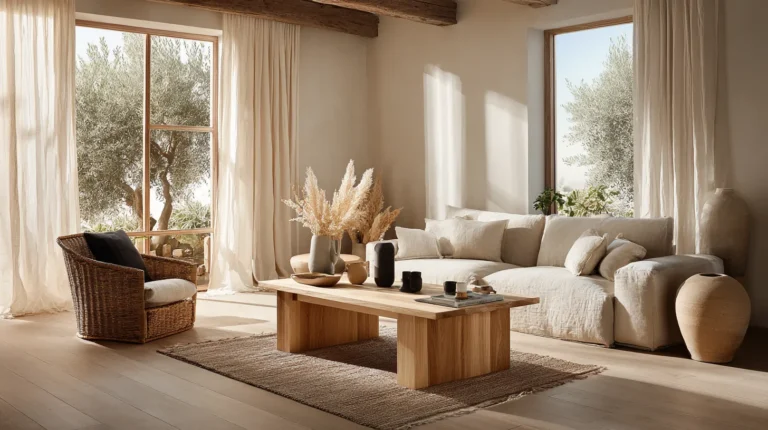
There’s something profoundly calming about walking into a room that breathes. Not empty, but purposeful—where every piece of furniture tells a quiet story and earns its place through beauty and function. This is the essence of Japandi living room furniture decluttering: a thoughtful dance between Japanese minimalism and Scandinavian warmth.
Your living room should feel like an exhale. When visual clutter fades, what remains is texture you can feel, light that moves naturally across clean surfaces, and furniture that serves your daily rhythms without shouting for attention.
The Japandi approach to decluttering isn’t about deprivation—it’s about curation. It asks you to look at each piece of furniture and ask: Does this bring function or joy? Does it honor natural materials and honest craftsmanship? When the answer is yes, you keep it. When it’s no, you release it with gratitude.
Let’s walk through how to transform your living room into a space of visual calm and functional beauty, one furniture piece at a time.
Understanding the Japandi Philosophy: Quality Over Quantity
Before you touch a single piece of furniture, understand the mindset. Japandi design marries wabi-sabi—the Japanese art of finding beauty in imperfection—with hygge, the Scandinavian embrace of cozy comfort. Together, they create spaces that feel both serene and lived-in.
Intentional keeping is your north star. Every furniture piece should earn its footprint through multi-functionality, natural harmony, or emotional resonance. A handcrafted oak coffee table with hidden storage? Yes. A plastic side table collecting magazines you’ll never read? Time to let go.
The principle of less is more isn’t about austerity—it’s about breathing room. When you reduce your furniture count by 30-40%, the remaining pieces gain presence. That sculptural lounge chair becomes a focal point rather than competing with six other seating options.
The Japandi Furniture Audit: A 7-Step Decluttering Checklist
Start your decluttering journey with a systematic furniture review. This process helps you see what you truly need versus what’s simply taking up space.
Step 1: Empty and Categorize
Remove everything from your living room furniture—cushions from the sofa, books from shelves, remotes from consoles. Sort furniture into categories: seating, tables, storage, display pieces. This gives you a clear inventory of what you own.
See each piece with fresh eyes. Sometimes we’re so accustomed to a bulky entertainment unit that we forget it blocks natural light from the window.
Step 2: Apply the Functionality Test
Ask three questions for every furniture piece:
- Does it serve multiple purposes? A storage ottoman beats a decorative-only footstool.
- Is it made from natural materials? Japandi favors wood, bamboo, linen, wool, and stone over synthetic fabrics.
- Does it support my daily life? If your reading chair never gets used, it’s decoration masquerading as furniture.
Create a simple assessment table:
| Furniture Piece | Material | Functions | Keep/Donate/Upcycle |
|---|---|---|---|
| Oak coffee table | Natural wood | Surface + hidden storage | Keep |
| Plastic side table | Synthetic | Surface only | Donate |
| Linen sofa | Natural fabric | Seating + under-seat storage | Keep |
| Glass display unit | Mixed | Display only | Upcycle to open shelving |
Step 3: Measure Visual Weight
Stand at your living room entrance. Count how many furniture pieces your eye hits before landing on negative space. If the answer is more than five, you’re experiencing visual clutter.
Japandi design follows the rule of thirds for shelving—fill only one-third of shelf space, leaving two-thirds open. This principle extends to furniture placement: aim for 40-50% empty floor space to let the room breathe.
Step 4: Release Single-Function Pieces
In a Japandi living room, furniture must justify its presence. That decorative ladder holding one throw blanket? Replace it with wall hooks or drape the blanket artfully over your sofa. The extra side table that only holds a lamp? Mount the light instead.
Donate items in good condition to local charities. For worn pieces, consider upcycling—that dated bookshelf might become beautiful floating shelves with some DIY work.
Step 5: Evaluate Furniture Scale
Oversized furniture overwhelms smaller living rooms, while undersized pieces float awkwardly in larger spaces. Your sofa should be proportional—in a 12×14 room, aim for a 72-84 inch sofa rather than a sprawling sectional.
Low-profile furniture enhances the Japandi aesthetic. Platform sofas and leggy side tables create sight lines that make spaces feel larger and calmer.
Step 6: Assess Material Harmony
Japandi thrives on a cohesive material palette. Walk through your furniture and note materials: is there oak, walnut, teak, rattan, linen, wool? Aim for 2-3 primary materials throughout the room.
If you spot chrome, plastic, or high-gloss finishes, these disrupt the natural aesthetic. Replace them gradually with wood, bamboo, or matte ceramic alternatives.
Step 7: Create a Furniture Floorplan
Before bringing anything back, sketch your ideal layout. Allow 18-24 inches between furniture for easy movement. Position seating to encourage conversation—a sociable L-shape beats furniture pushed against walls.
Mark spots for multi-functional pieces. That empty corner might perfect for a storage bench that holds books, provides seating, and displays a single sculptural plant.
Coffee Table Decluttering: The Heart of the Living Room
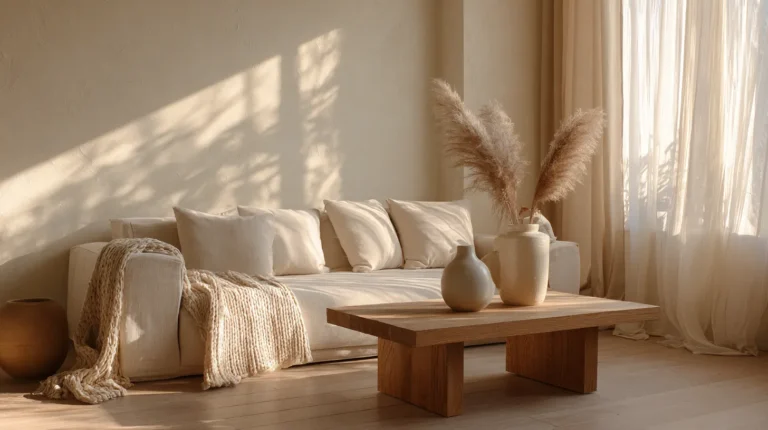
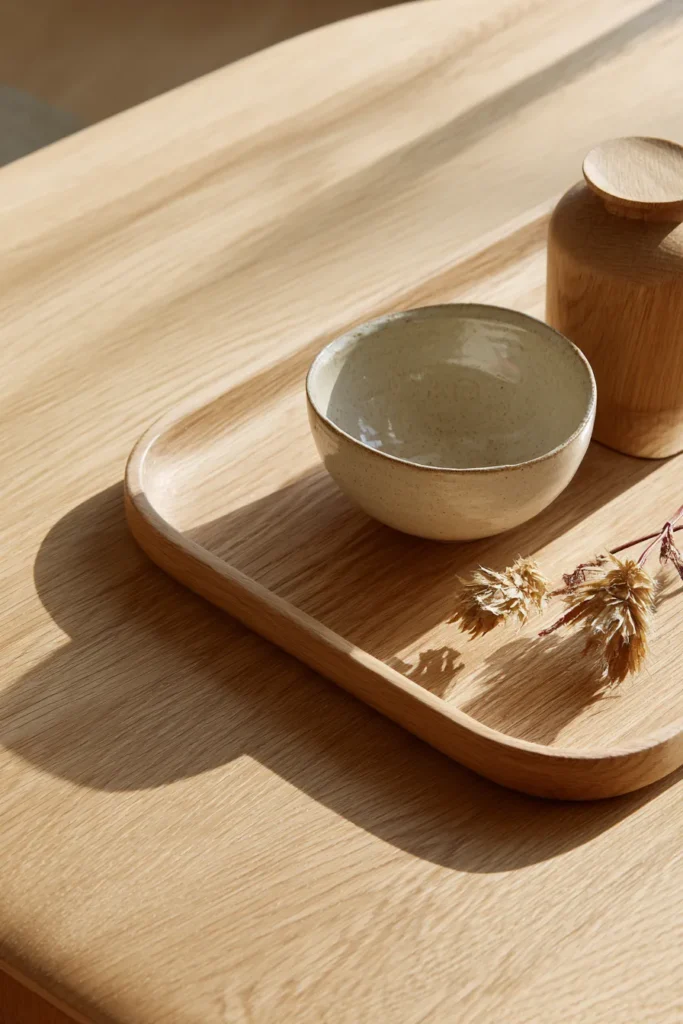
Your coffee table is prime real estate for clutter accumulation. Transform it into a mindful display using the three-object rule: one natural element (a ceramic vase with dried pampas grass), one functional item (a wooden tray holding remotes), and one book or magazine you’re actively reading.
Choose a table with hidden storage—lift-top coffee tables or designs with lower shelves keep essentials accessible but invisible. Store throw blankets, coasters, and charging cables inside, maintaining clear surfaces.
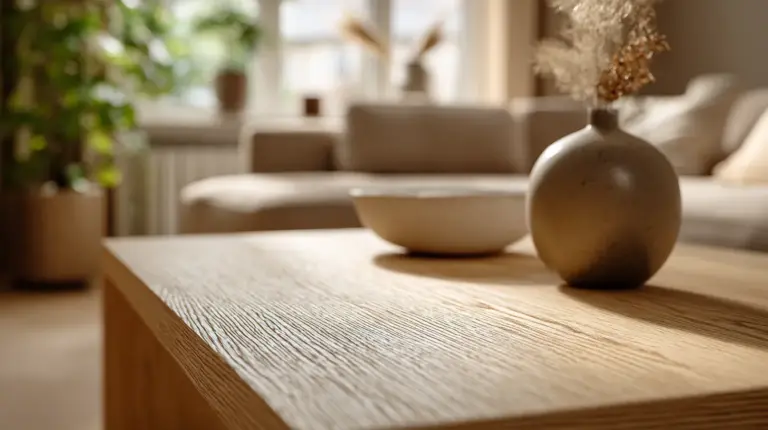
Consider material and shape carefully. A light oak or walnut table in organic shapes (oval, rounded rectangle) feels softer than harsh corners. The wood grain itself becomes decoration, requiring minimal styling.
Sofa and Seating: Choosing What Stays
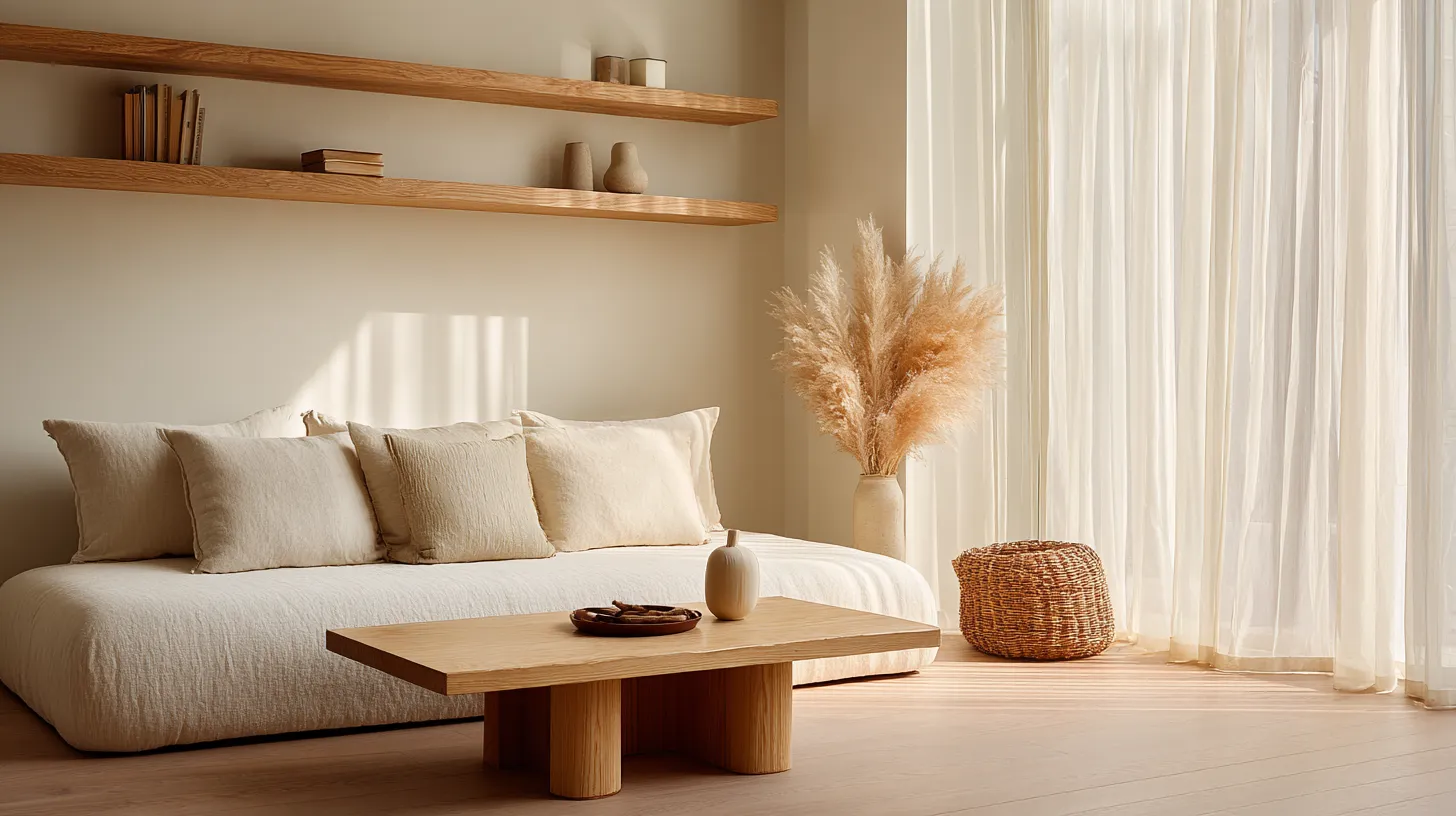
A Japandi sofa should be your largest furniture investment—and possibly your only seating investment in smaller rooms. Look for clean lines, neutral tones (oatmeal, charcoal, soft gray), and natural fabrics like linen or cotton.
Does your sofa provide storage? Models with under-seat compartments let you hide toys, extra pillows, or seasonal throws. This single feature can eliminate the need for a separate storage trunk.
Resist the urge to crowd seating. If your living room is under 200 square feet, one three-seater sofa and two floor cushions create flexibility without permanent clutter. For larger spaces, add one accent chair in complementary material—perhaps a leather sling chair if your sofa is linen.
Declutter around your seating too. Remove excess throw pillows—Japandi style suggests 2-3 pillows maximum, in natural textures like mudcloth or chunky knit.

Wall Decluttering: Freeing Vertical Space
Walls often become forgotten storage zones filled with shelving, hanging plants, and layered art. Japandi principles suggest treating walls like you treat surfaces—with intentional restraint.
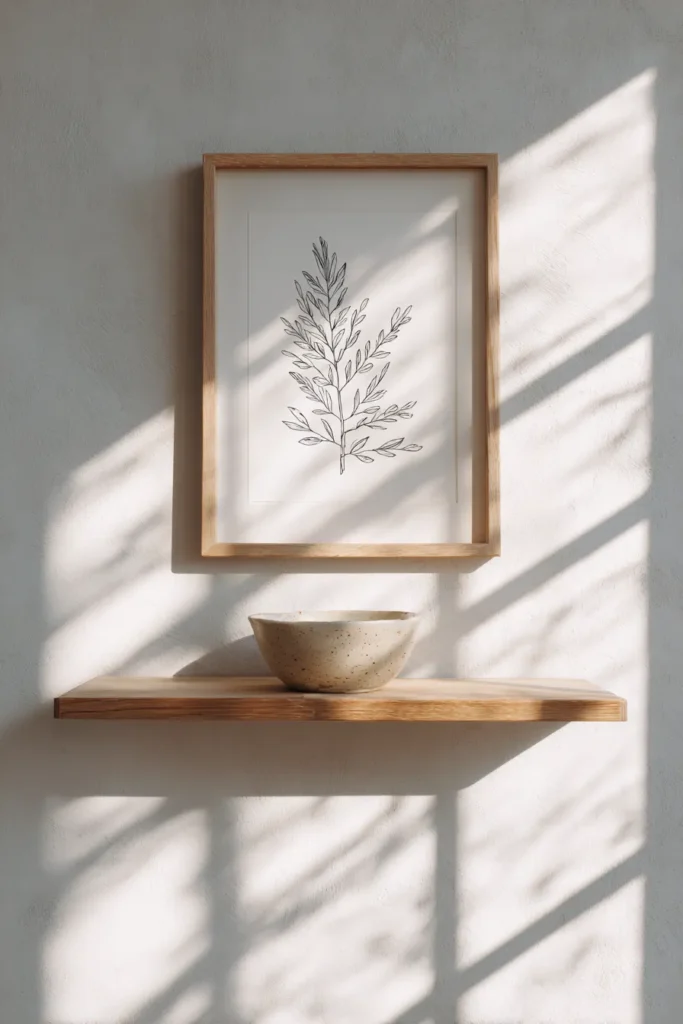
Remove 50% of wall décor as a starting point. Keep one statement piece—a large botanical print in a simple wood frame, or a handwoven wall hanging. The remaining wall space isn’t wasted; it’s rest for the eyes.
If you need wall storage, choose floating shelves in light wood. Display items using the one-in, one-out rule: for every new object added, remove one. Alternate shelf levels between functional (a basket holding remotes) and beautiful (a single ceramic bowl).
Avoid gallery walls in Japandi spaces. The visual busyness conflicts with the calm aesthetic you’re cultivating.
Storage Solutions That Honor Minimalist Beauty
Storage is the backbone of successful decluttering, but it must be beautiful enough to remain visible. Japandi storage follows clean lines and natural materials—nothing plastic, nothing overly ornate.
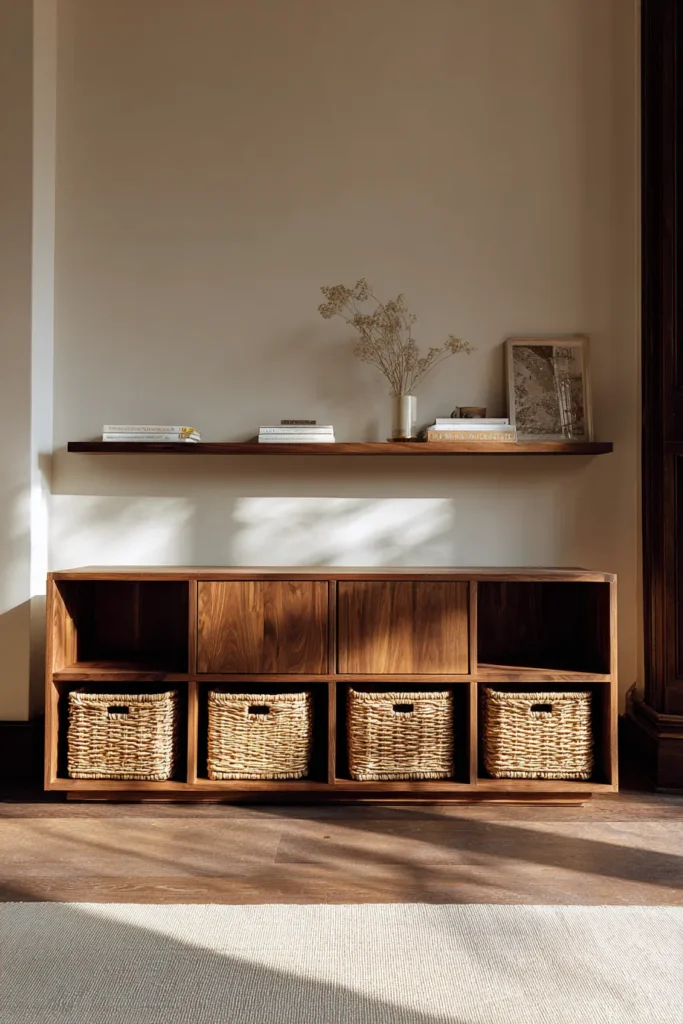
Built-In and Multi-Functional Furniture
Built-in shelving provides maximum storage with minimal visual intrusion. Floor-to-ceiling units in light wood blend into walls while holding books, baskets, and curated objects. Style them following the rule of thirds: one-third filled, two-thirds breathing room.
Choose furniture that works overtime. A media console with closed cabinets hides electronics and cords—visual clutter killers in any living room. A storage bench beneath your window offers seating, storage, and a surface for plants.
Natural Baskets and Vertical Storage
Woven baskets in seagrass, rattan, or water hyacinth are Japandi storage heroes. They corral clutter while adding organic texture. Use them on lower shelves to hold throw blankets, magazines, or children’s toys.
Vertical storage maximizes space in smaller living rooms. Tall, narrow shelving units draw the eye upward, making ceilings feel higher while using minimal floor space. Choose designs with laddered or open construction to maintain airiness.
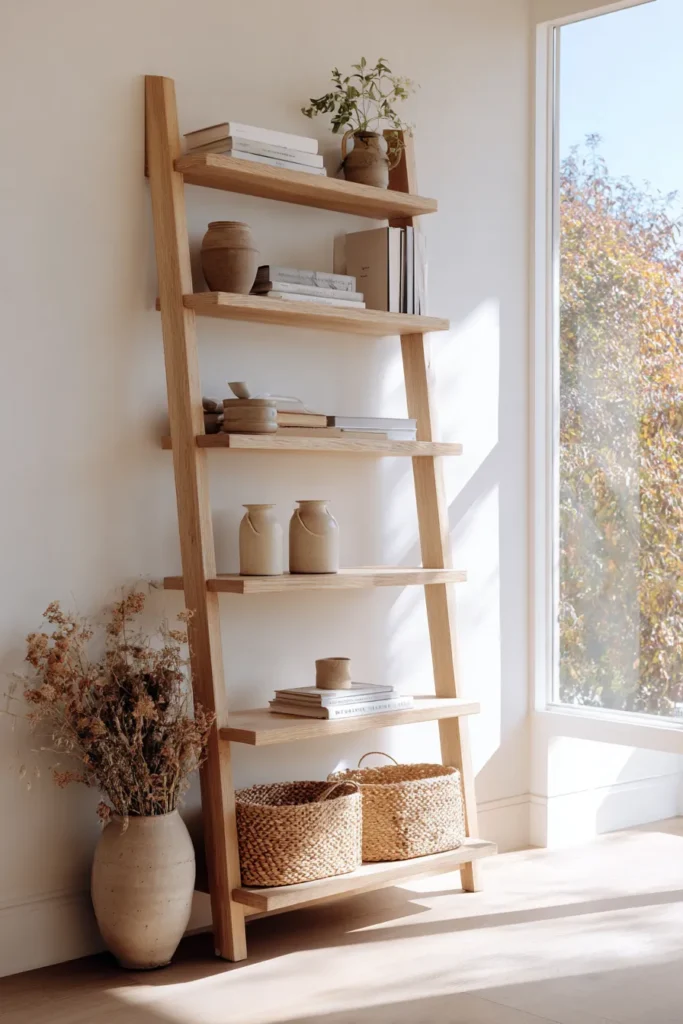
The Accessible Placement Principle
Store frequently used items at eye level (books you’re reading, daily remotes). Place seasonal or occasional items higher or lower. This accessible placement reduces daily clutter because everything has an obvious, convenient home.
Avoid closed storage for items you use daily—opening doors and drawers creates friction that leads to surfaces piling up. Use open shelving or attractive baskets for these high-rotation items.
Budget-Friendly DIY Japandi Decluttering Solutions
You don’t need to replace every piece to achieve Japandi calm. Smart DIY solutions transform existing furniture into multi-functional minimalist pieces for under $100.
IKEA Hack: Coffee Table Hidden Drawer
Purchase a basic IKEA LACK table ($20) and four wooden brackets ($15). Attach a shallow wooden box with lid to the underside for hidden storage. Sand and stain in light oak to match Japandi aesthetics. Total cost: approximately $50.
Thrifted Console Transformation
Find a secondhand console or sideboard ($30-60 at thrift stores). Remove ornate hardware and replace with simple brass pulls ($12). Sand and apply a natural wax finish. Add woven baskets inside for organized storage. Cost: $60-85.
Floating Shelf System from Reclaimed Wood
Source reclaimed wood from salvage yards ($20 for three shelves). Purchase simple metal brackets ($25). Cut to size, sand smooth, and apply clear matte sealant. Mount at staggered heights for vertical interest. Cost: $45.
Ottoman Storage Upcycle
Transform an old footstool by adding a hinged lid and lining the interior with fabric. Reupholster the top in natural linen ($25 for fabric). Creates hidden storage and maintains seating. Cost: $30-40.
Curtain Divider for Open Storage
For open shelving you can’t replace, install a simple linen curtain panel ($20) on a tension rod. Pull closed to hide clutter during guest visits, open daily for easy access. This soft solution maintains the natural material palette. Cost: $25.
Seasonal Japandi: Adapting Your Living Room Through the Year
Japandi design embraces seasonal shifts without accumulating clutter. The key is rotation rather than addition—swap pieces rather than layering indefinitely.
Winter Layering Without Clutter
As temperatures drop, add warmth through textiles while maintaining minimalism. Store one lightweight throw blanket visibly (draped over sofa arm), and rotate in one chunky knit version. Keep summer linens in closed storage.
Add floor cushions in wool or sheepskin for flexible seating during gathering season. When spring arrives, pack them away rather than leaving them as permanent fixtures.
Consider a modular furniture approach for winter. A pouffe that nests under your coffee table provides extra seating without taking up space year-round.
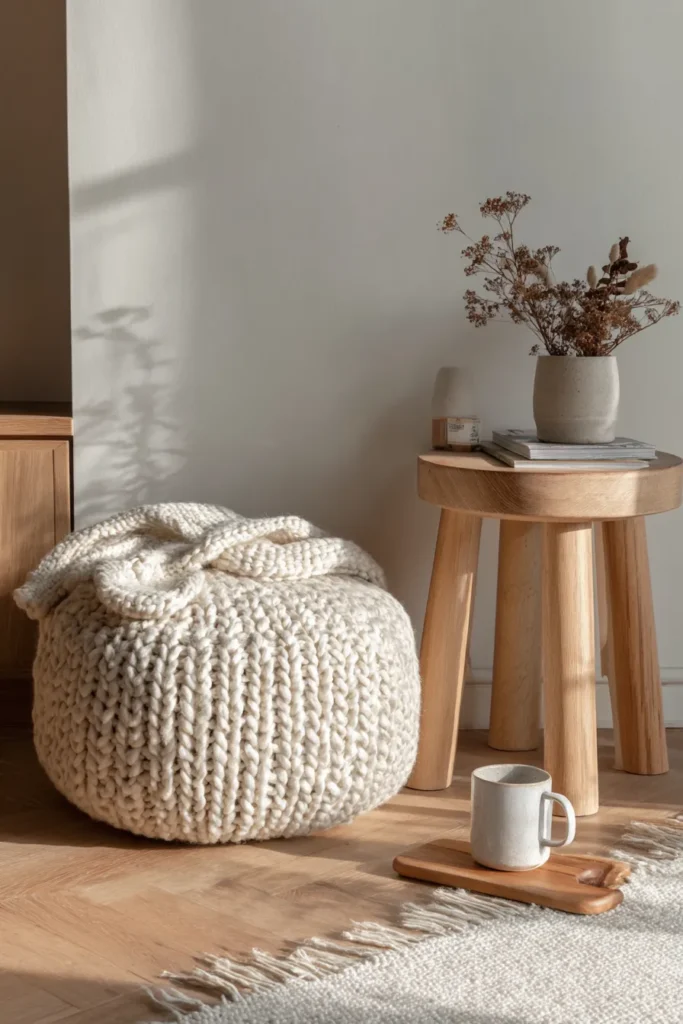
Spring and Summer Simplification
Lighter seasons call for even more restraint. Remove heavy textiles and extra seating. Keep surfaces clear except for fresh botanical elements—a single branch in a ceramic vase captures the season without creating clutter.
This is ideal time to reassess last year’s furniture decisions. Does that storage bench still serve you? Has your reading chair become a clothes hanger? Seasonal transitions offer natural decluttering checkpoints.
Measuring Success: The Mental Health Impact of Decluttering
Studies on minimalism show measurable benefits beyond aesthetics. When you reduce visual clutter by 40% through strategic furniture decluttering, most people report improved focus, reduced stress, and better sleep quality.
Track your own progress with simple metrics:
- Before: Count furniture pieces, photograph the space
- After two weeks: Note changes in how quickly you can find items
- After one month: Assess your stress levels when entering the room
- After three months: Survey whether you miss removed items (80% report they don’t)
A decluttered Japandi living room typically sees 30-50% fewer furniture pieces than conventional spaces. This isn’t deprivation—it’s intentional curation that serves your wellbeing.
The visual calm achieved through furniture decluttering creates mental space. When your eyes aren’t processing six different seating options and four surfaces covered in objects, your nervous system relaxes. The room becomes restorative rather than stimulating.
Maintaining Your Japandi Living Room: The One-In-One-Out Rule
Decluttering isn’t a single event—it’s an ongoing practice. The one-in-one-out rule prevents re-accumulation: before bringing in new furniture, something existing must leave.
Considering a new side table? Great—but which current piece will you donate to make room? This creates friction that makes you truly evaluate whether you need the new item.
Schedule quarterly furniture reviews—15 minutes every three months to walk through your living room and assess whether everything still serves you. Life changes, and furniture should adapt accordingly.
Use digital tools to track your inventory. Apps like Sortly let you photograph and catalog furniture, noting purchase dates and functionality. When you’re tempted to add pieces, review your inventory first.
Japandi Living Room Furniture Decluttering Checklist
Use this actionable checklist to guide your decluttering journey:
Assessment Phase:
- Photograph your living room from multiple angles
- Create furniture inventory with materials and functions
- Measure your space and note natural light sources
- Identify visual clutter hotspots (usually coffee table, shelves, corners)
Decluttering Phase:
- Remove all single-function decorative pieces
- Assess each furniture item using the three-question functionality test
- Measure furniture scale against room proportions
- Check material harmony—aim for 2-3 natural materials maximum
- Clear surfaces to 70-80% empty space
- Reduce wall décor by 50%
Storage Optimization:
- Replace open storage with one natural basket per shelf
- Install floating shelves if built-ins aren’t possible
- Choose multi-functional furniture (storage ottomans, lift-top tables)
- Apply accessible placement principle for daily-use items
- Hide cords and electronics in closed cabinets
Maintenance Practices:
- Implement one-in-one-out rule before new purchases
- Schedule quarterly 15-minute furniture reviews
- Rotate seasonal textiles rather than layering
- Keep coffee table to three objects maximum
- Maintain rule of thirds on all shelving
Bringing It All Together: Your Japandi Transformation
Creating a Japandi living room through furniture decluttering is an act of self-care. You’re not just organizing objects—you’re designing a sanctuary that supports your daily rhythms and honors natural beauty.
Start small. Declutter your coffee table this weekend. Next week, tackle one shelf. The following week, assess your seating. Incremental progress prevents overwhelm and helps you refine your aesthetic gradually.
Remember that functional beauty is the goal. Every piece of furniture should delight your senses—the smooth grain of walnut, the soft give of linen, the organic curve of a handwoven basket—while serving your practical needs.
As you remove what doesn’t serve you, notice how the room transforms. Light moves differently across clear surfaces. Your shoulders drop when you walk through the door. Conversations flow more easily in uncluttered space. This is the gift of Japandi living: a home that breathes with you, not against you.
Your living room is becoming what it was always meant to be—a place of rest, beauty, and intentional living. Welcome home to calm.
Frequently Asked Questions
How do I start decluttering my living room the Japandi way?
Begin with surfaces rather than storage—clear your coffee table, side tables, and visible shelves first. Keep only items that serve a function or bring genuine joy. Apply the three-object rule to your coffee table: one natural element, one functional item, one book. This immediate visual shift motivates deeper furniture decluttering and helps you internalize the minimalist mindset before tackling larger pieces.
What are the best storage solutions for a Japandi living room?
Multi-functional furniture is your foundation: sofas with under-seat storage, lift-top coffee tables, and media consoles with closed cabinets. Add natural woven baskets in seagrass or rattan on shelves to hide clutter while maintaining organic texture. Built-in or floating shelves in light wood provide vertical storage without bulk. Follow the rule of thirds—keep shelving one-third filled and two-thirds empty for visual calm.
Can I achieve Japandi style in a small living room?
Absolutely—Japandi principles actually work better in compact spaces. Choose low-profile, multi-functional furniture to maximize floor space. A three-seater sofa with storage, one light wood coffee table with hidden compartments, and floating shelves create complete functionality in under 150 square feet. Stick to 2-3 key furniture pieces and maintain 40-50% empty floor space. Light wood tones and minimal décor make small rooms feel significantly larger.
How often should I declutter my Japandi living room?
Schedule quarterly reviews—15 minutes every three months to reassess whether each furniture piece still serves your needs. Implement the one-in-one-out rule daily: before adding any new furniture or décor, remove something existing. Do a deeper seasonal shift twice yearly, rotating textiles and reassessing storage needs as your life changes. This prevents clutter re-accumulation while keeping your space aligned with Japandi principles.
What’s the difference between decluttering and making my living room feel empty?
Japandi decluttering creates breathing room, not emptiness. The key is intentional curation: each remaining furniture piece should be beautiful, functional, and made from natural materials. Add warmth through texture—a linen sofa, wool throw blanket, ceramic vessels—rather than quantity of objects. Aim for visual calm where your eye can rest, not sterile minimalism. If a space feels cold, add one natural element (a plant, wooden bowl, woven basket) rather than multiple decorative items.