
Table of Contents
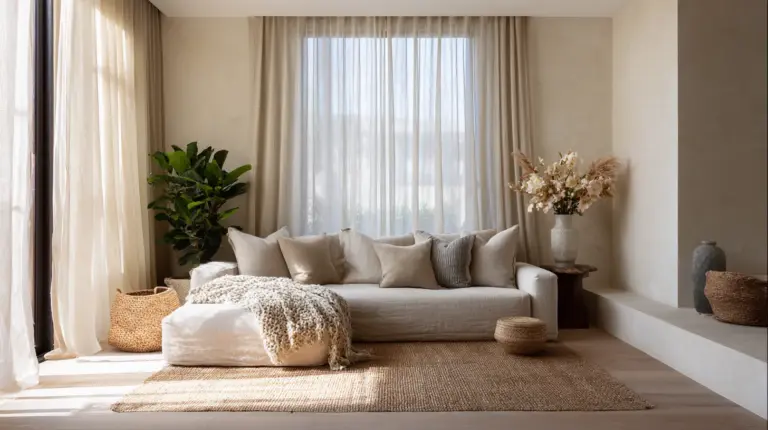
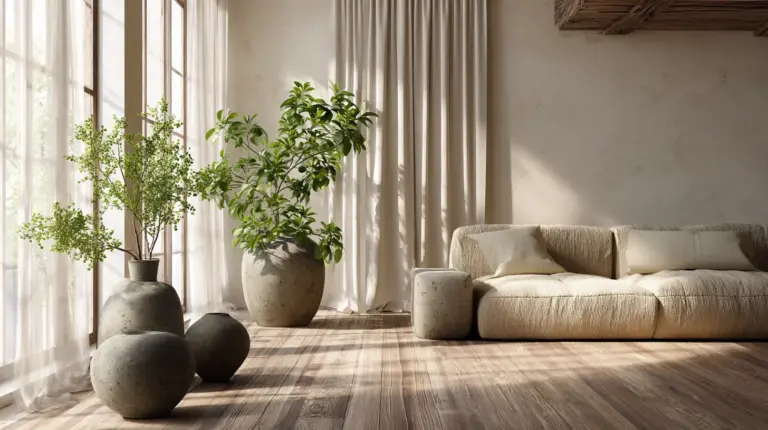
There’s something quietly powerful about a room that breathes. A space where sunlight pools on unstained oak, where linen drapes frame windows like gentle exhales, and where every object earns its place through beauty and purpose. This is the heart of Japandi style—a seamless blend of Japanese minimalism and Scandinavian hygge that transforms living rooms into sanctuaries of calm.
Mixing Japandi living room styles isn’t about following rigid rules. It’s about listening to what your space needs: the warmth of a wool throw against the coolness of concrete, the organic curve of a ceramic vase beside clean-lined furniture. It’s wabi-sabi meeting hygge in a conversation about imperfection and comfort.
In this guide, we’ll walk through the essential elements that make Japandi interiors feel both elevated and lived-in. You’ll discover how to layer textures, choose furniture with intention, and create a living room that honors both simplicity and soul.
Whether you’re starting fresh or refreshing what you already love, these principles will help you craft a space that feels like coming home.
Understanding the Japandi Philosophy
Where Japanese Minimalism Meets Scandinavian Warmth
Japandi interior design emerges from two profound design traditions. Japanese wabi-sabi celebrates beauty in imperfection—the asymmetry of handmade pottery, the patina on aged wood, the quiet dignity of natural materials showing their age. Scandinavian design brings hygge’s embrace of coziness, functionality, and that particular Nordic light that makes every space glow.
Together, these philosophies create something rare: a minimalist aesthetic that doesn’t feel cold. You get the clarity of Japanese minimalism softened by Scandinavian textiles and warmth. The result is timeless design that prioritizes quality craftsmanship over trends.
This fusion respects both traditions without diluting either. It’s about finding balance—not compromise.
The Core Principles of Mixing Japandi Styles
Functionality first. Every piece in a Japandi living room serves a purpose, whether practical or emotional. That vintage stool isn’t just seating—it’s a side table, a footrest, a sculptural moment.
Natural materials reign. Wood, stone, linen, cotton, wool, bamboo, and rattan form the material palette. These elements age gracefully, developing character rather than looking worn.
Neutral colors dominate. Think warm grays, soft beiges, creamy whites, and earthy browns punctuated by muted greens or charcoal accents. This restrained palette creates visual calm.
Creating Your Japandi Living Room Foundation
Choosing Low-Profile Furniture with Clean Lines
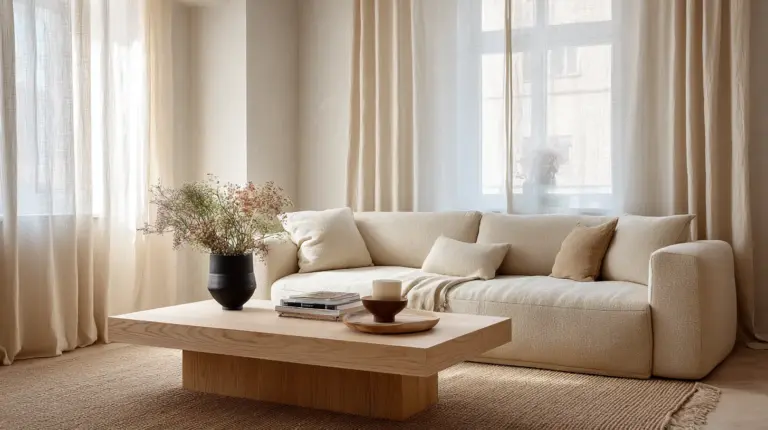
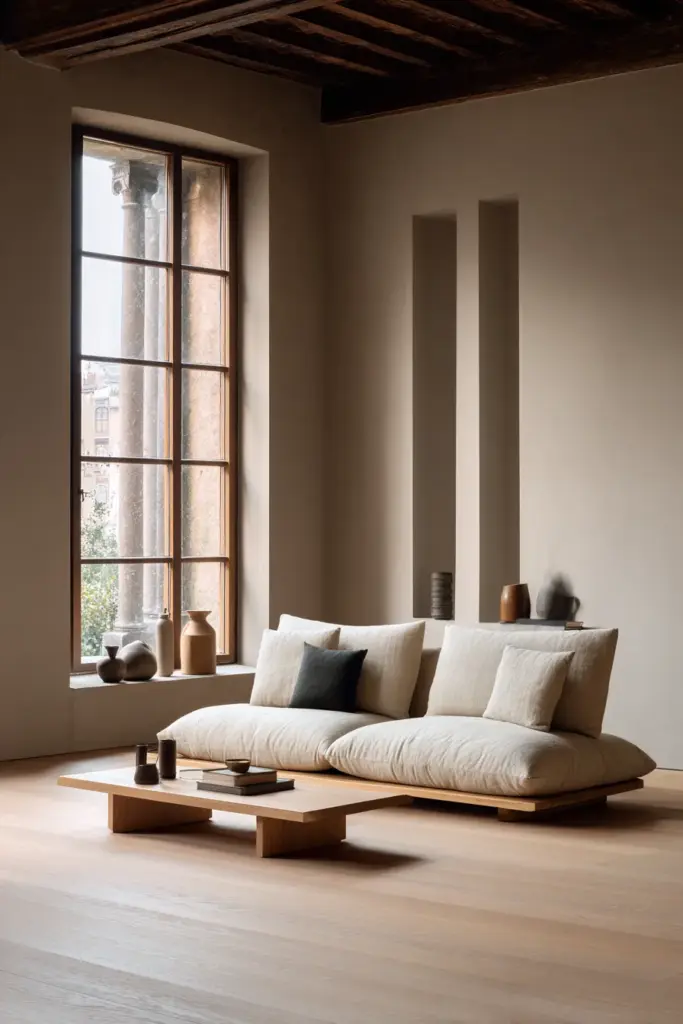
Low furniture grounds a Japandi space physically and visually. A platform sofa in natural linen sits closer to the floor, creating horizontal calm. Wooden coffee tables with slim profiles and minimal ornamentation let the grain speak.
Look for pieces with exposed joinery that honors craftsmanship—dovetail corners, mortise and tenon joints visible as design elements. Scandinavian design’s functionality shines here: storage ottomans, nesting tables, modular seating that adapts to your needs.
Avoid anything overly ornate or bulky. In Japandi living rooms, negative space is as important as the furniture itself.
The Japandi Color Palette: Building Neutral Harmony
Your walls become a canvas of warmth. Consider soft whites with gray or beige undertones rather than stark white. These shades shift beautifully as natural light moves through the day.
Layer your neutrals thoughtfully. A sand-colored sofa against warm gray walls, topped with charcoal cushions and a cream throw. Add depth with black accents—a metal floor lamp, ebonized wood frames, or matte black ceramics.
Nature provides your accent colors. Muted sage green from potted plants, the honey tones of oak flooring, the deep brown of walnut shelving. These organic hues integrate seamlessly without disrupting the calm.
| Color Category | Japandi Choices | Purpose |
|---|---|---|
| Base Neutrals | Warm white, soft gray, beige | Walls, large furniture |
| Layering Tones | Taupe, sand, cream | Textiles, area rugs |
| Accent Darks | Charcoal, black, deep brown | Frames, hardware, statement pieces |
| Natural Touches | Sage green, terracotta, muted blue | Plants, ceramics, small décor |
Layering Textures and Natural Materials
Wood as the Anchoring Element
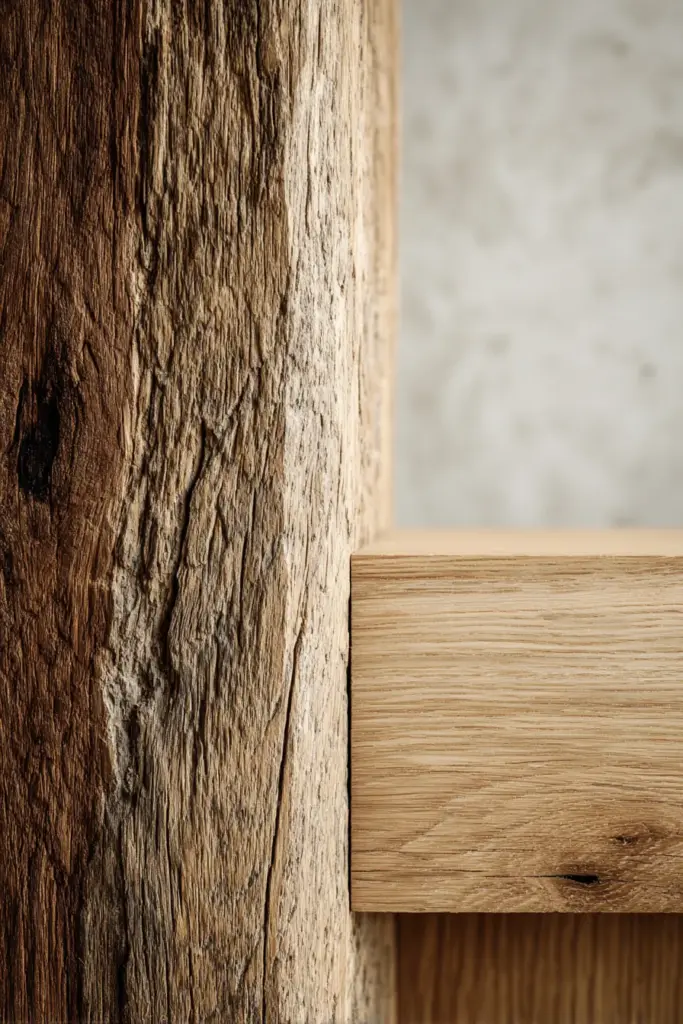
Wood grounds every Japandi interior. Choose light to medium tones—oak, ash, maple, or bamboo—for major pieces. The grain should be visible, celebrating the tree’s natural patterns.
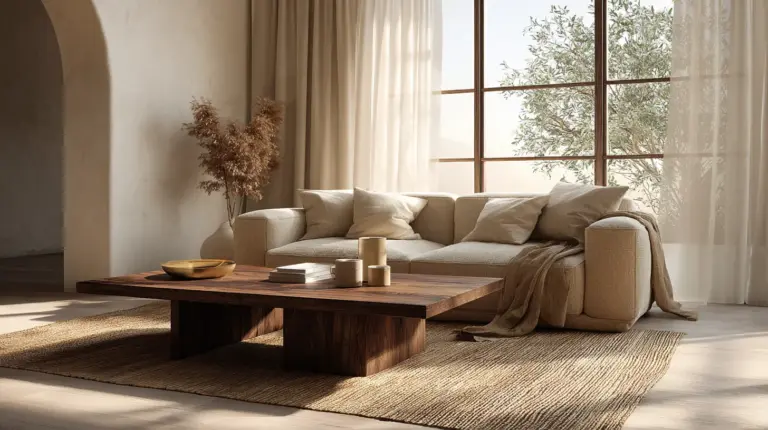
Mix wood finishes intentionally. A smooth walnut console beside a rough-hewn oak beam creates textural conversation. Low wooden benches, floating shelves in light pine, and a solid wood coffee table with organic edges all contribute warmth.
Consider wood beyond furniture. Exposed ceiling beams, wooden window frames, or a feature wall in reclaimed planks adds architectural interest while maintaining the natural material focus.
Textile Layers: Linen, Cotton, and Wool
Textiles soften Japandi’s minimalist bones. Start with a linen sofa—its natural wrinkles embody wabi-sabi’s acceptance of imperfection. Layer cotton cushions in varying shades of your neutral palette, mixing smooth and textured weaves.
Wool throws draped casually invite touch and warmth. Choose chunky knits for Scandinavian hygge or smooth wool in muted tones for Japanese refinement. A jute or wool area rug defines the seating area while adding organic texture underfoot.
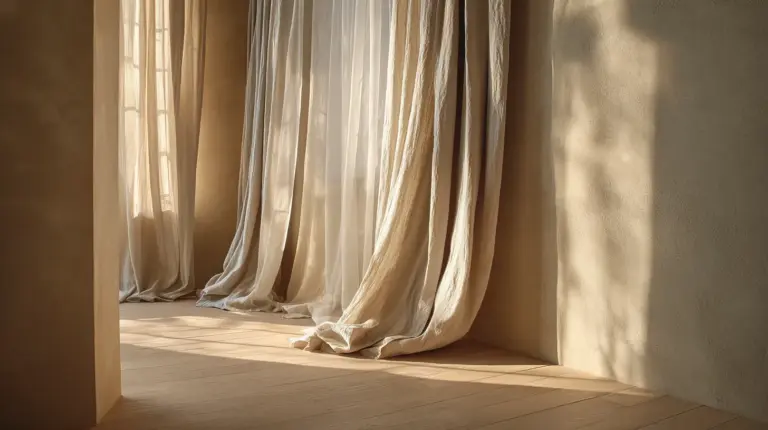
Curtains in natural linen filter light beautifully, creating that soft, diffused glow essential to both design traditions. Keep window treatments simple—no fussy pleats or patterns, just clean panels that puddle slightly on the floor.

Stone, Ceramic, and Organic Accents
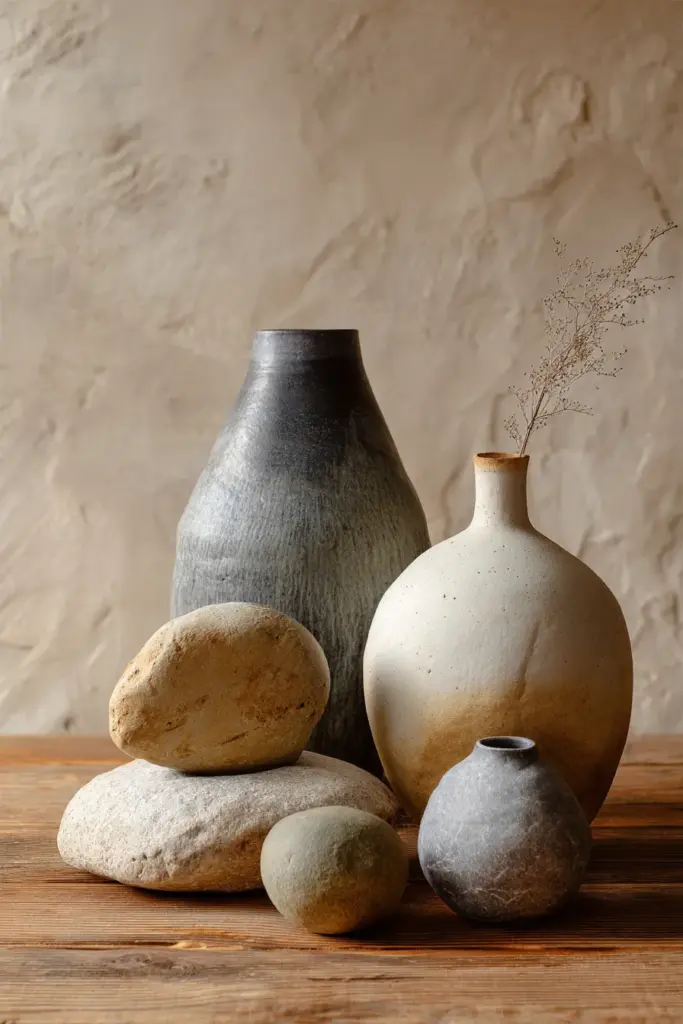
Introduce stone through side tables, bookends, or decorative objects. Marble, granite, or rough river stones bring weight and coolness to balance wood’s warmth.
Ceramics are Japandi’s jewelry. Handmade pottery in irregular shapes, with glazes that pool and break naturally, captures wabi-sabi perfectly. Display these on wooden shelves or clustered on a low console.
Rattan and bamboo add texture without visual noise. A rattan pendant light, bamboo blinds, or woven baskets for storage maintain the natural material palette while introducing subtle pattern through weave.
Furniture Selection and Spatial Flow
Multifunctional Pieces for Small Spaces
Japandi living room ideas for small spaces embrace furniture that works harder. A wooden bench with hidden storage serves as seating, a coffee table, and a place to stash blankets. Nesting side tables tuck away when not needed.
Wall-mounted shelving keeps floors clear, creating the illusion of more space. Choose designs with clean lines and minimal brackets. Float your sofa away from walls when possible—counterintuitively, this makes rooms feel larger by emphasizing flow.
In compact living rooms, every piece must justify its presence. A single statement chair in sculptural wood becomes both seating and art. A low platform bed-style sofa can double as guest sleeping when needed.
Creating Clutter-Free Zones
The Japandi aesthetic demands restraint. Visible surfaces should hold only intentional objects—a single vase with dried pampas grass, a stack of three books, a ceramic bowl.
Invest in hidden storage solutions. Cabinets with smooth fronts and no visible hardware, built-in shelving behind sliding panels, or storage ottomans keep life’s necessary clutter concealed. The goal is visual rest.
Practice the “one in, one out” principle. Before adding any new item to your Japandi living room, remove something else. This discipline maintains the breathing room that makes the style work.
Lighting Your Japandi Space
Natural Light as Primary Illumination
Maximize natural light first. Keep windows unobstructed or dress them in sheer linen that filters rather than blocks. Clean-lined wooden shutters offer privacy without heaviness.
Arrange furniture to honor light’s path through your room. Position reading chairs near windows, place mirrors opposite light sources to bounce brightness deeper into the space.
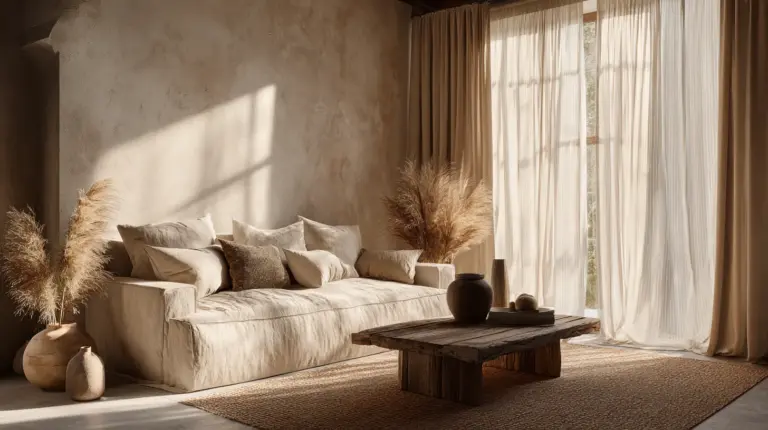
During golden hour, a Japandi living room glows. Warm light on pale walls, shadows defining simple forms, the grain of wood catching sunlight—this is when the aesthetic reveals its magic.
Layered Lighting for Ambiance
Overhead lighting should feel soft and diffused. Paper lanterns echo Japanese tradition while providing gentle illumination. Fabric or rattan pendant lights add Scandinavian warmth.
Task lighting comes from sculptural floor lamps in black metal or wood. Arc lamps with simple shades direct light where needed without cluttering surfaces. Table lamps with ceramic bases and linen shades create intimate pools of light.
Ambient lighting completes the layer. LED strips hidden under floating shelves, candles in ceramic holders, or low-wattage wall sconces add warmth as daylight fades. Dimmer switches are essential—control lets you shift mood from energizing morning to contemplative evening.
Bringing in Natural Elements
Greenery and Botanical Touches
Plants are non-negotiable in Japandi interiors. They soften hard edges, purify air, and connect indoor spaces to nature’s rhythms.
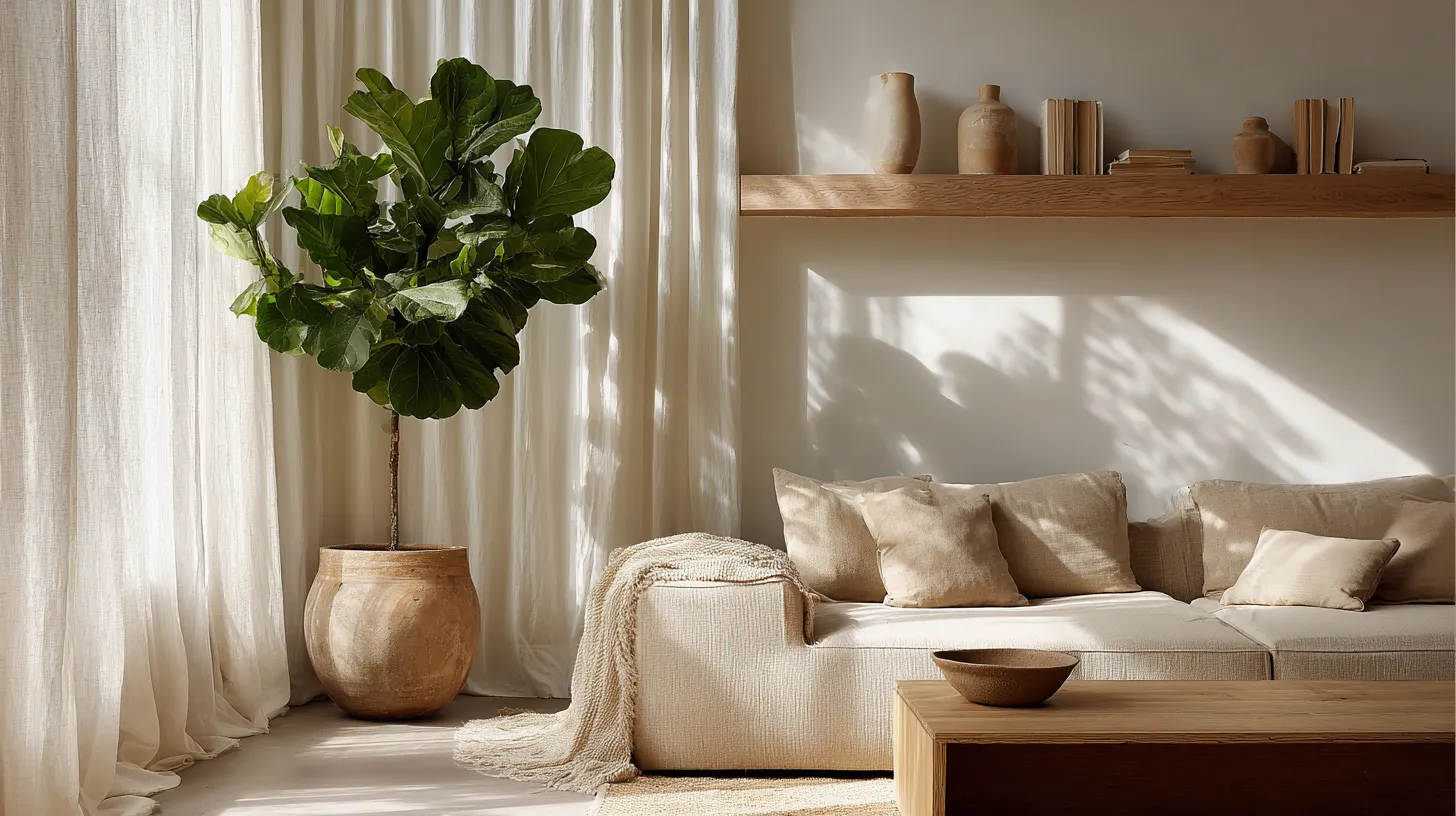
Choose plants with sculptural forms. A fiddle-leaf fig in a ceramic planter becomes living architecture. Snake plants in matching pots lined on a windowsill create rhythmic simplicity. Bonsai trees honor Japanese tradition while offering meditation in miniature.
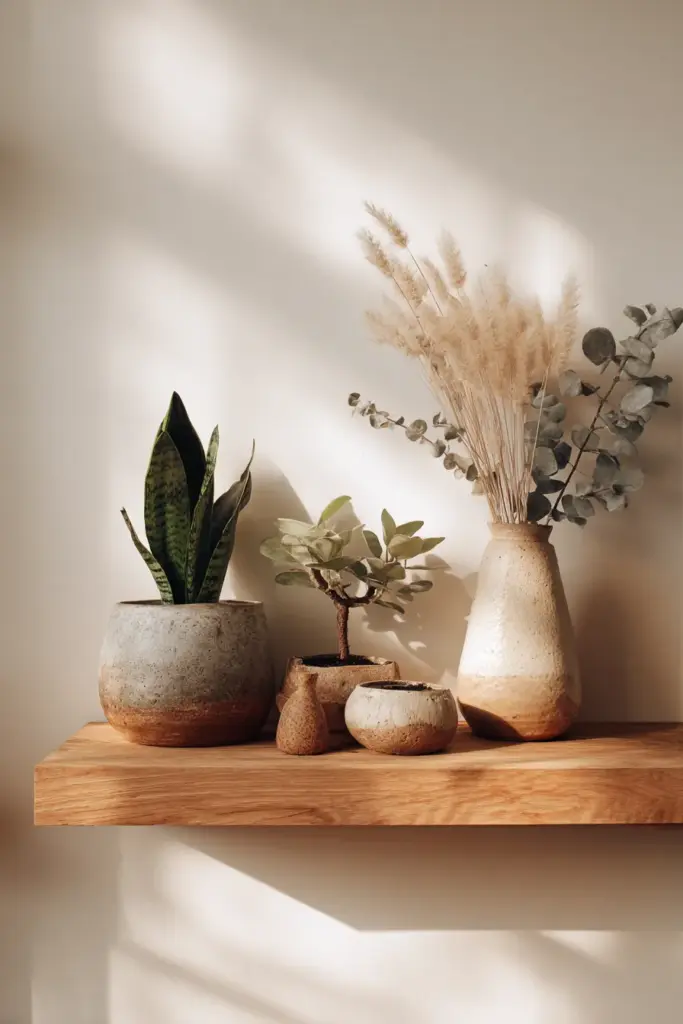
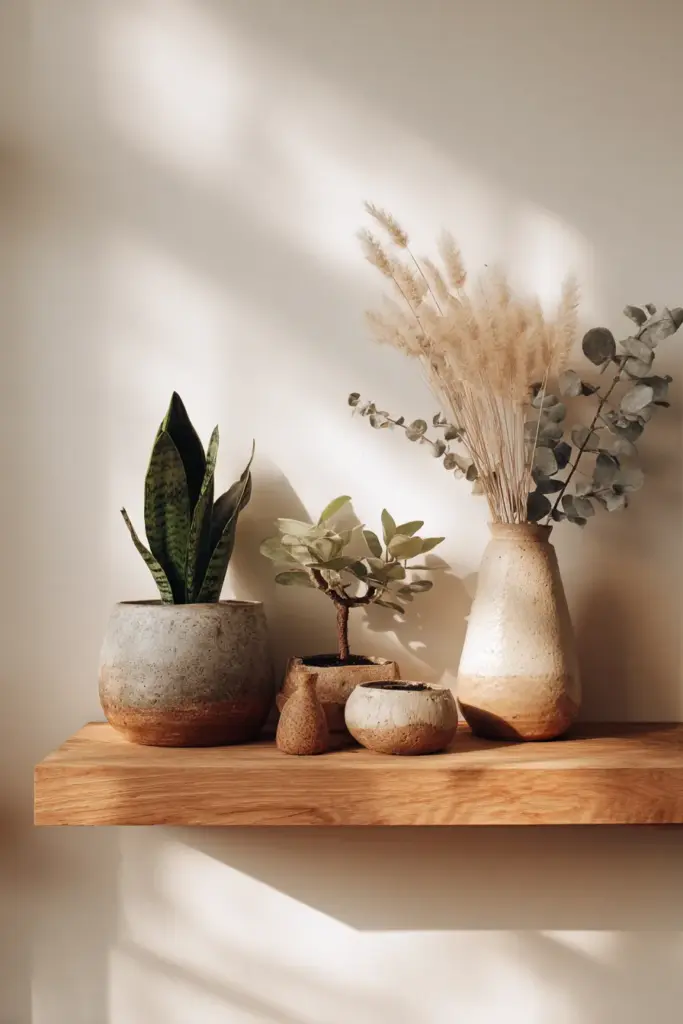
Don’t overlook dried botanicals. Pampas grass in a tall ceramic vase, eucalyptus branches in a simple glass cylinder, or pussy willow stems in a stone vessel bring nature’s texture without maintenance demands.
Organic Shapes and Asymmetry
Wabi-sabi celebrates the irregular. Look for furniture and décor with gentle curves—an organically shaped coffee table, a ceramic vase with an off-center opening, a live-edge wooden shelf.
Asymmetrical arrangements feel more natural than perfect symmetry. Place three items of varying heights on a shelf rather than matching pairs. Hang art slightly off-center. This studied imperfection creates visual interest within minimalism’s constraints.
Balance asymmetry with clean lines elsewhere. If your coffee table has a free-form edge, pair it with a perfectly rectangular sofa. Tension between organic and geometric keeps the eye engaged.
Budget-Friendly Japandi Living Room Ideas
Mixing Japandi Styles on a Budget
Quality over quantity is Japandi’s secret to affordability. One well-made wooden chair costs more than three cheap ones but lasts decades and looks better throughout.
Shop secondhand for vintage Scandinavian pieces. Mid-century furniture often embodies Japandi principles—clean lines, honest materials, excellent craftsmanship. Local thrift stores, estate sales, and online marketplaces yield treasures.
DIY where it makes sense. Sand and oil a raw wood bench, dye cotton fabric in natural tones for cushion covers, or create your own ceramic vessels with pottery classes. The handmade imperfection aligns perfectly with wabi-sabi values.
Local Materials and Smart Sourcing
In the Philippines, local materials offer authentic Japandi potential. Native hardwoods like narra or molave bring warmth and durability. Bamboo grows abundantly and works beautifully for furniture, lighting, and accents.
Divisoria and similar markets stock affordable linen-blend fabrics, rattan baskets, and ceramic planters. Shop with specific color palettes in mind—neutral tones in natural materials will always work.
Support local artisans creating handmade pottery, woven textiles, or wooden furniture. These pieces carry the craft tradition central to both Japanese and Scandinavian design, often at lower prices than imported goods.
Japandi Living Room DIY Ideas
Upcycling Furniture into Japandi Pieces
Transform existing furniture with simple modifications. Remove ornate hardware from dressers, replace with minimal black pulls. Sand glossy finishes down to raw wood, then apply natural oil for a matte, organic look.
Reupholster a structured sofa in natural linen or cotton canvas. Even if the underlying form isn’t perfectly Japandi, neutral fabric in quality materials shifts the aesthetic significantly.
Create your own low coffee table by cutting down existing table legs and refinishing in light wood stain. Add a glass top to preserve visible wood grain while creating a smooth surface.
Creating Custom Lighting and Décor
Paper lanterns are simple DIY projects. Rice paper and bamboo rings from craft stores assemble into pendant lights or table lamps that echo Japanese design tradition.
Make your own wall art using natural materials. Frame pressed botanicals, create geometric patterns with dyed fabric, or arrange a shadow box of collected stones and driftwood.
Concrete planters cast in DIY molds offer industrial coolness. Sand smooth and leave unsealed for matte texture that complements ceramics and wood beautifully.
2026 Japandi Trends: Sustainable and Smart Integration
Sustainable Materials and Eco-Conscious Choices
The future of Japandi living rooms leans deeper into sustainability. Reclaimed wood, recycled textiles, and locally sourced materials reduce environmental impact while maintaining aesthetic integrity.
Cork surfaces, hemp fabrics, and mycelium-based products offer innovative sustainable options. These materials align with Japandi’s natural palette while pushing toward regenerative design.
Furniture designed for disassembly and repair extends lifespan—a perfect match for Japandi’s emphasis on quality and longevity. Choose pieces you can maintain and pass down rather than dispose of.
Smart Lighting Without Visual Clutter
Technology integration requires thoughtful discretion in Japandi spaces. Smart bulbs in existing fixtures offer color temperature control without visible tech.
Voice-controlled systems eliminate physical switches and remotes. Automation that adjusts lighting based on natural light levels supports the aesthetic’s emphasis on honoring daylight’s rhythms.
Wireless charging surfaces built into wooden furniture tops keep devices powered without visible cords. Cable management systems hidden behind clean-lined panels maintain visual calm.
Practical Checklist for Mixing Japandi Living Room Styles
Before you begin transforming your space, use this checklist to ensure you’re capturing Japandi’s essential elements:
Foundation Elements:
- Low-profile furniture with clean lines and visible craftsmanship
- Neutral color palette (warm whites, grays, beiges, with dark accents)
- Natural materials as primary building blocks (wood, stone, linen, cotton)
- Clutter-free surfaces with intentional negative space
Textural Layers:
- Multiple wood tones and finishes for depth
- Linen or cotton upholstery on major furniture pieces
- Wool throws and textured cushions for warmth
- Jute, wool, or natural fiber area rug
Lighting Strategy:
- Maximized natural light with minimal window treatments
- Layered artificial lighting (ambient, task, accent)
- Warm light temperatures (2700K-3000K)
- Dimmers for mood flexibility
Natural Integration:
- Living plants with sculptural forms
- Dried botanicals for low-maintenance greenery
- Organic shapes and asymmetrical arrangements
- Ceramic, stone, or wooden decorative objects
Functional Details:
- Hidden storage solutions to minimize visual clutter
- Multifunctional furniture for space efficiency
- Quality over quantity in all purchasing decisions
- Maintenance plan for natural materials (oiling wood, washing textiles)
Budget Considerations:
- Prioritize investment pieces (sofa, major wood furniture)
- Source secondhand for vintage Scandinavian finds
- Use local materials and artisans when possible
- DIY select elements (textiles, simple furniture modifications)
Bringing It All Together
Mixing Japandi living room styles is an ongoing practice, not a one-time project. Your space will evolve as you live in it, as light shifts through seasons, as you discover new pieces that speak to you.
The beauty of this aesthetic lies in its flexibility within restraint. You’re not decorating a museum—you’re creating a home that breathes, that accommodates real life while maintaining visual calm. Crumbs happen. Books pile up. Life interrupts the perfect styling, and that’s exactly as it should be.
What matters is the underlying intention: choosing quality, honoring natural materials, creating space for both activity and rest. When you align your living room with these principles, the aesthetic takes care of itself.
Let your Japandi living room be a place where you exhale. Where morning light on oak floors feels like meditation. Where the texture of linen under your palm grounds you. Where every object earns its place through beauty, utility, or both.
This is design that doesn’t shout. It whispers, welcomes, and waits for you to come home.
Frequently Asked Questions
What is Japandi interior design?
Japandi interior design blends Japanese minimalism with Scandinavian hygge, creating spaces that are both serene and warm. It combines wabi-sabi’s celebration of natural imperfection with Nordic functionality and coziness, using neutral colors, natural materials, and clean-lined furniture to achieve timeless harmony.
How do you style a Japandi living room on a budget?
Focus on quality over quantity—invest in one excellent piece rather than several mediocre ones. Shop secondhand for vintage Scandinavian furniture, use local materials like bamboo or native hardwoods, and DIY simple projects like cushion covers in natural fabrics or refinished furniture. The style’s minimalism naturally reduces costs since you need fewer items overall.
What does a Japandi space look like?
A Japandi space features low-profile furniture with clean lines, a neutral color palette of warm whites, grays, and beiges, and abundant natural materials like light wood, linen, and stone. You’ll see clutter-free surfaces, organic textiles, sculptural plants, and handmade ceramics—all bathed in soft, natural light with minimal visual noise.
How can I add Japandi elements without a full redesign?
Start with simple swaps: replace bright accent colors with muted neutrals, add linen cushion covers or a chunky wool throw, bring in potted plants with sculptural forms, and display handmade ceramics. Switch to warm, soft lighting and declutter surfaces to create breathing room. Even small changes toward natural materials and restraint shift the aesthetic significantly.
What are the best plants for a Japandi living room?
Choose plants with clean, architectural forms like fiddle-leaf figs, snake plants, monstera, or bonsai trees. These create visual interest without pattern chaos. Dried botanicals like pampas grass, eucalyptus, or pussy willow work beautifully in ceramic or stone vessels for low-maintenance greenery that maintains the neutral, organic aesthetic.