
Table of Contents
There’s something deeply calming about a room that breathes with life. A space where clean lines meet the organic chaos of leaves, where minimalism doesn’t mean emptiness, and where your living room feels less like a showroom and more like a sanctuary. This is the promise of a Japandi living room garden—a design philosophy that marries Japanese precision with Scandinavian warmth, all while inviting nature to pull up a chair and stay awhile.
Imagine morning light filtering through sheer linen curtains, catching the curved edge of a ceramic planter. A fiddle-leaf fig stands tall in the corner, its broad leaves casting gentle shadows on whitewashed walls. The scent of earth and wood mingles with the quiet—a room designed not to impress, but to restore.
In cities like Quezon City, where space is precious and concrete dominates, creating this kind of indoor oasis isn’t just aesthetic—it’s necessary. A Japandi living room garden transforms your home into a breathing, growing retreat that honors both simplicity and soul.
Let’s walk through how to cultivate this balance, one thoughtful choice at a time.
Understanding the Japandi Living Room Garden Philosophy
Japandi isn’t just a trend—it’s a conversation between two cultures. Japanese design brings wabi-sabi (the beauty of imperfection), clean lines, and a reverence for natural materials. Scandinavian design answers with hygge (cozy contentment), functional minimalism, and light-filled spaces. When greenery enters this dialogue, the room comes alive with biophilic calm—a connection to nature that soothes our overstimulated minds.
The garden element doesn’t require a sprawling outdoor space. Instead, it’s about intentional plant placement, creating sight lines to greenery, and blurring the boundaries between inside and out. A few well-chosen plants in handcrafted pots can transform a living room into a meditative garden room.
In the Philippine context, this approach feels particularly resonant. Our tropical climate means we’re already surrounded by lush growth—why not invite that vitality inward? The key is selecting plants that thrive in our humidity while maintaining the clean, uncluttered aesthetic Japandi demands.
Choosing Your Green Companions: Best Plants for Japandi Living Rooms
Not all plants speak the language of Japandi. You want specimens that feel sculptural, intentional—plants that command presence without overwhelming the space. Think architectural forms, graceful silhouettes, and textures that invite touch.
Low-Maintenance Heroes for Humid Climates
Monstera deliciosa thrives in Manila’s warmth, its split leaves adding drama without fuss. Place one near a large window where filtered light can play across its glossy surface. For smaller spaces, pothos cascades beautifully from floating shelves, its heart-shaped leaves softening hard edges.
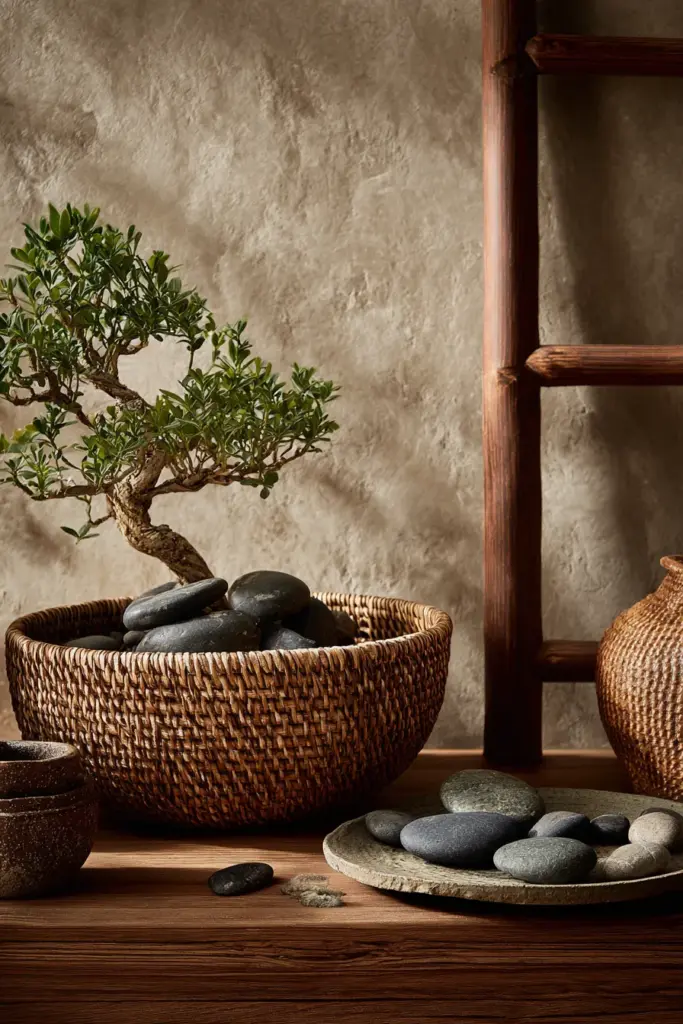
Bonsai trees embody the wabi-sabi spirit—each gnarled branch tells a story of patient cultivation. A Japanese maple or ficus bonsai becomes a living sculpture, grounding your room in meditative calm. Pair it with a simple ceramic tray and smooth river stones.
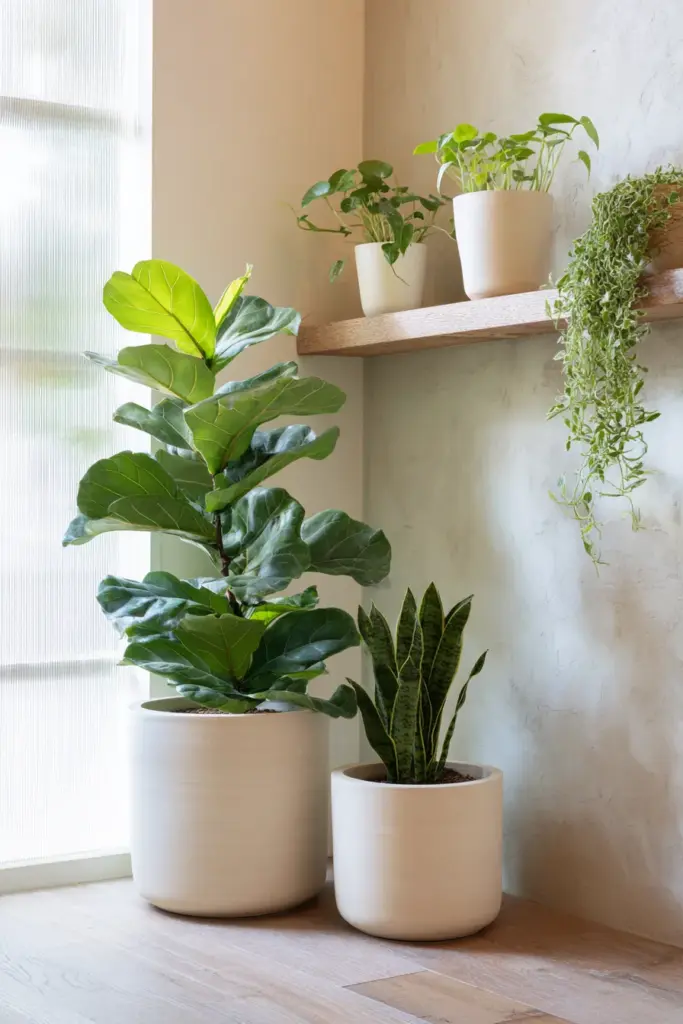
Snake plants stand like sentries in corners, their upright blades requiring almost no attention. They purify air while maintaining the vertical lines Japandi spaces love. Group three different heights in matching concrete planters for minimalist impact.
Statement Plants That Anchor the Space
Fiddle-leaf figs command attention with their broad, violin-shaped leaves. Position one as your room’s focal point, allowing it space to breathe rather than crowding it with furniture. The negative space around it becomes as important as the plant itself.
Rubber plants offer deep green, almost burgundy leaves that provide visual weight without clutter. They tolerate lower light conditions—perfect for rooms with north-facing windows or shaded balconies common in Quezon City apartments.
For something unexpected, consider bird of paradise. Its paddle-like leaves create movement and height, their tropical energy balanced by stark white walls and neutral furniture.
Practical tip for Philippine homes: Choose plants that can handle afternoon sun and occasional AC blasts. Water-wise options like ZZ plants and succulents work beautifully in mixed arrangements, especially during dry season when watering schedules get forgotten.
Creating Indoor-Outdoor Flow: Windows, Views, and Threshold Spaces
The magic of a Japandi living room garden lives in the transitions. It’s not about having a garden or a living room—it’s about dissolving the line between them until you’re not sure where one ends and the other begins.
Maximizing Garden Views
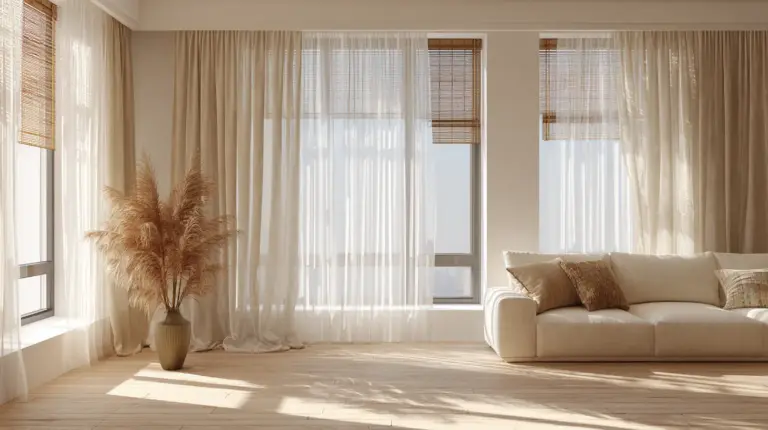
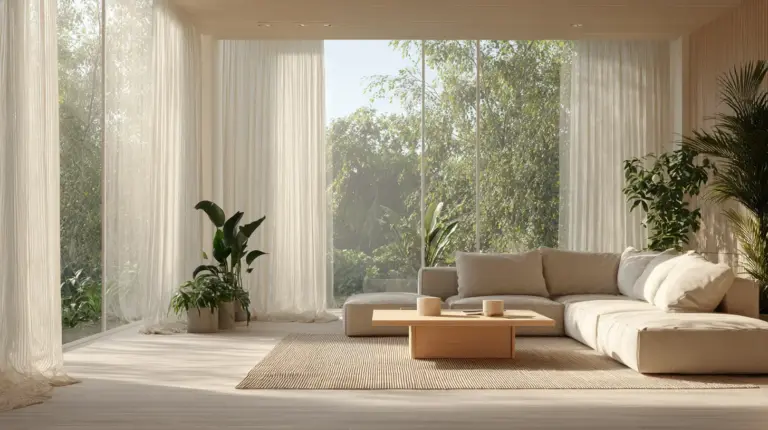
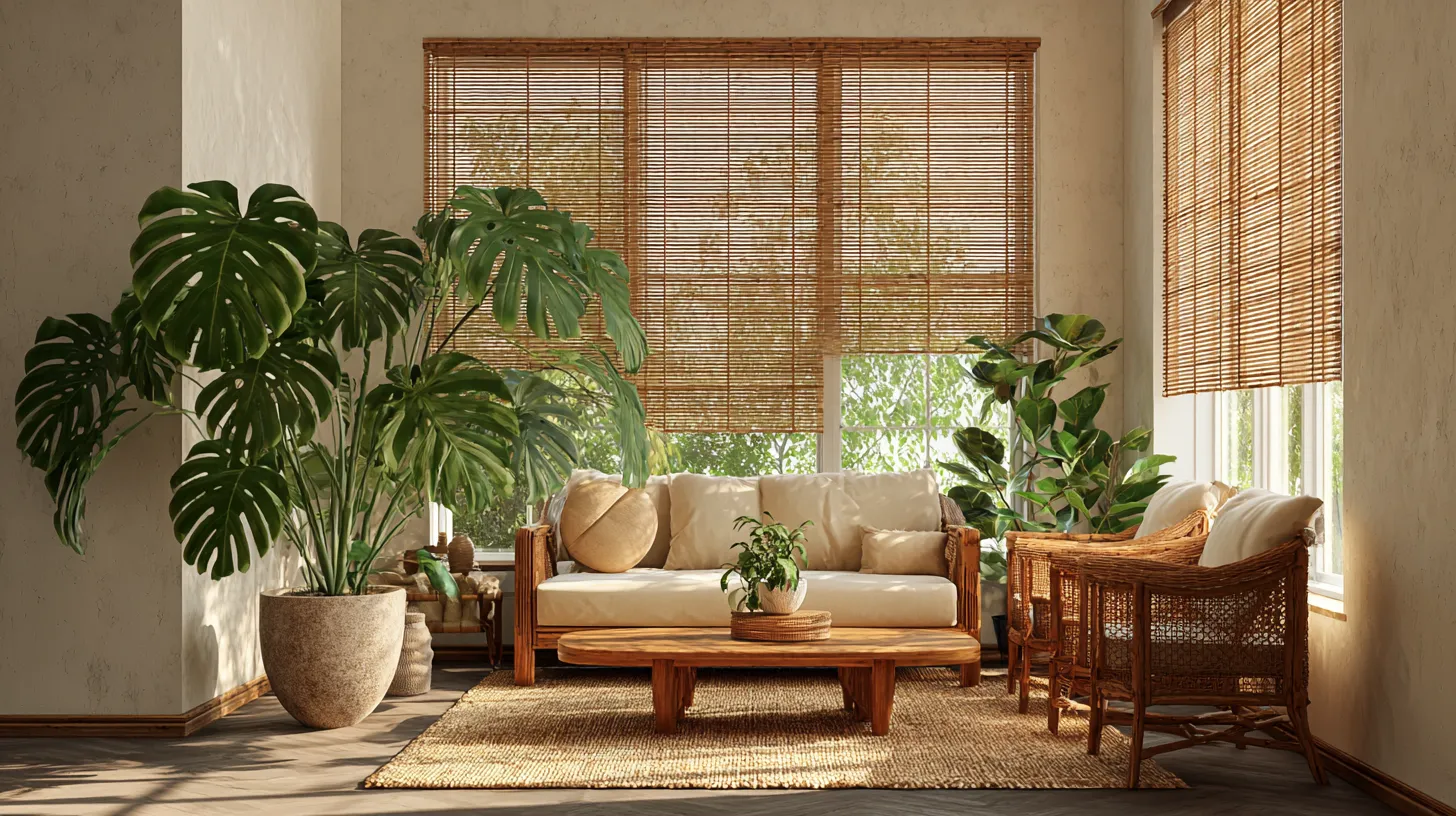
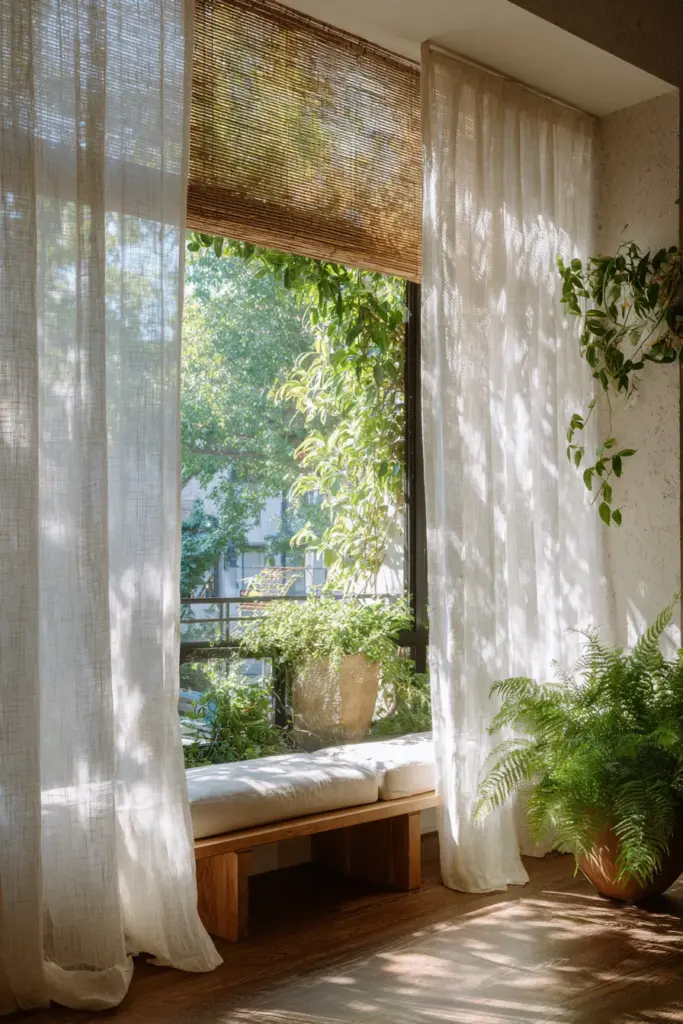
If your living room faces a balcony or outdoor space, treat that window as a living painting. Remove heavy curtains and opt for bamboo blinds or sheer linen panels that diffuse light without blocking greenery. Frame the view with minimal window treatments that slide completely open.
Position your seating to face these views. A low-slung sofa in natural linen invites you to gaze outward, turning your outdoor plants into ever-changing artwork. Even a small juliet balcony filled with potted bamboo or ferns becomes valuable visual real estate.
For apartments without direct garden access, create the illusion. Install glass doors between your living area and balcony, leaving them open during pleasant weather. The breeze carries in the scent of your potted jasmine, and suddenly your 30-square-meter space feels boundless.
Balcony Integration Strategies
Extend your living room floor material onto the balcony—continuous wood-look tiles or outdoor tatami mats blur boundaries. Add a simple wooden bench that could live inside or out, movable depending on weather and mood.
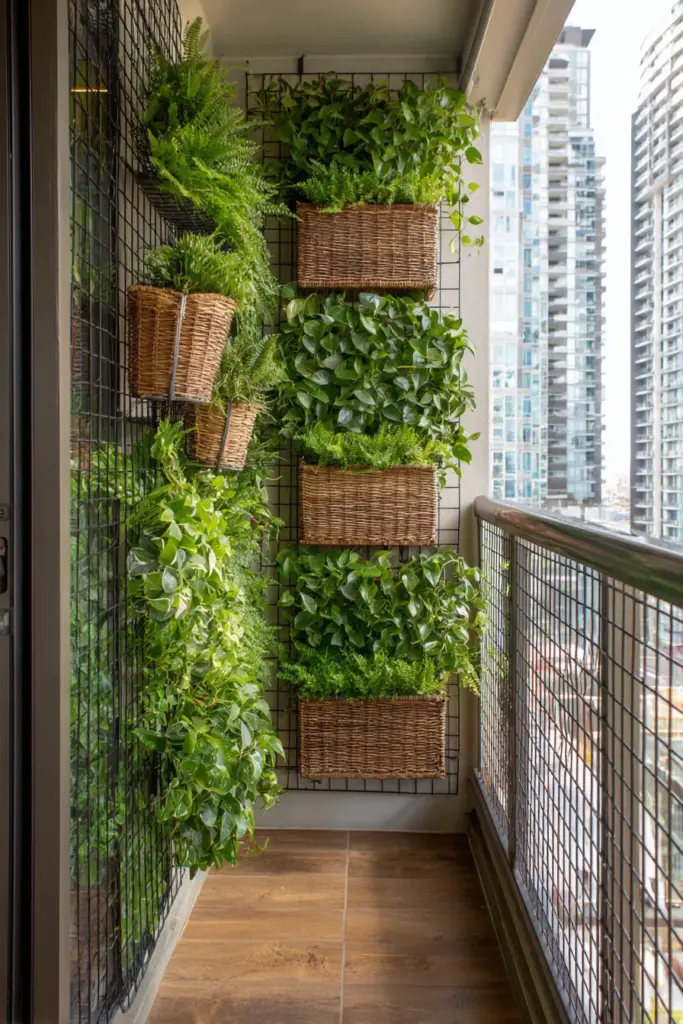
Vertical gardens work beautifully in narrow balconies. Mount simple metal grids and hang planters with trailing pothos, string of pearls, or herbs. This living wall becomes visible from your sofa, adding depth and greenery without claiming floor space.
Budget hack for PH dwellers: Hit Divisoria for affordable rattan planters (often under ₱500) and DIY your vertical garden using repurposed pallets from SM Surplus. Sand and seal the wood, add hooks, and you’ve got a Japandi-worthy plant wall for a fraction of designer prices.
Material Palette: Natural Textures That Ground Your Garden Room
Japandi lives in the details—the way morning light catches rattan, how cool stone feels underfoot. Your material choices should feel organic, honest, and quietly luxurious. No synthetic fabrics masquerading as linen, no plastic pretending to be wood.
Wood: The Foundation Element
Teak and oak bring warmth through golden and honey tones. A low wooden coffee table with visible grain becomes a landscape unto itself. Look for local Philippine hardwoods like narra or molave—sustainable choices that support local craftsmen while offering the rich patina Japandi craves.
Bamboo introduces vertical texture and environmental consciousness. Bamboo blinds, floating shelves, or even a bamboo ladder plant stand adds authentic tropical-Asian fusion. It’s lighter than hardwood, both visually and physically—ideal for rental spaces where you might need to move things frequently.
Pair wood tones carefully. Limit yourself to two wood finishes maximum—perhaps light oak floors with darker walnut accent furniture. Too many competing grains create visual noise that disrupts the calm you’re cultivating.
Stone, Ceramic, and Earth
River stones in shallow trays beneath bonsai trees connect to Japanese garden traditions. Their smooth surfaces invite mindless fidgeting during phone calls—tiny moments of tactile meditation.
Ceramic planters in matte finishes (white, charcoal, soft gray) let plants be the stars. Avoid glossy or heavily patterned pots—simplicity allows foliage colors to pop against neutral backgrounds.
Concrete appears increasingly in Japandi interiors—raw, honest, industrial-meets-organic. DIY concrete planters using molds from hardware stores give you custom sizes for under ₱200 in materials. Seal them properly and they’ll last years.
Textile Layers for Softness
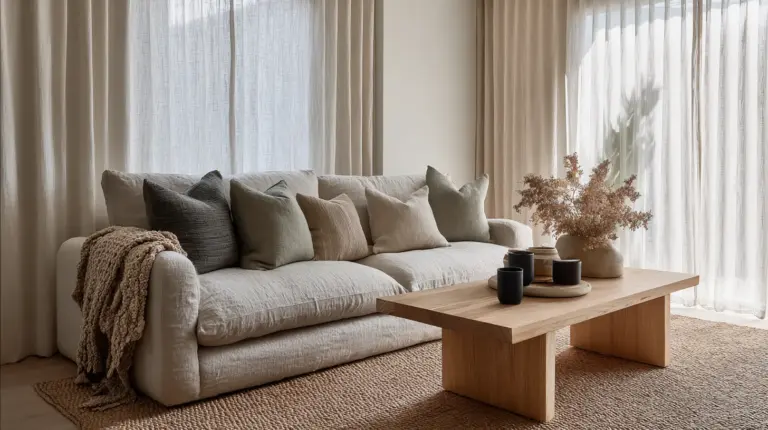
Linen curtains, cotton throws, and jute rugs balance wood and stone’s hardness. These fibers breathe with your space, aging gracefully rather than looking worn. In humid Philippine weather, natural textiles prevent that clammy feeling synthetic fabrics create.
Layer textures thoughtfully: a nubby linen sofa, smooth leather cushion, chunky knit throw. Each texture should feel intentional, not accidental. The goal is cozy without clutter, warm without excess.
Lighting Design: Illuminating Your Green Sanctuary
Light is where Japandi living room gardens truly come alive. The interplay between natural daylight, shadow, and carefully chosen artificial lighting transforms static greenery into dynamic sculpture.
Harnessing Natural Light
South and east-facing windows deliver golden morning light that makes plant leaves glow translucent. Position your monstera or bird of paradise where sunrise can backlighting its structure—you’ll notice details invisible in flat midday sun.
Avoid blocking windows with heavy furniture. Instead, create zones: place seating perpendicular to windows rather than directly in front, keeping sight lines open. Your eye should travel easily from indoor plants to outdoor greenery.
Sheer panels diffuse harsh afternoon sun while maintaining brightness. In Quezon City’s intense summers, this prevents sun scald on sensitive leaves while keeping rooms airy.
Artificial Lighting That Mimics Nature
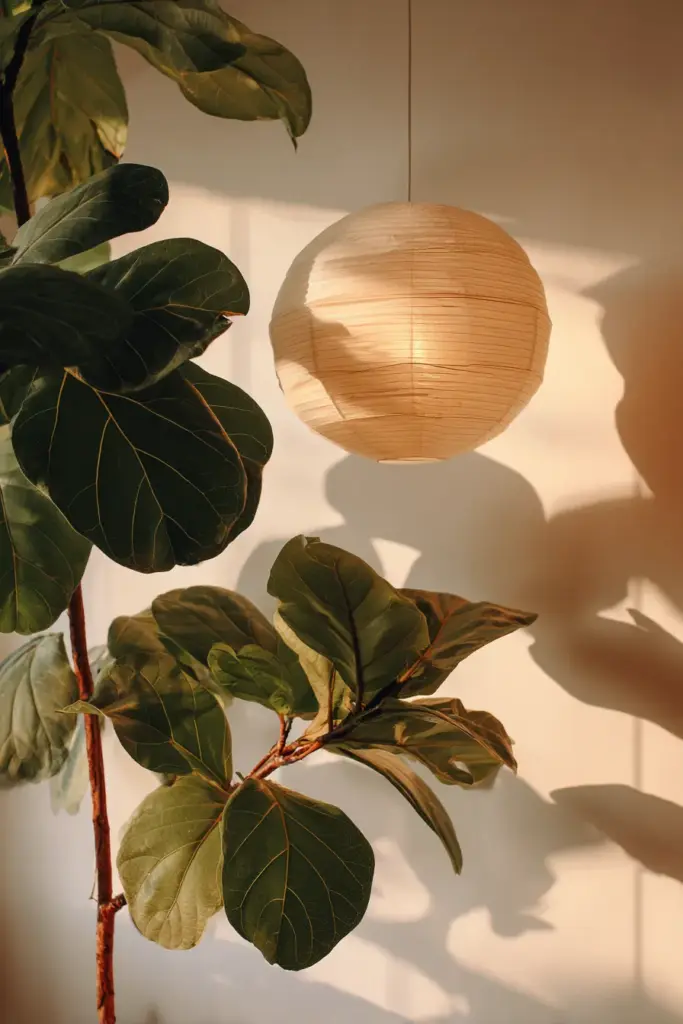
Paper lanterns or rice paper pendants cast soft, diffused light reminiscent of Japanese akari lamps. Hang them at varying heights to create visual interest without harshness. Their warm glow in evening hours makes green leaves appear richer, deeper.
Track lighting aimed at statement plants creates drama after dark. A single spotlight on your fiddle-leaf fig transforms it into living art—shadows dance on walls as air currents shift leaves.
Floor lamps with adjustable arms let you redirect light seasonally. In monsoon months with gray skies, boost your plants’ exposure. During bright dry season, aim lights at walls for ambient bounce light.
Local tip: LED strips hidden behind floating shelves illuminate plants from below, creating unexpected shadows and highlighting leaf architecture. Buy weatherproof strips from Lazada (₱300-500) that handle our humidity.
Furniture Selection: Low-Slung and Purposeful
Japandi furniture lives close to the ground, encouraging a different relationship with space. You’re drawn to sit, breathe, notice the ceiling’s height and the way light pools in corners.
The Art of Less
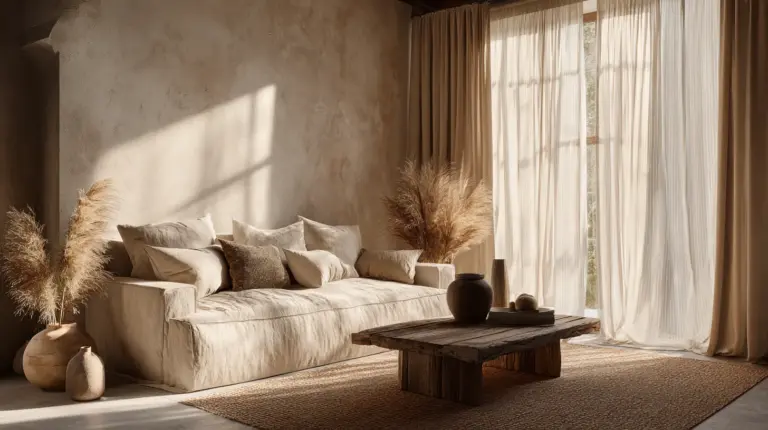
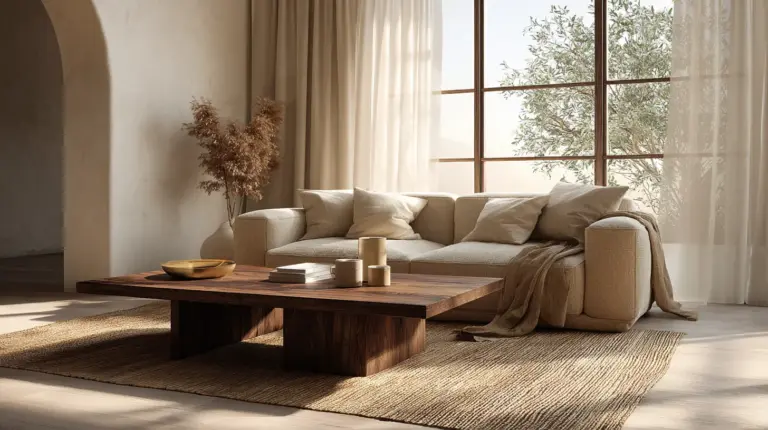
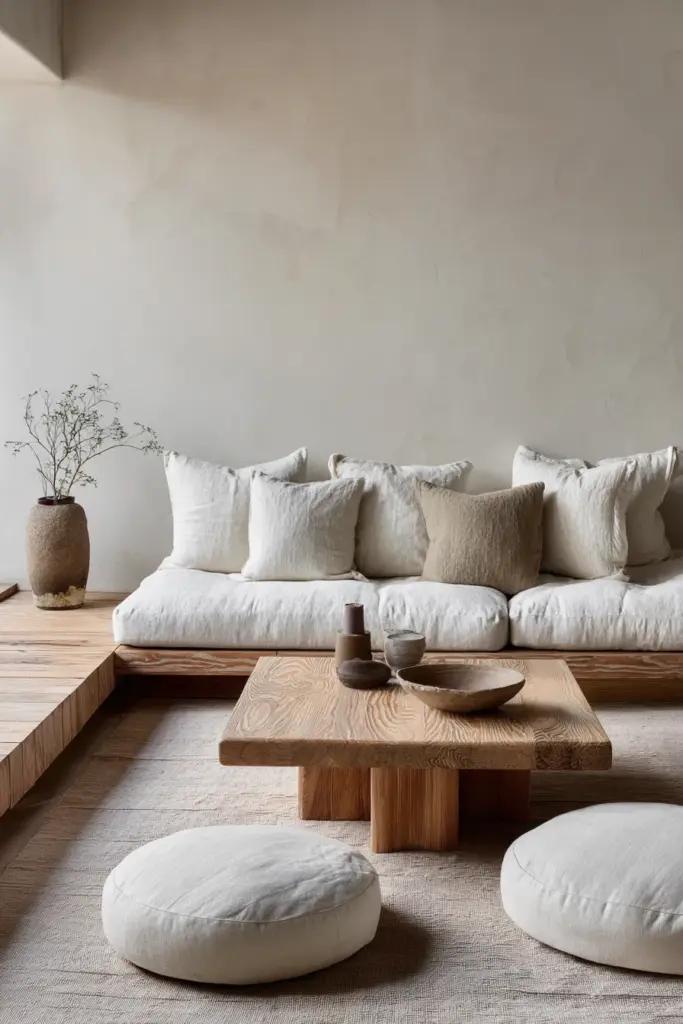
A low platform sofa in natural linen or charcoal cotton becomes your room’s anchor. Pair it with a simple wooden coffee table—nothing ornate, just clean lines and honest joinery. The negative space around each piece matters as much as the furniture itself.
Floor cushions in neutral tones invite casual seating. Stack them in corners when not in use, or scatter them for gatherings. This flexibility suits small Quezon City apartments where every square meter multitasks.
Choose furniture with visible legs rather than pieces that sit flush to the floor. This creates visual lightness and allows cleaning underneath—crucial in our dusty tropical climate. Raised furniture also prevents moisture damage during heavy rains when even high-rise apartments can face minor flooding.
Multifunctional Pieces for Small Spaces
Ottoman storage benches hold throws and magazines while providing extra seating. Choose ones upholstered in natural fabrics—linen, cotton canvas, or even woven abaca.
Nesting tables made from light wood or rattan tuck away when you need floor space for yoga or play. Pull them out when hosting, then return to minimal configuration.
Ladder shelves lean against walls without requiring installation—perfect for renters. Use them to display trailing plants at varying heights, creating a vertical garden that takes minimal floor space.
Color Palette: Earthy Neutrals Meet Living Green
Your color story should feel like a walk through nature at dawn. Soft, muted, alive—nothing jarring or artificially bright.
The Neutral Foundation
Start with walls in warm whites, soft beiges, or gentle greiges (that perfect gray-beige hybrid). These non-colors let your greenery pop while maintaining serene simplicity. In Philippine homes where natural light can be intense, slightly warm neutrals prevent spaces from feeling cold or sterile.
Wood tones add ochre and honey. Rattan brings pale wheat. Stone introduces cool grays. Already you have a palette—warm, cool, and neutral playing together.
Limit bold color to one or two accent moments. A rust-colored cushion. A charcoal ceramic vase. These whispers of saturation prevent monotony without creating chaos.
Green as Your Living Accent
This is where your plants earn their keep aesthetically. The deep forest green of monstera leaves against pale walls creates striking contrast. Silvery-green succulents add texture variation. The near-black of some rubber plant varieties introduces depth.
Don’t underestimate variegation. Pothos varieties with cream and green marbling, or snake plants edged in yellow, add visual interest while maintaining the organic palette.
Seasonal consideration: During Philippine dry season (December-May), everything gets dustier and browns quicker. Choose plants with glossy leaves that you can wipe clean easily, maintaining that fresh green vibration even when outdoor landscaping looks parched.
Practical Maintenance: Keeping Your Japandi Garden Thriving
Beauty without maintenance is just future clutter. A Japandi living room garden succeeds only if you can realistically care for it given your schedule and skill level.
Plant Care for Busy Lives
Group plants with similar water needs. Your fiddle-leaf fig and rubber plant both prefer drying out between waterings—cluster them visually and you’ll remember both during weekend watering sessions.
Self-watering pots (available at ACE Hardware for ₱300-1,200) handle the forgetfulness factor. Fill the reservoir weekly and the pot regulates moisture. Perfect for office workers who are home only evenings and weekends.
Set phone reminders for monthly tasks: wipe leaves, check for pests, rotate plants toward light. These small habits prevent the slow decline that kills so many well-intentioned indoor gardens.
Dealing with Philippine Climate Challenges
High humidity means fungus risk. Ensure good air circulation—position plants where AC or fan air moves past them (without blasting directly). Don’t crowd plants together; they need personal space just like people.
Typhoon season brings low light for days. Choose plants like pothos, snake plants, and ZZ plants that tolerate temporary shade. Move light-hungry specimens closer to windows during gray weeks.
Dust accumulates faster in urban areas. Make leaf-wiping a weekly ritual—a damp cloth removes dust while letting you inspect for pests. This small act becomes meditative, connecting you physically to your green companions.
Sustainable Practices
Collect AC condensate water for plants—it’s distilled and free. A bucket beneath your unit’s drip line captures liters daily during summer.
Compost plant trimmings with kitchen scraps in a small bin on your balcony. In three months you have rich soil amendment for repotting—closing the loop on waste.
Choose clay or ceramic pots over plastic when possible. They’re better for root health and last decades. Yes, they’re pricier upfront (₱200-500 vs ₱50-100), but it’s a one-time investment that elevates your entire aesthetic.
Budget-Friendly Japandi Garden Setups
Japandi’s minimalism is actually your ally when funds are tight. You need fewer things, but each one should be chosen with care and intention.
Smart Shopping Strategies
Divisoria’s home sections stock unfinished wooden planters and baskets for ₱100-300. Buy plain, sand lightly, and seal with wood oil (₱200/bottle at hardware stores). Instant Japandi aesthetic at fraction of boutique prices.
SM Home and Our Home carry ceramic planters in neutral tones during sales—I’ve scored ₱500 pieces for ₱200. Stock up when you see good basics on markdown.
Facebook Marketplace and Carousell treasure hunt for secondhand furniture. Search “wooden coffee table” or “rattan chair”—you’ll find solid pieces needing minor TLC. A weekend with sandpaper and Danish oil transforms thrift finds into Japandi gems.
DIY Projects That Elevate
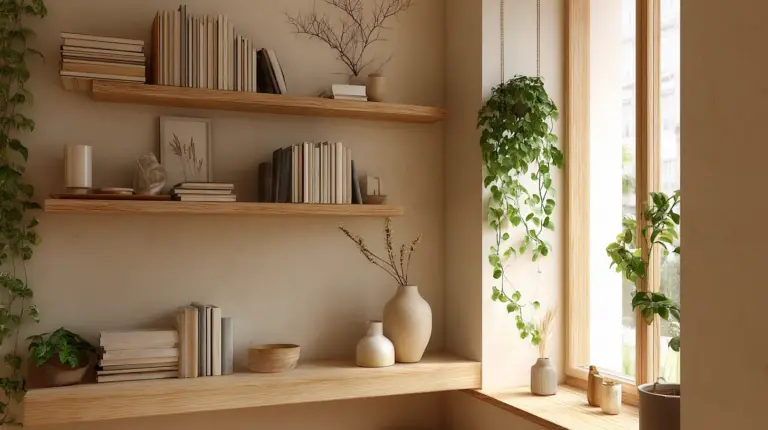
Build floating shelves from unfinished pine boards (₱200-400 at Handyman) and simple brackets. Stain them in natural oak tone or leave raw. Mount them to display trailing plants—instant vertical garden for under ₱1,000.
Create macramé plant hangers from cotton rope (₱150/roll). YouTube tutorials abound. Three hand-knotted hangers elevate your space for less than buying one designer version.
Repurpose glass jars and bottles as water propagation vessels. Watching pothos roots grow through clear glass brings daily wonder—and it’s completely free if you save pasta sauce jars.
The Power of Editing
Sometimes the most budget-friendly move is removing what doesn’t serve the vision. That plastic plant stand? Gone. The mismatched throw pillows? Donated. Creating Japandi calm often costs nothing—just courage to let go.
Start with one perfect corner. A single statement plant in a beautiful pot on a clean surface. Let that be enough. Build slowly from there as budget allows, resisting the urge to fill every space immediately.
Essential Checklist: Your Japandi Living Room Garden Foundations
Before you rush to the plant nursery, anchor yourself with these core elements:
Plants & Greenery:
- 1-2 statement plants (fiddle-leaf fig, monstera, or rubber plant)
- 3-5 smaller plants for layering (pothos, snake plant, succulents)
- 1 sculptural bonsai or similar focal point
- Mix of heights and textures for visual interest
Materials & Textures:
- Wood elements (coffee table, shelving, or frames)
- Rattan or bamboo accent pieces
- Ceramic or concrete planters in neutral tones
- Natural fiber textiles (linen, cotton, jute)
Furniture Essentials:
- Low-profile sofa or seating in neutral fabric
- Simple wooden coffee table with visible grain
- Minimal shelving or plant stands
- Floor cushions or ottoman for flexibility
Lighting Layers:
- Maximize natural light through window treatments
- Paper lanterns or simple pendant lights
- Adjustable floor or table lamps
- Optional: accent lighting for statement plants
Color & Finishing:
- Neutral wall colors (warm white, beige, greige)
- Earth-toned accents in rust, charcoal, or clay
- Green through plants rather than painted surfaces
- Wood tones limited to 2 varieties maximum
Practical Additions:
- Self-watering planters or moisture meters
- Plant care supplies (misting bottle, pruning shears)
- Natural pest deterrents (neem oil, cinnamon)
- Cleaning cloths for leaf maintenance
Bringing It All Together: Your Personal Garden Room
The beauty of Japandi living room gardens is their adaptability. You don’t need a sprawling Manila penthouse with floor-to-ceiling windows. A 20-square-meter Quezon City apartment can hold the same serenity—it’s about intention, not square footage.
Start where you are. Maybe it’s one fiddle-leaf fig in the corner where morning light pools. Maybe it’s swapping heavy curtains for bamboo blinds that reveal your balcony herbs. Small moves compound into transformation.
Pay attention to how your room makes you feel. Does the space invite you to breathe deeper, sit longer, notice more? That’s your compass. Japandi isn’t about achieving a magazine spread—it’s about creating a home that restores you daily.
Remember that gardens grow, change, drop leaves, and surprise you. Your living room garden will too. That’s not failure—it’s life expressing itself honestly, beautifully, imperfectly. Exactly as wabi-sabi intends.
Frequently Asked Questions
What are the best low-maintenance plants for a Japandi living room in humid climates like the Philippines?
Snake plants, pothos, and ZZ plants thrive in Manila’s humidity with minimal care, requiring water only every 10-14 days. Monstera deliciosa tolerates our climate beautifully while adding dramatic sculptural presence. For something uniquely tropical, rubber plants handle both humidity and occasional AC blasts without complaint.
How can I create a Japandi living room garden on a small budget in Quezon City?
Shop Divisoria for rattan planters under ₱500 and unfinished wood pieces you can seal yourself. Hit Facebook Marketplace for secondhand wooden furniture needing minor refinishing. Start with three affordable plants (pothos, snake plant, small monstera) in matching ceramic pots from SM Home sales, building your collection gradually rather than all at once.
What’s the difference between Japandi and regular minimalist living room design?
Japandi adds warmth and natural materials where stark minimalism might feel cold. You’ll see more wood, rattan, and earthy textures alongside clean lines. The inclusion of plants and organic imperfections (wabi-sabi) makes Japandi feel lived-in and inviting rather than showroom-perfect. It’s minimalism with soul.
How do I integrate my balcony garden with my Japandi living room?
Use continuous flooring materials from living room to balcony, or complementary ones that create visual flow. Install glass doors that fully open rather than traditional sliding doors. Position your main seating to face the balcony, treating the outdoor greenery as living artwork. Repeat planter styles and materials both inside and out for cohesion.
Can I incorporate color into a Japandi living room garden without breaking the aesthetic?
Absolutely—stick to earthy, muted tones. Rust, terracotta, sage green, and charcoal work beautifully as accent colors in cushions or ceramics. Let your plants provide the primary green accents while keeping walls and major furniture neutral. The key is subtlety: whispers of color rather than shouts.