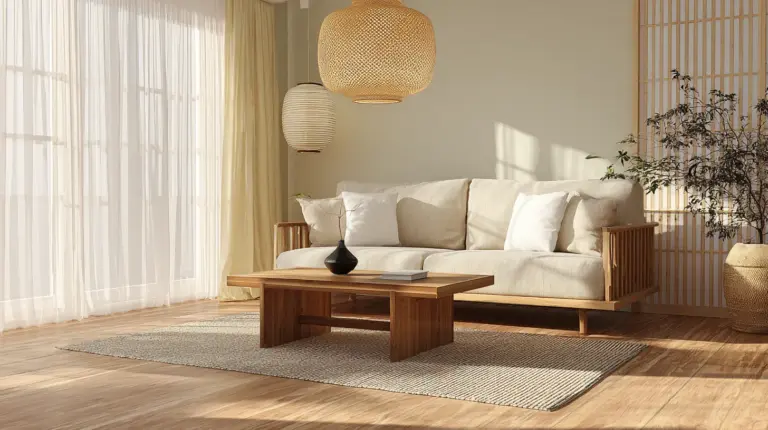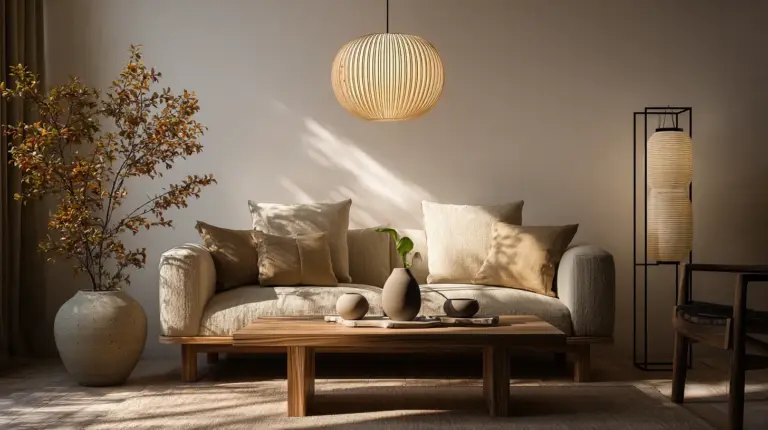

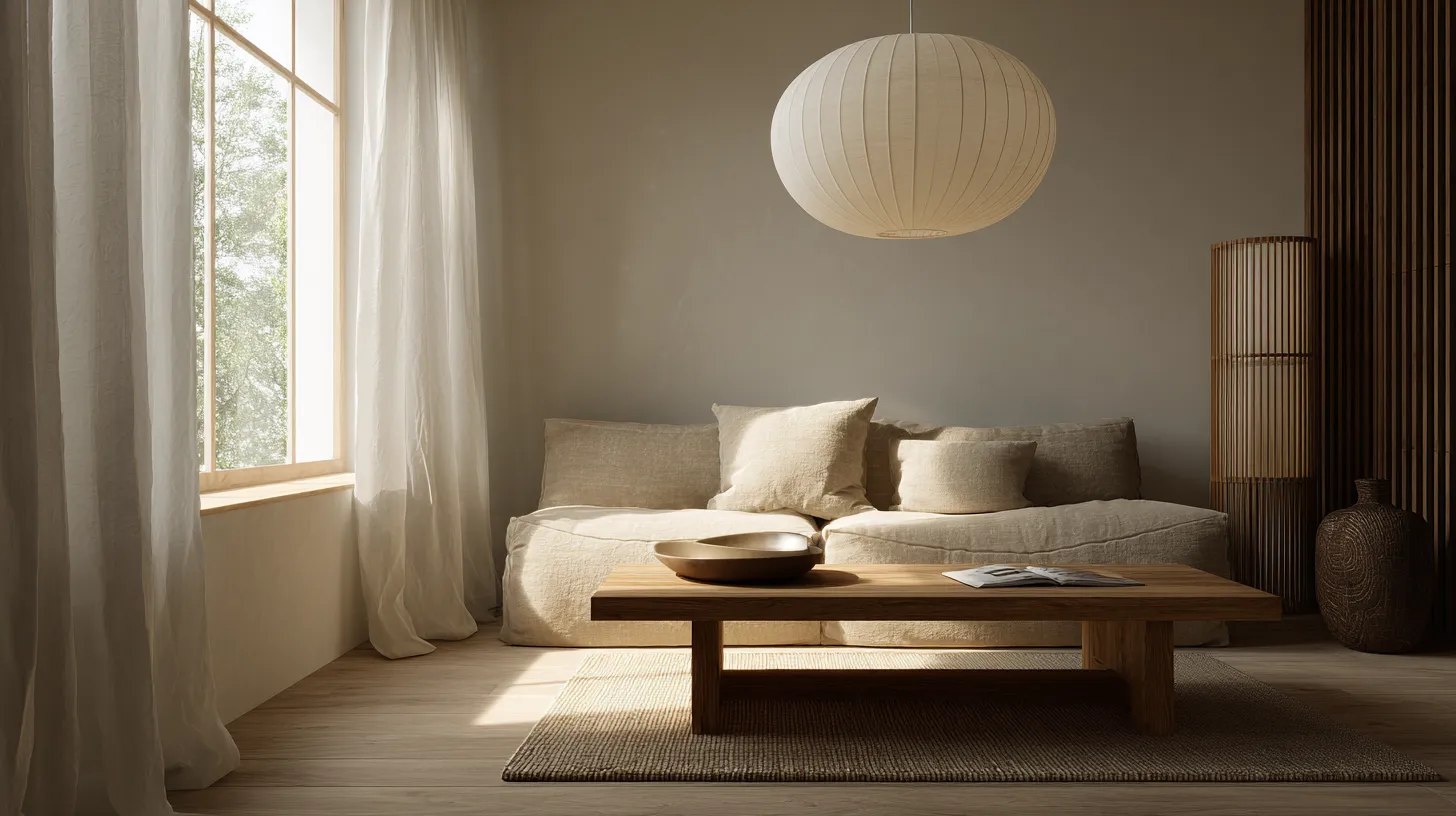
Table of Contents
There’s a softness in walking into a room that breathes. Where light doesn’t shout but whispers. Where every fixture — from the pendant lamp to the wall sconce — serves a purpose and offers quiet beauty.
This is the heart of Japandi living room design. A harmonious blend of Japanese minimalism and Scandinavian warmth, Japandi celebrates what’s essential while honoring the soul of a space. And at its core? Lighting fixtures and design elements that feel intentional, natural, and deeply restful.
If you’ve been craving a living room that’s both serene and alive, this guide will walk you through the fixtures that make Japandi spaces so magnetic. From rice paper pendants to matte black sconces, we’ll explore how to layer light, choose materials, and create a room that feels like home — not a showroom.
Let’s begin where light begins: with intention.
What is Japandi Style in a Living Room?
Japandi is what happens when Japanese wabi-sabi meets Scandinavian hygge. It’s the art of imperfect beauty paired with cozy functionality. Natural wood tables. Low-profile sofas. Neutral tones that shift with the daylight.
But it’s also about what you don’t see. Clutter fades. Excess disappears. What remains are clean lines, negative space, and fixtures that celebrate craftsmanship over ornamentation.
In a Japandi living room, fixtures aren’t just accessories — they’re anchors. A bamboo floor lamp becomes a sculptural moment. A ribbed glass pendant diffuses afternoon light into something golden and gentle. Every piece contributes to a calm, uncluttered atmosphere where you can actually breathe.
The Role of Minimalist Fixtures in Japandi Living Rooms
Why Fixtures Matter More Than You Think
Fixtures in Japandi design do double duty. They provide light, yes — but they also set the emotional tone of the room. A rice paper ceiling pendant creates soft, diffused warmth. A black metal sconce adds structure without heaviness.
The key is restraint. Japandi fixtures favor organic shapes, muted finishes, and natural materials like bamboo, rattan, linen, and wood. They blend into the background yet anchor the space with quiet presence.
Think of them as the breath between words. Necessary. Elegant. Never loud.
The Balance Between Form and Function
Every Japandi fixture should earn its place. A wall-mounted lamp might free up floor space while casting ambient light for reading. A dimmable LED strip could highlight a wooden shelf while staying invisible during the day.
This is where Japanese minimalism shines: functionality is beauty. And Scandinavian warmth adds the finishing touch — ensuring your fixtures feel inviting, not cold. The result? A living room that’s as practical as it is poetic.
Top Minimalist Fixtures for Japandi Living Rooms
Here’s where intention meets inspiration. Below are the fixtures that define Japandi living rooms — each one chosen for its ability to blend beauty, function, and simplicity.
1. Rice Paper Pendant Lights
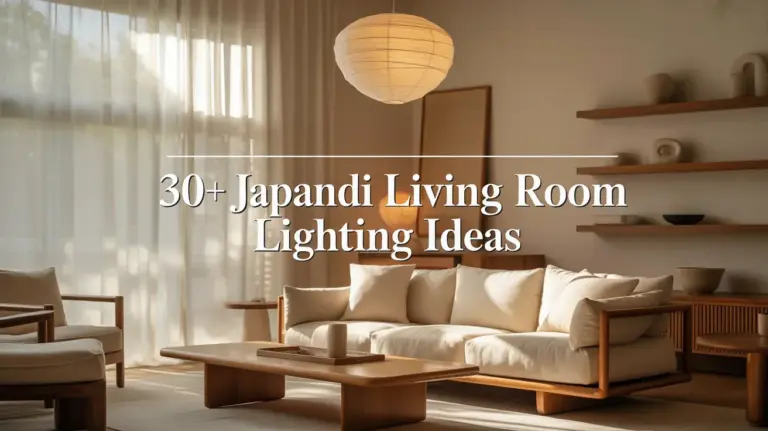
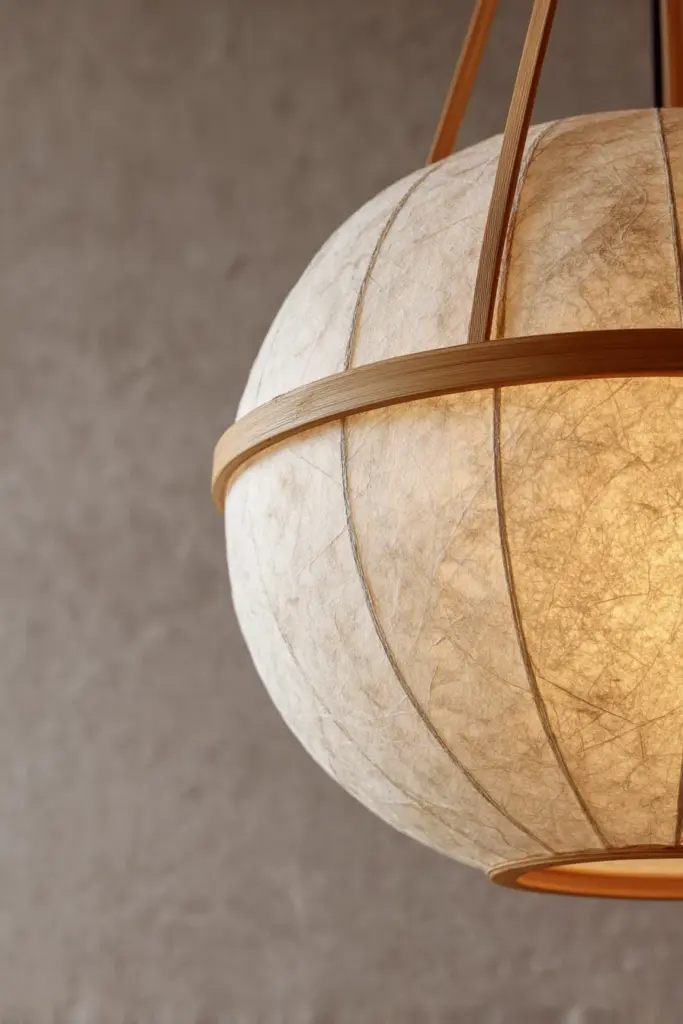
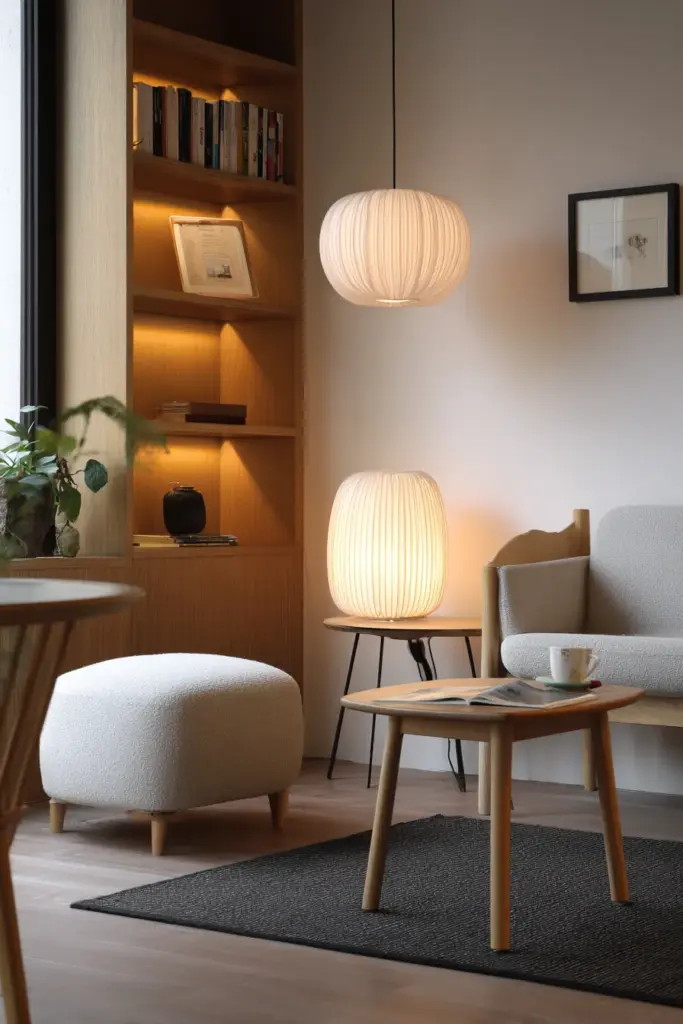
Soft. Sculptural. Timeless. Rice paper pendants are Japandi staples, diffusing light into a warm, even glow that feels like morning sun filtered through shoji screens.
Hang one over a low coffee table or center it above your seating area. The material itself — handmade paper stretched over bamboo frames — adds texture without visual weight. Look for spherical or lantern shapes in white or natural beige.
Budget tip: Check Lazada or local PH suppliers for rice paper pendants under PHP 3,000. Pair with a dimmable LED bulb (2700K warm white) for layered ambiance.
2. Matte Black Metal Sconces
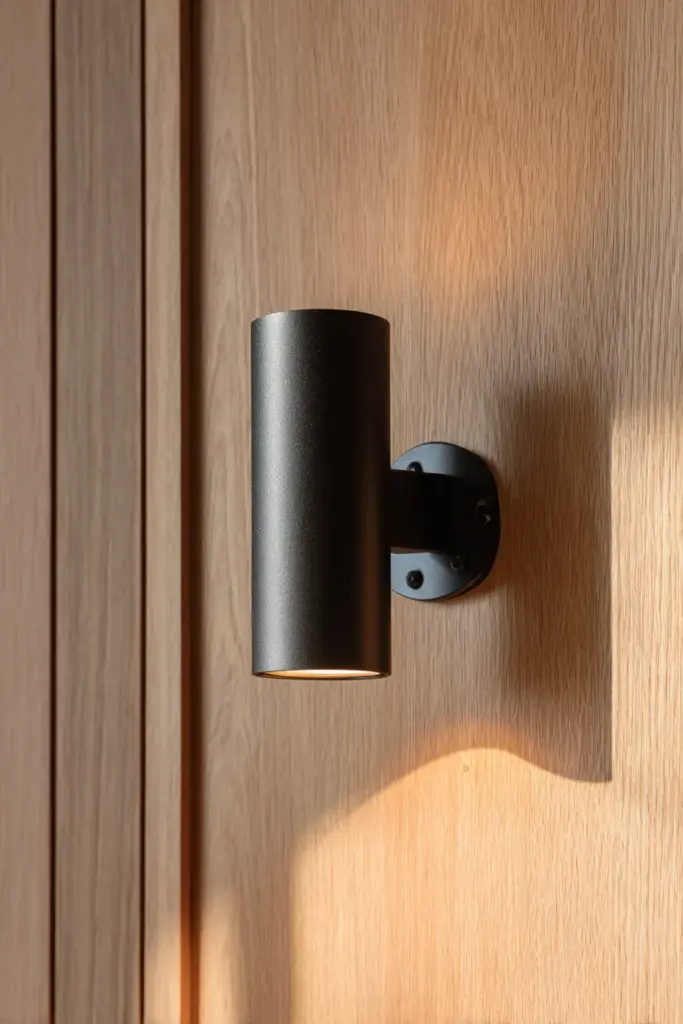
Clean lines meet industrial restraint. Matte black wall sconces provide task lighting while adding subtle contrast against light wood or neutral walls.
Choose designs with simple geometric forms — cylindrical shades, linear arms, or minimal backplates. These fixtures work beautifully flanking a media console or beside a reading nook, offering focused light without clutter.
Their dark finish grounds the airy Japandi palette. It’s the visual pause that makes everything else feel lighter.
3. Bamboo Floor Lamps
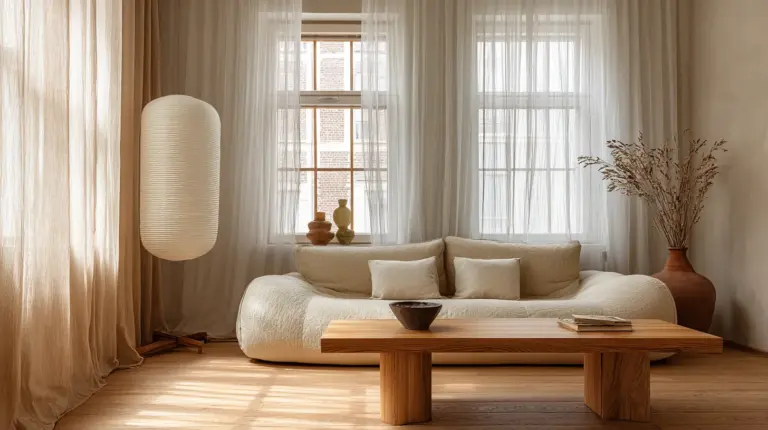
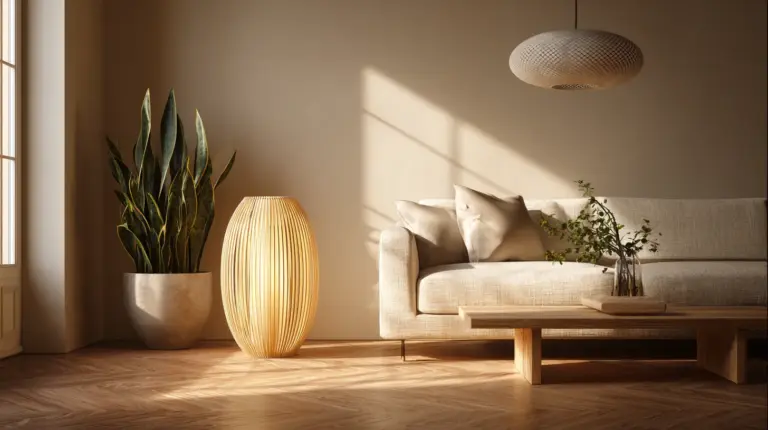
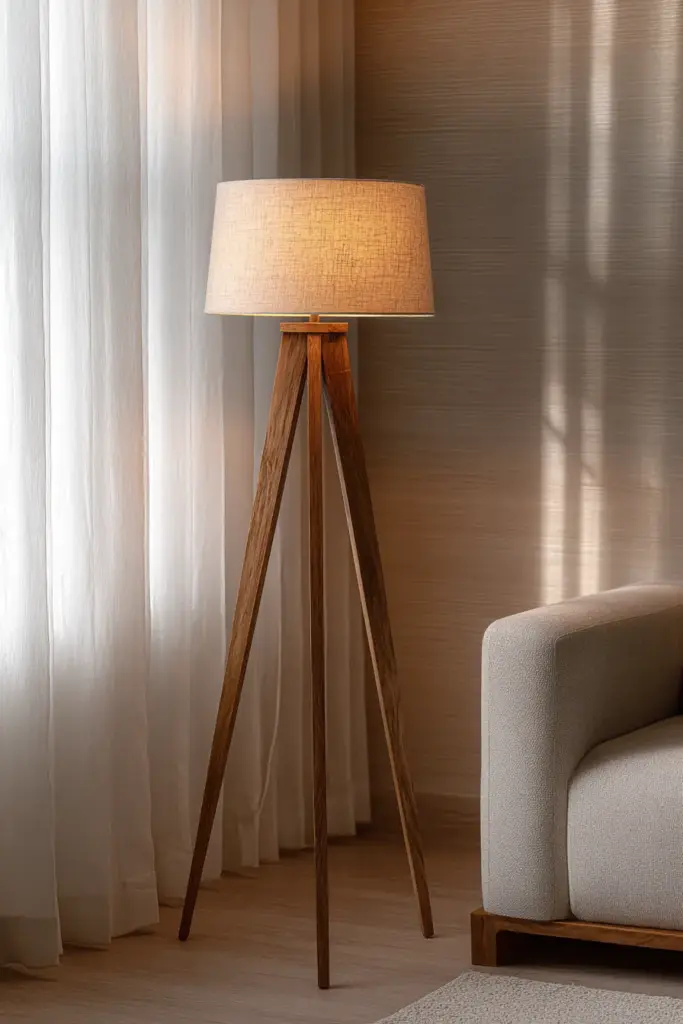
Organic. Sculptural. Grounding. Bamboo floor lamps bring natural texture into your living room while staying true to minimalist principles.
Look for tripod bases or slender vertical designs with linen or cotton shades. The bamboo should be visible — celebrate its grain, its warmth, its imperfections. Place one beside a low-slung sofa or in a corner to soften hard edges.
Pro tip: Abenson and similar PH retailers often carry bamboo lamps in the PHP 2,500–5,000 range. Choose pieces with sustainable certifications if possible.
4. Ribbed Glass Ceiling Fixtures
Textured glass adds depth without decoration. Ribbed or fluted glass pendants scatter light beautifully, creating gentle patterns on walls and ceilings.
Opt for simple dome or cylinder shapes in clear or frosted glass. Avoid ornate metalwork — the glass itself should be the star. These fixtures work especially well in smaller Japandi living rooms, where they add visual interest without overwhelming the space.
Pair with warm LED bulbs to enhance the cozy, inviting glow.
5. Rattan Pendant Shades
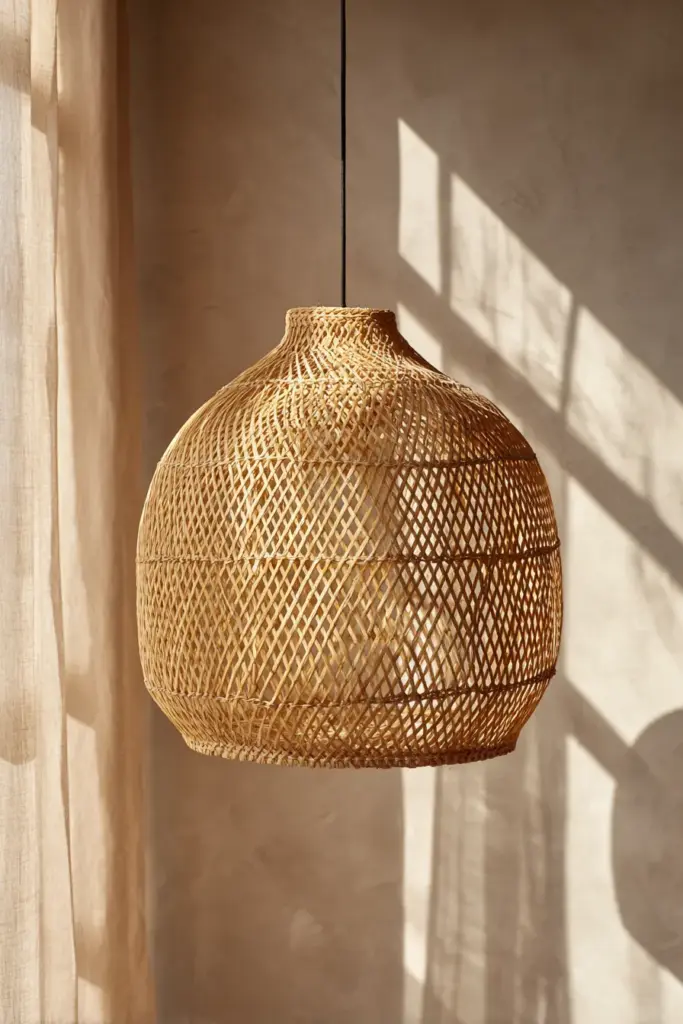
Woven by hand. Light as air. Rattan pendants bring an earthy, biophilic element to Japandi interiors, echoing the natural materials found in furniture and decor.
Choose open-weave designs that allow light to filter through, casting delicate shadows. Hang them in clusters at varying heights, or use a single oversized pendant as a focal point. The texture alone adds warmth.
Humidity note for Silang: Rattan is naturally breathable but can warp in extreme humidity. Seal with a clear matte finish or place in well-ventilated areas.
6. Linear LED Strip Lighting
Invisible until needed. LED strips tucked under shelves, behind media units, or along ceiling coves provide ambient lighting that feels integrated, not added.
Use warm white (2700K) LEDs to maintain Japandi’s cozy atmosphere. Dimmable strips let you adjust intensity throughout the day — bright for morning routines, soft for evening relaxation.
This is layered lighting at its finest: functional, flexible, and nearly imperceptible.
7. Wooden Table Lamps
A lamp can be a sculpture. Wooden table lamps with simple, turned bases and linen shades offer task lighting while celebrating natural grain and craftsmanship.
Choose light woods like ash or oak for Scandinavian warmth, or darker walnut for Japanese depth. The shade should be unadorned — let the wood speak.
Place on side tables, console surfaces, or near seating areas where focused light enhances comfort.
8. Paper Lantern Floor Lamps
Tall. Ethereal. Calming. Paper lantern floor lamps diffuse light from floor to ceiling, creating an ambient glow that feels like candlelight.
Look for cylindrical or rectangular forms with rice paper or linen shades. These fixtures work beautifully in corners or beside seating, offering soft illumination without harsh shadows.
DIY option: IKEA’s Holmö or Vidja lamps (often under PHP 1,500) can be elevated with wooden stands or painted bases for a custom Japandi look.
9. Concrete or Ceramic Pendant Lights
Modern yet earthy. Concrete and ceramic pendants bring tactile weight to Japandi spaces, grounding the airy aesthetic with raw, natural materials.
Choose matte finishes in gray, white, or clay tones. Simple dome or bowl shapes work best. Hang above dining nooks or seating areas for focused downlight that still feels warm.
These fixtures age beautifully — developing patina and character over time, very much in the spirit of wabi-sabi.
10. Adjustable Arm Wall Lamps
Flexibility meets minimalism. Swing-arm wall lamps in matte black, brass, or wood finishes offer task lighting that adapts to your needs.
Mount beside a reading chair or above a console. The adjustable arm keeps the fixture functional while the clean design keeps it unobtrusive. Look for designs with fabric cords and simple shades.
Budget hack: Check local hardware stores or online marketplaces for adjustable lamps under PHP 3,000 — many mirror high-end designs at a fraction of the cost.
How to Layer Lighting in a Japandi Living Room
Ambient, Task, and Accent: The Three-Layer System
Great lighting isn’t about one perfect fixture. It’s about layers. Ambient light fills the room (think ceiling pendants or diffused floor lamps). Task lighting serves specific activities (reading lamps, wall sconces). Accent lighting highlights texture or architecture (LED strips, spotlights).
In a Japandi living room, these layers should feel seamless. Start with a soft overhead pendant for general illumination. Add floor or table lamps for reading zones. Finish with hidden LED strips to graze walls or shelves.
The goal? Light that shifts with the day, the mood, the moment.
Choosing the Right Color Temperature
Warm white LEDs (2700K–3000K) are essential for Japandi spaces. They mimic the golden glow of sunset and candlelight, creating the cozy, inviting atmosphere Scandinavian design is known for.
Avoid cool white or daylight bulbs. They create clinical, harsh light that conflicts with the warmth of natural materials. Dimmable bulbs let you adjust intensity — bright for mornings, soft for evenings.
Smart integration: Philips Hue or similar smart bulbs in warm white can be controlled via app, letting you customize light scenes without changing fixtures.
Balancing Natural and Artificial Light
Japandi design loves natural light. Keep windows uncluttered — sheer linen curtains or bamboo blinds filter sun without blocking it. During the day, let daylight be your primary source.
As evening falls, transition to layered artificial light. This rhythm honors both Japanese mindfulness and Scandinavian connection to seasonal light. Your fixtures should support this flow, not fight it.
Position mirrors opposite windows to reflect natural light deeper into the room. Pair this with strategically placed lamps for seamless transitions from dawn to dusk.
Furniture and Fixtures: Creating Cohesion
Low-Slung Furniture and Fixture Placement
Japandi furniture sits low to the ground. Sofas, coffee tables, and seating hug the floor, creating horizontal calm. Your fixtures should echo this restraint.
Choose pendant lights that hang lower over seating areas, bringing light down to where people gather. Floor lamps should be tall but slender, maintaining vertical lines without heaviness. Wall sconces placed at seated eye level feel more intimate than high-mounted fixtures.
Everything should feel grounded, intentional, and within reach.
Pairing Natural Materials Across Elements
Consistency matters. If your coffee table is light oak, echo that warmth in a bamboo floor lamp. If your sofa features linen upholstery, choose linen lamp shades. Matte black fixtures can tie into black picture frames or steel shelving.
This doesn’t mean everything should match. It means materials should converse. Wood speaks to rattan. Linen nods to paper. Stone complements ceramic. The result is a space that feels cohesive, not curated.
Adding Biophilic Elements with Fixtures
Plants and Greenery as Living Fixtures
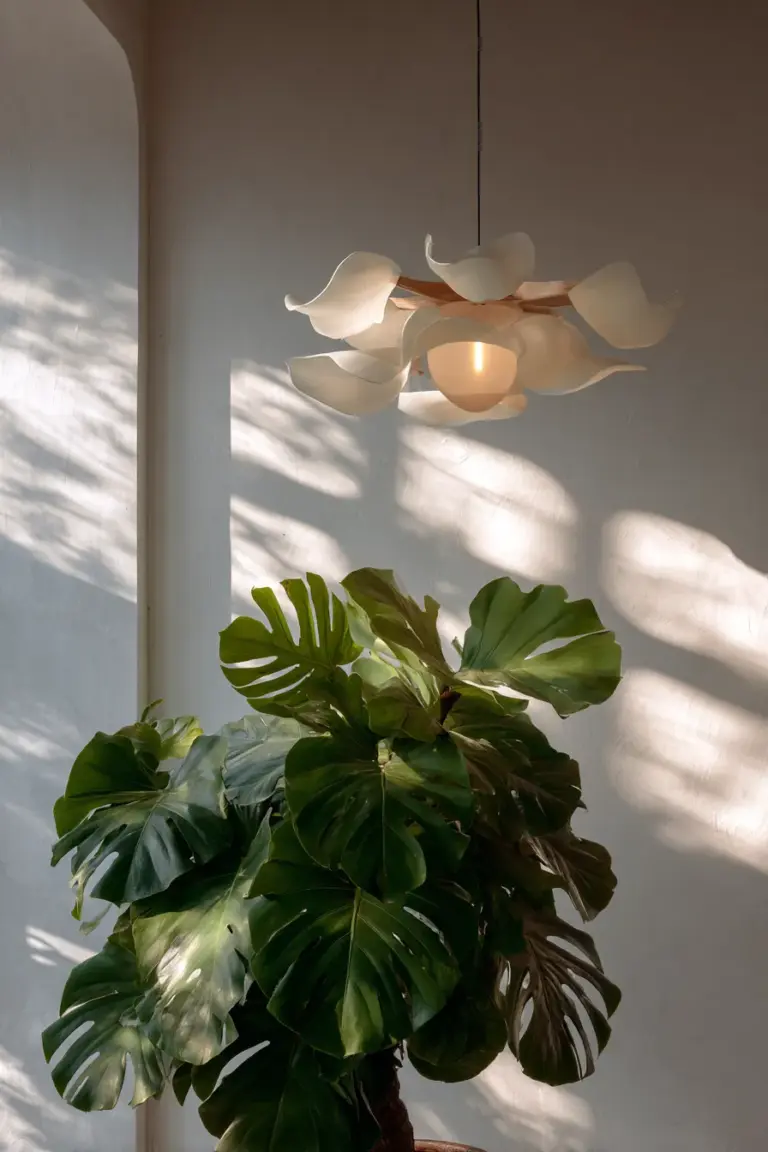
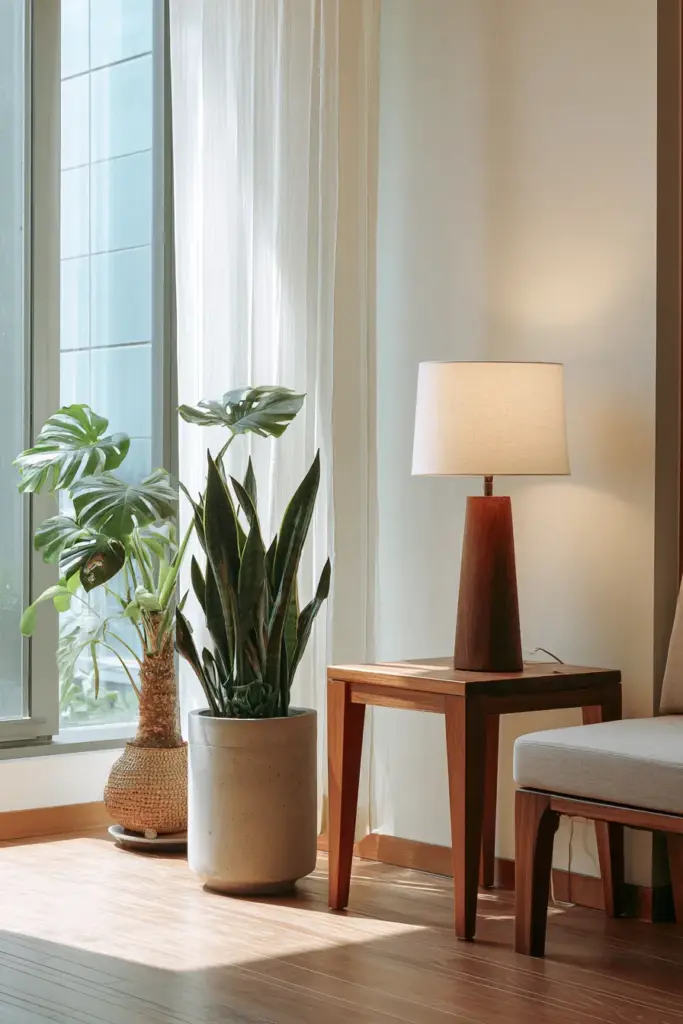
In Japandi design, plants aren’t just decoration — they’re essential. Pair ambient lighting with greenery to create biophilic moments. A snake plant beside a bamboo floor lamp. Pothos trailing near a wall sconce. Monstera leaves catching light from a rice paper pendant.
Choose air-purifying plants like peace lilies, spider plants, or philodendrons. They thrive in indirect light and enhance air quality — especially important in Silang’s humid climate.
The fixtures illuminate the plants. The plants soften the fixtures. It’s a symbiotic beauty.
Climate-Proofing Your Fixtures in the Philippines
Humidity is a consideration. Rattan and bamboo can warp without proper sealing. Paper fixtures may deteriorate in damp conditions. Choose fixtures with protective finishes or place them in well-ventilated areas.
For coastal or high-humidity regions, opt for treated wood, sealed rattan, or ceramic fixtures. LED strips should be rated for indoor moisture resistance. Check supplier specs before purchasing.
Good ventilation, occasional dusting, and mindful placement will keep your Japandi fixtures beautiful for years.
Budget-Friendly Japandi Fixture Ideas
IKEA Hacks and DIY Upgrades
IKEA is a Japandi goldmine on a budget. The Holmö floor lamp (rice paper) or Vidja pendant can be customized with wooden stands, painted cords, or natural fiber wraps.
Sand and stain wooden lamp bases in neutral tones. Swap out plastic components for brass or matte black hardware from local shops. These small upgrades transform affordable pieces into bespoke fixtures.
Cost: Most IKEA lamps range from PHP 1,000–3,000, with DIY materials adding another PHP 500–1,000.
Philippines-Local Suppliers Under PHP 10,000
You don’t need to import fixtures to achieve Japandi style. Local suppliers like Abenson, Lazada, and Shopee carry bamboo lamps, rattan pendants, and minimalist sconces at accessible prices.
Look for brands offering natural materials, simple designs, and warm finishes. Many PH-based sellers also offer custom sizes for pendant lights — ideal for tailoring fixtures to your space.
Top picks: Bamboo floor lamps (PHP 2,500–4,500), rice paper pendants (PHP 2,000–5,000), matte black sconces (PHP 1,500–3,500).
Upcycling and Sustainable Choices
Japandi values sustainability. Upcycle vintage lamps by replacing shades with linen or paper. Repurpose wooden bowls or ceramic vessels into pendant housings with DIY kits.
Thrift stores and online marketplaces often carry mid-century or Scandinavian-inspired fixtures that fit Japandi aesthetics. A fresh coat of matte paint or new wiring breathes life into old pieces.
This approach honors mottainai — the Japanese concept of avoiding waste — while creating fixtures with history and soul.
Checklist: Japandi Living Room Fixtures Essentials
- Ambient lighting: Rice paper pendant or ribbed glass ceiling fixture
- Task lighting: Bamboo floor lamp or adjustable wall sconce
- Accent lighting: LED strips under shelves or behind media units
- Material palette: Natural wood, rattan, bamboo, linen, matte black metal
- Color temperature: Warm white LEDs (2700K–3000K), dimmable
- Furniture pairing: Low-slung sofas, wooden coffee tables, neutral tones
- Biophilic touches: Air-purifying plants near light sources
- Climate considerations: Humidity-resistant finishes for PH conditions
- Budget options: IKEA hacks, local suppliers, upcycled vintage finds
- Smart features: Philips Hue or dimmable smart bulbs for flexibility
Conclusion: Lighting the Way Home
A Japandi living room isn’t built in a day. It’s a slow gathering of pieces that speak to you — a bamboo lamp that feels like morning, a rice paper pendant that glows like moonlight, a matte black sconce that grounds everything in quiet strength.
These fixtures aren’t just functional. They’re the soft exhale at the end of a long day. The gentle glow that invites you to sit, to rest, to simply be.
As you choose your fixtures, listen to what each piece brings to the room. Does it calm you? Does it serve a purpose? Does it feel like home? If the answer is yes, you’re on the right path.
May your living room be a sanctuary. May your light be warm. And may every fixture remind you that beauty doesn’t have to shout — it can whisper, and still be heard.
Frequently Asked Questions
What is Japandi style in a living room?
Japandi is a design philosophy blending Japanese minimalism with Scandinavian warmth. It emphasizes natural materials like wood and rattan, clean lines, low-profile furniture, and neutral tones. The style values functionality, negative space, and a clutter-free environment that feels both serene and inviting.
How to create a Japandi living room on a budget?
Focus on affordable natural materials like bamboo lamps, rice paper pendants, and IKEA hacks. Shop local PH suppliers such as Lazada or Abenson for fixtures under PHP 5,000. Upcycle vintage pieces, DIY lamp shades with linen or paper, and prioritize a few quality fixtures over many mediocre ones.
What lighting fixtures work best for Japandi living rooms?What lighting fixtures work best for Japandi living rooms?
Look for rice paper pendants, matte black sconces, bamboo floor lamps, ribbed glass ceiling fixtures, and rattan shades. Prioritize warm LED bulbs (2700K), dimmable options, and layered lighting (ambient + task + accent). Natural materials and simple, organic shapes are key.
What furniture fits Japandi minimalist design?
Choose low-slung sofas, natural wood coffee tables, and pieces with clean lines and organic shapes. Furniture should sit close to the ground, use neutral upholstery (linen, cotton), and feature visible wood grain. Avoid ornate details — simplicity and craftsmanship define Japandi furniture.Choose low-slung sofas, natural wood coffee tables, and pieces with clean lines and organic shapes. Furniture should sit close to the ground, use neutral upholstery (linen, cotton), and feature visible wood grain. Avoid ornate details — simplicity and craftsmanship define Japandi furniture.
How do I add plants and greenery in Japandi spaces?
Pair air-purifying plants like snake plants, pothos, or peace lilies with ambient fixtures like floor lamps or pendants. Use minimalist ceramic or concrete planters in neutral tones. Place greenery near light sources to create biophilic moments, and choose plants that thrive in indirect light for longevity.