
Table of Contents
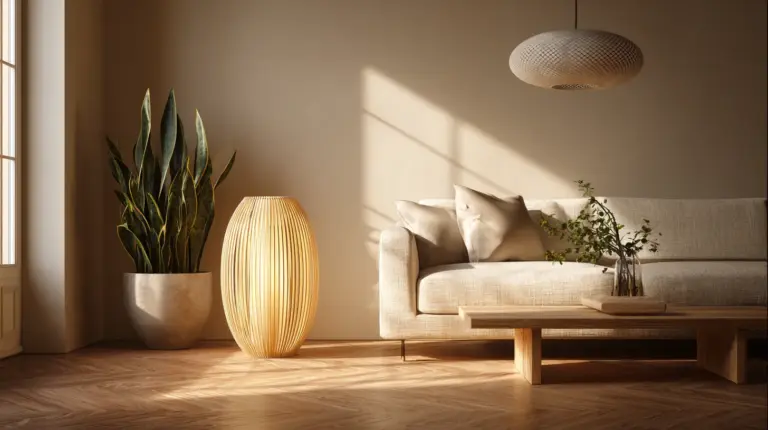
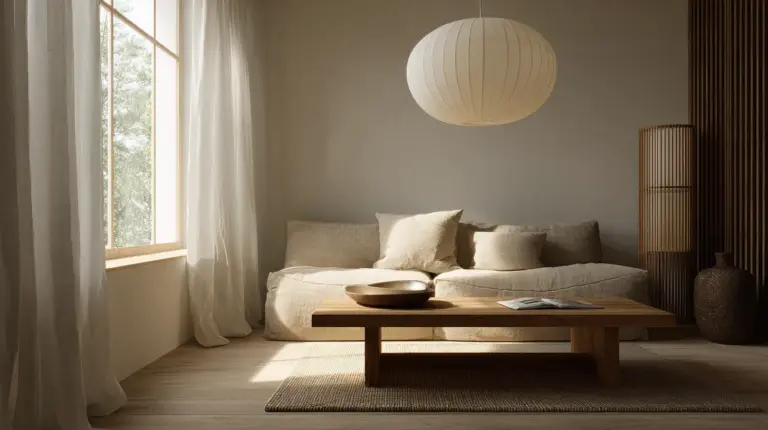
There’s something deeply comforting about a room that knows how to hold light. Not just any light—but the kind that pools softly in corners, that grazes natural textures, that makes you want to sink into your sofa with tea and a good book. This is the soul of Japandi lighting: intentional, minimal, and achingly beautiful.
And the best part? You don’t need to drain your savings to create it. Japandi style thrives on resourcefulness, on choosing quality over quantity, on letting natural materials speak for themselves. Whether you’re working with twenty dollars or two hundred, the right lighting can transform your living room into a sanctuary.
In this guide, we’ll walk you through creating a perfectly balanced Japandi lighting scheme that respects your budget and elevates your space. From warm LED secrets to local Philippines finds, from layering techniques to DIY upcycling—this is your invitation to light your home with both beauty and intention.
Let’s begin where all good design begins: with understanding what you truly need.
Understanding Japandi Lighting Principles
Japandi lighting isn’t about trends or excess. It’s about mimicking the gentle quality of natural light—the way dawn filters through shoji screens, or how sunset warms wooden beams.
The style merges Japanese minimalism with Scandinavian coziness, creating spaces that feel both serene and lived-in. Light becomes a design element itself, not just a functional afterthought. Every fixture should serve a purpose while adding to the room’s calm aesthetic.
Think diffused glows rather than harsh beams. Materials like rice paper, linen, rattan, and wood soften illumination, creating shadows that feel intentional. The goal is ambient warmth that makes your living room feel like a refuge from the outside world.
The Golden Rule: Warm Color Temperature
Color temperature matters more than you might think. Japandi spaces thrive in the 2700K to 3000K range—the warm, amber-toned light that mimics candlelight or late afternoon sun.
Cool white bulbs (4000K and above) create a clinical, sterile feel that clashes with natural materials. They make wood look flat, they wash out warm textiles, and they disrupt the cozy atmosphere you’re trying to cultivate. Always check your bulb packaging before purchasing.
This single choice—warm over cool—can make or break your Japandi aesthetic. And thankfully, warm LED bulbs are just as affordable as their cooler counterparts, often costing under ₱100 at your local hardware store.
Layering Light: The Three-Tier Approach
Great lighting isn’t about one spectacular chandelier. It’s about layering multiple sources at different heights and intensities, creating depth and flexibility throughout your day.
Ambient Lighting: Your Foundation
This is your room’s base illumination—the soft, overall glow that lets you move through the space comfortably. In Japandi design, ambient light should never feel aggressive or obvious.
Budget-friendly options:
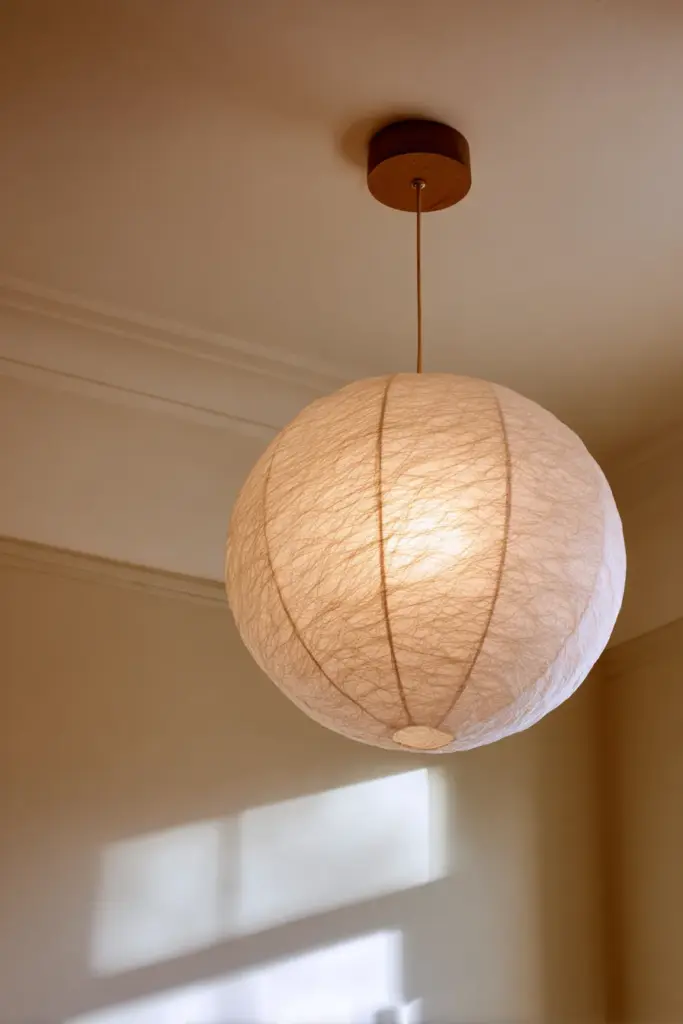
- Ceiling-mounted paper lanterns (₱800-₱1,500 at Lazada or Shopee): The classic Akari-inspired rice paper globe diffuses light beautifully. Look for the IKEA REGOLIT or local dupes that create instant Japanese atmosphere.
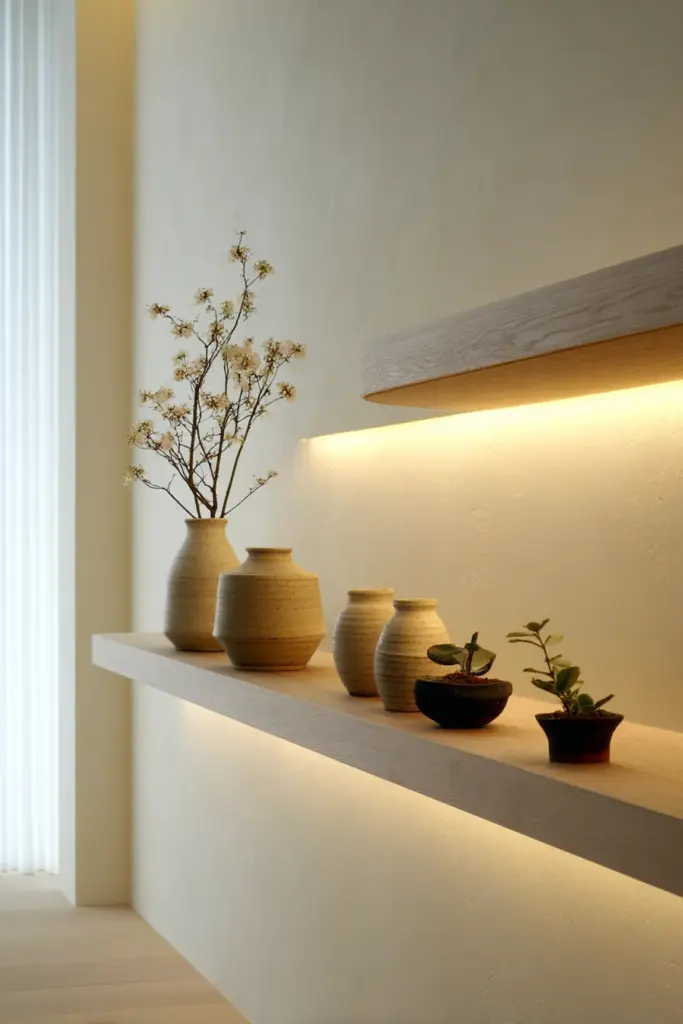
- Recessed warm LED strips (₱500-₱1,200 for 5 meters): Hidden along ceiling coves or behind floating shelves, these provide gentle wash lighting without visible fixtures.
- Smart dimmable bulbs (₱400-₱800): Philips Hue alternatives on Shopee let you control brightness via phone app, adjusting from bright morning light to intimate evening glow.
The trick is ensuring your ambient light reaches every corner without creating hot spots. Bounce it off white ceilings, diffuse it through natural materials, let it breathe.
Task Lighting: Function Meets Form
Task lighting serves specific activities—reading, working, crafting—without overwhelming the room’s ambient serenity. In Japandi spaces, task lights should feel like sculptural objects even when switched off.
Budget picks that deliver:
- Adjustable wooden desk lamps (₱600-₱1,200 from SM Home or Abenson): Look for simple hinged designs in light oak or walnut that echo Scandinavian functionality.
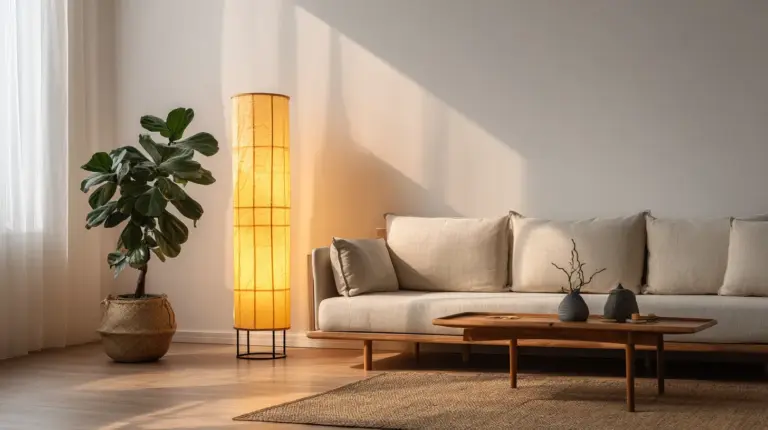
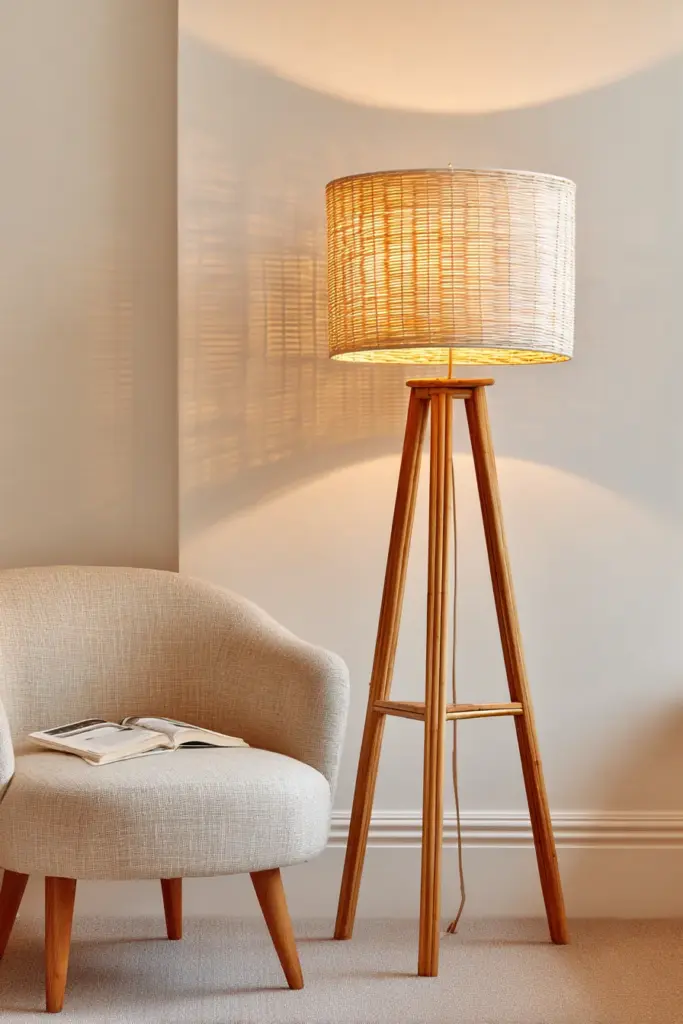
- Rattan floor lamps with linen shades (₱1,500-₱2,500): These provide reading light beside armchairs while adding textural warmth. Check Divisoria markets or online sellers for bamboo alternatives under ₱1,000.
- Clip-on LED reading lights (₱200-₱500): Minimal, practical, and easily repositioned—perfect for renters or frequent redecorators.
Position task lights where you actually use them, not where they look good on Pinterest. Your reading nook needs light; your empty corner doesn’t.
Accent Lighting: Creating Atmosphere
This is where magic happens. Accent lighting highlights textures, creates focal points, and adds that final layer of sophistication to your Japandi living room.
Affordable accent ideas:
- Battery-operated LED candles in wooden holders (₱150-₱400): Flameless but atmospheric, perfect for coffee table centerpieces.
- Uplighting for plants (₱300-₱700): Small LED spotlights directed at your fiddle leaf fig or monstera create dramatic shadows on walls.
- String lights with warm bulbs (₱250-₱600): Not your typical fairy lights—choose Edison-style mini bulbs in clear glass for subtle twinkle without kitsch.
Accent lighting should whisper, not shout. Use it sparingly to draw eyes to your room’s best features: a beautiful textile, a piece of pottery, the grain of natural wood.
Budget Japandi Lamp Shopping Guide
Let’s get practical. Where do you actually find these fixtures without breaking the bank?
Online Platforms (Philippines-Specific)
| Platform | Price Range | Best For | Pro Tip |
|---|---|---|---|
| Lazada | ₱200-₱3,000 | Rice paper pendants, rattan lamps, LED strips | Search “muji style lamp” or “nordic lamp” for Japandi aesthetics |
| Shopee | ₱150-₱2,500 | Budget dupes, smart bulbs, wooden fixtures | Filter by “Philippines sellers” for faster shipping |
| IKEA (online) | ₱500-₱4,000 | REGOLIT, MAGNARP, HOLMÖ lamps | Wait for seasonal sales; free shipping over ₱3,999 |
| Amazon | $15-$50 | Unique designs, quality LED bulbs | Consider shipping costs; best for bulk bulb purchases |
Local Physical Stores
Divisoria and similar markets offer incredible finds if you’re willing to hunt. Look for:
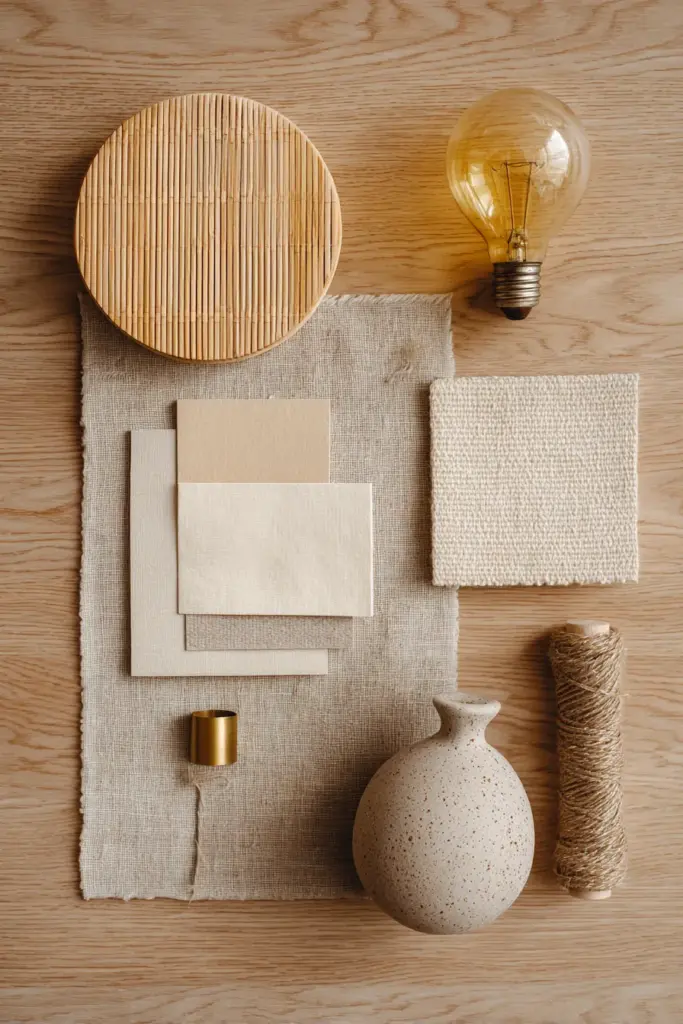
- Woven rattan lampshades (₱300-₱800)
- Wooden bases you can rewire (₱200-₱500)
- Linen fabric by the meter to DIY your own shades (₱150/meter)
SM Home, Landmark, or Abenson stock affordable basics:
- LED bulbs in warm tones (₱80-₱200 each)
- Simple ceramic or concrete bases (₱400-₱1,000)
- Extension cords and dimmer switches (₱200-₱600)
Ace Hardware or Handyman for technical pieces:
- Dimmable LED bulbs with long lifespan (₱150-₱350)
- Cord sets for DIY lamp projects (₱250-₱500)
- Smart plug adapters (₱400-₱800)
The IKEA Strategy for Maximum Impact
If you can access IKEA (online delivery to Metro Manila and surrounding areas), these fixtures punch above their weight class:
- REGOLIT pendant (₱399): The iconic rice paper sphere that defined budget Japandi
- MAGNARP floor lamp (₱1,299): Rice paper shade with wooden tripod—looks three times its price
- HOLMÖ table lamp (₱599): Perfect bedside or side table piece with soft diffusion
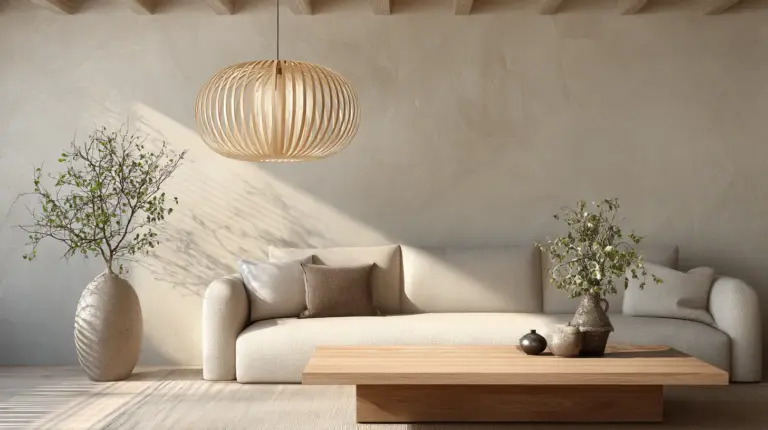
- KNIXHULT pendant (₱1,299): Bamboo-weave ceiling lamp that brings immediate warmth
Pair IKEA fixtures with higher-quality warm LED bulbs from Philips or Firefly. The ₱150 investment in good bulbs transforms a ₱400 lamp into something that rivals designer pieces.
DIY and Upcycling: Create Your Own Japandi Fixtures
The most budget-friendly lighting is the kind you make yourself. And in true Japandi spirit, DIY projects honor resourcefulness and personal connection to your space.
Paper Lantern Transformation
Start with a basic white paper lantern (₱150-₱300 from party supply stores). Transform it with:
- Washi tape patterns: Geometric lines in black or natural brown
- Tea-staining: Soak paper in strong black tea for aged, warm tones
- Sheer linen overlay: Drape and glue natural fabric for softer diffusion
Add a ₱100 LED bulb on a simple cord set, and you have a custom pendant for under ₱600.
Upcycled Wood Lamps
Silang and surrounding Calabarzon areas have abundant mango wood offcuts from furniture workshops. Ask local carpenters for scraps (often free or under ₱100).
Simple table lamp project:
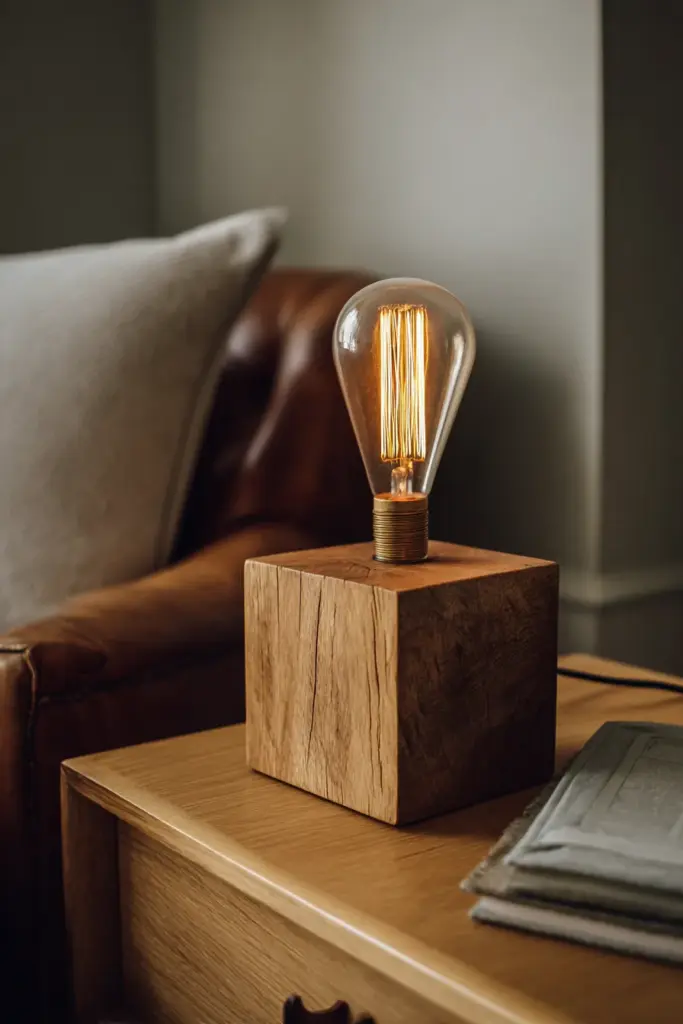
- Sand a wooden block smooth (4″x4″x10″ works beautifully)
- Drill a hole for cord passage (₱50 at hardware stores)
- Add a simple bulb socket (₱100-₱200)
- Treat with food-safe mineral oil for natural sheen
- Top with a thrifted linen shade or DIY rice paper cone
Total cost: ₱400-₱700. Total impact: priceless.
Bamboo and Rattan Rewiring
Old rattan fixtures from secondhand shops or your parents’ storage can become Japandi treasures. Often you’ll find these at weekend markets for ₱200-₱500.
Clean thoroughly with a soft brush and mild soap. Rewire with a new cord set (₱250) and modern LED bulb. Suddenly that dated fixture becomes an authentic, textured statement piece that new mass-produced lamps can’t replicate.
The patina of age actually enhances Japandi aesthetic—embrace the small imperfections.
Smart Lighting on a Budget
You don’t need expensive systems to add modern functionality. Budget-friendly smart lighting enhances Japandi spaces by letting you adjust brightness and warmth throughout the day.
Affordable Smart Options
Smart bulbs (₱400-₱800 on Shopee): Brands like Xiaomi Yeelight or generic alternatives connect via Wi-Fi. Set morning routines with brighter 3000K warmth, evening scenes at dimmed 2700K amber.
Smart plugs with dimmers (₱400-₱700): Convert any lamp into a dimmable fixture. Schedule sunset lighting automatically, or adjust from your phone without leaving the sofa.
LED strip controllers (₱300-₱600): Stick warm white LED strips under shelves or behind TV units, control via remote. Creates beautiful indirect lighting for under ₱1,000 total.
Why This Matters for Japandi
Traditional Japandi spaces adjusted to natural light cycles—bright in productive mornings, subdued in contemplative evenings. Smart lighting recreates this rhythm digitally, supporting your circadian rhythms while maintaining minimalist aesthetics (no visible switches or complicated controls).
Plus, LED efficiency means your electricity bills drop. A quality LED bulb uses 80% less energy than incandescent, lasting 15-25 years. That ₱200 investment pays for itself within months.
Maintenance and Longevity Tips
Beautiful lighting requires care. Natural materials demand specific attention to stay gorgeous.
Cleaning Natural Shades
Rice paper and linen: Dust weekly with a soft makeup brush or microfiber cloth. Never use water or cleaning sprays—these stain permanently. For stubborn marks, gently use a white vinyl eraser.
Rattan and bamboo: Vacuum with a soft brush attachment monthly. Wipe with barely-damp cloth if needed, then air dry completely. Apply thin coconut oil once yearly to prevent cracking (test in hidden spot first).
Wooden bases: Dust regularly, treating with furniture wax or mineral oil every 3-4 months. This prevents drying and maintains warm honey tones.
Bulb Replacement Strategy
Buy warm LED bulbs (2700K-3000K) in bulk when on sale—they never go bad on the shelf. This ensures color consistency across your room as bulbs eventually burn out.
Match bulb color temperature to wood tones: 2700K enhances reddish woods like mahogany or cherry, while 3000K complements lighter oak or ash. This subtle coordination makes your entire space feel more cohesive.
Keep spare bulbs in original packaging with wattage and color temp clearly marked. Future-you will thank present-you for this organization.
Room Layout Considerations
Lighting placement makes or breaks your Japandi living room. Here’s how to think spatially about your fixtures.
The Triangle Method
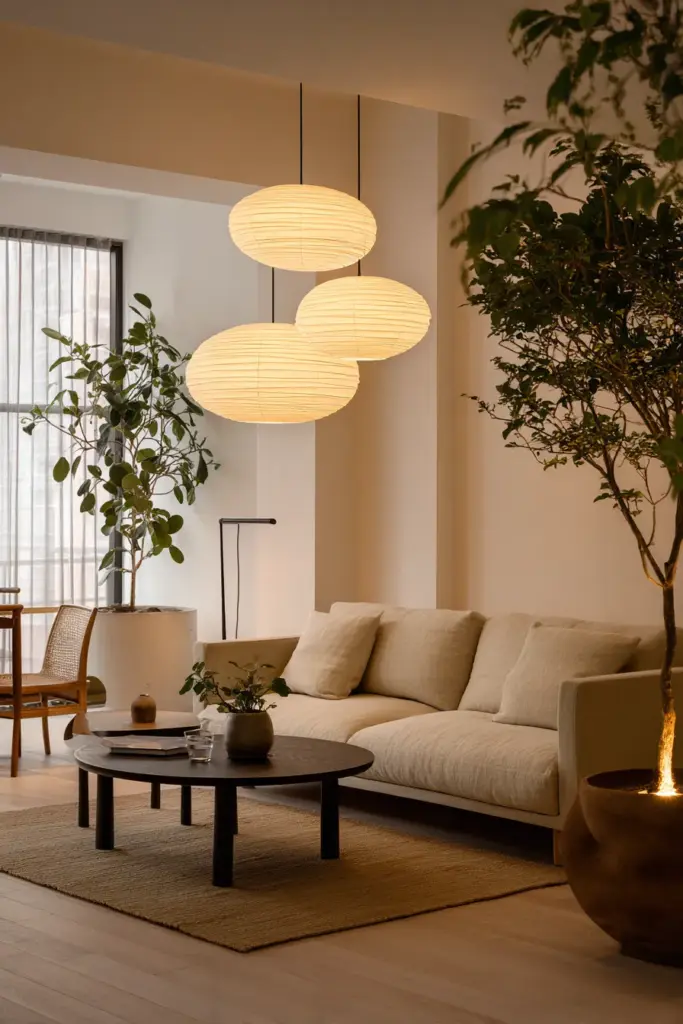
Position your three lighting layers in triangular patterns across the room. If ambient light comes from ceiling center, place task lighting at two opposite corners (reading nook and workspace), then accent lighting at the third point (plant shelf or art wall).
This creates balanced illumination without dead zones or over-lit areas. Your eye naturally travels around the space, finding interest at every angle.
Furniture Relationships
Floor lamps: Position 12-18 inches from seating, slightly behind and to the side. This prevents glare while providing ideal reading light.
Table lamps: Place on side tables at seated eye level (roughly 24-27 inches tall including shade). Light should fall on your book or lap, not shine in your eyes.
Pendant lights: Hang 60-65 inches from floor over coffee tables, 28-32 inches above dining surfaces. Test before permanently installing—everyone’s ceiling height differs.
Natural Light Integration
Japandi design celebrates daylight. Position artificial lights to complement, not compete with, your windows.
During day: minimal artificial lighting. Let sunlight play across natural materials.
During evening: create your own “sunset” with layered warm lamps that echo fading daylight.
During cloudy days: ambient lighting compensates without harsh overhead glare.
Use sheer linen curtains to diffuse direct sun, creating the same gentle quality your lamps provide after dark. Consistency of light quality throughout the day maintains Japandi serenity.
Color Psychology and Mood
Light color profoundly affects how you feel in your space. Understanding this helps you make smarter budget decisions.
The 3000K Sweet Spot
Research shows 3000K warm white light promotes calm alertness—relaxed enough for comfort, bright enough for activity. This is why it’s perfect for living rooms where you both unwind and engage.
2700K skews more amber, excellent for bedrooms or intimate evening gatherings. 3500K starts feeling cooler, better for task-heavy spaces like kitchens. For Japandi living rooms, 3000K bulbs offer the most versatility throughout the day.
Avoiding Blue Light Before Sleep
Cool white and daylight bulbs (4000K+) contain blue spectrum wavelengths that suppress melatonin, interfering with sleep. If your living room flows into bedrooms, keeping all lighting warm prevents circadian disruption.
This isn’t just aesthetic—it’s health-conscious design. Japandi philosophy honors the body’s natural rhythms, and warm lighting supports this holistically.
Energy Efficiency and Long-Term Savings
Budget doesn’t just mean low upfront cost. It means smart investment that saves money over time.
LED vs. Traditional Calculations
A 60W incandescent bulb running 5 hours daily costs approximately ₱450/year in electricity (at ₱10/kWh Philippine average).
An equivalent 9W LED costs ₱65/year. Over the bulb’s 15-year lifespan, you save ₱5,775 per bulb—and that’s just one fixture.
Equip your entire living room with 8 LED bulbs: Initial investment ₱1,600. Annual savings ₱3,080. Two-year payback, then pure savings.
Solar Accent Options
For accent lighting, consider solar-powered LED lanterns (₱400-₱800 on Lazada). Charge during day in sunny windows, then place wherever needed after dark—zero electricity cost, zero environmental guilt.
These work beautifully for:
- Garden view windows that reflect into living spaces
- Side table ambiance that doesn’t need task-level brightness
- Balcony lighting visible through glass doors
Sustainability is inherently Japandi. Using sun-powered light honors natural cycles while reducing consumption.
Common Mistakes to Avoid
Even with tight budgets, these missteps waste money and compromise your design.
Over-Lighting
More lamps don’t equal better lighting. Six mediocre fixtures create chaos; three excellent ones create calm. Quality over quantity always wins in Japandi spaces.
Start with ambient ceiling fixture, one task lamp, one accent piece. Live with this for two weeks. Then add thoughtfully if gaps remain—but you’ll often find three layers are plenty.
Wrong Bulb Color
Cannot emphasize enough: avoid cool white bulbs in Japandi living rooms. That ₱80 savings isn’t worth destroying your carefully chosen aesthetic. Warm LEDs cost the same and transform your space.
Ignoring Dimming Capability
Non-dimmable setups force you into one brightness level all day. Adding dimmer switches (₱200-₱600) or smart plugs (₱400-₱700) gives you flexibility worth far more than the cost.
Imagine: bright morning coffee light, soft afternoon reading glow, intimate evening ambiance—all from the same fixtures. This is the versatility that makes small investments feel luxurious.
Forgetting Scale
A massive floor lamp overwhelms a small living room. A tiny table lamp disappears beside a large sofa. Match fixture size to furniture scale.
General rule: Lamp shade bottom should align roughly with the arm height of adjacent seating. This creates visual harmony and practical functionality simultaneously.
Your Japandi Lighting Checklist
Before you start shopping, use this practical guide:
Essential Fixtures:
- One ambient ceiling fixture (rice paper pendant or recessed LEDs)
- One task lamp for primary seating area
- One accent light (plant uplight, candles, or string lights)
Bulb Requirements:
- All bulbs 2700K-3000K warm white
- LED technology for efficiency
- Dimmable where possible
- Appropriate wattage (40-60W equivalent for living spaces)
Materials to Prioritize:
- Natural fibers: linen, rice paper, jute
- Sustainable woods: bamboo, rattan, light oak
- Simple metals: matte black, brushed brass, natural brass
- Neutral ceramics or concrete
Budget Allocation:
- 40% on ambient lighting (your foundation)
- 35% on task lighting (daily functionality)
- 15% on accent lighting (atmosphere)
- 10% on bulbs and controls (quality matters)
Smart Additions (Optional):
- Dimmer switches or smart plugs
- One smart bulb for testing before full investment
- Timer plugs for automated sunset lighting
Sustainability Checks:
- All fixtures use LED technology
- Natural materials from ethical sources when possible
- Lifespan of 10+ years expected
- Upcycled or secondhand elements considered
Finding Your Light
Creating beautiful Japandi lighting on a budget isn’t about compromise. It’s about clarity—knowing what serves your space and what’s just noise.
It’s about walking into your living room at dusk and feeling it welcome you home. That gentle glow from your rattan floor lamp. The way your rice paper pendant makes the ceiling feel like sky. The small Edison bulb that makes your bookshelf a destination.
Light shapes how we live. It influences our moods, our energy, our sense of peace. And the beautiful truth is that warm, intentional lighting doesn’t require wealth—it requires attention.
So start small. One warm LED bulb in your most-used lamp. One ₱400 paper lantern that changes your entire ceiling experience. One upcycled wooden base that makes you smile every time you switch it on.
Layer by layer, light by light, you’ll build a living room that feels like it’s been waiting for you all along. Exactly as Japandi design intends: simple, soulful, and entirely yours.
Frequently Asked Questions
What’s the best budget-friendly lamp for a Japandi living room?
The IKEA MAGNARP floor lamp (₱1,299) offers exceptional value with its rice paper shade and wooden tripod base—it looks three times its actual price. For even tighter budgets, the REGOLIT pendant (₱399) creates instant Japandi atmosphere. Pair either with a quality warm LED bulb (2700K-3000K) for authentic aesthetic. Local alternatives exist on Shopee and Lazada for ₱500-₱1,000 if you search u0022nordic lampu0022 or u0022Japanese paper lamp.u0022
How do I choose the right light color for Japandi style?
Always select warm white bulbs in the 2700K-3000K range—this mimics natural candlelight and sunset tones that complement wood and neutral textiles. Avoid cool white (4000K+) which creates sterile, hospital-like environments that clash with Japandi’s cozy minimalism. Check bulb packaging carefully before purchasing, as color temperature dramatically affects your space’s mood. The ₱100-₱200 investment in proper warm LEDs is the single most important lighting decision you’ll make.
Where can I buy cheap Japandi lamps in the Philippines?
Lazada and Shopee offer the widest selection of affordable Japandi-style lamps (₱200-₱2,500), especially when searching u0022muji styleu0022 or u0022nordic minimalist.u0022 Physical stores like SM Home, Abenson, and Landmark stock basic fixtures (₱400-₱2,000). For hidden gems, visit Divisoria markets where rattan and bamboo shades cost ₱300-₱800. IKEA delivers to Metro Manila with free shipping over ₱3,999. Don’t overlook local furniture workshop scraps for DIY projects—mango wood offcuts are often free.
How can I layer lighting affordably in my Japandi living room?
Start with one ambient source (ceiling pendant or LED strips, ₱500-₱1,500), add one task lamp for reading areas (floor or table lamp, ₱600-₱2,000), then include subtle accent lighting (battery candles or plant uplights, ₱200-₱700). This three-tier approach costs ₱1,300-₱4,200 total but creates professional-level depth. Use dimmer switches (₱200-₱600) or smart plugs (₱400-₱700) to adjust each layer’s intensity throughout the day, maximizing versatility without buying more fixtures.
Are smart bulbs worth it for Japandi lighting on a budget?
Yes, if you value flexibility. Budget smart bulbs (₱400-₱800 on Shopee) let you adjust brightness and sometimes color temperature via phone, creating morning brightness and evening ambiance from one fixture. They’re especially valuable for renters who can’t install dimmer switches. However, quality dimmable LED bulbs with manual dimmers (₱350 combined) offer similar benefits at lower cost. Start with one smart bulb to test before committing your whole space—the convenience often justifies the ₱300-₱500 premium over standard LEDs.