
Table of Contents
There’s something quietly transformative about a single fern unfurling on a shelf, its fronds catching afternoon light. In small living rooms where every inch matters, plants aren’t just décor—they’re breathing sculpture that softens hard edges and invites the eye to rest.
The Japandi aesthetic understands this instinctively. Born from Japanese wabi-sabi and Scandinavian functionality, it celebrates restraint without coldness. Plants here aren’t cluttered collections but deliberate choices: sculptural forms in neutral pots, glossy leaves against matte plaster, cascading branches that trace light across walls.
For those navigating compact apartments—whether in Manila’s humidity or cooler climates—the question becomes practical. Which plants thrive in indirect light? What greenery whispers rather than shouts? This guide covers the best small Japandi living room plants, from choosing varieties to styling with intention, including pet-safe options, budget sourcing, and care tweaks for tropical climates.
What Makes a Plant “Japandi”?
Not every houseplant belongs in a Japandi living room. The aesthetic demands restraint and forms that feel meditative in their simplicity.
Clean lines and sculptural silhouettes matter. Think upright Snake Plants with blade-like leaves, or the architectural symmetry of a ZZ Plant’s stems. Avoid fussy variegation—Japandi leans toward monochromatic greens or the subtle blush of a Peace Lily’s spathe.
Neutral presentation is essential. Terracotta, ceramic in matte black or cream, or woven rattan ground plants in tactile authenticity. The plants themselves should feel effortless—low-maintenance varieties align with Scandinavian functionality.
Best Small Japandi Living Room Plants: Complete Comparison
Choosing the right plant means matching your space’s light, your schedule, and your aesthetic vision. This table compares eight top performers for compact Japandi living rooms.
| Plant | Max Height | Light Needs | Watering | Pet-Safe? | Japandi Fit | PH Price Range |
|---|---|---|---|---|---|---|
| Pilea Peperomioides | 12″ | Bright indirect | Moderate | ✓ Yes | Perfect—coin-shaped leaves, minimalist form | ₱250–₱500 |
| ZZ Plant | 24″ (compact varieties 12″) | Low to bright indirect | Low (drought-tolerant) | ✗ Toxic | Excellent—glossy, architectural stems | ₱300–₱600 |
| Snake Plant (Sansevieria) | 12″ (dwarf varieties) | Low to bright | Very low | ✗ Toxic | Ideal—vertical lines, air-purifying | ₱150–₱400 |
| Pothos (Epipremnum) | Trailing 8–10′ | Low to medium | Moderate | ✗ Toxic | Good—cascading for shelves, prune for control | ₱100–₱300 |
| Peace Lily | 12–18″ | Low to medium | Moderate (loves humidity) | ✗ Toxic | Beautiful—white blooms, serene vibe | ₱200–₱500 |
| String of Hearts | Trailing 3–4′ | Bright indirect | Low (succulent) | ✓ Yes | Charming—delicate, works in kokedama | ₱250–₱450 |
| Peperomia (various) | 6–12″ | Medium indirect | Low to moderate | ✓ Yes | Perfect—compact, textured leaves | ₱150–₱350 |
| Mini Monstera (Rhaphidophora) | 12–24″ (trainable) | Medium to bright indirect | Moderate | ✗ Toxic | Strong—fenestrated leaves, modern edge | ₱400–₱800 |
Prices reflect typical Philippine nursery/online ranges (Lazada, Shopee, Divisoria markets) as of 2025.
Pet Safety Considerations
If you share your home with cats or dogs, prioritize Pilea, Peperomia, and String of Hearts—all non-toxic. Popular choices like ZZ Plants and Pothos contain calcium oxalates that cause mouth irritation if chewed.
For pet households, place toxic plants on high shelves or hanging planters where curious paws can’t reach. Alternatively, swap them entirely for safer alternatives without sacrificing style.
Top Small Plants for Japandi Living Rooms
Pilea Peperomioides: The Coin Plant
Walk into any minimalist home, and you’ll likely spot a Pilea’s round leaves catching light like scattered coins. Its upright stem and symmetrical growth feel almost architectural.
Care: Bright indirect light; water when top inch dries (every 7–10 days). Loves well-draining soil mixed with perlite.
Styling: Matte ceramic pot in white or charcoal. Place on floating shelves or low side tables—its 12″ height fits narrow consoles perfectly.
ZZ Plant: Glossy Resilience
For corners receiving only ambient light—or anyone who forgets to water—the ZZ Plant is a quiet hero. Its waxy leaves reflect light, brightening shadowy nooks without demanding sun.
Care: Low to bright indirect light. Water sparingly—every 2–3 weeks. Overwatering causes root rot faster than neglect.
Styling: Choose compact varieties under 18″. Pair with rattan baskets or matte black pots near entryways for vertical interest.
Snake Plant (Sansevieria): Vertical Poetry
Snake Plants are ultimate Japandi multitaskers: air-purifying, drought-tolerant, and visually striking. Dwarf varieties like ‘Hahnii’ stay under 12″.
Care: Tolerates neglect and low light. Water every 2–4 weeks—yellow leaves signal overwatering.
Styling: Cluster three in varying heights on a wooden tray for asymmetrical balance—a nod to wabi-sabi’s imperfect beauty.
Peace Lily: Serene Blooms
Peace Lilies marry function and poetry. White spathes emerge like small sails, and they visibly droop when thirsty—then perk up within hours.
Care: Low to medium indirect light. Keep soil consistently moist. Loves humidity—ideal for Philippine climates.
Styling: Display solo in simple ceramic on a coffee table. Its organic curves soften angular furniture.
Pothos and String of Hearts: Trailing Grace
For shelves or macramé hangers, trailing plants add softness without floor clutter. Pothos cascades in glossy vines; String of Hearts drapes delicate heart-shaped leaves.
Care (Pothos): Low to medium light; water when top 2″ dries. Prune regularly—cuttings propagate easily.
Care (String of Hearts): Bright indirect light; water sparingly (it’s a succulent).
Styling: Hang in woven rattan planters or let vines cascade from high shelves. Limit to one or two per room—Japandi prizes negative space.
Low-Maintenance Plants for Small Spaces
Time-strapped city dwellers need plants that forgive occasional neglect. Snake Plant, ZZ Plant, and Pothos lead the pack—all tolerate low light, infrequent watering, and irregular feeding.
Peperomia varieties offer textured interest with minimal fuss. Water every 10–14 days, tolerate medium light, and stay compact—no aggressive vining or constant pruning.
For even less commitment, consider hardy succulents like Jade Plants or Haworthia. Their fleshy leaves store water, requiring watering only every 3–4 weeks.
Styling Plants for Japandi Aesthetic in Apartments
Potting and Presentation
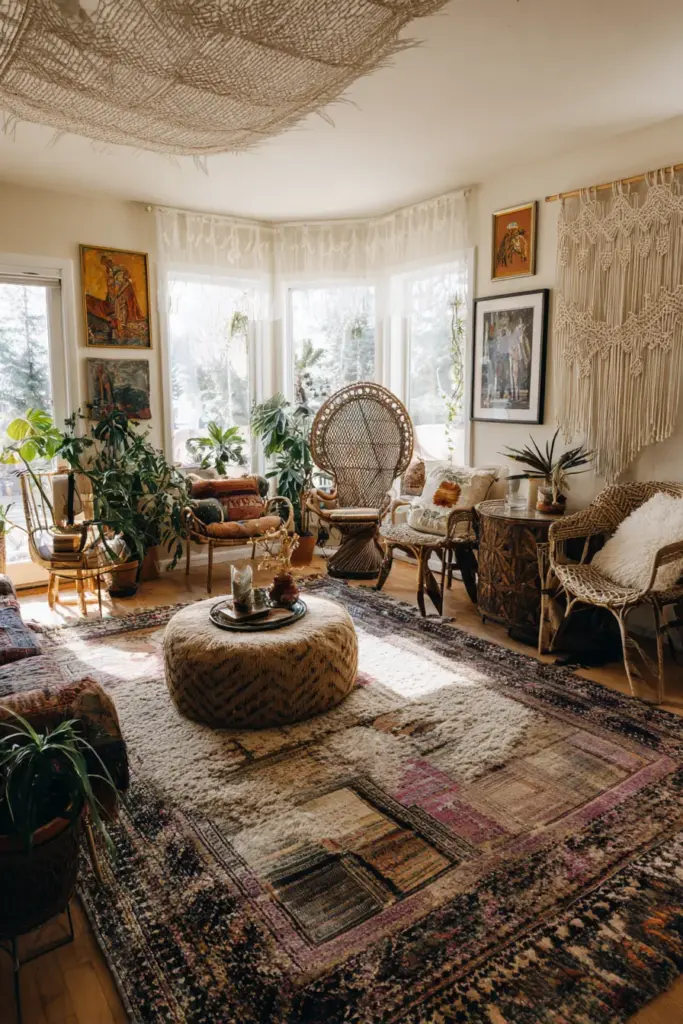
The vessel matters as much as the plant. Matte ceramic, terracotta, or handwoven rattan pots in whites, creams, charcoals, and earthy browns maintain minimalist aesthetics. Avoid bright colors or busy patterns.
Kokedama—moss balls with plants nestled inside—brings traditional Japanese craft into modern spaces. Hang near windows or display on shallow ceramic trays.
Choose 2–3 pot styles and repeat them throughout your space. Restraint creates rhythm; mixing too many textures feels chaotic.
Placement Strategies for Small Living Rooms
In compact rooms, vertical space is your ally. Floating shelves, tall plant stands, and wall-mounted planters make ceilings feel higher.
Group in odd numbers—one large floor plant or three small shelf plants—for visual balance. Negative space matters. Don’t fill every surface. A single Snake Plant beside a sofa, a Pilea on a side table, and trailing Pothos on a bookshelf create breathing room.
Light zones: Position plants based on needs, not just aesthetics. Snake Plants and ZZ Plants tolerate dim corners; Pileas and String of Hearts need brighter spots.
Budget-Friendly Sourcing in the Philippines
Divisoria markets in Manila offer starter plants for ₱50–₱200—Pothos, Snake Plants, and small succulents are widely available.
Online platforms like Lazada and Shopee feature sellers shipping nationwide. Search “small indoor plants bundle” for deals under ₱500 for 3–4 varieties.
Local nurseries in Calabarzon (Tagaytay, Silang, Lipa) often price plants lower than Manila shops. Weekend drives yield terracotta pots and mature plants at accessible rates.
Propagation DIY: Pothos, String of Hearts, and Pilea propagate easily from cuttings. Root them in water on your windowsill, then pot in well-draining soil after 2–3 weeks—free and sustainable.
Care Tips for Tropical Philippine Climate
The Philippines’ high humidity and warmth create unique advantages for houseplant care. Adjusting routines to tropical conditions ensures thriving greenery.
Humidity and Watering
While most plants benefit from Philippine humidity, overwatering becomes a risk when soil stays damp longer. Reduce watering frequency by 20–30% compared to temperate guides. Check soil moisture with your finger—if the top 2″ feels damp, wait.
For plants craving more humidity (ferns), pebble trays work beautifully. Fill a shallow dish with stones, add water just below stone tops, and set pots on top.
Light Adjustments
Bright indirect light in the Philippines means placing plants 3–6 feet from south-facing windows behind sheer curtains. Our equatorial sun is intense.
East-facing windows offer ideal morning light: gentle, bright, and warm without scorching. West-facing windows can burn sensitive leaves unless filtered.
Soil and Drainage
Heavy rains demand exceptional drainage. Mix potting soil with perlite or coarse sand (1:1 ratio). Terracotta pots breathe better than plastic, allowing roots to dry between waterings—reducing rot risk.
Sustainability and Eco-Conscious Choices
Japandi’s philosophy embraces sustainability—choosing plants and materials that respect the earth.
Locally propagated plants from Philippine nurseries carry lower carbon footprints than imports. Prioritize regionally grown varieties over exotic specimens shipped internationally.
Eco-friendly pots: Swap plastic planters for rattan, bamboo, or terracotta—all biodegradable or recyclable. Philippine artisans craft beautiful woven rattan planters that reduce waste and honor traditional craft.
Propagation over purchasing: Growing plants from cuttings eliminates packaging waste. A single Pothos vine can yield a dozen new plants—share with friends to spread both greenery and sustainability.
Key Takeaways: Small Japandi Living Room Plants Checklist
- Choose sculptural, low-maintenance plants: Pilea, ZZ Plant, Snake Plant, Peperomia, and Peace Lily top the list for compact Japandi spaces.
- Prioritize pet safety: Opt for non-toxic varieties (Pilea, Peperomia, String of Hearts) if you have cats or dogs.
- Style with neutral pots: Matte ceramic, terracotta, or rattan in whites, creams, and charcoals maintain minimalist aesthetics.
- Embrace vertical space: Use floating shelves, plant stands, and trailing varieties to maximize small living rooms.
- Adjust care for humidity: Reduce watering frequency in tropical climates; ensure excellent drainage with perlite-enriched soil.
- Source sustainably: Buy from local Philippine nurseries, propagate cuttings, and choose eco-friendly pots.
- Less is more: Limit plants to 3–5 well-chosen varieties; negative space enhances Japandi’s calm vibe.
- Match light to plant needs: Snake Plants and ZZ Plants for low light; Pilea and String of Hearts for brighter spots.
Bringing It All Together
There’s a quiet ritual in watering plants before morning coffee—the way water darkens soil, the shift from task to meditation. In small Japandi living rooms, plants become daily anchors, reminding us to slow down and notice light shifting across leaves.
You don’t need endless square footage to cultivate this calm. A single Pilea on a wooden shelf, a ZZ Plant’s glossy stems catching afternoon glow—these small gestures accumulate into atmosphere, into home. Start with one plant that speaks to your light and lifestyle, then let your collection grow with intention.
That’s the heart of Japandi: not perfection, but just enough.
Frequently Asked Questions
What are the best small plants for Japandi living rooms?
The top choices are Pilea Peperomioides, Snake Plant (dwarf varieties), ZZ Plant, Peperomia, and Peace Lily. These plants stay compact (under 12–18u0022), offer sculptural forms, and thrive with minimal care—perfect for Japandi’s clean, functional aesthetic.
Which low-maintenance plants fit Japandi style in small spaces?
Snake Plants, ZZ Plants, and Pothos lead in low maintenance. All tolerate low light, infrequent watering (every 2–3 weeks), and neglect without wilting. Their glossy leaves and upright or trailing forms suit minimalist Japandi interiors beautifully.
How do I style indoor plants for Japandi aesthetic in apartments?
Use neutral pots (matte ceramic, terracotta, rattan) in whites, creams, or charcoals. Place plants on floating shelves, low side tables, or trailing from macramé hangers. Group in odd numbers (1 or 3) and leave negative space—avoid overcrowding surfaces to maintain Japandi’s serene simplicity.
Are there Japandi plants under ₱500 for tiny living rooms?
Yes—Pothos, small Snake Plants, Peperomia, and Pilea are widely available in Philippine markets (Divisoria, Lazada, Shopee) for ₱100–₱500. Bundle deals often offer 3–4 starter plants under ₱500, making Japandi greenery accessible on any budget.
What low-light tolerant plants work in Japandi homes?
Snake Plants and ZZ Plants excel in low light, surviving on ambient room brightness 10+ feet from windows. Pothos also tolerates dim corners, though growth slows. Peace Lilies thrive in low to medium light, making them versatile for north-facing rooms or shadowy nooks.