
Table of Contents
Welcome home to a quieter kind of beauty.
If you’re navigating the world of small living rooms, you’ve likely felt the overwhelm—too many styles, too many rules, and not enough space to breathe. But what if your tiny sanctuary could feel both serene and warm, minimal yet lived-in? That’s where Japandi steps in, bridging the meditative calm of Japanese design with Scandinavian coziness in a way that feels just right for compact spaces.
In this guide, we’ll walk through how Japandi compares to other beloved styles—Scandinavian, minimalist, boho, Nordic, and even modern farmhouse. We’ll explore the textures, the light, the feeling each brings to a small room, and why Japandi often emerges as the gentle winner for those craving both simplicity and soul.
Let’s find the style that truly fits your space—and your life.
What Makes Japandi Different in Small Spaces?
Japandi isn’t just a trend; it’s a philosophy woven from two design traditions that honor restraint, craftsmanship, and natural beauty.
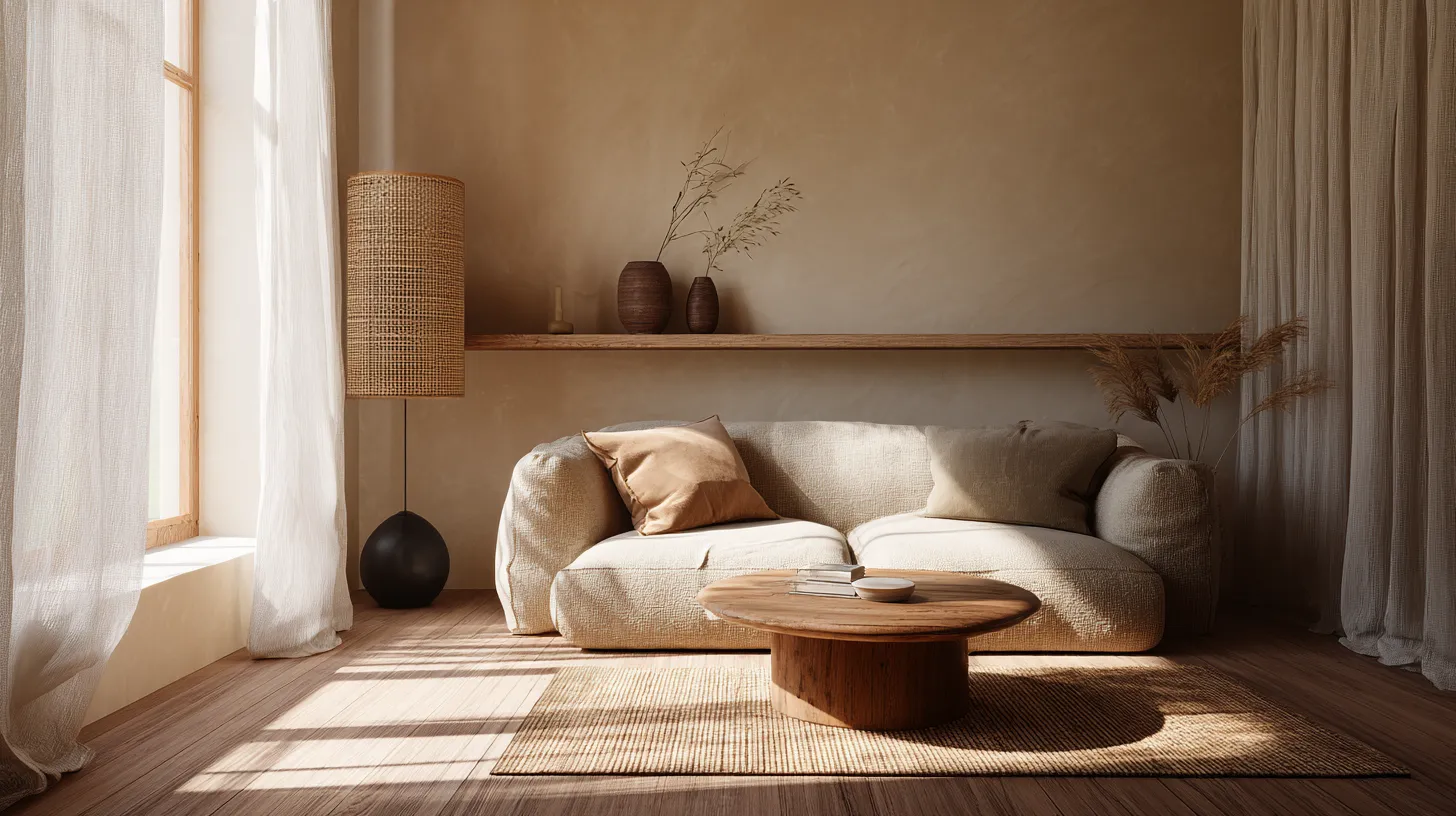
At its core, Japandi blends the wabi-sabi imperfection of Japanese aesthetics—celebrating handmade ceramics, raw wood grain, asymmetry—with Scandinavian hygge, that cozy warmth found in soft textiles and candlelight. The result? A living room that feels edited but never cold, functional but never sterile.
In small spaces, this balance is everything. Low-profile furniture elongates sight lines, neutral palettes open up walls, and multifunctional pieces (think storage ottomans, nesting tables) keep clutter at bay. Unlike styles that lean too stark or too busy, Japandi breathes.
Small Japandi Living Room vs Scandinavian Style
The Overlap and the Departure
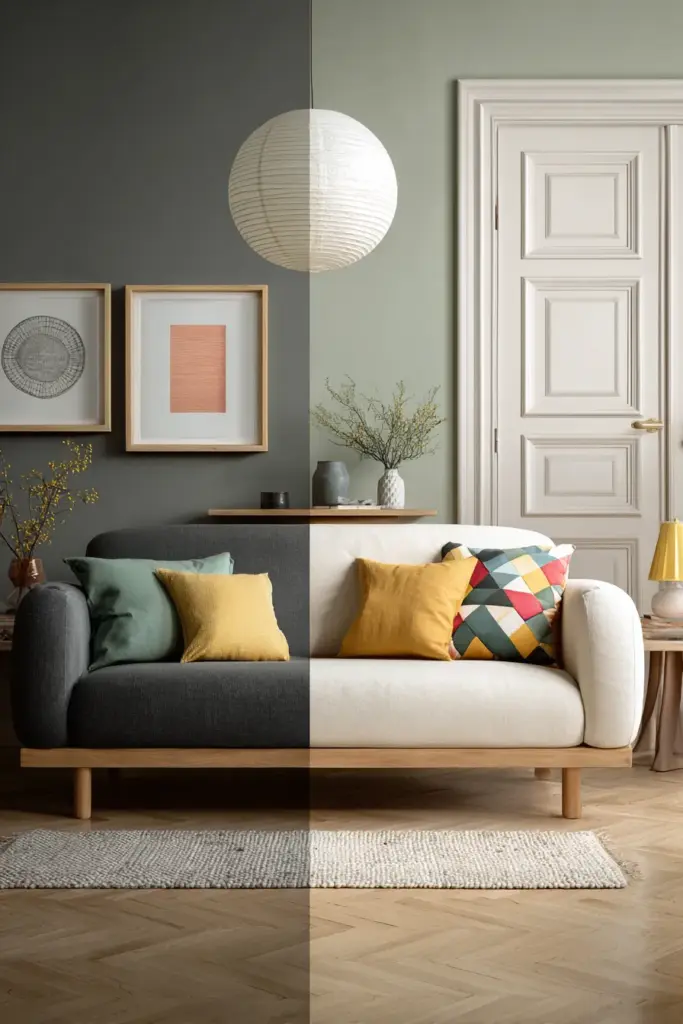
Scandinavian design is Japandi’s closest cousin—both love light woods, clean lines, and airy whites. But here’s where they diverge.
Scandi leans brighter and more playful, welcoming pops of pastels, graphic prints, and a touch of maximalism through layered textiles. Japandi pulls back, favoring deeper neutrals—charcoal, warm taupe, muted greens—and a quieter material palette rooted in earth tones. Where Scandi might add a colorful throw pillow, Japandi chooses linen in oatmeal or clay.
Furniture and Form
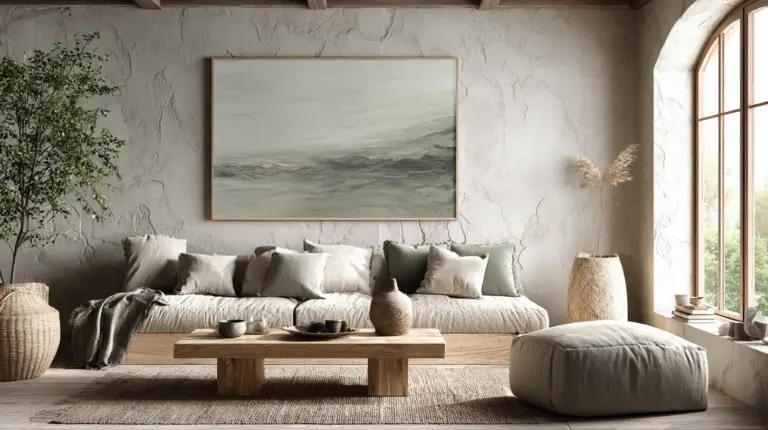
In a small Scandinavian living room, you might find a mid-century modern sofa with tapered legs and a bright wool rug. Japandi opts for lower seating—a platform sofa or floor cushions—that visually expands vertical space. Studies suggest low furniture can create an optical illusion of up to 20-30% more perceived height in compact rooms.
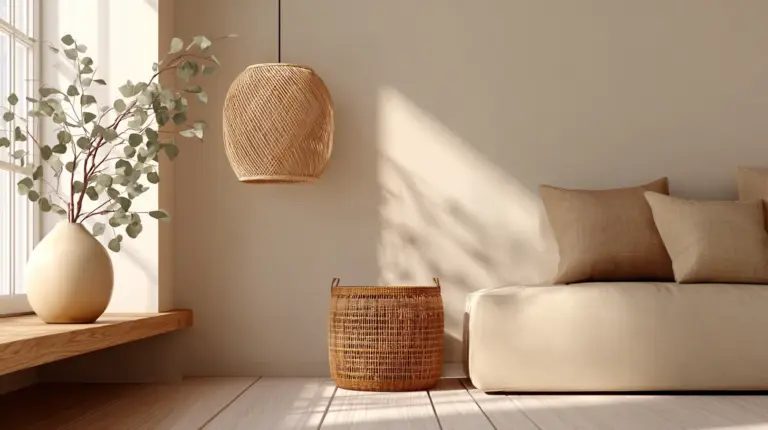
Lighting also tells the story. Scandi loves pendant lamps and bold fixtures; Japandi prefers soft, diffused light through paper lanterns, woven shades, or simple ceramic table lamps. Both styles declutter, but Japandi takes it further with intentional emptiness—ma, the Japanese concept of negative space—that lets each object breathe.
When to Choose Which
Choose Scandinavian if you crave brightness, playful touches, and a lively social space. It’s perfect for renters who want easy-to-find, budget-friendly pieces (think IKEA meets vintage finds) and don’t mind a bit of visual energy.
Choose Japandi if you’re seeking meditation over stimulation, if you value handcrafted quality over quantity, and if your small living room is your retreat from the world. Japandi reduces visual stress by an estimated 25% compared to busier minimalist styles, according to environmental design studies.
Small Japandi Living Room vs Minimalist Style
The Warmth Factor
Minimalism strips down to essentials—sleek surfaces, monochrome palettes, zero ornamentation. It’s clean, it’s disciplined, but in a small space, it can feel austere.
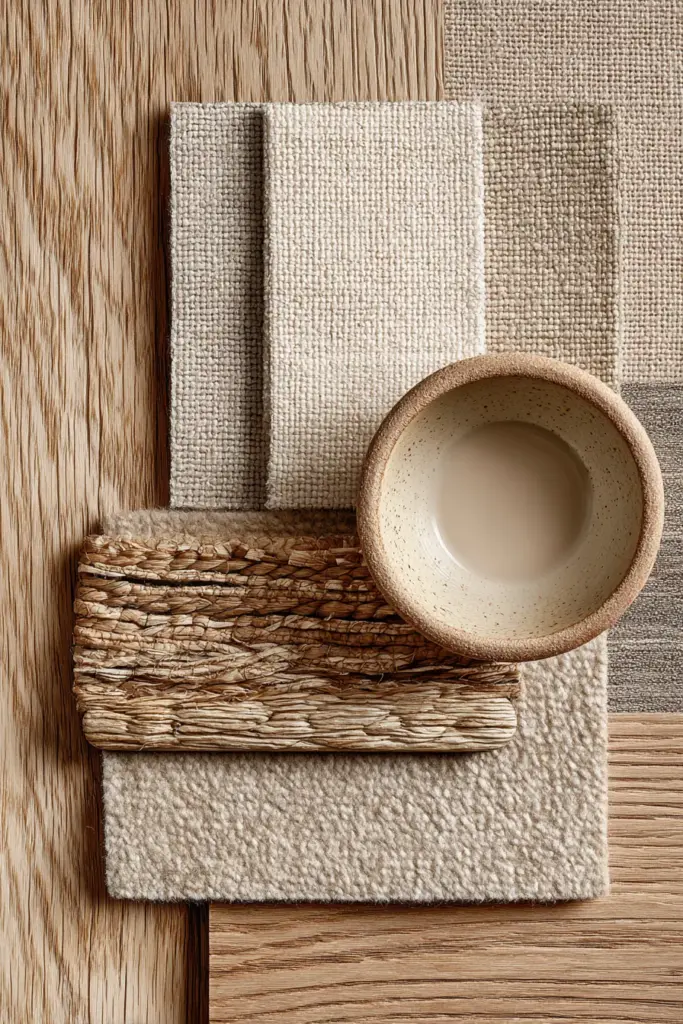
Japandi shares minimalism’s love of “less,” but warms it with texture and materiality. Where minimalism might choose a white leather sofa, Japandi selects a linen-upholstered daybed in sand. Where minimalism uses glass and metal, Japandi brings in bamboo, rattan, and unfinished wood.
Sensory Experience
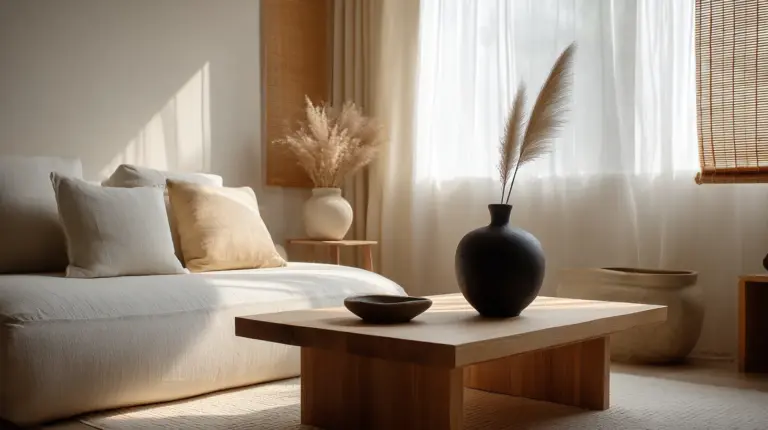
Step into a minimalist room and you notice the silence, the shine, the precision. Step into a Japandi room and you feel it—the grain of a live-edge coffee table under your fingertips, the softness of a handwoven rug, the gentle scent of hinoki wood or a ceramic incense holder.
For small living rooms, this sensory richness prevents the space from feeling empty or cold. Japandi proves you can have few things and still feel held.
Cost Comparison for Small Spaces
| Style | Estimated Budget (150 sq ft) | Key Investments |
|---|---|---|
| Minimalist | ₱25,000–₱60,000 | High-gloss furniture, statement art, designer lighting |
| Japandi | ₱20,000–₱55,000 | Quality wood pieces, natural textiles, artisan ceramics |
Japandi often costs less in the Philippines when you source locally—upcycled narra furniture from Silang markets, handwoven abaca baskets, bamboo blinds. Minimalism’s reliance on imported materials can inflate costs.
When to Choose Which
Choose Minimalist if you thrive in stark simplicity, if you’re hyper-organized, and if you want a gallery-like backdrop for statement art or architecture.
Choose Japandi if you want minimalism’s clarity but can’t sacrifice warmth. It’s ideal for humid climates like the Philippines, where natural, breathable materials (linen, cotton, bamboo) regulate comfort better than synthetic minimalist staples.
Small Japandi Living Room vs Boho Style
The Aesthetic Polarity
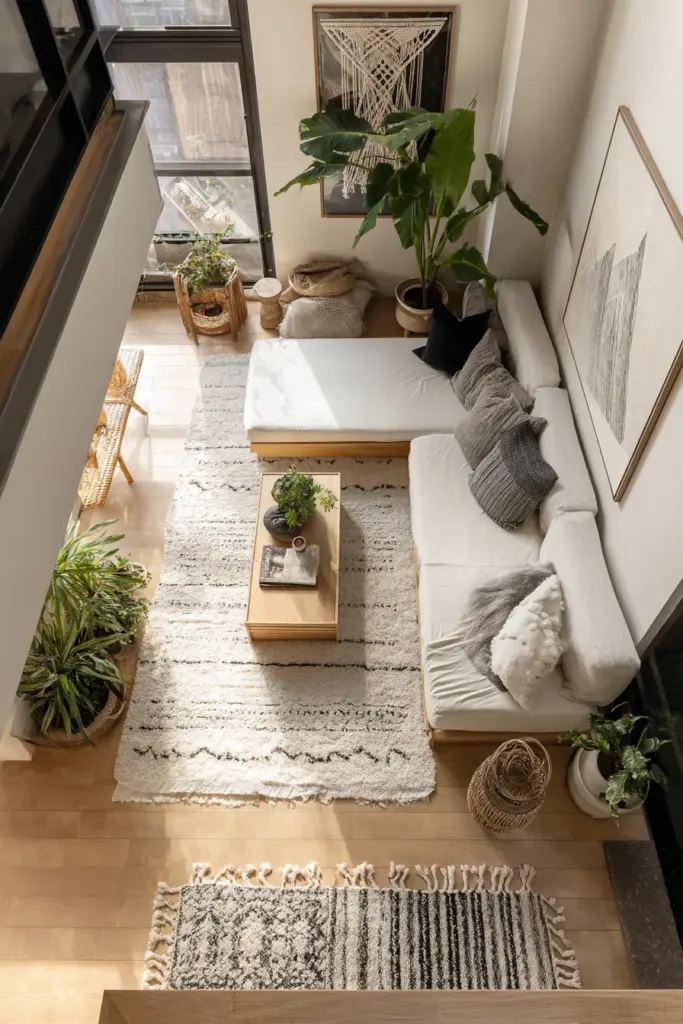
Boho celebrates eclectic abundance—macramé wall hangings, patterned poufs, vintage rugs layered three deep, plants spilling from every corner. It’s joyful and personal, but in a small living room, it can overwhelm quickly.
Japandi is boho’s opposite: one plant instead of ten, one textile with quiet texture instead of five in competing patterns. Yet both styles share a love of natural materials and handmade objects; they just express it differently.
Practical Considerations
In a 20-square-meter apartment, boho’s “more is more” philosophy often leads to visual clutter and physical congestion. Japandi’s restraint—multifunctional furniture like a low platform bed doubling as seating, vertical storage hidden behind sliding shoji-style panels—maximizes usable space.
That said, boho brings personality instantly, while Japandi requires patience. Curating a Japandi room means selecting each piece intentionally, which can feel slow but results in a timeless space that won’t need constant updates.
Comparison at a Glance
| Feature | Japandi | Boho |
|---|---|---|
| Color Palette | Neutrals: beige, charcoal, muted green | Earth tones + vibrant accents: terracotta, mustard, jewel tones |
| Furniture | Low-profile, clean lines, multifunctional | Layered, vintage, mismatched |
| Decor Density | Minimal, intentional | Abundant, eclectic |
| Best For | Stress reduction, calm routines | Creative expression, social gatherings |
| Renter-Friendly? | Yes (no-drill solutions, modular) | Moderate (requires wall hangings, anchoring) |
When to Choose Which
Choose Boho if you’re a collector at heart, if your small living room is also your creative studio, and if you find energy in color and pattern.
Choose Japandi if sensory overload drains you, if you work from home and need a calming backdrop, or if you’re in a rental where you can’t paint walls—Japandi’s neutral base works with any existing architecture.
Small Japandi Living Room vs Nordic Style
Subtle Distinctions
Nordic design is often used interchangeably with Scandinavian, but it leans slightly colder—think Icelandic minimalism, Norwegian cabin simplicity. It’s functional, durable, and rooted in harsh-climate practicality.
Japandi softens Nordic’s edges. Where Nordic might use stark white walls and black accents for drama, Japandi opts for warmer whites (cream, eggshell) and softer blacks (charcoal, deep brown). Both love wood, but Nordic favors lighter ash and birch, while Japandi embraces darker walnut and teak.
Material Focus
Nordic design prioritizes insulation and warmth through wool blankets, sheepskin throws, and heavy curtains. Japandi uses cotton, linen, and jute—lighter textiles suited to year-round comfort, especially in tropical or temperate climates.
For small Filipino living rooms dealing with humidity, Japandi’s breathable materials prevent that stuffy, overheated feeling common with Nordic’s denser fabrics.
When to Choose Which
Choose Nordic if you live in a genuinely cold climate, if you need robust furniture for high use, and if you love the stark beauty of winter landscapes.
Choose Japandi if you’re in a warmer region, if you prioritize ventilation and light, and if you want flexibility—Japandi’s lighter aesthetic adapts to seasonal changes without heavy investment.
Small Japandi Living Room vs Modern Farmhouse
The Country Divide
Modern farmhouse brings rustic charm—shiplap walls, distressed wood, metal accents, and cozy clutter like open shelving stacked with dishes and plants. It’s inviting but can read busy, especially in small urban apartments where the “farmhouse” reference feels disconnected.
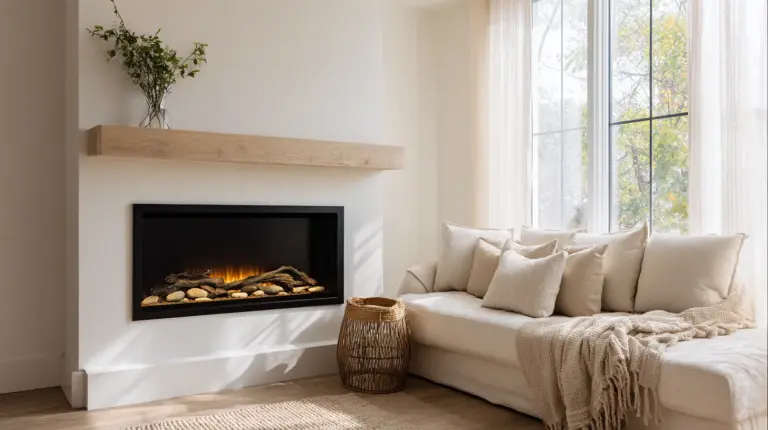
Japandi shares the love of natural wood and handmade objects but strips away the rustic theatrics. Instead of distressed finishes, Japandi celebrates smooth, oiled woods that show grain honestly. Instead of decorative clutter, it focuses on functional beauty—a single ceramic vase, a woven basket for storage.
Urban Adaptability
Modern farmhouse thrives in suburban homes with space for farmhouse sinks and barn doors. In a 25-square-meter condo, it can feel forced. Japandi, by contrast, was born for small spaces—Japanese homes average far smaller than Western counterparts, and the style’s DNA is efficiency.
When to Choose Which
Choose Modern Farmhouse if you have square footage to spare, if you love entertaining and want a lived-in, homey vibe, and if your space has architectural quirks (exposed beams, brick) to lean into.
Choose Japandi if you’re working with limited space, if you value quiet sophistication over country charm, and if you want a style that ages gracefully without feeling dated.
Essential Checklist: Styling Your Small Japandi Living Room
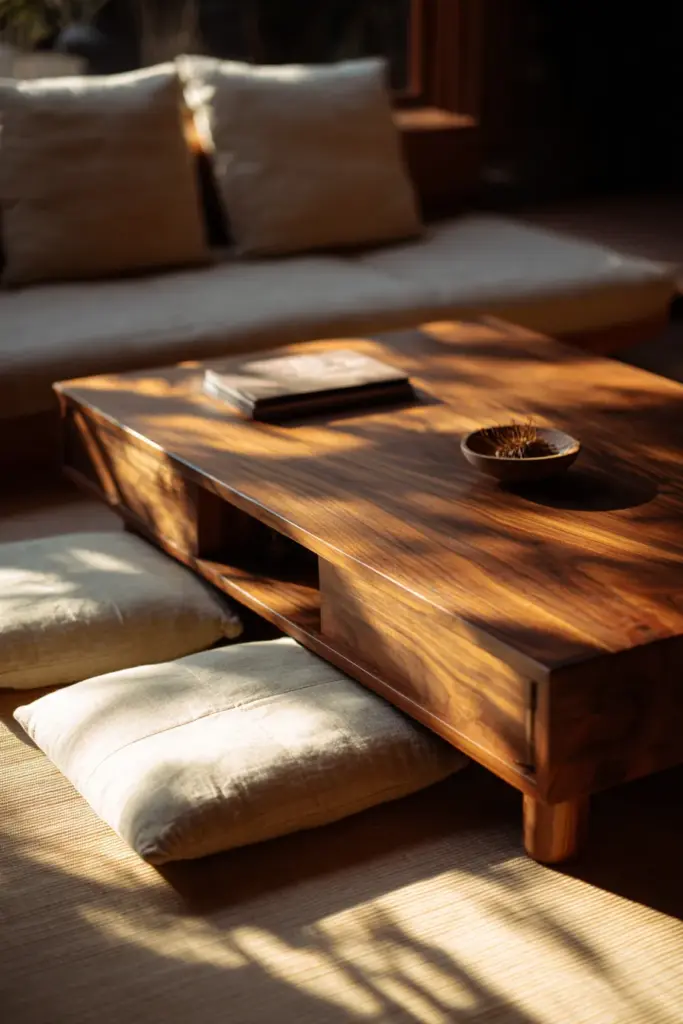
- Furniture: Low-profile sofa or daybed, multifunctional coffee table (storage inside), floor cushions for flexible seating
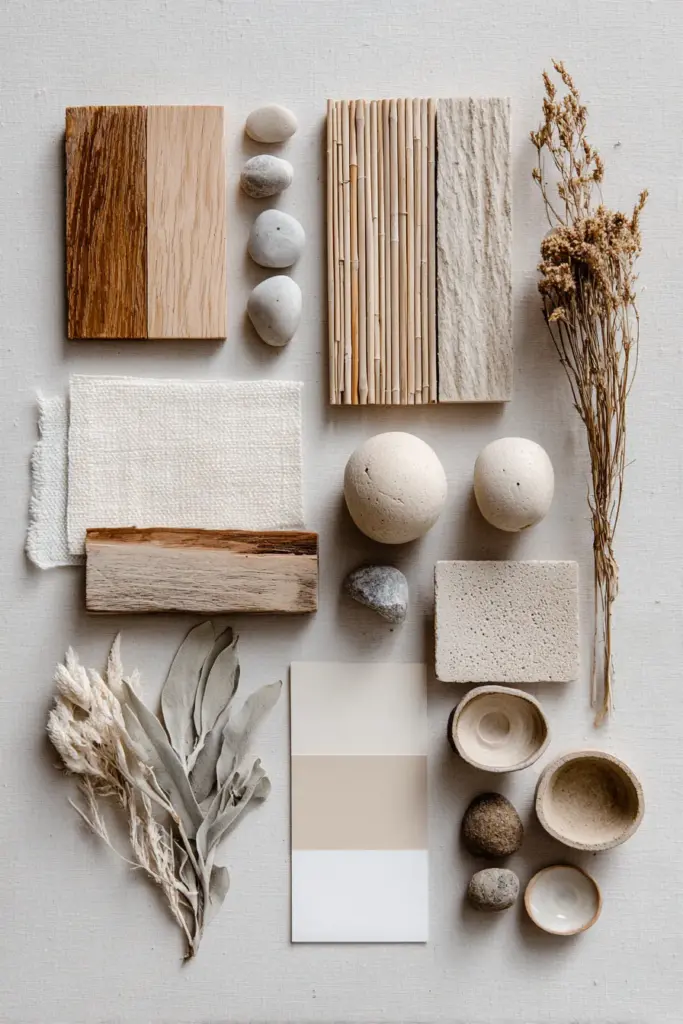
- Materials: Natural woods (walnut, oak, bamboo), linen and cotton textiles, ceramic and stoneware accents
- Colors: Neutral base (beige, warm gray, cream) with muted accents (sage, charcoal, soft clay)
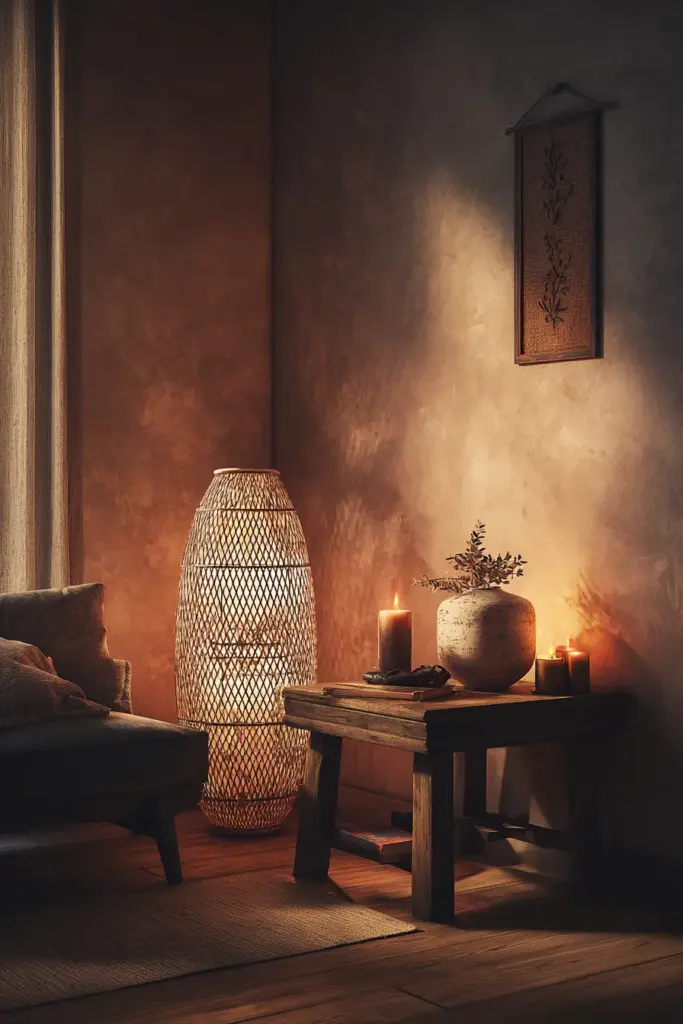
- Lighting: Layered and soft—paper lanterns, ceramic table lamps, dimmer switches for ambiance
- Storage: Hidden or minimal—floating shelves, woven baskets, built-in cabinetry painted to match walls
- Decor: Edited and intentional—one statement plant (snake plant, rubber tree), handmade pottery, natural fiber rug
- Negative Space: Leave walls and surfaces mostly empty; let each piece stand out
- Texture Over Pattern: Favor tactile materials (linen, jute, raw wood) over busy prints
Why Japandi Often Wins for Small Living Rooms
After comparing styles, a pattern emerges: Japandi’s unique blend of simplicity and warmth makes it exceptionally suited to compact living.
It doesn’t demand perfection like minimalism, doesn’t risk clutter like boho, and doesn’t rely on climate-specific elements like Nordic. It’s flexible, timeless, and—crucially—calming. In a world that feels increasingly chaotic, a small Japandi living room becomes a refuge.
Research in environmental psychology suggests that spaces incorporating natural materials, neutral tones, and intentional minimalism can reduce cortisol levels and improve focus. For those working from home or living in dense urban areas, that’s not just aesthetic—it’s wellness.
Bringing It Home: Your Next Steps
Choosing a style isn’t about following trends; it’s about understanding what your space—and you—truly need.
If your small living room is a place to unwind after long days, where you sip tea and listen to rain on the window, Japandi will hold you. If it’s a vibrant gathering spot for friends and creative projects, boho might be your match. If you crave crisp simplicity and can live with starkness, minimalism beckons.
Start small. Swap one busy piece for something quiet and natural. Notice how you feel. Let your living room become a conversation between who you are and what brings you peace.
And remember: the best style is the one that lets you breathe.
Frequently Asked Questions
What is the main difference between Japandi and Scandinavian style?
Japandi blends Japanese minimalism with Scandinavian warmth, using deeper neutrals, lower furniture, and wabi-sabi imperfection. Scandinavian leans brighter with pastels, mid-century modern pieces, and a bit more playful decor. Japandi feels quieter and more meditative.
Is Japandi more expensive than minimalist or boho styles?
Not necessarily. Japandi emphasizes quality over quantity but often costs less in regions like the Philippines where natural materials (bamboo, rattan, local hardwoods) are affordable. Minimalism’s reliance on imported designer pieces can be pricier, while boho’s layered approach requires buying more items overall.
How do I make a small Japandi living room feel warmer?
Layer natural textures—linen cushions, jute rugs, woven baskets—and choose warmer neutrals like beige, cream, and warm gray instead of stark white. Add soft, diffused lighting through paper lanterns or ceramic lamps, and incorporate one or two plants for life and color.
Can Japandi work in a rental apartment?
Absolutely. Japandi is renter-friendly because it relies on furniture and decor rather than permanent changes. Use no-drill solutions like tension rods for curtains, freestanding shelves, and modular furniture. Neutral tones work with any existing wall color or flooring.
What are must-have pieces for a small Japandi living room?
Start with a low-profile sofa or daybed, a multifunctional coffee table with storage, and layered lighting (floor lamp, table lamp, candles). Add natural textiles like linen throws, one statement plant, and a few handmade ceramics or wooden accents. Keep surfaces mostly clear to honor negative space.