
Table of Contents
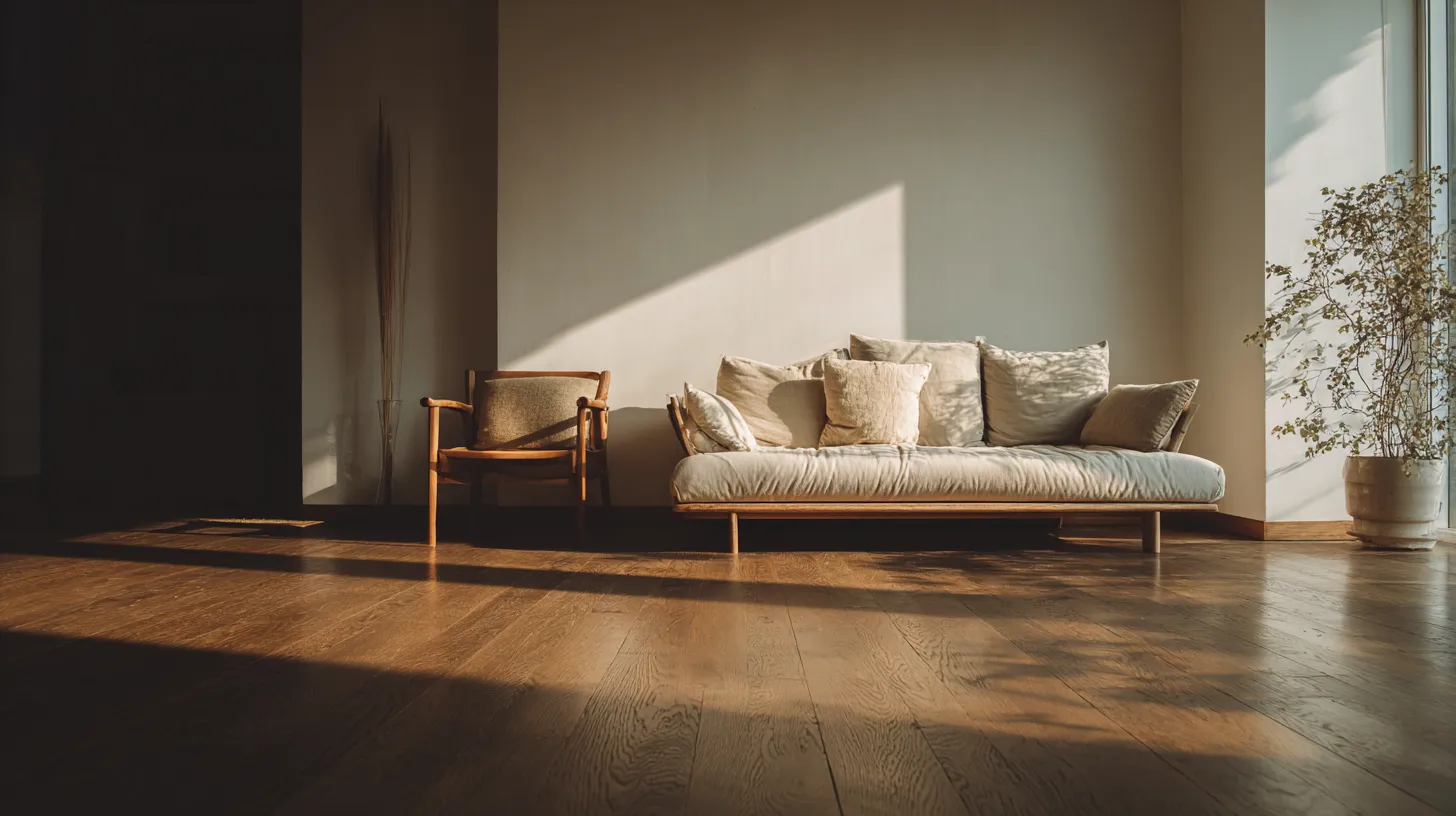
There is something deeply satisfying about a floor that feels as good as it looks. In a Japandi living room, the floor isn’t just a surface — it’s the foundation of a whole feeling. The quiet grain of oak underfoot, the cool smoothness of sealed concrete, the gentle give of cork on bare feet: each material tells its own story of warmth and intention.
But even the most beautiful Japandi floor needs protection to keep its soul intact. Sealing is the quiet act of care that lets your flooring breathe, endure, and stay true to its natural character for years to come.
This guide will walk you through everything you need to know about Japandi living room flooring sealing — from choosing the right eco-friendly sealant to applying it yourself with confidence. Whether you’re working with wide-plank oak, bamboo, cork, or concrete, we’ll help you preserve that soft, matte, lived-in-but-elevated aesthetic that defines Japandi style.
Let’s begin.
What Is the Best Flooring for a Japandi Living Room?
Before we talk about sealing, it helps to understand the materials most beloved in Japandi interiors — because each one calls for a different sealing approach.
Japandi design draws from both Scandinavian simplicity and Japanese wabi-sabi, favoring natural materials that age gracefully. The best flooring choices reflect this: engineered oak, solid bamboo, cork, concrete, and natural stone all carry the right spirit of quiet elegance.
| Flooring Type | Japandi Appeal | Sealing Priority |
|---|---|---|
| Engineered Oak | Warm grain, matte finish | High |
| Solid Bamboo | Light, sustainable, durable | High |
| Cork | Soft, sound-absorbing, eco-friendly | High |
| Concrete | Cool, minimal, modern | High |
| Natural Stone | Textured, earthy, timeless | Medium–High |
Each material benefits enormously from proper sealing — not just for durability, but to preserve the matte, organic finish that Japandi spaces are known for. A glossy seal would break the spell entirely.
How Do You Seal Wood Floors for a Matte Japandi Finish?
Understanding the Japandi Finish Philosophy
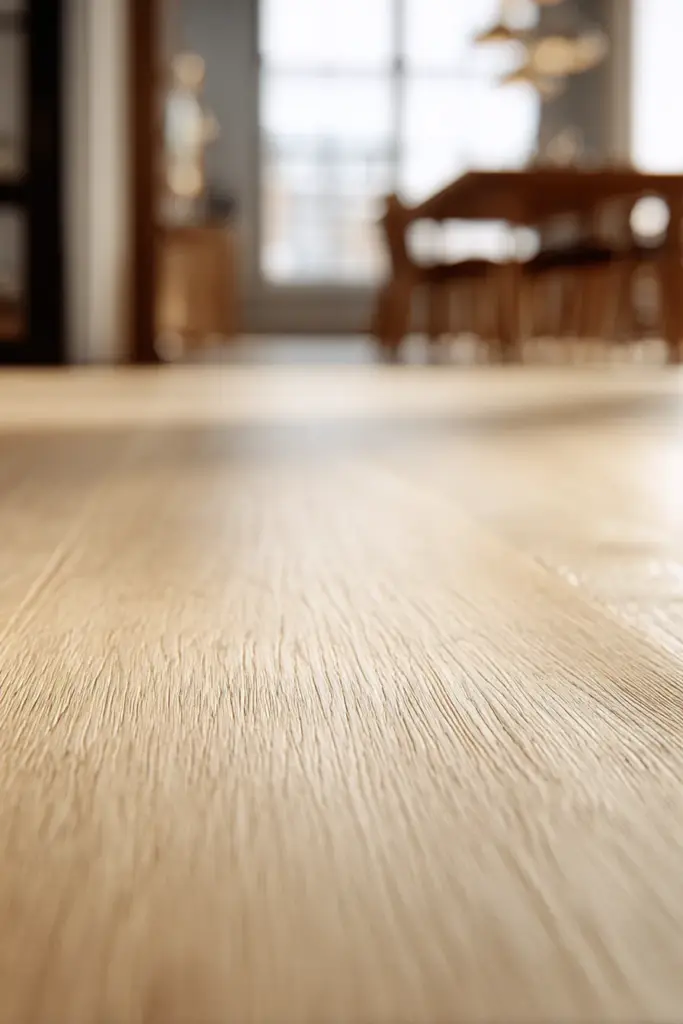
Glossy floors belong in another story. Japandi aesthetics call for finishes that look barely-there — a quiet sheen that lets the wood’s natural character come forward. Think matte, satin, or natural oil finishes, never high-gloss polyurethane.
The two most Japandi-aligned approaches to wood floor sealing are hardwax oils (like Osmo Polyx-Oil or Rubio Monocoat) and water-based matte polyurethane (like Bona Traffic HD in matte). Both offer durability while maintaining the wood’s natural warmth and subtle texture.
Step-by-Step: Sealing Your Wood Floors for a Japandi Look
What you’ll need:
- Hardwax oil or low-VOC matte water-based sealer
- Lambswool applicator or flat microfiber pad
- Fine-grit sandpaper (120–150 grit) for prep
- Clean cloths and painter’s tape
- Well-ventilated space
Step 1 — Prepare the Surface. Sand lightly with 120-grit sandpaper to open the grain and remove any existing residue. Vacuum thoroughly, then wipe with a barely-damp cloth. Let the floor dry completely — patience here is everything.
Step 2 — Apply the First Coat. Pour a small amount of your chosen sealer and spread it thinly with a lambswool applicator, working along the grain. Thin coats are better than thick ones — they penetrate deeper and dry more evenly.
Step 3 — Allow Full Drying Time. Hardwax oils typically need 8–12 hours between coats; water-based sealers dry in 2–3 hours. Don’t rush this step. Proper drying prevents cloudiness and peeling later.
Step 4 — Buff and Apply Second Coat. Lightly buff with a fine pad to smooth any raised grain, then apply a second thin coat. Most Japandi-style finishes need two coats; three coats for high-traffic areas.
Step 5 — Cure. Allow the floor to cure for 48–72 hours before replacing furniture. Use felt pads under all legs to protect the freshly sealed surface.
Best Sealers for Japandi Oak and Light Wood Floors
- Osmo Polyx-Oil (Raw or Matt) — a hardwax-oil favorite for its ultra-natural finish and durability
- Rubio Monocoat Oil Plus 2C — one-coat application, zero-VOC, stunning matte result
- Bona Traffic HD (Matte) — water-based, low-VOC, and beloved by professionals for its resilience
- AFM Safecoat Polyureseal BP — excellent for those with chemical sensitivities; low-odor and non-toxic
- Tung oil (pure) — a traditional, plant-based option with a naturally warm, hand-rubbed appearance
What Sealant Works Best for Bamboo or Cork in Japandi Designs?
Sealing Bamboo Floors the Japandi Way
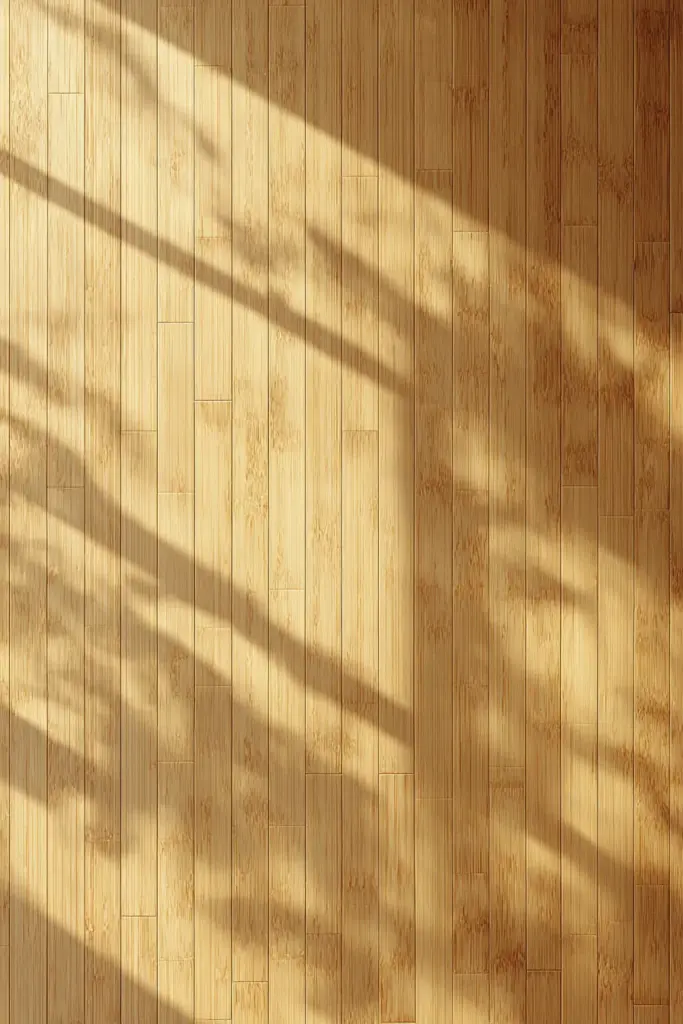
Bamboo is one of Japandi’s most beloved materials — rapidly renewable, beautifully pale, and structurally resilient. But bamboo is also sensitive to moisture, which makes sealing essential, especially in humid climates.
For bamboo, we recommend water-based polyurethane in matte or hardwax oil — both penetrate well without darkening the bamboo’s natural light tone. Avoid solvent-based sealers, which can yellow over time and shift that cool, barely-there color palette you’ve worked so hard to create.
If you live in a tropical or humid environment — like the Bicol region of the Philippines — tung oil is a particularly wise choice. Its natural antifungal properties help resist mold in humidity-prone spaces, making it both beautiful and practical.
Low-VOC bamboo sealant application tips:
- Apply in thin coats with a foam pad or lambswool applicator
- Work in a well-ventilated room or in the early morning before humidity rises
- Reapply edge sealer around doorways and baseboards — these areas receive the most moisture exposure
Sealing Cork Floors for Humidity Resistance
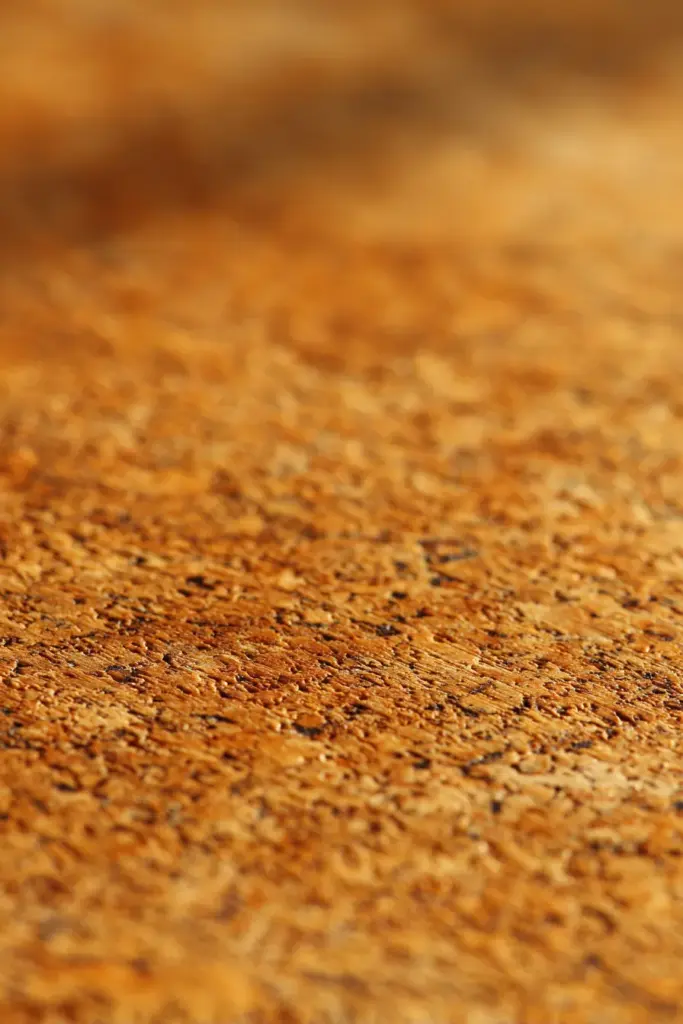
Cork is soft, warm, and wonderfully quiet underfoot — a sensory dream in a Japandi living room. But cork is porous, and without proper sealing, it absorbs moisture, stains, and pet scratches with alarming ease.
Polyurethane (water-based, matte) is the most effective sealer for cork, forming a protective film over the surface rather than soaking in. Apply 3 coats for high-traffic living rooms, and always seal the edges first where moisture tends to creep in.
For those concerned about pets or children, look for floor sealers with scratch-resistant additives — many water-based polyurethanes now include ceramic or aluminum oxide for extra toughness without sacrificing the matte finish.
Can Concrete or Stone Floors Be Sealed for Japandi Living Rooms?
Sealed Concrete: Minimal, Moody, Magnificent
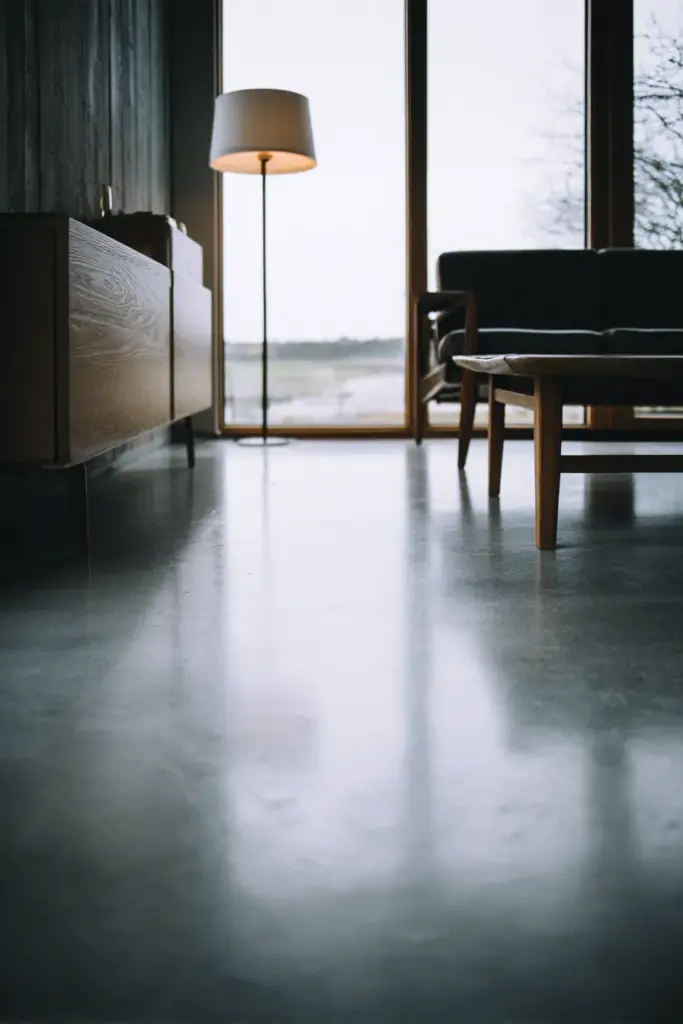
Polished concrete has a soul in Japandi spaces. Its cool, smooth surface reflects diffused light beautifully, and its neutral palette works effortlessly alongside natural linen, aged ceramics, and low wooden furniture.
To seal concrete for a Japandi living room, use a penetrating concrete sealer (silane or siloxane-based) for invisible protection, or a matte acrylic topcoat if you want a subtle surface sheen. Penetrating sealers are ideal for maintaining that raw, organic look — they protect from within without changing the surface’s appearance at all.
Steps for sealing concrete floors:
- Clean thoroughly — remove dust, grease, and any old sealer residue
- Repair cracks with a concrete patching compound; let cure fully
- Apply penetrating sealer with a roller or pump sprayer in two coats
- Allow 24 hours cure time per coat before use
Avoid high-gloss epoxy coatings in Japandi spaces — they create a shine that feels industrial rather than contemplative.
Sealing Stone Floors: Earthy and Enduring
Natural stone — travertine, slate, limestone — brings undeniable Japandi energy. Each piece is unique, textured, and rich with quiet imperfection.
Use an impregnating stone sealer (silicone or fluorocarbon-based) that protects against staining without altering color or sheen. Apply annually in high-traffic areas, or every 2–3 years in less-used spaces. The goal is always invisible protection — stone should look like stone, not lacquer.
How Often Should You Reseal Japandi Floors? Maintenance Tips and Schedule
Resealing Schedule by Floor Type
One of the most common questions we hear: how do I know when it’s time to reseal? The answer depends on your material, your foot traffic, and your climate.
| Floor Type | Resealing Frequency | Signs It’s Time |
|---|---|---|
| Hardwax-oiled oak | Every 1–3 years | Dull patches, water doesn’t bead |
| Water-based poly on bamboo | Every 3–5 years | Scratches, worn areas, dullness |
| Polyurethane on cork | Every 3–5 years | Discoloration, moisture absorption |
| Penetrating concrete sealer | Every 2–5 years | Staining, surface feels porous |
| Stone impregnator | Every 1–3 years | Water absorbed rather than beaded |
Everyday Maintenance to Extend the Life of Your Seal
- Sweep or dust-mop daily — fine grit is the enemy of sealed floors; it acts like sandpaper underfoot
- Use pH-neutral, wood-safe cleaners — harsh chemicals break down sealant films quickly
- Place natural fiber rugs in high-traffic zones; jute and wool are Japandi-perfect and protect your floors beautifully
- Control humidity indoors — keep levels between 40–60% to prevent cork and bamboo from swelling or shrinking
- Felt pads under all furniture — always, without exception
- Reapply hardwax oil spot treatment to worn areas between full resealing sessions
Small Space Sealing Tips for Japandi Renters
You don’t need to own your home to give it beauty. If you’re renting a small Japandi-inspired living room, there are still meaningful ways to protect and enhance your floors — within reason.
For renters, hardwax oils are the most renter-friendly option: they nourish and protect without permanently altering the floor, and they’re often acceptable to landlords. Always communicate with your landlord before applying any product, and patch test in a hidden corner first.
In small spaces, sealing the floor properly also creates the illusion of more room — a well-maintained floor reflects light evenly, making the space feel open and serene. Pair your sealed flooring with low furniture, cozy Japandi-inspired textiles, and natural lighting solutions for a small-space interior that breathes.
Eco-Friendly and Non-Toxic Sealing Options for Japandi Floors
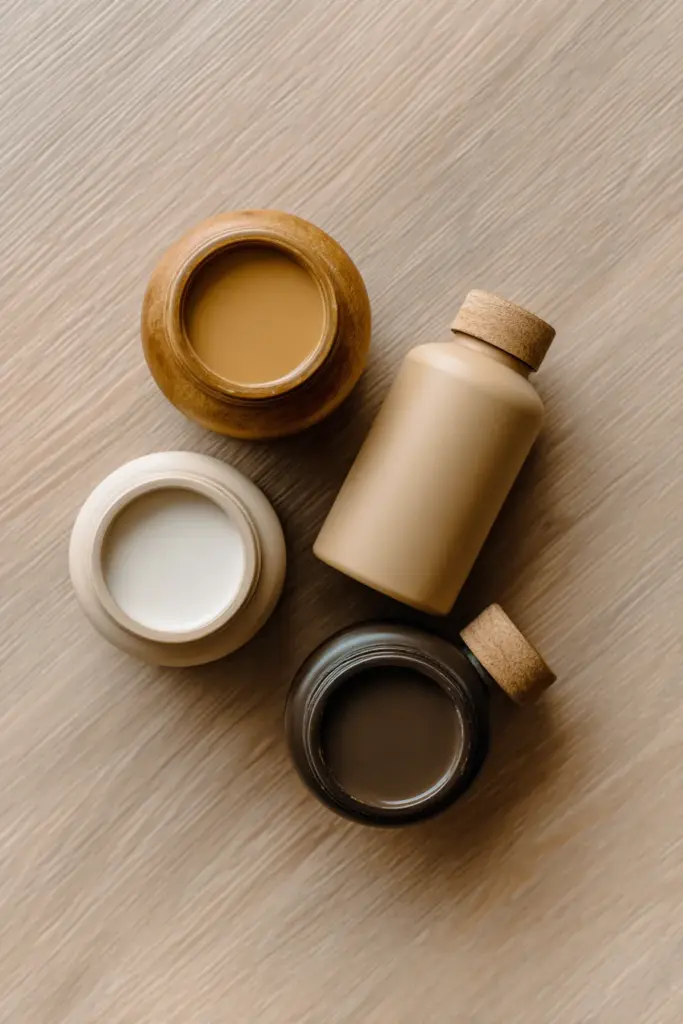
Japandi philosophy is rooted in respect for nature — and that extends to the products you bring into your home. Many conventional floor sealers contain volatile organic compounds (VOCs) that off-gas into your indoor air for weeks after application.
Zero-VOC and plant-based options to consider:
- Pure tung oil — derived from the tung tree nut; antifungal, water-resistant, and deeply nourishing
- Linseed oil (raw or boiled) — traditional, plant-based, and beautiful on wood and stone
- Rubio Monocoat — certified zero-VOC, made from plant-based oils
- AFM Safecoat — specifically designed for chemically sensitive individuals; no VOCs, no harsh solvents
- Osmo Polyx-Oil — low-VOC, solvent-free, made from natural waxes and oils
Your floor is where your family breathes and moves and rests. Choosing non-toxic sealers is one of the most meaningful ways to align your home’s health with your design values.
Cost Breakdown: DIY vs. Professional Sealing
Knowing what to budget helps you seal with confidence rather than anxiety.
| Approach | Estimated Cost (per sq ft) | Best For |
|---|---|---|
| DIY with hardwax oil | $0.50–$1.00 | Confident DIYers, renters, small spaces |
| DIY with water-based poly | $0.50–$1.50 | Medium rooms, moderate traffic |
| Professional sealing service | $2.00–$5.00 | Large areas, complex stone, high-end finishes |
Most Japandi living rooms of 150–300 sq ft can be sealed beautifully as a DIY project over a weekend, with materials costing $75–$250 depending on product choice. Professional services are worth considering for concrete polishing or large natural stone installations where precision matters.
Checklist: Key Takeaways for Japandi Floor Sealing
- Choose matte or satin finishes — never high-gloss; it breaks the Japandi aesthetic
- Select low-VOC or zero-VOC sealers to protect indoor air quality and the environment
- Hardwax oils (Osmo, Rubio Monocoat) are the most Japandi-aligned wood sealers
- Water-based polyurethane offers strong film protection for bamboo and cork
- Penetrating sealers keep concrete and stone looking raw and natural
- Tung oil is ideal for humid climates and bamboo floors prone to moisture
- Reseal every 1–5 years depending on material and traffic
- Maintain daily with pH-neutral cleaners and felt pads
- For renters, hardwax oils are the most reversible and landlord-friendly option
- Budget $0.50–$2.00/sq ft for DIY; up to $5.00/sq ft for professional services
A Soft Closing Thought
The most beautiful Japandi floors are the ones that have been loved carefully. Sealing isn’t just maintenance — it’s an act of attention, a quiet commitment to the materials you’ve chosen and the life you’re building around them.
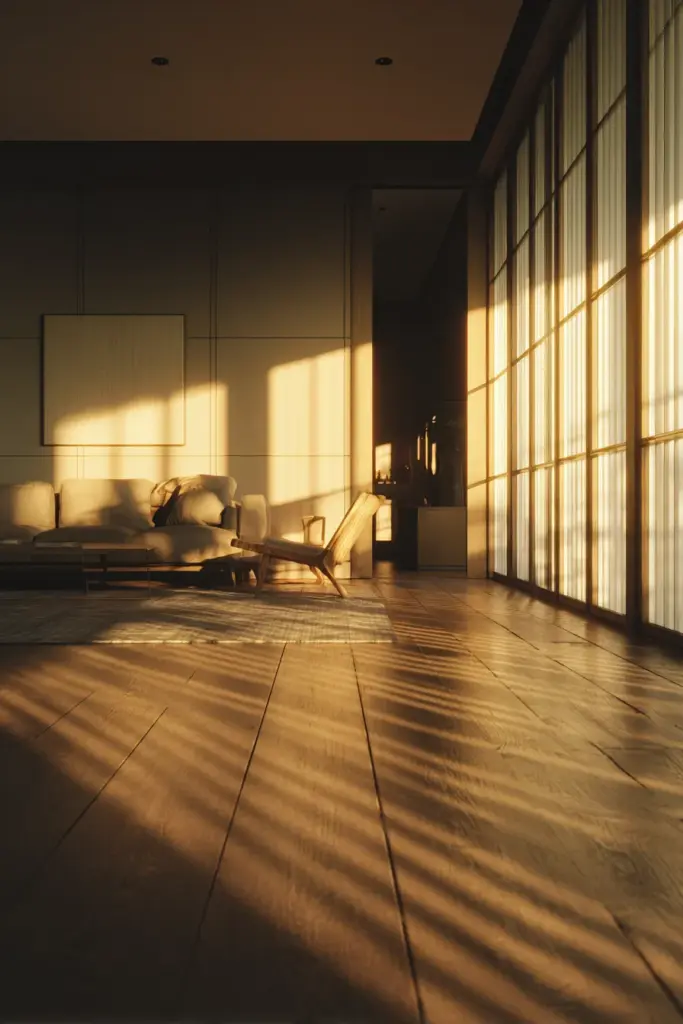
When the morning light falls across a well-sealed oak floor, or your bare feet meet perfectly conditioned cork on a Sunday afternoon, you’ll know: this is what intentional living feels like. Calm, enduring, and entirely yours.
From our home at ERYLIN to yours — may your floors carry beauty for years to come.
Frequently Asked Questions
What is the best flooring for a Japandi living room?
Engineered oak, bamboo, cork, and polished concrete are the top choices for Japandi living rooms. They offer natural texture, muted tones, and the organic warmth central to Japandi aesthetics. Each material responds beautifully to proper sealing and ages gracefully with care.
How do you seal wood floors for a matte Japandi finish?
Use a hardwax oil (like Osmo Polyx-Oil or Rubio Monocoat) or a water-based matte polyurethane (like Bona Traffic HD). Apply in thin coats with a lambswool applicator, allow full drying time between coats, and finish with a light buff. The result should be a barely-there sheen that lets the wood speak for itself.
What sealant works best for bamboo or cork in Japandi designs?
Water-based matte polyurethane works best for both bamboo and cork, offering strong protective film without yellowing or darkening the material. In humid climates, tung oil is also excellent for bamboo — its natural antifungal properties offer added protection against mold. Apply 2–3 coats and seal edges carefully.
Can concrete or stone floors be sealed for Japandi living rooms?
Yes — and beautifully so. Use a penetrating silane or siloxane-based sealer for concrete to keep the raw, natural look intact. For stone, choose an impregnating sealer that protects from within without altering color or sheen. Both approaches preserve the minimal, meditative quality central to Japandi design.
How often should you reseal Japandi floors?
The schedule depends on material and use. Hardwax-oiled wood floors benefit from resealing every 1–3 years; polyurethane-coated bamboo and cork last 3–5 years. Concrete and stone penetrating sealers typically need refreshing every 2–5 years. The best indicator: if water no longer beads on the surface, it’s time to reseal.