
Table of Contents
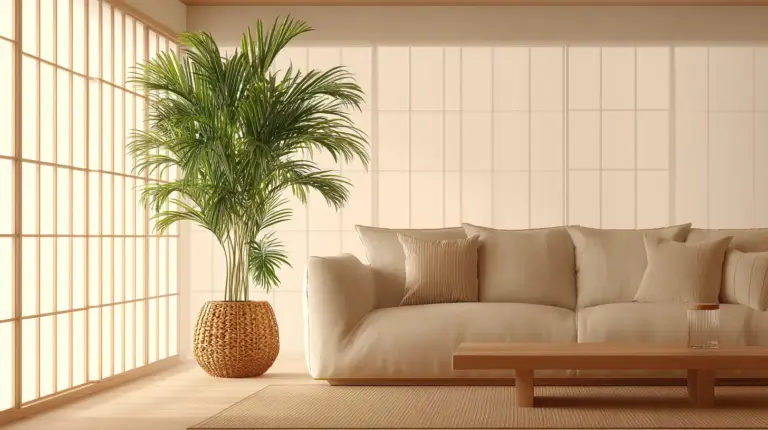
There’s a particular stillness that settles into a room when everything is just right. A clay pot catching the afternoon light. A single snake plant standing quiet against a linen-white wall. That feeling — unhurried, grounded, soft — is Japandi.
Japandi is more than a design trend. It’s the beautiful marriage of Japanese wabi-sabi philosophy and Scandinavian hygge warmth, and nowhere does it speak more softly — or more powerfully — than through the plants we keep and the pots we place them in.
This guide is your companion for choosing the right Japandi plant pots, pairing them with the right plants, and arranging them in ways that feel intentional without feeling fussy. Whether you’re working with a compact apartment or a sunlit sala, there’s a Japandi pot setup waiting for your space.
Let’s begin.
What Makes a Plant Pot “Japandi”?
Before we dive into materials and sizing, it helps to understand the soul of Japandi design. Less, but better. Natural, but considered. Imperfect, but beautiful precisely because of it.
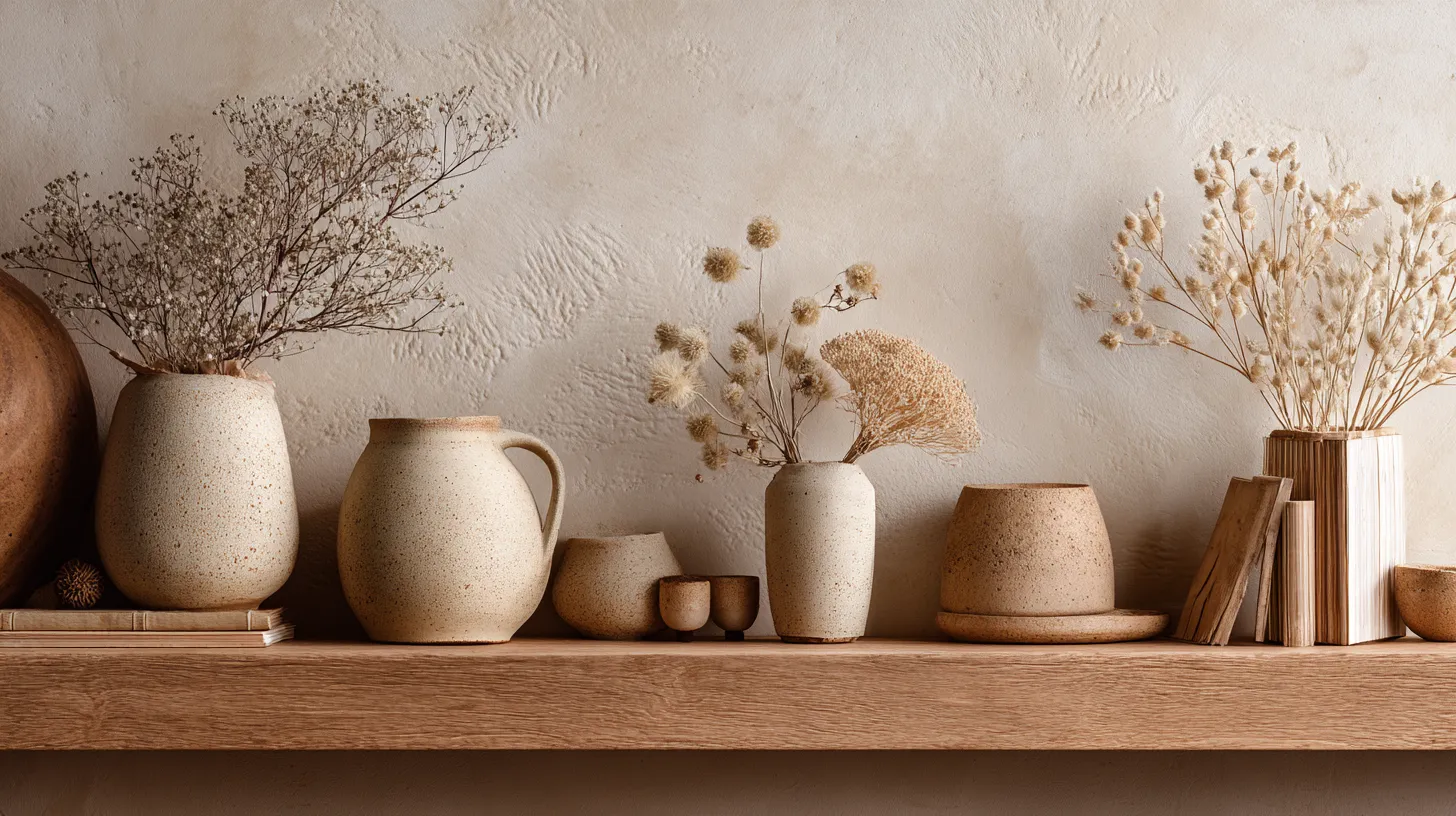
A Japandi plant pot doesn’t shout. It whispers. It has the quiet confidence of raw clay, the warmth of unglazed stoneware, the gentle irregularity of something made by hand. It doesn’t match perfectly — it harmonizes.
The Three Principles of Japandi Pots
1. Natural Materials Over Synthetic
Terracotta, unglazed ceramic, raw stoneware, woven seagrass, and matte clay — these are the materials of Japandi. They age gracefully, breathe alongside your plants, and anchor a room without overwhelming it.
2. Neutral, Earthy Color Palettes
Think warm whites, soft greys, sandy beiges, dusty sages, and deep charcoals. A Japandi pot never fights for attention. It exists in quiet conversation with its surroundings.
3. Wabi-Sabi Texture
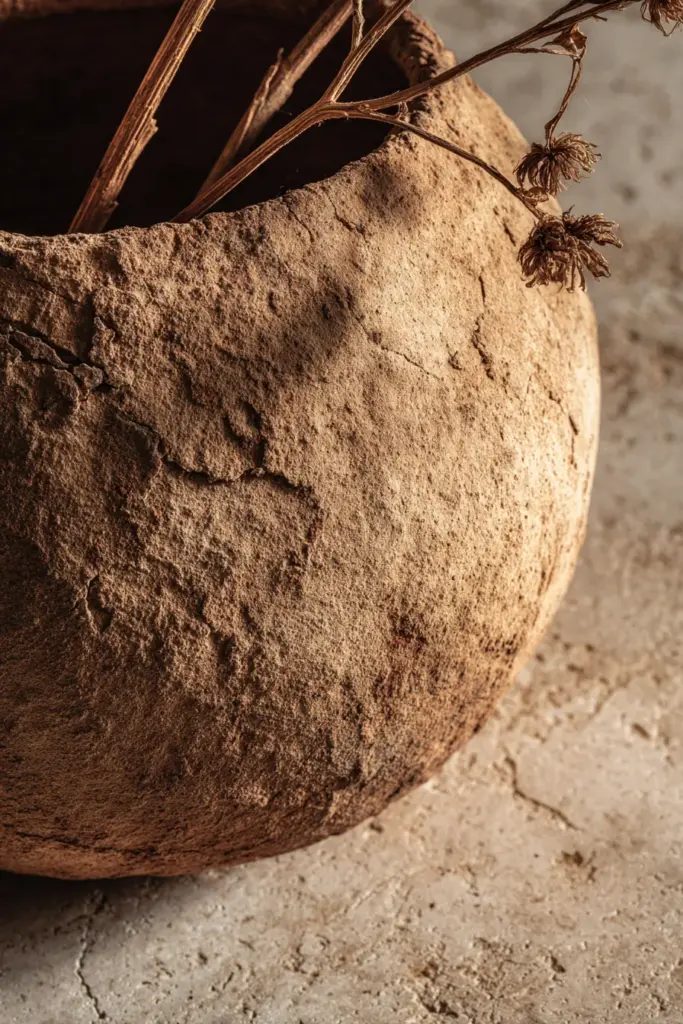
Wabi-sabi is the Japanese art of finding beauty in imperfection. A thumb-pressed dimple in clay, a slightly uneven rim, a glaze that pools unevenly — these are features, not flaws, in a Japandi aesthetic.
Japandi Plant Pot Materials Guide
Choosing the right material is the foundation of everything else. Each material carries its own texture, breathability, and visual weight — all of which affect both your plant’s health and your room’s feel.
| Material | Aesthetic | Best For | Humidity Resistance | Price Range (PHP) |
|---|---|---|---|---|
| Unglazed Terracotta | Warm, rustic, porous | Succulents, snake plants, ZZ plants | Low–Medium | ₱150–₱600 |
| Matte Ceramic / Stoneware | Refined, cool, minimal | Fiddle leaf fig, monstera, peace lily | Medium–High | ₱400–₱2,500 |
| Woven Seagrass / Rattan | Soft, organic, textural | Planters/covers, ferns, trailing plants | Low (avoid waterlogging) | ₱200–₱800 |
| Recycled Bioplastic / Wood Fiber | Modern, eco-forward | All indoor plants | High | ₱350–₱1,500 |
| Raw Clay (handmade/DIY) | Earthy, artisanal, unique | Small succulents, herbs | Medium | ₱80–₱300 |
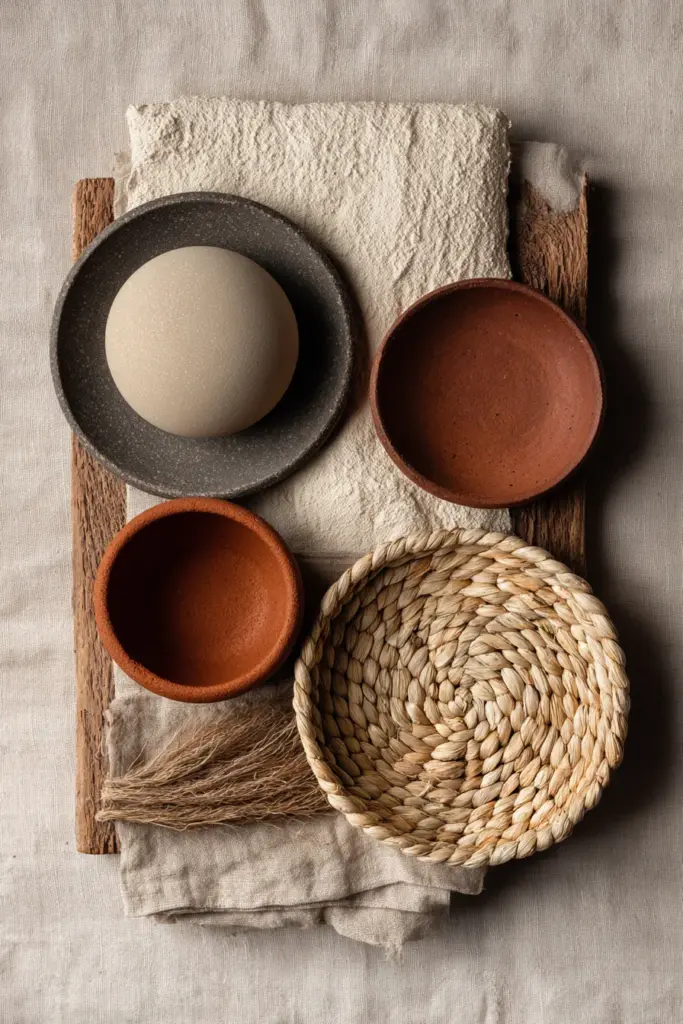
Terracotta: The Japandi Classic
Terracotta is the heartbeat of Japandi pot styling. Its warm blush tones deepen over time, developing a character that no synthetic material can replicate. The porous walls allow air and moisture to move freely — which means fewer root rot worries for you.
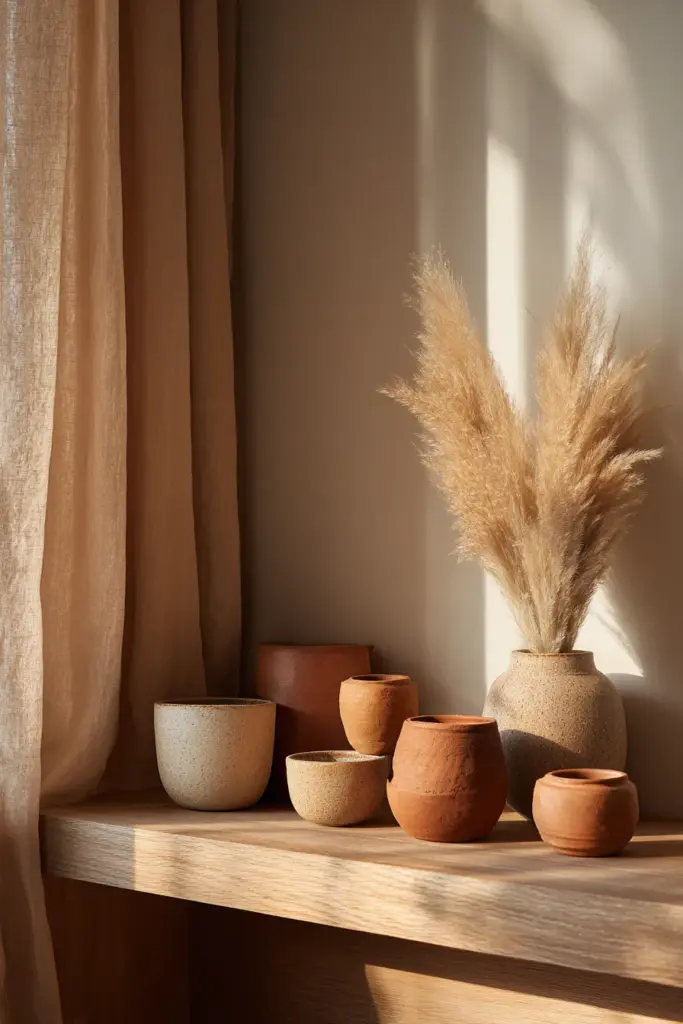
For humid climates like Bicol, terracotta is especially practical. Its breathability helps regulate soil moisture even when the air is thick and warm. Pair a cluster of terracotta pots in graduating sizes on a low wooden shelf, and you’ve already built something beautiful.
Matte Ceramic and Stoneware
Matte ceramic pots carry a quiet sophistication that feels both Japanese and Scandinavian at once. The absence of shine makes them recede into a composition rather than dominate it — letting the plant speak.
Look for stoneware in dusty sage, slate grey, or warm oatmeal tones. These pair beautifully with light linen curtains, oak furniture, and natural fiber rugs. For a layered look, mix a tall matte cylinder with a low wide bowl at its feet.
Woven Baskets and Seagrass Covers
A woven seagrass basket adds warmth and softness that hard ceramics cannot. Use these as outer covers for plain nursery pots — slipping your plant in and out makes watering easy while keeping the look cohesive and warm.
Be mindful of moisture: woven materials need to breathe. Line them loosely with a plastic liner or remove your plant for watering, then return it once it has drained.
2026 Trend: Bioplastic Hybrids and Eco-Friendly Pots
The newest entries into the Japandi pot world are pots made from recycled bioplastics, wood fiber composites, and rice husk materials. They look matte and natural but offer better moisture resistance — ideal for the Philippines’ tropical humidity.
Brands on Etsy and regional eco-design stores are increasingly stocking these. They’re a thoughtful choice for conscious consumers who want Japandi aesthetics with lower environmental impact.
Best Japandi Plant and Pot Pairings
The right pot doesn’t just hold a plant — it becomes part of the plant’s story. Here is a practical pairing guide to help you match your plants to the pots they deserve.
Japandi Plant and Pot Pairing Chart
| Plant | Ideal Pot Material | Pot Size | Color Suggestion | Care Level |
|---|---|---|---|---|
| Snake Plant (Sansevieria) | Unglazed terracotta or matte ceramic | 10–12 in | Warm sand or charcoal | Very easy |
| ZZ Plant | Stoneware or recycled bioplastic | 8–10 in | Dusty grey or sage | Very easy |
| Monstera | Glazed ceramic or clay | 12–16 in | Cream or dark slate | Moderate |
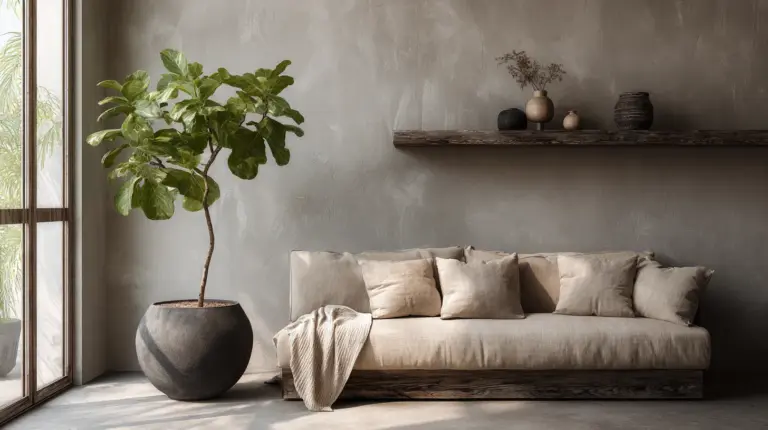
| Fiddle Leaf Fig | Tall matte ceramic | 14–18 in | White or warm grey | Moderate |
| Peace Lily | Ceramic with drainage | 8–10 in | Soft white or stone | Easy |
| Bamboo | Tall cylinder, terracotta or ceramic | 10–14 in | Natural clay or black | Easy |
| Succulents | Small terracotta or raw clay | 3–5 in | Terracotta, blush | Very easy |
| Bonsai (Japandi Trend 2026) | Low ceramic tray, unglazed | 8–12 in wide, 3–5 in deep | Moss grey or earthy brown | Moderate–Advanced |
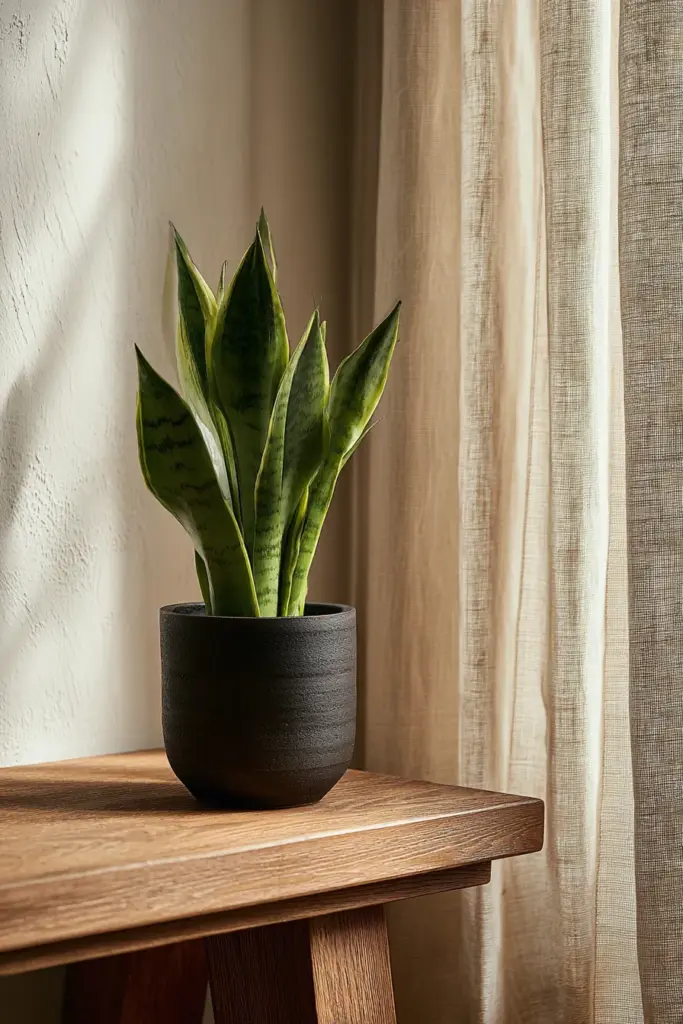
Snake Plant: The Japandi Icon
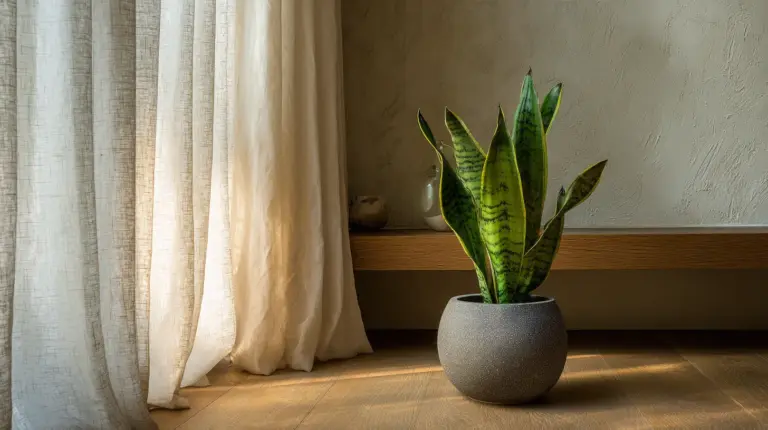
The snake plant is almost synonymous with Japandi interiors. Its upright, architectural form echoes the clean lines of Japanese minimalism while its easy care speaks to Scandinavian practicality. Pair it with a 10–12 inch terracotta or dark matte ceramic pot, and place it where indirect light filters softly across its striped leaves.
Its drought tolerance makes it especially forgiving in busy households — and its air-purifying qualities give it a purpose beyond beauty.
ZZ Plant: Quiet Confidence
The ZZ plant’s glossy, arching stems look almost sculptural against a matte pot. Choose a dusty grey stoneware or a recycled bioplastic in sage, and let it sit alone on a low console table or tucked into a reading corner.
It thrives in low light, making it ideal for bedrooms or hallways where Japandi calm is most needed.
Monstera: Layered Lushness
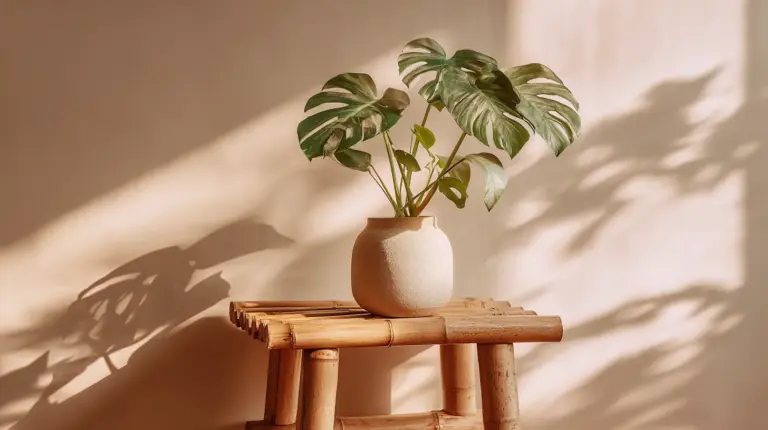
Monstera brings a touch of the tropical into a Japandi space without disrupting its serenity — if you style it right. A single large specimen in a plain cream ceramic pot, placed on a wooden plant stand near a bright window, creates that layered, editorial feel Japandi spaces are known for.
Avoid overcrowding it with other large plants. Let it breathe. Let it dominate gently.
How to Style Plants in Japandi Décor
Arrangement is everything. Japandi styling is not about filling space — it’s about honoring it.
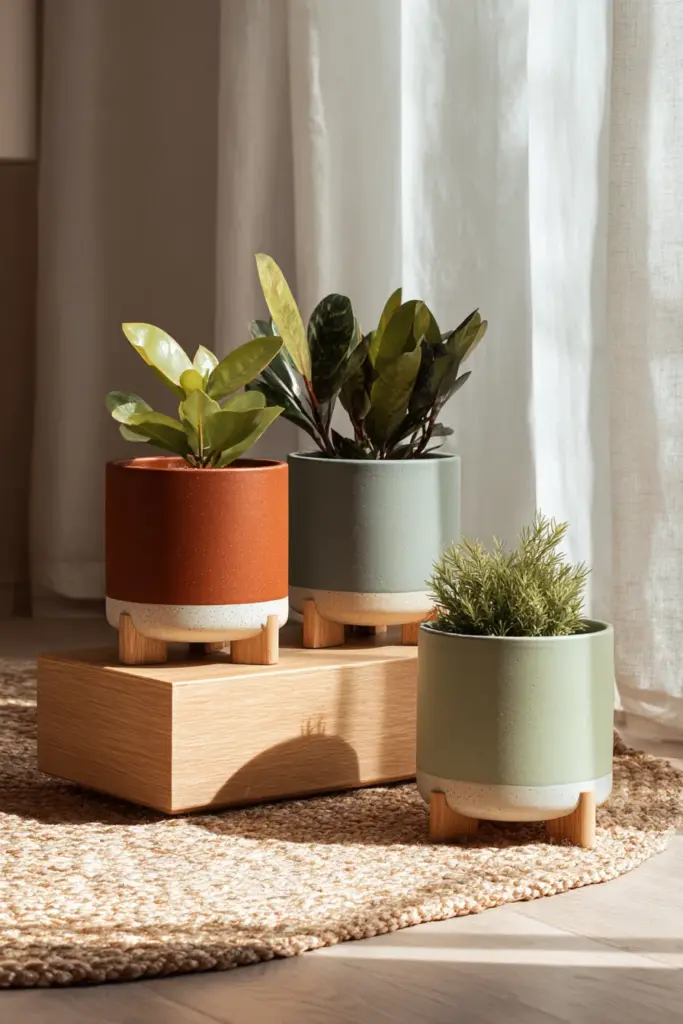
Grouping and Composition
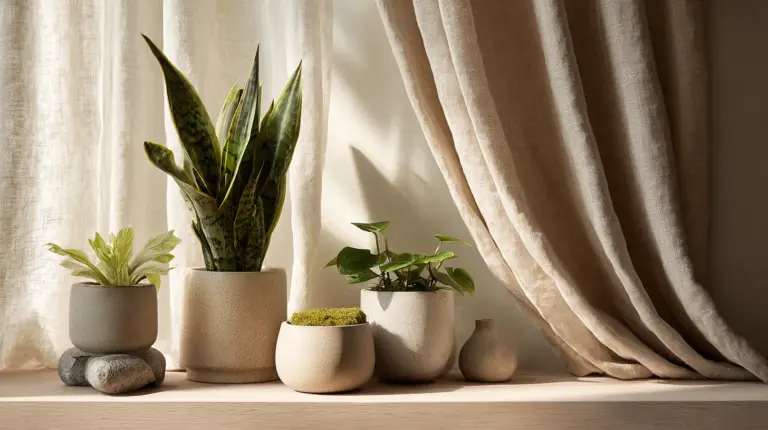
The rule of odd numbers is your friend here. Group plants in threes: one tall, one medium, one trailing or low. Vary the pot heights using wooden risers or stacked ceramic trivets. The goal is a composition that feels collected over time, not curated in an afternoon.
Keep the color palette of your pots within two to three tones. Too much variety fragments the calm. Too much uniformity feels sterile. The sweet spot is a gentle rhythm.
Light Placement
Most Japandi plants — snake plants, ZZ plants, peace lilies, bamboo — prefer indirect light. Position them where natural light diffuses through sheer curtains or bounces off pale walls. This soft, filtered illumination is central to Japandi’s visual poetry.
For rooms with limited windows, supplement with warm-toned grow lights mounted low and discreetly — never harsh overhead fluorescents.
The Bonsai Japandi Moment (2026 Trend)
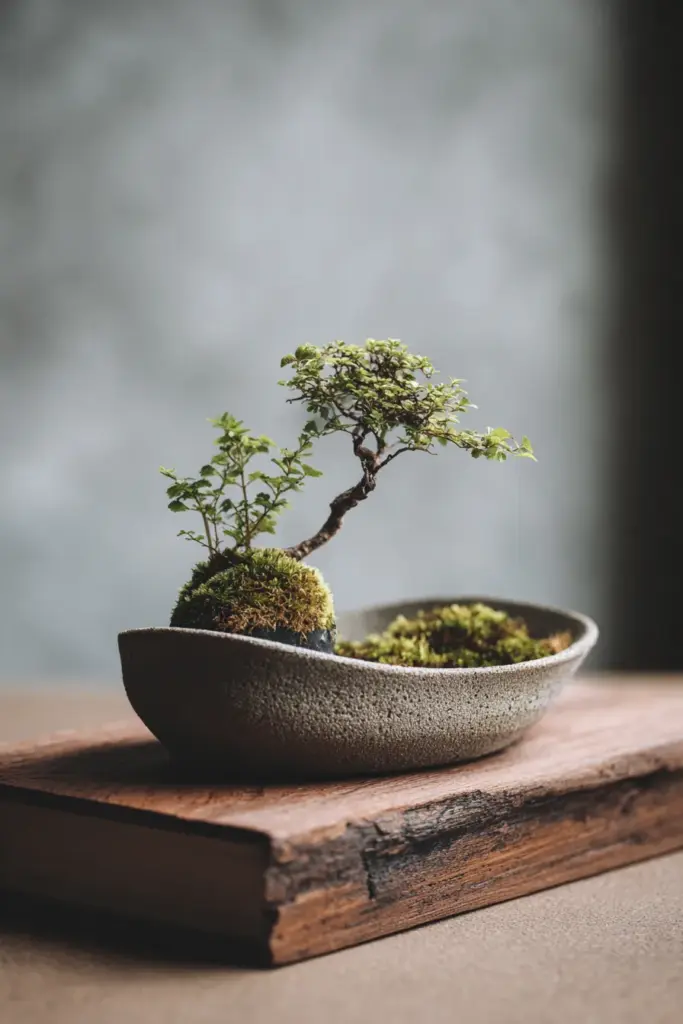
Bonsai is having a renaissance in Japandi interiors. The ancient Japanese practice of cultivating miniature trees in low, wide ceramic trays is a natural fit — it’s meditative, patient, and deeply intentional. A single bonsai on a wooden shelf or beside a tea ritual setup brings an unmistakably Japanese soul into any Scandinavian-influenced space.
Look for unglazed oval trays in moss grey or warm brown, kept clean of decoration.
Japandi Pot Size Guide by Space
Scale matters more than most people realize. A pot that’s too large can make a small plant look forlorn; one that’s too small can look rushed and cluttered.
| Space Size | Recommended Pot Heights | Plant Suggestion |
|---|---|---|
| Small apartment / studio | 6–10 in | Succulents, ZZ plant, snake plant |
| Medium room | 10–14 in | Monstera, fiddle leaf fig, bamboo |
| Spacious sala or open plan | 14–18 in+ | Large monstera, fiddle leaf fig, indoor tree |
| Shelf or windowsill | 3–6 in | Succulents, herbs, small trailing plants |
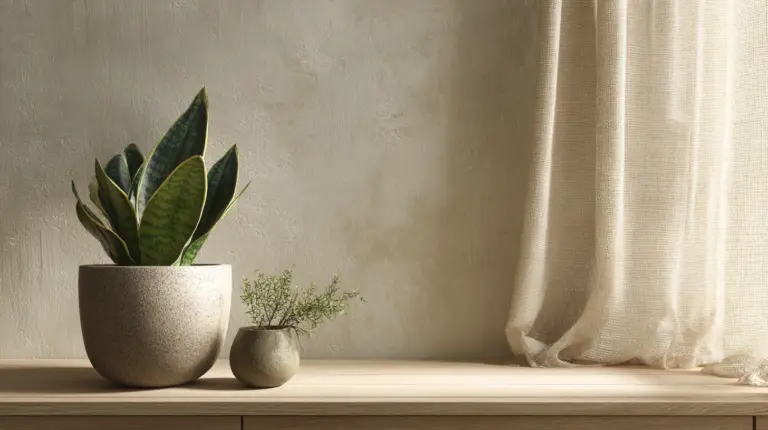
For small Philippine homes and condos, the key is verticality. A single tall snake plant in a 12-inch matte pot takes up minimal floor space but creates a strong vertical anchor. Pair with a small trailing plant in a 4-inch pot on a wall-mounted shelf for a layered look that doesn’t crowd.
Drainage Tips for Japandi Plant Pots
A beautiful pot that drowns your plant is no pot at all. Drainage is practical — but in Japandi, it can be elegant too.
- Always choose pots with drainage holes — or drill one yourself if you fall in love with a pot that lacks one.
- Use a saucer in matte ceramic or raw clay to catch runoff — these are beautiful in their own right and protect your wooden surfaces.
- Layer your pots: place a smaller nursery pot inside a decorative Japandi pot for easy removal during watering.
- Pebble trays add humidity for tropical plants while keeping the aesthetic grounded and natural.
For humid Bicol climates, terracotta pots are particularly helpful — their porous walls actively wick excess moisture away from soil, reducing mold and root rot risk.
Budget Guide: Japandi Pots at Every Price Point
Beautiful doesn’t have to mean expensive. Japandi, at its core, values intentionality over luxury.
| Budget Tier | Price Range (PHP) | Where to Shop | What to Look For |
|---|---|---|---|
| Entry-level | ₱80–₱400 | Shopee, Lazada, local markets | Plain terracotta, unglazed clay |
| Mid-range | ₱400–₱1,500 | Lazada, Etsy PH sellers, home stores | Matte ceramic, stoneware, woven covers |
| Premium | ₱1,500–₱5,000+ | Specialty design stores, Etsy imports | Handmade stoneware, bioplastic, bonsai trays |
Pro tip: The most Japandi-feeling shelves are often the most affordable ones — a cluster of simple terracotta pots from the local market, cleaned and arranged thoughtfully, can outshine an expensive styled set every time.
Japandi Plant Pot Checklist
Before you shop or style, run through this quick checklist:
- Choose natural materials: terracotta, unglazed ceramic, stoneware, woven seagrass, or eco-friendly bioplastic
- Stick to a neutral color palette: warm whites, greys, beiges, sages, charcoal
- Match pot size to plant size — neither too snug nor too cavernous
- Prioritize drainage holes — beauty and function must coexist
- Group in odd numbers (3 or 5) with varied heights
- Keep your palette within 2–3 tones across all pots in a grouping
- Let each plant breathe — avoid overcrowding
- Consider wabi-sabi texture: handmade irregularities are welcome here
- In humid climates, favor terracotta or mold-resistant materials
- For small spaces, use vertical height rather than horizontal spread
Conclusion
There’s a kind of joy that comes quietly. Not with fanfare or flash, but with the soft satisfaction of a room that finally feels like itself — where every element is in conversation with the next, where a plant and its pot feel like they’ve always belonged together.
That’s what we’re after at ERYLIN. Not perfection. Not trend-chasing. Just the patient, beautiful work of building spaces that hold you.
Your Japandi plant pot journey doesn’t need to be complete to be meaningful. Start with one plant. One pot. One corner of your home that makes you pause and breathe a little deeper.
That pause — that exhale — is the whole point.
Frequently Asked Questions
What plants are best for Japandi style?
The most beloved Japandi plants are those with clean, architectural forms or gentle, trailing silhouettes. Top picks include the snake plant, ZZ plant, monstera, fiddle leaf fig, peace lily, bamboo, and succulents. These plants are low-maintenance, visually calm, and pair beautifully with natural pot materials.
What pots work best for Japandi interiors?
Japandi interiors call for unglazed terracotta, matte ceramic, raw stoneware, and woven natural fiber pots. Look for neutral tones — warm whites, sandy beiges, dusty sages, and slate greys. Avoid shiny glazes, bold colors, or heavily patterned surfaces.
What materials are best for Japandi planters?
The most authentic Japandi materials are clay, terracotta, unglazed stoneware, and natural woven fibers like seagrass and rattan. In 2026, eco-conscious choices like recycled bioplastic and wood fiber composites are growing in popularity — they look naturally matte and resist moisture well, making them ideal for tropical climates.
How do I style plants in a Japandi space?
Group plants in odd numbers at varying heights. Use wooden plant stands, stacked ceramic risers, or wall-mounted shelves to create depth. Keep your pot color palette to two or three harmonizing tones. Place plants where they’ll receive soft, indirect light — near sheer-curtained windows is ideal. Let negative space breathe between arrangements.
Are there low-maintenance Japandi plants?
Absolutely — Japandi design is deeply practical. The snake plant, ZZ plant, succulents, and peace lily are all forgiving, low-maintenance choices that thrive with minimal intervention. Bamboo and monstera are slightly more demanding but still manageable for most beginners. These plants are perfect for busy households that want the beauty of Japandi without the worry.