
Table of Contents
By ERYLIN — your calm corner of home design
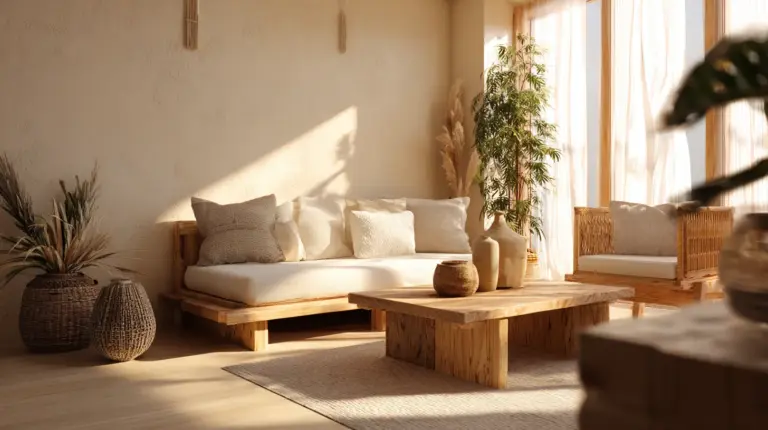
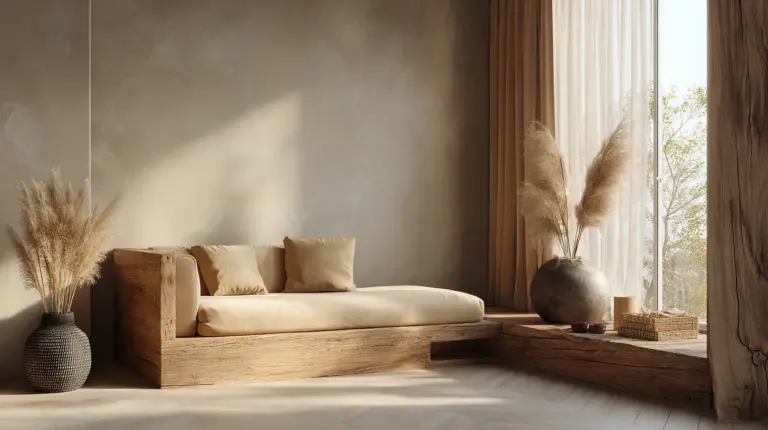
There is something almost meditative about a well-placed rug. It anchors a room, softens the echo of tile floors, and tells every person who steps inside: slow down, you are home. That is the quiet promise of Japandi — the design philosophy that weaves Japanese minimalism with Scandinavian warmth into something utterly livable.
But here is the thing many design guides will not tell you: you do not need to spend a fortune to feel it. A thoughtful, budget-friendly Japandi rug can transform a plain living room into a sanctuary of texture and stillness — whether you are working with 800 pesos or 6,000.
This guide is for you if you love the look of natural fiber rugs, neutral tones, and quiet organic beauty — but you also love a smart buy. We will walk through materials, budget tiers, where to shop locally, and even how to make an inexpensive rug look like it belongs in an editorial shoot.
Let us begin.
What Is a Japandi Rug, Really?
The Aesthetic in Plain Terms
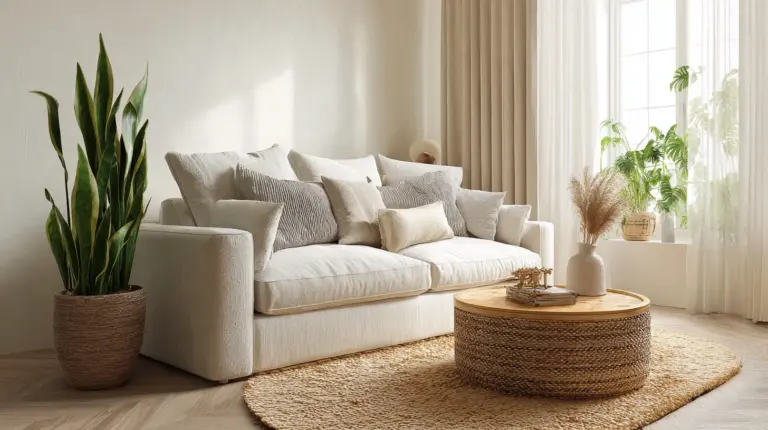
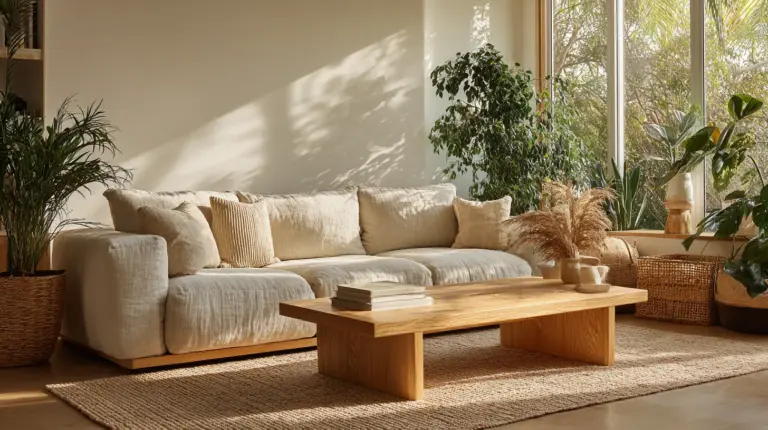
A Japandi rug is not a brand or a certified product. It is a feeling — understated, tactile, grounded. Think of a low-pile jute rug in warm oatmeal tones, or a hand-woven cotton runner in soft grey. No loud patterns, no shiny synthetic sheen. Just texture, simplicity, and intention.
The core traits of a Japandi-style rug are:
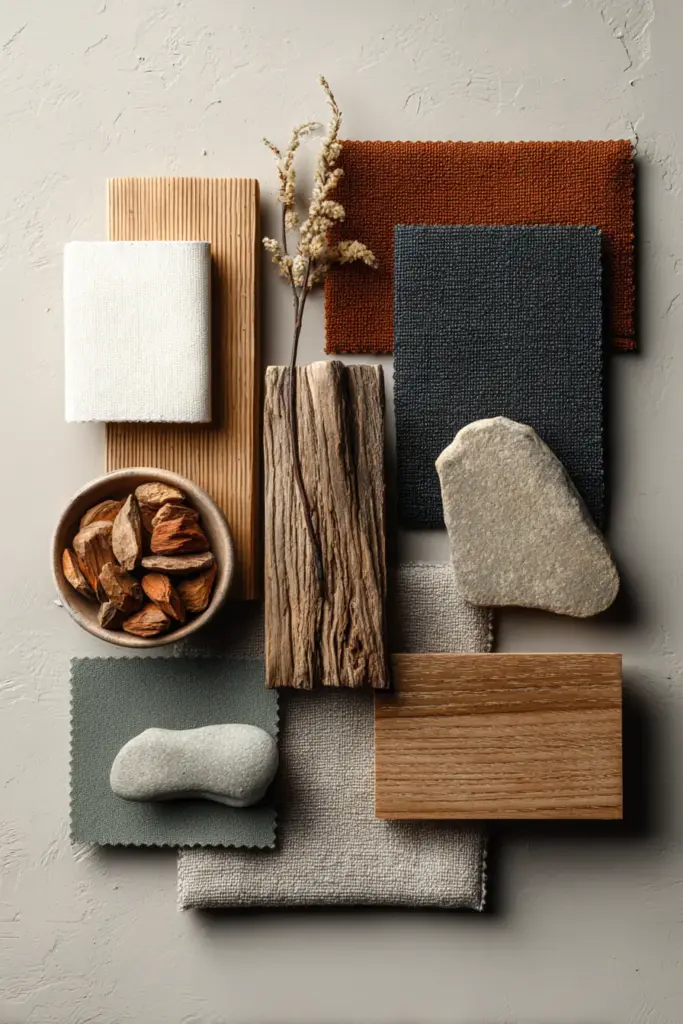
- Neutral color palette — warm whites, beiges, taupes, soft greys, warm tans, charcoal
- Natural or natural-looking materials — jute, wool, cotton, sisal, or quality polypropylene
- Low to medium pile — no plush shag; think flat-woven or gently textured
- Simple or no pattern — subtle stripes, tonal weaves, or solid textures
- Organic edges — fringe, frayed ends, or clean borders (no fussy ornamental trims)
If a rug feels like it belongs beside a clay pot, a linen curtain, and a warm cup of tea — it is probably Japandi enough.
How Is It Different from Scandinavian or Minimalist Rugs?
This is a fair question. Japandi rugs share DNA with both Scandinavian and minimalist styles, but they lean warmer and earthier than either. A Scandi rug might favor bold geometric contrast; a minimalist rug might be stark white. A Japandi rug tends to sit in the middle — quiet but not cold, natural but not raw.
Are Japandi Rugs Always Expensive?
Not at all — but it is easy to see why people assume they are.
Many of the rugs photographed in Japandi interiors are hand-woven, imported, or made from premium wool. Those can run from ₱8,000 to ₱30,000 or more. But the look — that calm, textured, grounded quality — can absolutely be achieved on a fraction of that budget.
The secret is knowing what to look for, not just what to look at.
Best Materials for Affordable Japandi-Style Rugs
Choosing the right material is the single most important decision you will make when shopping on a budget. Here is how the most common options stack up — especially in our warm, humid Philippine climate.
| Material | Japandi Vibe | Budget-Friendliness | PH Climate Suitability |
|---|---|---|---|
| Jute | ★★★★★ | ★★★★☆ | ★★★☆☆ (can absorb moisture) |
| Cotton | ★★★★☆ | ★★★★★ | ★★★★★ (easy to wash, breathable) |
| Polypropylene | ★★★☆☆ | ★★★★★ | ★★★★★ (mold-resistant, durable) |
| Sisal | ★★★★★ | ★★★☆☆ | ★★★☆☆ (rough texture, moisture-sensitive) |
| Wool | ★★★★★ | ★★☆☆☆ | ★★★☆☆ (premium, harder to maintain) |
| Faux wool / chenille | ★★★☆☆ | ★★★★★ | ★★★★☆ (soft, affordable) |
Our honest recommendation for PH homes on a budget: Start with a quality polypropylene rug in a warm neutral tone. Look for one with a matte, textured finish — not glossy. It resists mold, cleans easily, and in the right color, looks nearly indistinguishable from jute or sisal in photographs and real life.
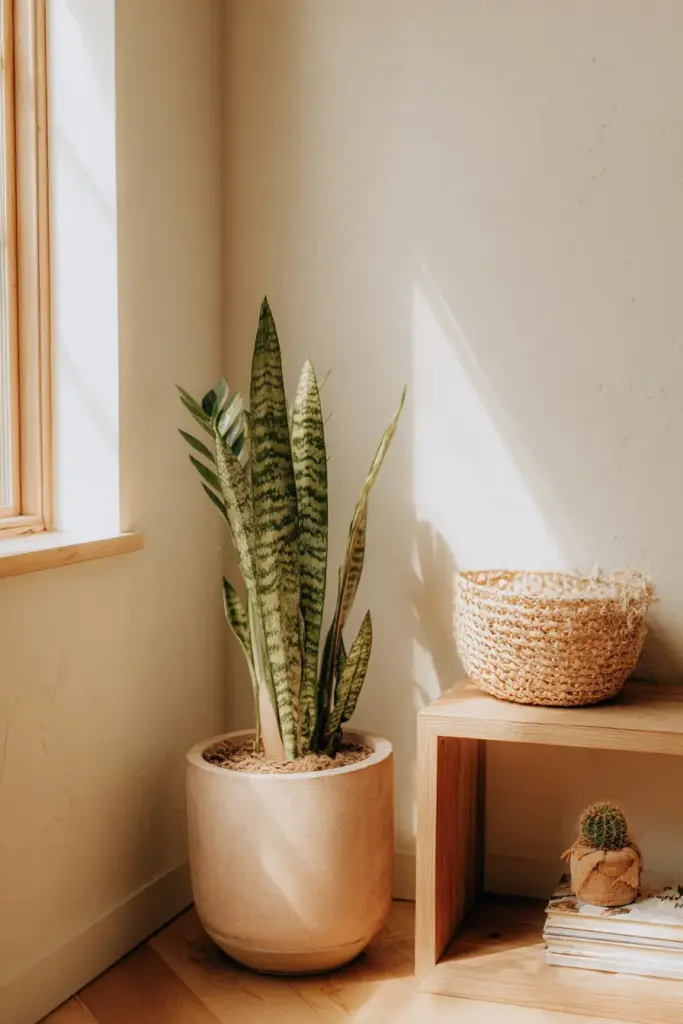
Budget Tier Breakdown: Japandi Rugs by Price (Philippines 2026)
Under ₱1,000 — The “No-Regrets” Mat Zone
At this price, you are shopping for woven cotton mats, small runners, and flat-woven accent pieces. Look for:
- Plain woven cotton mats in beige, off-white, or grey
- Braided or looped natural-look mats for entryways or beside beds
- Simple striped designs in muted earth tones
These work beautifully as layering rugs — placed over a larger neutral base — or in small spaces like hallways, bathrooms, and meditation corners.
Where to find them: Shopee, Lazada, and local home goods stalls in wet markets and tiangge.
₱1,000 – ₱3,000 — The Sweet Spot
This is where the magic happens for most Filipino homes. In this range, you can find:
- Medium-sized (4×6 ft or 5×7 ft) polypropylene or cotton rugs with subtle texture
- Jute-look flatweave rugs with fringe detailing
- Machine-washable rugs in warm taupe and greige tones
- Thin wool-blend runners for bedroom styling
Look for sellers on Shopee with “jute-look”, “boho neutral”, or “minimalist rug” in their listings. Many of these are Japandi-adjacent without using the term.
₱3,000 – ₱7,000 — Investment-Looking, Budget-Priced
Here you gain access to:
- Larger sizes (6×9 ft to 8×10 ft) that anchor a full living room
- Hand-woven or machine-loomed cotton and jute blends
- Low-pile wool-look rugs with genuine texture depth
- More refined edge finishing (stitched borders, natural fringe)
At this tier, focus on getting the right size — a rug that is too small will undermine even the most beautiful Japandi room. More on sizing below.
Where to shop: Lazada, IKEA Philippines, local Shopee stores with high ratings, Facebook Marketplace groups (search: “Japandi rug”, “minimalist rug PH”, “neutral rug second hand”), and thrift/ukay groups for pre-loved finds.
Where to Buy Japandi-Style Rugs on a Budget in the Philippines
Online Platforms
Shopee and Lazada are your first stop. Filter by color (beige, grey, natural), material (cotton, jute, polypropylene), and read reviews carefully — look for photos submitted by buyers, not just seller images.
Search terms that work well:
- “jute rug Philippines”
- “neutral rug minimalist”
- “cotton woven rug”
- “boho rug beige”
- “flat weave rug”
Facebook Marketplace and buy-and-sell groups are goldmines for second-hand rugs. Many preloved rugs in great condition sell for 30–60% below retail. Look in groups like “Home Decor PH”, “Preloved Home Items Manila”, and neighborhood-specific groups.
Physical Stores
- IKEA Philippines (SM Pasay) carries several Japandi-friendly rugs, especially in the STOENSE, LURVIG, and TIPHEDE lines
- Saizen and Miniso occasionally carry small cotton mats with minimal designs
- Local furniture districts (Bambang, Cartimar, Marikina) often have imported rug suppliers at wholesale prices
5 Ways to Get the Japandi Look on a Tight Budget
1. Choose the Right Color Above All Else
Color is more powerful than material. A cheap cotton rug in warm oatmeal will look more Japandi than an expensive rug in cobalt blue. Stick to:
- Warm whites and cream
- Oatmeal, beige, and sand
- Warm grey and greige
- Soft terracotta (sparingly)
- Charcoal and dark linen
Avoid bright whites (too sterile), bold patterns, and anything with sheen.
2. Layer Rugs for a Curated Look
Place a simple jute or cotton mat (even a cheap one) over a larger neutral polypropylene rug. This layering technique — beloved in Japandi and Scandi interiors alike — adds texture and visual richness without requiring a single expensive piece.
A ₱400 woven mat over a ₱1,500 neutral rug can look like a ₱6,000 setup in photographs and in person.
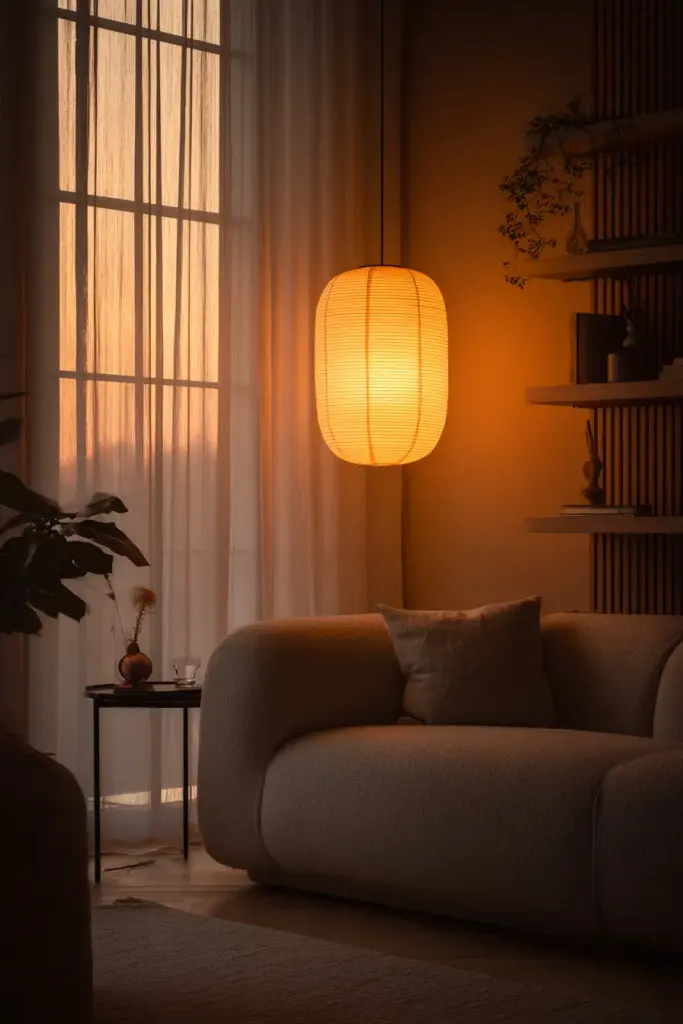
3. Size Up, Always
One of the most common budget rug mistakes is buying too small. In a Japandi living room, the rug should be large enough that at least the front legs of your sofa sit on it. A rug that floats in the middle of the room without touching any furniture feels disconnected and cheap — regardless of price.
For a standard 3-seater sofa setup, aim for a minimum of 5×7 ft (150×200 cm). For a full living room layout, 6×9 ft or 8×10 ft is ideal.
4. Add a Rug Pad
A ₱300–₱500 non-slip rug pad does three things: keeps your rug from sliding on tile (very important in Philippine homes), adds a little cushion underfoot, and extends the life of your rug. It is a small investment that makes every rug feel more intentional and premium.
5. DIY Upgrades That Elevate a Cheap Rug
If you find a plain, affordable rug that almost works but needs a little love:
- Add fringe: Sew or glue natural cotton fringe along the short edges for that artisanal Japandi look
- Stencil a subtle stripe: Use fabric paint and painter’s tape to add a tonal stripe — same color family, slightly darker
- Trim loose threads carefully: Tidy edges make an inexpensive rug look more finished
How to Style a Japandi Rug in a Small Filipino Living Room
For 15–20 sqm Spaces
In compact Philippine apartments and homes, rug placement is everything. Follow these principles:
- Center the rug under the coffee table, with the front legs of your sofa resting on it
- Leave 30–45 cm of bare floor visible around the rug’s perimeter — this breathing room is a Japandi hallmark
- Avoid patterned rugs in small rooms — solid textures make the space feel larger and calmer
- Use a single rug, not multiple small ones — layering works, but scattering small rugs fragments the space
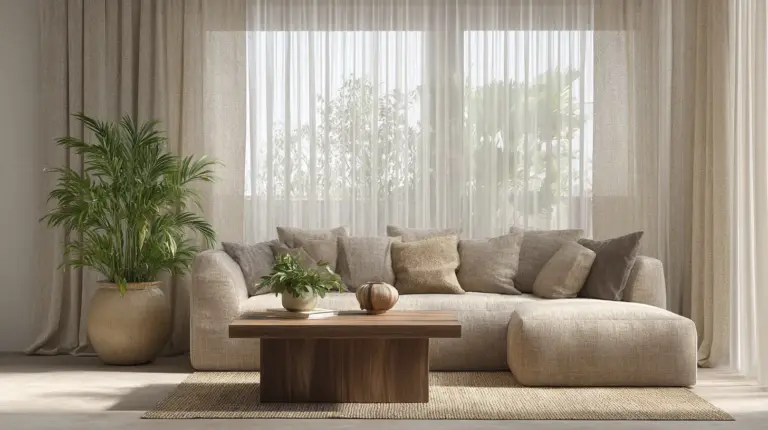
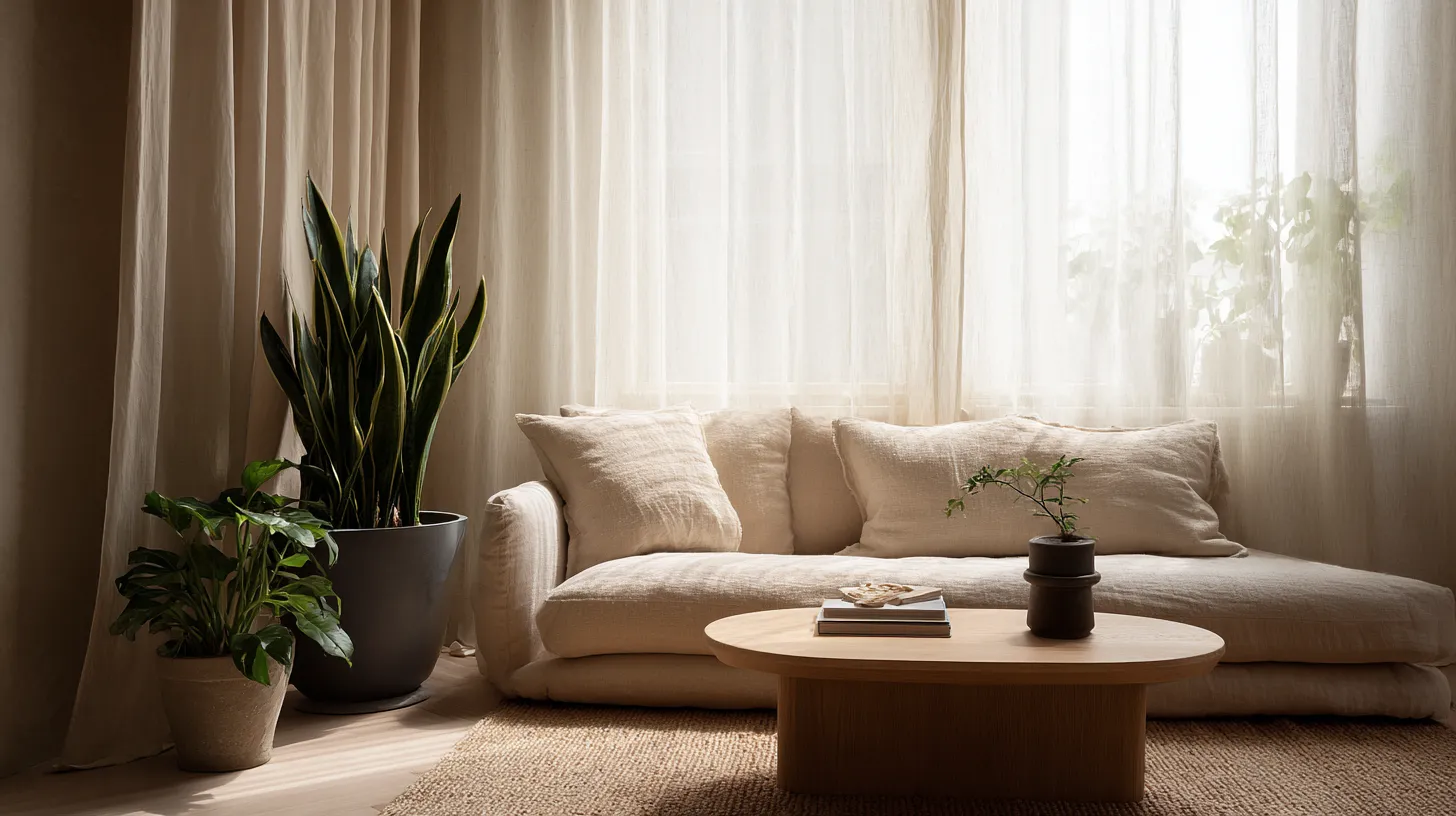
Pair your rug with [light wood furniture], [linen curtains], and plants in simple clay or ceramic pots for a complete Japandi atmosphere.
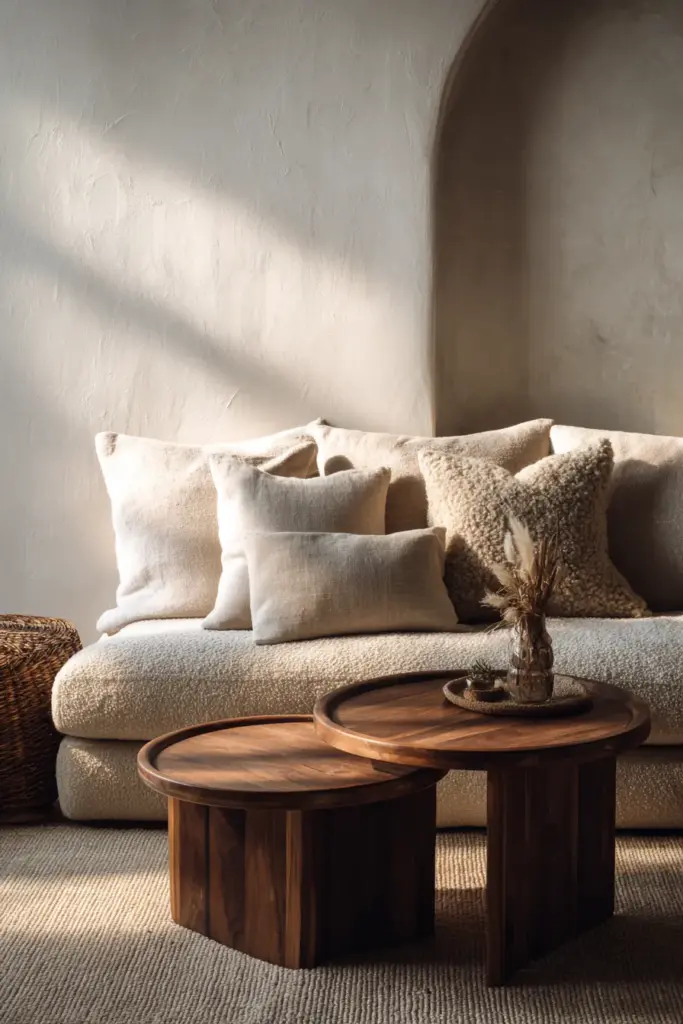
Colors That Work With Japandi Rugs
| Room Tone | Best Rug Color |
|---|---|
| White walls, light wood | Warm oatmeal or sand |
| Greige walls, rattan accents | Warm grey or mushroom |
| Concrete or dark flooring | Cream or ivory |
| Warm earthy tones | Charcoal or dark linen |
How to Clean and Maintain Your Budget Japandi Rug in the Philippine Climate
Humidity is our reality. Here is how to protect your rug investment:
- Rotate your rug every 3–6 months to prevent uneven wear and moisture buildup in one area
- Vacuum weekly using a low-suction setting; avoid beater bars on flatweave rugs
- Spot clean immediately — blot, never rub, and use mild soap diluted in water
- Air out regularly — hang your rug outside in a shaded, breezy area every 4–6 weeks
- Use a mold-resistant rug pad with ventilation holes if your floor tends to stay cool and damp
- Avoid direct sunlight for extended periods, especially for jute and cotton, which can bleach and weaken
For machine-washable rugs (polypropylene or thin cotton), wash in cold water on a gentle cycle and air dry flat — never in a hot dryer.
Key Takeaways
- A Japandi rug is defined by its neutral color, low pile, natural texture, and simplicity — not its price tag
- Polypropylene and cotton are the most practical and budget-friendly choices for Philippine homes
- Budget tiers: under ₱1,000 for mats and runners, ₱1,000–₱3,000 for the sweet spot, ₱3,000–₱7,000 for investment-quality feel
- Shopee, Lazada, IKEA, and Facebook Marketplace are the best local sources
- Always size up — a rug that is too small is the most common (and most visible) mistake
- Layering two affordable rugs can create a more sophisticated look than one expensive piece
- Maintain your rug regularly to protect it from humidity and wear
A Closing Thought
A beautiful home is not built in one purchase. It is assembled slowly, mindfully — one textured surface, one warm corner at a time. A well-chosen rug, even a humble one, has the power to change how a room feels beneath your feet and around your heart.
Start where you are. Buy what you can. Style it with intention.
That is Japandi. That is ERYLIN.
Frequently Asked Questions
Can I use a cheap polypropylene rug for Japandi style?
Yes, absolutely. Polypropylene rugs in matte, neutral tones can look remarkably natural and are ideal for the Philippine climate — they resist moisture, clean easily, and come in many Japandi-friendly textures. Avoid rugs with a shiny or plasticky finish; choose ones with a woven, low-pile surface in beige, grey, or oatmeal.
What size rug should I use for a 3-seater sofa in a small living room?
Aim for at least a 5×7 ft (150×200 cm) rug. Ideally, the front two legs of your sofa should rest on the rug, and the coffee table should sit fully on it. A rug that is too small will make your space feel disconnected, regardless of its quality.
What colors work best for a Japandi rug?
Stay in the warm neutral family: oatmeal, sand, warm beige, greige, soft grey, cream, and charcoal. These tones work with almost any Japandi room palette and age beautifully. Avoid cool whites, bright colors, or high-contrast patterns.
How do I keep a Japandi rug from slipping on tile floors?
Use a non-slip rug pad underneath — these are widely available on Shopee and Lazada for ₱200–₱500. Look for pads with grip on both sides. For extra security in high-traffic areas, use rug tape along the edges.
Where can I buy affordable Japandi-style rugs in the Philippines?
Start with Shopee and Lazada (search u0022neutral rugu0022, u0022jute-look rugu0022, or u0022minimalist cotton rugu0022). IKEA Philippines carries several excellent options in the ₱1,500–₱4,000 range. Facebook Marketplace and preloved home décor groups are also excellent for discounted finds. For small mats and runners, check local tiangge and Saizen.