
Table of Contents
There is something quietly beautiful about a small living room — the way afternoon light falls across a single sofa, the way voices carry softly from one corner to the next. But beauty without function can feel like a lovely cage.
The truth is, a small living room does not need more space. It needs smarter seating.
Whether you live in a compact apartment, a cozy townhouse, or a Filipino home that opens out to a breezy lanai, this guide will walk you through every decision — from the right sofa depth to the best layout for hosting eight guests on a Saturday night.
Think of this as your calm, considered guide to small living room seating — one that holds both comfort and style in the same steady hand.
How Many People Can Your Small Living Room Comfortably Seat?
This is the question most design articles skip entirely, and it is the one that matters most.
A general rule of thumb: allow 1.5 to 2 square meters per seated person for comfortable, unhurried conversation. A 12 sqm living room, for example, seats around six to eight people comfortably — not ten squeezed knee-to-knee.
| Living Room Size | Comfortable Seating Capacity | Max Squeeze |
|---|---|---|
| 10–12 sqm | 4–6 people | 8 |
| 13–18 sqm | 6–8 people | 10 |
| 19–25 sqm | 8–10 people | 12 |
Use this as your anchor before you buy a single piece of furniture. Knowing your “comfort number” shapes every choice that follows.
What Type of Sofa Is Best for a Small Living Room?
The Low-Back Sofa
A sofa with a lower back profile visually opens a room. Light passes over it freely. The space feels taller, airier, more like a retreat than a room packed with furniture.
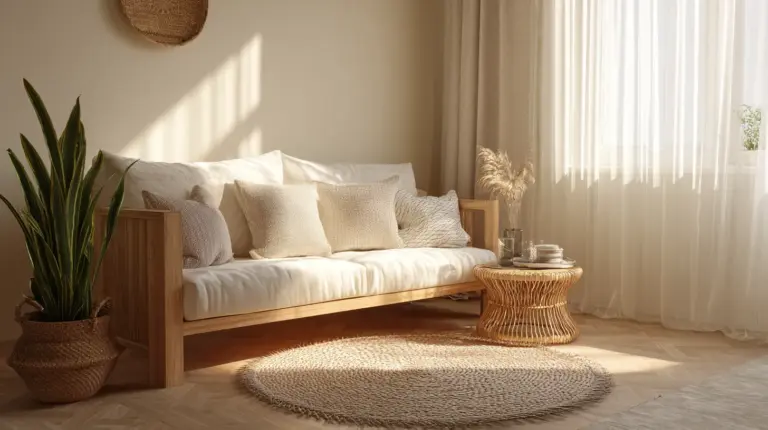
Look for sofas with exposed legs — they lift the silhouette off the floor and create the illusion of more square footage beneath. Even a few centimeters of visible floor makes a small living room breathe.
The Loveseat
For rooms under 12 sqm, a loveseat is often the most honest choice. It seats two comfortably, leaves generous walkway space, and pairs beautifully with a pair of accent chairs for entertaining.
Opt for tight-arm or armless styles — they shave precious centimeters without sacrificing comfort, making movement through the room feel easy and natural.
The Apartment-Sized Sectional
A small-scale L-shaped sectional can actually increase seating capacity in a compact room — when placed correctly. Push it into a corner, keep one side short, and you gain seating for four or five without blocking the room’s natural flow.
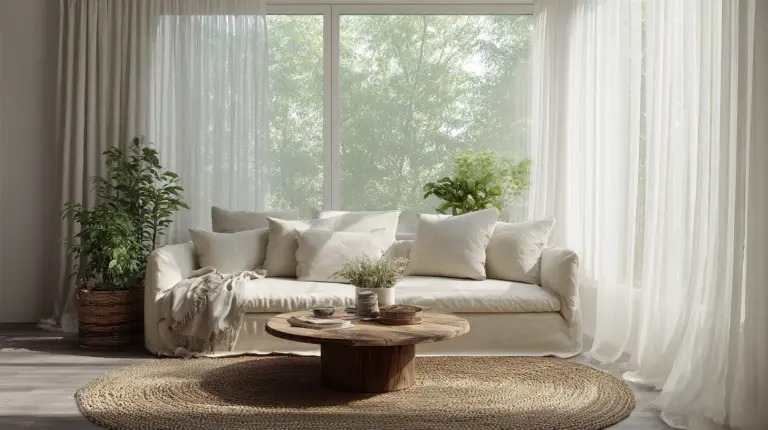
Choose a sectional with clean lines and neutral upholstery — linen, oatmeal, warm greige — so it reads as part of the architecture rather than a dominant interruption.
Choosing the Right Sofa Depth and Height
Seat depth matters more than most people realize — especially in homes where family members include older adults, children, or anyone who finds deep seats hard to rise from.
| User Type | Recommended Seat Depth | Recommended Seat Height |
|---|---|---|
| Standard adult | 55–60 cm | 43–46 cm |
| Older adults / seniors | 50–55 cm | 46–50 cm |
| Children’s area | 45–50 cm | 38–42 cm |
| Lounging / binge-watching | 65–75 cm | 40–44 cm |
A shallower seat with a slightly higher frame is often the most practical choice for Filipino living rooms, where multi-generational households are the norm.
The Seating Hierarchy: Anchor, Focal, Flexible
Most rooms benefit from thinking about seating in three tiers, not just as a collection of individual pieces.
1. The Anchor Piece
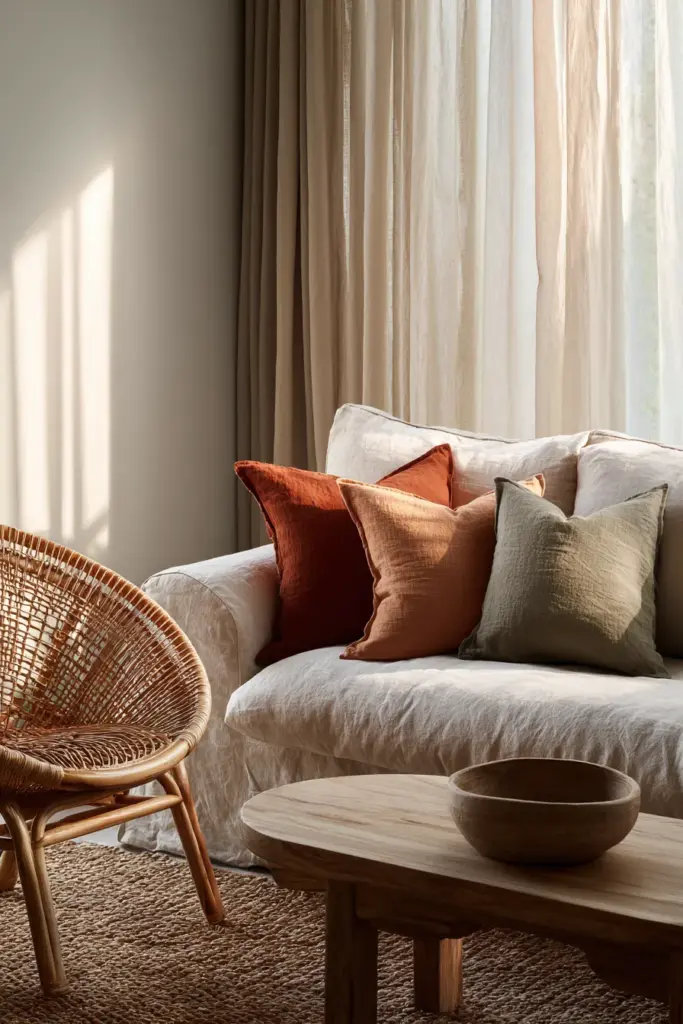
This is your sofa — the emotional and physical center of the room. Choose it for comfort first, then style. A good anchor sofa in a warm texture like woven cotton, brushed linen, or performance velvet invites people to sit and stay awhile.
2. The Focal Chair
One beautifully chosen accent chair does more for a small room than three forgettable ones. A rounded rattan chair, a low club chair in warm caramel leather, or a cushioned occasional chair in a deep forest green — this is your designer signature piece.
Place it at a slight angle to the sofa, not parallel. The angle creates conversation, visual interest, and a sense that the room has been considered rather than merely arranged.
3. Flexible Seating
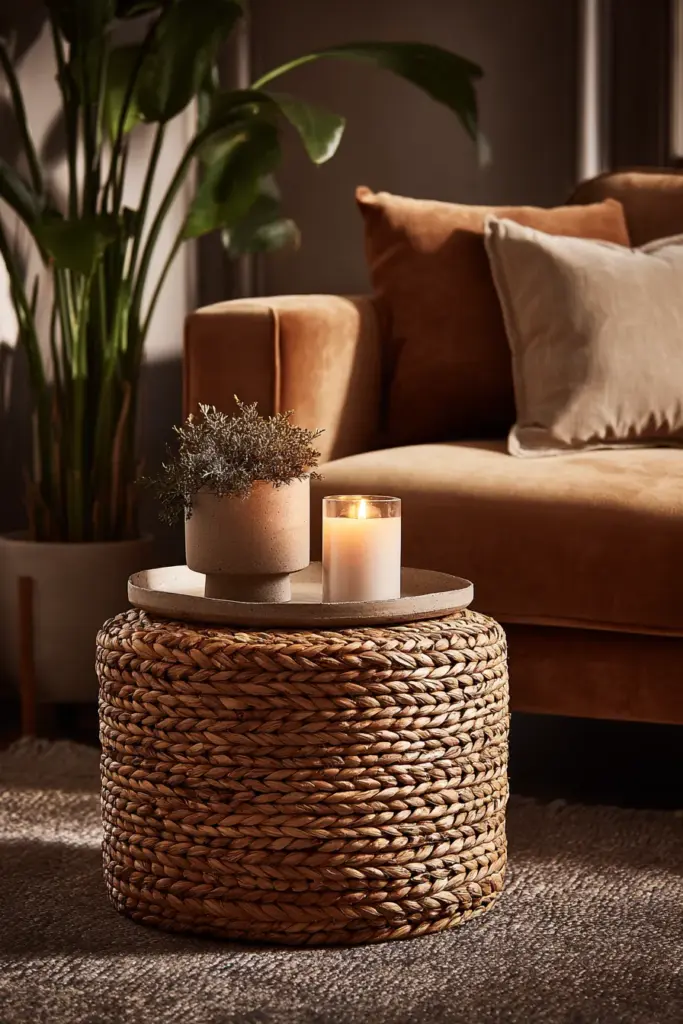
Ottomans, benches, and nesting stools are the unsung heroes of small living room seating. They tuck away when not needed, roll forward when guests arrive, and double as side tables with a tray balanced on top.
Choose ottomans in a complementary texture — a woven rattan ottoman beside a linen sofa, a leather pouf beside a velvet chair. The contrast adds richness without adding visual weight.
Best Seating Layout for a Small Living Room
The Classic L-Shape
Place your sofa along the longest wall and an accent chair at a perpendicular angle, with a small coffee table at the center. This layout keeps the main walkway clear and creates a natural conversation nook.
Minimum clearance: Allow at least 45–60 cm between your sofa and coffee table for easy movement. For a walkway behind a sofa, aim for 90 cm.
The Floating Arrangement
Pull furniture slightly away from the walls — even 10 to 15 centimeters — and the room immediately feels larger. Rooms where all furniture presses against the walls tend to feel cramped and stiff.
A floating arrangement gives the room a sense of intention, like the furniture chose its place rather than retreating to the edges.
The Banquette or Window Bench
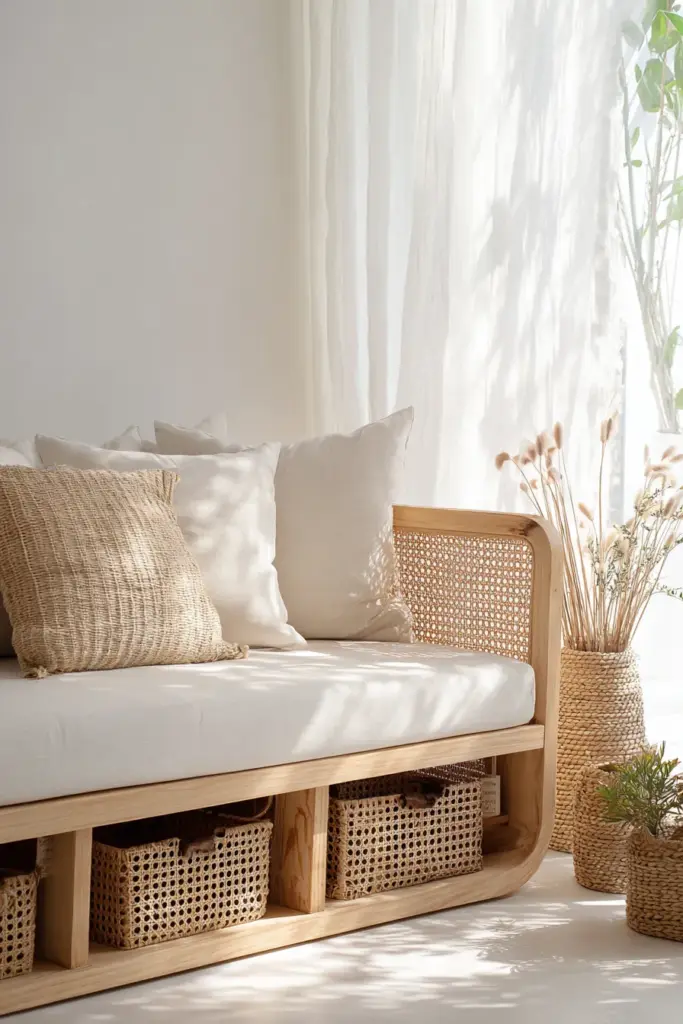
If your living room has a window ledge or bay window, a built-in or freestanding banquette can add seating for two or three people without claiming any floor footprint. Layer it with cushions in linen or woven cotton, and it becomes the most beloved corner in the house.
Seating Ideas for Entertaining in a Small Living Room
Hosting guests is where small living rooms either rise or fall — and the difference is almost always flexible seating strategy.
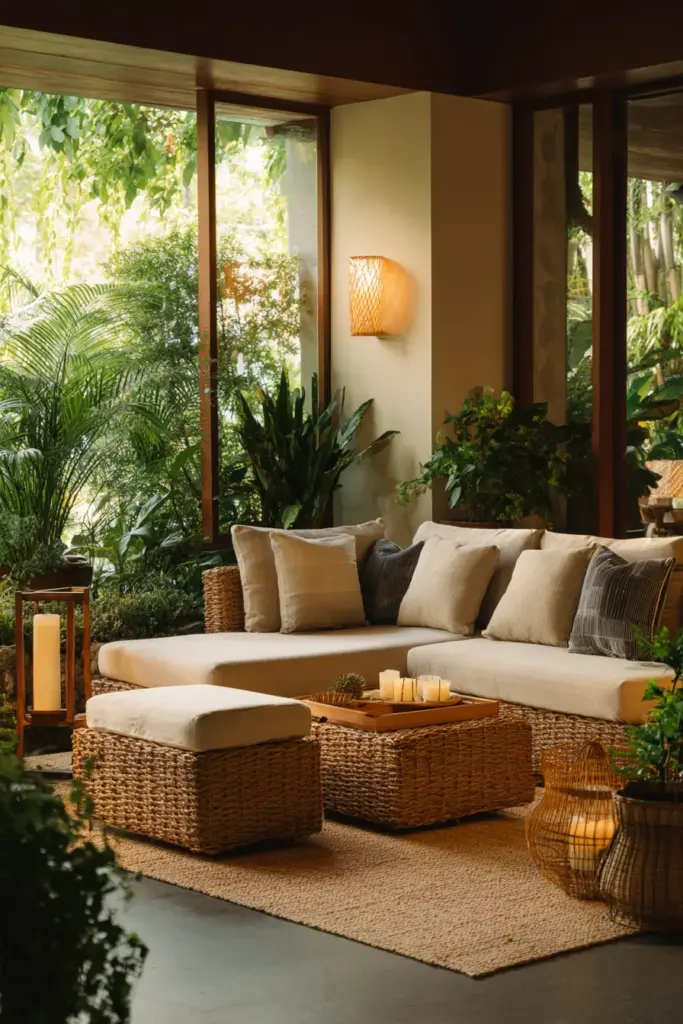
A modular sofa plus two ottomans is one of the most effective configurations for entertaining. The ottomans tuck under the coffee table when not in use, then slide out when six or eight people arrive. No extra chairs to store. No awkward folding stools.
Nesting side tables that double as extra seats, low benches tucked beneath a console, and a generously cushioned window seat are all quiet ways to add seating capacity without making the room feel crowded on an ordinary Tuesday evening.
Think of your room in two modes: everyday calm and guest-ready ease. Good seating design serves both.
How Far Should the Sofa Be from the TV and Walls?
| Space | Recommended Distance |
|---|---|
| Sofa to TV (viewing distance) | 1.5× to 2.5× the screen diagonal |
| Sofa to coffee table | 45–60 cm |
| Main walkway width | Minimum 90 cm |
| Sofa to side wall | Minimum 30 cm |
For a 43-inch television — one of the most common sizes in Philippine homes — aim for a viewing distance of roughly 160 to 270 cm. In a small room, this often means placing the sofa closer to the center of the space rather than pushing it against the back wall.
Pet- and Kid-Friendly Seating Materials
A beautiful sofa that you cannot sit on freely is not beautiful — it is anxiety. If your home includes children, pets, or simply the joy of living without constant worry, fabric choice is everything.
- Performance velvet — resists spills, dries quickly, holds its color; feels luxurious underhand
- Microfiber — easy to wipe, resists scratches from pet claws, soft enough for children
- Crypton fabric — moisture and bacteria resistant; ideal for humid Philippine climates
- Woven cotton or canvas slipcovers — machine washable, refreshable, endlessly practical
- Avoid: Silk, raw linen, and open-weave fabrics in high-traffic rooms; they catch and stain easily
The best fabric for a family home is one that looks good on a relaxed Saturday afternoon — not just a styled photoshoot.
Humidity-Smart Seating and Storage Tips
This is a point that most international design guides ignore entirely — and it is especially relevant for homes in tropical climates like the Philippines.
Box sofas with built-in storage are useful, but in humid environments, sealed storage beneath cushions can trap moisture and invite mildew. If you love a storage sofa, line the interior with breathable fabric or silica gel packets, and air it out regularly.
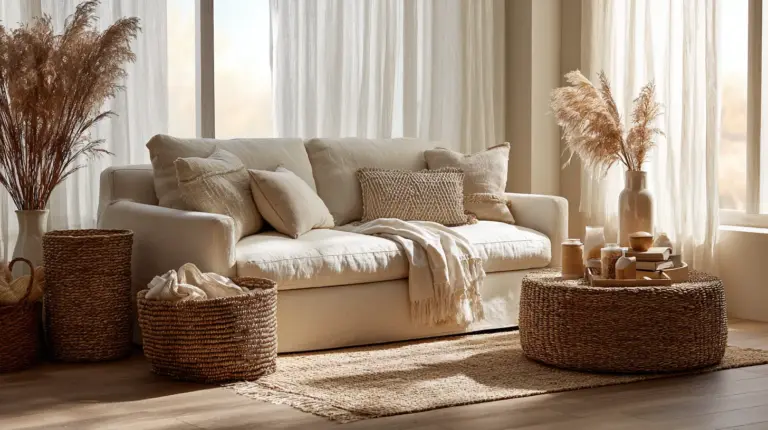
Instead, consider open-legged sofas with breathable baskets stored alongside for linens and throws. Rattan side tables and woven benches also allow air to circulate freely — they are among the most climate-intelligent furniture choices for warm, humid homes.
For upholstery, performance fabrics and tightly woven textiles hold up better than open-weave or heavily padded materials in a humid environment. They resist moisture retention and are far easier to keep clean.
The Acoustic Benefit of Soft Seating
This is a secret that interior designers know and almost no article mentions: soft seating reduces echo.
In small rooms with tiled or concrete floors — common in Filipino homes — sound bounces freely and conversations feel louder than they should. Cushioned sofas, thick upholstered chairs, and layered textiles (throws, area rugs, cushions) absorb that ambient echo and make the room feel calmer, quieter, and more intimate.
A room dressed in soft seating does not just look warm — it sounds warm.
Small Living Room Seating: Key Takeaways
- Allow 1.5–2 sqm per person to determine your room’s true seating capacity
- Choose a sofa with exposed legs and a low to mid back for a more open, airy feel
- Use the three-tier hierarchy: anchor sofa + focal chair + flexible ottomans
- Keep a minimum 45–60 cm between sofa and coffee table; 90 cm for main walkways
- Match sofa seat depth and height to your household’s actual users
- In humid climates, avoid sealed under-sofa storage; use open-legged pieces with breathable baskets
- Choose performance fabrics — velvet, microfiber, Crypton — for pet- and kid-friendly homes
- Add ottomans, benches, or a window banquette for guest-ready flexibility
- Soft seating absorbs sound and makes small rooms feel quieter and calmer
Conclusion
A small living room is not a compromise. It is an invitation to be more deliberate — to choose each piece with care, to let every cushion, every texture, and every sightline do meaningful work.
When you get the seating right, something quiet and lovely happens. The room stops being a space you move through and becomes a place you want to return to — after a long day, with a cup of tea, or with every person you love gathered together in one warm, unhurried corner.
That is what good seating design really offers. Not just somewhere to sit — but somewhere to stay.
Frequently Asked Questions
What is the best seating layout for a small living room?
The most effective layout for a small living room places the sofa along the longest wall, a single accent chair at a slight perpendicular angle, and flexible seating like an ottoman at the center. Keep a minimum 60 cm clearance between the sofa and coffee table for comfortable movement.
What type of sofa is best for a small living room?
A low-back sofa with exposed legs is ideal — it creates visual breathing room and makes the space feel taller. Apartment-sized loveseats and small-scale sectionals also work well depending on your room size and entertaining needs.
How do I add more seating without crowding a small living room?
Use ottomans that tuck under the coffee table, a window bench along a ledge, or nesting stools that store flat. These add seating capacity without claiming permanent floor space, making them ideal for hosting guests in a compact room.
Are sectionals good for small living rooms?
Yes — when scaled correctly. A small L-shaped sectional pushed into a corner can seat four to five people comfortably without blocking the room’s natural flow. Avoid oversized sectionals that dominate the space; look for apartment-sized or modular options with clean, low-profile lines.
What is the best seating fabric for Philippine homes?
Performance velvet, microfiber, and Crypton fabric are among the best choices for tropical climates — they resist moisture, dry quickly, and hold up well in humid conditions. Tightly woven textiles and slipcover-style sofas in machine-washable cotton are also practical, beautiful options for family homes.